Laser Cutting Machine Technical Guide: How Fiber and CO2 Systems Differ in Metal Fabrication


Technical Overview: The Evolution of Laser Cutting Machine Technical : Fiber Co2 Systems Differ In Metal Fabrication
In the realm of modern industrial manufacturing, the laser cutting machine stands as a cornerstone of precision and efficiency. For decades, the CO2 laser was the undisputed king of the workshop, providing reliable results across a variety of materials. However, the emergence of fiber laser technology has fundamentally shifted the landscape of metal fabrication. Understanding the technical nuances between these two systems is critical for any facility looking to optimize its production line. This guide explores the intricate differences in how these machines operate, their physical properties, and their specific applications in the metalworking industry.
CO2 laser cutting machines operate by passing electricity through a gas-filled tube (containing carbon dioxide, nitrogen, and helium), which generates a beam of light. This beam is then reflected through a series of mirrors and focused by a lens onto the workpiece. The wavelength of a CO2 laser is typically around 10.6 micrometers. This relatively long wavelength is highly effective for non-metallic materials and certain types of steel, but it faces challenges when dealing with highly reflective metals like brass or copper, which tend to reflect the energy rather than absorb it.
In contrast, fiber laser cutting machines utilize a different approach. The laser beam is generated by a ‘seed laser’ and then amplified within specially designed glass fibers, which are ‘doped’ with rare-earth elements like ytterbium. The resulting beam has a wavelength of approximately 1.06 micrometers—ten times shorter than that of a CO2 laser. This shorter wavelength is the ‘secret sauce’ of fiber technology; it is much more readily absorbed by metals, allowing for faster cutting speeds and the ability to process reflective materials that would damage a CO2 system. Furthermore, the beam is delivered to the cutting head via a flexible fiber optic cable, eliminating the need for complex mirror alignments.
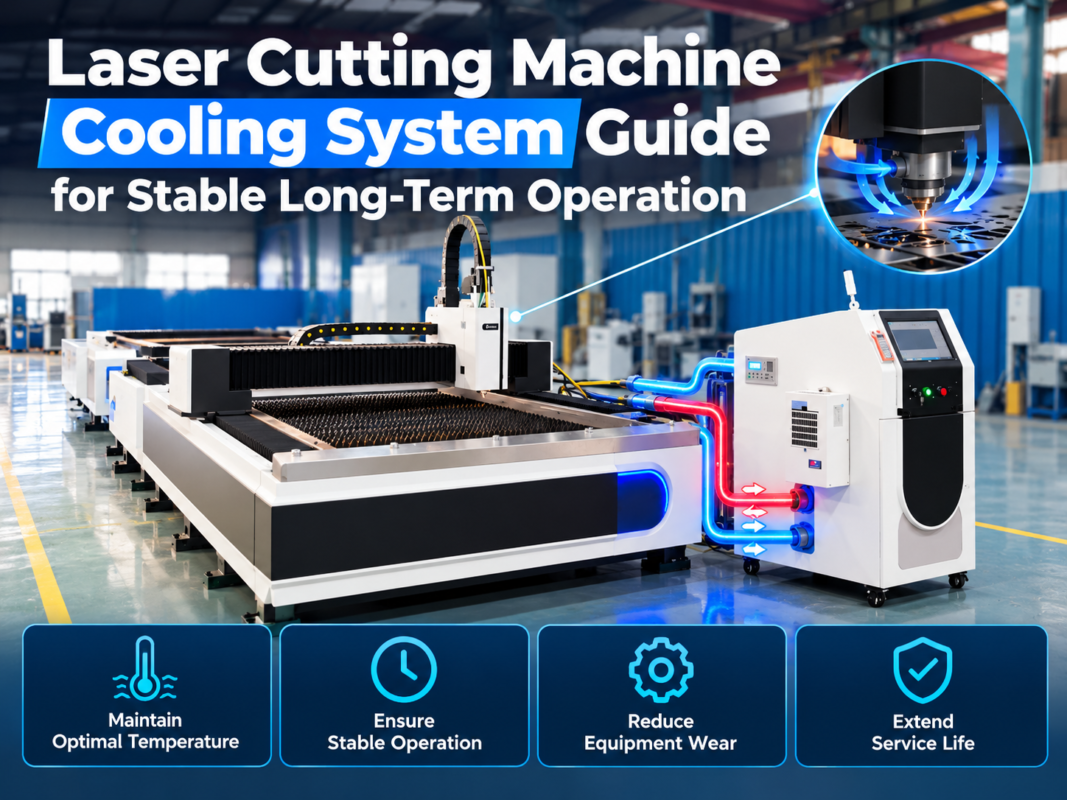
From a technical standpoint, the efficiency of energy conversion is another major differentiator. CO2 lasers typically have a wall-plug efficiency of about 8% to 10%, meaning a significant amount of energy is lost as heat, requiring robust cooling systems. Fiber lasers, however, boast efficiencies of 30% to 40% or even higher. This not only reduces electricity costs but also minimizes the thermal load on the machine’s components, leading to longer service intervals and lower operating costs over the machine’s lifecycle.
Core Parameters of Laser Cutting Systems
To master the Laser Cutting Machine Technical : Fiber Co2 Systems Differ In Metal Fabrication, one must understand the core parameters that dictate performance. The first and most obvious parameter is Laser Power. Measured in Watts (W) or Kilowatts (kW), power determines the maximum thickness a machine can cut and the speed at which it can do so. While CO2 lasers are often capped around 6kW for standard fabrication, fiber lasers have pushed boundaries into the 20kW, 30kW, and even 60kW range, enabling the cutting of extremely thick plates that were previously the domain of plasma or waterjet cutting.
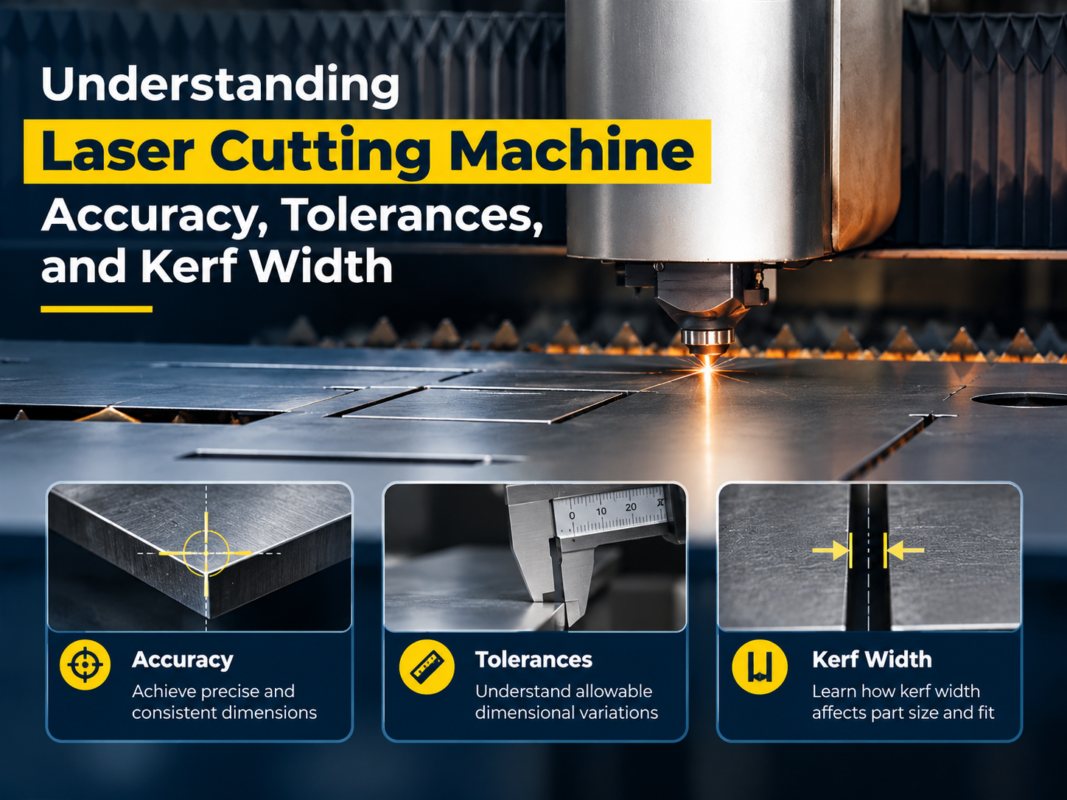
Beam Quality (M²) is a critical technical metric. It describes how well a laser beam can be focused to a small spot. A lower M² value indicates a higher quality beam that can produce a smaller focal spot, resulting in a narrower kerf (the width of the cut) and a smaller Heat Affected Zone (HAZ). Fiber lasers generally offer superior beam quality compared to CO2 lasers, especially at lower power levels, which translates to higher precision in intricate designs.
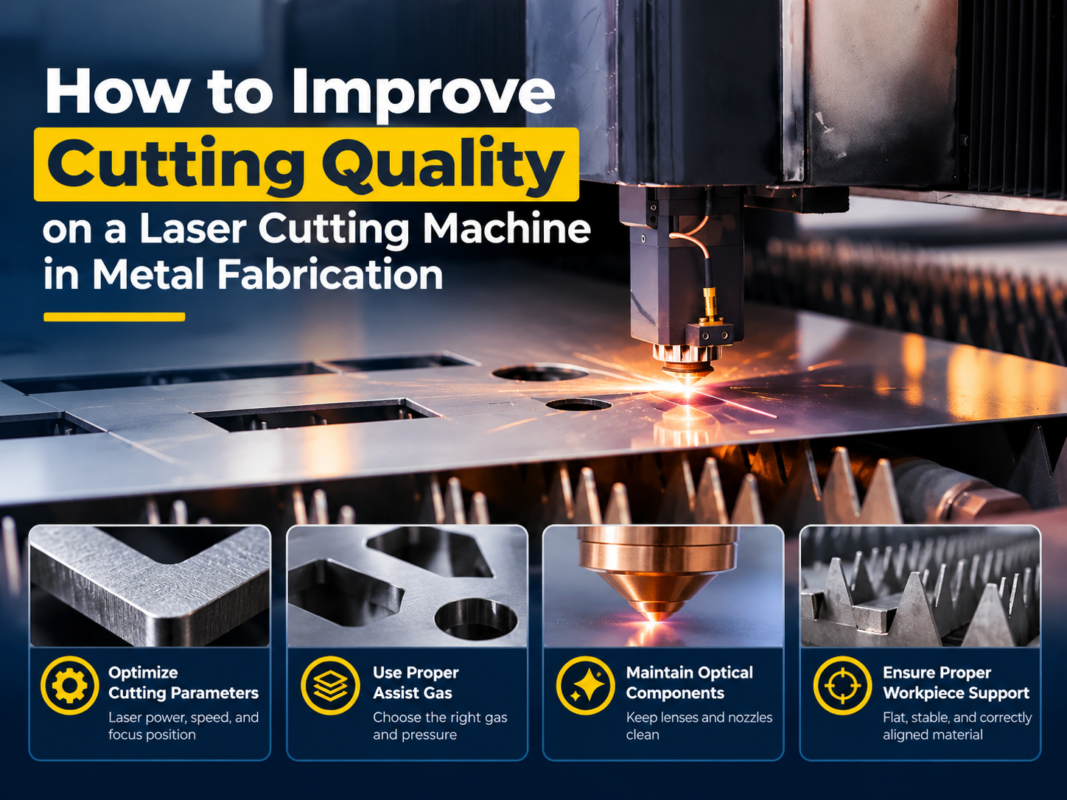
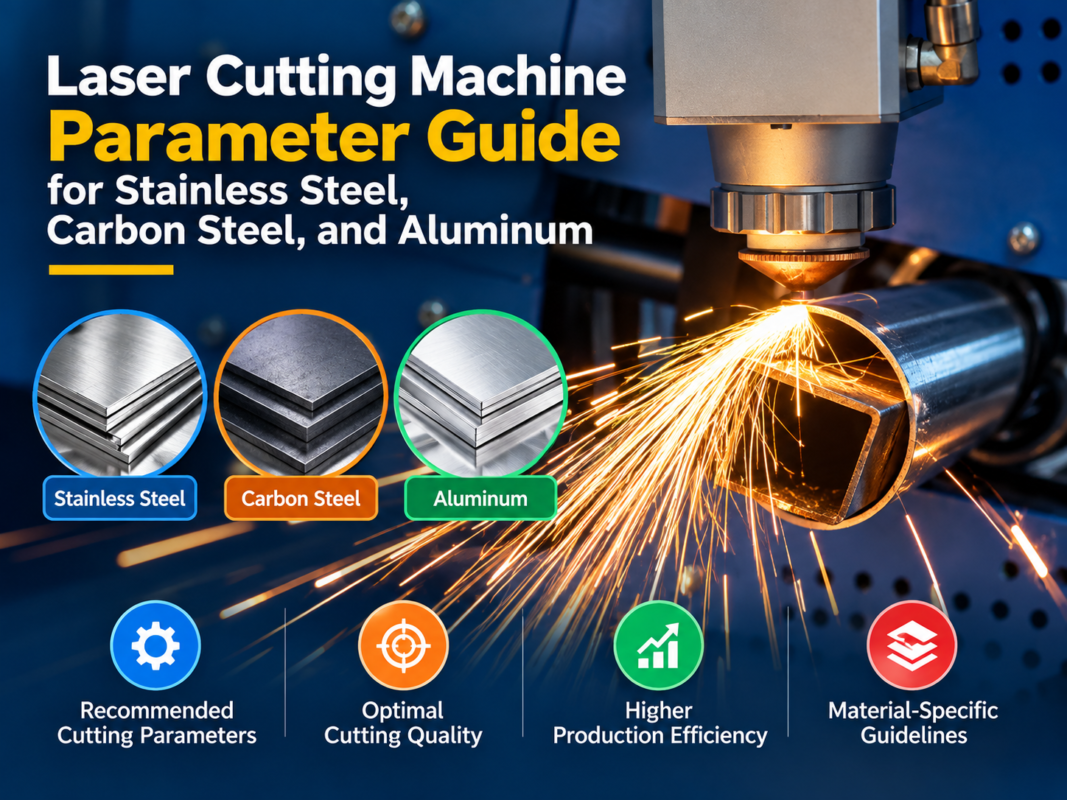
Assist Gas Type and Pressure play a vital role in the cutting process. Oxygen (O2) is typically used for carbon steel, where it acts as an exothermic energy source, speeding up the cut but leaving an oxide layer. Nitrogen (N2) or compressed air is used for stainless steel and aluminum to prevent oxidation, resulting in a clean, weld-ready edge. The pressure must be meticulously calibrated; too low, and the dross (molten metal) won’t be cleared; too high, and the turbulence can degrade the cut quality.
Focal Position is the vertical location of the beam’s smallest diameter relative to the material surface. For thin materials, the focus is usually on or slightly above the surface. For thicker materials, the focus is often moved deeper into the plate to ensure the energy is distributed through the entire thickness. Modern HARSLE fiber lasers often feature automated focusing heads that adjust this parameter in real-time based on the material library settings.
Calculation Method for Cutting Efficiency and Costs
Calculating the efficiency of a laser cutting operation involves more than just looking at the speed dial. Engineers must consider the Cutting Speed (V), which is often modeled by the relationship between power (P) and material thickness (t). A simplified formula used in many workshops is V = k * (P / t), where k is a constant specific to the material and the laser type. Because fiber lasers have higher absorption rates, their k value for metals is significantly higher than that of CO2 lasers.
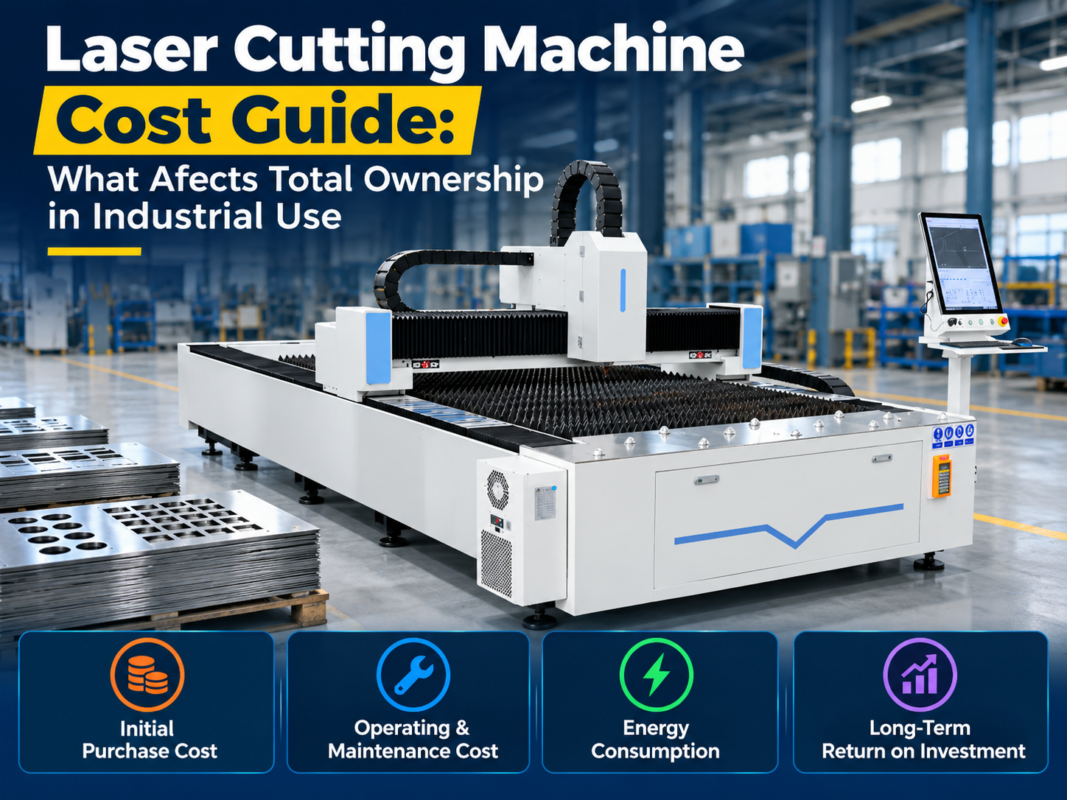
Another essential calculation is the Cost Per Part. This is determined by the formula: Total Cost = (Hourly Operating Cost / Parts Per Hour) + Material Cost. The hourly operating cost includes electricity, assist gases, nozzle replacements, and maintenance. While a fiber laser might have a higher initial purchase price, its parts-per-hour rate is usually so much higher (due to speed) and its maintenance cost so much lower (no mirrors or gas refills) that the cost per part is drastically reduced compared to CO2 systems.
Furthermore, the Gas Consumption Rate must be calculated to manage overhead. Nitrogen cutting, especially at high pressures for thick stainless steel, can be expensive. The flow rate (Q) can be estimated based on the nozzle diameter (d) and the pressure (p): Q ≈ C * d² * p. By optimizing the nozzle design and using ‘frequency-modulated’ cutting, modern fiber systems can reduce gas consumption by up to 30% compared to older CO2 models.
Parameter Table: Fiber vs. CO2 Performance Comparison
The following table provides a technical comparison of typical performance metrics for a 4kW Fiber Laser versus a 4kW CO2 Laser when cutting various thicknesses of Mild Steel and Stainless Steel.
| Material Type | Thickness (mm) | Fiber Speed (m/min) | CO2 Speed (m/min) | Assist Gas |
|---|---|---|---|---|
| Mild Steel | 1 mm | 35.0 | 12.0 | O2 / Air |
| Mild Steel | 6 mm | 3.5 | 2.8 | O2 |
| Mild Steel | 12 mm | 1.2 | 1.1 | O2 |
| Stainless Steel | 1 mm | 40.0 | 10.0 | N2 |
| Stainless Steel | 4 mm | 6.5 | 2.5 | N2 |
| Stainless Steel | 10 mm | 1.2 | 0.8 | N2 |
| Aluminum | 2 mm | 18.0 | 4.0 | N2 / Air |
| Brass/Copper | 2 mm | 12.0 | N/A (Reflective) | N2 |
As seen in the table, the fiber laser’s advantage is most pronounced in thinner materials and non-ferrous metals. As thickness increases, the gap between Fiber and CO2 narrows, though fiber still maintains a slight edge in speed and a significant edge in operational cost.
Common Engineering Mistakes in Laser Cutting
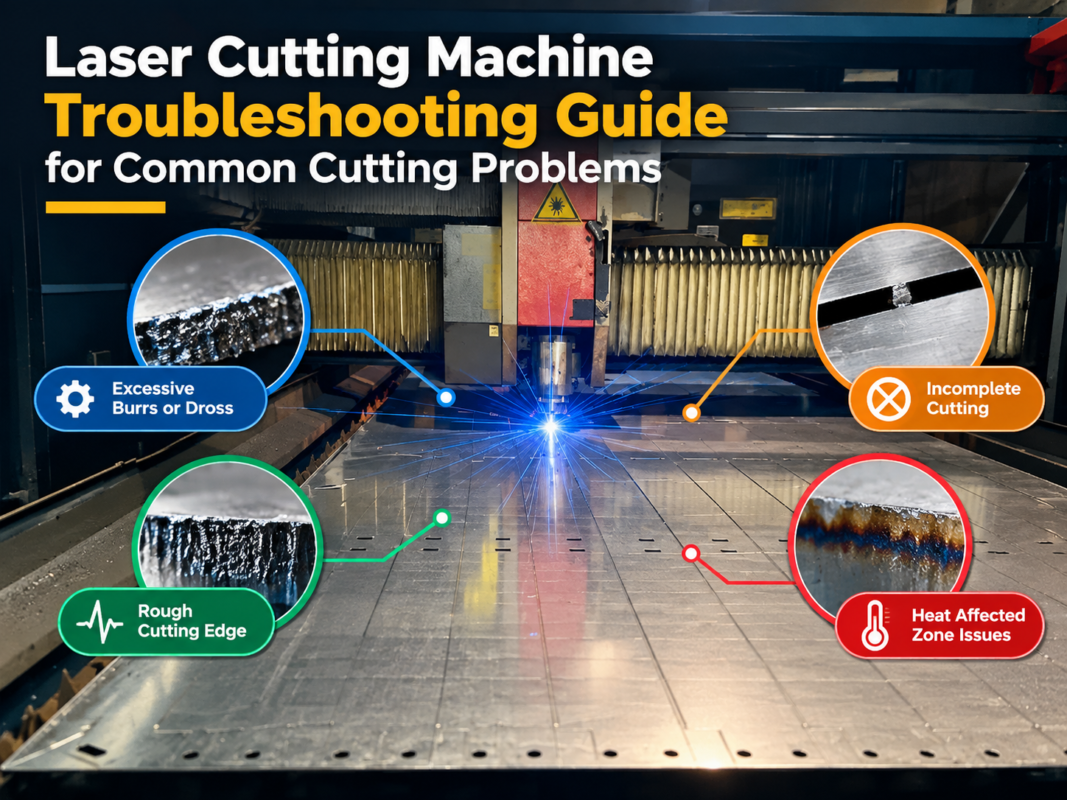
One of the most frequent mistakes in Laser Cutting Machine Technical : Fiber Co2 Systems Differ In Metal Fabrication is the improper selection of assist gas. Many operators use Oxygen for all carbon steel cutting to save on gas costs, but for parts that require painting or powder coating, the oxide layer left by Oxygen will cause the coating to peel. Switching to Nitrogen or High-Pressure Air for thin gauges can eliminate the need for secondary cleaning processes, saving time and money.
Another common error is neglecting the Optical Path Maintenance in CO2 systems. Because CO2 lasers rely on mirrors, any slight misalignment or dust on a mirror can lead to beam divergence, resulting in poor cut quality or even damage to the machine. Operators often try to compensate for a dirty mirror by increasing power or slowing down the speed, which only exacerbates the problem. Fiber lasers avoid this specific issue, but they are sensitive to contamination at the fiber connector or the protective window of the cutting head.
Ignoring the Thermal Lensing Effect is a technical oversight often seen in high-power applications. As the lens heats up, its refractive index changes, causing the focal point to shift during a long cut. This can lead to a loss of cut quality halfway through a large sheet. High-quality machines from HARSLE utilize temperature-monitored optics and cooling systems to mitigate this effect, but operators must still be aware of it when setting up long production runs.
Finally, many engineers fail to optimize the Lead-in and Lead-out strategies. For thick materials, a straight lead-in can cause a ‘blowout’ at the start of the cut. Using a circular or ‘hook’ lead-in allows the laser to stabilize its piercing pressure and speed before entering the part geometry, ensuring a smooth edge finish from start to finish.
Selection Checklist: Choosing the Right System
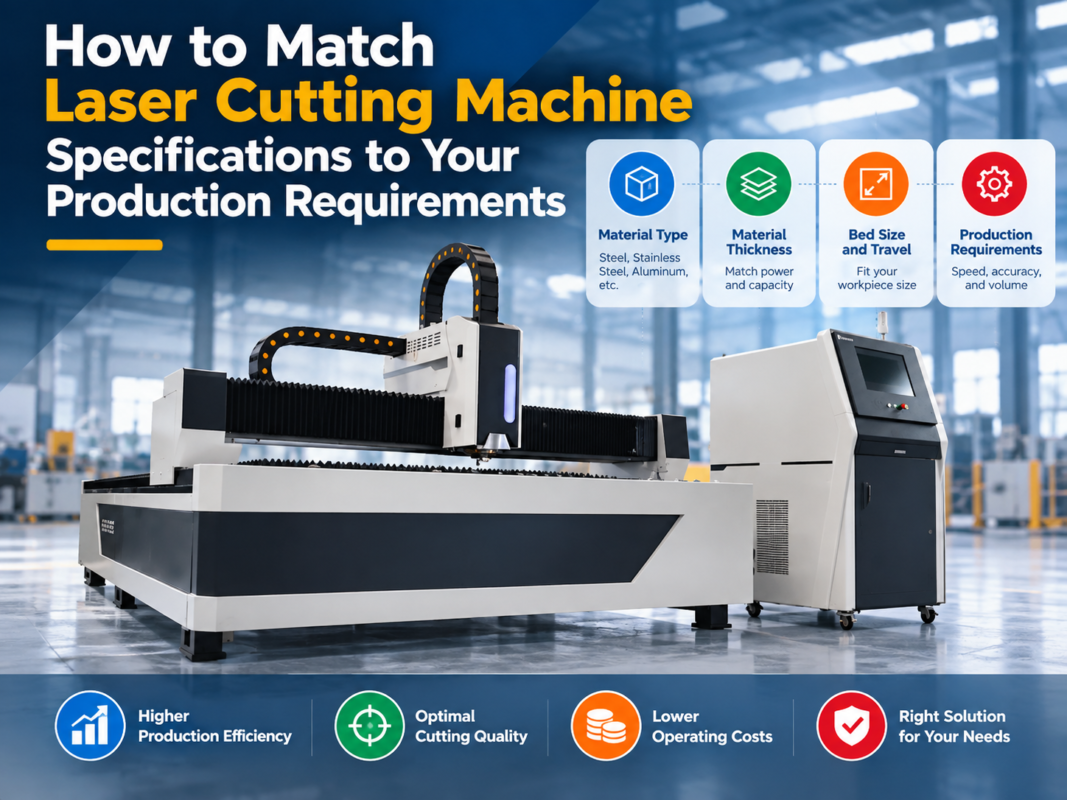
When deciding between a Fiber and CO2 laser cutting machine, use the following technical checklist to ensure the equipment matches your production needs:
- Material Variety: Do you primarily cut metals? (Choose Fiber). Do you need to cut wood, acrylic, or plastics as well? (Choose CO2).
- Reflective Metals: Do you process copper, brass, or mirror-finish aluminum? (Fiber is mandatory).
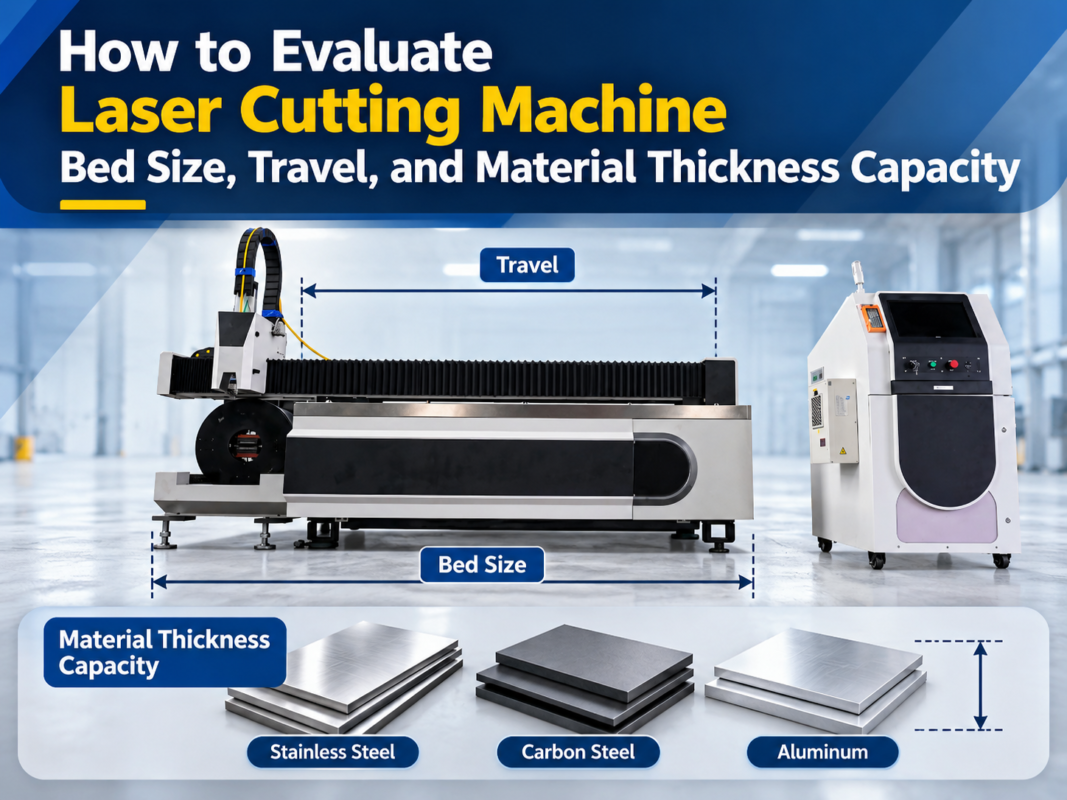
- Thickness Profile: Is 80% of your work under 10mm? (Fiber is significantly more efficient). Do you exclusively cut 25mm+ heavy plate? (High-power Fiber or specialized CO2).
- Production Volume: High-volume, 24/7 operations benefit immensely from the low maintenance and high speed of Fiber.
- Floor Space: Fiber lasers have a much smaller footprint because they don’t require large resonators or external chillers for the gas.
- Budget (Initial vs. Long-term): CO2 may have a lower entry price in the used market, but Fiber offers a much lower Total Cost of Ownership (TCO).
- Operator Skill Level: Fiber lasers are generally easier to operate due to automated beam delivery, whereas CO2 requires more manual tuning of optics.
Frequently Asked Questions (FAQ)
1. Can a Fiber laser cut non-metallic materials?
Generally, no. The 1.06µm wavelength of a fiber laser passes through or is not absorbed well by wood, plastics, and glass. For these materials, a CO2 laser with its 10.6µm wavelength is required. Attempting to cut non-metals with a fiber laser can also be a fire hazard as the material may char rather than vaporize.
2. Why is Fiber laser cutting faster on thin materials?
This is due to the absorption rate. At the 1.06µm wavelength, metals absorb the energy much more efficiently. Think of it like a dark surface absorbing sunlight faster than a white surface. This high absorption allows the metal to reach its melting point almost instantaneously, allowing the machine to move at much higher velocities.
3. What is the lifespan of a Fiber laser source?
A high-quality fiber laser source, such as those used by HARSLE, typically has a lifespan of 100,000 hours. This is significantly longer than the 20,000 hours often seen with CO2 resonators before they require a gas refill or a major overhaul of the internal optics.
4. Is Nitrogen cutting always better than Oxygen?
Not necessarily. Nitrogen is better for stainless steel and aluminum because it prevents oxidation, leaving a shiny edge. However, for thick mild steel, Oxygen is often preferred because the chemical reaction between the oxygen and the iron provides extra heat, which helps the laser cut through thick sections that Nitrogen might struggle with.
5. How does the ‘Kerf’ width differ between the two?
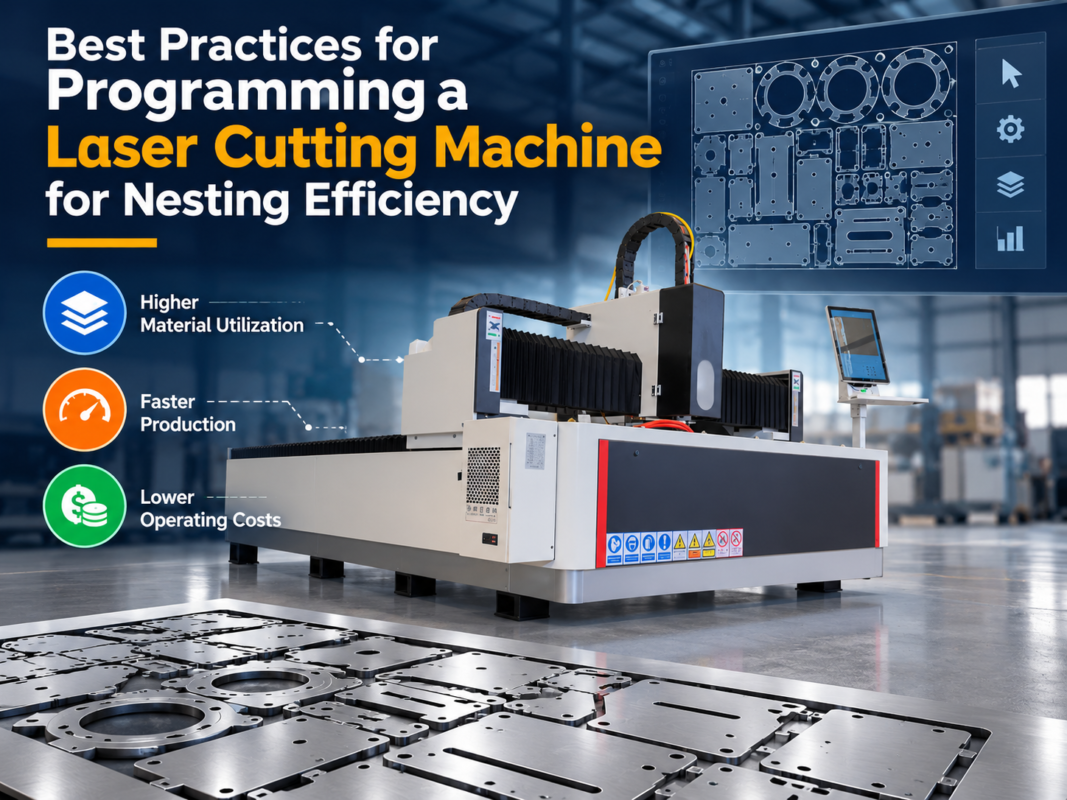
Because the fiber laser can be focused to a much smaller spot size, the kerf (the width of the material removed) is typically narrower. This allows for tighter nesting of parts on a sheet, reducing material waste, and enables the cutting of much finer details and smaller holes relative to the material thickness.
6. Does a Fiber laser require a special environment?
While fiber lasers are more robust than CO2 lasers because they lack mirrors, they are highly sensitive to dust at the connection points. They should be operated in a relatively clean industrial environment, and the cutting head’s protective windows must be changed in a ‘clean-room’ style procedure to prevent any particles from entering the optical path.