
Budgeting for a Metal Shearing Machine: Complete Price Guide for Buyers


Price Range Overview
Investing in industrial metal fabrication equipment is a significant capital expenditure that requires careful financial planning. When budgeting a metal shearing machine: complete price buyers often find that the market is segmented into three distinct tiers: entry-level, mid-range, and high-end industrial systems. Understanding these tiers is the first step in aligning your production needs with your available capital.
Entry-level shearing machines, typically manual or light-duty hydraulic swing-beam models, generally range from $8,000 to $20,000. These machines are designed for smaller fabrication shops, vocational schools, or facilities with low-volume, thin-gauge cutting requirements. They offer basic functionality and are often limited in terms of automation and material thickness capacity.
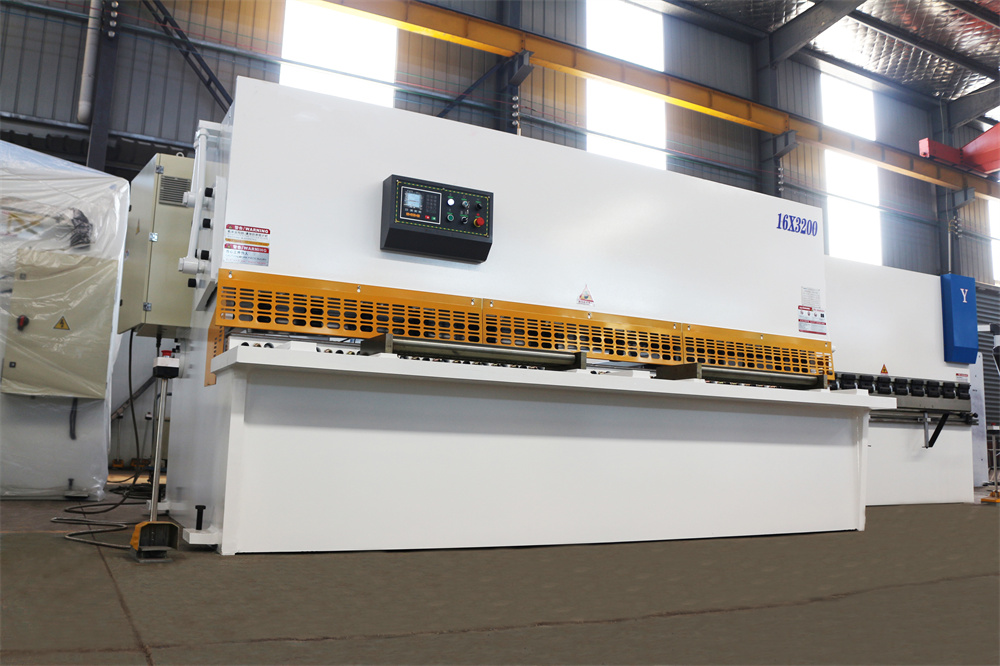
Mid-range hydraulic guillotine shears represent the workhorse of the industry, typically priced between $25,000 and $70,000. These machines are the standard for most job shops, offering a balance of precision, speed, and durability. They usually feature NC (Numerical Control) or basic CNC controllers, allowing for repeatable accuracy and higher throughput for medium-thickness plate materials.
High-end, fully automated CNC shearing centers can range from $80,000 to upwards of $250,000. These systems are engineered for high-volume production environments, featuring advanced backgauge systems, automatic blade gap adjustment, and integrated material handling solutions. When budgeting for these units, buyers must account for the increased complexity and the long-term productivity gains they provide.
It is essential to remember that the purchase price is only the starting point. When budgeting a metal shearing machine: complete price buyers must also factor in shipping, installation, and commissioning fees, which can add 5% to 15% to the total project cost depending on the machine’s size and the distance from the manufacturer’s warehouse.
Finally, consider the currency fluctuations and lead times if you are importing equipment. HARSLE provides transparent pricing structures, but global logistics and raw material costs for steel can influence the final quote. Always request a comprehensive breakdown that includes all accessories and software licenses to avoid unexpected financial surprises during the procurement process.
Main Cost Drivers
The primary factor influencing the cost of a shearing machine is its cutting capacity. Capacity is defined by both the maximum plate thickness and the length of the cut. A machine designed to shear 10mm thick mild steel over a 3-meter length will naturally command a higher price than a machine limited to 4mm over 2 meters. The structural rigidity required to handle higher forces necessitates heavier steel frames and more robust hydraulic components.
The type of shearing mechanism—swing-beam versus guillotine—also dictates the price. Swing-beam shears are generally more cost-effective due to their simpler design, making them ideal for shops that prioritize budget over extreme precision. Guillotine shears, which move the upper blade vertically, offer superior cut quality and are less prone to material twisting, but they require more complex guide systems and hydraulic synchronization, leading to a higher price point.
Controller technology is another major cost driver. A simple NC controller allows for basic backgauge positioning, which is sufficient for many applications. However, upgrading to a full CNC controller with graphical interfaces, job memory, and automatic blade gap adjustment significantly increases the machine’s cost. This investment is often justified by the reduction in setup time and the elimination of operator error.
Hydraulic and electrical components play a critical role in the machine’s longevity and price. Premium brands utilize high-quality valves, pumps, and motors from reputable global manufacturers. While cheaper alternatives exist, they often lead to higher maintenance costs and increased downtime. When budgeting, prioritize machines that use standardized, high-quality components to ensure parts availability for the next 10 to 20 years.
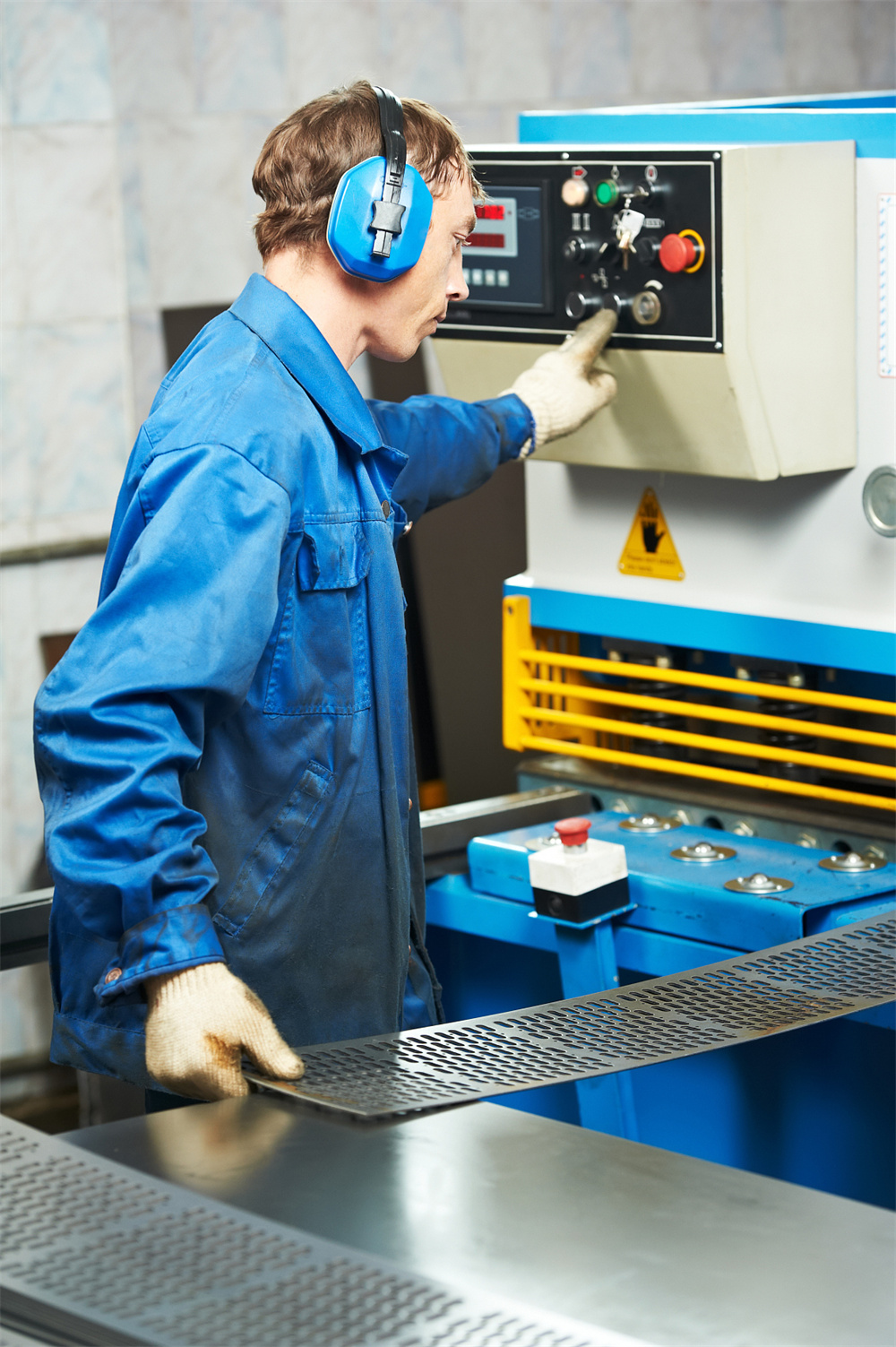
Safety features and compliance standards are non-negotiable cost drivers. Modern shearing machines must be equipped with light curtains, rear safety fencing, and emergency stop systems to meet international safety regulations. While these features add to the initial cost, they are essential for protecting your workforce and ensuring compliance with local labor laws, which can prevent costly fines and insurance liabilities.
Configuration Impact
Customizing your shearing machine can drastically alter the final price. One of the most common upgrades is the backgauge system. A standard motorized backgauge is sufficient for most tasks, but for shops dealing with complex parts, a multi-axis backgauge (X, Y, R axes) allows for tapered cuts and complex geometry, adding significant value and cost to the machine configuration.
Blade quality and material compatibility are often overlooked during the budgeting phase. If your shop frequently cuts high-tensile steel or stainless steel, you will need specialized blades made from high-carbon, high-chrome tool steel. These blades are more expensive than standard blades but are necessary to prevent premature wear and edge chipping, which would otherwise lead to frequent replacement costs.
Automatic blade gap adjustment is a game-changer for shops that switch between different material thicknesses throughout the day. Instead of manually adjusting the gap, which is time-consuming and prone to error, the CNC controller handles it automatically. While this feature adds to the initial investment, it drastically increases the machine’s versatility and throughput, making it a high-value configuration for high-mix, low-volume production.
Material handling accessories, such as sheet support systems and pneumatic stackers, are essential for larger machines. These systems prevent thin sheets from sagging during the cut, ensuring accuracy and safety. For shops with limited manpower, an automated sheet return system can allow a single operator to manage the entire shearing process, providing a massive boost to labor efficiency.
Finally, consider the integration of software. Many modern HARSLE shearing machines can be integrated into a shop’s ERP or CAD/CAM system. This allows for seamless data transfer from the design office to the machine floor, reducing programming time and material waste. While software licenses and integration services add to the upfront cost, they are vital for modernizing your fabrication workflow.
Hidden Costs
When budgeting a metal shearing machine: complete price buyers often forget to account for the “hidden” costs of installation and site preparation. A heavy-duty shearing machine requires a reinforced concrete foundation to dampen vibrations and ensure long-term precision. If your existing floor is not suitable, the cost of pouring a new foundation can be substantial.
Electrical infrastructure is another frequently overlooked expense. Industrial shears often require high-voltage, three-phase power. If your facility lacks the necessary electrical capacity or if the machine requires a dedicated transformer, you will need to hire a licensed electrician to upgrade your power supply. Always check the machine’s power requirements against your facility’s current capabilities before finalizing your purchase.
Maintenance and tooling are ongoing costs that should be factored into your five-year budget. Blades will eventually need sharpening or replacement, and hydraulic oil must be changed periodically. Additionally, investing in a comprehensive spare parts kit at the time of purchase can save you thousands in shipping costs and downtime if a critical component fails during a busy production cycle.
Training is an essential investment. Even the most advanced machine will underperform if your operators are not properly trained on its features and safety protocols. Budget for professional training sessions, either on-site or at the manufacturer’s facility, to ensure your team can maximize the machine’s potential from day one. Neglecting training often leads to operator frustration and increased machine wear.
Finally, consider the cost of waste management and scrap handling. A high-efficiency shearing machine will produce a significant amount of scrap metal. Investing in scrap bins, conveyors, or balers can help you organize your shop floor and potentially increase the value of your scrap metal, turning a waste product into a small revenue stream that offsets some of your operational costs.
ROI Calculation
Calculating the Return on Investment (ROI) for a shearing machine is essential for justifying the expenditure to stakeholders. Start by calculating the cost per cut. This involves dividing the total cost of the machine (including financing interest) by the expected number of cuts over its useful life, adding in the costs of labor, electricity, and blade maintenance.
Compare this to your current method of cutting. If you are currently outsourcing your shearing, the ROI is often very rapid, as you eliminate the markup charged by third-party suppliers and gain control over your production schedule. If you are replacing an older, less efficient machine, the ROI is found in the reduction of labor hours, lower scrap rates, and the ability to take on more complex, higher-margin projects.
Consider the “opportunity cost” of not having the machine. If your production is bottlenecked at the cutting stage, you are losing potential revenue every day. A new, faster shearing machine can increase your total shop throughput, allowing you to fulfill orders faster and improve customer satisfaction, which leads to repeat business and long-term growth.
Factor in the resale value of the machine. High-quality industrial equipment from reputable brands like HARSLE retains its value well over time. When calculating your long-term ROI, you can estimate a residual value for the machine after 10 years of service, which significantly improves the overall financial picture of the investment.
Finally, use a simple payback period formula: (Total Investment / Annual Net Savings). If the payback period is under three years, the investment is generally considered highly attractive. Even with a longer payback period, the strategic benefits of improved quality, safety, and production capacity often outweigh the raw financial numbers.
Buying Advice
Before committing to a purchase, define your requirements clearly. Create a list of the materials you cut most frequently, the maximum thickness, and the required precision. Do not over-specify your machine; buying a 20mm capacity machine when you only ever cut 6mm is a waste of capital that could be better spent on features that actually improve your workflow.
Research the manufacturer’s support network. A machine is only as good as the service behind it. Look for companies that offer local technical support, readily available spare parts, and remote diagnostic capabilities. HARSLE prides itself on providing comprehensive after-sales support, ensuring that your machine remains operational and productive throughout its lifecycle.
Request a live demonstration or visit a reference site. Seeing the machine in action allows you to evaluate its build quality, noise levels, and ease of use. Talk to the operators if possible; they are the ones who will be using the machine every day and can provide invaluable feedback on its reliability and performance.
Review the warranty terms carefully. A standard one-year warranty is common, but some manufacturers offer extended warranties or service packages. Understand what is covered and what is considered “wear and tear.” A clear understanding of the warranty will help you manage your maintenance budget more effectively in the early years of ownership.
Finally, consider the financing options. Many manufacturers offer leasing or installment plans that can help you preserve your cash flow. Compare these options against traditional bank loans to find the most cost-effective way to fund your purchase. Remember, the goal is to acquire the right tool for your business, not just the cheapest one available.
FAQ
- What is the typical lifespan of a hydraulic shearing machine? With proper maintenance, a high-quality industrial shearing machine can last 15 to 25 years.
- How often should I sharpen the blades? This depends on the material type and volume. Generally, blades should be inspected every 3-6 months and sharpened when you notice burrs on the cut edge.
- Can I cut stainless steel on a standard shearing machine? Yes, but you must ensure the machine has the capacity for the increased hardness of stainless steel and use the correct blade gap settings.
- What is the difference between NC and CNC shearing? NC (Numerical Control) allows for basic backgauge positioning, while CNC (Computer Numerical Control) offers advanced features like automatic blade gap adjustment and job programming.
- Is it better to buy new or used? New machines offer warranties, the latest technology, and reliability. Used machines are cheaper but carry risks regarding hidden wear and lack of support.
- How much space do I need for a shearing machine? You need the machine’s footprint plus adequate space for material loading, unloading, and operator movement. Always consult the manufacturer’s layout diagrams.












