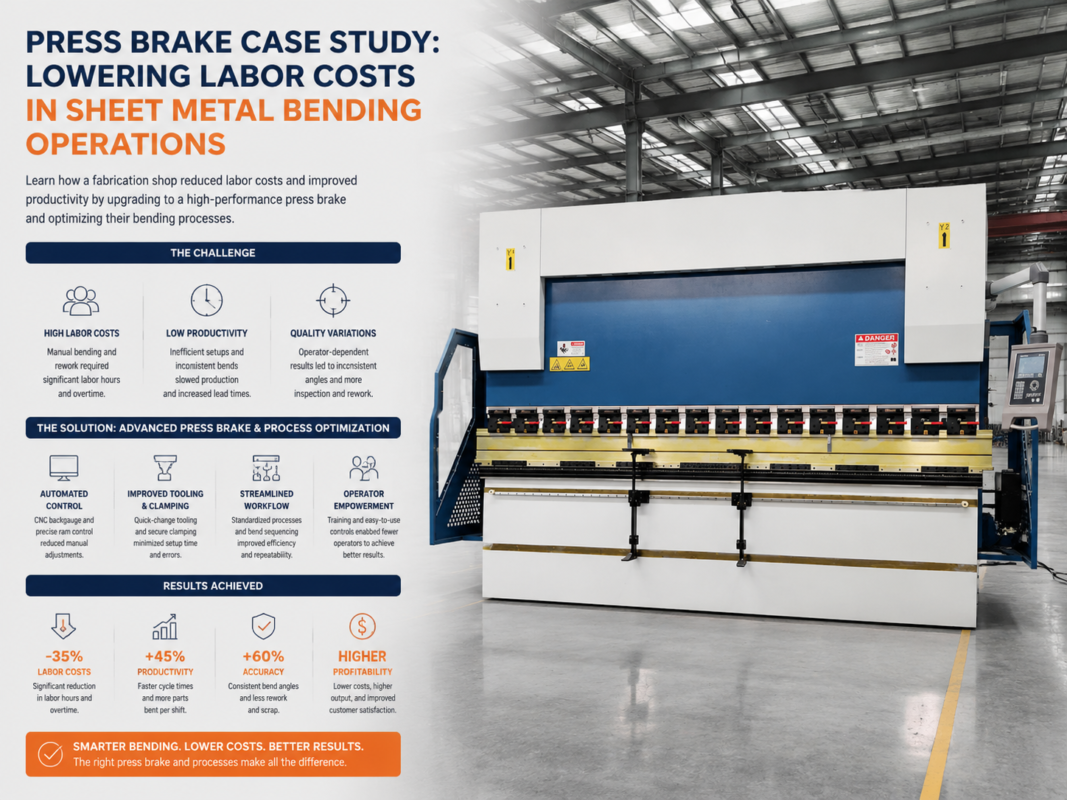
C-Frame vs H-Frame Hydraulic Press: Which Machine Fits Your Workshop?


Comparison Summary: Understanding the Core Differences
In the world of metal fabrication, the hydraulic press is an indispensable workhorse. However, choosing between a C-Frame and an H-Frame hydraulic press is a critical decision that impacts your workshop’s productivity, precision, and long-term ROI. At HARSLE, we understand that every workshop has unique requirements, ranging from high-speed assembly to heavy-duty deep drawing. The primary difference between these two machines lies in their structural design, which dictates their tonnage capacity, accessibility, and resistance to deflection.
A C-Frame hydraulic press, often referred to as a gap-frame press, features an open design on three sides. This provides unparalleled accessibility for operators and allows for the processing of long or oddly shaped workpieces. Conversely, the H-Frame hydraulic press, also known as a four-column or straight-side press, utilizes a closed-frame design. This structure offers superior rigidity and stability, making it the go-to choice for high-tonnage applications where precision and minimal frame deflection are paramount. While the C-frame excels in versatility and floor space efficiency, the H-frame dominates in heavy-duty industrial environments.
When evaluating C-Frame vs H-Frame hydraulic press options, you must consider the specific tasks your workshop performs. Are you focused on light stamping, riveting, and assembly? Or does your workflow involve heavy molding, deep drawing, and large-scale plate bending? This guide provides a comprehensive deep dive into both machine types, helping you determine which configuration aligns with your production goals, budget, and spatial constraints.
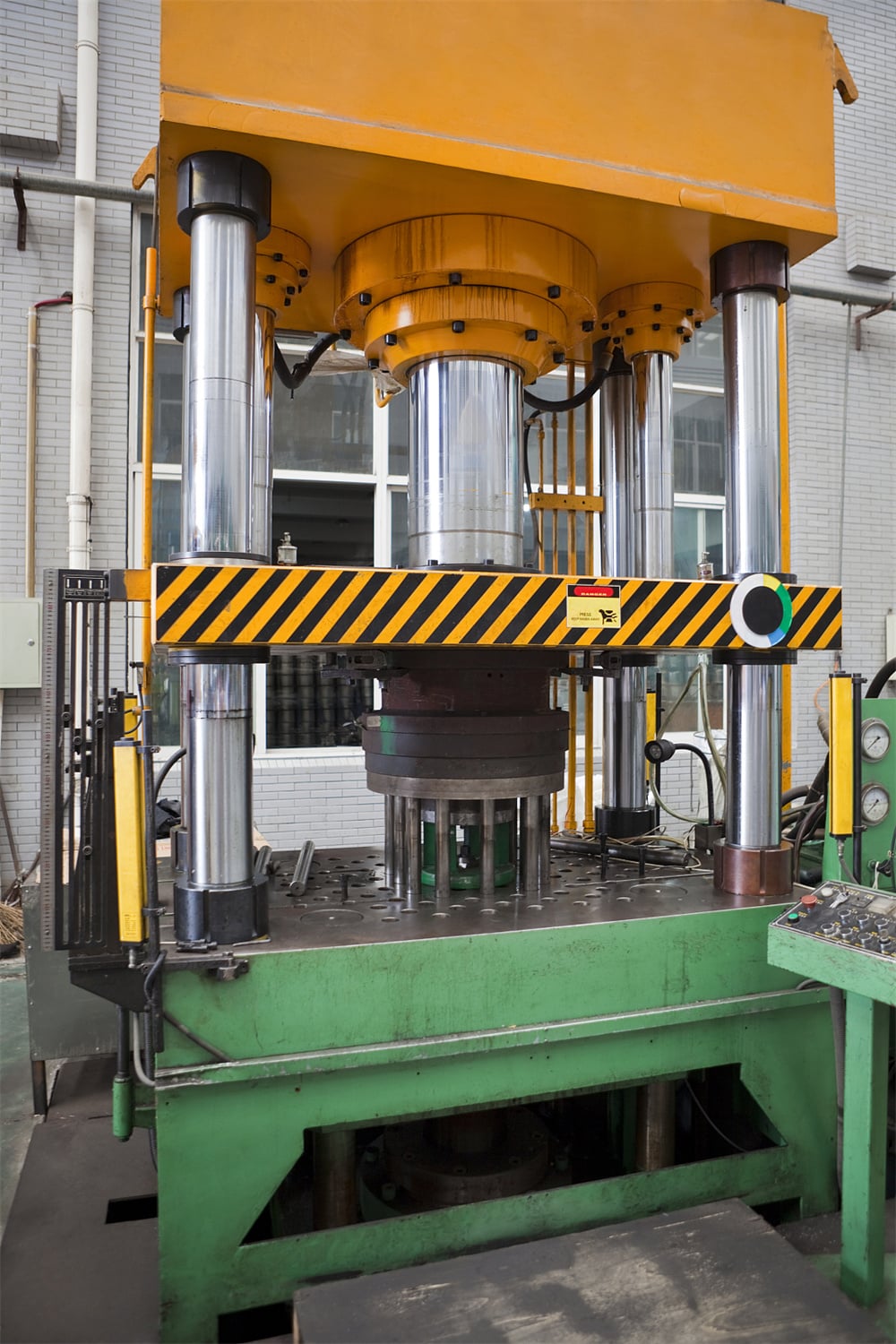
C-Frame Hydraulic Press Overview: Versatility and Accessibility
The C-Frame hydraulic press is characterized by its “C” shaped steel frame. This design is engineered to maximize the workspace around the die area. Because the front and sides are open, operators can easily load and unload parts, and the machine can be integrated into automated production lines with ease. HARSLE’s C-frame models are particularly popular in workshops where floor space is at a premium, as their vertical design occupies a smaller footprint compared to their H-frame counterparts.
One of the standout features of the C-frame press is its speed. These machines are often designed for rapid cycling, making them ideal for high-volume production of smaller components. Common applications include punching, blanking, riveting, and small-scale assembly. The open-back design also facilitates the use of scrap chutes or conveyors, further enhancing the efficiency of the manufacturing process. However, the open design does introduce a technical challenge known as “yawning.” Under extreme pressure, the open ends of the “C” can deflect slightly, which may affect the alignment of the upper and lower dies if the machine is pushed beyond its rated capacity.
To mitigate deflection, high-quality C-frame presses from HARSLE are constructed with heavy-duty reinforced steel plates. We utilize advanced FEA (Finite Element Analysis) to ensure that the frame remains rigid within its specified tonnage range. For workshops that require flexibility and handle a variety of small to medium-sized parts, the C-frame press offers a cost-effective and user-friendly solution. It is the preferred choice for electronics manufacturing, automotive sub-assembly, and appliance production.
Key Advantages of C-Frame Presses
- Three-Sided Access: Simplifies die changes and part handling, allowing for manual or automated loading from multiple angles.
- Compact Footprint: Ideal for smaller workshops or facilities where maximizing floor space is a priority.
- High-Speed Operation: Optimized for rapid cycles, increasing throughput for light-duty stamping and assembly tasks.
- Cost-Effectiveness: Generally lower initial investment and maintenance costs compared to H-frame models.
H-Frame Hydraulic Press Overview: Power and Precision
The H-Frame hydraulic press is the heavy-duty sibling in the hydraulic family. Its name comes from the “H” shape formed by two vertical columns connected by top and bottom beams. This closed-loop structure is inherently more rigid than the C-frame design. Because the force is distributed evenly across the four corners of the frame, H-frame presses experience virtually zero deflection, even at massive tonnages. This makes them the gold standard for applications requiring extreme precision and high pressure.
HARSLE H-frame presses are designed for the most demanding industrial environments. They are commonly used for deep drawing, heavy plate forming, compression molding, and large-scale forging. The stability of the H-frame allows for the use of larger bed sizes and heavier dies. Furthermore, because the frame is closed, these machines can handle off-center loading much better than C-frame presses. This is a crucial factor when working with complex dies that may not distribute pressure perfectly across the workpiece.
While the H-frame press offers unmatched power, it does come with trade-offs. The four-column design limits access to the front and back of the machine, making side-loading impossible. This requires more careful planning for material handling and die installation. Additionally, H-frame presses are significantly larger and heavier, requiring a dedicated foundation in many cases. However, for workshops that prioritize part quality, repeatability, and the ability to handle thick materials, the H-frame is an essential investment.
Key Advantages of H-Frame Presses
- Maximum Rigidity: The closed-frame design eliminates “yawning,” ensuring perfect die alignment and part accuracy.
- High Tonnage Capacity: Capable of delivering hundreds or even thousands of tons of pressure for heavy-duty fabrication.
- Large Bed Area: Accommodates oversized workpieces and complex, multi-stage dies.
- Durability: Built to withstand continuous, high-pressure operation in 24/7 manufacturing environments.
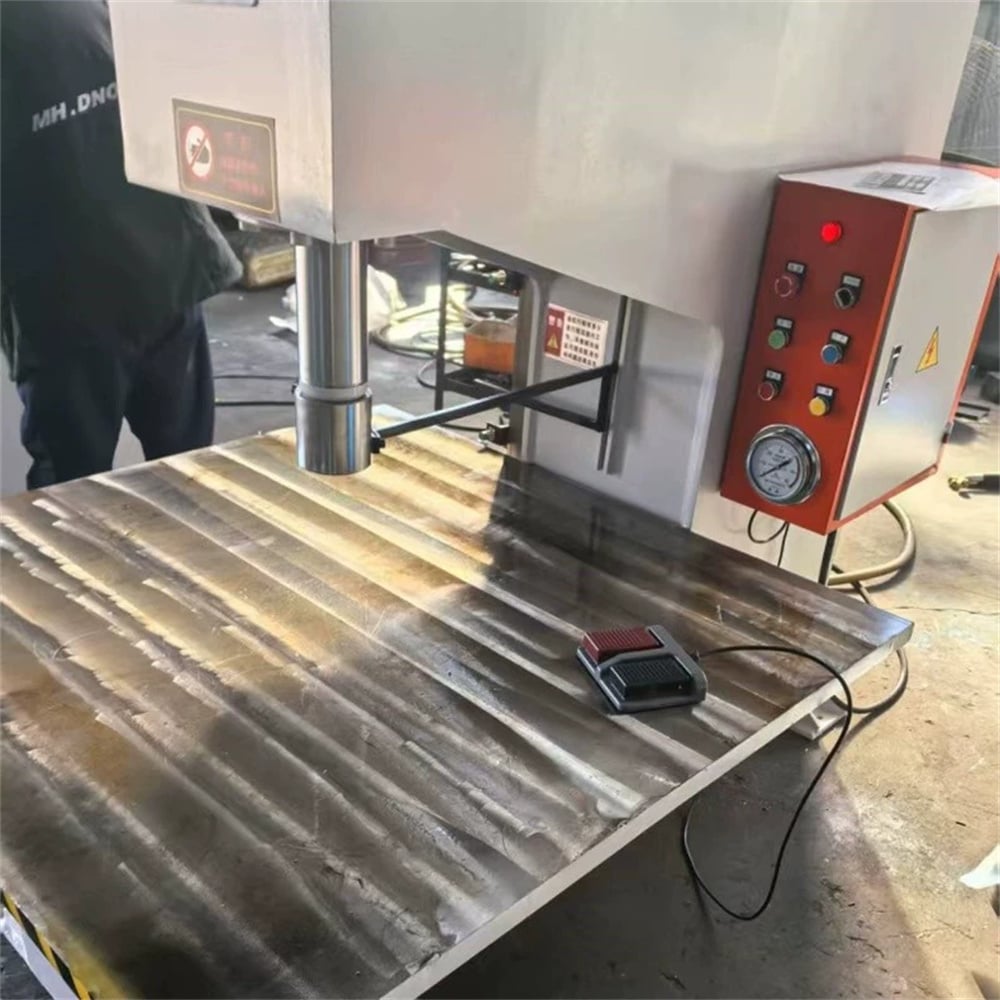
Specification Comparison Table
To help you visualize the differences, the following table compares the typical specifications and characteristics of C-Frame vs H-Frame hydraulic presses.
| Feature | C-Frame Hydraulic Press | H-Frame Hydraulic Press |
|---|---|---|
| Frame Design | Open “C” Shape (Gap Frame) | Closed “H” Shape (Four-Column) |
| Accessibility | Excellent (3 sides open) | Limited (Front and Back only) |
| Tonnage Range | Typically 5 to 250 Tons | Typically 50 to 5,000+ Tons |
| Deflection Risk | Moderate (Potential for “yawning”) | Minimal to Zero |
| Bed Size | Small to Medium | Medium to Very Large |
| Floor Space | Compact / Vertical | Large / Heavy Footprint |
| Primary Use | Assembly, Stamping, Riveting | Deep Drawing, Molding, Forging |
| Initial Cost | Lower | Higher |
Best-fit Applications: Choosing Based on Your Projects
Selecting the right press depends heavily on the nature of your projects. At HARSLE, we see these machines used across a vast array of industries, each utilizing the specific strengths of the frame design.
When to Choose a C-Frame Press
The C-frame press is the champion of the assembly line. If your workshop focuses on the following, a C-frame is likely your best fit:
- Automotive Electronics: Pressing small sensors, connectors, and circuit board components.
- Appliance Manufacturing: Punching and forming small metal brackets or panels for household goods.
- Jewelry and Watchmaking: Precision blanking and embossing of precious metals.
- Medical Device Assembly: Clean, fast, and repeatable pressing of delicate medical instruments.
- General Maintenance: Removing and installing bearings, bushings, and gears in a repair shop setting.
When to Choose an H-Frame Press
The H-frame press is built for the heavy hitters. Consider an H-frame if your production involves:
- Aerospace Components: Forming large, high-strength alloy parts that require absolute precision.
- Automotive Body Panels: Deep drawing of steel or aluminum sheets for doors, hoods, and chassis parts.
- Heavy Industrial Molding: Compression molding of rubber, plastics, or composite materials.
- Shipbuilding and Infrastructure: Bending and straightening thick steel plates and beams.
- Powder Metallurgy: Compacting metal powders into solid shapes under extreme pressure.
Cost and Maintenance Comparison
The financial aspect of choosing a press involves more than just the sticker price. You must consider the total cost of ownership, which includes installation, energy consumption, and long-term maintenance. C-frame presses are generally more affordable upfront. Their simpler design means fewer components to maintain, and they often run on smaller hydraulic power units, which can lead to lower electricity bills for light-duty tasks.
H-frame presses represent a significant capital investment. Beyond the purchase price, you may need to invest in specialized flooring or foundations to support the machine’s weight and vibration. However, the ROI of an H-frame press comes from its ability to produce high-value, complex parts that a C-frame simply cannot handle. Maintenance for H-frame presses is more intensive; it involves regular checks of the four columns for alignment, monitoring large-scale hydraulic systems, and ensuring the lubrication of the massive guiding gibs.
Regardless of the type, HARSLE recommends a proactive maintenance schedule. This includes regular oil filtration, checking for seal leaks, and calibrating the pressure gauges. A well-maintained C-frame can last decades, while a robust H-frame is often a multi-generational asset in a fabrication shop. When calculating costs, also factor in the speed of production; a faster C-frame might save money through higher throughput, while a more precise H-frame saves money by reducing scrap and rework on expensive materials.
Recommendation: Which Machine Fits Your Workshop?
The final decision between a C-Frame and an H-Frame hydraulic press boils down to three factors: Tonnage, Precision, and Access.
Choose a C-Frame Press if: You have limited floor space, your projects require less than 200 tons of pressure, and you need the flexibility to load parts from the sides. It is the ideal choice for workshops focusing on speed, versatility, and light-to-medium assembly or stamping tasks. HARSLE’s C-frame series offers the perfect balance of affordability and performance for growing businesses.
Choose an H-Frame Press if: Your work demands high tonnage (above 200 tons), extreme precision, and the ability to handle large or heavy workpieces. If you are performing deep drawing or working with very thick materials where frame deflection would ruin the part, the H-frame is non-negotiable. It is the professional choice for high-output industrial facilities and specialized fabrication shops.
At HARSLE, we provide expert consultations to help you match the right machine to your specific needs. We analyze your part drawings, material types, and production volumes to ensure you invest in a machine that will grow with your business. Whether it’s the nimble C-frame or the mighty H-frame, our goal is to empower your workshop with the best technology in the industry.
Frequently Asked Questions (FAQ)
1. Can a C-frame press handle deep drawing?
While possible for very shallow and light-gauge materials, C-frame presses are generally not recommended for deep drawing. The potential for frame deflection (yawning) can lead to uneven wall thickness or wrinkling in the drawn part. An H-frame press is much better suited for the consistent pressure required in deep drawing.
2. Is an H-frame press harder to operate?
Not necessarily. Both machines use similar hydraulic controls and PLC interfaces. The main difference in operation is the material handling. Because the H-frame is closed on the sides, operators must be more strategic about how they load and unload parts compared to the open access of a C-frame.
3. How do I minimize deflection in a C-frame press?
To minimize deflection, always operate the press within its rated capacity. Using high-quality, precision-ground dies and ensuring they are centered under the ram also helps. HARSLE C-frame presses are built with reinforced frames to keep deflection to an absolute minimum within the machine’s specifications.
4. Which press is better for a small startup workshop?
For most startups, a C-frame press is the better entry point. It is more affordable, takes up less space, and is versatile enough to handle a wide range of common fabrication tasks. As the business grows and takes on heavier, more specialized contracts, upgrading to an H-frame may become necessary.
5. What are the safety requirements for these machines?
Both types of presses require robust safety features, including light curtains, emergency stop buttons, and two-hand start controls. Because hydraulic presses exert immense force, OSHA and CE compliance is essential. HARSLE integrates advanced safety systems into every machine we build to protect your operators and your business.