Hydraulic Press vs Servo Press: Cost, Precision, and Productivity Compared


Comparison Summary: Navigating the Press Technology Landscape
In the rapidly evolving world of metal fabrication, selecting the right machinery is a pivotal decision that impacts long-term profitability, product quality, and operational efficiency. The debate between Hydraulic Press Vs Servo Press: Cost, Precision, Productivity Compared has become a central focus for manufacturers looking to upgrade their shop floors. While hydraulic presses have been the backbone of the industry for decades, offering unmatched force and versatility, servo presses have emerged as a high-tech alternative, promising extreme precision and energy efficiency. Understanding the nuances between these two technologies is essential for any facility aiming to optimize its production line.
At a high level, the choice often boils down to the specific requirements of the application. Hydraulic presses utilize fluid power to generate force, making them ideal for heavy-duty tasks and deep drawing where consistent pressure is required over a long stroke. On the other hand, servo presses use high-torque electric motors and sophisticated control systems to manage the ram’s movement with surgical precision. This allows for complex motion profiles that can significantly reduce cycle times and improve part quality. However, this technological leap comes with a different cost structure and maintenance profile that must be carefully evaluated.
HARSLE, a leader in metal fabrication machinery, recognizes that there is no one-size-fits-all solution. By comparing the initial capital expenditure (CAPEX), operational expenses (OPEX), precision capabilities, and overall throughput, manufacturers can align their equipment investment with their strategic goals. This article provides an in-depth analysis of both systems, helping you determine which machine will deliver the best Return on Investment (ROI) for your specific manufacturing environment.
Understanding the Hydraulic Press: The Workhorse of Industry
The hydraulic press operates on Pascal’s Principle, which states that pressure applied to a confined fluid is transmitted undiminished in every direction. In practical terms, this means that a hydraulic press can deliver its full rated tonnage at any point in the stroke. This characteristic is one of the primary reasons why hydraulic presses remain a staple in industries ranging from automotive to aerospace. Whether you are performing a simple blanking operation or a complex deep draw, the hydraulic press provides the raw power and flexibility needed to handle varying material thicknesses and tool heights.
One of the standout features of modern HARSLE hydraulic presses is their ability to maintain constant pressure. Unlike mechanical presses, which have a fixed stroke determined by a crankshaft, a hydraulic press allows the operator to control the stroke length, speed, and pressure with high degrees of customization. This makes them exceptionally versatile for job shops that handle a wide variety of parts. Furthermore, hydraulic systems are inherently protected against overloading; if the press reaches its pressure limit, the relief valve opens, preventing damage to the frame or the tooling.
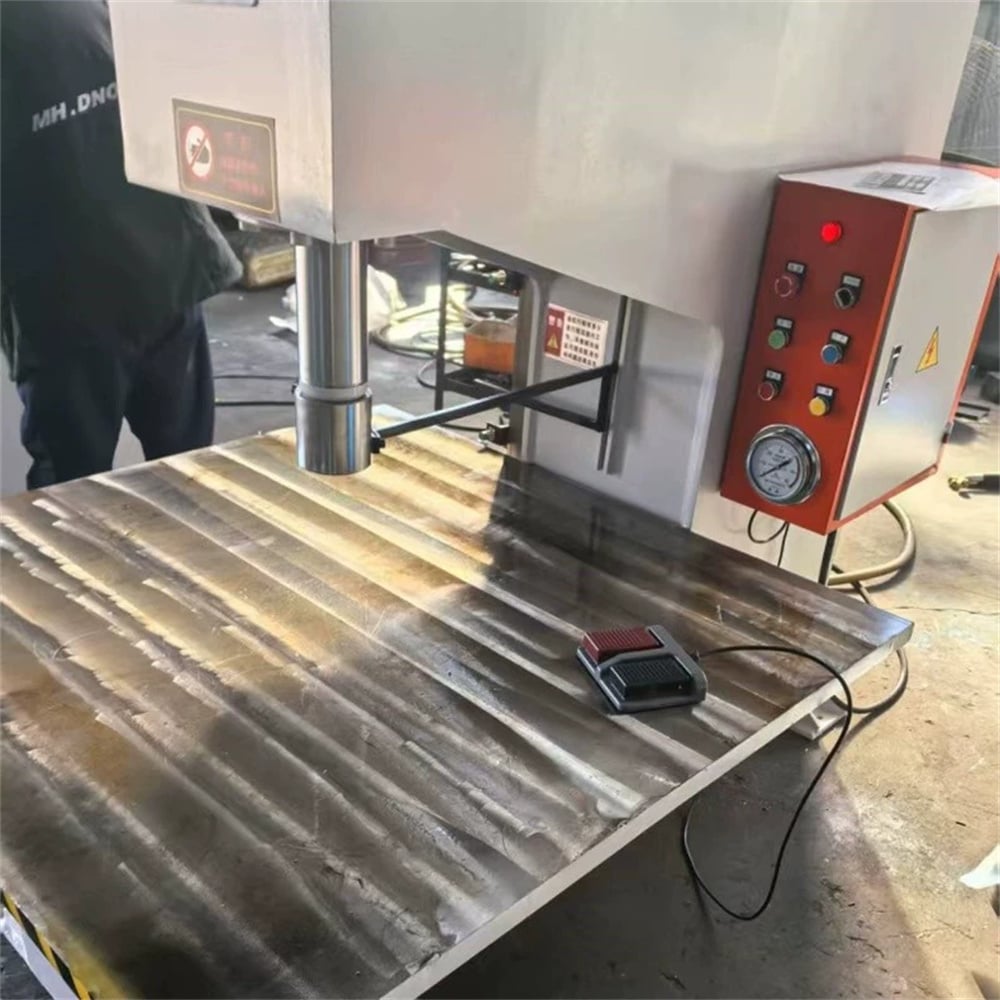
However, hydraulic presses do have their drawbacks. The reliance on hydraulic oil means that these machines require regular fluid changes, filter replacements, and monitoring for leaks. Additionally, hydraulic systems generate significant heat during operation, which often necessitates the use of cooling systems to maintain oil viscosity and prevent component wear. From an energy perspective, traditional hydraulic presses can be less efficient because the motor often runs continuously to maintain pressure, even when the ram is not in motion. While modern variable-frequency drives (VFDs) have mitigated this issue, the energy footprint remains a consideration for high-volume producers.
The Rise of the Servo Press: Precision and Efficiency Redefined
The servo press represents the next generation of metal forming technology. By replacing the hydraulic cylinder or the traditional flywheel/clutch mechanism with a high-torque servo motor, these machines offer unparalleled control over the ram’s position, velocity, and force. The “servo” aspect refers to the feedback loop that constantly monitors the ram’s status, allowing the controller to make micro-adjustments in real-time. This results in a level of precision—often within microns—that hydraulic presses struggle to match consistently over high-speed cycles.
One of the most significant advantages of a servo press is the ability to program custom motion profiles. Instead of a simple up-and-down motion, a servo press can be programmed to slow down just before contact with the material, dwell at the bottom of the stroke for a specific duration, and then rapidly retract. This capability is a game-changer for delicate operations, such as electronics assembly or the forming of high-strength steels that are prone to springback. By optimizing the motion profile, manufacturers can reduce vibration, minimize tool wear, and significantly increase the overall productivity of the machine.
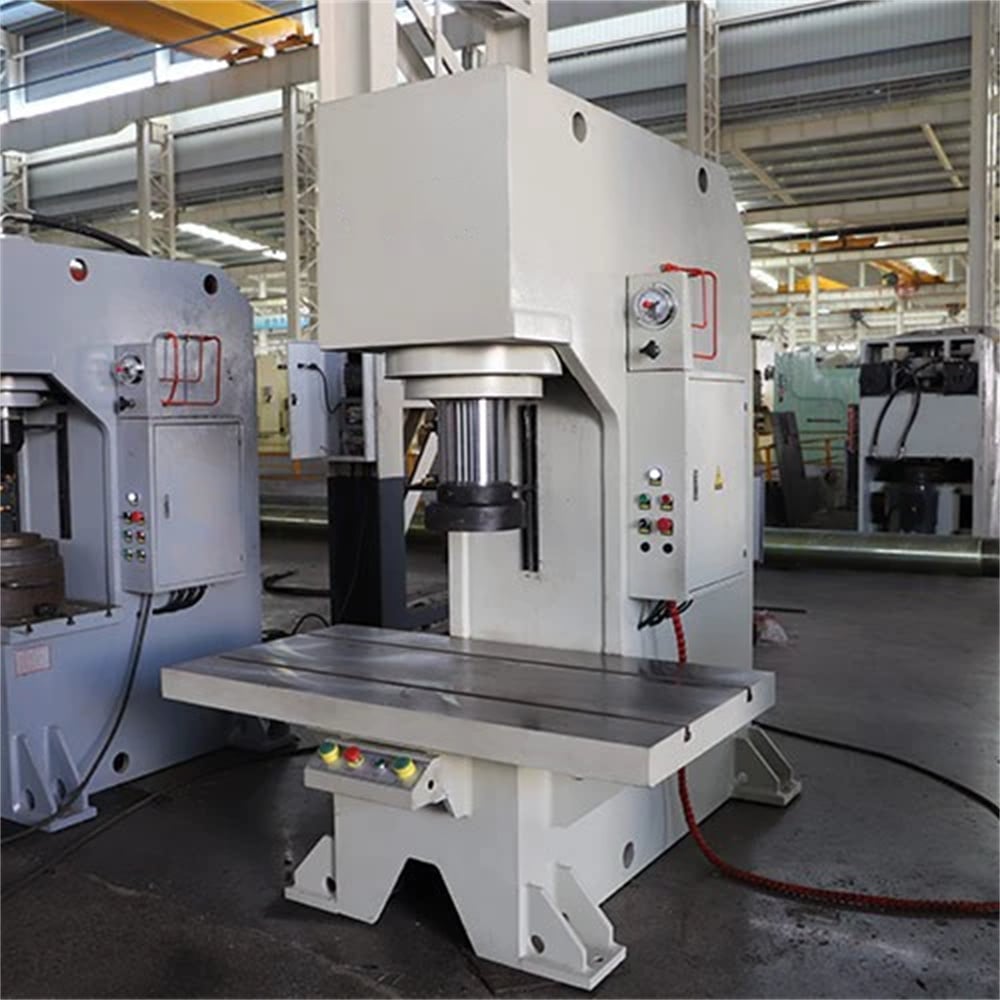
Energy efficiency is another area where the servo press shines. Unlike hydraulic systems that consume power to maintain fluid pressure, a servo motor only draws significant current when it is actually moving or applying force. During the idle portions of the cycle, energy consumption is minimal. Furthermore, many servo presses feature energy recovery systems that capture the kinetic energy generated during the braking phase and store it for the next stroke. This can lead to energy savings of up to 50-70% compared to traditional hydraulic systems, making the servo press an attractive option for companies focused on sustainability and reducing operational costs.
Specification Comparison Table
To better understand the technical differences, the following table compares the key performance indicators of Hydraulic Press Vs Servo Press: Cost, Precision, Productivity Compared.
| Feature | Hydraulic Press | Servo Press |
|---|---|---|
| Force Delivery | Full tonnage throughout the entire stroke. | Full tonnage available at specific points; highly controllable. |
| Precision/Repeatability | Good (typically +/- 0.01″). | Excellent (typically +/- 0.0001″). |
| Stroke Flexibility | Fully adjustable stroke length and speed. | Programmable motion profiles and stroke. |
| Energy Efficiency | Moderate (Continuous motor operation). | High (Power on demand, energy recovery). |
| Maintenance | High (Oil, filters, seals, leaks). | Low (Mainly mechanical lubrication). |
| Initial Cost | Lower to Moderate. | Higher (Advanced electronics and motors). |
| Noise Level | Higher (Pump and fluid noise). | Lower (Quiet electric operation). |
| Cycle Speed | Moderate (Limited by fluid flow). | High (Rapid acceleration/deceleration). |
Best-fit Applications: Choosing the Right Tool for the Job
When evaluating Hydraulic Press Vs Servo Press: Cost, Precision, Productivity Compared, the application is the ultimate deciding factor. Hydraulic presses are the undisputed kings of deep drawing. Because they can maintain a constant pressure over a long distance, they allow the metal to flow into the die without tearing or wrinkling. They are also preferred for heavy-duty forging, powder compaction, and large-scale molding where massive force is required. If your production involves heavy plates or parts that require a long, steady squeeze, a HARSLE hydraulic press is likely your best option.
Conversely, servo presses are ideal for high-speed stamping and precision assembly. In the electronics industry, where components are becoming smaller and more fragile, the ability to control the impact force and speed is critical. Servo presses are also widely used in the automotive sector for joining processes like clinching and riveting, where the data logging capabilities of the servo controller provide a built-in quality assurance record for every single part produced. If your goal is to maximize parts per minute while maintaining tight tolerances, the servo press is the superior choice.
Furthermore, the servo press is gaining ground in the forming of Advanced High-Strength Steels (AHSS). These materials require specific pressure-dwell cycles to manage springback and ensure dimensional accuracy. The programmable nature of the servo drive allows engineers to experiment with different ram speeds and dwell times to find the perfect recipe for difficult-to-form materials, a task that is much harder to achieve with the fixed-speed nature of many hydraulic systems.
Cost and Maintenance Comparison: Short-term vs. Long-term
The financial aspect of the Hydraulic Press Vs Servo Press: Cost, Precision, Productivity Compared debate is often the most scrutinized. A hydraulic press generally has a lower initial purchase price. The technology is mature, the components are widely available, and the engineering is straightforward. For a startup or a shop with limited capital, a hydraulic press provides a lower barrier to entry. However, the “hidden” costs of hydraulic ownership include the price of hydraulic oil, the electricity required to run the pumps, and the labor costs associated with maintaining seals and valves.
Servo presses, while more expensive upfront due to the cost of high-capacity servo motors and sophisticated CNC controllers, offer a lower Total Cost of Ownership (TCO) in high-volume environments. The energy savings alone can often pay back the price difference within a few years. Additionally, because there are no hydraulic fluids to leak or degrade, the maintenance schedule is much simpler, usually involving only the lubrication of ball screws or planetary gears. This leads to higher machine uptime and lower environmental disposal costs for used oil.
Another cost factor to consider is tooling life. The smooth, controlled motion of a servo press reduces the shock and vibration transmitted to the dies. This can extend tool life by as much as 30-50% compared to the more abrupt impact of a hydraulic or mechanical press. When you factor in the reduced cost of tool regrinding and replacement, the economic argument for the servo press becomes even stronger for long-running production jobs.
Recommendation: How to Decide
Choosing between a hydraulic and a servo press requires a deep dive into your production data. If your facility focuses on high-mix, low-volume production with a need for high tonnage and long strokes, the HARSLE Hydraulic Press offers the versatility and cost-effectiveness you need. It is a reliable, powerful machine that can handle almost anything you throw at it, provided you stay on top of the fluid maintenance.
However, if you are looking to push the boundaries of productivity, precision, and energy efficiency, the HARSLE Servo Press is the future-proof investment. It is particularly recommended for manufacturers in the medical, electronics, and high-end automotive sectors where quality documentation and micron-level accuracy are non-negotiable. The ability to program the machine for specific material behaviors gives you a competitive edge in handling modern, complex alloys.
Before making a final decision, consider the following checklist: 1. What is my required tonnage? 2. How complex are my motion profiles? 3. What are my local energy costs? 4. Do I have the internal expertise to maintain advanced electronics vs. fluid power systems? 5. What is my expected production volume over the next five years? Answering these questions will lead you to the machine that best fits your operational DNA.
FAQ: Common Questions About Press Technology
1. Can a hydraulic press be as precise as a servo press?
While modern hydraulic presses with advanced proportional valves and linear scales are very precise, they generally cannot match the sub-micron repeatability and dynamic response of a servo press. The physical properties of hydraulic fluid (compressibility and temperature sensitivity) create inherent limitations that electric motors do not have.
2. Is the servo press only for small parts?
No. While servo technology started in smaller capacities, HARSLE and other manufacturers now offer high-tonnage servo presses. However, as the tonnage increases, the cost of the servo motors and drives increases significantly, which is why hydraulic presses remain more common in the 1000+ ton range.
3. How does heat affect these machines?
Heat is a major factor for hydraulic presses; as the oil heats up, its viscosity changes, which can affect the consistency of the press stroke. Servo presses generate much less heat, and because they don’t rely on fluid, their performance remains extremely stable from the first stroke of the morning to the last stroke of the shift.
4. Which machine is easier to operate?
Hydraulic presses are often seen as simpler to set up for basic tasks. Servo presses require more initial programming and a higher level of operator training to fully utilize the motion profile capabilities. However, once programmed, the servo press is often easier to run consistently due to its automated feedback systems.
5. What is the lifespan of these machines?
Both machines are designed for decades of service. A hydraulic press may require a major overhaul of the cylinder and pump system every 10-15 years. A servo press’s lifespan is largely dependent on the electronics and the mechanical drive components. With proper lubrication, the mechanical parts of a servo press can last a very long time, though electronic components may need updates as technology evolves.