CNC Punching Machine Buying Guide: Features That Improve Productivity and Precision


Introduction to CNC Punching Machine Selection
In the competitive landscape of modern metal fabrication, the ability to produce high-quality parts with speed and repeatability is the cornerstone of profitability. A CNC (Computer Numerical Control) punching machine is a versatile powerhouse capable of performing complex punching, forming, and even tapping operations. However, the market is saturated with various models, each boasting different specifications. Navigating the CNC punching machine buying process requires a deep understanding of the features that improve productivity and precision.
Choosing the right machine is not merely about the lowest price; it is about finding the optimal balance between technical capabilities and your specific production requirements. Whether you are a small job shop or a large-scale industrial manufacturer, the features you prioritize—such as drive systems, turret configurations, and software integration—will directly impact your bottom line. This guide provides an in-depth analysis of the factors that define a high-performance CNC punching machine, ensuring your investment yields the highest possible return.
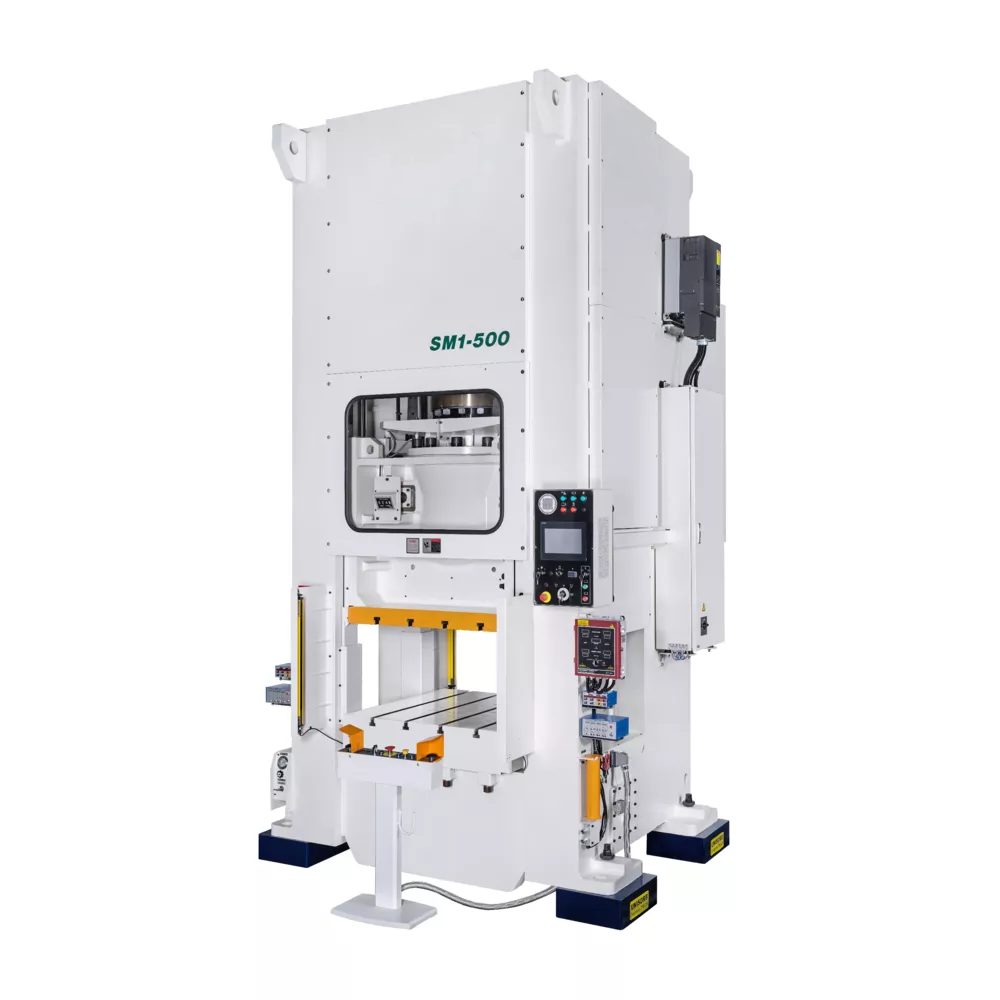
Price Range Overview: Understanding the Market Tiers
The cost of a CNC punching machine varies significantly based on its tonnage, speed, and technological sophistication. Understanding these price tiers helps buyers align their budget with their production goals. Generally, the market can be divided into three primary categories: entry-level, mid-range, and high-end industrial systems.
Entry-Level CNC Punching Machines ($30,000 – $60,000)
Entry-level machines are typically designed for small-scale operations or shops transitioning from manual punching to CNC. These machines often feature lower tonnage (around 20 to 30 tons) and slower hit rates. They may utilize simpler hydraulic systems and have a limited number of turret stations. While they lack the blazing speed of high-end models, they offer a significant leap in precision and repeatability compared to manual methods. These are ideal for prototyping and low-volume production of simple parts.
Mid-Range CNC Punching Machines ($60,000 – $120,000)
The mid-range segment is where most professional fabrication shops find their ideal solution. These machines often feature advanced hydraulic or servo-electric drive systems, offering hit rates between 300 and 600 hits per minute (HPM). They typically come with larger turret capacities (24 to 32 stations) and include features like auto-index stations, which allow tools to rotate 360 degrees. This versatility reduces the need for frequent tool changes, significantly boosting productivity.
High-End Industrial Systems ($150,000 and Above)
High-end CNC punching machines are built for 24/7 high-volume production. These systems often utilize full servo-electric drives for maximum energy efficiency and speed, reaching over 1,000 HPM in some cases. They are frequently integrated with automated loading and unloading systems, sophisticated nesting software, and multi-tool capabilities. Precision is maintained through advanced thermal compensation and heavy-duty O-frame designs that minimize deflection under high loads.
Main Cost Drivers in CNC Punching Machine Buying
When evaluating the price of a CNC punching machine, several core components and specifications drive the final cost. Understanding these drivers allows you to make informed trade-offs based on your specific needs.
Tonnage and Frame Design
The tonnage of a machine determines the maximum thickness and type of material it can punch. A 30-ton machine is standard for most sheet metal work, but if you frequently work with thicker stainless steel or heavy-duty aluminum, a 50-ton machine may be necessary. Furthermore, the frame design—either C-frame or O-frame—impacts cost. O-frames (closed frames) are generally more expensive because they offer superior rigidity and minimize “yawing” or deflection, which is critical for maintaining tool alignment and precision over long production runs.
Drive System Technology
The choice between hydraulic and servo-electric drives is a major cost factor. Hydraulic systems are traditional and robust, often offering higher tonnage at a lower initial price point. However, servo-electric drives, while more expensive upfront, offer faster cycle times, lower energy consumption, and quieter operation. Servo systems also provide better control over the ram stroke, allowing for more precise forming operations like louvering or embossing.
Hit Rate and Positioning Speed
Productivity is directly tied to how fast the machine can move the sheet and how quickly the ram can cycle. High-speed machines utilize advanced linear guides and high-torque motors to achieve rapid positioning speeds. A machine that can move at 100 meters per minute and punch at 800 HPM will naturally command a higher price than a machine with half those capabilities. For high-volume shops, the time saved per part quickly justifies the higher investment.
Configuration Impact: Features That Improve Productivity and Precision
The configuration of your CNC punching machine determines its versatility and the complexity of the parts you can produce. Certain features are transformative for shop efficiency.
Turret Capacity and Auto-Index Stations
The turret is the heart of the machine. A larger turret capacity means more tools are available at any given time, reducing the downtime associated with manual tool changes. Auto-index stations are particularly valuable; they allow a single tool to be rotated to any angle, enabling the machine to punch complex shapes and contours with fewer tools. This feature is essential for improving precision in intricate designs.
Worktable Type: Brush vs. Ball
The worktable supports the material as it moves. Ball tables are durable and facilitate easy movement of heavy sheets, but they can scratch sensitive materials like polished stainless steel or aluminum. Brush tables are the preferred choice for high-precision work where surface finish is critical, as they provide a soft support that prevents marring. Many modern machines offer a hybrid table to balance durability and material protection.
Control Systems and Software Integration
A sophisticated CNC controller (such as those from Fanuc, Siemens, or HARSLE’s proprietary systems) ensures smooth operation and easy programming. However, the real productivity gains often come from the CAD/CAM software used for nesting. Advanced software can optimize tool paths, minimize material waste, and automatically select the best tools for the job. Integration between the office and the shop floor reduces errors and speeds up the transition from design to finished part.
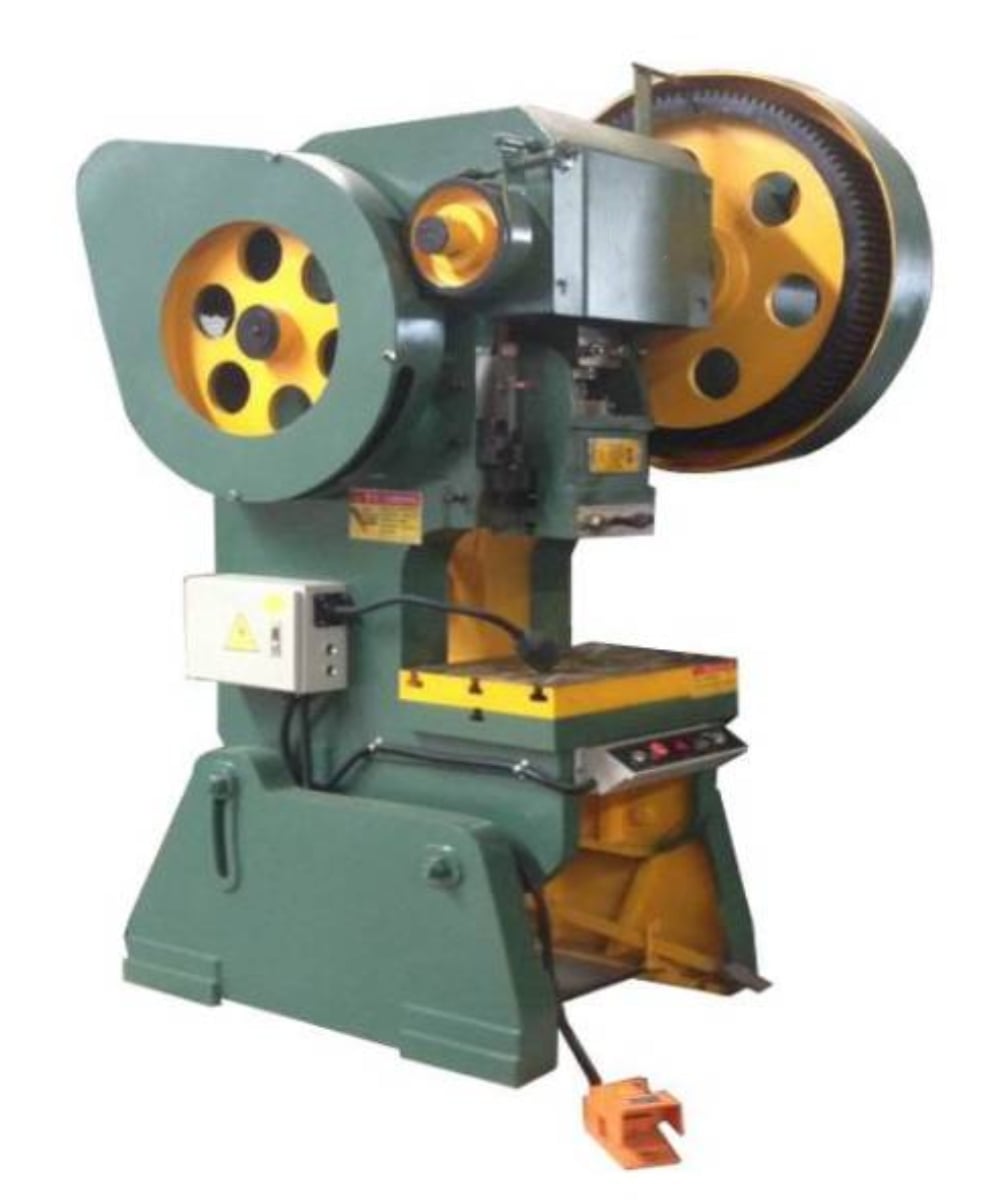
Hidden Costs of Owning a CNC Punching Machine
The purchase price is only the beginning. To accurately budget for a CNC punching machine, you must consider the ongoing and hidden costs associated with its operation.
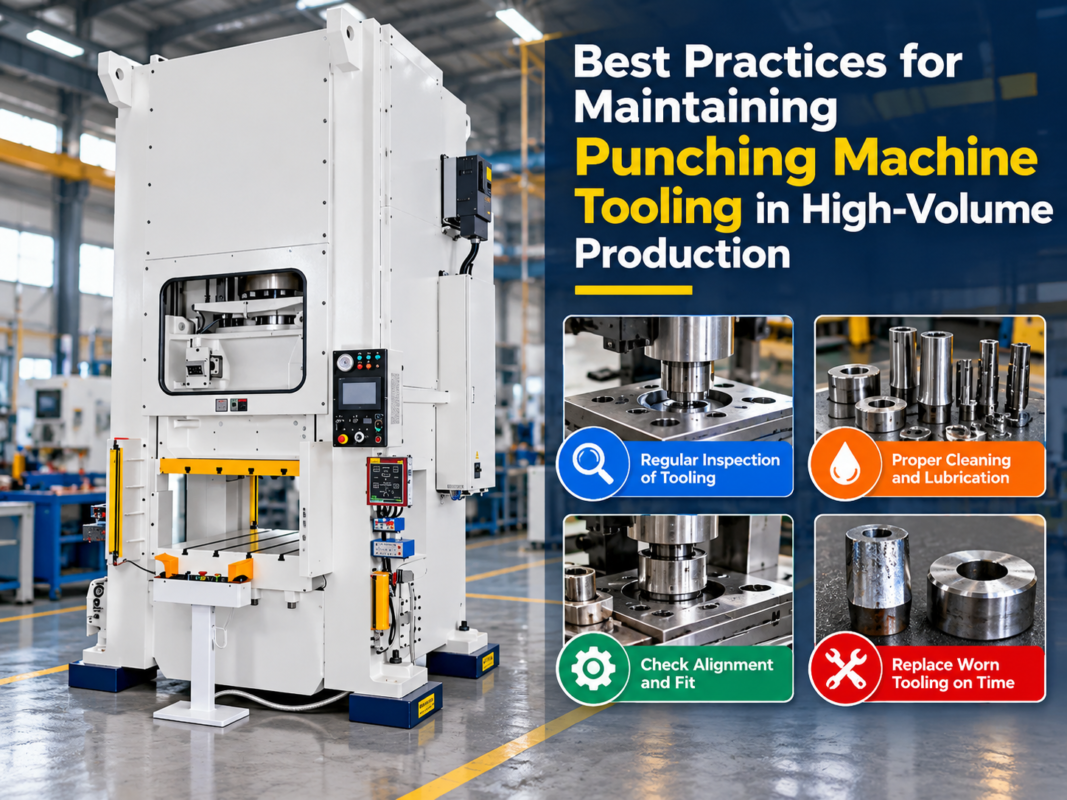
- Tooling: High-quality punches and dies are expensive. A full set of thick-turret tooling can cost several thousand dollars. Furthermore, tools require regular sharpening and eventual replacement.
- Software Licenses: CAD/CAM software often requires annual maintenance fees or subscription costs to stay updated with the latest nesting algorithms and machine drivers.
- Installation and Training: Setting up a CNC machine requires a precision-leveled foundation. Additionally, your operators will need comprehensive training to maximize the machine’s potential and operate it safely.
- Maintenance and Spare Parts: Hydraulic fluids, filters, and wear items like worktable brushes or balls need regular replacement. Having a budget for emergency repairs and spare parts is crucial to avoid prolonged downtime.
- Power Consumption: While servo-electric machines are more efficient, CNC punching is still an energy-intensive process. Consider the impact on your monthly utility bills.
ROI Calculation: When Does the Investment Pay Off?
Calculating the Return on Investment (ROI) is essential for justifying the purchase of a CNC punching machine. The formula is generally: (Total Benefits – Total Costs) / Total Investment. But what are the benefits?
First, consider labor savings. A CNC machine can do the work of several manual operators with higher accuracy. Second, look at material utilization. Advanced nesting software can reduce scrap by 10-20%, which adds up to significant savings over a year. Third, consider the ability to take on more complex jobs that were previously impossible, allowing you to charge higher margins.
For example, if a new machine saves $3,000 a month in labor and $1,000 in material waste, while costing $2,000 a month in financing and maintenance, the net gain is $2,000 per month. If the machine cost $120,000, the payback period would be 60 months. However, this doesn’t account for the increased throughput and the ability to win more contracts, which often shortens the ROI to 2-3 years.
Buying Advice: Choosing the Right CNC Punching Machine
When you are ready to make a purchase, follow these steps to ensure you select a machine that improves productivity and precision for your specific application:
- Analyze Your Part Mix: Look at the parts you produce most frequently. What is the maximum thickness? What are the most common hole sizes? This will dictate your tonnage and turret requirements.
- Evaluate the Manufacturer’s Reputation: Choose a brand like HARSLE that is known for durability and excellent after-sales support. A machine is only as good as the technician who can fix it when it breaks down.
- Request a Live Demo: Never buy a machine without seeing it in action. Provide the manufacturer with one of your complex part files and ask them to punch it. Observe the speed, the edge quality, and the ease of setup.
- Check for Future-Proofing: Can the machine be upgraded with automation later? Does the controller support the latest industry standards? Buying a slightly more capable machine than you currently need can save you from having to replace it in three years.
- Review the Warranty and Service Agreement: Ensure you understand what is covered and the guaranteed response time for service calls.
Frequently Asked Questions (FAQ)
What is the difference between a CNC punching machine and a laser cutting machine?
While both cut sheet metal, a CNC punching machine is faster for repetitive patterns and can perform forming operations like louvers, ribs, and threads. Laser cutters are better for complex, irregular shapes and thicker materials where forming is not required.
How often should I sharpen my CNC punching tools?
Tooling should be sharpened as soon as you notice a decrease in edge quality or an increase in punching noise. Typically, this is after a certain number of hits (e.g., 100,000 to 500,000), depending on the material type and thickness. Regular sharpening extends tool life and maintains precision.
Can a CNC punching machine handle stainless steel?
Yes, but it requires higher tonnage and specialized tooling. Stainless steel is harder than mild steel or aluminum, so the machine must be rigid enough to handle the increased force without excessive vibration or wear.
Is servo-electric really better than hydraulic?
For most applications, yes. Servo-electric machines are faster, more energy-efficient, and require less maintenance because they lack complex hydraulic circuits. However, hydraulic machines are still preferred for very high tonnage applications where the raw power of hydraulics is more cost-effective.
What kind of maintenance does a CNC punching machine require?
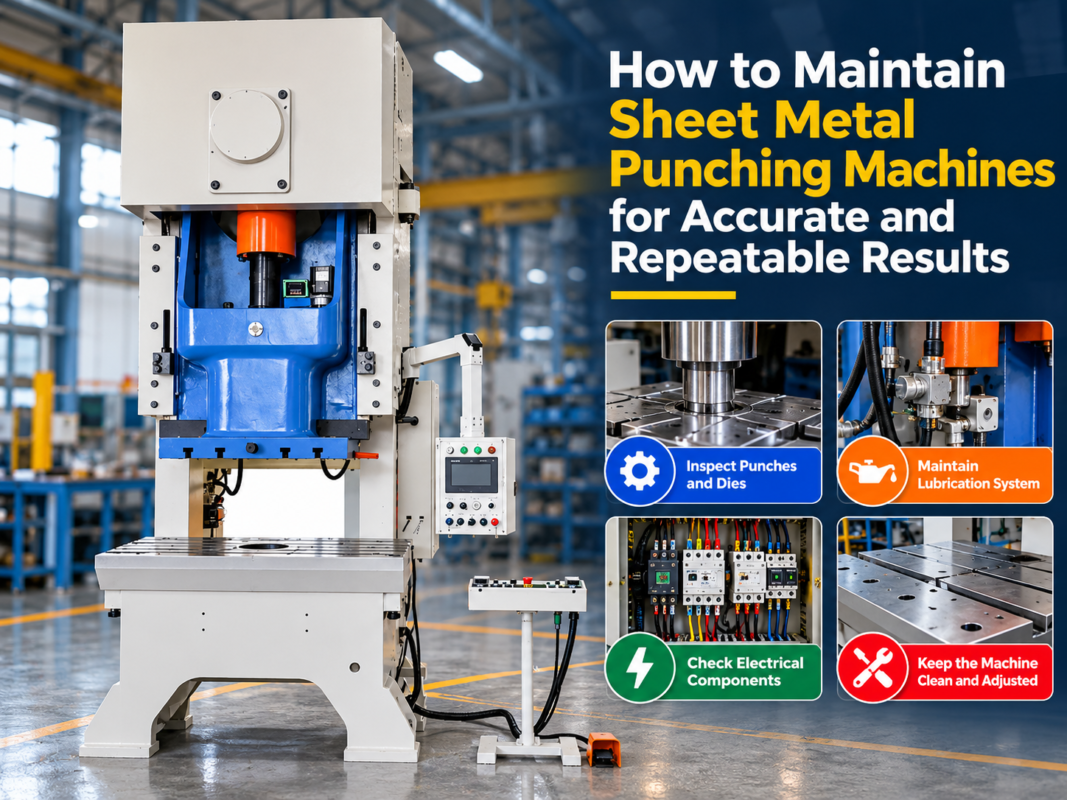
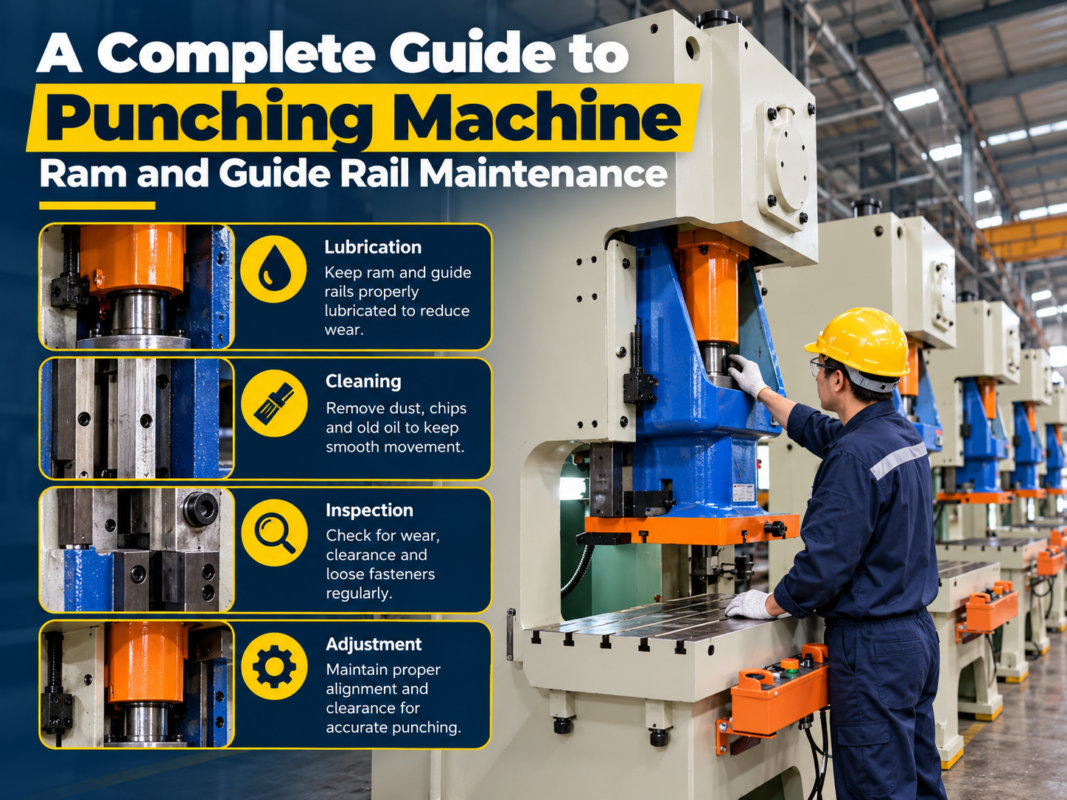
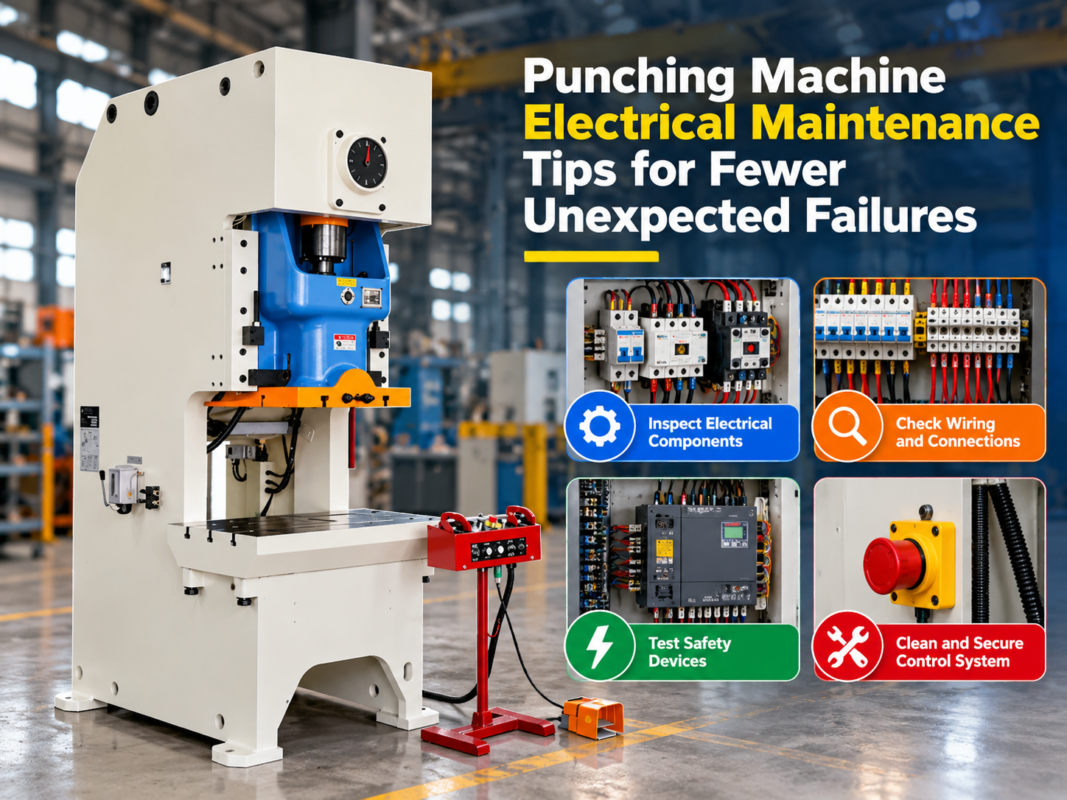
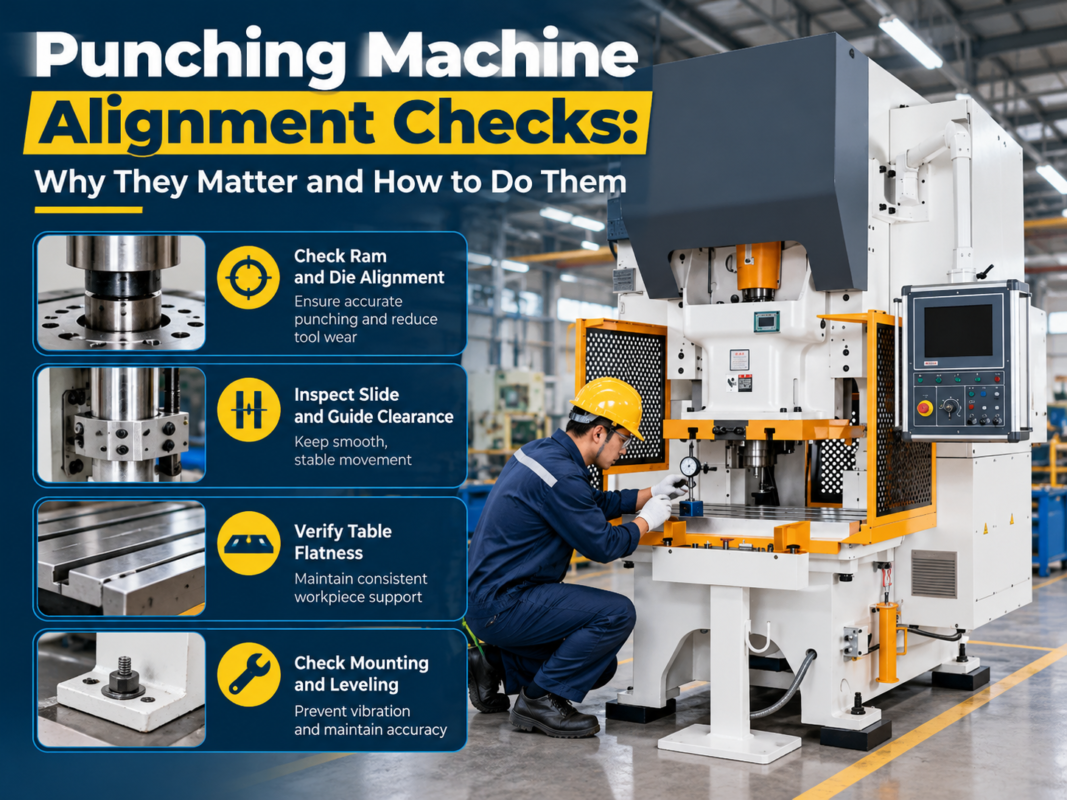
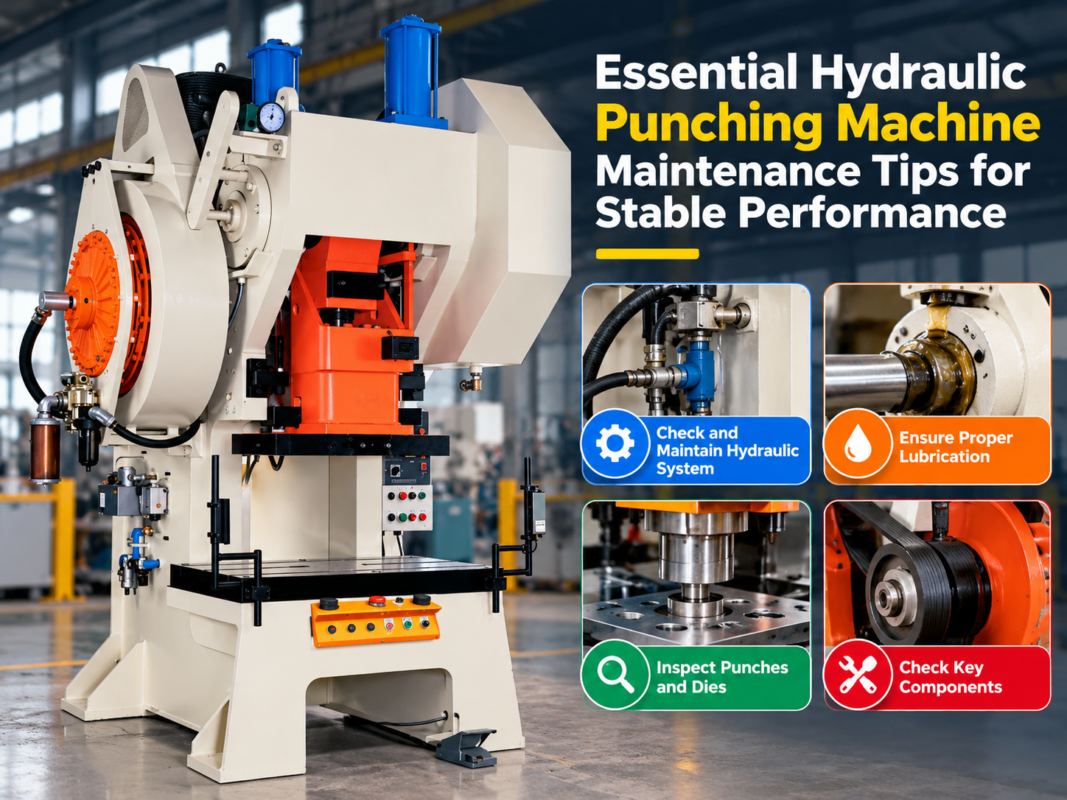
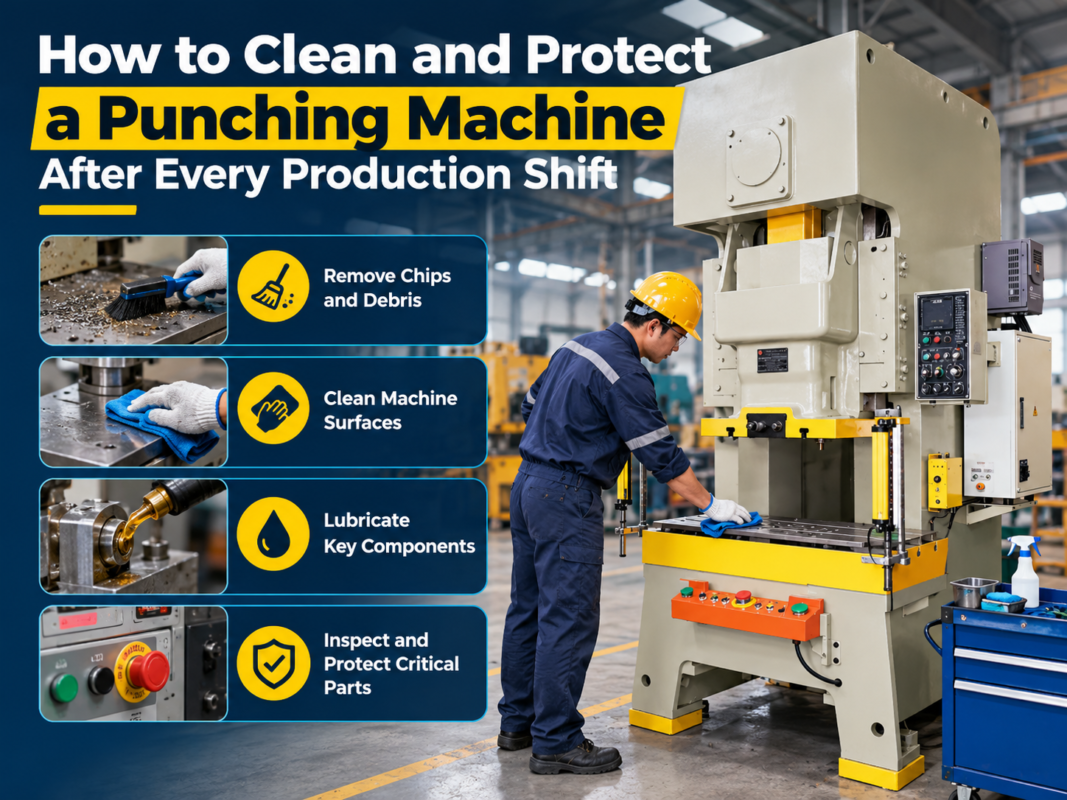
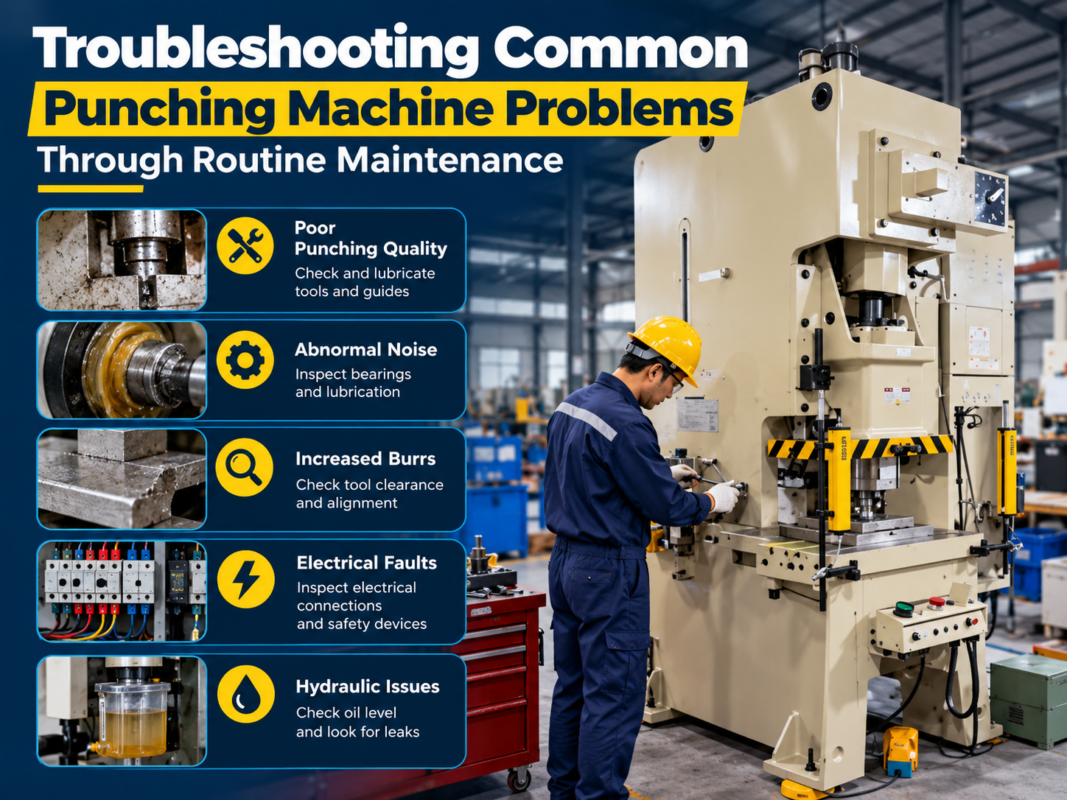
Daily maintenance includes cleaning the worktable and checking lubrication levels. Weekly tasks involve inspecting the turret alignment and cleaning filters. Monthly or quarterly, a deeper inspection of the drive system and electrical components should be performed by a qualified technician.
Conclusion
Investing in a CNC punching machine is a pivotal decision for any metal fabrication business. By focusing on the features that improve productivity and precision—such as advanced drive systems, versatile turret configurations, and robust software—you can ensure that your shop remains competitive and profitable. Remember to look beyond the initial price tag and consider the total cost of ownership and the potential for a rapid ROI. With the right machine, like those offered by HARSLE, your production capabilities will reach new heights of efficiency and quality.