Hydraulic Punching Machine Buying Guide: Benefits, Applications, and Buying Tips


Introduction to Hydraulic Punching Machines
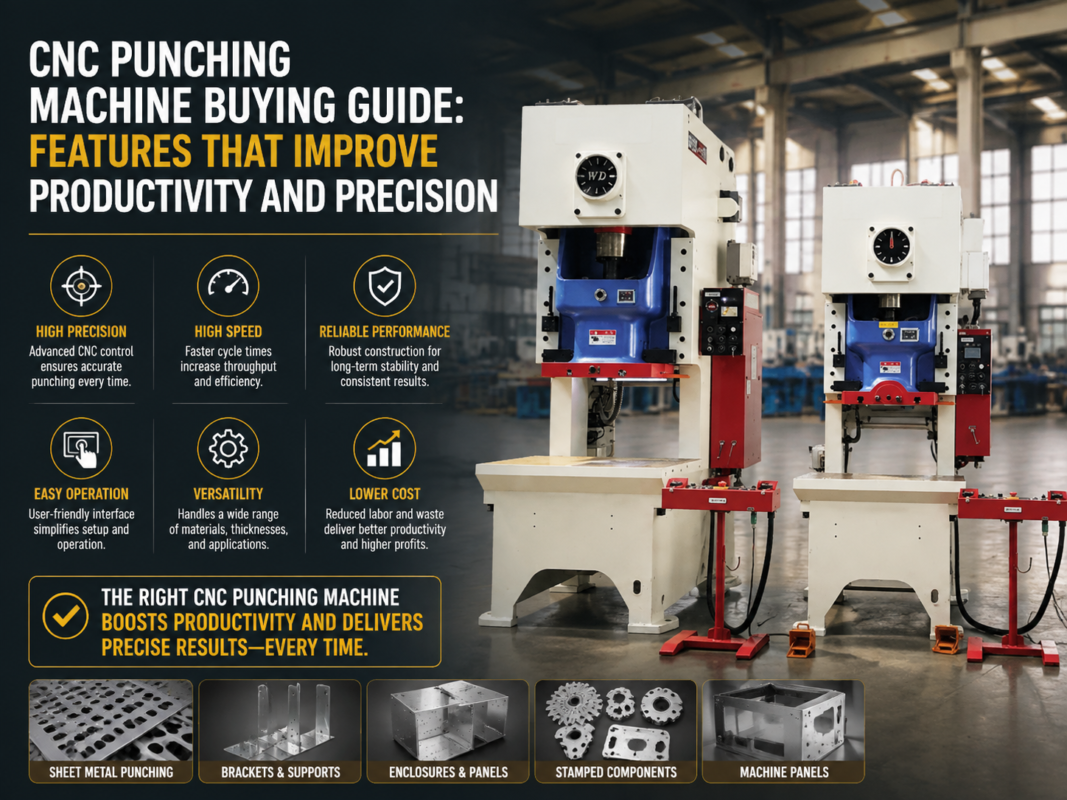
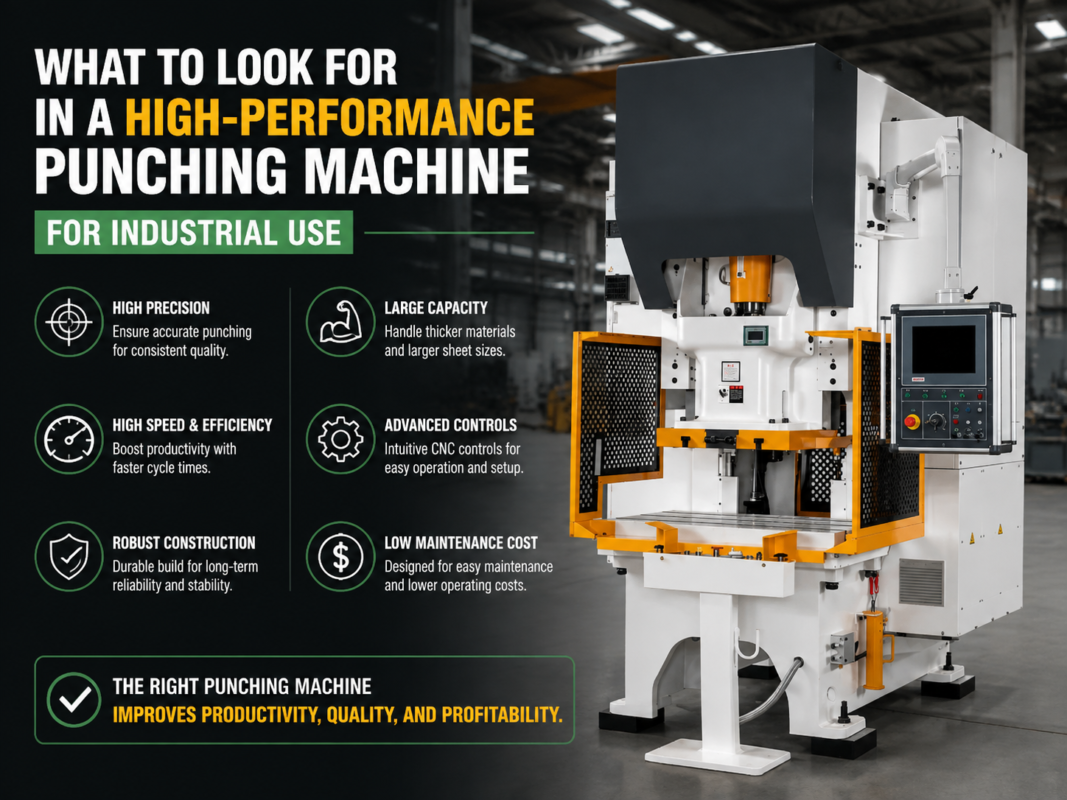
In the evolving landscape of metal fabrication, the hydraulic punching machine stands as a cornerstone of efficiency and precision. Whether you are a small workshop owner or a large-scale industrial manufacturer, understanding the nuances of Hydraulic Punching Machine Buying : Benefits, Applications, Buying Tips is essential for making a sound investment. These machines utilize hydraulic pressure to drive a punch through metal sheets, creating holes, notches, and complex shapes with remarkable consistency. Unlike mechanical presses, hydraulic variants offer controllable pressure throughout the entire stroke, making them versatile for various material thicknesses and types.
The demand for high-quality metal components in sectors like automotive, aerospace, and construction has driven significant innovations in punching technology. Modern machines now integrate CNC (Computer Numerical Control) systems, automated loading, and multi-tool turrets. However, with increased capability comes increased complexity in the purchasing process. This guide is designed to navigate you through the financial and technical considerations required to select the right equipment for your specific production needs.
Price Range Overview: What to Expect
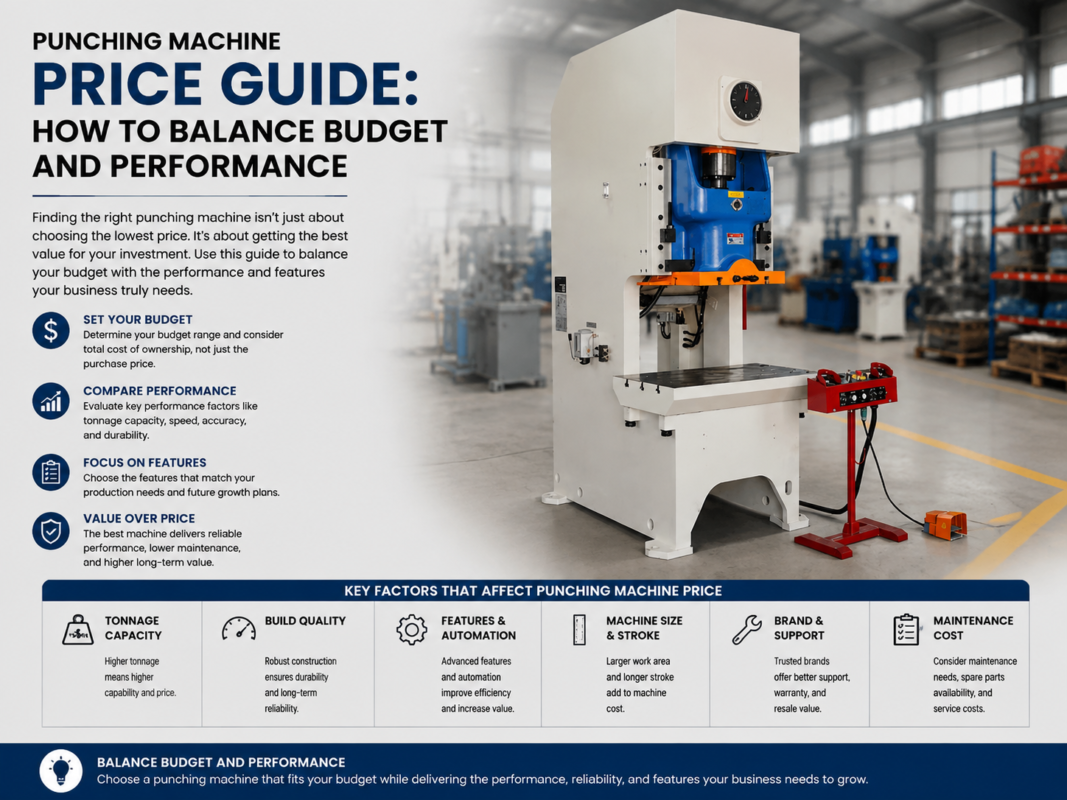
When entering the market for a hydraulic punching machine, the price spectrum is broad, reflecting the diversity in machine capabilities. Generally, the market is divided into three primary tiers: entry-level, mid-range, and high-end industrial systems. Understanding where your needs fall within these tiers is the first step in budgeting.
Entry-level hydraulic punching machines, often single-station or manual units, typically range from $5,000 to $15,000. These are ideal for small shops focusing on low-volume production or prototype development. While they lack the speed of automated systems, they provide the necessary force for thick materials that smaller mechanical punches cannot handle. They are often compact and require less specialized maintenance, making them a favorite for general repair shops.
Mid-range machines, which often include basic CNC functionality and higher tonnage (50 to 100 tons), usually fall between $20,000 and $60,000. These machines are the workhorses of the industry, capable of handling medium-to-high volume production with improved accuracy. They often feature better hydraulic cooling systems and more robust frames, allowing for longer continuous operation without thermal deformation.
High-end industrial systems, including large-scale CNC turret punch presses and fully automated lines, can exceed $100,000 to $250,000. These machines are designed for 24/7 operation, featuring high-speed stroking, automatic tool changers, and sophisticated software integration. While the initial investment is significant, the cost per part in high-volume environments is drastically lower than that of entry-level machines.
Main Cost Drivers in Hydraulic Punching Machines
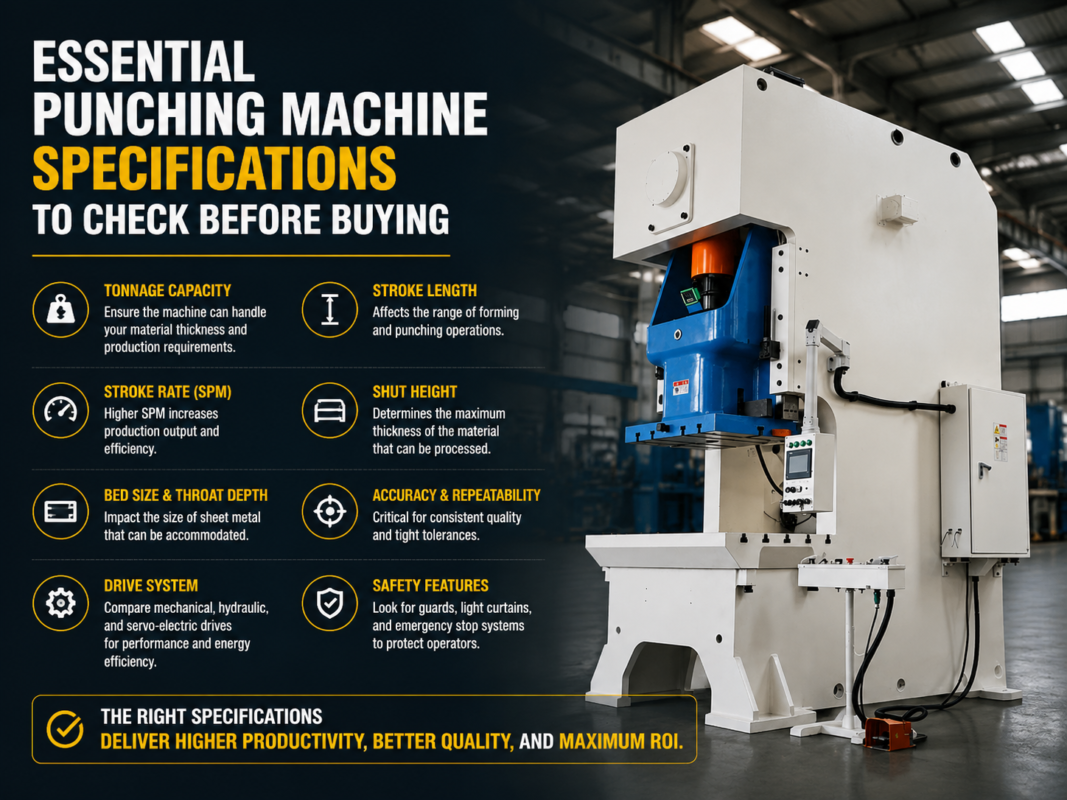
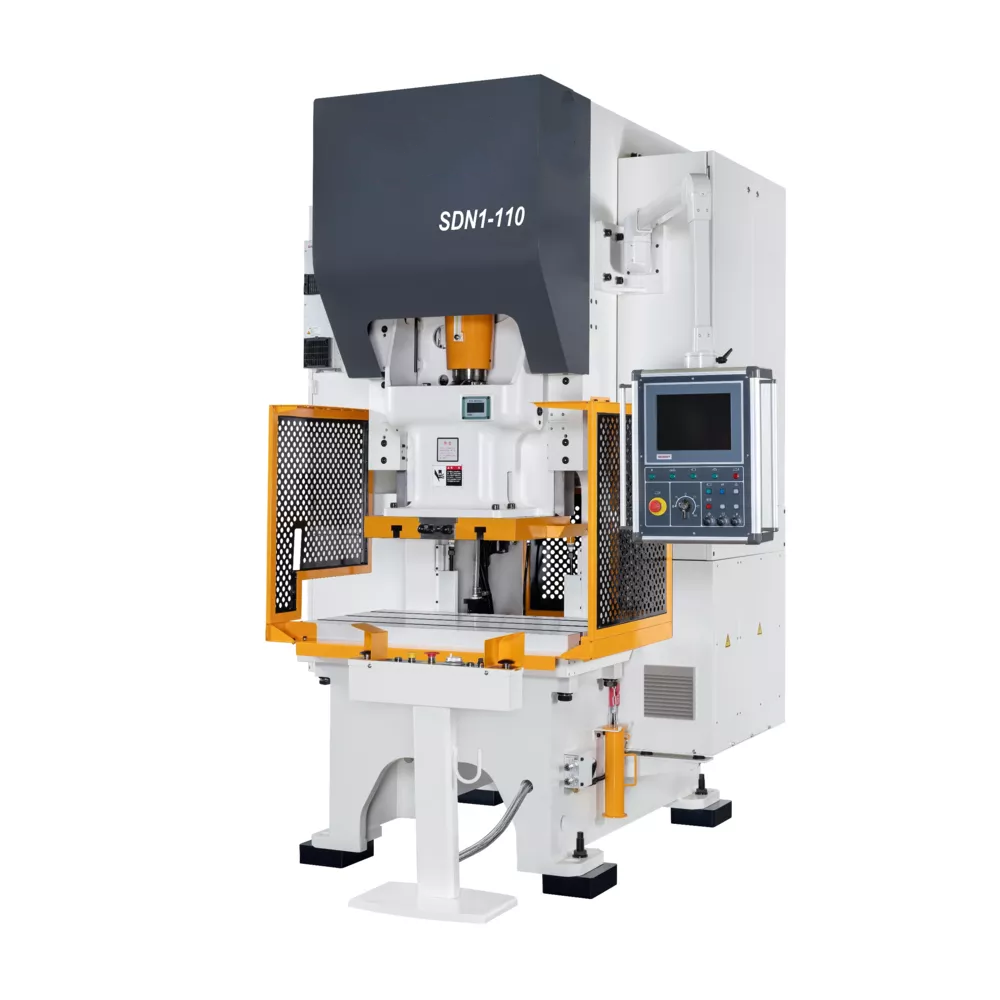
Several technical factors directly influence the price of a hydraulic punching machine. The most prominent is Tonnage. Tonnage refers to the maximum force the machine can exert. A 30-ton machine is significantly cheaper than a 200-ton machine. The required tonnage is calculated based on the material type, thickness, and the perimeter of the hole being punched. Buying a machine with insufficient tonnage leads to premature wear and poor edge quality, while over-speccing leads to unnecessary capital expenditure.
Throat Depth is another critical cost driver. This is the distance from the center of the punch to the back frame of the machine. A larger throat depth allows for the processing of larger metal sheets without needing to flip or reposition the material. However, increasing the throat depth requires a much heavier and more rigid frame to prevent “deflection” (the frame bending under pressure), which adds to the manufacturing cost of the machine.
The Strokes Per Minute (SPM) capability also dictates price. High-speed hydraulic systems require advanced valves and pumps that can cycle quickly while maintaining pressure. If your production requires thousands of holes per hour, you will need a high-SPM machine, which commands a premium. Conversely, for heavy-duty, slow-cycle punching of thick plates, a lower SPM machine is more cost-effective.
Configuration Impact on Performance and Price
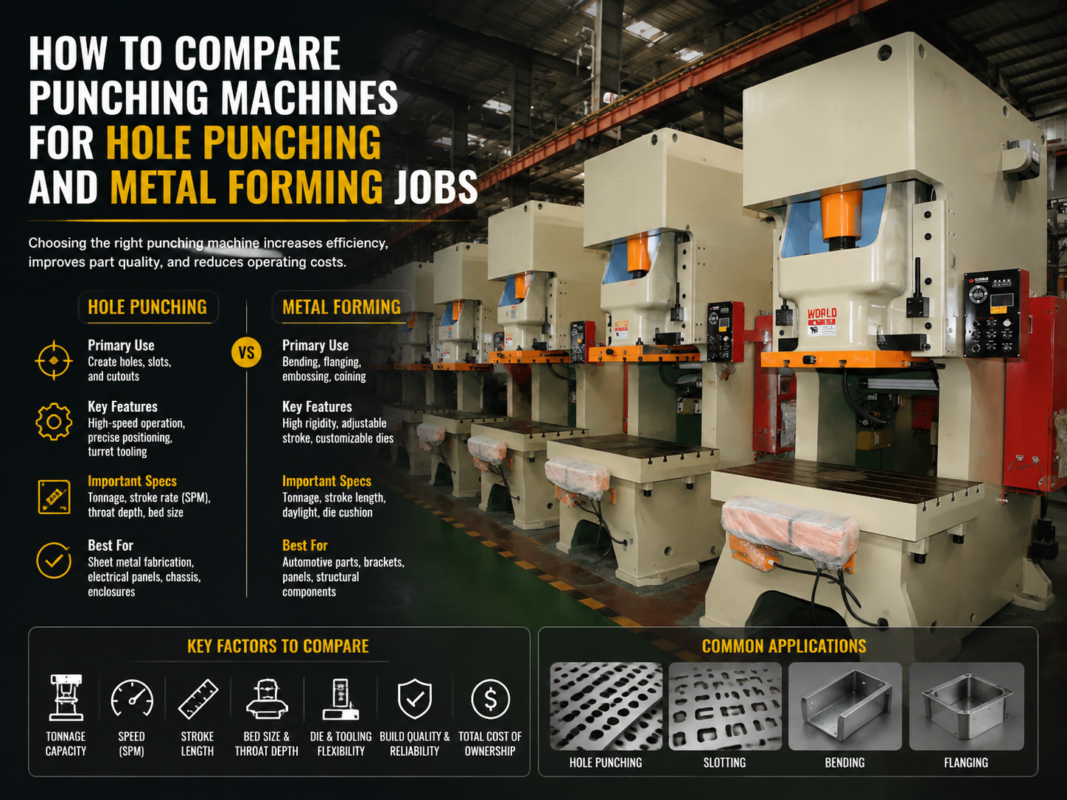
The configuration of the machine determines its versatility and ease of use. One of the biggest decisions is between a Single-Station and a Turret configuration. A single-station machine requires the operator to manually change tools for different hole sizes, which is time-consuming. A turret punch press holds multiple tools simultaneously, allowing the machine to switch between different punches in seconds. This automation significantly increases the machine’s price but drastically reduces labor time.
CNC Control Systems are another major configuration variable. Basic machines might use simple digital readouts, while advanced systems use sophisticated CNC controllers like Siemens or Fanuc. These controllers allow for complex nesting (arranging parts to minimize waste), remote monitoring, and integration with CAD/CAM software. The software licenses and the hardware for these systems can add thousands of dollars to the base price.
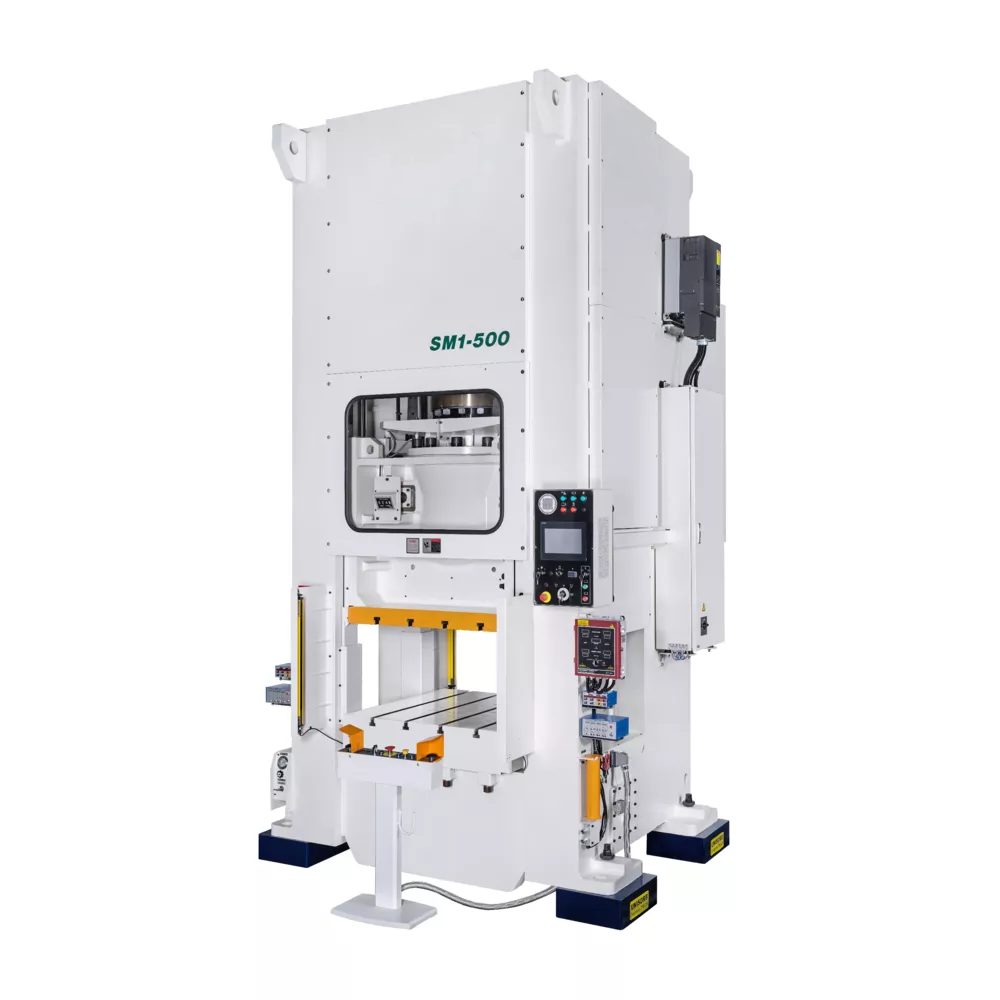
Furthermore, the Hydraulic System Type impacts both performance and price. Standard hydraulic systems are reliable but can be noisy and energy-intensive. Servo-hydraulic systems, which use a servo motor to drive the hydraulic pump, are much more energy-efficient and offer precise control over the punch position. While servo-hydraulic systems have a higher upfront cost, they offer significant savings in electricity and provide better accuracy for delicate operations.
Hidden Costs of Ownership
When budgeting for a hydraulic punching machine, the sticker price is only part of the equation. Shipping and Installation are often overlooked. These machines are incredibly heavy and require specialized freight services and rigging equipment to move into your facility. Once on-site, the machine may require a reinforced concrete foundation to handle the vibrations and weight, which can cost several thousand dollars in site preparation.
Tooling Sets are a recurring and significant expense. A machine is only as good as its punches and dies. Depending on the variety of parts you produce, you may need to invest in a wide array of standard and custom tooling. High-quality tool steel punches last longer but cost more. Additionally, you must account for the cost of a tool grinding machine to maintain the sharpness of your punches, as dull tools increase the load on the hydraulic system and produce burrs on the workpieces.
Finally, consider Training and Software. If you are moving from manual processes to a CNC hydraulic punching machine, your staff will need training. Manufacturers often charge for on-site training sessions. Furthermore, the CAD/CAM software used to program the machine often requires annual subscription fees or maintenance contracts to stay updated with the latest features and security patches.
ROI Calculation: Is the Investment Worth It?
Calculating the Return on Investment (ROI) is crucial for justifying the purchase of a hydraulic punching machine. The primary factor in ROI is Increased Throughput. A hydraulic machine can often perform in seconds what might take minutes with drilling or manual punching. By calculating the number of parts produced per hour and multiplying that by the profit margin per part, you can estimate the daily revenue generated by the machine.
Labor Savings also play a massive role. An automated CNC punching machine can often be operated by one person who manages multiple machines, or it can run unattended during breaks. Compare the labor cost of your current process against the projected labor cost with the new machine. In many cases, the reduction in man-hours allows the machine to pay for itself within 18 to 24 months.
Material utilization is another ROI factor. Advanced CNC punching machines use nesting software to fit as many parts as possible onto a single sheet of metal. This reduces scrap waste. If you can reduce your material waste by even 5-10%, the savings over a year can be substantial, especially when working with expensive materials like stainless steel or aluminum.
Buying Advice: Choosing the Right Machine
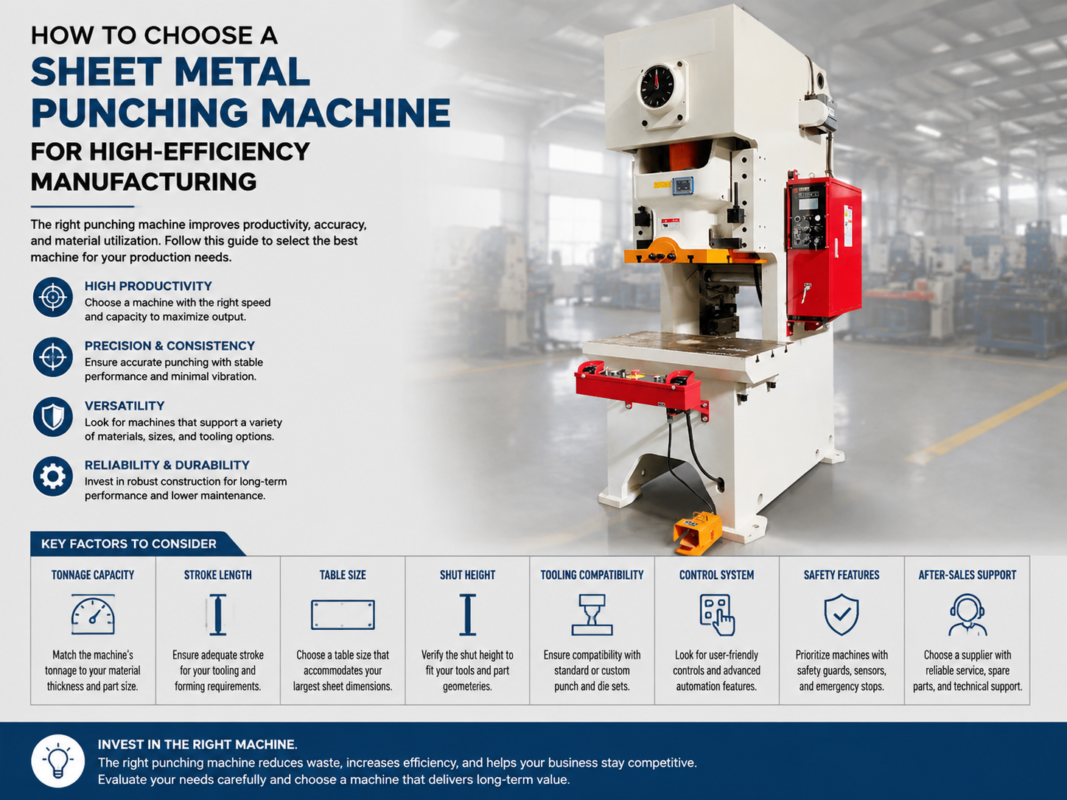
Before making a purchase, conduct a thorough Application Analysis. Document the maximum thickness and type of material you plan to punch. For example, punching stainless steel requires significantly more tonnage than punching aluminum of the same thickness. Always choose a machine with a tonnage rating at least 20% higher than your maximum requirement to ensure longevity and prevent frame fatigue.
Evaluate the Manufacturer’s Reputation and Support. A cheaper machine from an unknown brand might seem attractive, but if you cannot get replacement parts or technical support when the machine breaks down, the cost of downtime will quickly exceed your initial savings. Look for manufacturers like HARSLE that provide comprehensive manuals, readily available spare parts, and a proven track record in the industry.
Lastly, consider Future-Proofing. While a single-station machine might meet your needs today, will it meet them in three years? If your business is growing, investing in a machine with a larger table size or the ability to upgrade to a turret system later might be a wiser long-term strategy. Always request a live demonstration or a sample part run using your specific material to verify the machine’s performance before signing the contract.
Frequently Asked Questions (FAQ)
1. What is the difference between a mechanical and a hydraulic punching machine?
Mechanical punching machines use a flywheel to store energy, which is released in a quick, high-impact stroke. They are generally faster but offer less control. Hydraulic punching machines use fluid pressure, allowing for full tonnage at any point in the stroke, adjustable stroke lengths, and quieter operation. Hydraulic machines are generally preferred for thicker materials and more complex forming operations.
2. How often does a hydraulic punching machine require maintenance?
Daily maintenance should include checking oil levels and lubricating moving parts. A deep inspection of the hydraulic filters and oil quality should be performed every 1,000 to 2,000 operating hours. Tooling should be inspected daily for wear and sharpened as needed to ensure clean cuts and protect the machine’s hydraulic seals.
3. Can a hydraulic punching machine handle different shapes?
Yes, by changing the punch and die set, you can create squares, rectangles, obrounds, and even custom decorative shapes. CNC machines can also perform “nibbling,” which involves taking many small overlapping punches to create large or irregular cutouts that are bigger than any single tool in the turret.
4. What safety features should I look for?
Modern machines should include emergency stop buttons, light curtains (which stop the machine if a hand enters the work area), and interlocked guarding. For hydraulic systems, pressure relief valves are essential to prevent the system from over-pressurizing if a punch gets stuck.
5. How do I calculate the tonnage required for a hole?
The basic formula is: Tonnage = (Perimeter of the hole x Material Thickness x Shear Strength of the material) / 2000. It is always recommended to consult a tonnage chart provided by the manufacturer to account for factors like die clearance and material hardness variations.
6. Is CNC worth the extra cost for a small shop?
If you produce the same parts repeatedly or need high precision, CNC is almost always worth it. It eliminates human error in layout and significantly speeds up setup times. However, for one-off repairs or very simple hole-punching tasks, a manual hydraulic punch may be more cost-effective.