How to Choose a Sheet Metal Punching Machine for High-Efficiency Manufacturing


Introduction to High-Efficiency Sheet Metal Punching
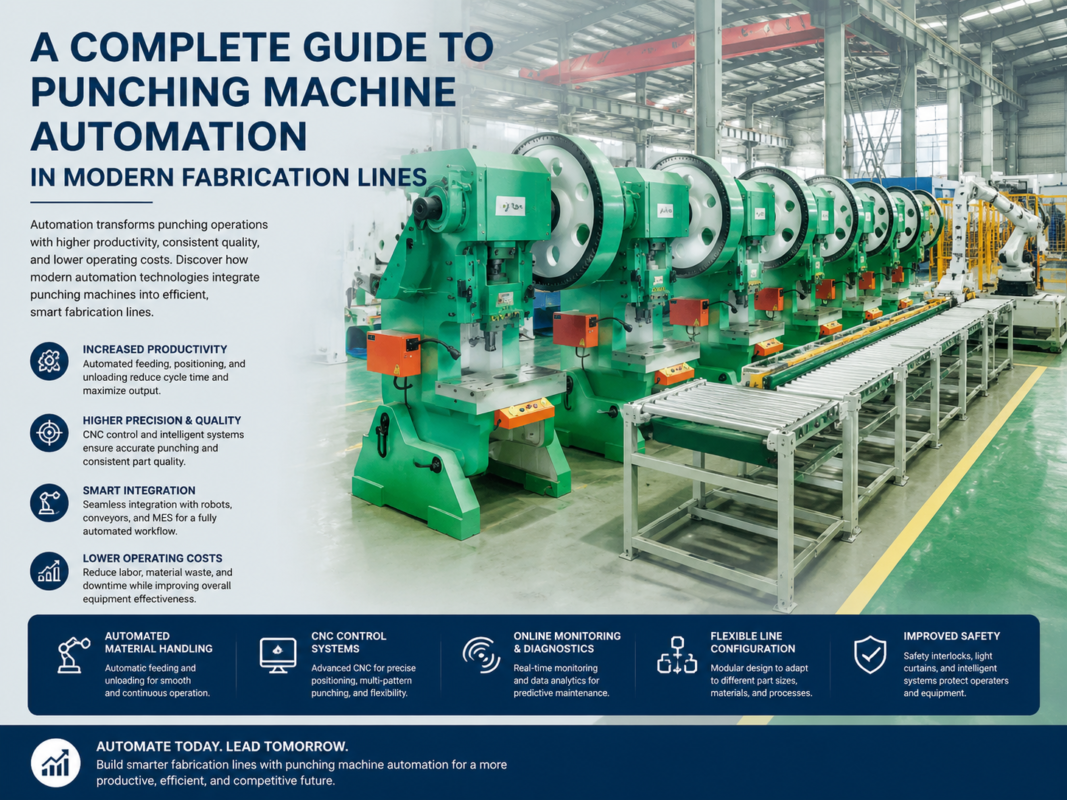
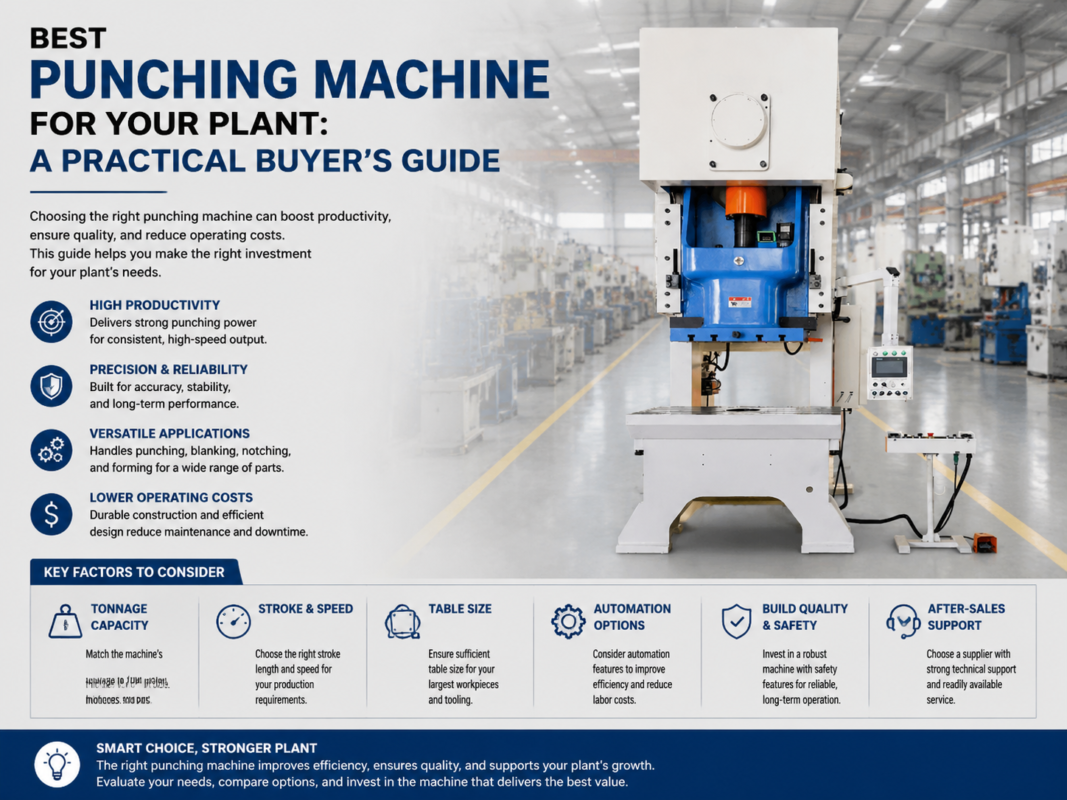
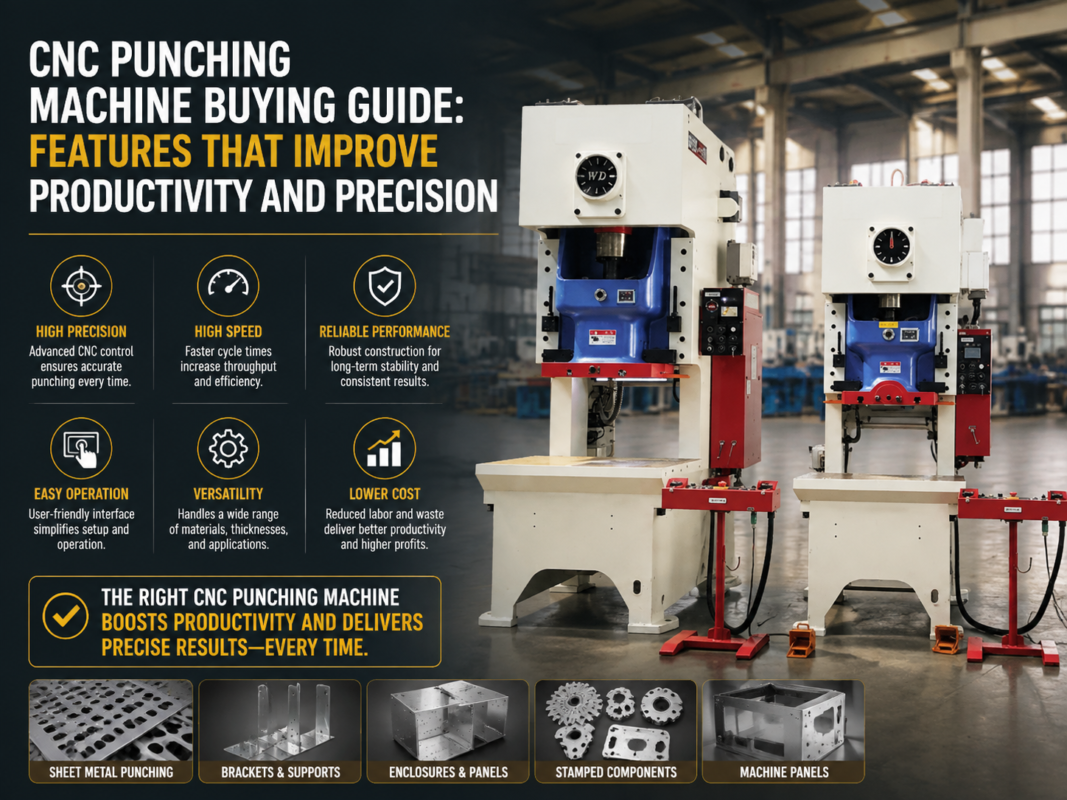
In the competitive landscape of modern metal fabrication, the ability to produce high-quality components at rapid speeds is the difference between a profitable workshop and one that struggles to keep up. When you decide to choose a sheet metal punching machine for high-efficiency manufacturing, you are not just buying a piece of hardware; you are investing in the core throughput of your production line. Punching machines remain a cornerstone of the industry because they offer a unique combination of speed, versatility, and cost-effectiveness that lasers and plasmas often cannot match for specific repetitive tasks like hole patterns, louvers, and forming operations.
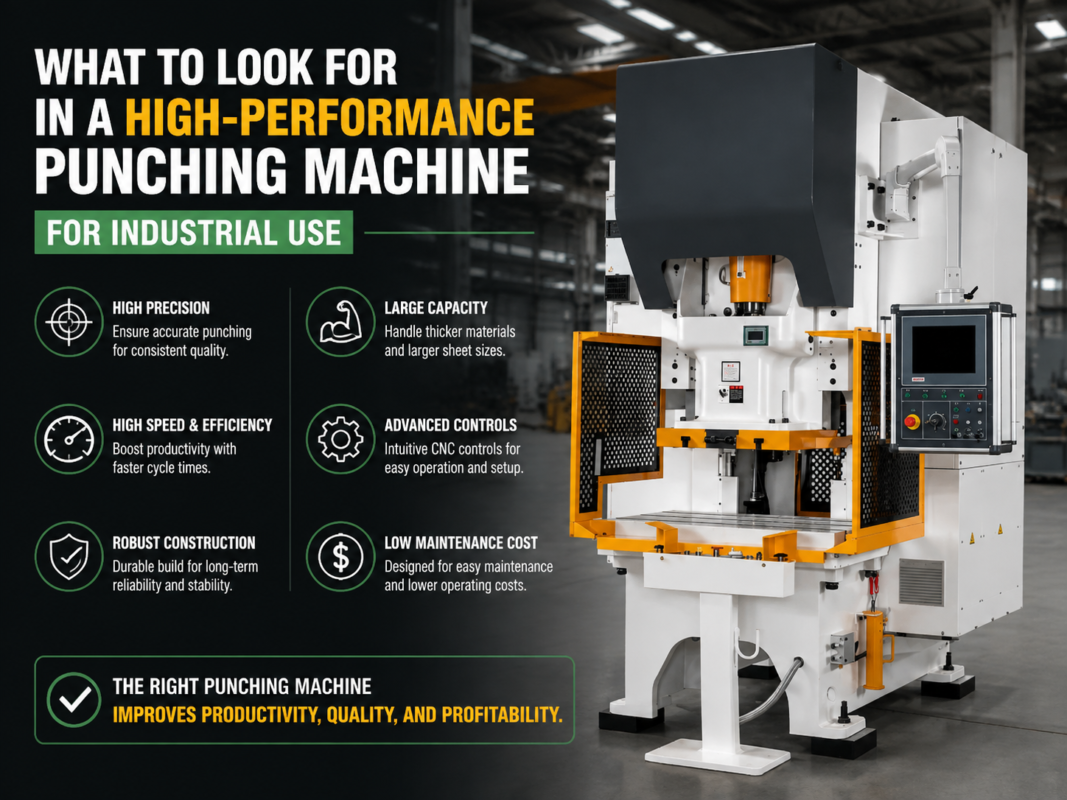
Efficiency in manufacturing is defined by the reduction of waste—waste of time, waste of material, and waste of energy. A modern CNC turret punch press or a high-speed hydraulic punching machine can perform hundreds of strokes per minute, transforming a flat sheet of metal into a complex part with minimal human intervention. However, the market is flooded with various models, tonnages, and drive systems. Selecting the wrong machine can lead to bottlenecks, excessive maintenance costs, and an inability to meet customer tolerances. This guide is designed to walk you through every critical decision point to ensure your investment drives long-term growth.
Price Range Overview: Understanding the Market Tiers
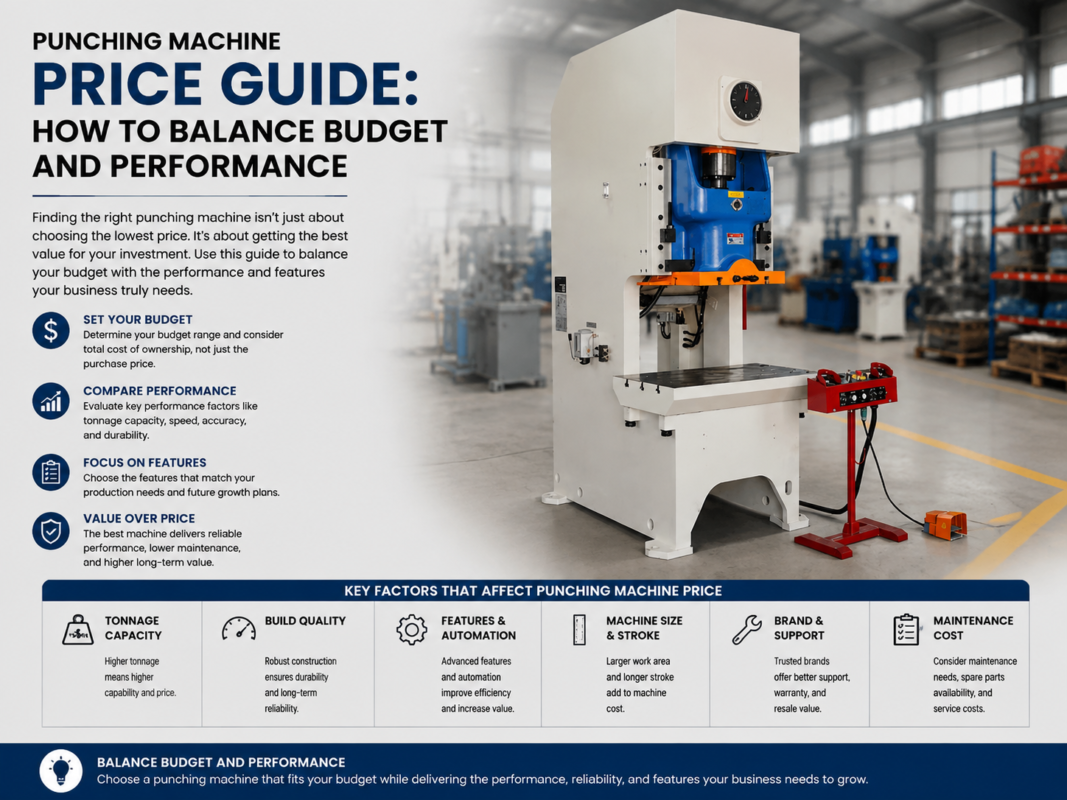
The cost of a sheet metal punching machine varies significantly based on its automation level, tonnage, and technology. Understanding these price brackets is the first step in budgeting for your facility. Generally, the market is divided into three primary tiers: entry-level mechanical or pneumatic machines, mid-range CNC hydraulic machines, and high-end servo-electric turret presses.
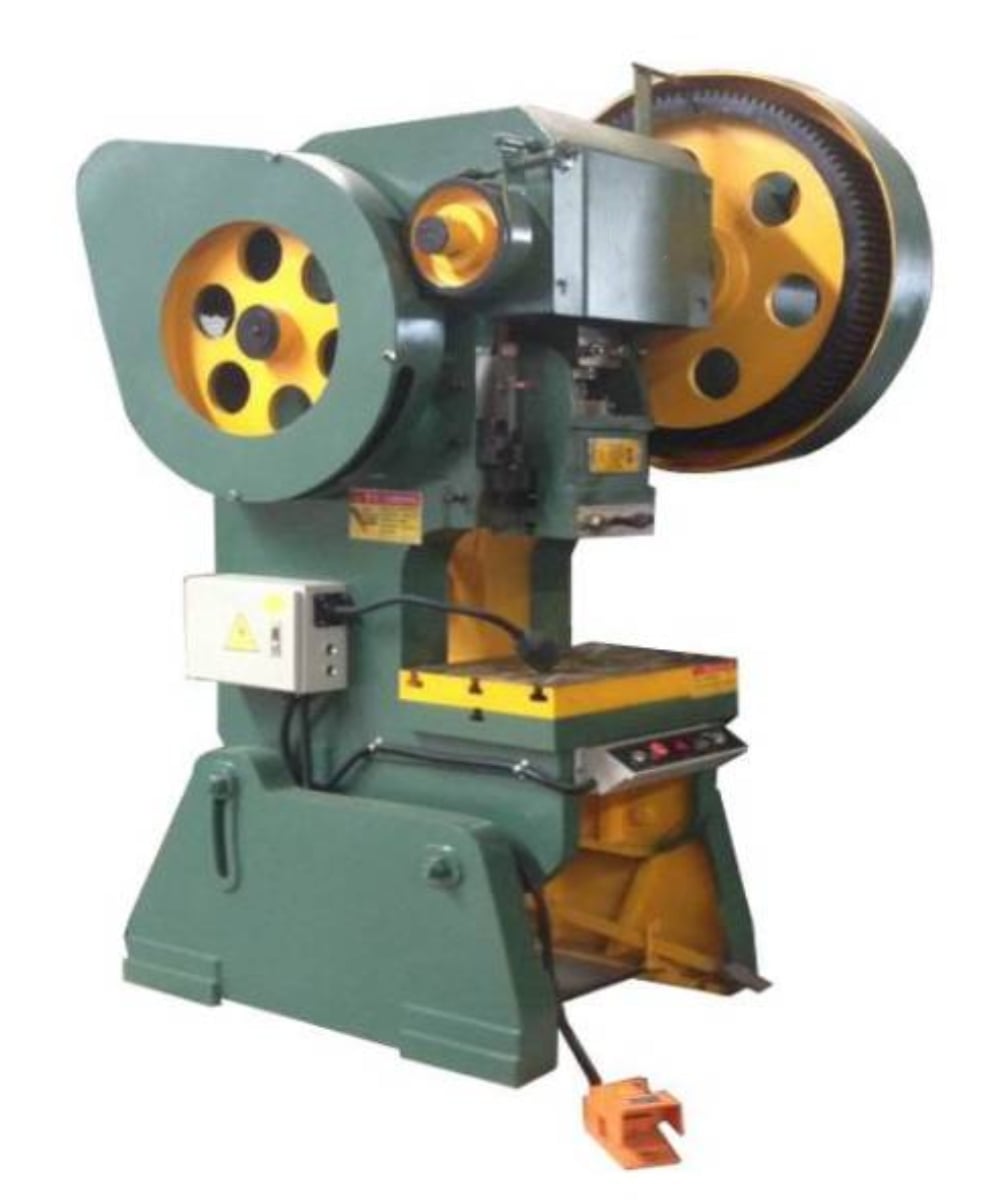
Entry-level machines typically range from $15,000 to $35,000. These are often single-station machines or simple mechanical presses. While they are excellent for small shops or specific dedicated tasks, they lack the flexibility and speed required for high-efficiency, multi-part manufacturing. They require more manual setup and are slower in terms of strokes per minute (SPM).
Mid-range CNC hydraulic punching machines usually fall between $45,000 and $95,000. These machines are the workhorses of the industry. They feature CNC controls, automatic tool changers (turrets), and hydraulic systems that provide consistent force throughout the stroke. They are ideal for medium-sized batches and can handle a variety of material thicknesses with high precision.
High-end servo-electric turret punch presses and automated cells can exceed $150,000 to $300,000. These machines represent the pinnacle of high-efficiency manufacturing. By replacing hydraulics with servo motors, they offer incredible speed (up to 1,000+ SPM), lower energy consumption, and extreme accuracy. These are often integrated with automatic loading and unloading systems to allow for “lights-out” manufacturing.
Main Cost Drivers in Punching Machinery
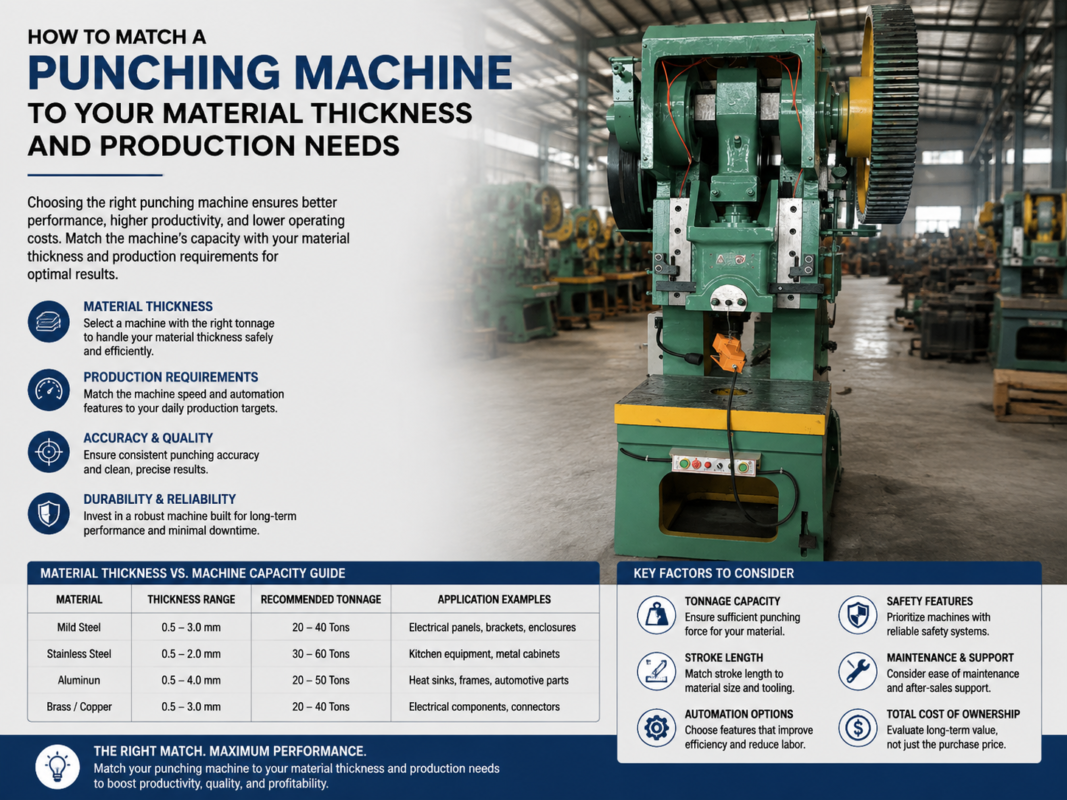
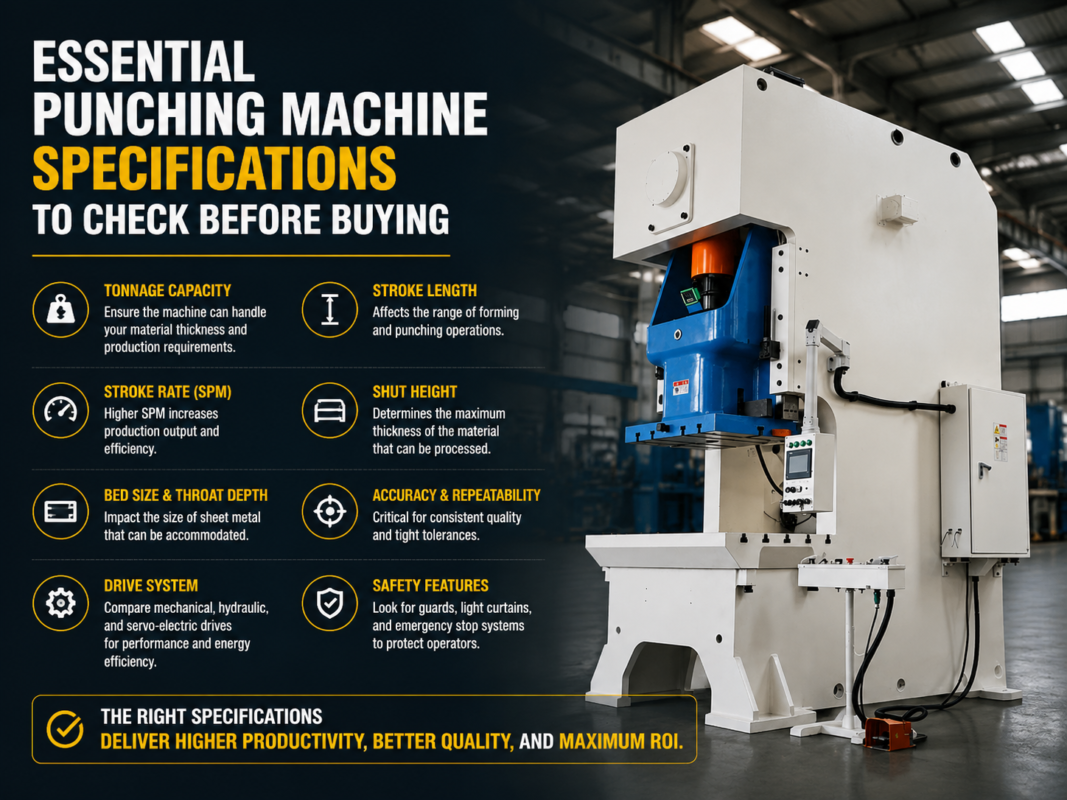
When you choose a sheet metal punching machine for high-efficiency manufacturing, several technical factors drive the final price tag. Understanding these will help you decide where to invest and where to save. The most significant driver is the machine’s tonnage. Tonnage refers to the maximum force the machine can apply. A 20-ton machine might be sufficient for thin electronics enclosures, but a 30-ton or 50-ton machine is necessary for thicker structural components or large-diameter holes in stainless steel.
Another major cost driver is the turret capacity and configuration. A machine with a 16-station turret is cheaper than one with a 32 or 48-station turret. However, more stations mean fewer tool changes and less downtime. If your parts require multiple hole sizes, countersinks, and louvers, a larger turret is essential for efficiency. Additionally, the inclusion of “Auto-Index” stations—which allow the tool to rotate 360 degrees—adds cost but significantly reduces the number of specialized tools you need to buy.
The control system (CNC) also plays a role. High-end controllers from brands like Fanuc or Siemens offer better processing speeds, more intuitive user interfaces, and better integration with nesting software. Faster processing means the machine doesn’t “pause” between hits, which is vital for maintaining high-speed production cycles. Finally, the throat depth determines the maximum sheet size the machine can handle without repositioning. A deeper throat increases the machine’s frame size and weight, contributing to a higher price.
Configuration Impact: Servo vs. Hydraulic vs. Mechanical
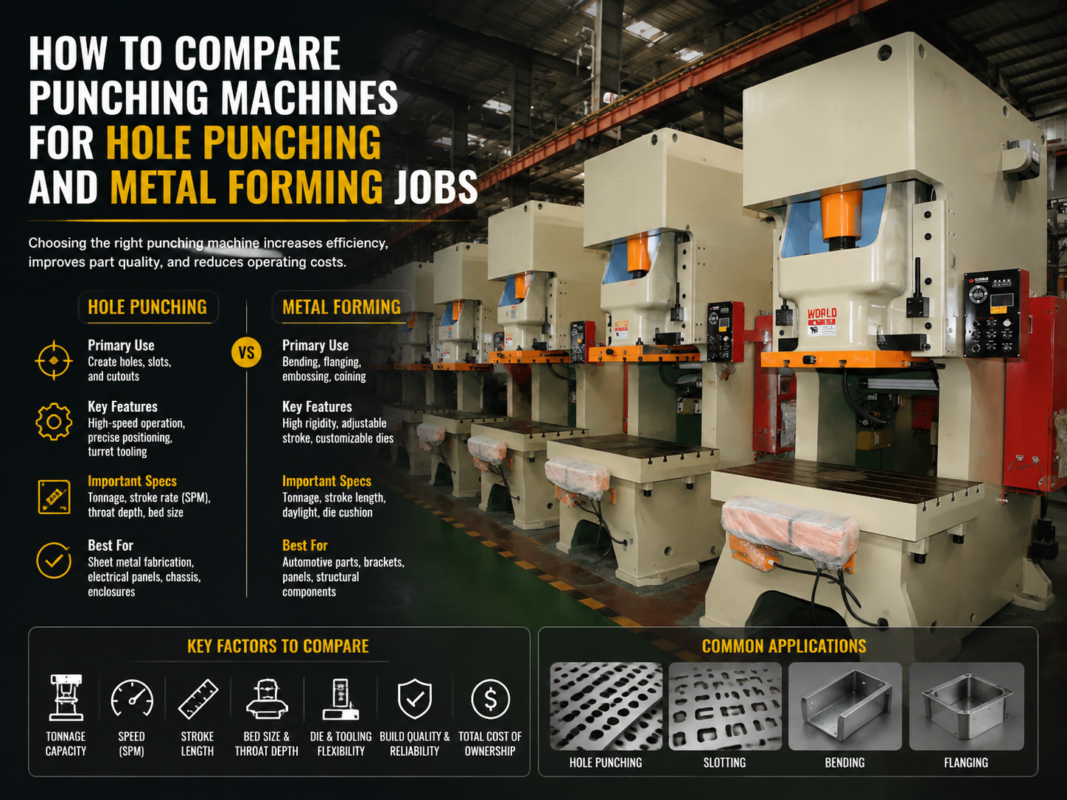
The drive system is the heart of the punching machine, and your choice here impacts everything from energy bills to part quality. Mechanical presses are the oldest technology; they are fast and relatively inexpensive but offer little control over the ram’s position. This makes them unsuitable for complex forming operations like ribbing or embossing.
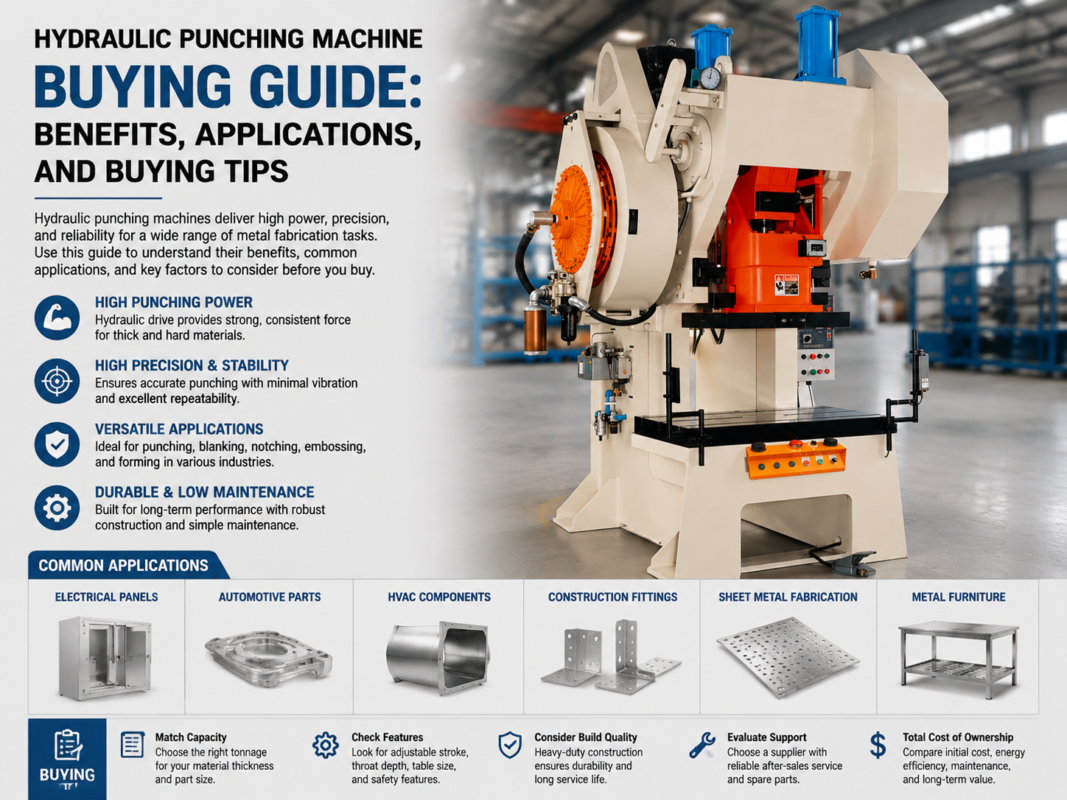
Hydraulic systems have been the industry standard for decades. They provide full tonnage at any point in the stroke, which is excellent for heavy-duty punching. Modern hydraulic systems are quite sophisticated, allowing for adjustable stroke lengths to save time. However, they require oil cooling, regular seal maintenance, and consume significant power even when idling. For many, the hydraulic system is the balanced choice for versatility and power.
Servo-electric technology is the modern preference for high-efficiency manufacturing. Instead of hydraulic fluid, a high-torque servo motor drives the ram. This allows for precise control over the ram’s movement to within microns. Servo machines are faster, quieter, and use up to 60% less energy than hydraulic counterparts because they only consume power during the actual punch. Furthermore, the lack of hydraulic oil eliminates leaks and the need for expensive oil changes, making them more environmentally friendly and easier to maintain.
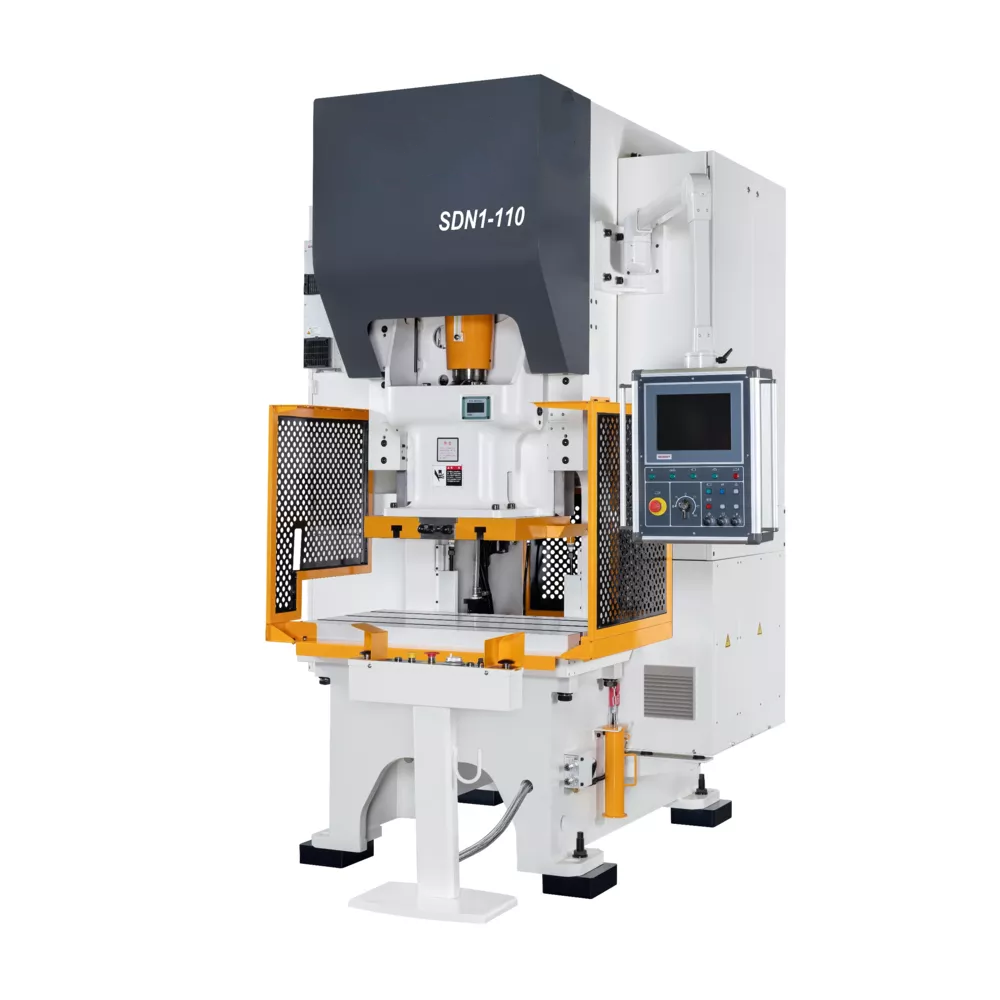
Hidden Costs of Ownership
The sticker price of the machine is only part of the total cost of ownership (TCO). To truly choose a sheet metal punching machine for high-efficiency manufacturing, you must account for the “hidden” expenses that arise after the machine is installed. The most prominent of these is tooling. A full set of high-quality punches and dies can cost thousands of dollars. Furthermore, tools are consumables; they require regular sharpening and eventual replacement. Investing in a tool grinder is often a necessary secondary expense.
Software is another critical hidden cost. To run a CNC punching machine efficiently, you need CAD/CAM nesting software. This software optimizes the layout of parts on a sheet to minimize scrap and calculates the most efficient path for the turret to follow. Some manufacturers include basic software, but advanced nesting features often require a separate license or annual subscription fees.
Installation and infrastructure should not be overlooked. A 30-ton turret punch press is a heavy piece of equipment that requires a reinforced concrete floor to prevent vibrations from affecting accuracy. You may also need to upgrade your facility’s electrical service or install compressed air lines for pneumatic sheet clamps. Finally, factor in the cost of operator training. A high-efficiency machine is only as good as the person programming and maintaining it.
ROI Calculation: When Will the Machine Pay for Itself?
Calculating the Return on Investment (ROI) is essential for justifying the purchase of a high-efficiency punching machine. To do this, compare your current production costs (whether manual or outsourced) against the projected costs of the new machine. Key variables include labor savings, material utilization, and increased throughput.
For example, if a new CNC punching machine allows one operator to do the work of three manual operators, the labor savings alone can be substantial. If the machine’s nesting software reduces material waste by 15%, those savings go directly to the bottom line. A common formula for ROI is: (Total Annual Savings – Annual Operating Costs) / Total Investment Cost. Most high-efficiency machines in a busy shop aim for a payback period of 18 to 36 months.
Beyond the numbers, consider the “opportunity cost.” A faster machine allows you to take on more orders and offer shorter lead times to your customers. In many cases, the ability to bid on larger, more complex projects that were previously impossible is the greatest return of all. High-efficiency manufacturing isn’t just about saving money; it’s about expanding your market capabilities.
Buying Advice: A Step-by-Step Checklist
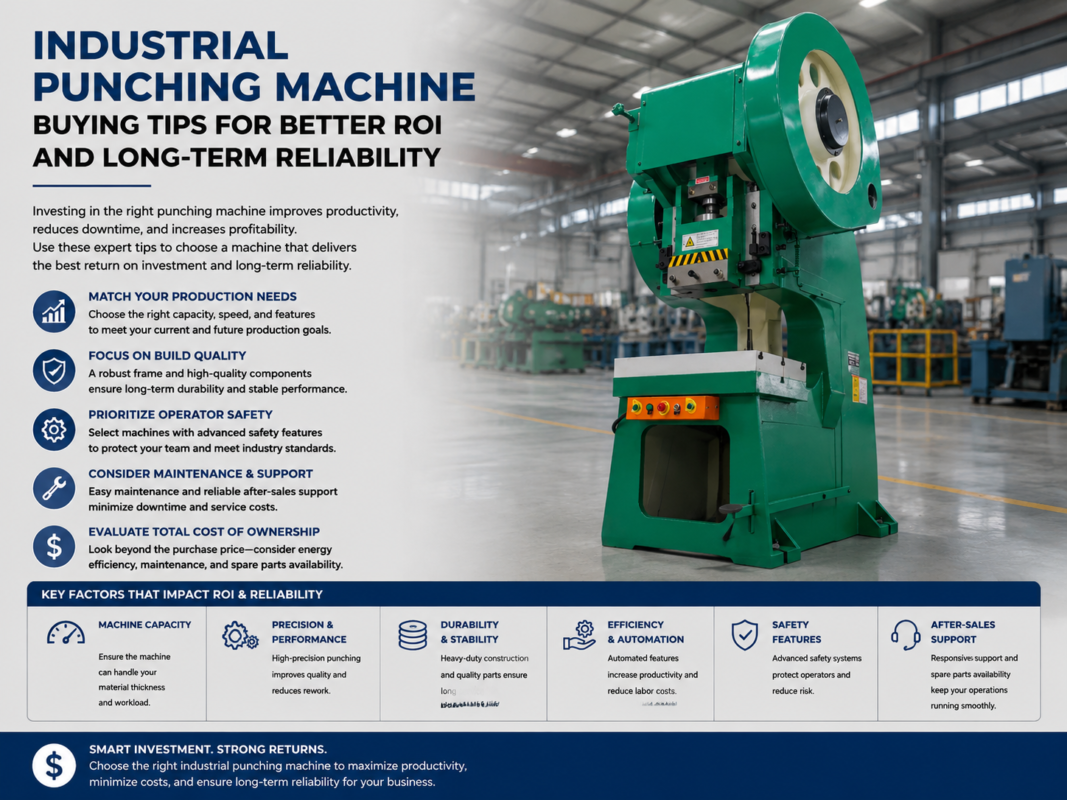
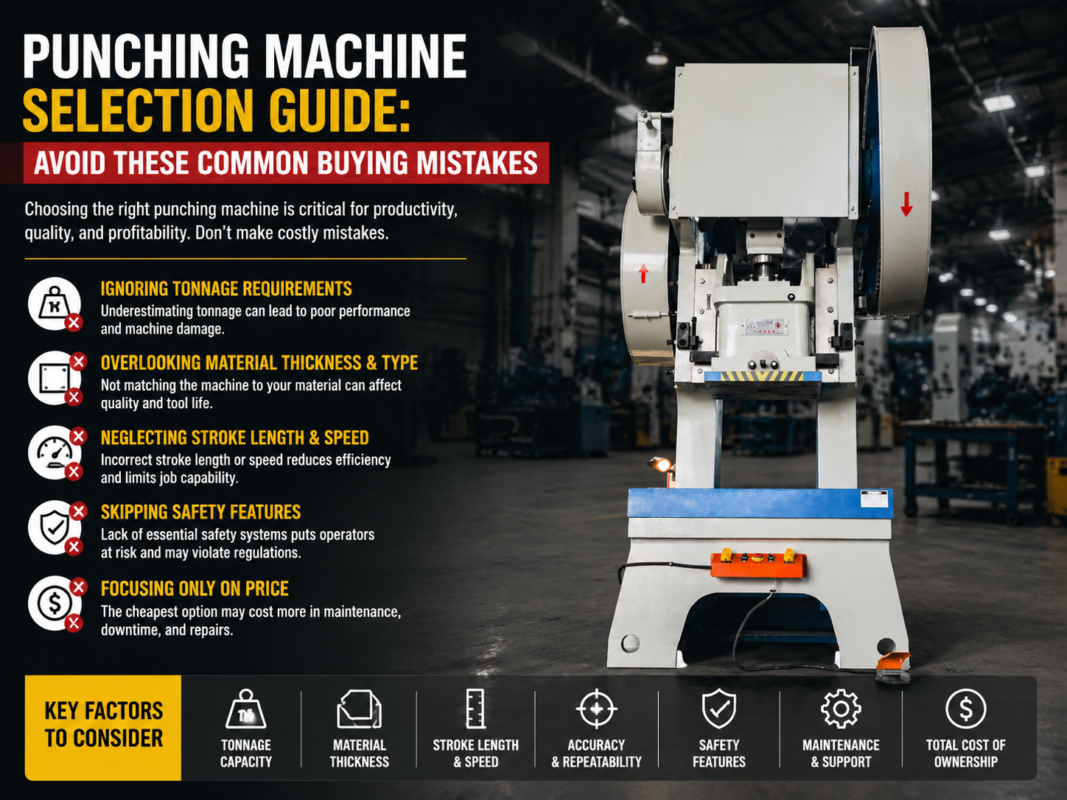
When you are ready to make a purchase, follow this checklist to ensure you select the best machine for your specific needs:
- Analyze Your Material: What is the maximum thickness and type of metal you work with? Ensure the machine’s tonnage and tool ratings match your toughest material (e.g., stainless steel requires more force than aluminum).
- Evaluate Part Complexity: Do your parts require forming (louvers, bridges, countersinks)? If so, a CNC machine with precise ram control (Servo or advanced Hydraulic) is mandatory.
- Check Turret Capacity: Look at your most complex parts. How many different tools do they require? Choose a turret size that allows you to keep common tools loaded permanently to reduce setup time.
- Assess Software Compatibility: Ensure the machine’s controller is compatible with your existing CAD/CAM workflow or that the provided software is robust enough for your nesting needs.
- Verify After-Sales Support: High-efficiency manufacturing depends on uptime. Choose a manufacturer like HARSLE that offers strong technical support, readily available spare parts, and clear maintenance documentation.
- Consider Future Growth: Don’t just buy for today’s needs. If you expect to scale, consider a machine that can be integrated with automated loading/unloading systems later on.
Frequently Asked Questions (FAQ)
1. What is the difference between a turret punch and a single-station punch?
A turret punch press holds multiple tools in a rotating carousel (the turret), allowing the machine to switch between different shapes and sizes of punches automatically. A single-station punch requires the operator to manually change the tool for every different hole type, which is much slower and less efficient for complex parts.
2. Can a punching machine replace a laser cutting machine?
While they overlap, they serve different purposes. Punching machines are much faster for creating repetitive holes and can perform forming operations (like louvers) that lasers cannot. However, lasers are better for complex, irregular shapes and very thick materials where a punch might struggle with edge quality.
3. How often does a punching machine need maintenance?
Daily maintenance involves cleaning and lubrication of the ram and turret. Weekly checks should include inspecting tool sharpness and hydraulic fluid levels (if applicable). A full professional service is usually recommended annually to ensure the alignment of the turret and the calibration of the CNC system.
4. Is servo-electric really better than hydraulic?
For most high-efficiency applications, yes. Servo-electric machines are faster, more accurate, and more energy-efficient. However, hydraulic machines are often more affordable upfront and are very reliable for heavy-duty, high-tonnage applications where the extreme speed of a servo might not be the primary requirement.
5. What kind of training is required for a CNC punching machine?
Operators need to understand G-code (or the machine’s specific conversational language), tool setup, and basic maintenance. Most importantly, they need to be trained on the nesting software to ensure material is used efficiently and the machine’s path is optimized for speed.
6. How do I choose the right tonnage?
Tonnage is calculated based on the perimeter of the hole, the thickness of the material, and its shear strength. A general rule of thumb is: Perimeter x Thickness x Shear Strength / 2000. It is always better to have a machine with slightly more tonnage than you think you need to avoid straining the frame and tools.