Electrical Faults in Punching Machines: How to Find and Fix Them Quickly


Introduction to Electrical Faults in Punching Machines
In the high-speed world of metal fabrication, the punching machine serves as the backbone of production lines. However, even the most robust HARSLE equipment can encounter operational hurdles. Electrical faults in punching machines: find fix them quickly is not just a maintenance goal; it is a necessity for maintaining profitability and meeting tight production deadlines. When a machine stops unexpectedly, the cost of downtime accumulates rapidly, making efficient troubleshooting a critical skill for any maintenance technician or operator.
Electrical systems in modern punching machines are complex, involving intricate networks of sensors, PLCs (Programmable Logic Controllers), servo drives, and high-voltage power supplies. Understanding the architecture of these systems is the first step toward rapid diagnosis. Whether you are dealing with a simple blown fuse or a complex communication error between the CNC controller and the drive, having a systematic approach will save hours of frustration and prevent unnecessary component replacement.
This guide is designed to provide a comprehensive roadmap for identifying and resolving electrical issues. By focusing on logical diagnostic steps, we can isolate faults, ensure safety, and restore machine functionality with minimal disruption. At HARSLE, we prioritize reliability, but we also recognize that proactive maintenance and rapid response are the hallmarks of a world-class fabrication facility.
As we delve into the technical aspects of electrical troubleshooting, remember that safety is paramount. Always ensure that power is disconnected or locked out according to standard industrial protocols before inspecting internal electrical cabinets. With the right knowledge and tools, you can transform a stressful breakdown into a manageable maintenance task.
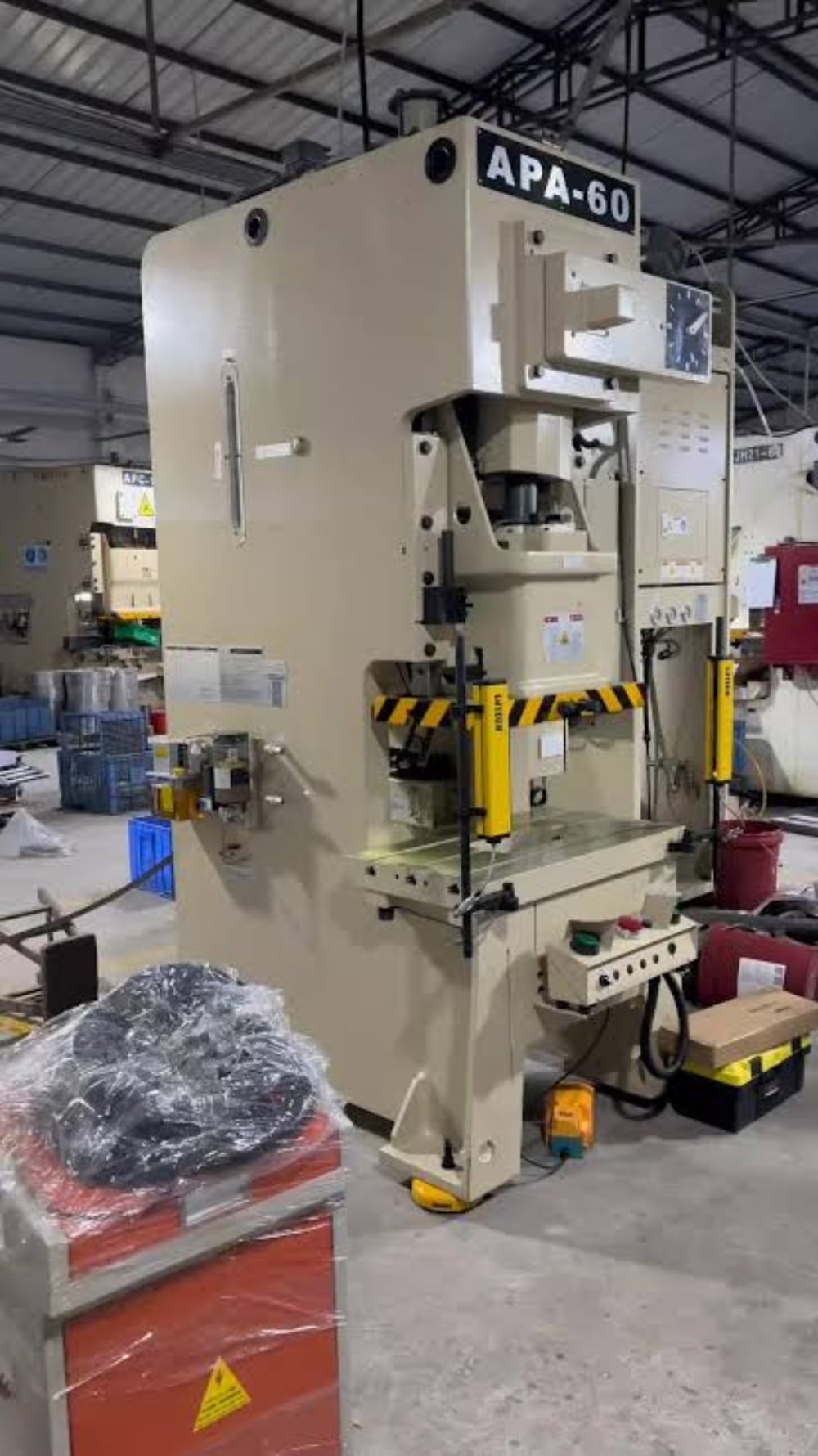
Key Considerations for Electrical System Integrity
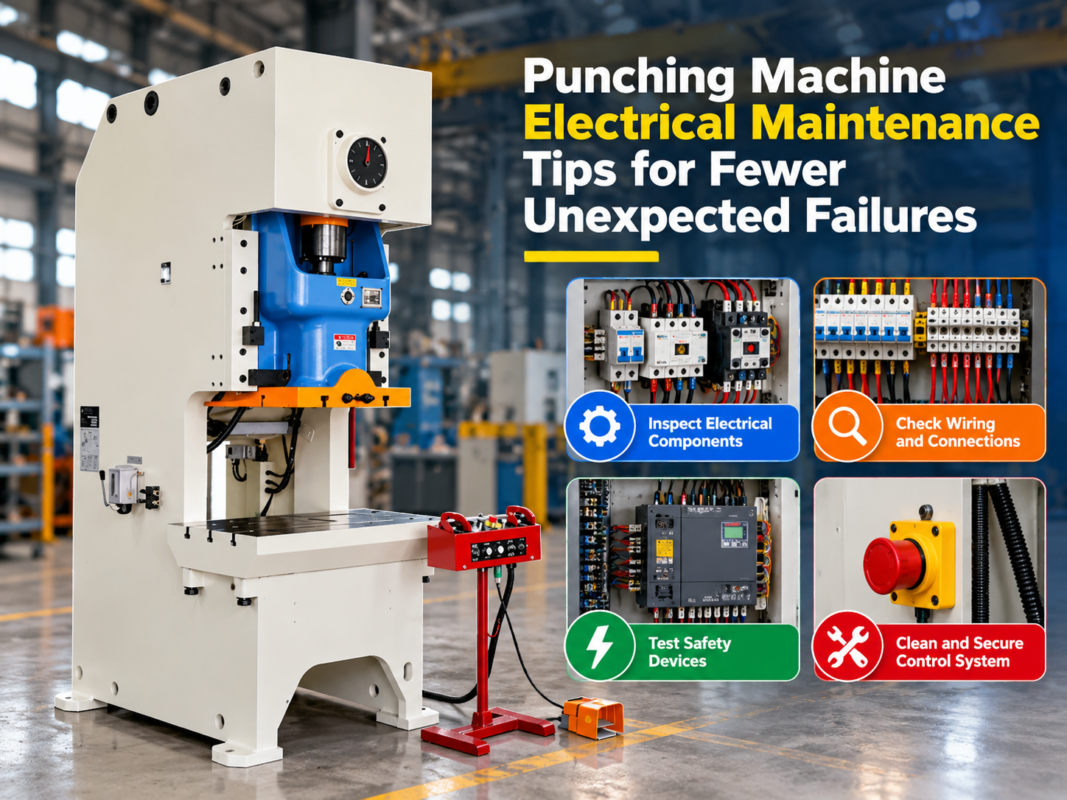
The longevity of a punching machine’s electrical system depends heavily on the environment in which it operates. Metal fabrication shops are inherently harsh, characterized by metallic dust, vibrations, and fluctuating temperatures. These factors can wreak havoc on sensitive electronic components if not properly managed. Regular cleaning of air filters on electrical cabinets is a simple yet often overlooked task that prevents overheating and premature component failure.
Another key consideration is the quality of the power supply. Punching machines require stable voltage to operate their servo motors and control systems accurately. Voltage spikes, sags, or harmonic distortions caused by other heavy machinery in the facility can lead to intermittent errors that are notoriously difficult to track down. Installing voltage stabilizers or dedicated power lines can significantly reduce the frequency of electrical faults.
Grounding is perhaps the most critical, yet frequently misunderstood, aspect of electrical integrity. A punching machine must have a robust, low-impedance ground connection to dissipate static electricity and protect against surges. Poor grounding can lead to “ghost” signals in the CNC controller, resulting in erratic machine behavior, sensor errors, or even damage to the motherboard. Always verify the integrity of the ground connection during routine maintenance checks.
Finally, consider the age and condition of the wiring. Over time, the constant movement of the machine can cause wire fatigue, especially in cable tracks (drag chains). Insulation can crack, leading to short circuits or intermittent open circuits. A proactive inspection schedule that includes checking cable tracks for signs of wear and ensuring all terminal connections are tight will prevent many common electrical failures before they occur.
Technical Details: Diagnosing Common Electrical Faults
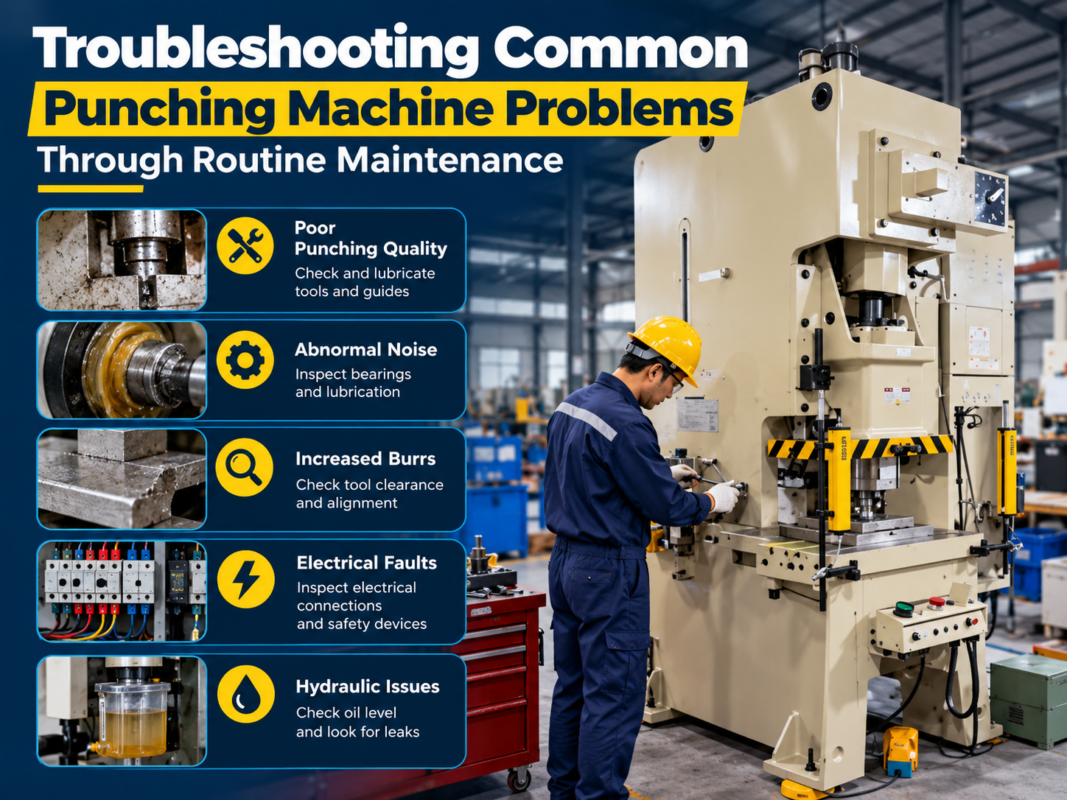
When an electrical fault occurs, the CNC controller usually provides an error code. These codes are your primary diagnostic tool. Never ignore a warning message, even if the machine seems to be running fine. Often, these codes indicate a marginal fault—such as a sensor that is slightly out of alignment or a drive that is running hotter than normal—that will eventually lead to a hard failure.
One of the most frequent issues involves limit switches and proximity sensors. These components are exposed to the elements and are prone to physical damage or accumulation of debris. If a machine refuses to home or stops mid-cycle, check the status LEDs on the sensors. If a sensor is stuck in the ‘on’ or ‘off’ position regardless of the physical target, it is likely faulty or misaligned. Cleaning the sensor face and checking the wiring harness for continuity are standard first steps.
Servo drive errors are another common category of faults. These often manifest as ‘following error’ or ‘over-current’ alarms. A following error usually indicates that the motor cannot keep up with the command from the controller, which could be caused by mechanical binding, a failing motor, or an issue with the encoder feedback cable. An over-current alarm, conversely, suggests a short circuit in the motor windings or a problem with the drive itself. Using a multimeter to check for resistance between phases can help isolate the issue.
Communication errors between the CNC controller and the peripheral modules (like the tool changer or the hydraulic unit) are often related to the fieldbus system. Check the status of the communication cables and ensure that the connectors are seated firmly. In some cases, electromagnetic interference (EMI) from nearby high-power cables can disrupt communication. Ensure that signal cables are properly shielded and routed away from high-voltage power lines to maintain signal integrity.
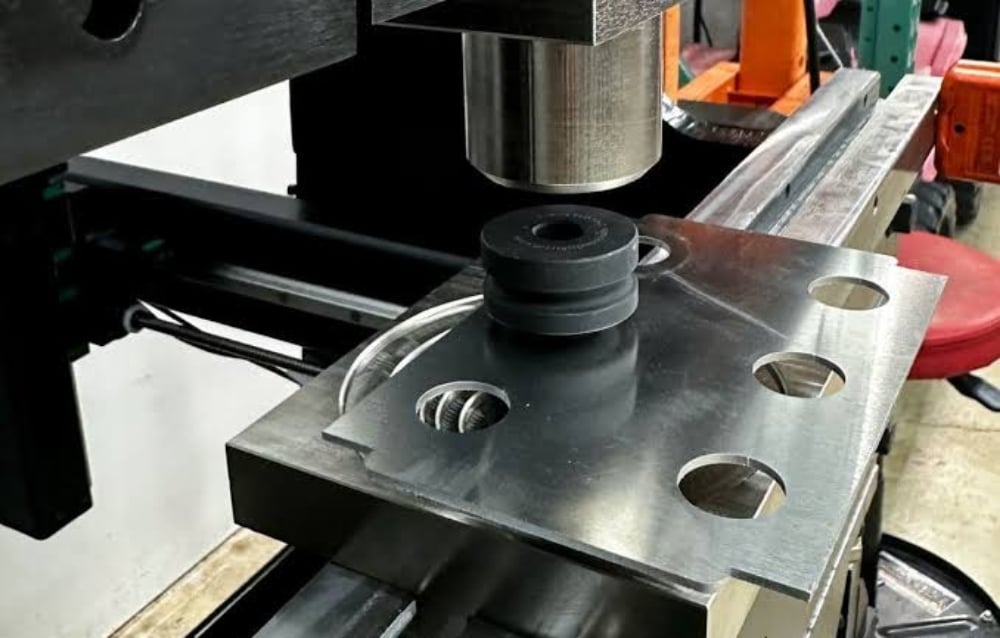
Selection Advice: Choosing Reliable Machinery
When investing in new metal fabrication equipment, the electrical design should be a major factor in your decision-making process. A machine that is built with high-quality, industry-standard electrical components is much easier to maintain and repair. Look for manufacturers that use reputable brands for PLCs, drives, and contactors, as these parts are more likely to have readily available replacements and comprehensive documentation.
Consider the accessibility of the electrical cabinet. A well-designed machine will have a spacious, logically laid-out cabinet with clearly labeled wires and components. This makes the job of a technician significantly easier when they need to trace a signal or replace a component. HARSLE designs its punching machines with the end-user in mind, ensuring that maintenance points are accessible and that the electrical documentation is thorough and easy to follow.
Evaluate the diagnostic capabilities of the CNC controller. Modern controllers offer advanced self-diagnostic features that can pinpoint the exact location of a fault, saving valuable time. Some systems even offer remote diagnostic capabilities, allowing the manufacturer’s support team to log in and assist with troubleshooting. This level of support can be the difference between an hour of downtime and a full day of lost production.
Finally, look for a manufacturer that provides excellent after-sales support and training. Even the best machine will eventually require maintenance. Having access to a knowledgeable support team, detailed service manuals, and a reliable supply of spare parts is essential. At HARSLE, we believe that the relationship with our customers begins, not ends, with the sale of the machine, and we are committed to providing the resources necessary to keep your equipment running at peak performance.
FAQ: Frequently Asked Questions
- Q: How can I prevent electrical faults in my punching machine?
A: Regular maintenance is key. Keep electrical cabinets clean, check for loose connections, ensure proper grounding, and monitor the machine’s environment for excessive dust or heat. - Q: What should I do if my machine shows a ‘Servo Alarm’?
A: First, consult the machine’s manual to identify the specific error code. Check for mechanical obstructions, inspect the motor cables for damage, and verify that the drive is receiving stable power. - Q: Are electrical faults always caused by hardware failure?
A: No. Many faults are caused by software glitches, incorrect parameter settings, or external factors like power fluctuations or EMI. Always rule out these possibilities before replacing expensive components. - Q: How often should I inspect the electrical wiring?
A: A visual inspection of cable tracks and exposed wiring should be part of your weekly maintenance routine. A more thorough check of terminal tightness and component health should be performed quarterly. - Q: Can I perform electrical repairs myself?
A: Basic troubleshooting and component replacement can be done by trained in-house staff. However, complex repairs involving the CNC controller or high-voltage systems should be handled by certified technicians to ensure safety and warranty compliance.
Conclusion
Mastering the art of identifying and fixing electrical faults in punching machines is an essential capability for any modern fabrication shop. By understanding the common failure points—such as sensors, servo drives, and communication cables—and adopting a systematic approach to troubleshooting, you can significantly reduce downtime and extend the life of your equipment. Remember that the goal is not just to fix the problem, but to understand the root cause so that it does not recur.
Investing in high-quality machinery, maintaining a clean and stable operating environment, and prioritizing regular maintenance are the best strategies for avoiding electrical issues in the first place. When problems do arise, rely on your documentation, utilize the diagnostic tools provided by your CNC controller, and do not hesitate to reach out to professional support when needed. At HARSLE, we are dedicated to providing the tools and knowledge you need to succeed in the competitive world of metal fabrication.
By staying proactive and informed, you can ensure that your punching machine remains a reliable and productive asset for years to come. Keep your electrical systems in top shape, and your production line will continue to run smoothly, efficiently, and profitably. For further assistance or to explore our range of high-performance punching machines, contact the HARSLE support team today.