
Punching Machine Hydraulic Problems: Symptoms, Causes, and Repairs


Introduction to Punching Machine Hydraulic Systems
In the high-precision world of metal fabrication, the hydraulic punching machine stands as a cornerstone of productivity. These machines rely on complex fluid power systems to exert the immense force required to pierce, notch, and form sheet metal. However, because these systems operate under extreme pressure and continuous duty cycles, they are susceptible to wear and mechanical failure. Understanding Punching Machine Hydraulic Problems: Symptoms, Causes, and Repairs is essential for any facility manager or maintenance technician aiming to minimize downtime and extend the operational lifespan of their equipment.
At HARSLE, we emphasize that a proactive approach to hydraulic health is far more cost-effective than reactive emergency repairs. When a hydraulic system begins to falter, it rarely fails catastrophically without warning. Instead, it provides subtle indicators—fluctuating pressure, unusual noises, or sluggish cycle times—that, if caught early, can prevent expensive component replacements. This guide serves as a comprehensive resource for identifying these early warning signs and implementing effective repair strategies.
The complexity of modern hydraulic circuits in punching machines involves pumps, valves, cylinders, seals, and fluid reservoirs working in perfect synchronization. When one element deviates from its design parameters, the entire system’s efficiency drops. By mastering the diagnostic process, operators can ensure that their HARSLE machinery continues to deliver the high-tolerance results that modern manufacturing demands.
This article will walk you through the technical intricacies of hydraulic troubleshooting. We will explore the common symptoms that indicate a system is under stress, the underlying causes that lead to these failures, and the systematic repair procedures required to restore your punching machine to peak performance. Whether you are dealing with a minor leak or a major pressure drop, the following sections provide the technical depth necessary for professional-grade maintenance.
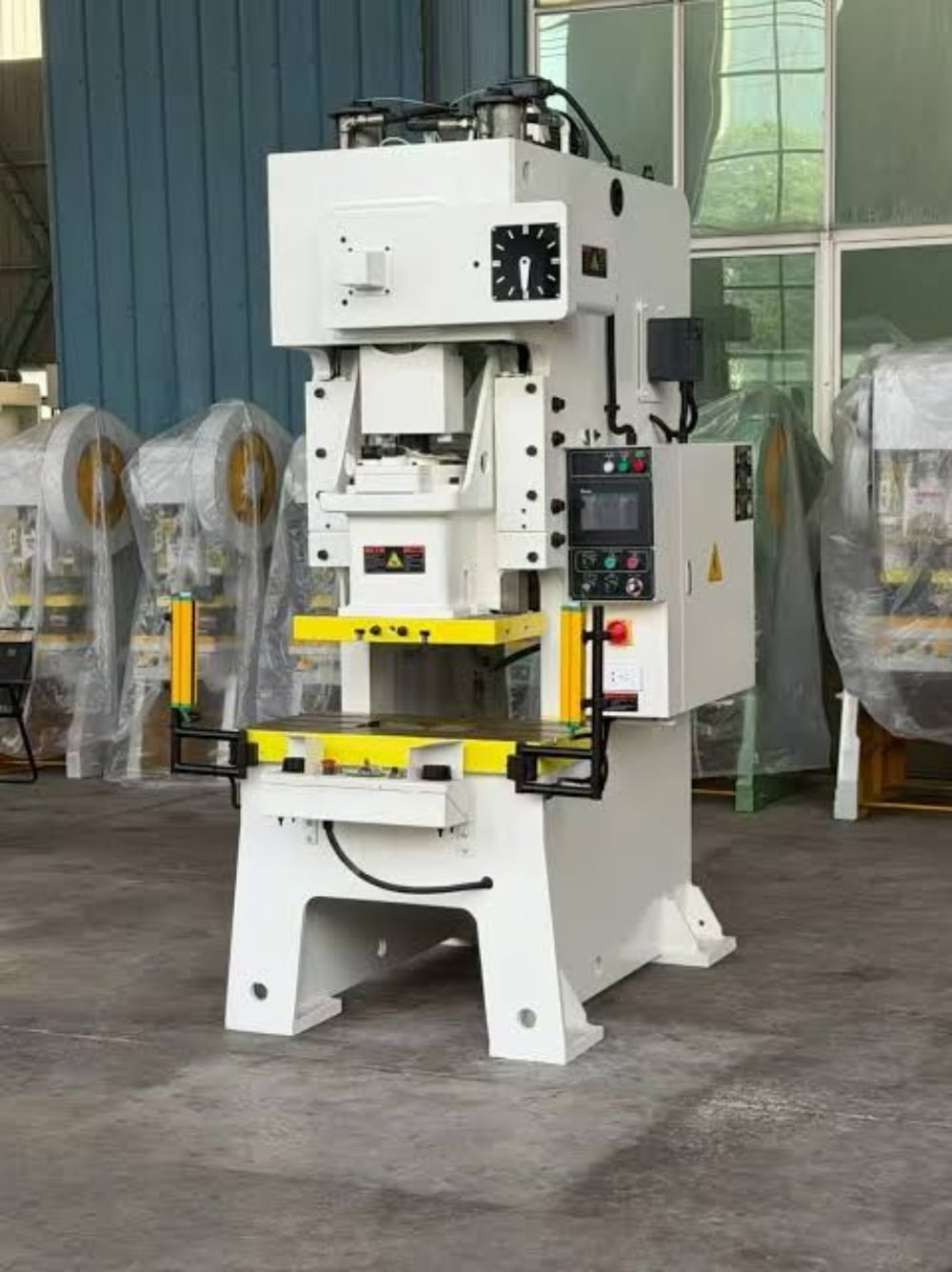
Key Considerations for Hydraulic System Health
The first step in managing Punching Machine Hydraulic Problems: Symptoms, Causes, and Repairs is establishing a baseline for system health. Hydraulic fluid is the lifeblood of your machine; it acts as both a power transfer medium and a lubricant for internal components. If the fluid is contaminated, oxidized, or at the incorrect viscosity, the entire system will suffer. Operators must prioritize fluid analysis as part of their routine maintenance schedule to detect microscopic wear particles before they cause significant damage.
Temperature control is another critical factor. Hydraulic systems generate heat during operation, and while some heat is expected, excessive temperatures can degrade seals and thin the oil to a point where it no longer provides adequate lubrication. High operating temperatures are often a symptom of internal leakage or a failing cooling system. Monitoring the reservoir temperature and ensuring that heat exchangers are clean and functional is a non-negotiable aspect of machine upkeep.
Pressure stability is the hallmark of a well-tuned punching machine. Fluctuations in pressure during the punching cycle often point toward issues with the pressure relief valve or the pump itself. It is vital to understand the difference between a transient pressure drop caused by a heavy load and a persistent instability that indicates a mechanical fault. Keeping a log of pressure readings at various stages of the machine’s cycle can help technicians identify trends that precede a total system failure.
Finally, the integrity of the hydraulic seals cannot be overstated. Seals are the primary defense against fluid loss and contamination ingress. Over time, these components harden or tear due to pressure spikes and thermal cycling. A small external leak is often just the tip of the iceberg, signaling that internal seals may also be failing, leading to bypass and loss of force. Regular visual inspections of all fittings, hoses, and cylinder glands are essential to maintaining a dry and efficient machine environment.
Technical Details: Diagnosing Common Symptoms
When troubleshooting Punching Machine Hydraulic Problems: Symptoms, Causes, and Repairs, the first symptom most operators notice is a loss of punching force. If the machine struggles to penetrate material that it previously handled with ease, the cause is likely a drop in system pressure or a bypass issue. This can be caused by a worn hydraulic pump that can no longer maintain flow, or a relief valve that is stuck in a partially open position, bleeding pressure back into the reservoir.
Another common symptom is excessive noise, often described as a whining or grinding sound. This is frequently linked to cavitation—a condition where air bubbles form in the hydraulic fluid due to a restriction in the suction line or low fluid levels. When these bubbles collapse under pressure, they cause shockwaves that can pit metal surfaces and destroy pump internals. If you hear unusual noises, the machine should be shut down immediately to prevent permanent damage to the pump assembly.
Sluggish cycle times are another indicator of hydraulic distress. If the ram takes longer to descend or retract, it suggests a restriction in the flow path or a failure in the directional control valves. These valves are responsible for routing fluid to the correct side of the cylinder; if they are clogged with debris or experiencing electrical solenoid failure, the machine’s responsiveness will suffer. Checking the electrical signals to the valves and ensuring the spools are moving freely is a standard diagnostic step.
Overheating is a symptom that often goes hand-in-hand with internal leakage. If the hydraulic fluid is bypassing the cylinder piston seals, it creates friction and heat as it forces its way through the gap. This not only reduces the force available for punching but also accelerates the degradation of the hydraulic oil. Using an infrared thermometer to check the temperature of the cylinder body versus the reservoir can help pinpoint where the heat is being generated, allowing for a targeted repair.
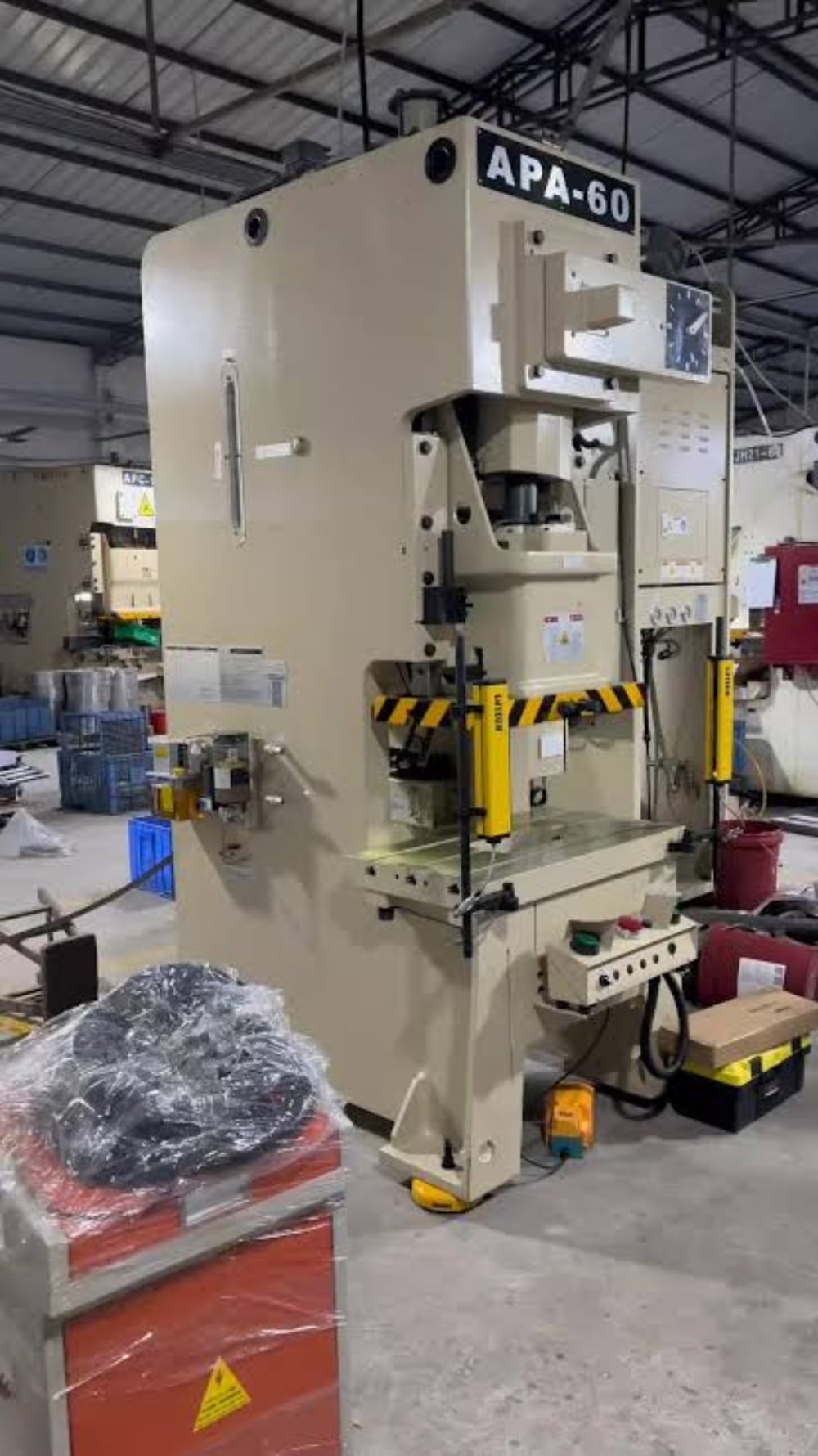
Selection Advice and Preventive Maintenance
Choosing the right hydraulic components for your punching machine is as important as the maintenance itself. When replacing pumps, valves, or hoses, always adhere to the manufacturer’s specifications. Using generic or lower-rated parts can lead to premature failure and may void your warranty. HARSLE recommends sourcing original equipment manufacturer (OEM) parts to ensure compatibility with the machine’s specific pressure and flow requirements.
Preventive maintenance schedules should be strictly followed. This includes periodic oil changes, filter replacements, and system flushing. Contamination is the leading cause of hydraulic failure; therefore, ensuring that the reservoir breather is clean and that the oil is filtered to the correct ISO cleanliness code is vital. A proactive maintenance program should also include a monthly check of all hydraulic connections to ensure they are tight and free from vibration-induced loosening.
Training your operators to recognize the early signs of hydraulic issues is a powerful tool in your maintenance arsenal. An operator who is attuned to the sound, speed, and precision of their machine is the first line of defense. Encourage them to report any anomalies, no matter how minor. A small leak today is a major repair tomorrow; catching these issues early allows for scheduled maintenance rather than emergency downtime.
Consider the environment in which the machine operates. If your facility is dusty or prone to extreme temperature swings, you may need to upgrade your filtration system or install an auxiliary oil cooler. Tailoring your maintenance strategy to your specific operational environment will significantly extend the life of your hydraulic components and ensure that your punching machine remains a reliable asset for years to come.
Frequently Asked Questions (FAQ)
- Q: How often should I change the hydraulic oil in my punching machine?
A: Generally, hydraulic oil should be changed every 2,000 to 4,000 operating hours, or annually, depending on the machine’s usage intensity and the environment. Always check your HARSLE manual for specific intervals. - Q: What causes ‘spongy’ or slow ram movement?
A: This is usually caused by air trapped in the hydraulic system. Bleeding the system to remove air pockets and checking for suction line leaks can typically resolve this issue. - Q: Can I use any hydraulic fluid in my machine?
A: No. You must use the viscosity grade and type recommended by the manufacturer. Using the wrong fluid can lead to pump damage, seal degradation, and poor performance. - Q: Why is my hydraulic system overheating?
A: Overheating is often caused by internal leakage, a clogged heat exchanger, or a failing pump. Check for bypass in the cylinders and ensure the cooling fan or water circuit is functioning correctly. - Q: How do I identify a failing hydraulic pump?
A: Symptoms include increased noise (whining), a drop in system pressure, and slower cycle times. If you suspect pump failure, perform a flow test to verify its output against the manufacturer’s specifications.
Conclusion
Mastering Punching Machine Hydraulic Problems: Symptoms, Causes, and Repairs is a continuous process of learning and vigilance. By understanding the critical role of hydraulic fluid, the importance of pressure stability, and the necessity of regular maintenance, you can ensure that your HARSLE punching machine operates at peak efficiency. Remember that the key to long-term success in metal fabrication lies in the details: clean oil, tight fittings, and an operator who knows exactly how their machine should sound and feel.
When issues do arise, approach them systematically. Start by identifying the symptom, trace it back to the root cause, and implement a repair that addresses the underlying problem rather than just the surface indicator. With the right knowledge and a commitment to quality maintenance, you can minimize downtime, reduce repair costs, and maintain the high standards of production that your business relies on. For further technical support or to source genuine replacement parts, always reach out to your HARSLE representative to ensure your equipment remains in top-tier condition.












