How to Eliminate Punching Machine Hole Size Errors in Metal Fabrication

Introduction
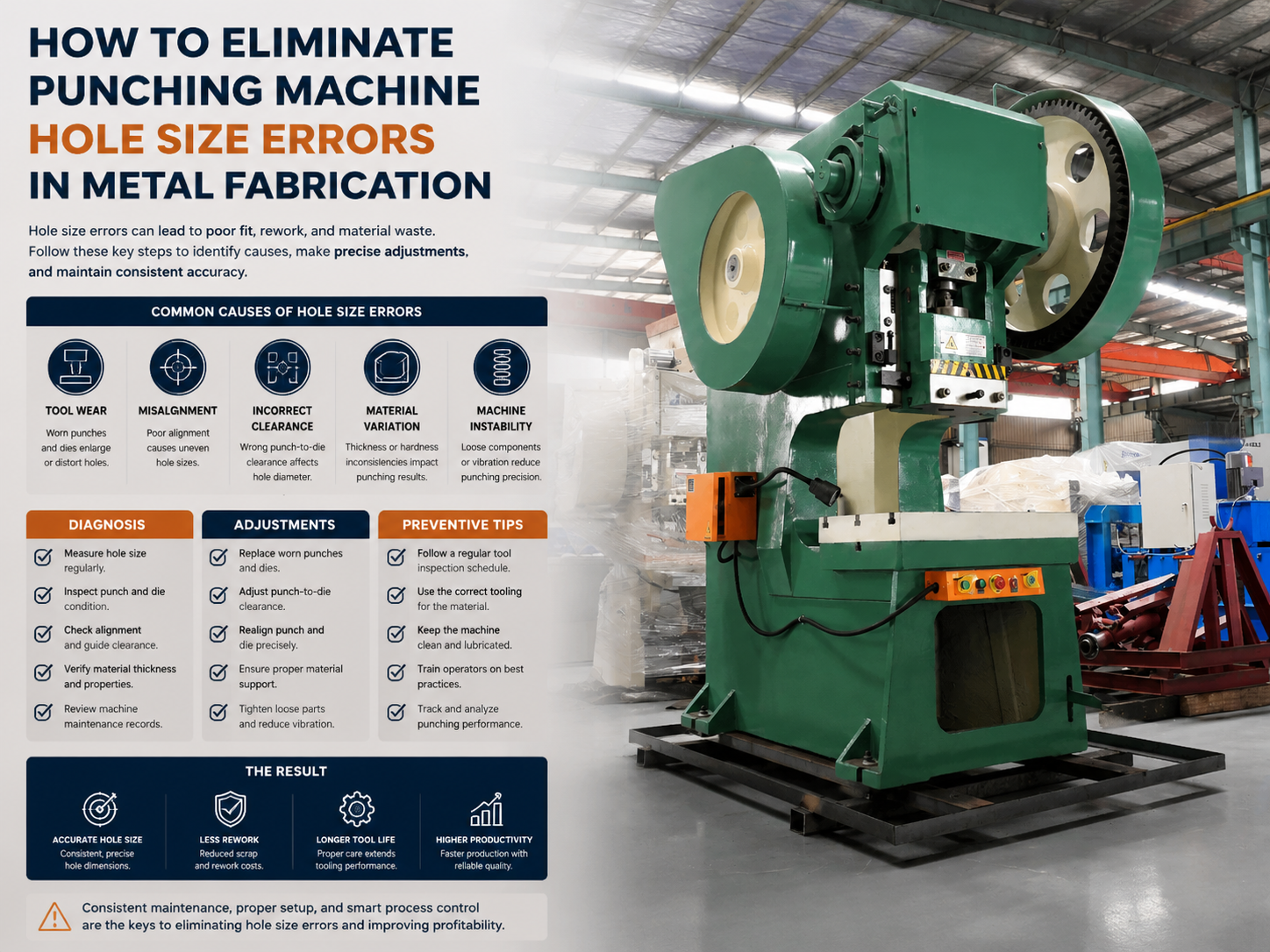
In the high-stakes world of metal fabrication, precision is the currency of success. For manufacturers relying on CNC punching machines, the integrity of every hole—its diameter, edge quality, and positional accuracy—is paramount. When hole size errors occur, they lead to costly scrap, assembly failures, and significant downtime. To effectively eliminate punching machine hole size errors in metal fabrication, operators and engineers must move beyond basic operation and dive deep into the mechanical, metallurgical, and environmental variables that influence the punching process.
HARSLE understands that the difference between a perfect part and a rejected one often lies in the microscopic details of the tooling and the machine’s calibration. Whether you are working with thin-gauge aluminum or heavy-duty structural steel, the physics of the punch-and-die interaction remains the same. This comprehensive guide explores the root causes of dimensional inaccuracies and provides actionable strategies to ensure your production line maintains the highest standards of quality control.
Achieving consistent hole sizes is not merely about the machine’s capability; it is about the synergy between the operator, the tooling, and the maintenance schedule. By systematically addressing the factors that contribute to hole size deviation, shops can significantly increase their throughput and reduce material waste. In the following sections, we will break down the technical complexities of punching and offer a roadmap for achieving near-perfect dimensional stability in every cycle.
Key Considerations for Hole Accuracy
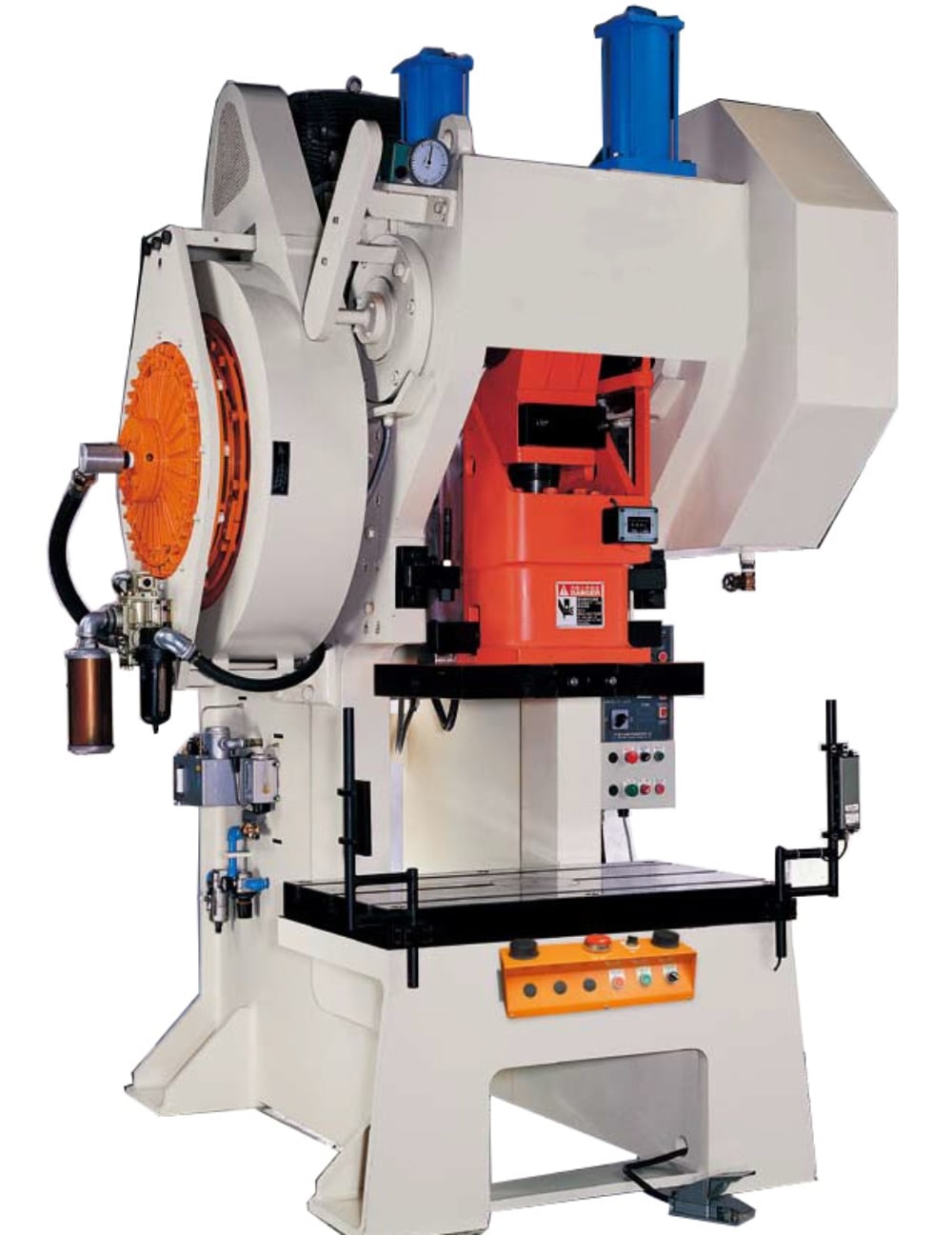
The first step to eliminate punching machine hole size errors in metal fabrication is understanding the material behavior during the punching cycle. When a punch enters the metal, it undergoes three distinct phases: plastic deformation, penetration, and fracture. If the material is not properly supported or if the force is uneven, the hole will inevitably deviate from the intended dimensions. Material thickness, tensile strength, and grain direction all play critical roles in how the metal reacts to the punch.
Tool clearance is perhaps the most significant factor in hole size control. Clearance refers to the gap between the punch and the die. If the clearance is too tight, the machine requires excessive force, leading to rapid tool wear and potential galling. If the clearance is too loose, the material will be pulled into the die cavity, resulting in excessive burrs and a distorted hole shape. Finding the “sweet spot” for clearance based on the material type and thickness is essential for maintaining dimensional integrity.
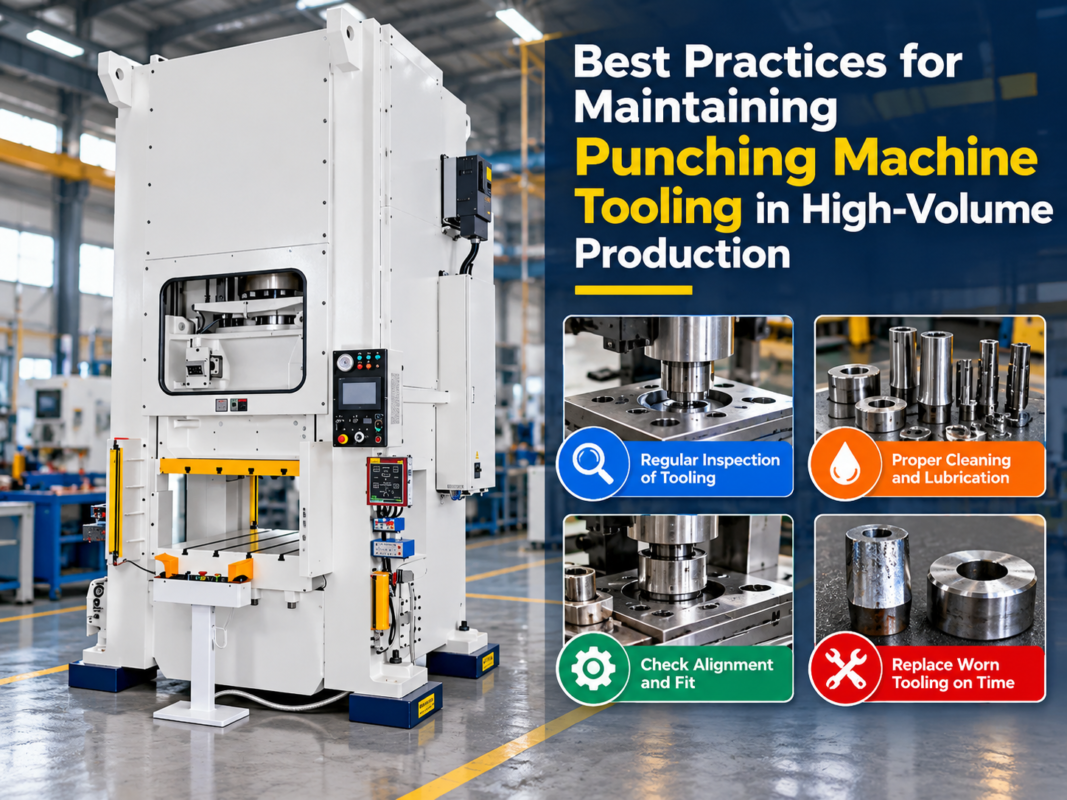
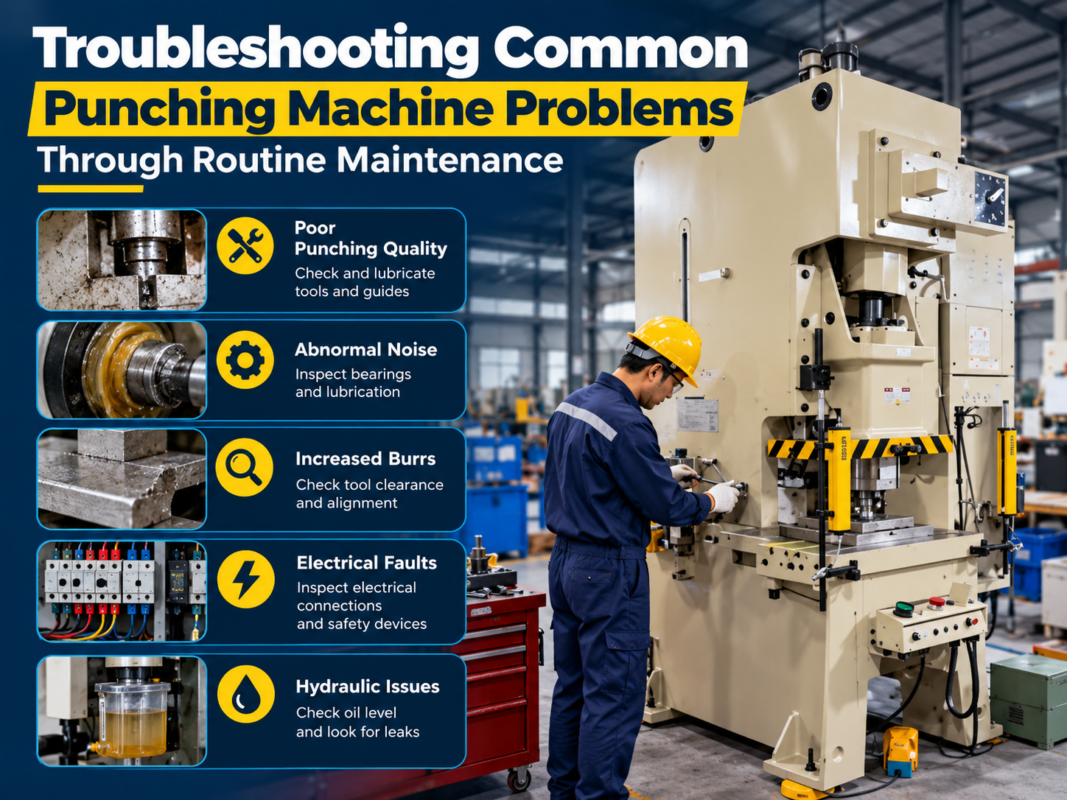
Another key consideration is the condition of the punch and die set. Over time, the sharp edges of the tooling begin to round off. A dull punch does not shear the material cleanly; instead, it pushes and stretches the metal before finally breaking through. This stretching effect causes the hole to be slightly larger than the punch diameter, leading to inconsistent results. Regular inspection of tooling edges is a non-negotiable aspect of high-precision fabrication.
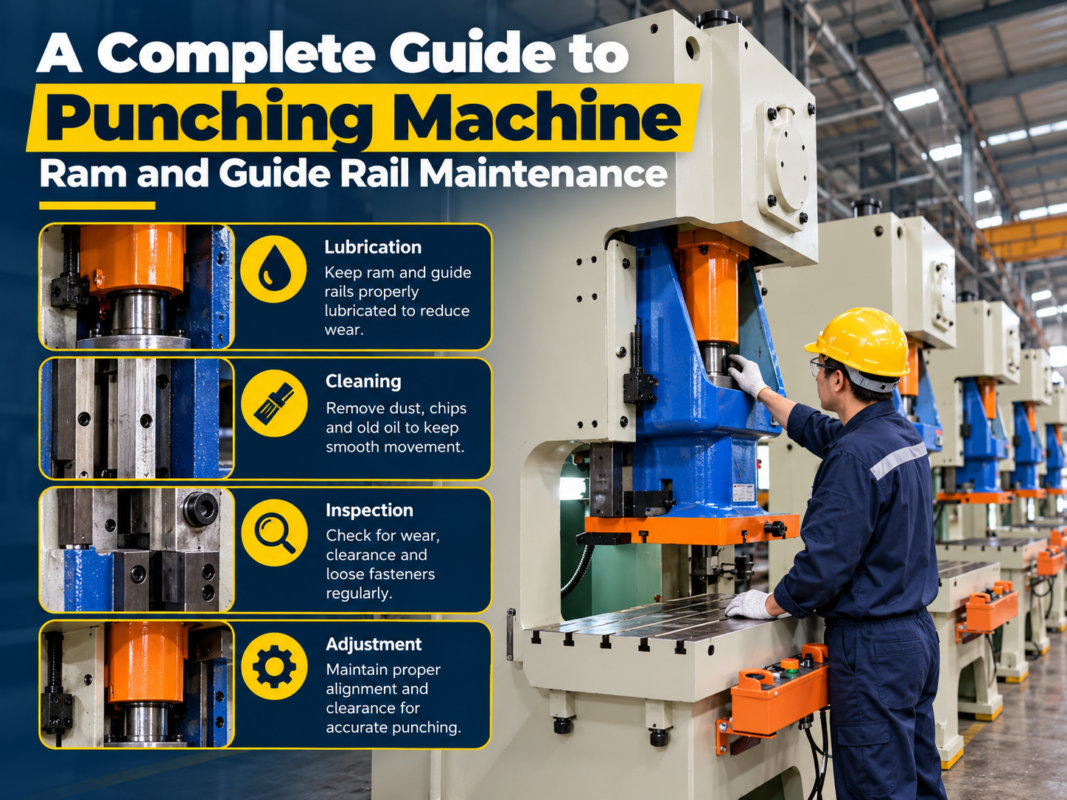
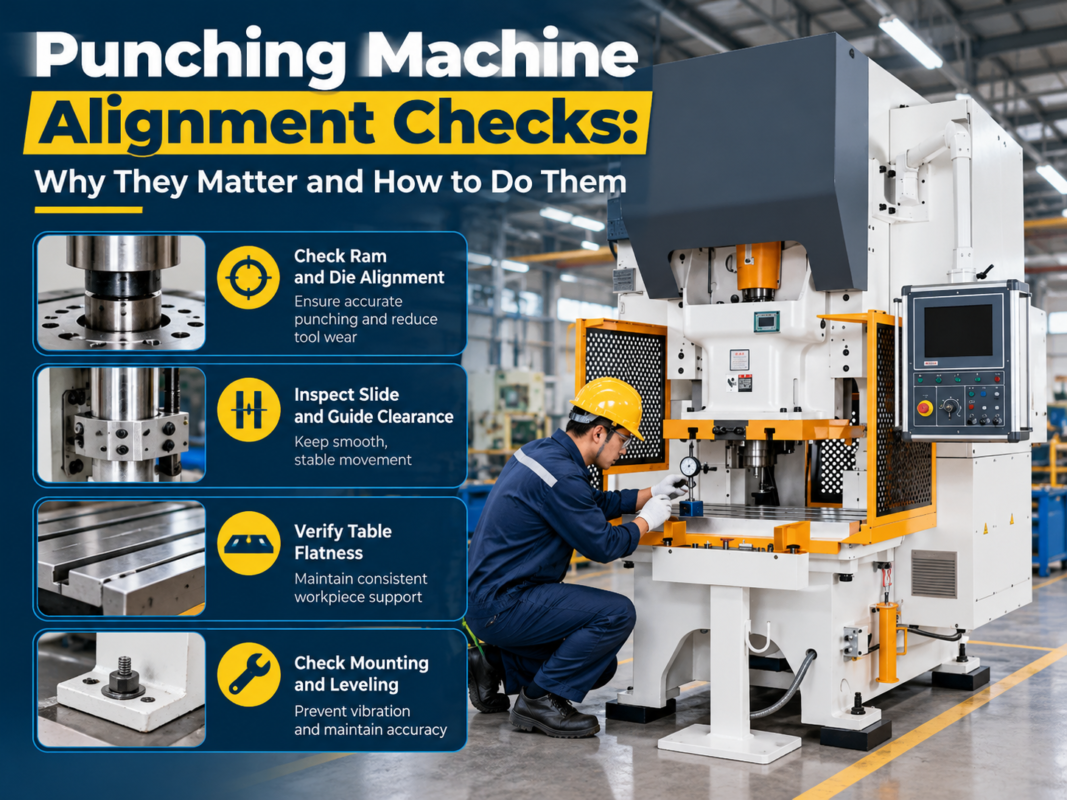
Finally, the stability of the machine itself cannot be overlooked. Vibrations, loose clamps, or worn-out guide bushings can cause the punch to enter the material at a slight angle or off-center. Even a fraction of a millimeter of play in the ram or the turret can result in cumulative errors that manifest as oversized or misshapen holes. Ensuring that the machine is leveled, anchored, and properly lubricated is the foundation upon which all other accuracy measures are built.
Technical Details: The Science of Punching
To truly eliminate punching machine hole size errors in metal fabrication, one must analyze the technical interaction between the punch and the workpiece. The “breakout” or “slug” size is often a point of confusion. When a punch shears through metal, the hole diameter at the entry side is typically equal to the punch diameter, but the exit side is influenced by the die clearance. If the clearance is incorrect, the hole will exhibit a tapered profile, which can be problematic for assembly processes requiring tight tolerances.
Lubrication plays a dual role in punching: it reduces friction and manages heat. Friction between the punch and the material can cause the metal to stick to the punch, a phenomenon known as galling. When material builds up on the punch, the effective diameter of the tool changes, leading to oversized holes. High-quality lubricants designed for punching applications help maintain a consistent surface finish and prevent material buildup, ensuring that the punch remains at its nominal size throughout the production run.
The speed of the punching stroke also impacts accuracy. High-speed punching generates significant heat, which can cause thermal expansion in both the tooling and the workpiece. While modern CNC punching machines are designed to handle high speeds, operators must be aware that excessive heat can lead to dimensional drift. Implementing a cooling cycle or adjusting the stroke rate for thicker materials can help maintain thermal stability and prevent hole size errors caused by expansion.
Furthermore, the clamping force of the work-holding system is critical. If the sheet metal is not held firmly against the die surface, the material will lift during the stripping phase. This “lifting” can cause the hole to deform or the punch to strike the material unevenly upon the next hit. Ensuring that the stripper plate is correctly adjusted and that the clamping pressure is sufficient for the material thickness will prevent these common mechanical errors.
Selection Advice: Choosing the Right Equipment
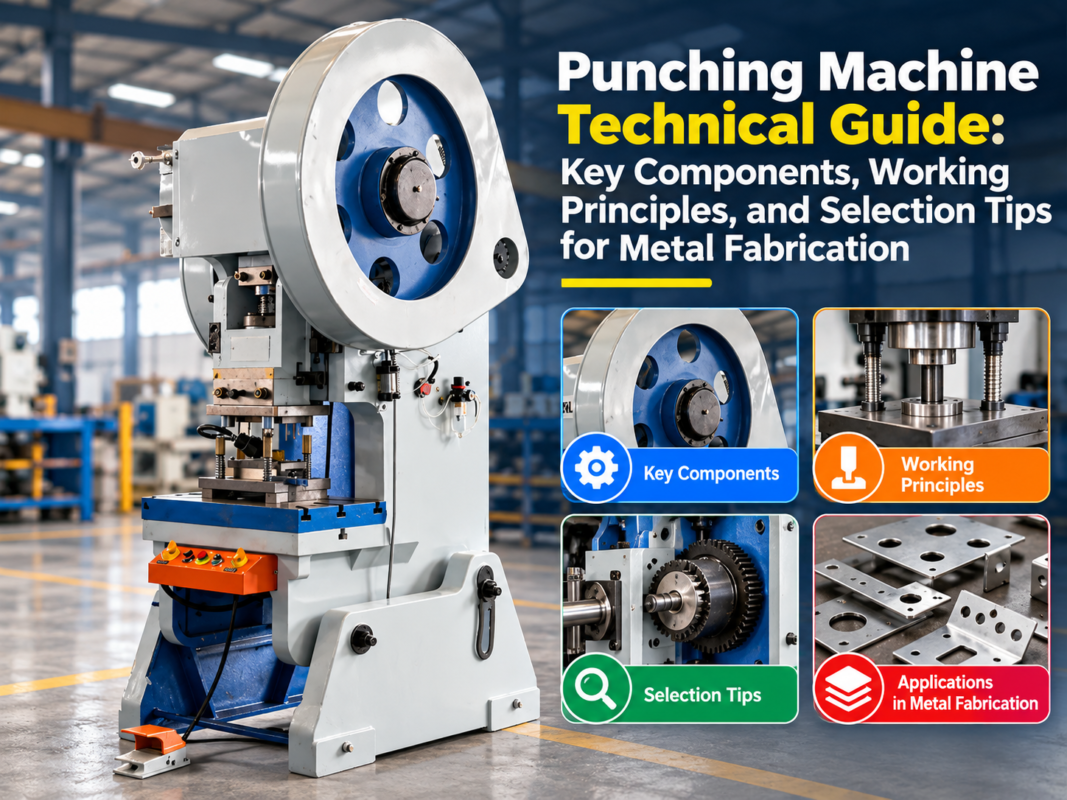
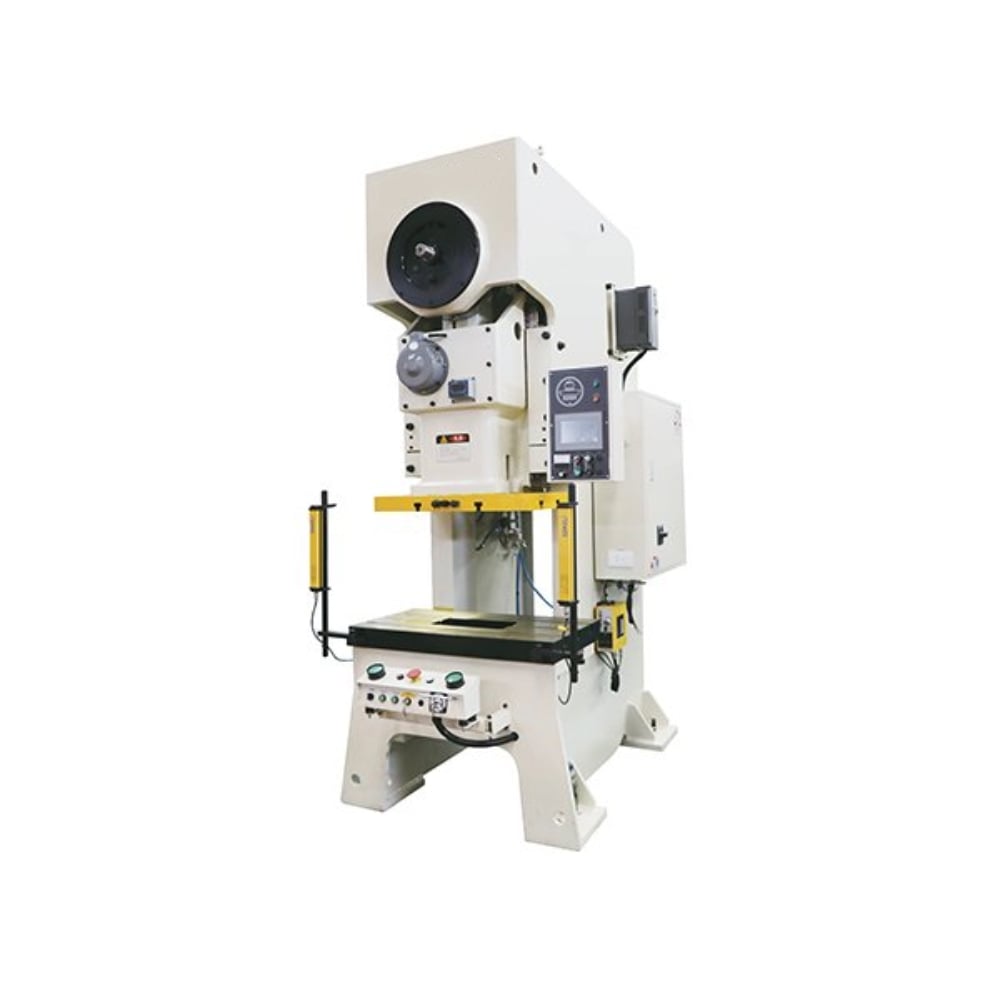
When selecting a punching machine or upgrading your current setup, prioritize systems that offer advanced features for error reduction. HARSLE punching machines, for example, are engineered with high-rigidity frames and precision-ground guide systems that minimize deflection. When shopping for equipment, look for machines that feature automatic tool lubrication systems and integrated sensors that monitor punch force, as these can provide real-time feedback on tool wear.
Consider the versatility of the turret or tool changer. A machine that allows for quick and precise tool indexing ensures that the punch is always perfectly aligned with the die. If your fabrication needs involve a wide range of materials, look for machines with programmable ram stroke control. This allows you to optimize the punching profile for different material thicknesses, further reducing the risk of hole distortion.
Software integration is another vital component. Modern CNC punching machines utilize sophisticated software to calculate the optimal punching sequence and tool paths. By minimizing the distance between hits and managing the heat distribution across the sheet, the software can significantly reduce the internal stresses that lead to hole deformation. Investing in a machine with robust software support is a proactive way to eliminate punching machine hole size errors in metal fabrication.
Finally, do not underestimate the importance of the tooling supplier. High-quality, precision-ground punches and dies are manufactured to tighter tolerances than generic alternatives. While they may carry a higher upfront cost, their longevity and the consistency of the holes they produce make them a more economical choice in the long run. Partnering with a reputable tooling manufacturer ensures that your equipment is always supported by the best possible components.
Maintenance and Best Practices
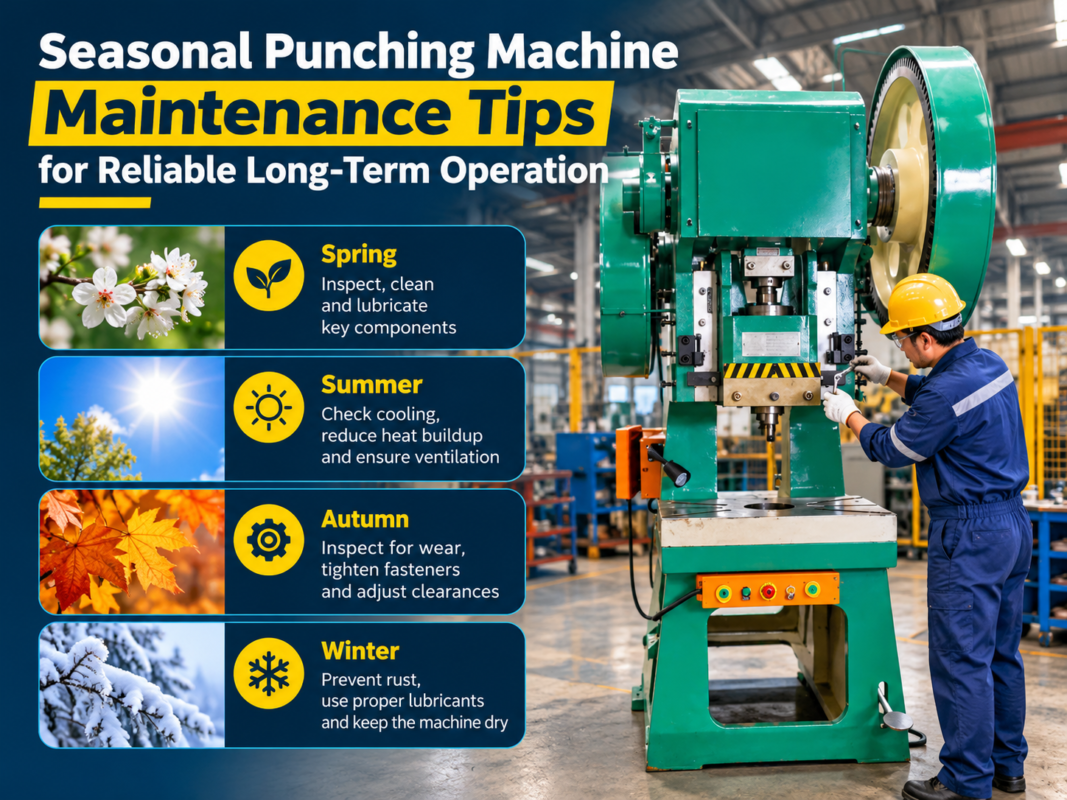
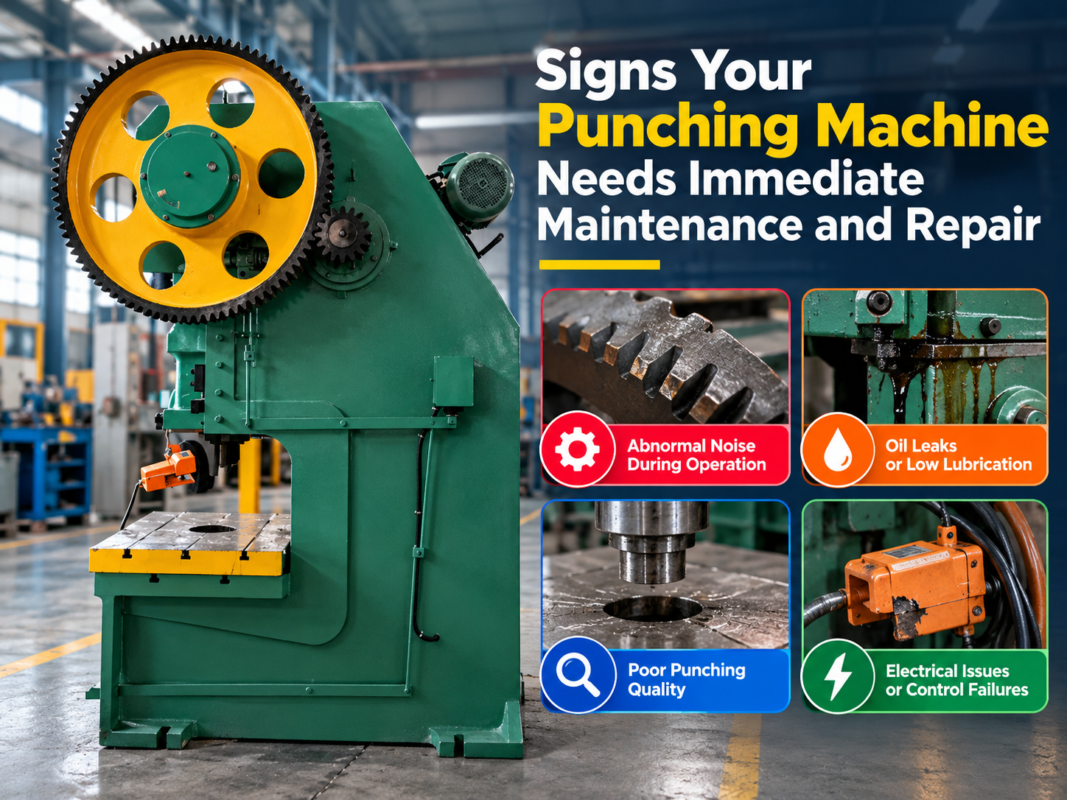
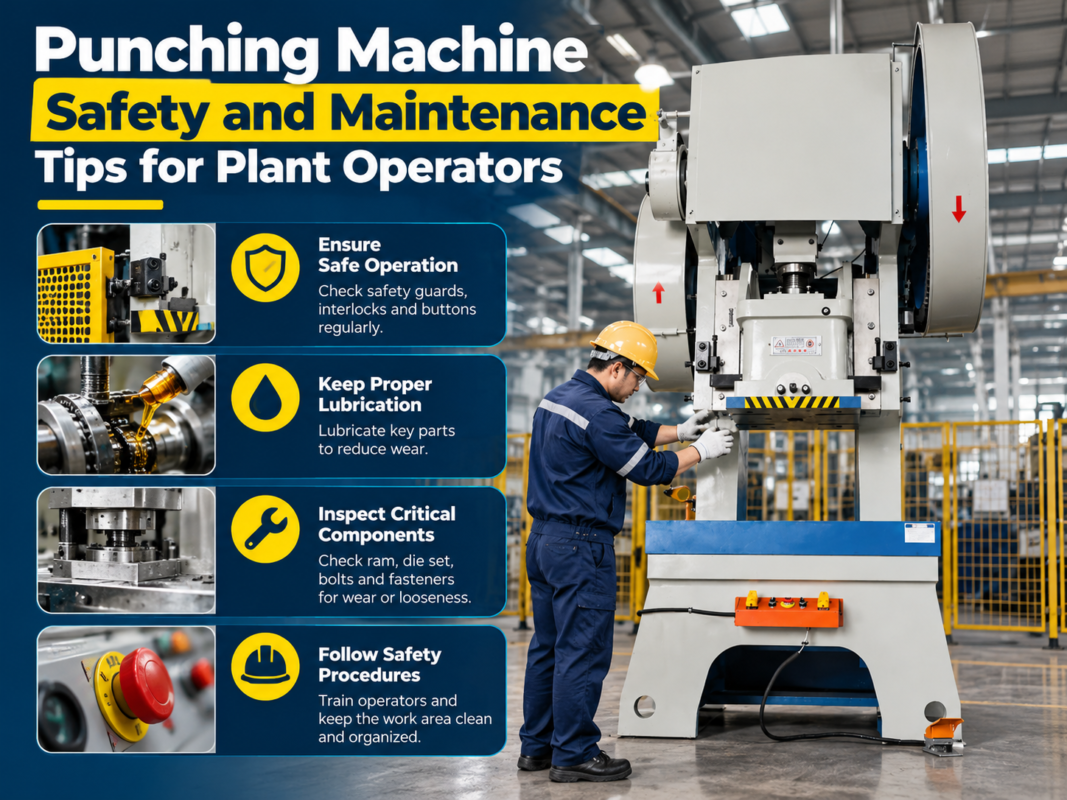
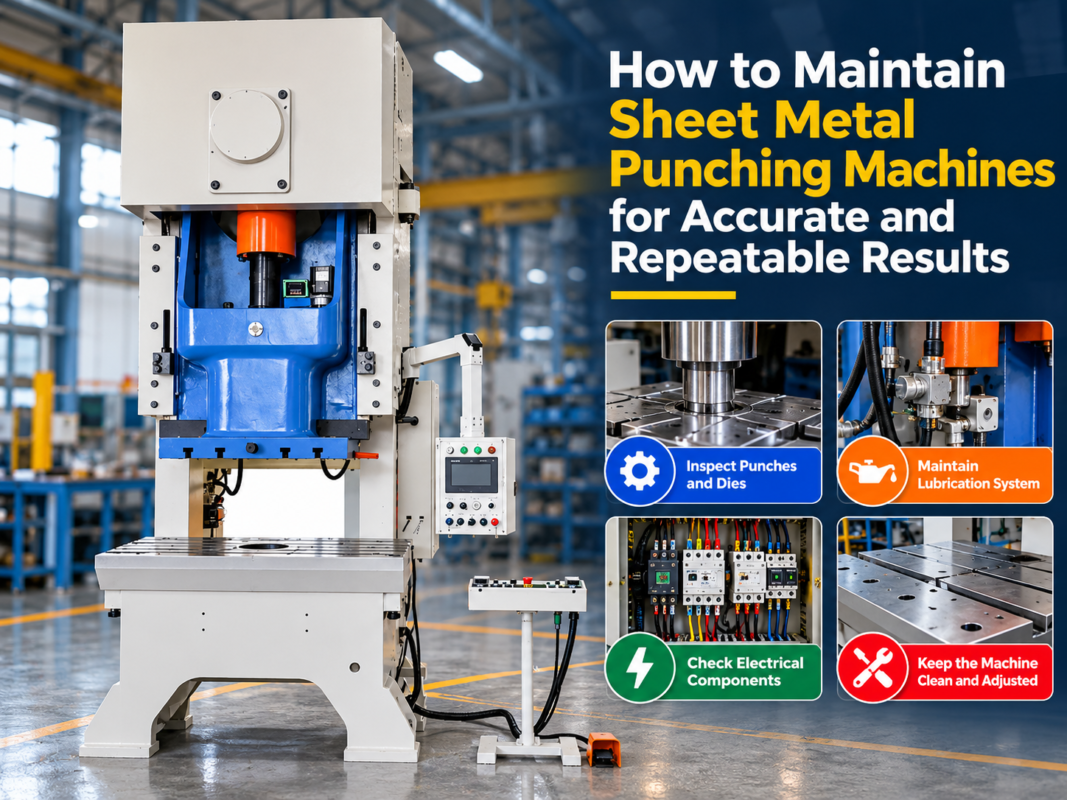
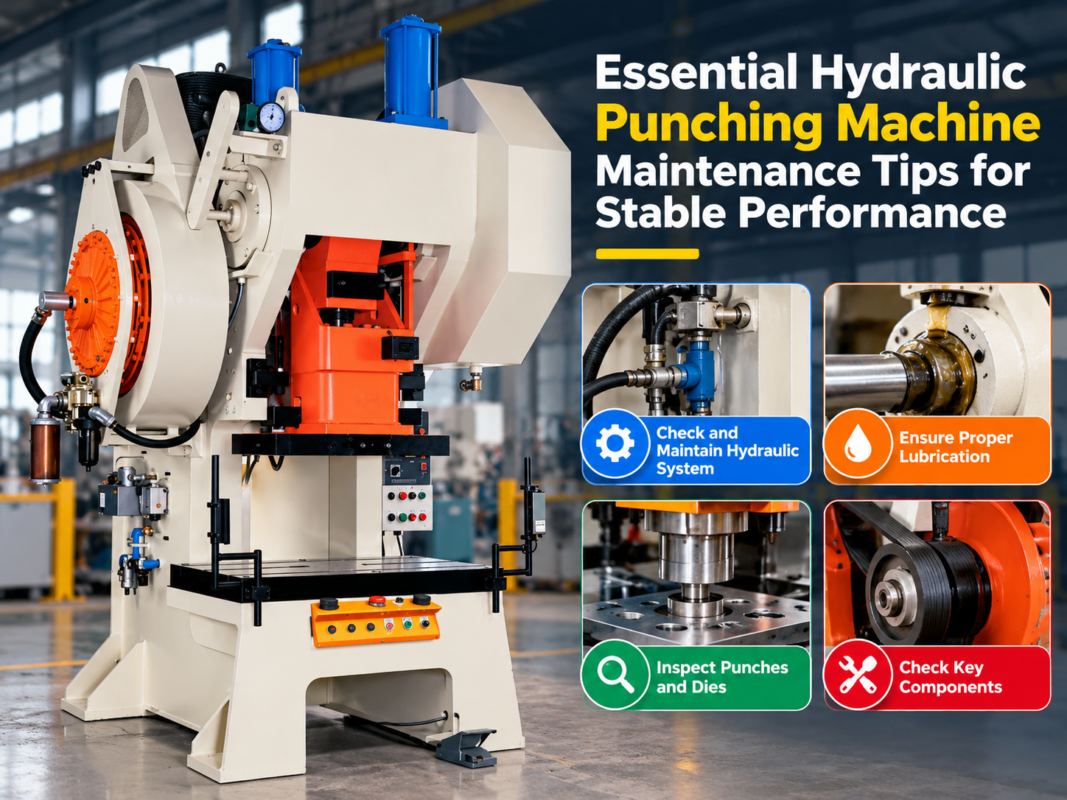
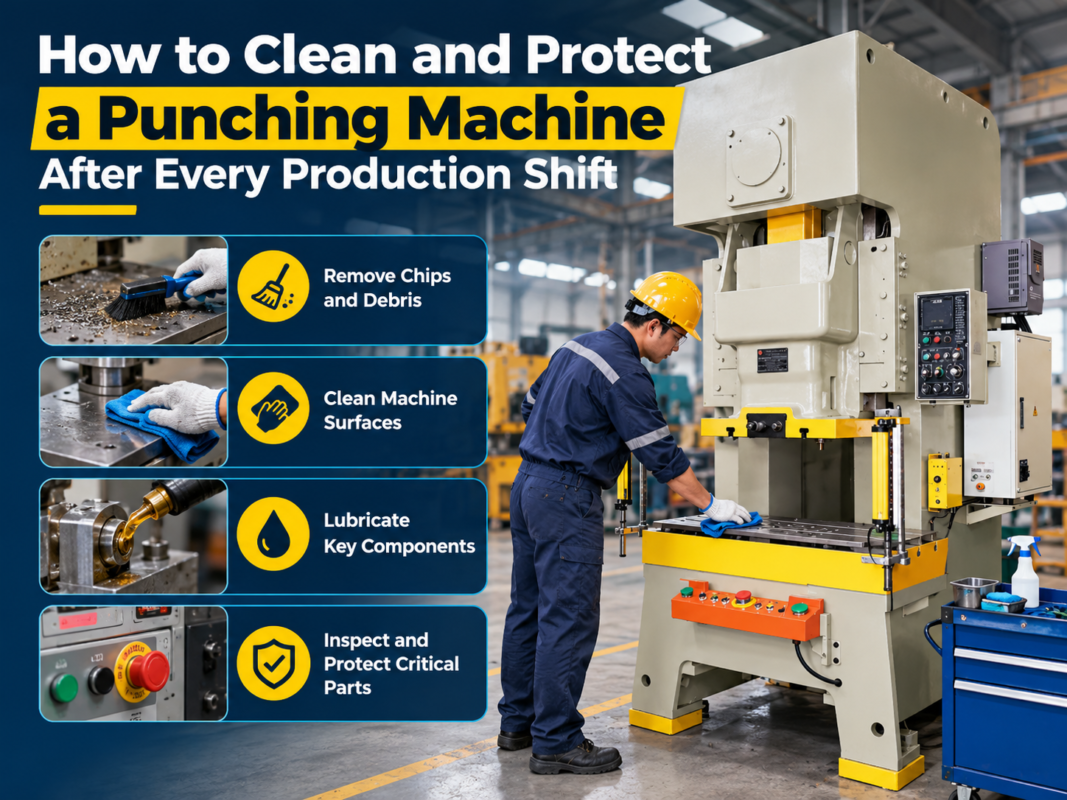
To maintain long-term accuracy, establish a rigorous maintenance schedule. Daily checks should include inspecting the punch and die for signs of wear, checking the lubrication levels, and ensuring that the stripper plate is clean and free of debris. Weekly maintenance should involve a more thorough inspection of the machine’s guide bushings, ram alignment, and the clamping system. Keeping a detailed log of these inspections will help you identify patterns and address potential issues before they result in scrap parts.
Operator training is equally important. An operator who understands the relationship between clearance, material type, and punch speed is the best defense against errors. Encourage your team to monitor the quality of the slugs produced; the shape and size of the slug can provide immediate feedback on the health of the tooling. If the slugs are coming out distorted or with excessive burrs, it is a clear sign that the clearance or the tool sharpness needs attention.
Implement a “first-article inspection” protocol for every new production run. By measuring the hole sizes on the first few parts and comparing them to the engineering specifications, you can make necessary adjustments to the machine settings before committing to a full production run. This simple step is one of the most effective ways to eliminate punching machine hole size errors in metal fabrication.
Lastly, consider the storage of your tooling. Punches and dies should be stored in a clean, dry environment, preferably in a dedicated cabinet that prevents them from knocking against each other. Even minor nicks or scratches on the punch face can cause significant hole size errors. By treating your tooling with the same care as your machine, you ensure that your fabrication process remains precise and reliable.
FAQ
- Why are my holes coming out larger than the punch diameter? This is usually caused by excessive die clearance or a dull punch that is stretching the material before shearing it. Check your clearance settings and inspect the punch for wear.
- How often should I sharpen my punching tools? The frequency depends on the material type, thickness, and production volume. Monitor the burr height; once it exceeds your tolerance, it is time to sharpen or replace the tool.
- Does material thickness affect hole size accuracy? Yes, thicker materials require different clearance settings and higher punching forces. Always refer to the manufacturer’s clearance charts for the specific material you are processing.
- Can lubrication prevent hole size errors? Absolutely. Proper lubrication reduces friction and heat, preventing material buildup (galling) on the punch, which is a common cause of oversized holes.
- What is the most common cause of hole distortion? Inadequate clamping or a worn-out stripper plate often causes the material to lift or shift during the punching process, leading to distorted hole shapes.
Conclusion
The quest to eliminate punching machine hole size errors in metal fabrication is a continuous process of refinement and attention to detail. By understanding the mechanical principles of the punching cycle, maintaining your tooling to the highest standards, and utilizing the advanced features of modern HARSLE machinery, you can achieve the precision your clients demand. Remember that accuracy is not a one-time achievement but the result of consistent maintenance, proper setup, and a deep understanding of the materials you work with. Implement these strategies today to elevate your fabrication quality and secure your competitive edge in the industry.