
Punching Machine Maintenance Tips to Reduce Frequent Breakdowns: A Comprehensive Guide


Introduction to Punching Machine Reliability
In the high-stakes world of metal fabrication, the punching machine serves as the backbone of production efficiency. Whether you are operating a high-speed CNC turret punch or a robust hydraulic punching machine, the cost of unexpected downtime can be catastrophic to your bottom line. Implementing effective Punching Machine Maintenance Tips to Reduce Frequent Breakdowns is not merely a suggestion; it is a fundamental operational requirement for any facility aiming to maintain a competitive edge.
HARSLE understands that the longevity of your equipment is tied directly to the rigor of your maintenance protocols. When a machine breaks down, it is rarely due to a single catastrophic event; rather, it is usually the culmination of neglected lubrication, worn tooling, or misaligned components. By adopting a proactive stance, operators can identify micro-failures before they escalate into full-scale production halts.
This guide explores the technical nuances of industrial punching equipment, providing actionable strategies to extend the lifespan of your machinery. From daily inspection routines to long-term calibration strategies, we will cover the essential pillars of maintenance that ensure your HARSLE equipment remains a reliable asset for years to come.
Understanding the relationship between mechanical stress and component fatigue is the first step in mastering machine care. Punching machines operate under immense pressure, converting electrical or hydraulic energy into high-force mechanical impact. This repetitive stress requires a disciplined approach to maintenance that balances operational speed with structural integrity.
Key Considerations for Preventive Maintenance
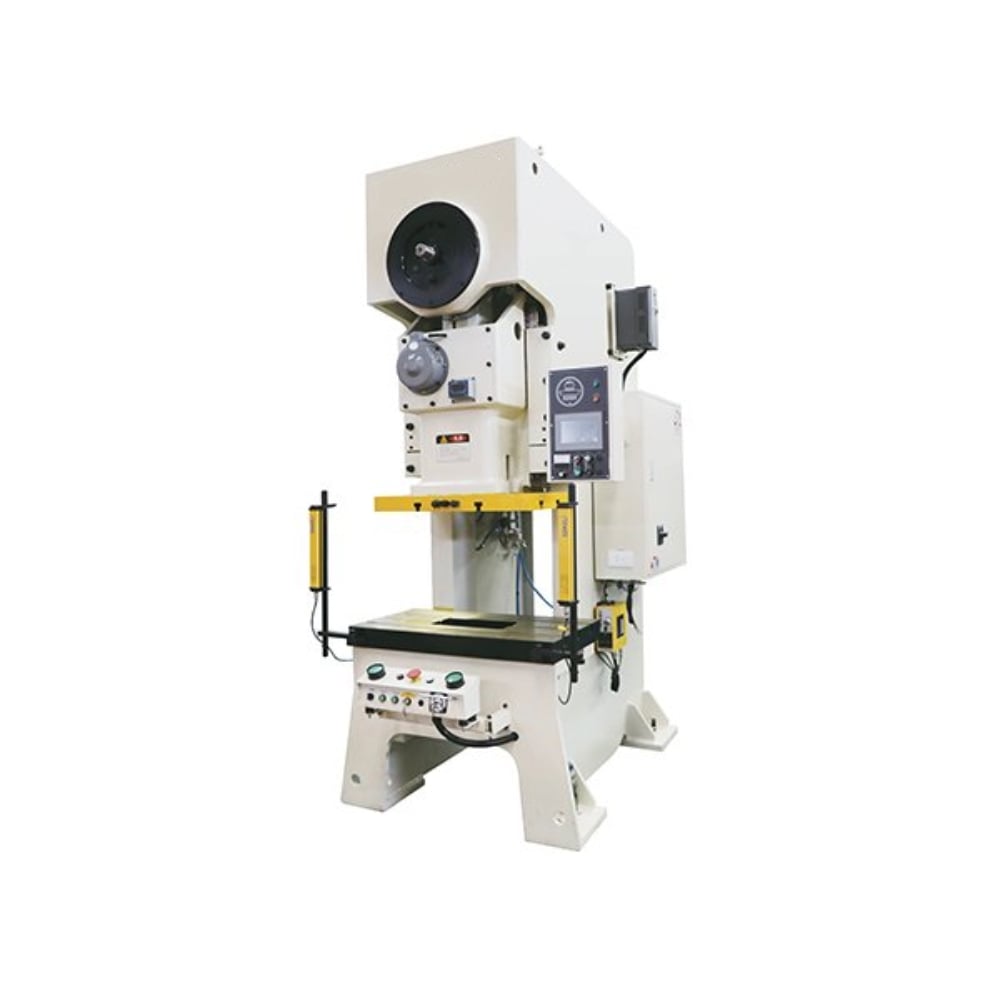
The most effective Punching Machine Maintenance Tips to Reduce Frequent Breakdowns center on the concept of preventive, rather than reactive, care. A preventive maintenance schedule should be treated as a non-negotiable part of the production cycle. This involves creating a structured checklist that covers daily, weekly, and monthly tasks designed to monitor the health of the machine.
Daily inspections should focus on the “low-hanging fruit” of maintenance: fluid levels, pressure gauges, and visual checks for loose fasteners. Operators should be trained to listen for abnormal noises during the punching cycle, as these are often the first indicators of internal wear or misalignment. A machine that sounds different today than it did yesterday is a machine that requires immediate investigation.
Weekly maintenance tasks should delve deeper into the mechanical systems. This includes cleaning the turret or tool holders, inspecting the hydraulic hoses for signs of abrasion or leakage, and verifying the integrity of electrical connections. Dust and metal shavings are the silent enemies of precision machinery; ensuring that the work environment is kept clean is a critical component of your maintenance strategy.
Monthly and quarterly tasks involve more intensive calibration and component replacement. This is the time to check the alignment of the punch and die, verify the accuracy of the backgauge, and perform a full diagnostic check on the CNC controller. By systematically addressing these areas, you prevent the accumulation of minor issues that eventually lead to significant breakdowns.
Documentation is equally important. Maintaining a detailed logbook of all maintenance activities allows you to track the performance of specific components over time. If a particular part fails prematurely, your records will help you determine whether the issue is due to a manufacturing defect, improper usage, or a lack of adequate lubrication.
Technical Details: Lubrication and Tooling Care
Lubrication is arguably the most critical factor in reducing mechanical wear. Punching machines rely on a complex network of moving parts, including rams, guides, and turret rotation mechanisms. If these components are not properly lubricated, friction will cause rapid degradation, leading to heat buildup and eventual seizure. Always use the manufacturer-recommended lubricants, as using the wrong viscosity can be just as damaging as using none at all.
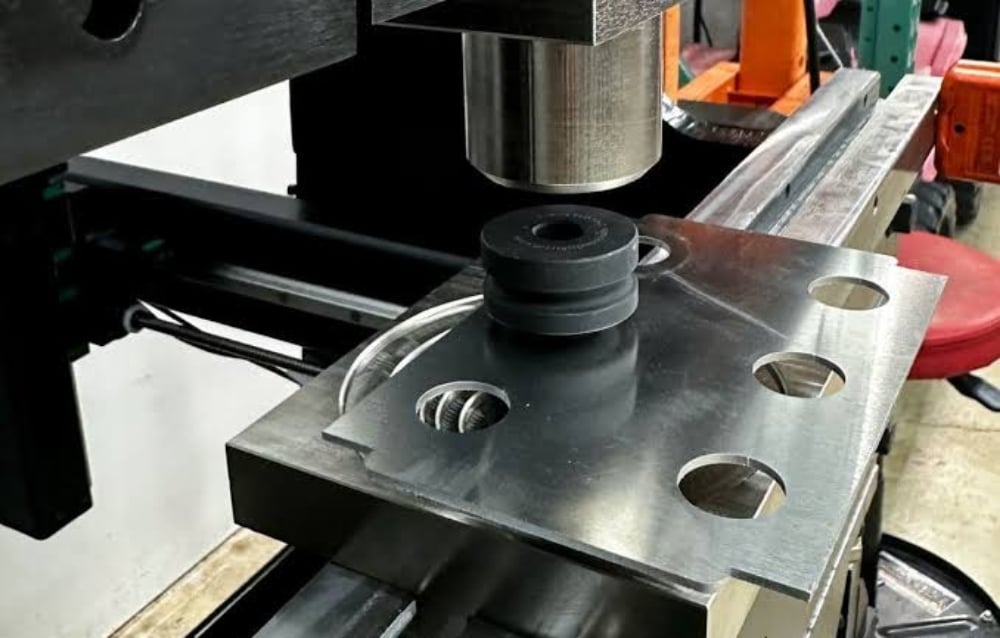
Tooling care is the second technical pillar. The punch and die are the points of contact with the material, and they endure the highest levels of stress. Dull tooling increases the force required to punch through metal, which puts unnecessary strain on the machine’s drive system. Regularly sharpening your punches and dies not only improves the quality of the finished product but also significantly reduces the load on the machine’s motor and hydraulic systems.
Hydraulic systems require specific attention. Contaminated hydraulic fluid is a leading cause of valve failure and pump degradation. Ensure that your fluid filtration systems are functioning correctly and that you are performing regular oil analysis to check for particulate matter. If the oil appears cloudy or smells burnt, it is time for a complete flush and replacement.
Electrical systems, particularly in CNC punching machines, are sensitive to power fluctuations and environmental conditions. Ensure that your machine is connected to a stable power supply and that the electrical cabinet is properly sealed against dust and humidity. Overheating in the control cabinet can lead to erratic behavior and component failure, so verify that all cooling fans and heat exchangers are operational.
Selection Advice: Investing in Reliable Equipment
When selecting a punching machine, the initial purchase price should be weighed against the long-term cost of ownership. A machine that is built with high-quality components and robust structural steel will naturally require less maintenance than a cheaper, lighter-duty alternative. When evaluating HARSLE equipment, consider the accessibility of maintenance points; a machine designed with the technician in mind will always be easier to service.
Look for machines that feature integrated diagnostic systems. Modern CNC punching machines often come equipped with sensors that monitor vibration, temperature, and pressure in real-time. These systems can alert operators to potential issues before they cause a breakdown, providing a significant advantage in your maintenance strategy. Investing in technology that provides visibility into machine health is a smart move for any fabrication shop.
Consider the availability of spare parts and technical support. A machine is only as good as the support behind it. HARSLE provides comprehensive documentation and a reliable supply chain for replacement parts, ensuring that if a component does fail, you can get back up and running with minimal delay. Avoid machines from manufacturers that do not offer clear, long-term support for their equipment.
Evaluate the machine’s capacity against your typical workload. Consistently running a machine at its maximum rated capacity will accelerate wear and tear. It is often more economical to purchase a machine with a slightly higher capacity than you currently need, as this allows the machine to operate within its “comfort zone,” significantly extending the time between major maintenance intervals.
FAQ: Common Maintenance Queries
- How often should I change the hydraulic oil? Generally, hydraulic oil should be changed every 2,000 to 4,000 operating hours, depending on the machine’s usage and the manufacturer’s specific recommendations.
- What are the signs of a dull punch? Increased burr height on the workpiece, higher noise levels during the punching cycle, and visible chipping on the punch edge are all clear indicators that your tooling needs sharpening.
- Why is my machine vibrating excessively? Excessive vibration is often caused by loose mounting bolts, worn guide bushings, or an unbalanced turret. Check these components immediately to prevent further damage.
- Can I use generic lubricants? It is strongly advised to use only the lubricants specified by HARSLE. Generic alternatives may not provide the necessary protection for high-pressure industrial applications.
- How do I prevent electrical failures? Keep the electrical cabinet clean, ensure proper ventilation, and use a voltage stabilizer if your facility experiences frequent power fluctuations.
Conclusion
Mastering Punching Machine Maintenance Tips to Reduce Frequent Breakdowns is a journey of continuous improvement. By prioritizing daily inspections, adhering to strict lubrication schedules, and investing in high-quality tooling, you can transform your maintenance department from a reactive cost center into a proactive driver of productivity. HARSLE remains committed to providing the equipment and knowledge necessary to keep your fabrication shop running at peak performance.
Remember that the goal of maintenance is not just to fix what is broken, but to ensure that the machine never breaks in the first place. By fostering a culture of care and attention to detail among your operators, you protect your investment and ensure that your production remains consistent, high-quality, and profitable. Start implementing these strategies today, and experience the difference that a well-maintained machine makes in your daily operations.












