Hydraulic Press Maintenance Tips to Reduce Downtime and Repair Costs


Introduction to Hydraulic Press Longevity
In the high-stakes world of metal fabrication, the hydraulic press stands as a cornerstone of production. Whether it is used for deep drawing, stamping, forging, or molding, the reliability of this machine directly impacts a company’s bottom line. However, like any sophisticated piece of industrial machinery, a hydraulic press requires consistent care to perform at its peak. Implementing effective hydraulic press maintenance tips to reduce downtime and repair costs is not just a recommendation; it is a financial necessity for modern manufacturers. At HARSLE, we understand that every minute a machine sits idle is a minute of lost revenue, which is why we emphasize a proactive approach to equipment care.
The complexity of modern hydraulic systems, which integrate high-pressure fluid dynamics with precision electronics and heavy-duty mechanical frames, means that failure can occur in many forms. A small leak today can lead to a catastrophic pump failure tomorrow. A loose wire in the control panel can result in erratic ram behavior that ruins expensive dies. By understanding the intricacies of your machine and following a structured maintenance regimen, you can extend the service life of your equipment by decades while ensuring the safety of your operators. This guide provides a deep dive into the essential practices required to keep your HARSLE hydraulic press running smoothly, efficiently, and profitably.
The Critical Importance of Preventative Maintenance
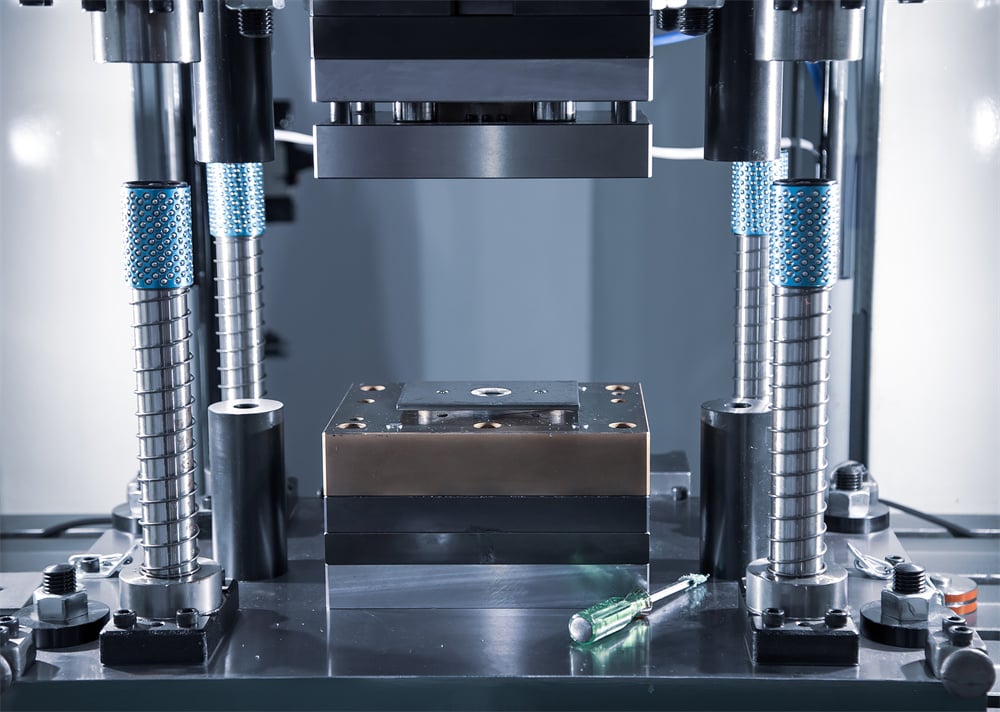
Preventative maintenance (PM) is the practice of performing regularly scheduled inspections and servicing to prevent unexpected equipment failure. In the context of hydraulic presses, PM is the most effective strategy for cost control. When a machine breaks down unexpectedly, the costs are multifaceted: you pay for emergency repair labor, expedited shipping for replacement parts, and the opportunity cost of halted production. Furthermore, sudden failures often cause secondary damage; for instance, a failed seal might allow contaminants to enter the hydraulic circuit, leading to the erosion of expensive valves and pumps.
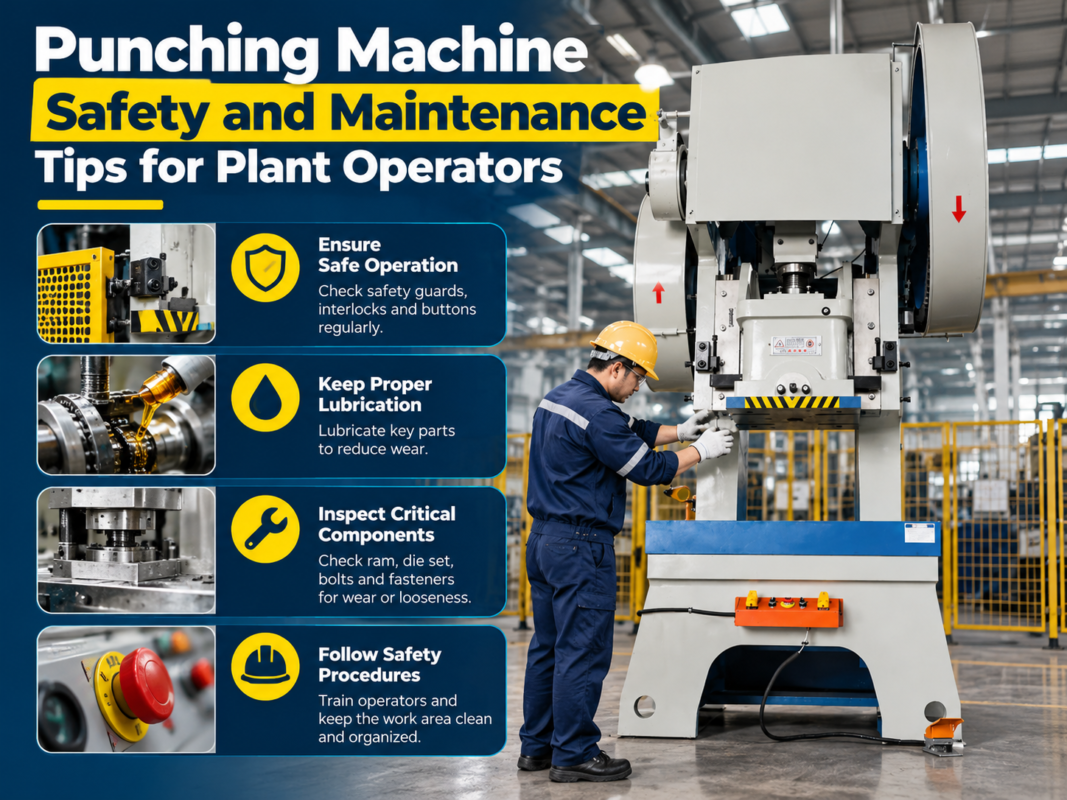
Beyond the financial aspects, maintenance is a cornerstone of workplace safety. Hydraulic presses operate under immense pressure—often hundreds or thousands of tons. A mechanical failure, such as a cracked frame or a failing safety light curtain, poses a significant risk to personnel. A rigorous maintenance schedule ensures that all safety interlocks, emergency stops, and structural components are in perfect working order. By prioritizing hydraulic press maintenance tips to reduce downtime and repair costs, you are also prioritizing the well-being of your workforce.
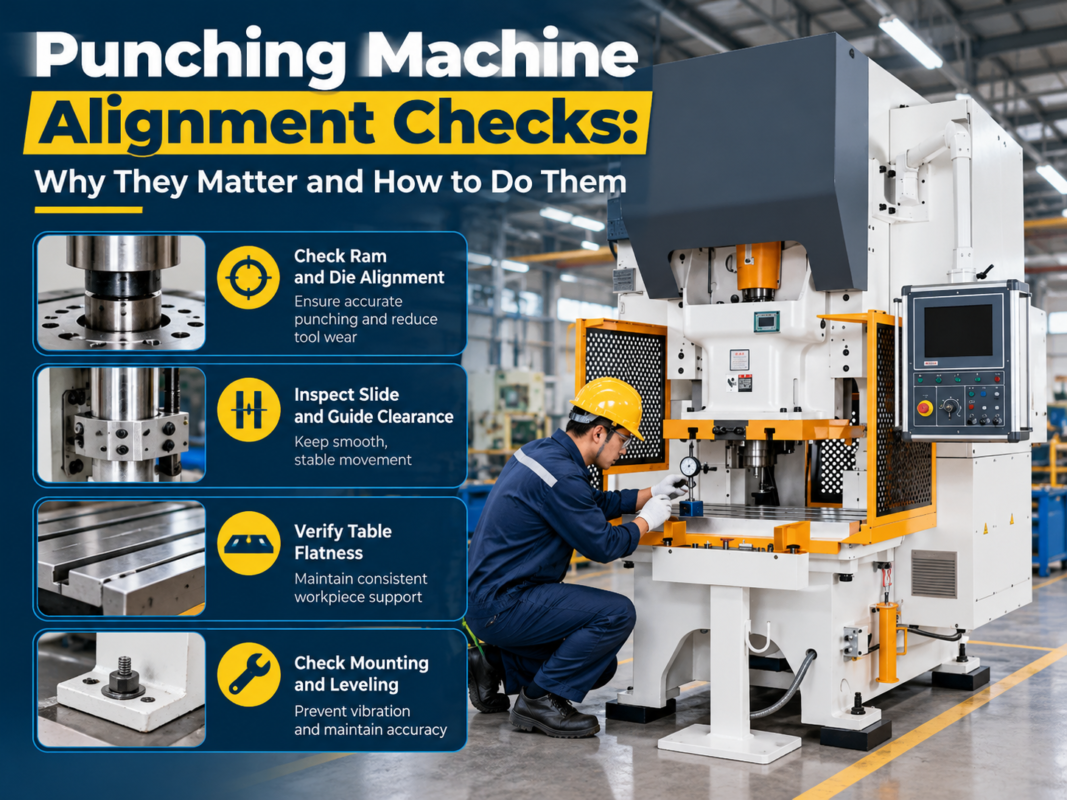
Finally, consistent maintenance preserves the precision of the machine. Over time, vibration and thermal expansion can cause components to shift. Regular checks on ram parallelism and bed leveling ensure that the parts produced meet strict tolerances. For industries like aerospace and automotive, where precision is non-negotiable, a well-maintained press is the only way to maintain quality standards and avoid high scrap rates. HARSLE machines are engineered for durability, but their long-term accuracy depends on the user’s commitment to upkeep.
Daily Inspection: The First Line of Defense
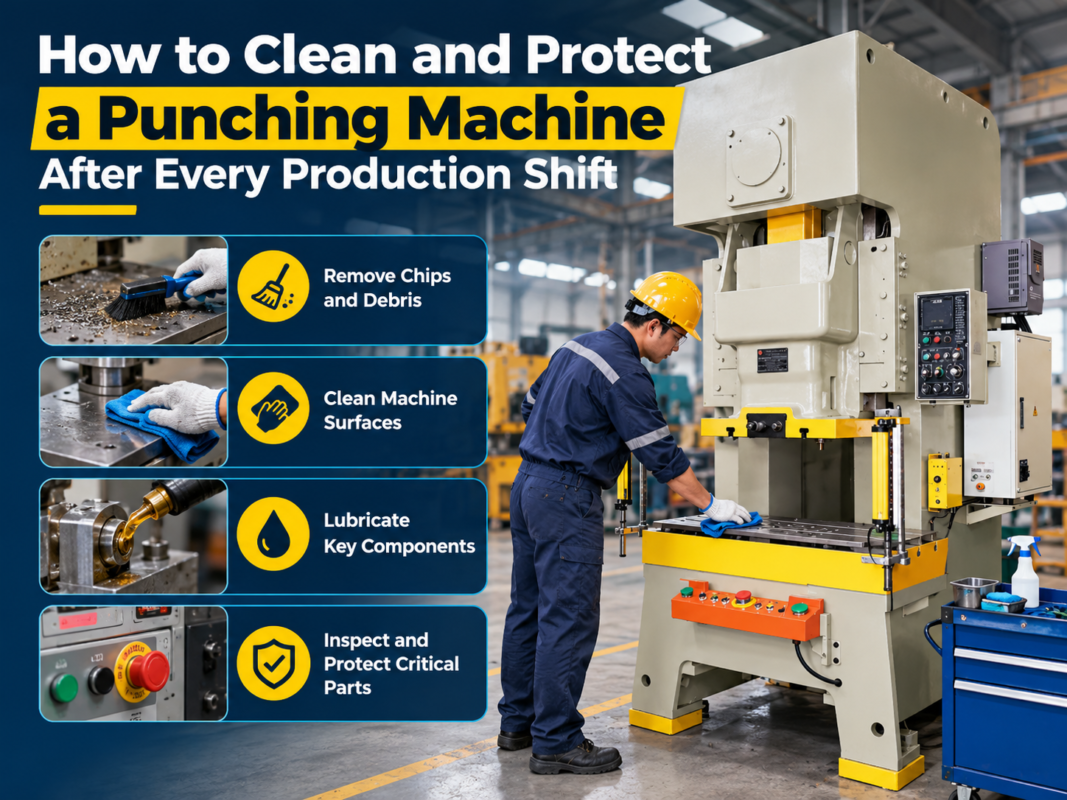
The daily inspection is perhaps the most important part of any maintenance program. It requires no specialized tools and takes only 10 to 15 minutes, yet it can catch 80% of potential issues before they escalate. Operators should be trained to perform a visual and auditory sweep of the machine before starting their shift. This “pre-flight check” ensures that the machine is in a safe state to operate and that no obvious leaks or loose components have developed overnight.
Start with the hydraulic fluid. Check the oil level in the reservoir while the ram is in the up position. Low oil levels can lead to pump cavitation, where air bubbles form and collapse violently within the fluid, causing internal pitting and rapid wear. Next, look for external leaks. Even a small “weep” at a fitting should be noted. Hydraulic fluid is not just a lubricant; it is the medium of power. A leak represents a loss of efficiency and a potential fire hazard. Check the hoses for signs of abrasion or bulging, which indicate that the internal reinforcement is failing.
The electrical and safety systems must also be verified daily. Test the emergency stop buttons and the safety light curtains. If the machine has a dual-hand tie-down system, ensure that it requires both buttons to be pressed simultaneously to initiate a stroke. Listen for unusual noises during the first few cycles. A high-pitched whine often indicates pump issues, while a rhythmic knocking might suggest mechanical looseness in the gibs or the ram connection. Documenting these daily checks in a logbook creates a historical record that can be invaluable for troubleshooting future problems.
Hydraulic System Checks: Protecting the Heart of the Press
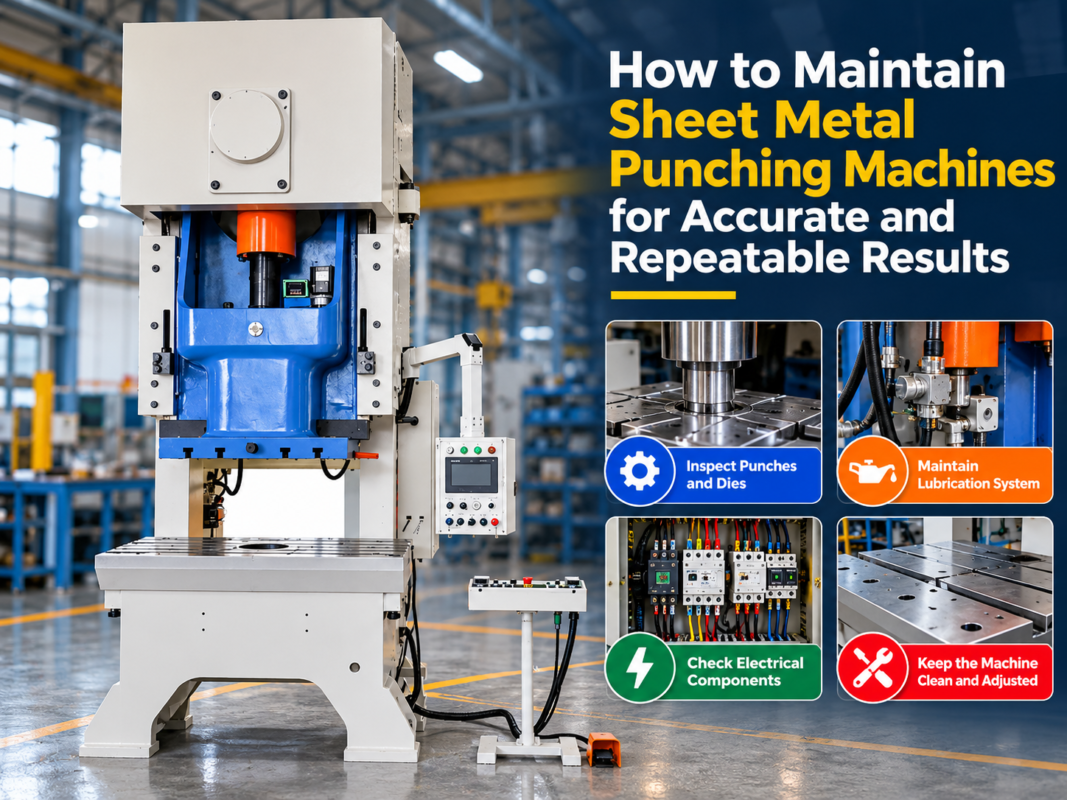
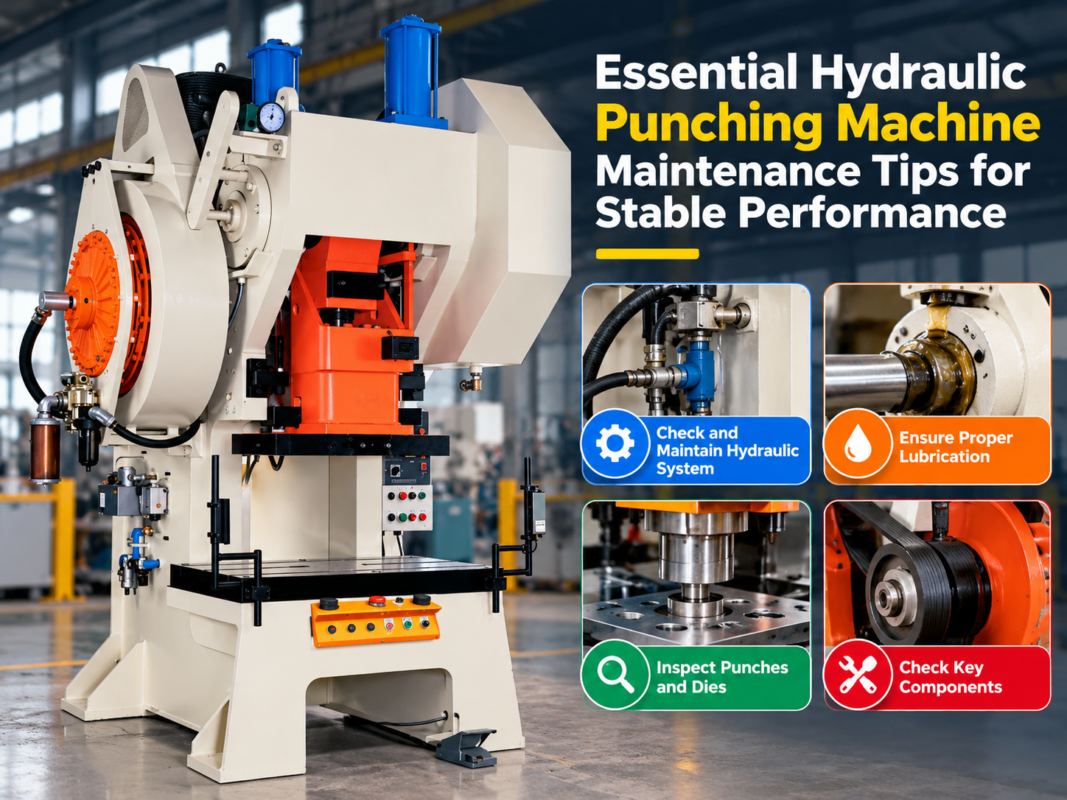
The hydraulic system is the lifeblood of the press. It consists of the reservoir, pumps, valves, cylinders, and the fluid itself. Maintaining the integrity of this system is the core of hydraulic press maintenance tips to reduce downtime and repair costs. The single most important factor in hydraulic health is fluid cleanliness. It is estimated that 70% to 80% of hydraulic failures are caused by contaminated oil. Microscopic particles of metal, dust, and moisture act as an abrasive paste, wearing down the precision-ground surfaces of valves and seals.
Oil Quality and Filtration
Regular oil analysis is a high-level maintenance technique that pays for itself. By sending a sample of your hydraulic oil to a lab, you can determine its particle count, water content, and chemical stability. This allows you to change the oil based on its actual condition rather than a generic calendar date. Additionally, the filtration system must be monitored. Most HARSLE presses are equipped with pressure-line or return-line filters. Ensure that the bypass indicators are checked daily; if a filter is clogged, the oil will bypass the element entirely, circulating dirty fluid through the system.
Temperature Management
Hydraulic systems generate heat as a byproduct of moving fluid through valves and orifices. However, excessive heat is the enemy of hydraulic oil. When oil exceeds 140°F (60°C), it begins to oxidize and break down, losing its lubricating properties and forming varnish. Varnish is a sticky residue that can cause valves to stick or “spool hang-up.” Ensure that the heat exchanger (air or water-cooled) is clean and functioning. If your press uses a water-cooled system, check for scale buildup in the pipes, which can significantly reduce cooling efficiency.
Seal and Hose Integrity
Seals are wear items. Over millions of cycles, the friction of the ram moving against the cylinder seals will eventually cause them to fail. Look for “drifting” of the ram—if the ram slowly descends when the pump is off and the valves are closed, it is a sign of internal seal leakage. Hoses should be replaced every 3 to 5 years, regardless of their appearance, as the rubber degrades over time. A burst high-pressure hose is a major safety risk and causes an immediate, messy shutdown.
Electrical and Control System Maintenance
Modern HARSLE hydraulic presses rely on sophisticated PLC (Programmable Logic Controller) systems and sensitive electronic sensors to manage pressure, position, and speed. While these components don’t have moving parts in the traditional sense, they are susceptible to environmental factors like heat, dust, and vibration. Electrical maintenance is often overlooked until a machine refuses to start or begins behaving erratically.
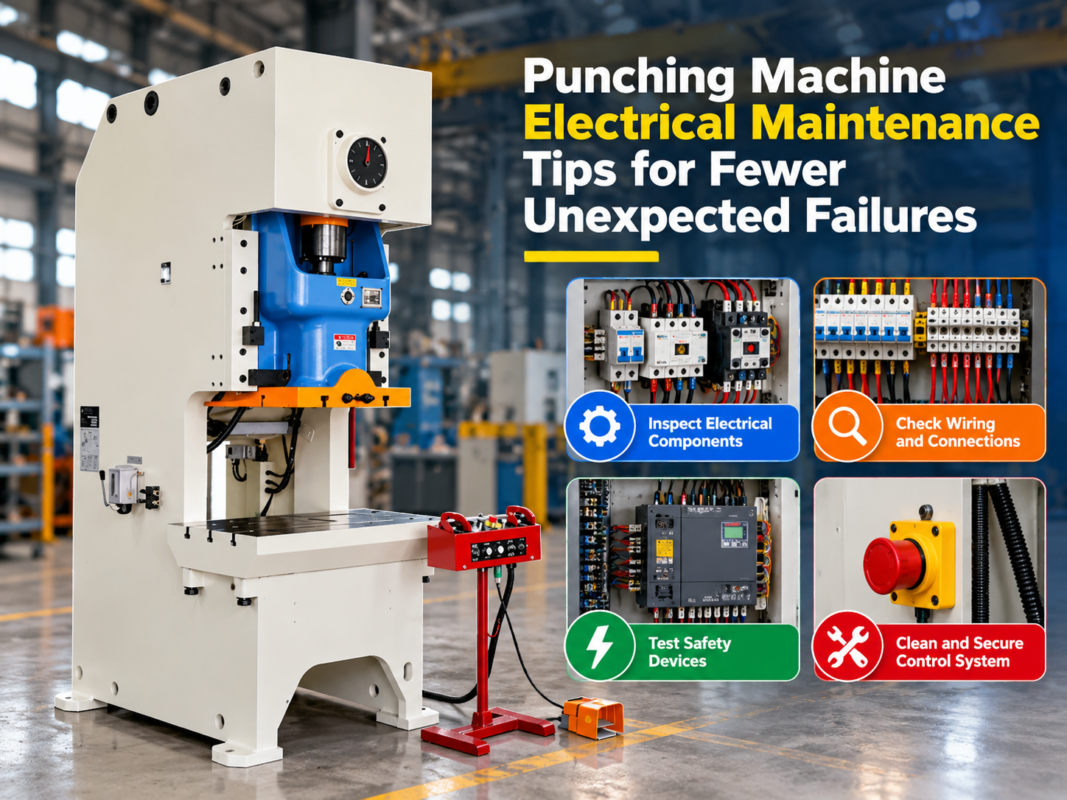
The electrical cabinet should be kept clean and closed. Dust accumulation on circuit boards can cause short circuits or trap heat, leading to component failure. Periodically, with the power safely locked out, a technician should check all terminal connections. Industrial machinery vibrates, and over time, these vibrations can loosen screw terminals. A loose connection creates high resistance, which generates heat and can eventually melt the wire insulation or damage the PLC input/output modules.
Sensors, such as linear transducers for ram position or pressure transducers for tonnage control, must be kept clean and securely mounted. If a sensor is loose, the press may over-travel or fail to reach the required pressure, potentially damaging the tooling. Additionally, check the cooling fans on the electrical cabinet and the VFD (Variable Frequency Drive) if equipped. If these fans fail, the electronics can overheat within minutes, leading to an expensive and frustrating shutdown. Regular software backups of the PLC program are also a vital part of electrical maintenance, ensuring that you can quickly restore the machine’s logic in the event of a controller failure.
Mechanical Integrity and Gib Adjustments
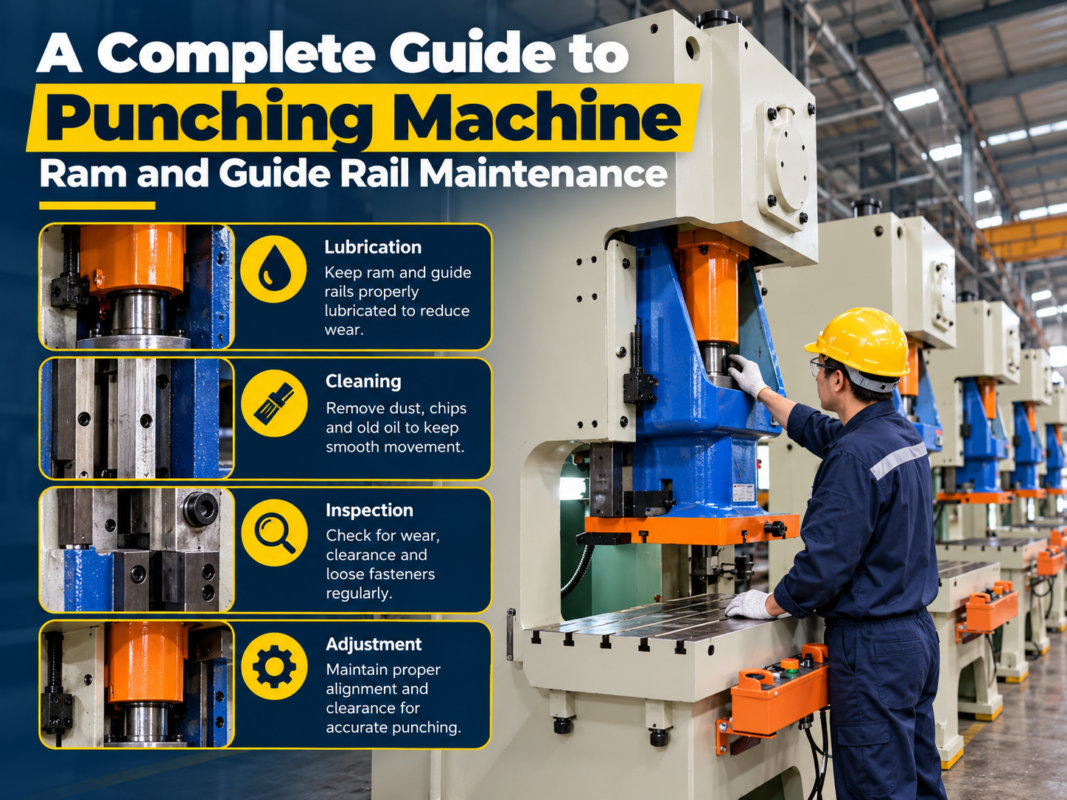
The mechanical frame of a hydraulic press is designed to withstand massive forces, but it is not indestructible. The frame, the bed, and the ram must remain perfectly aligned to ensure quality production. One of the most critical mechanical maintenance tasks is the adjustment of the gibs. Gibs are the replaceable wear strips that guide the ram as it moves up and down. If the gibs are too loose, the ram will tilt or “cock” under load, leading to uneven part thickness and accelerated wear on the cylinder seals. If they are too tight, they will generate excessive heat and friction, potentially scoring the guide surfaces.
Check the tightness of all structural bolts, especially those securing the cylinder to the frame and the bed to the foundation. A loose foundation bolt can allow the entire machine to shift, throwing off the alignment of feed systems or robotic loaders. Inspect the frame for any signs of stress cracking, particularly around the corners of the throat on C-frame presses or the tie-rod nuts on four-column presses. While HARSLE frames are over-engineered for safety, years of high-tonnage cycling can eventually fatigue the metal.
Lubrication of the mechanical guides is equally important. Most modern presses feature an automatic lubrication system that delivers a metered amount of grease or oil to the gibs at set intervals. Ensure the lubricant reservoir is full and that the distribution lines are not pinched or broken. If you see a “dry” spot on one of the guide ways, it indicates a blockage in the lubrication system that must be addressed immediately to prevent permanent damage to the precision surfaces.
Developing a Comprehensive Lubrication Plan
Lubrication is the simplest yet most effective way to reduce friction and wear. A comprehensive lubrication plan should specify the type of lubricant, the frequency of application, and the specific points on the machine that require attention. Not all lubricants are created equal; using a high-pressure grease where a light machine oil is required can be just as damaging as using no lubricant at all. Always refer to the HARSLE manual for the specific ISO grades recommended for your machine.
For manual lubrication points, such as pivot pins on safety gates or adjustment screws, a color-coding system can be helpful. For example, a red cap might indicate daily lubrication, while a blue cap indicates weekly. This visual aid helps operators and maintenance staff stay on track. If your press is equipped with an automatic lubrication system, don’t assume it is working just because the pump is running. Periodically verify that lubricant is actually reaching the furthest points of the system. Over time, grease can harden in the lines, creating a blockage that starves a critical bearing or slide.
Environmental factors also play a role in your lubrication strategy. If your facility is particularly dusty, such as in a foundry or a grinding shop, you may need to lubricate more frequently to flush out contaminants. Conversely, in very cold environments, you may need a lower-viscosity lubricant to ensure it flows properly through the lines. By tailoring your lubrication plan to your specific operating conditions, you further enhance your hydraulic press maintenance tips to reduce downtime and repair costs.
Troubleshooting Signals: Listening to Your Machine
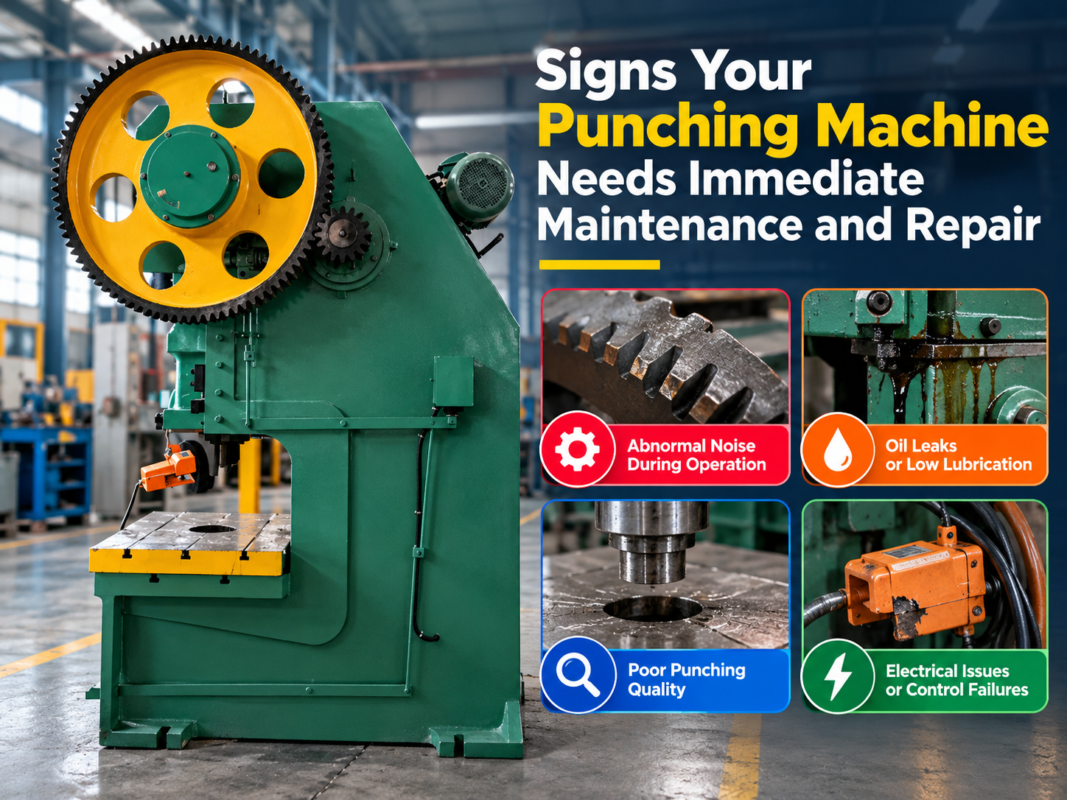
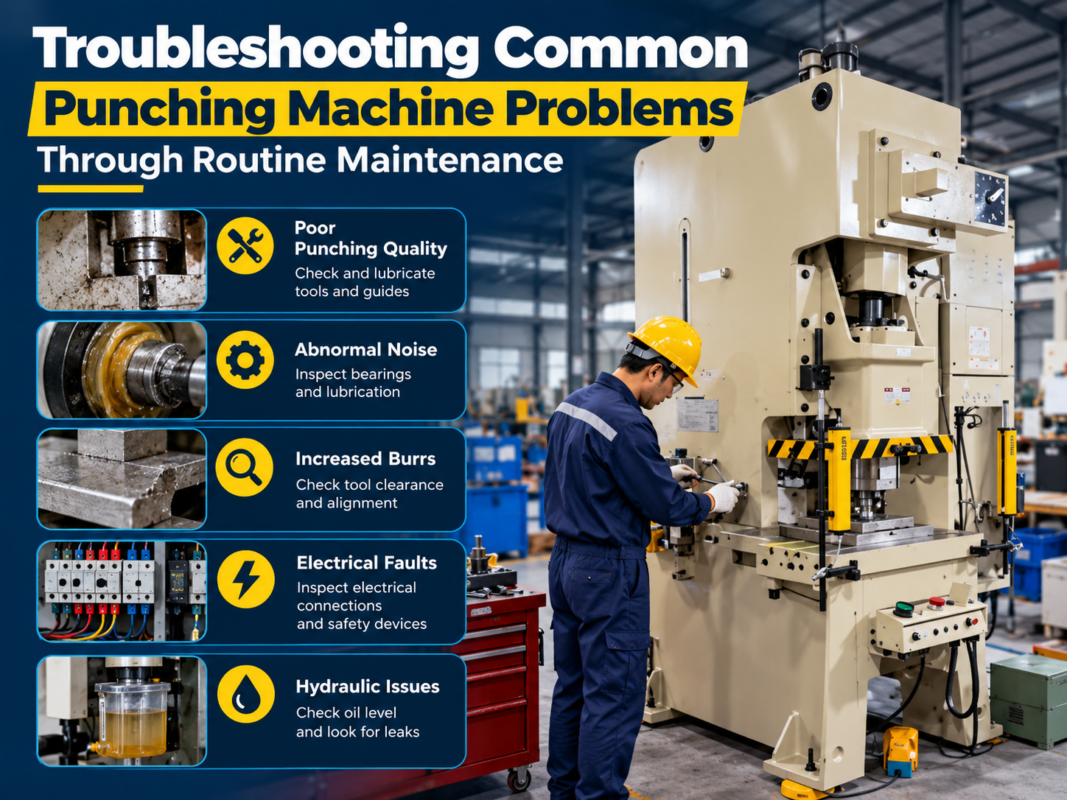
Experienced operators often develop a “sixth sense” for their machines, noticing subtle changes in sound or feel. Encouraging this awareness is a key part of a maintenance culture. There are several common troubleshooting signals that indicate a hydraulic press is in need of attention. Ignoring these signals is a recipe for expensive repairs.
- Excessive Noise: A banging or knocking sound usually indicates mechanical looseness or air in the hydraulic lines. A high-pitched squeal often points to a failing pump bearing or a relief valve that is stuck partially open.
- Increased Cycle Times: If the press is moving slower than usual, it is likely losing efficiency. This could be due to a worn pump, internal leakage in the cylinder, or a clogged suction filter that is starving the pump of oil.
- Overheating: If the hydraulic tank feels hot to the touch or the temperature gauge is in the red, the cooling system is failing or there is excessive internal friction. Heat kills seals and oil, so this must be addressed immediately.
- Erratic Movement: If the ram “stutters” or moves unevenly, there may be air trapped in the cylinder or the gibs may be improperly adjusted. This can also be caused by a failing proportional valve that is not responding correctly to the PLC signal.
- Pressure Fluctuations: If the tonnage gauge bounces or fails to hold pressure, there is likely a leak in the check valves or a problem with the pressure regulation system.
When these signals appear, the first step should always be to consult the troubleshooting section of your HARSLE manual. Many issues can be resolved with simple adjustments or by replacing a single inexpensive component. The goal is to catch the problem while it is still a “signal” and before it becomes a “failure.”
Comprehensive Maintenance Schedule Table
To stay organized, use the following table as a template for your hydraulic press maintenance program. Adjust the frequencies based on your specific shift patterns and workload.
| Frequency | Component | Action Required |
|---|---|---|
| Daily | Oil Level | Check reservoir level; top off with clean, filtered oil if necessary. |
| Daily | Safety Systems | Test E-stops, light curtains, and dual-hand controls. |
| Daily | Visual Leak Check | Inspect all fittings, hoses, and cylinders for signs of oil. |
| Weekly | Filters | Check bypass indicators on all hydraulic filters. |
| Weekly | Gib Lubrication | Verify that the automatic system is delivering grease to all slides. |
| Monthly | Electrical Cabinet | Vacuum out dust and check for loose wire terminations. |
| Monthly | Ram Parallelism | Measure the distance between the ram and bed at all four corners. |
| Quarterly | Oil Analysis | Send a sample to a lab to check for contamination and additives. |
| Quarterly | Cooling System | Clean heat exchanger fins or flush water-cooling pipes. |
| Yearly | Hydraulic Reservoir | Drain, clean the interior of the tank, and replace the oil. |
| Yearly | Structural Bolts | Torque all major frame and foundation bolts to specification. |
Frequently Asked Questions (FAQ)
1. How often should I change the hydraulic oil in my press?
There is no one-size-fits-all answer. While many manufacturers suggest changing oil every 2,000 to 4,000 hours of operation, the best practice is to use oil analysis. If the analysis shows the oil is clean and the additive package is still active, you can continue using it. However, if you do not perform analysis, an annual change is a safe baseline for most industrial environments.
2. Why is my hydraulic press losing pressure during the cycle?
Pressure loss is usually caused by internal leakage. This could be oil bypassing the piston seals inside the cylinder, a leaking check valve, or a faulty relief valve that is opening too early. Start by checking the simplest components, like the relief valve settings, before dismantling the cylinder.
3. Can I use any type of hydraulic oil?
No. You must use the oil viscosity and type recommended by HARSLE. Most presses use an anti-wear (AW) hydraulic oil. Using the wrong viscosity (e.g., ISO 32 instead of ISO 46) can lead to poor lubrication at high temperatures or sluggish performance in cold weather. Always use high-quality, name-brand oils to ensure consistent performance.
4. What is the most common cause of pump failure?
Contamination and cavitation are the leading causes of pump failure. Contamination (dirt in the oil) physically grinds away the internal parts of the pump. Cavitation (air in the oil) causes tiny explosions that pit the metal surfaces. Keeping your oil clean and your reservoir full will prevent the vast majority of pump issues.
5. How do I know if my gibs need adjustment?
If you notice uneven wear on your tooling, or if the ram seems to “shudder” as it moves, your gibs likely need adjustment. You can also use a dial indicator to measure the lateral movement of the ram. If the movement exceeds the specifications in your HARSLE manual, it is time for an adjustment.
6. Is it worth it to repair an old hydraulic press?
This depends on the structural integrity of the frame. If the frame is sound, a hydraulic press can often be “remanufactured” with new pumps, valves, and a modern PLC control system for a fraction of the cost of a new machine. However, if the frame is cracked or severely warped, replacement is usually the safer and more cost-effective option.
Conclusion: The HARSLE Commitment to Excellence
Maintaining a hydraulic press is an ongoing commitment that requires discipline, knowledge, and the right tools. By following these hydraulic press maintenance tips to reduce downtime and repair costs, you are doing more than just fixing a machine; you are optimizing your entire production process. A well-maintained HARSLE press is a fast, accurate, and safe tool that will serve your business for decades. Remember that maintenance is not a cost center—it is an investment in your company’s future. For more technical support, spare parts, or guidance on your specific HARSLE model, always feel free to reach out to our expert service team. Together, we can ensure your fabrication shop remains at the cutting edge of efficiency and quality.