How to Extend Press Brake Service Life with Simple Maintenance Habits


The Critical Importance of Press Brake Maintenance
In the high-stakes world of metal fabrication, the press brake is often the heartbeat of the workshop. Whether you are operating a high-end HARSLE CNC model or a traditional hydraulic machine, the longevity of your equipment directly correlates with your bottom line. To extend press brake service life simple maintenance habits are not just recommendations; they are essential protocols that prevent catastrophic failures and ensure consistent bending precision. A well-maintained machine can easily provide two decades of reliable service, whereas a neglected one may begin to show signs of terminal wear within just a few years.
The primary goal of a maintenance strategy is to minimize unplanned downtime. When a press brake fails in the middle of a large production run, the costs extend far beyond the repair bill. You face missed deadlines, idle labor costs, and potential damage to your reputation. By implementing a structured maintenance routine, you shift from a reactive mindset to a proactive one. This allows you to identify minor issues—such as a slightly worn seal or a loose electrical connection—before they escalate into expensive repairs that require replacing entire hydraulic blocks or control units.
Furthermore, maintenance is a matter of safety. A press brake exerts hundreds of tons of force. Any mechanical or hydraulic failure during a stroke poses a significant risk to the operator. Ensuring that safety light curtains, emergency stops, and structural components are in peak condition is a moral and legal obligation for any fabrication shop. Finally, the resale value of your machinery is heavily dependent on its service history. A documented maintenance log proves to future buyers that the machine has been cared for, preserving your capital investment.
At HARSLE, we design our machines for durability, but the environment of a metal shop—filled with abrasive dust, heat, and heavy vibrations—is inherently harsh. Understanding the specific needs of your machine and developing the discipline to follow through on simple daily habits will ensure that your press brake remains a high-performing asset for years to come. In the following sections, we will break down exactly what these habits look like across all major systems of the machine.
Daily Inspection: The Foundation of Longevity
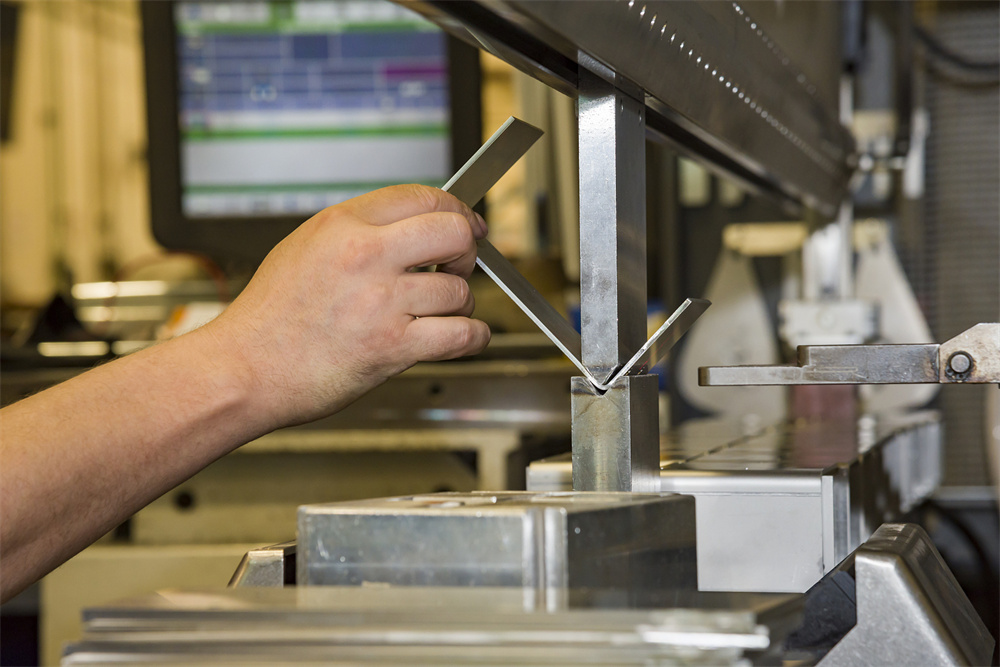
The most effective way to extend press brake service life simple maintenance habits starts with the first ten minutes of every shift. A daily inspection routine ensures that the machine starts its work in an optimal state. The first step is a visual sweep. Operators should look for any signs of oil leaks around the cylinders, hoses, and valves. Even a small puddle of hydraulic fluid can indicate a failing seal that, if ignored, could lead to a loss of pressure or air entering the system, causing erratic ram movement.
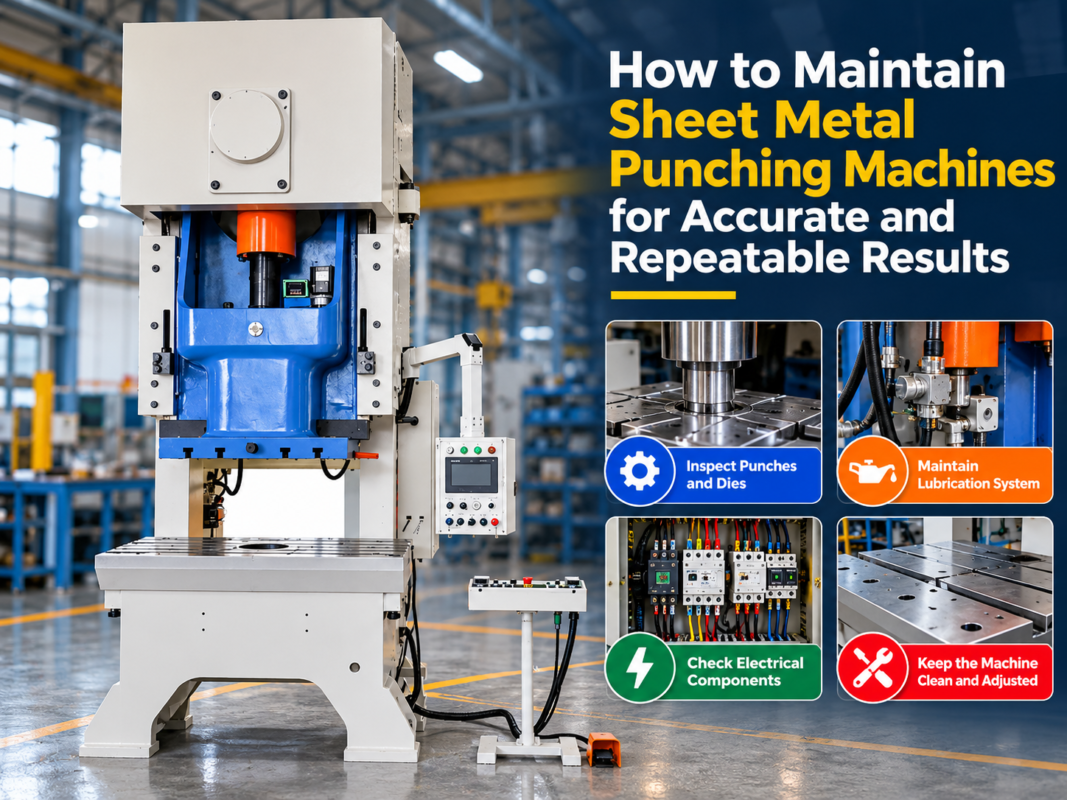
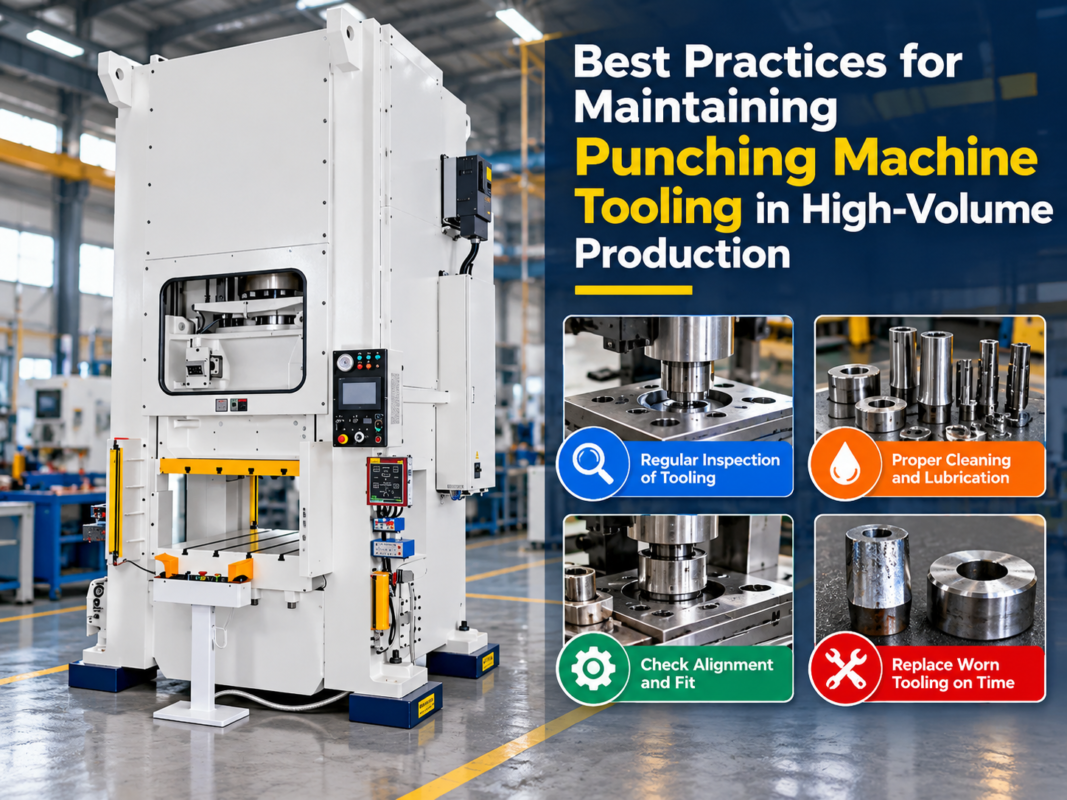
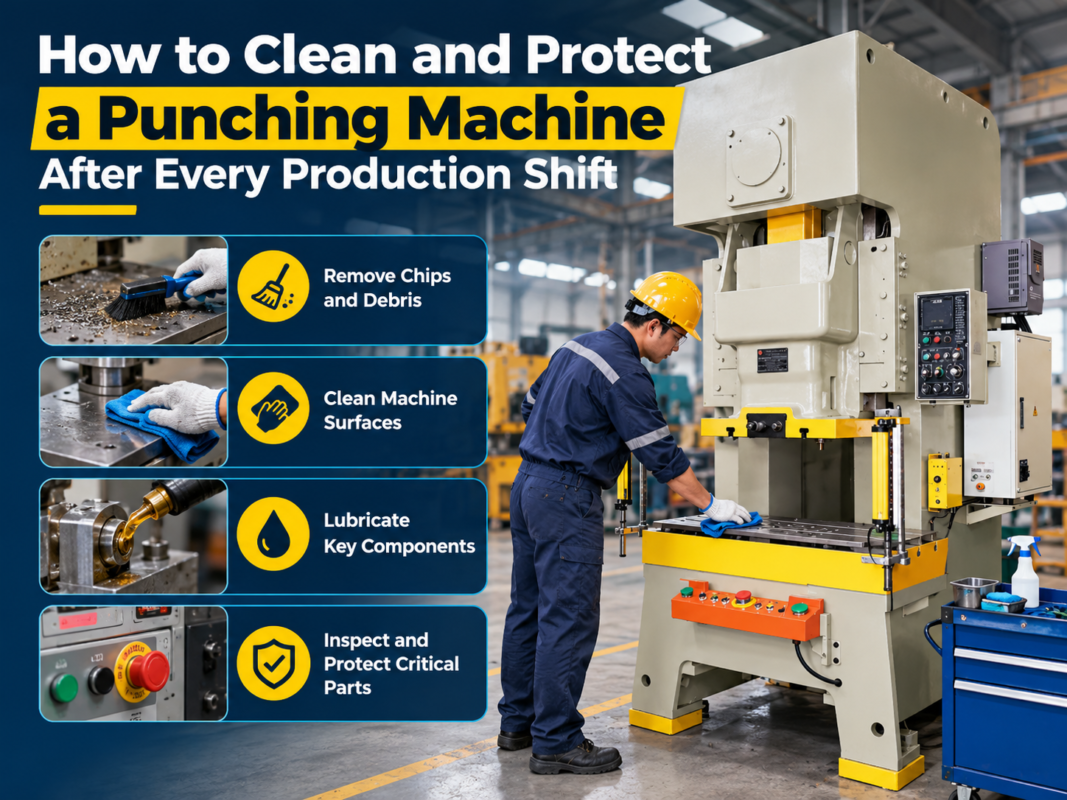
Cleaning is the second pillar of daily care. Metal dust and scale are abrasive. When these particles settle on the guide rails (gibs) or the backgauge ball screws, they act like sandpaper, grinding down the precision-machined surfaces. A simple wipe-down of the bed and the tooling area prevents this buildup. It is also crucial to inspect the tooling itself. Check the punch and die for cracks, chips, or excessive wear. Damaged tooling not only produces poor-quality bends but also places uneven stress on the machine’s frame and hydraulic system.
Safety systems must be verified daily. Test the emergency stop buttons and ensure the light curtains are properly aligned and functioning. If the machine has a laser guarding system, clean the lenses with a soft, lint-free cloth to prevent false triggers or system errors. These checks take very little time but are vital for protecting both the operator and the machine. Finally, check the oil level gauge. Running a hydraulic system with low oil leads to cavitation, which can destroy a hydraulic pump in a matter of hours.
Hydraulic System Maintenance: The Lifeblood of the Machine
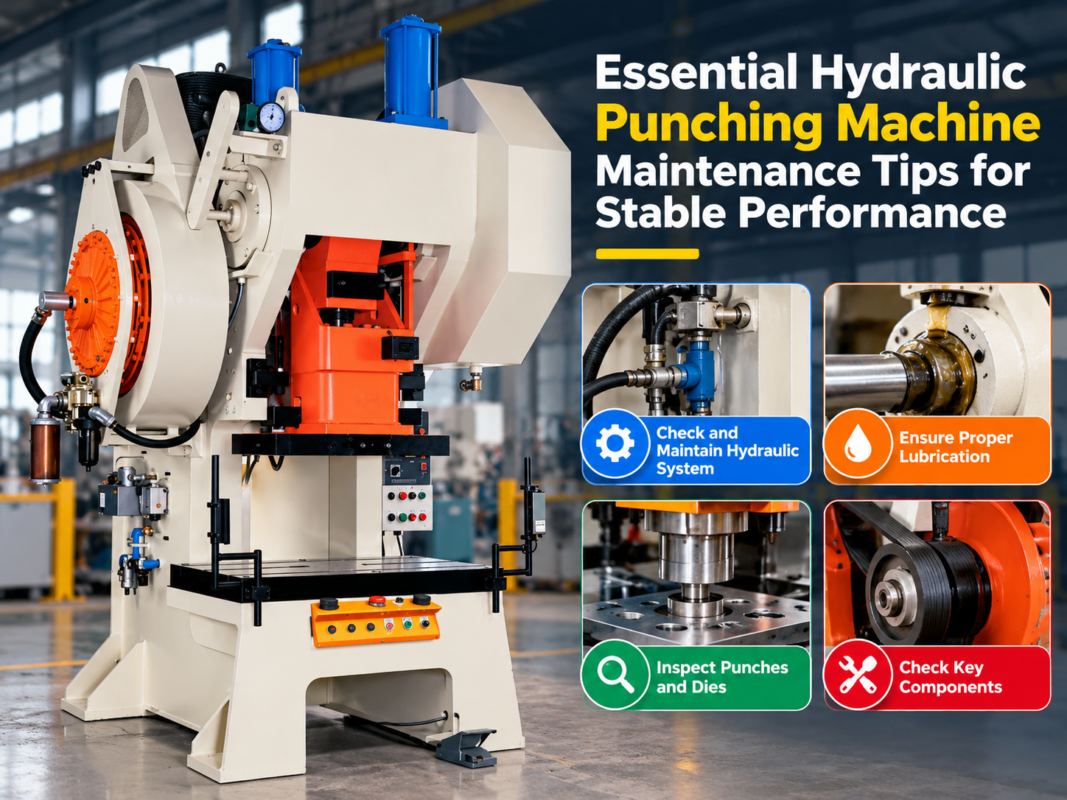
The hydraulic system is the most complex and critical part of a press brake. To extend press brake service life simple maintenance habits must focus heavily on fluid health. Hydraulic oil is not just a medium for power; it is also a lubricant and a coolant. Over time, oil breaks down due to heat and contamination. The most important habit is monitoring oil temperature. Most modern press brakes are designed to operate between 35°C and 50°C. If the oil consistently exceeds 60°C, it begins to oxidize, losing its lubricating properties and damaging seals.
Contamination is the silent killer of hydraulic components. Microscopic particles can jam the fine tolerances of proportional valves, leading to inaccurate ram positioning. You should replace the hydraulic filters according to the manufacturer’s schedule, or sooner if the environment is particularly dusty. A good habit is to perform an oil analysis once a year. This lab test can detect the presence of water, metal shavings, and chemical breakdown, giving you a clear picture of the internal health of your pumps and cylinders.
Air in the hydraulic system is another common issue. If you hear a high-pitched whining or “growling” noise from the pump, it is likely cavitating. This is often caused by a clogged suction filter or a leak in the intake line. Addressing this immediately is crucial; a cavitating pump will self-destruct quickly. Additionally, ensure that all hydraulic fittings are tight. Vibration from thousands of cycles can loosen connections, leading to leaks that waste expensive fluid and create slip hazards in the shop.
Electrical and Control System Checks
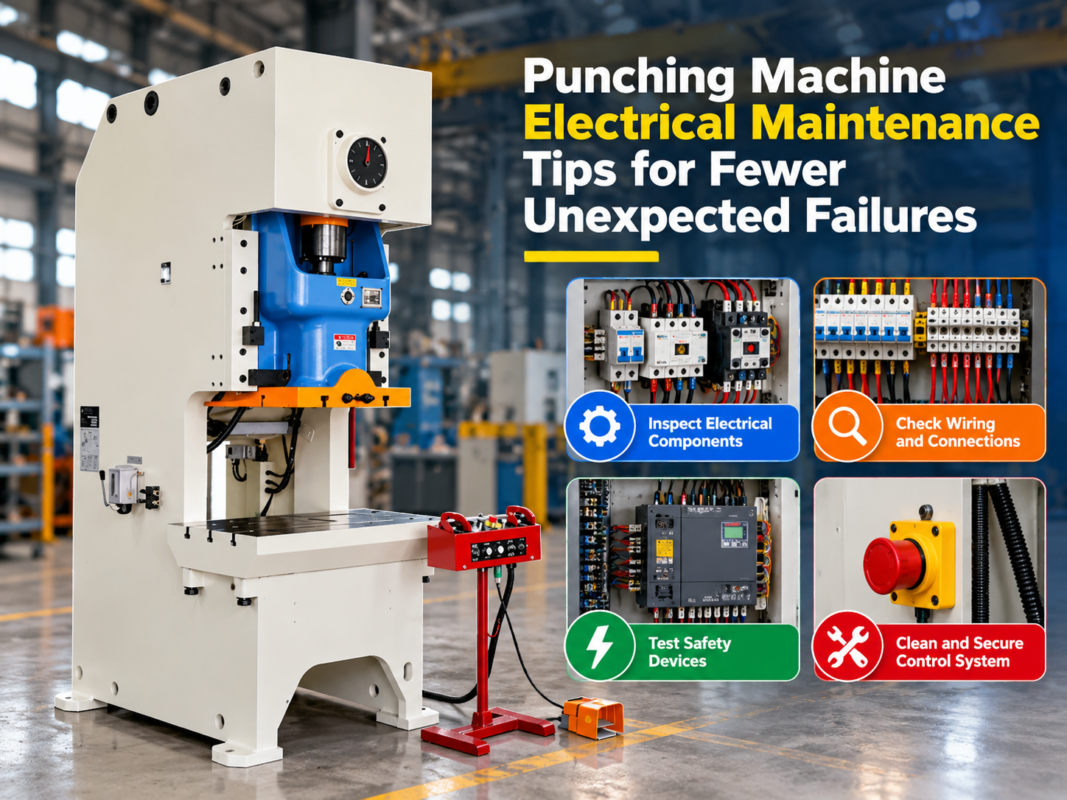
While the hydraulic system provides the brawn, the electrical system provides the brains. Modern CNC press brakes rely on sensitive electronics to coordinate the movement of multiple axes. The biggest enemy of electrical components is heat and dust. The control cabinet should remain closed at all times during operation. Many shops make the mistake of opening the cabinet door to “cool it down” with a floor fan, but this just blows metallic dust onto the circuit boards, leading to short circuits.
Check the cooling fans on the electrical cabinet and the motor drives regularly. If a fan fails, the heat buildup can cause the CNC controller to crash or lead to the premature failure of expensive servo drives. Periodically, with the power safely disconnected, a technician should check for loose wiring connections. Thermal expansion and machine vibration can cause terminals to loosen over time, which creates electrical resistance and heat, potentially melting wires or damaging components.
Grounding is another often-overlooked aspect of electrical maintenance. A press brake must be properly grounded to protect the sensitive electronics from voltage spikes and static interference. Ensure that the grounding rod and connections are secure and free from corrosion. If your shop experiences frequent power fluctuations, consider installing a dedicated voltage stabilizer to protect the machine’s CNC system from “dirty” power that can cause software glitches and hardware damage.
Mechanical Components and Structural Integrity
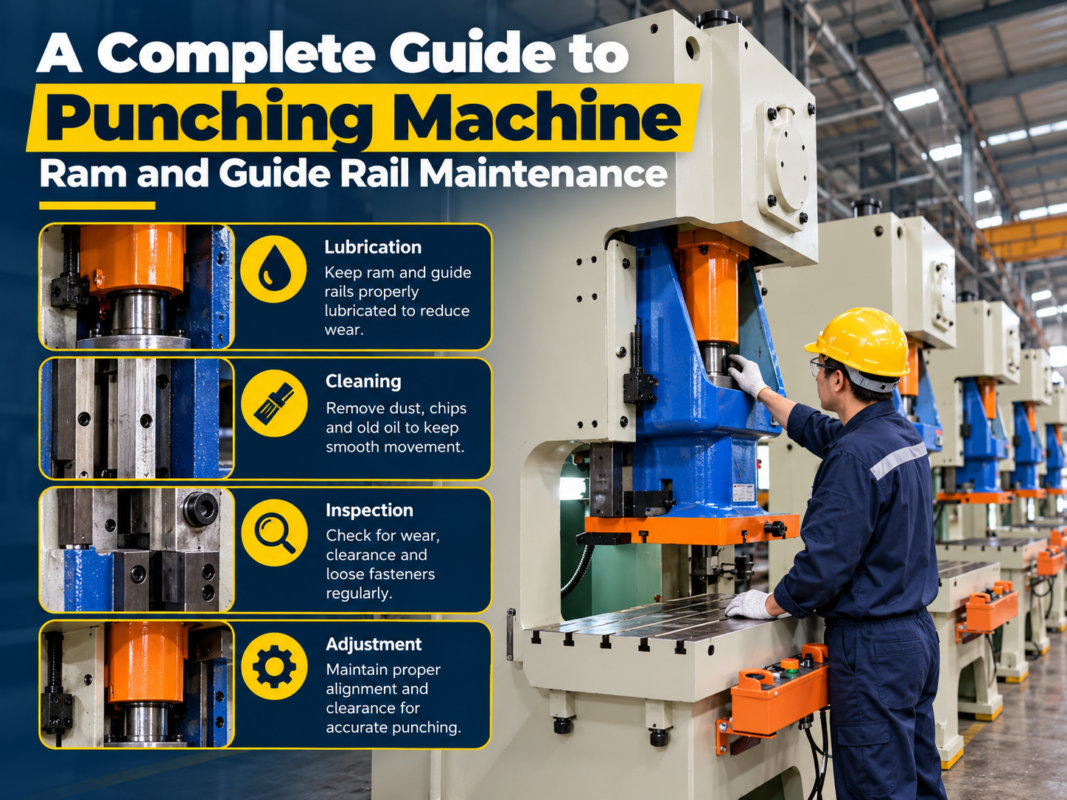
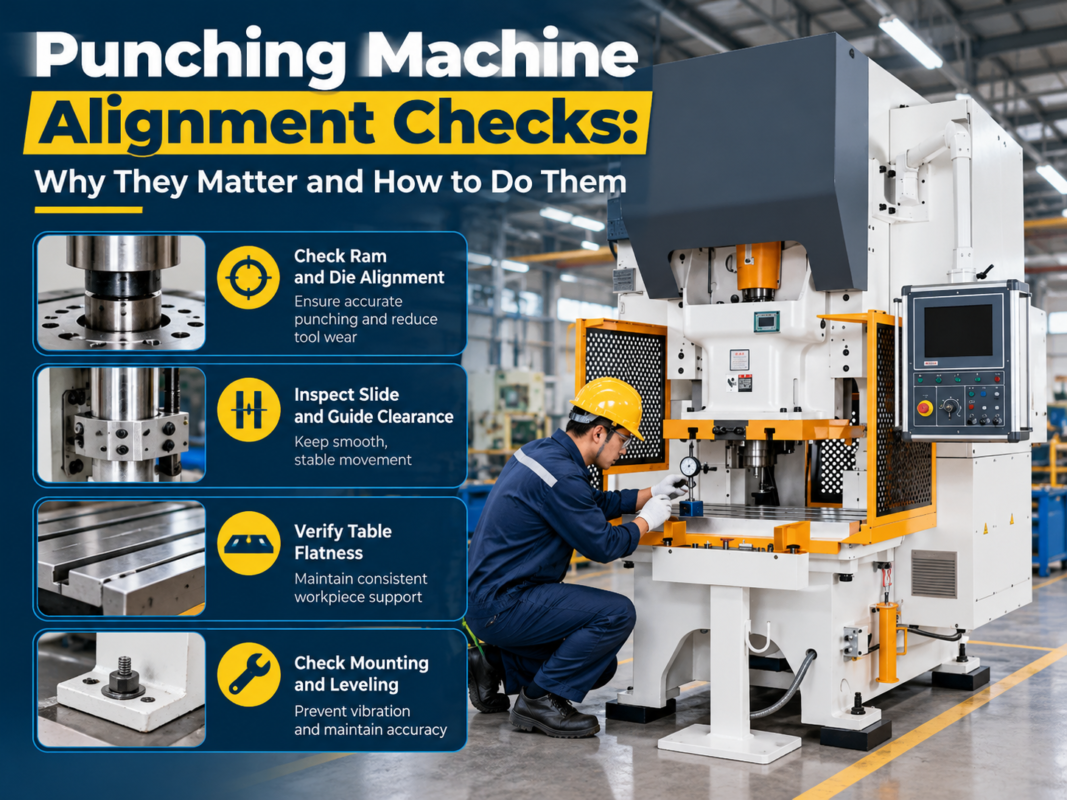
The mechanical frame and moving parts of a press brake are subjected to immense stress. To extend press brake service life simple maintenance habits include monitoring the alignment and tightness of mechanical fasteners. The ram and the bed must remain perfectly parallel to ensure accurate bends. Over time, the gibs (the guides that direct the ram’s vertical movement) may wear. If you notice the ram “shuddering” or if there is visible play in the guides, they need to be adjusted or shimmed according to the factory specifications.
The backgauge system is a precision instrument that moves constantly. It consists of ball screws, linear guides, and servo motors. These components must be kept clean and properly lubricated. If the backgauge becomes sluggish or noisy, it is usually a sign of contamination or lack of grease. Check the fingers of the backgauge for wear or damage; if they are not square, your parts will be out of tolerance, leading to wasted material and frustration.
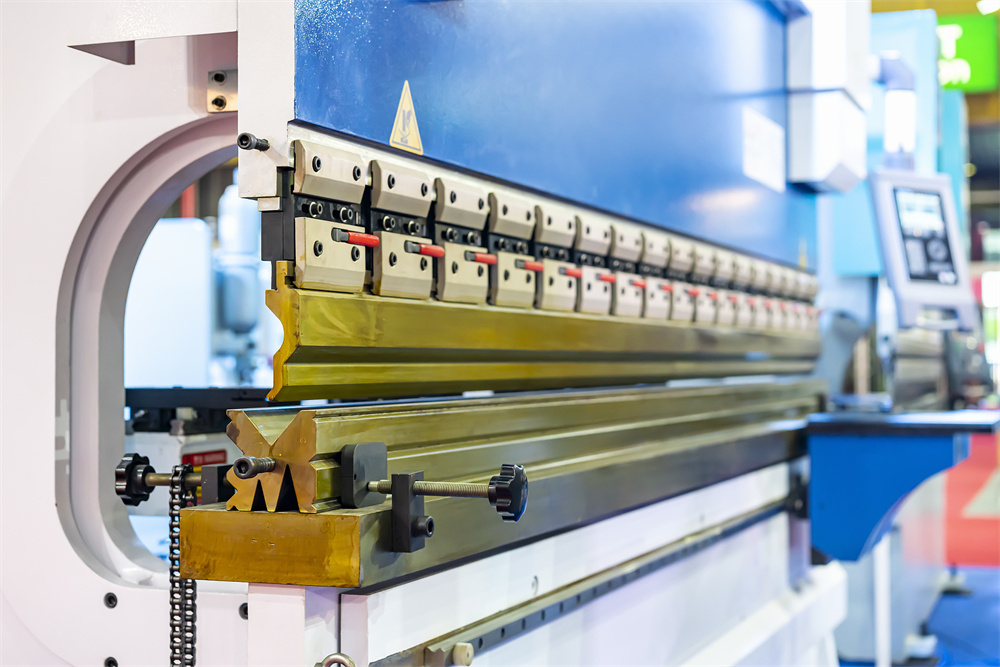
Inspect the main frame for any signs of stress cracks, especially around the throat area of the C-frame. While rare in high-quality machines like those from HARSLE, extreme overloading or improper use can cause structural fatigue. Also, ensure the machine is level. A press brake that is not perfectly level will experience uneven wear on the ram guides and cylinders, leading to premature failure of the seals and a loss of precision in the bending angle across the length of the machine.
The Ultimate Lubrication Plan
Lubrication is perhaps the simplest yet most neglected maintenance task. A proper lubrication plan reduces friction, prevents rust, and flushes out contaminants. Most press brakes require two types of lubrication: oil for the hydraulic system and grease for the mechanical moving parts. For the backgauge ball screws and linear rails, use a high-quality lithium-based grease. These parts should be lubricated weekly in a high-production environment.
Many modern HARSLE press brakes come equipped with automatic lubrication systems. However, do not fall into the trap of “set it and forget it.” You must regularly check the reservoir level and ensure that the grease is actually reaching the lubrication points. Sometimes, a distribution line can become pinched or clogged, leaving a critical bearing dry while the pump continues to run. Manually verify that a thin film of grease is present on the rails and screws.
The ram guides (gibs) also require consistent lubrication. Some machines use self-lubricating materials, but even these benefit from a light cleaning and occasional lubrication to prevent the buildup of metal dust. When applying grease, always clean the fitting first to avoid pumping dirt into the bearing. Remember, too much grease can be just as bad as too little, as it can attract and hold abrasive dust. Follow the manufacturer’s volume recommendations strictly to maintain the perfect balance.
Troubleshooting Signals: Listening to Your Machine
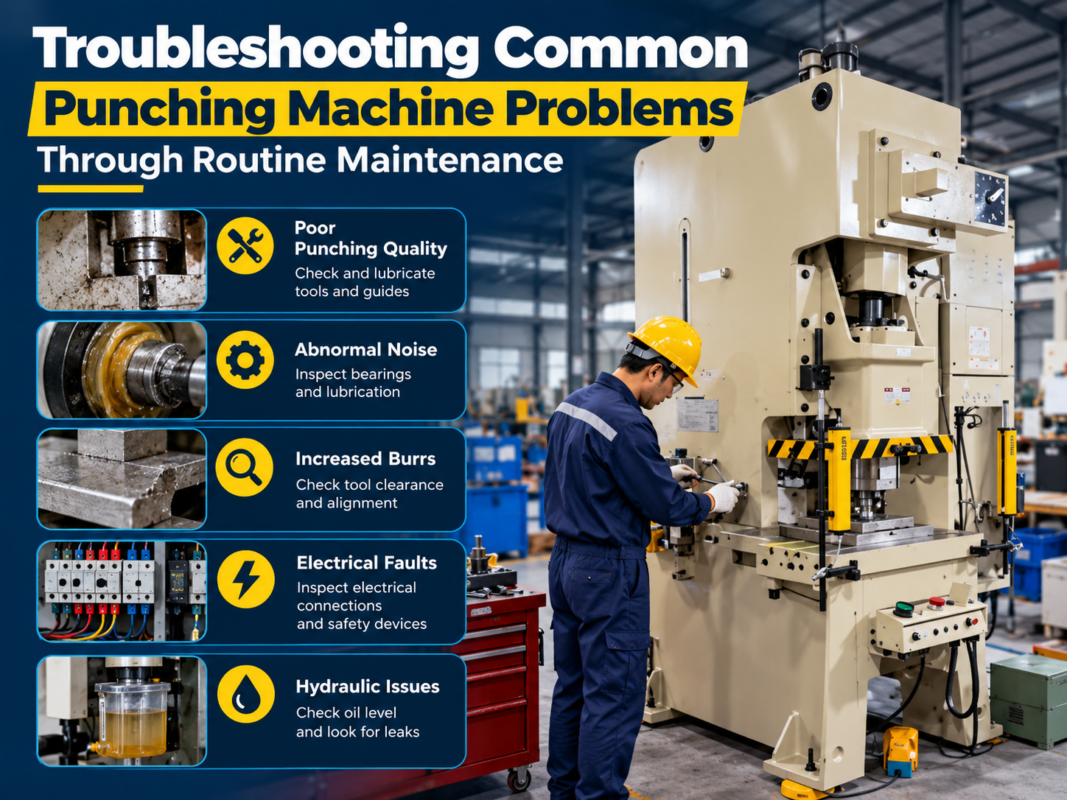
Experienced operators develop a “sixth sense” for their machinery. To extend press brake service life simple maintenance habits include being attentive to the sights, sounds, and smells of the machine. A change in the sound of the hydraulic pump, a new vibration in the backgauge, or a slight smell of burning oil are all early warning signs. If the machine starts producing inconsistent bend angles, don’t just adjust the CNC program to compensate; investigate the root cause. It could be a sign of oil thinning due to heat or a mechanical shift in the frame.
Watch for “drifting.” If the ram slowly sinks when the machine is powered off or in a hold position, it indicates internal leakage in the cylinders or the check valves. This not only affects precision but also poses a safety risk. Another signal is sluggish response. If the ram takes longer than usual to return to the top of the stroke, the filters might be clogged, or the pump might be losing efficiency. Addressing these signals immediately prevents a small problem from becoming a total system failure.
Comprehensive Maintenance Schedule Table
Use the following table as a baseline for your press brake maintenance program. Adjust the frequency based on your specific shift patterns and environmental conditions.
| Frequency | Component | Action Required |
|---|---|---|
| Daily | Oil Level | Check gauge; top up with recommended hydraulic fluid if low. |
| Daily | Tooling & Bed | Clean off all scale, dust, and debris; inspect for cracks. |
| Daily | Safety Systems | Test E-stops, light curtains, and interlocks. |
| Weekly | Backgauge | Clean and grease ball screws and linear guides. |
| Weekly | Air Filters | Clean or replace electrical cabinet and motor fan filters. |
| Monthly | Gibs / Guides | Check for proper clearance and lubrication; adjust if necessary. |
| Monthly | Hydraulic Hoses | Inspect for bulging, cracking, or weeping at the fittings. |
| 6 Months | Hydraulic Oil | Perform oil analysis; check for contamination or oxidation. |
| Yearly | Full Calibration | Verify X, Y, and R axis accuracy; level the machine. |
| Yearly | Electrical | Tighten all terminal connections; check grounding integrity. |
Frequently Asked Questions (FAQ)
1. How often should I change the hydraulic oil in my press brake?
Typically, hydraulic oil should be changed every 2,000 to 4,000 hours of operation, or once every two years, whichever comes first. However, this depends heavily on the operating environment. If your shop is very hot or dusty, you may need to change it more frequently. The best practice is to perform an annual oil analysis to determine the actual condition of the fluid before deciding to replace it.
2. Why is my press brake losing its bending accuracy over time?
Loss of accuracy is usually caused by one of three things: worn tooling, mechanical wear in the ram guides (gibs), or hydraulic inconsistency. First, check your punch and die for wear. If they are fine, check the parallelism of the ram. Finally, ensure your hydraulic oil is at the correct temperature and that your filters are clean, as inconsistent oil pressure will lead to inconsistent bend depths.
3. Can I use any type of grease for the backgauge?
No, you should always use the grease recommended by the manufacturer, usually a high-quality lithium-based grease with EP (Extreme Pressure) additives. Using the wrong grease can lead to gumming, which increases the load on the servo motors and can eventually cause the backgauge to jam or lose positioning accuracy.
4. What are the signs that my hydraulic pump is failing?
Common signs of pump failure include increased noise (whining or grinding), excessive heat generation in the hydraulic tank, and a noticeable slowdown in the ram’s cycle time. If you see metallic flakes in the hydraulic filter during a change, this is a definitive sign that the internal components of the pump are disintegrating.
5. Is it necessary to warm up the machine in the morning?
Yes, especially in colder climates. Hydraulic oil has a specific viscosity range for optimal performance. Running the machine “cold” can cause sluggish response and increased wear on the pump. Most modern CNC controls have a warm-up cycle that circulates the oil to bring it up to operating temperature before you begin production bending.
6. How do I prevent rust on the machine bed and tooling?
The best way to prevent rust is to keep the surfaces clean and apply a very thin coat of light machine oil or a dedicated rust preventative spray at the end of each day, especially if the shop is not climate-controlled. Never leave the machine with water or coolant sitting on the bed, as this will cause pitting very quickly.
Conclusion: The HARSLE Commitment to Excellence
Extending the service life of your press brake is a partnership between the manufacturer’s engineering and the owner’s diligence. By following these extend press brake service life simple maintenance habits, you ensure that your HARSLE machinery continues to deliver the precision and power you invested in. Maintenance is not a chore; it is a strategic advantage that keeps your production line moving and your operators safe. Treat your machine with respect, and it will serve your business faithfully for decades.