Troubleshooting Press Brake Accuracy Issues Through Routine Maintenance


The Critical Role of Maintenance in Press Brake Precision
In the high-stakes world of metal fabrication, precision is not just a goal; it is a requirement. When a press brake loses its accuracy, the ripple effects are felt throughout the entire production line. Scrapped parts, wasted material, and delayed delivery schedules can significantly impact a company’s bottom line. Troubleshooting Press Brake Accuracy Issues Through Routine Maintenance is the most effective strategy for ensuring that your machinery operates at peak performance. By understanding the intricate relationship between mechanical components, hydraulic systems, and electronic controls, operators can prevent minor deviations from becoming major failures.
HARSLE has long recognized that the longevity of industrial machinery is directly proportional to the quality of its upkeep. A press brake is a complex assembly of high-pressure hydraulics and precision-engineered mechanical parts. Over time, the stresses of bending heavy-gauge steel can lead to microscopic shifts in alignment. Routine maintenance acts as a diagnostic shield, allowing technicians to identify these shifts before they manifest as inaccurate bends. This proactive approach transforms maintenance from a cost center into a value-driven investment in quality control.
Furthermore, the evolution of CNC technology has made press brakes more capable but also more sensitive to environmental and mechanical variables. Modern systems rely on high-speed data feedback from encoders and proportional valves. Even a small amount of contamination in the hydraulic fluid or a loose electrical connection can disrupt the synchronization of the cylinders. Therefore, Troubleshooting Press Brake Accuracy Issues Through Routine Maintenance must encompass a holistic view of the machine, treating it as an integrated ecosystem rather than a collection of isolated parts.
Ultimately, the goal of a robust maintenance program is to achieve “zero-defect” manufacturing. By adhering to a strict schedule of inspections and adjustments, fabricators can ensure that the first part of a run is as accurate as the thousandth. This consistency is what separates industry leaders from the competition, making the mastery of maintenance protocols an essential skill for any modern fabrication shop.
The Foundation of Accuracy: Daily Inspection Protocols
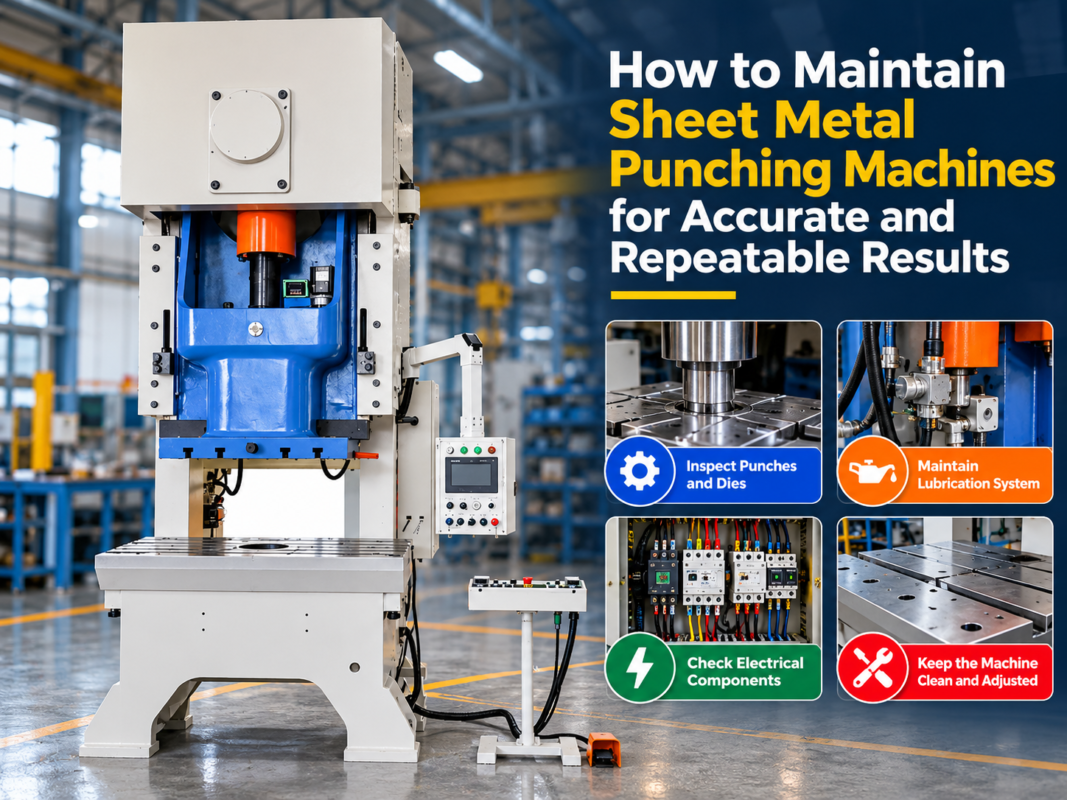
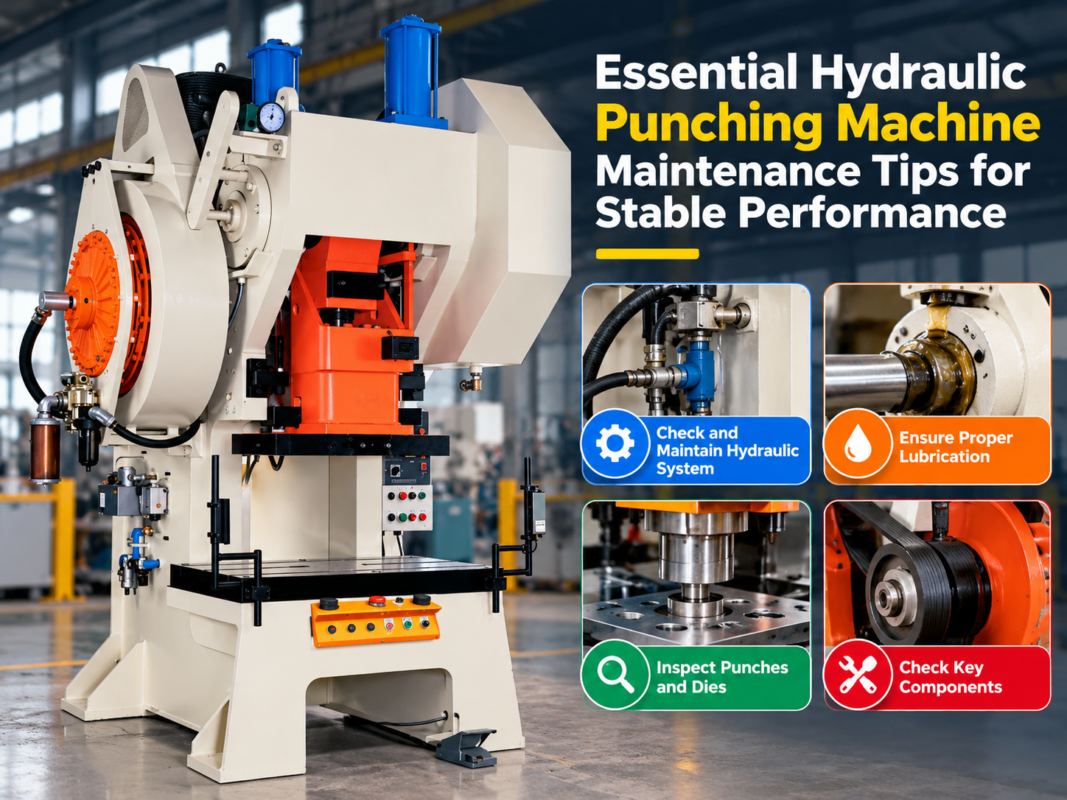
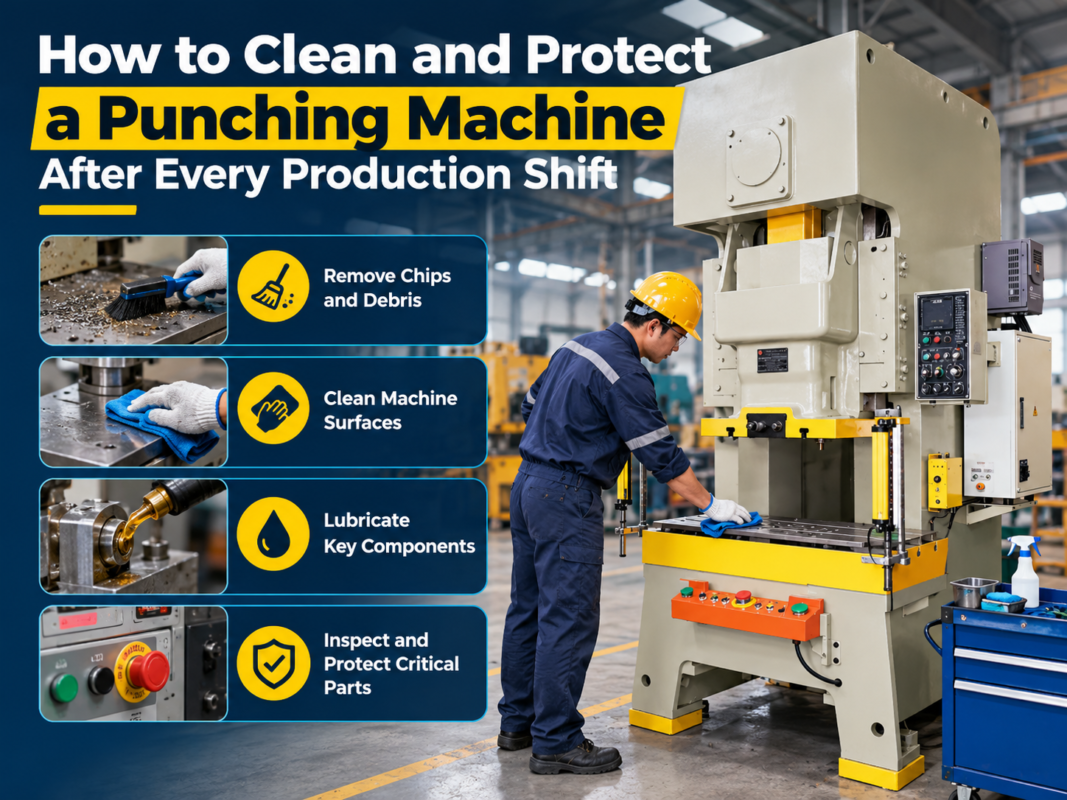
The first line of defense in Troubleshooting Press Brake Accuracy Issues Through Routine Maintenance is the daily inspection. This is not merely a box-ticking exercise but a critical assessment of the machine’s readiness for the day’s tasks. Operators should begin by clearing the work area of any debris, metal shavings, or tools that could interfere with the ram’s movement or the backgauge’s positioning. A clean environment is the prerequisite for accurate measurement and safe operation.
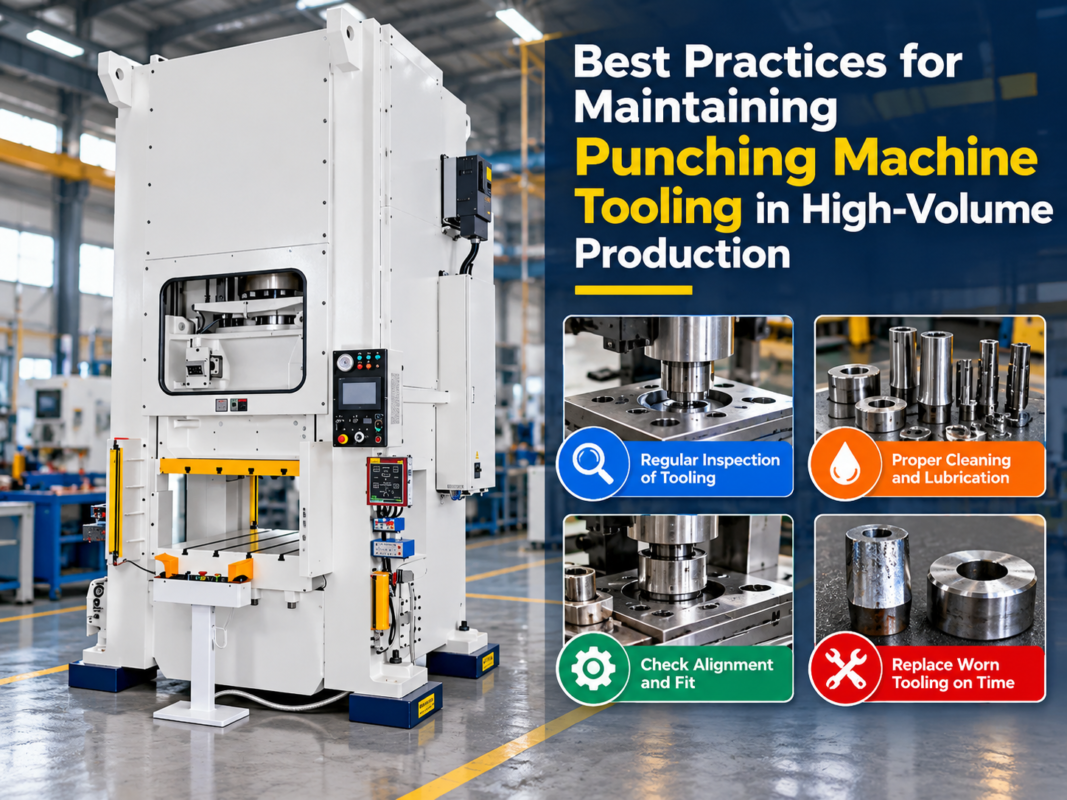
During the daily walk-around, technicians should pay close attention to the condition of the tooling. Worn or chipped dies and punches are a leading cause of inconsistent bend angles. Even if the machine’s CNC system is perfectly calibrated, damaged tooling will produce flawed results. Inspecting the surfaces of the V-die for signs of deformation and ensuring that the punch is securely seated in the ram are essential steps. If any wear is detected, the tooling should be replaced or refurbished immediately to maintain the integrity of the bending process.
Safety systems also play a role in accuracy. Light curtains and laser guards must be checked for proper alignment. If these sensors are misaligned, they may trigger false stops or, worse, fail to protect the operator. A machine that is frequently interrupted by safety system errors can experience thermal fluctuations in the hydraulic oil, which in turn affects the consistency of the ram’s stroke. Ensuring that all safety components are functioning correctly contributes to a steady, predictable production rhythm.
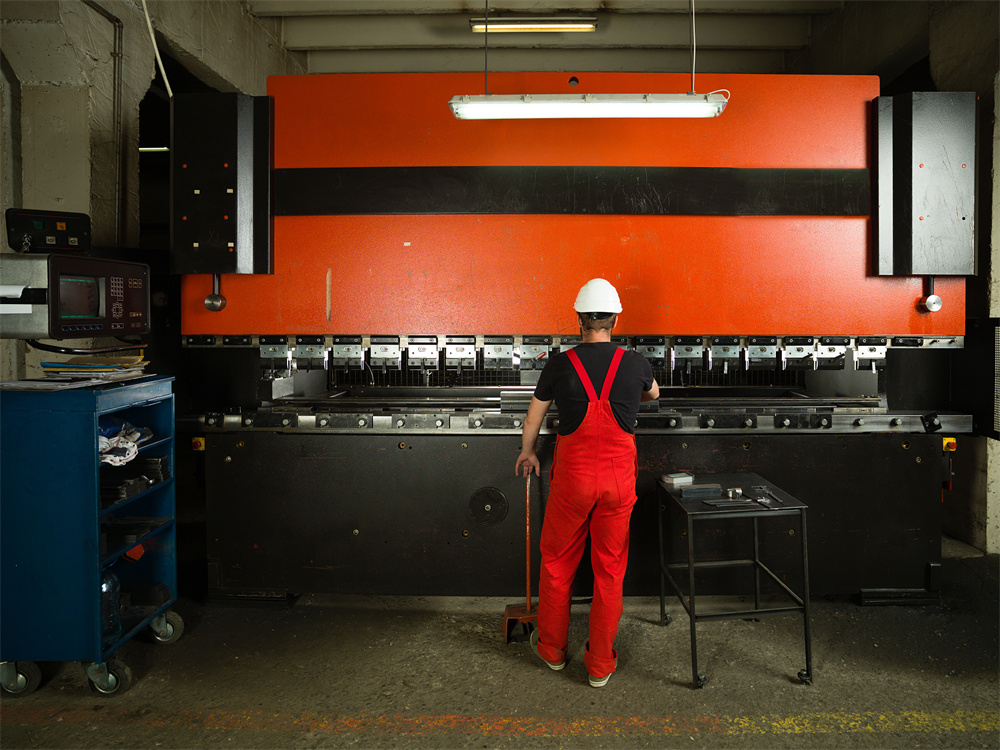
Finally, the daily routine should include a verification of the machine’s zero-point. Most modern CNC press brakes have an automated homing sequence, but it is good practice to manually verify that the ram and backgauge are returning to their correct starting positions. Any discrepancy at this stage is an early warning sign of encoder issues or mechanical binding. By catching these anomalies early in the shift, operators can avoid hours of producing out-of-tolerance parts.
Deep Dive: Hydraulic, Electrical, and Mechanical Checks
Hydraulic System Integrity
The hydraulic system is the heart of the press brake, providing the force necessary to deform metal. Troubleshooting Press Brake Accuracy Issues Through Routine Maintenance requires a deep understanding of hydraulic dynamics. The most common issue affecting accuracy is oil contamination. Microscopic particles can clog proportional valves, leading to uneven pressure distribution between the left and right cylinders. This results in a “tilted” ram, where one side of the bend is deeper than the other. Regular oil analysis and filter changes are non-negotiable for maintaining hydraulic health.
Temperature control is another critical factor. Hydraulic oil changes viscosity as it heats up. If the machine’s cooling system is inefficient, the oil may become too thin, leading to internal leakage within the valves and cylinders. This leakage causes the ram to drift or fail to reach its programmed depth. Technicians should monitor the oil temperature throughout the day and ensure that heat exchangers are clean and functional. Using the correct grade of hydraulic oil, as specified by HARSLE, ensures that the system maintains consistent pressure across a wide range of operating temperatures.
Electrical and Control System Stability
In the digital age, the electrical system is the brain that coordinates the press brake’s movements. Accuracy issues often stem from “noise” in the electrical signals or loose connections in the control cabinet. Troubleshooting Press Brake Accuracy Issues Through Routine Maintenance involves inspecting the wiring for signs of wear or heat damage. Vibrations from the machine can, over time, loosen terminal screws, leading to intermittent signal loss from the linear encoders. These encoders are responsible for telling the CNC exactly where the ram is; if the signal is compromised, the ram’s positioning will be inaccurate.
The CNC controller itself requires periodic software updates and backups. Modern controllers use complex algorithms to compensate for frame deflection (crowning). If the software parameters are corrupted or incorrectly set, the machine will not provide the necessary compensation, resulting in a “canoe” effect where the bend is accurate at the ends but shallow in the middle. Regularly verifying the calibration constants within the CNC software is a vital part of the electrical maintenance routine.
Mechanical Alignment and Wear
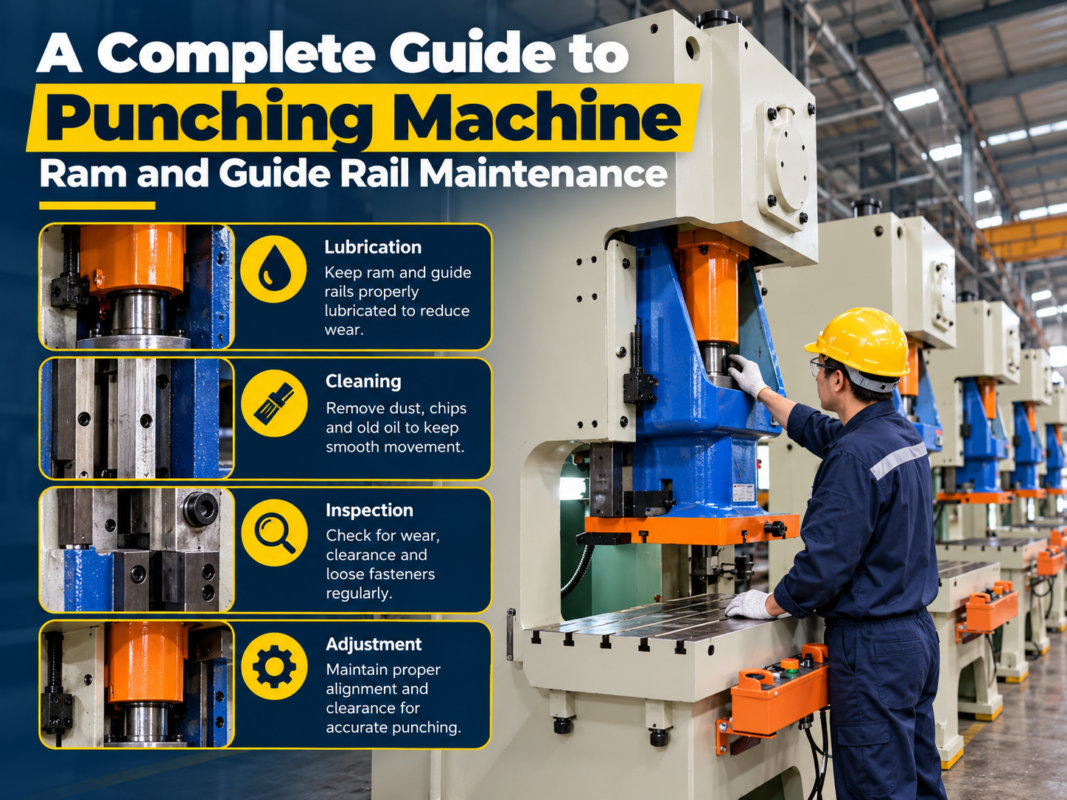
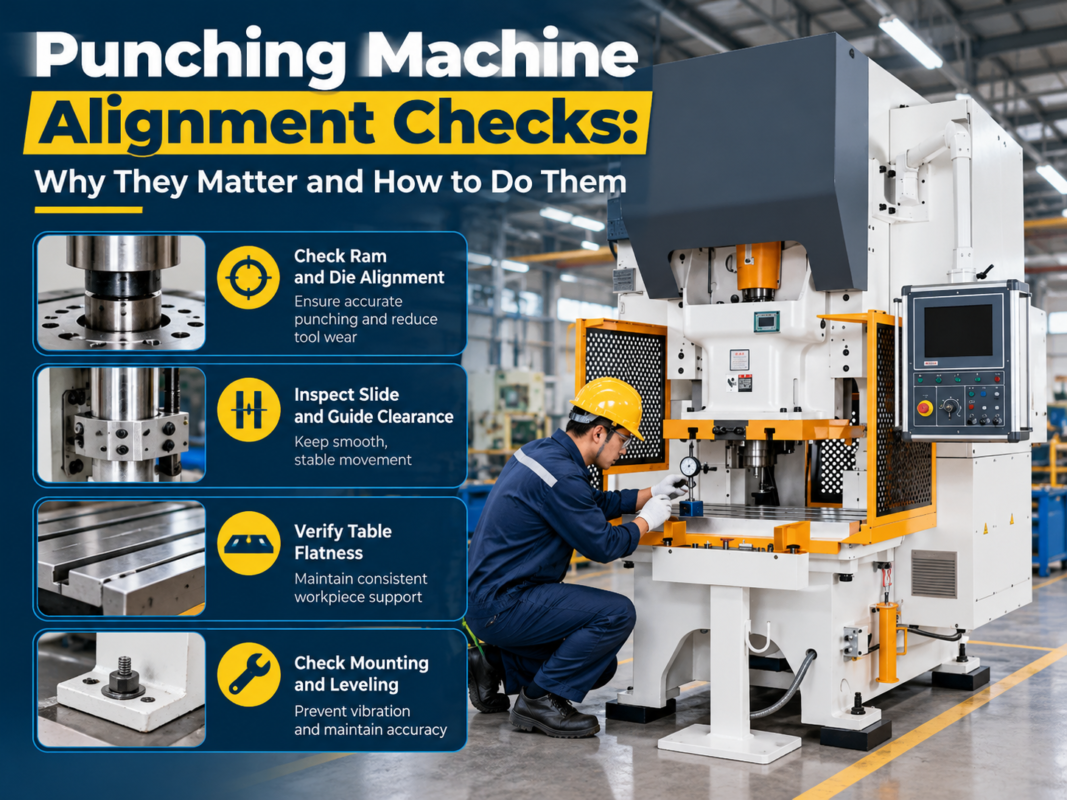
Mechanical components are the skeleton of the press brake, and like any skeleton, they are subject to wear and tear. The gibs—the guides that control the ram’s vertical movement—must be checked for proper clearance. If the gibs are too tight, the ram will bind and move jerkily; if they are too loose, the ram will have excessive play, leading to inconsistent bend angles. Adjusting the gibs to the manufacturer’s specifications is a delicate but necessary task for Troubleshooting Press Brake Accuracy Issues Through Routine Maintenance.
The backgauge system is another mechanical area where accuracy is often lost. The ball screws and linear guides that move the backgauge fingers must be free of play. Any backlash in the ball screws will result in the backgauge being slightly off-position, which directly translates to an incorrect flange length on the workpiece. Technicians should use a dial indicator to check for backlash and inspect the fingers for squareness relative to the die. A backgauge that is not perfectly parallel to the bending line is a frequent culprit in accuracy complaints.
The Lubrication Plan: Reducing Friction and Fatigue
Lubrication is the lifeblood of mechanical longevity. Without a proper lubrication plan, the high-friction areas of a press brake—such as the ram guides, backgauge ball screws, and pivot points—will wear prematurely. Troubleshooting Press Brake Accuracy Issues Through Routine Maintenance must include a detailed lubrication schedule that specifies the type of lubricant to be used and the frequency of application. HARSLE machines often feature centralized lubrication systems, but these still require manual oversight to ensure that all points are receiving the necessary grease.
It is important to distinguish between different types of lubricants. High-pressure grease is required for the ram guides to withstand the immense forces of the bending cycle, while a lighter oil might be appropriate for the backgauge’s linear rails. Using the wrong lubricant can be as damaging as using none at all. For instance, a lubricant that is too thick can attract dust and metal shavings, creating an abrasive paste that accelerates wear rather than preventing it. Conversely, a lubricant that is too thin may run off the surfaces, leaving them unprotected during heavy operation.
The timing of lubrication is also key. Over-lubricating can lead to messy work environments and can even interfere with optical encoders if the grease migrates to sensitive areas. A disciplined approach, where small amounts of lubricant are applied at regular intervals, is far more effective than occasional heavy greasing. This consistency ensures that the friction coefficients within the machine remain stable, which is essential for the CNC system to accurately predict and control the movement of the mechanical components.
Identifying Troubleshooting Signals
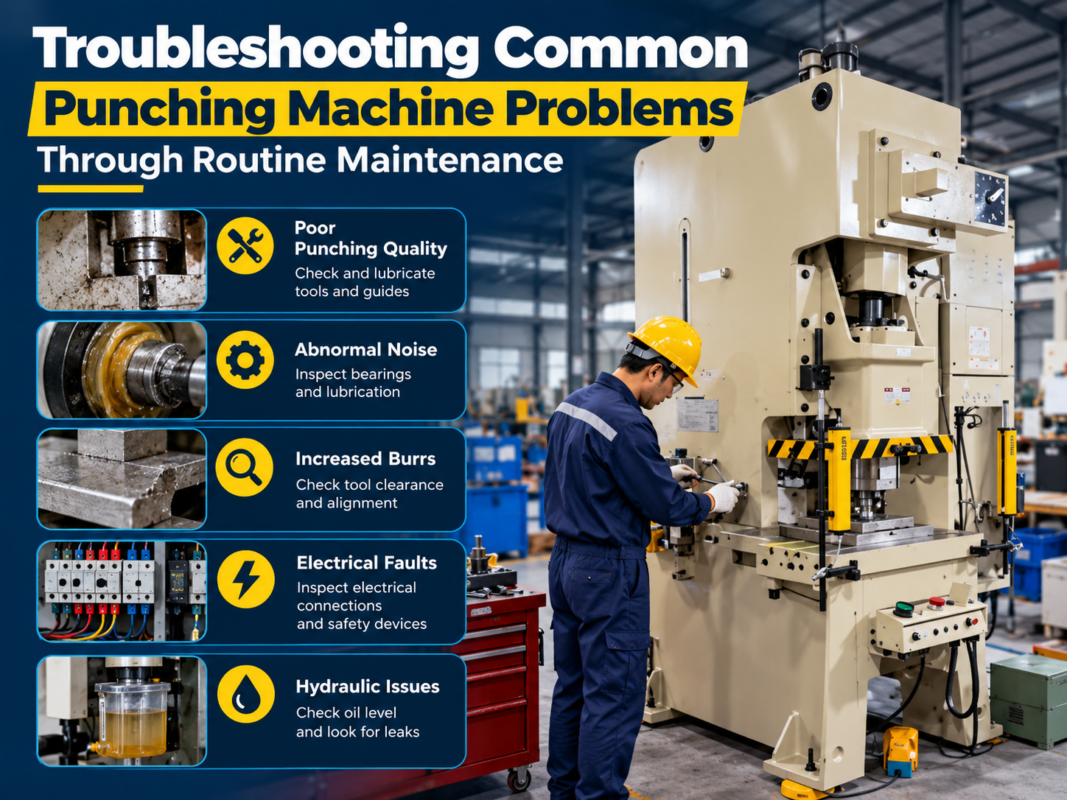
A well-maintained machine will “talk” to its operator, and learning to listen to these signals is a core part of Troubleshooting Press Brake Accuracy Issues Through Routine Maintenance. Unusual noises are often the first sign of trouble. A high-pitched whine from the hydraulic pump may indicate cavitation or air in the system, both of which will affect pressure stability. A clunking sound during the ram’s transition from fast approach to slow bend might suggest mechanical looseness in the cylinders or the ram guides.
Vibration is another critical signal. While some vibration is normal during a heavy bend, excessive or rhythmic vibration often points to a failing bearing or an unbalanced motor. These vibrations can shake the linear encoders, leading to “ghost” readings that confuse the CNC controller. If an operator notices increased vibration, they should immediately investigate the mechanical drive train and the mounting of all feedback sensors.
Heat is perhaps the most subtle signal. By the time a component is hot to the touch, damage may already be occurring. Using an infrared thermometer to monitor the temperature of the hydraulic manifold, the pump motor, and the electrical cabinet can provide early warning of impending failure. For example, an overheating solenoid valve may start to stick, causing the ram to hesitate or move unevenly. By identifying these signals early, maintenance teams can intervene before the machine produces a single scrap part.
Comprehensive Maintenance Schedule Table
To effectively implement Troubleshooting Press Brake Accuracy Issues Through Routine Maintenance, a structured schedule is required. The following table outlines the essential tasks and their recommended frequencies for a standard industrial environment.
| Frequency | Component | Maintenance Task | Impact on Accuracy |
|---|---|---|---|
| Daily | Tooling & Die | Clean and inspect for wear/chips | Prevents angle variations |
| Daily | Work Area | Clear debris and metal shavings | Ensures unobstructed movement |
| Weekly | Hydraulic Oil | Check level and temperature | Maintains consistent ram pressure |
| Weekly | Backgauge | Clean and lightly lubricate rails | Ensures precise flange lengths |
| Monthly | Ram Gibs | Check and adjust clearances | Eliminates ram play and tilt |
| Monthly | Electrical Cabinet | Vacuum dust and check connections | Prevents signal noise and failure |
| Quarterly | Hydraulic Filters | Replace all filter elements | Protects proportional valves |
| Annually | Full Calibration | Laser alignment of ram and bed | Corrects long-term structural shifts |
| Annually | Hydraulic Fluid | Complete flush and replacement | Ensures optimal system viscosity |
Frequently Asked Questions (FAQ)
1. Why is my press brake bending different angles at the ends versus the middle?
This is typically caused by machine deflection, often referred to as the “canoe effect.” Troubleshooting Press Brake Accuracy Issues Through Routine Maintenance for this problem involves checking the crowning system. Whether it is a mechanical wedge system or a hydraulic compensation system, it must be properly calibrated to counteract the natural flexing of the bed and ram under load. Also, ensure the bed and ram are clean and that the tooling is properly centered.
2. How often should I calibrate my backgauge?
While a full calibration is usually an annual task, you should perform a quick verification weekly. Use a precision-ground block to check the distance from the center of the die to the backgauge fingers. If you notice a discrepancy of more than 0.05mm, a recalibration of the backgauge’s X-axis is necessary. Regular lubrication of the ball screws will help maintain this calibration for longer periods.
3. Can the type of hydraulic oil really affect my bending accuracy?
Yes, significantly. Hydraulic systems are designed to work within a specific viscosity range. If the oil is too thick (high viscosity), the valves may respond slowly, leading to over-bending. If it is too thin (low viscosity), internal leakage can cause the ram to fall short of its target. Always use the ISO grade recommended by HARSLE and change the oil according to the maintenance schedule to ensure consistent performance.
4. What should I do if the ram is not moving down parallel?
This is a classic case for Troubleshooting Press Brake Accuracy Issues Through Routine Maintenance. First, check for any mechanical obstructions. Next, inspect the synchronization system, which usually involves linear encoders on both ends of the ram. If one encoder is dirty or loose, the CNC will receive incorrect data and fail to level the ram. Finally, check the proportional valves for contamination, as a clog on one side will cause uneven movement.
5. Is it necessary to clean the tooling after every shift?
Absolutely. Scale from hot-rolled steel and general shop dust can build up in the V-die. This buildup changes the effective width of the die, which directly alters the bend angle. A quick wipe-down with a rag and a light rust-preventative spray will not only maintain accuracy but also extend the life of your expensive tooling.
Conclusion: The Path to Long-Term Precision
Troubleshooting Press Brake Accuracy Issues Through Routine Maintenance is not a one-time fix but a continuous commitment to excellence. By integrating daily inspections, technical system checks, and a disciplined lubrication plan, fabricators can ensure their HARSLE machinery remains a reliable asset for decades. The complexity of modern metal fabrication demands a level of precision that can only be sustained through rigorous upkeep. When maintenance becomes a core part of your operational culture, the rewards are clear: higher quality, lower costs, and a reputation for perfection in every bend.