New Vs Used Punching Machine: Which Option Offers Better Value Fabricators?


Comparison Summary: The Fabricator’s Dilemma
In the competitive landscape of metal fabrication, the decision to invest in a punching machine is a pivotal moment for any workshop. The core question—New Vs Used Punching Machine: Which Option Offers Better Value Fabricators?—does not have a one-size-fits-all answer. It requires a deep dive into the specific needs of the business, including production volume, precision requirements, and long-term financial strategy. A new machine represents the pinnacle of modern technology, offering high efficiency and manufacturer support, while a used machine offers a lower entry price point that can be attractive for startups or low-volume operations.
When evaluating value, fabricators must look beyond the initial sticker price. Value is a combination of performance, reliability, operating costs, and the eventual resale price. A new machine might have a higher upfront cost but significantly lower operational expenses due to energy efficiency and reduced downtime. Conversely, a used machine might save capital today but could lead to expensive repairs and difficulty in sourcing obsolete electronic components tomorrow. This guide explores every facet of this comparison to help you make an informed investment.
Modern punching technology has evolved from simple mechanical presses to sophisticated CNC-controlled servo-electric systems. This technological leap means that the gap between a 10-year-old used machine and a brand-new HARSLE CNC punching machine is wider than ever. Fabricators must weigh the benefits of high-speed automation and precision against the traditional reliability of older, heavier mechanical frames. Ultimately, the ‘better value’ is the option that maximizes your throughput while minimizing your total cost of ownership (TCO).
New Punching Machine Overview: The Case for Modern Innovation
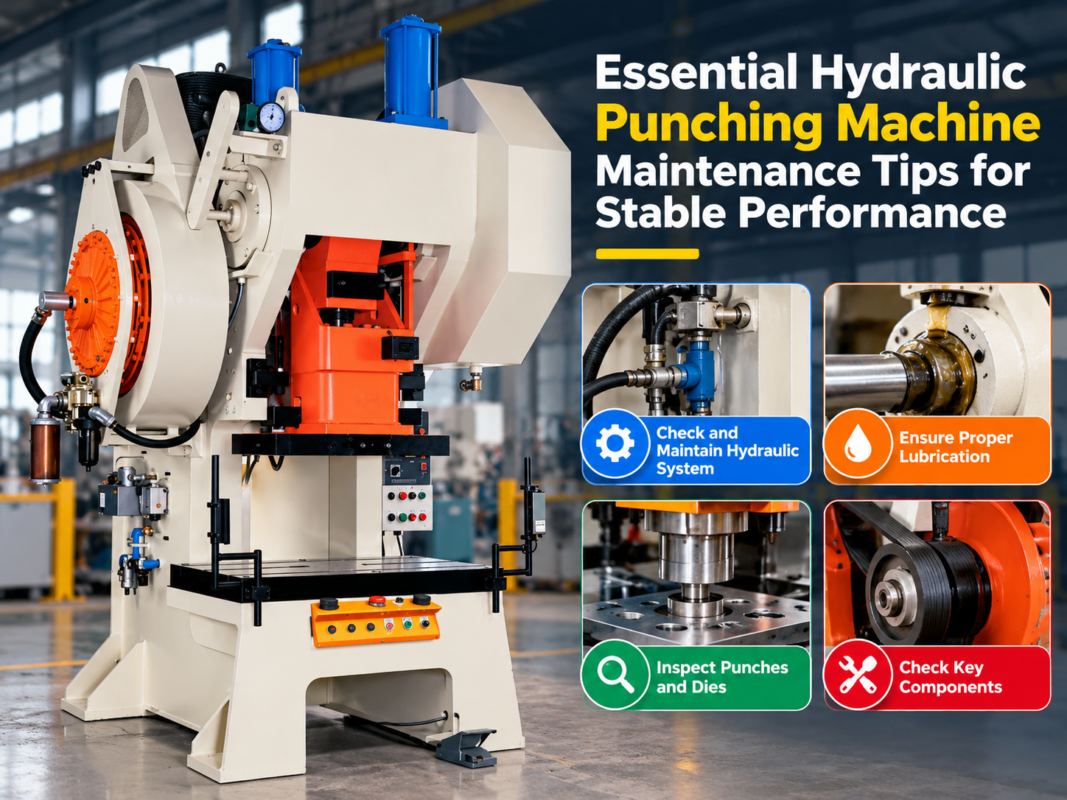
Investing in a new punching machine, such as those offered by HARSLE, brings the latest advancements in sheet metal processing directly to your shop floor. The primary advantage of a new machine is its integration with modern software and Industry 4.0 capabilities. New machines are designed to work seamlessly with CAD/CAM software, allowing for complex nesting patterns that minimize material waste. This level of precision is often unattainable with older equipment that may have developed slight mechanical play over years of use.
Energy efficiency is another hallmark of new machinery. Modern servo-electric punching machines consume significantly less power than older hydraulic or mechanical models. They only draw power during the actual punch stroke, whereas older hydraulic systems often require the pump to run continuously. Over a five-year period, the savings in electricity costs can bridge a substantial portion of the price gap between a new and a used unit. Furthermore, new machines come with comprehensive warranties, providing peace of mind and predictable maintenance costs for the first few years of operation.
Safety standards have also progressed. New machines are equipped with advanced light curtains, emergency stop systems, and enclosed guarding that meet the latest international safety regulations. This not only protects your workforce but also reduces insurance premiums and the risk of costly workplace accidents. When you buy new, you are also buying the latest in tooling technology, such as multi-tools and tapping capabilities, which can turn a simple punching machine into a versatile machining center.
Finally, the support from the manufacturer cannot be overstated. When purchasing a new HARSLE machine, you receive professional installation, operator training, and ongoing technical support. This ensures that your team can maximize the machine’s potential from day one. The learning curve is flattened by intuitive touch-screen interfaces and pre-programmed libraries of common shapes and patterns, making it easier to find and train operators in a tight labor market.
Used Punching Machine Overview: Balancing Cost and Risk
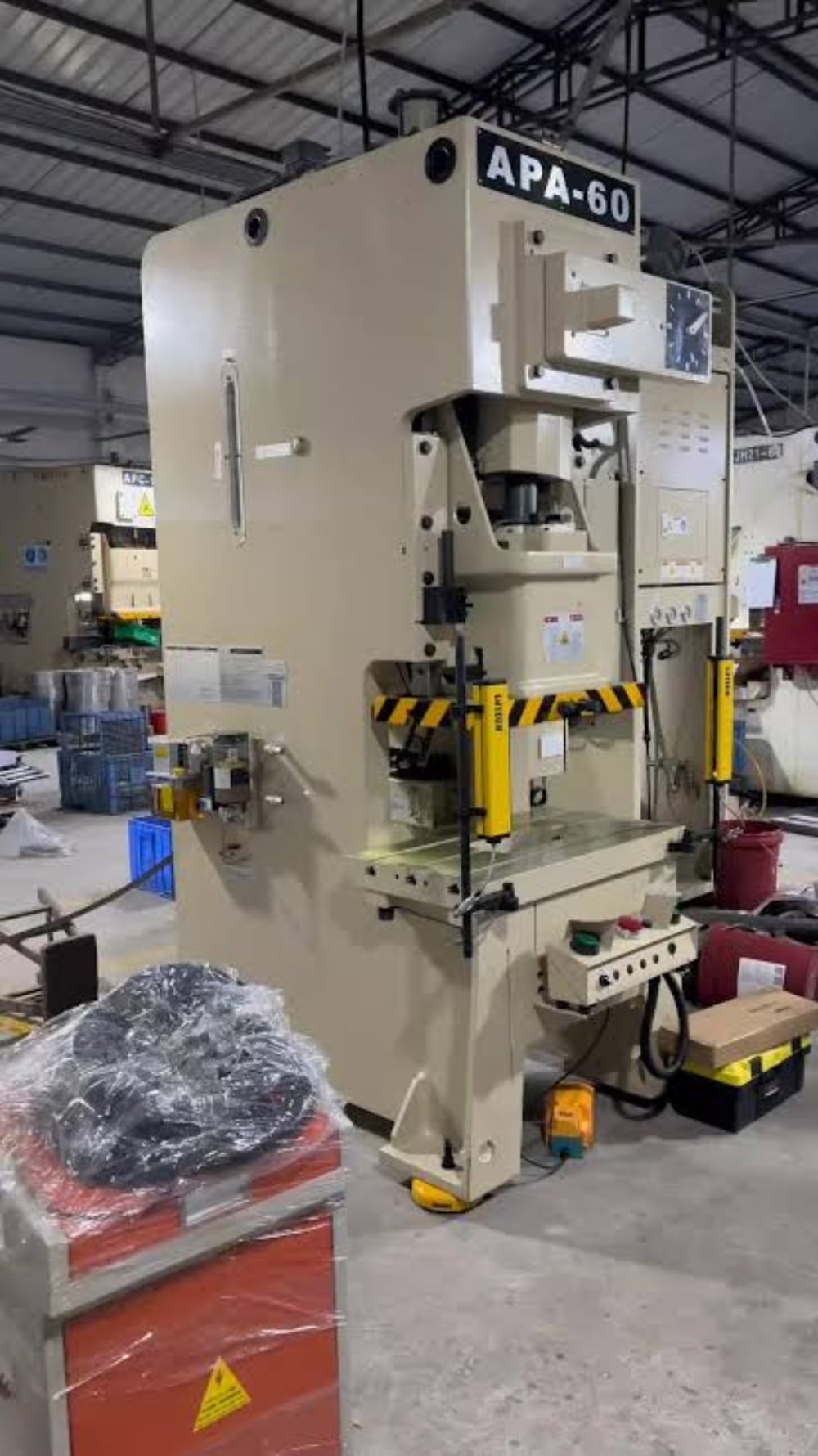
The used machinery market is a popular destination for fabricators looking to expand their capacity without a massive capital outlay. A used punching machine can often be acquired for 30% to 60% of the cost of a new one. For a small shop or a business that only needs punching capabilities for occasional projects, this lower entry cost is the primary driver of value. It allows for a faster return on investment (ROI) if the machine is utilized effectively for specific, less-demanding tasks.
However, buying used comes with inherent risks. The history of the machine is often a mystery. Has it been maintained according to the manufacturer’s schedule? Was it pushed beyond its rated capacity? Mechanical wear in the turret, the ram, or the drive system can lead to inaccuracies that are difficult and expensive to fix. Furthermore, the electronics on older machines are a significant point of failure. Finding replacement circuit boards or specialized sensors for a machine that is 15 years old can be a nightmare, sometimes leading to weeks of downtime while parts are sourced from overseas or salvaged from other scrapped machines.
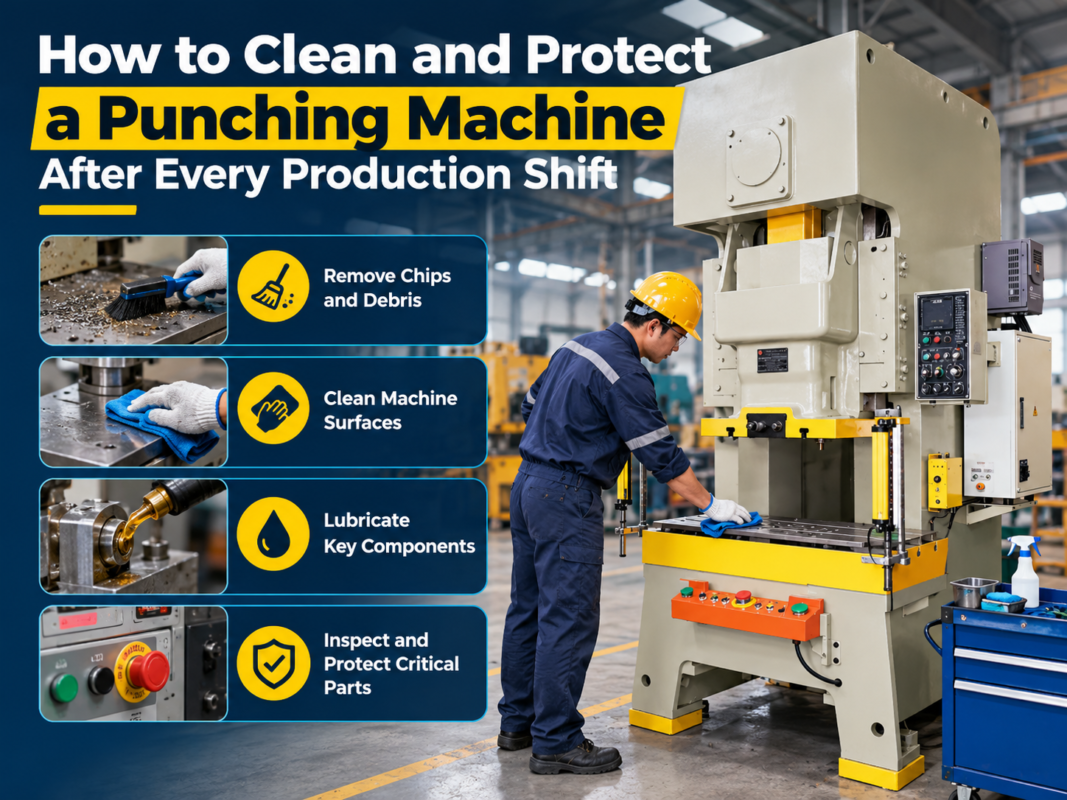
Another consideration is the software. Older punching machines may rely on outdated operating systems or proprietary software that is no longer supported. This makes it difficult to integrate the machine into a modern digital workflow. Fabricators may find themselves manually entering coordinates or using obsolete floppy disks to transfer files, which significantly slows down production and increases the likelihood of human error. If you choose the used route, it is essential to perform a thorough inspection, ideally with a qualified technician, to check for frame cracks, hydraulic leaks, and turret alignment.
Despite these risks, a well-maintained used machine from a reputable brand can still offer years of service. Some fabricators prefer older mechanical machines for heavy-duty, simple punching tasks because of their robust construction. If the goal is to punch basic holes in thick plate where high-speed nesting and complex shapes aren’t required, a used machine might indeed offer better value. The key is to ensure that the price reflects the remaining lifespan and the potential for increased maintenance costs.
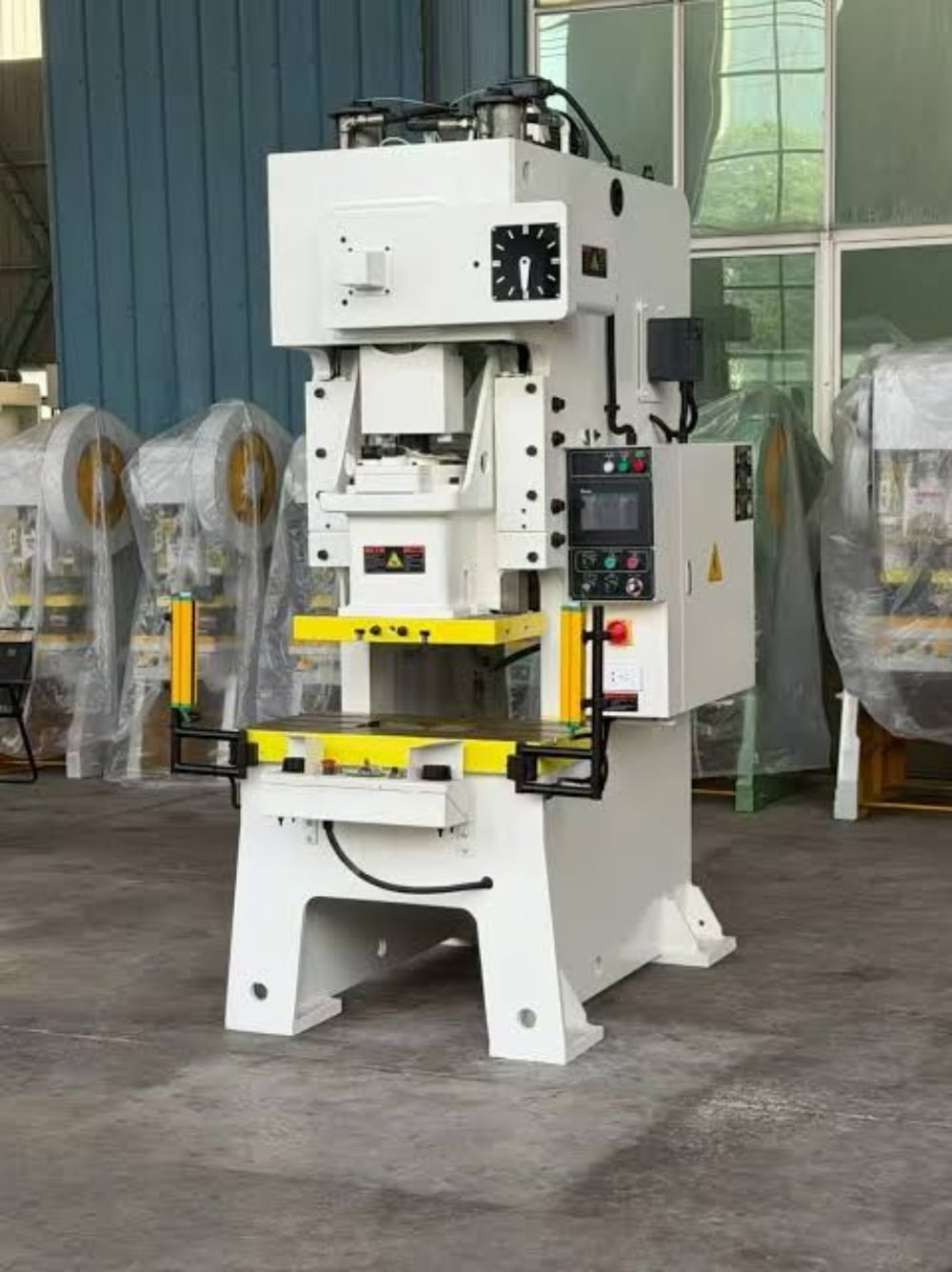
Specification Comparison Table
To better understand the trade-offs, let’s compare the typical specifications of a new HARSLE CNC punching machine versus a typical 10-year-old used machine found on the secondary market.
| Feature | New HARSLE CNC Punching Machine | Typical Used Punching Machine (10+ Years) |
|---|---|---|
| Drive System | High-speed Servo-Electric or Advanced Hydraulic | Traditional Hydraulic or Mechanical Flywheel |
| Positioning Accuracy | +/- 0.1mm or better | +/- 0.3mm to 0.5mm (due to wear) |
| Energy Consumption | Low (Power on demand) | High (Continuous pump operation) |
| Software Integration | Industry 4.0, Cloud-ready, Modern CAD/CAM | Legacy software, limited file compatibility |
| Tooling Options | Multi-tool, Tapping, Forming, Wheel tools | Standard punching, limited specialized tools |
| Warranty | 1-2 Years Comprehensive | None or 30-day “start-up” guarantee |
| Safety Features | Full CE/OSHA compliance, Light Curtains | Basic guarding, may require retrofitting |
| Maintenance | Predictable, low for first 3-5 years | Unpredictable, potential for major failure |
Best-fit Applications: Choosing Based on Your Workload
The question of New Vs Used Punching Machine: Which Option Offers Better Value Fabricators? is often answered by the type of work you do. For high-precision industries like aerospace, medical devices, or high-end electronics, a new machine is almost always the better value. These sectors demand tight tolerances and perfect repeatability, which older machines struggle to provide. The ability to produce complex parts with minimal setup time allows these shops to take on high-margin work that justifies the cost of new equipment.
On the other hand, general job shops that handle a wide variety of low-precision tasks might find a used machine more than adequate. If your primary work involves punching holes in structural steel, base plates, or simple brackets where a millimeter of deviation isn’t a deal-breaker, the lower cost of a used machine allows you to keep your quotes competitive. In these scenarios, the machine doesn’t need to run 24/7; it just needs to be available when a specific job comes in.
Production volume is another critical factor. If your punching machine is the heart of your production line and needs to run multiple shifts, the reliability of a new machine is paramount. The cost of a single day of downtime in a high-volume environment can exceed the monthly lease payment of a brand-new machine. However, if the punching machine is a secondary tool used only a few hours a week, the capital tied up in a new machine might be better spent elsewhere in the business, making a used machine the smarter financial move.
Consider also the complexity of the parts. Modern punching machines can perform forming, louvering, and even tapping. If your designs require these features, a new machine with a large turret capacity and specialized tool stations will save you from having to perform secondary operations on other machines. This “one-hit” manufacturing approach significantly reduces labor costs and lead times, providing a level of value that a basic used machine simply cannot match.
Cost and Maintenance Comparison: The Total Cost of Ownership
When calculating the value of New Vs Used Punching Machine: Which Option Offers Better Value Fabricators?, you must look at the Total Cost of Ownership (TCO). The TCO includes the purchase price, installation, training, electricity, tooling, maintenance, and the eventual resale value. While a used machine has a lower purchase price, its TCO can quickly escalate. Maintenance on an older machine is not just about the cost of parts; it’s about the cost of lost production and the difficulty of finding technicians who are familiar with legacy systems.
New machines from HARSLE are designed for ease of maintenance. They often feature self-diagnostic software that alerts operators to potential issues before they cause a breakdown. Parts are readily available and can be shipped overnight. Furthermore, the efficiency of a new servo-electric machine can reduce electricity bills by up to 50% compared to an old hydraulic unit. Over five years, this can amount to tens of thousands of dollars in savings, directly impacting the bottom line.
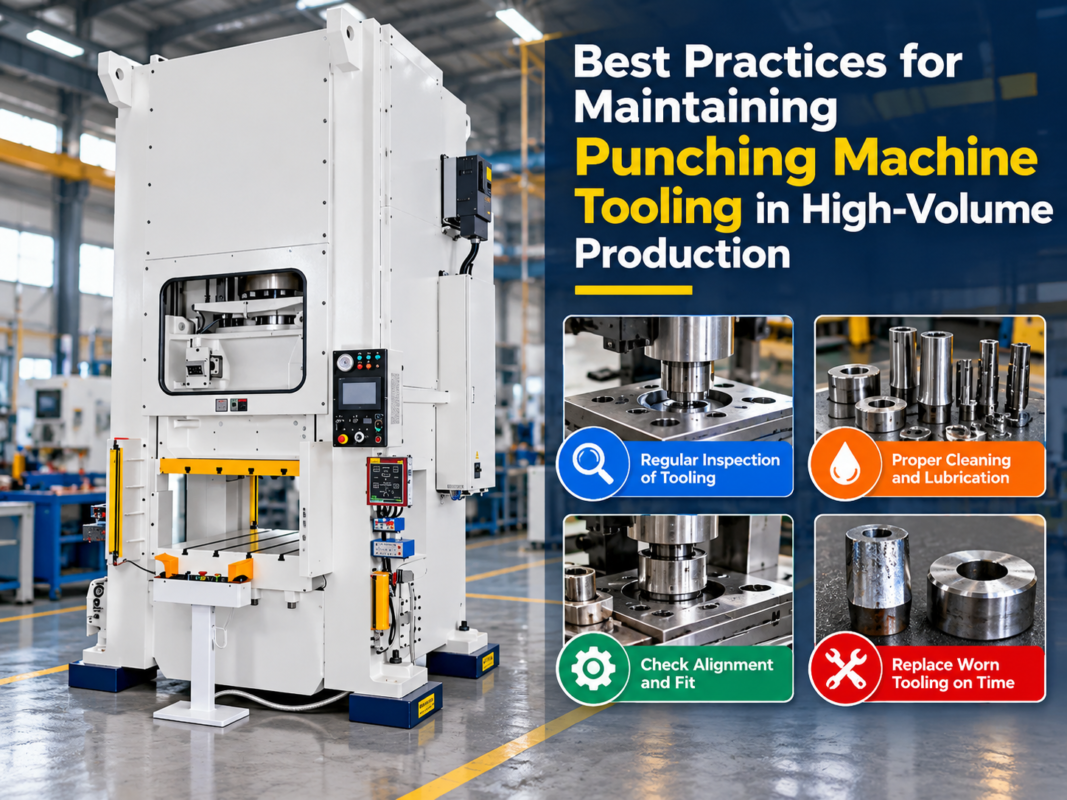
Tooling costs are another factor. New machines often use standard Long-style or Thick Turret tooling, which is widely available and interchangeable. Older machines might use proprietary or obsolete tooling systems that are more expensive and harder to find. Additionally, the precision of a new machine extends the life of your tools. When a machine is perfectly aligned, the punch and die experience less lateral wear, meaning you spend less on sharpening and replacement tools over the life of the machine.
Finally, consider the resale value. A new machine purchased today will still have significant value in five to seven years. A machine that is already ten years old when you buy it may have little to no resale value after another five years of use, potentially even becoming a liability that costs money to scrap or remove. When you factor in the tax benefits of depreciating a new asset, the financial gap between new and used often narrows significantly.
Recommendation: Making the Right Choice for Your Shop
So, which option offers better value? For most growing fabrication businesses, a new punching machine provides the best long-term value. The combination of high uptime, energy efficiency, modern software integration, and manufacturer support creates a foundation for growth and profitability. It allows you to compete for high-precision contracts and ensures that your production schedule isn’t held hostage by aging hardware. If you can secure financing with favorable rates, the monthly cost of a new machine is often offset by the increased productivity and reduced operating expenses.
However, a used punching machine remains a viable and valuable option for specific circumstances. If you are a startup with limited capital, or if you need a machine for low-volume, non-critical work, a used machine can provide the necessary capabilities without the heavy debt load. The key to finding value in the used market is due diligence. Never buy a used machine sight-unseen. Always verify the availability of spare parts and ensure that the machine’s accuracy still meets your minimum requirements.
Before making a decision, perform a simple ROI calculation. Estimate your monthly volume, the hourly rate you charge for punching, and your expected operating costs (including maintenance and power). Compare these figures for both a new HARSLE machine and a potential used candidate. Often, you will find that the “expensive” new machine actually generates more profit per month than the “cheap” used one. At HARSLE, we recommend analyzing your three-year growth plan; if you expect to increase your precision or volume, investing in new technology today is the best way to future-proof your business.
Frequently Asked Questions (FAQ)
1. How long does a new CNC punching machine typically last?
A high-quality new CNC punching machine, like those from HARSLE, can last 15 to 20 years or more with proper maintenance. The mechanical frame is often built to last decades, while the electronic components and software may need updates or minor upgrades every 7-10 years to stay current with technology.
2. Can I upgrade the software on a used punching machine?
It depends on the age and brand. Some machines can be retrofitted with new controllers and software, but this is often a complex and expensive process that can cost $20,000 to $50,000. In many cases, it is more cost-effective to buy a newer machine than to perform a full electronic retrofit on an old one.
3. What are the most common maintenance issues with used machines?
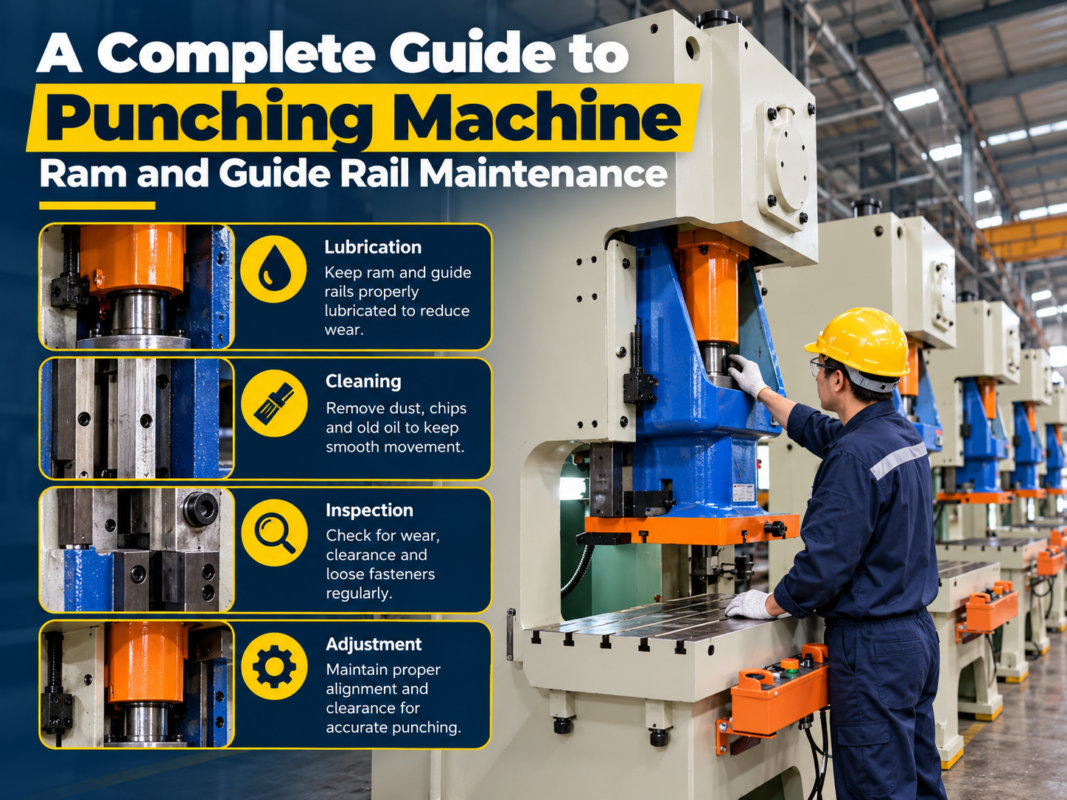
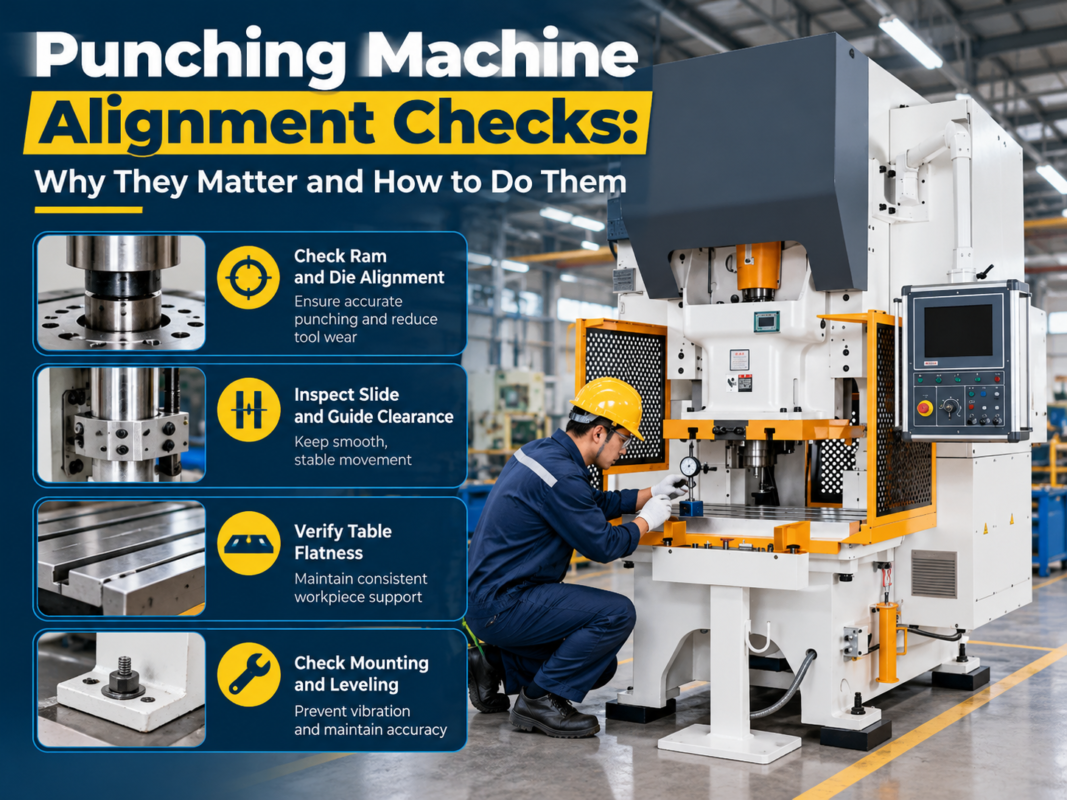
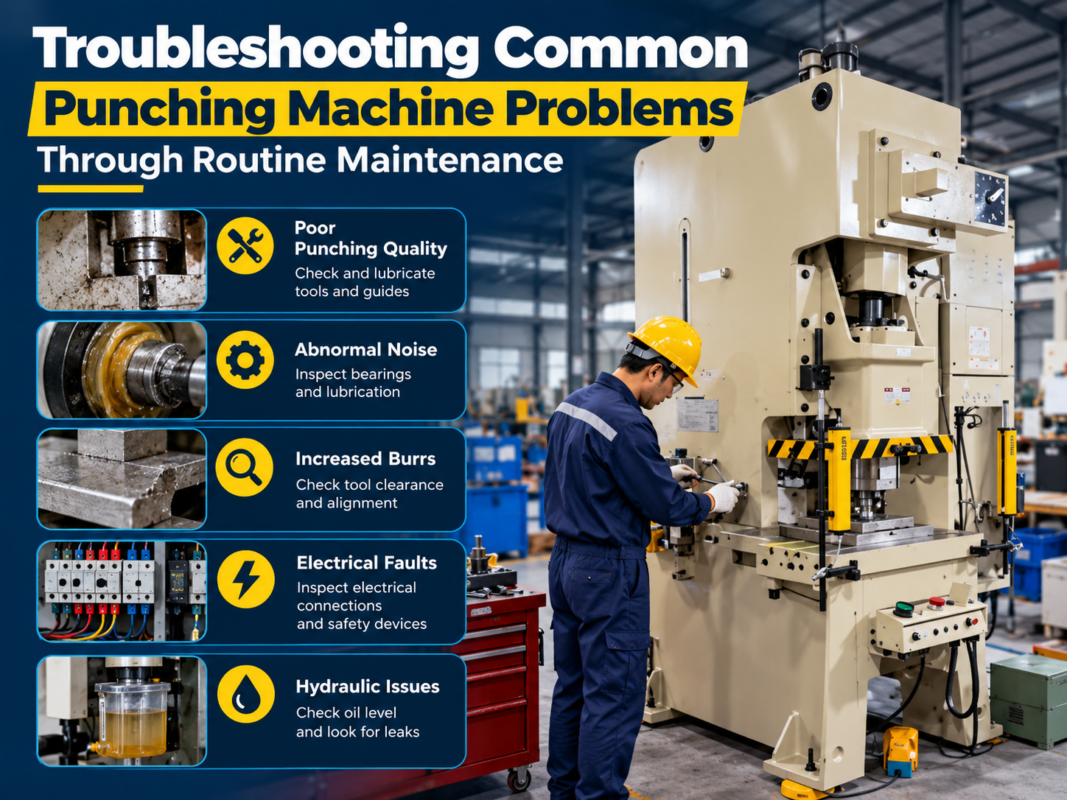
Common issues include hydraulic leaks, worn turret bushings, misaligned rams, and failing electronic boards. In mechanical machines, the clutch and brake systems are frequent wear points. Regular lubrication and alignment checks are critical to preventing these issues from becoming catastrophic failures.
4. Is it hard to find operators for older punching machines?
Yes, it can be. Modern operators are trained on touch-screen interfaces and graphical software. Older machines that require manual G-code entry or have complex, non-intuitive controls can be intimidating for newer workers, leading to longer training times and a higher risk of operator error.
5. Does HARSLE offer support for used machines?
HARSLE primarily provides comprehensive support, training, and warranties for our new machinery. While we can sometimes assist with parts for older HARSLE models, our focus is on ensuring that users of our latest technology have everything they need to succeed in a modern manufacturing environment.