
How to Fix Punching Machine Slug Pulling and Material Jamming Issues: A Comprehensive Guide


Introduction
In the high-precision world of metal fabrication, the efficiency of your production line depends heavily on the reliability of your punching machinery. For operators and shop managers, few things are as frustrating as encountering persistent slug pulling and material jamming. These issues not only compromise the quality of the finished parts but also lead to significant downtime, increased tool wear, and potential damage to the machine itself. At HARSLE, we understand that maintaining optimal throughput is critical to your bottom line.
Slug pulling occurs when the scrap metal (the slug) is pulled back up through the die cavity during the punch retraction stroke. This often results in the slug being deposited on the surface of the sheet metal, leading to surface marring, tool damage, or even catastrophic machine failure if the slug is struck again. Similarly, material jamming occurs when the strip or sheet fails to advance correctly, often due to friction, improper clearance, or debris accumulation.
This comprehensive guide is designed to help you identify the root causes of these common operational hurdles. By understanding the mechanical interactions between your punch, die, and material, you can implement proactive maintenance strategies to ensure your HARSLE punching equipment operates at peak performance. Whether you are running a high-speed turret punch or a standard hydraulic punching machine, the principles of troubleshooting remain consistent.
Throughout this article, we will delve into the technical nuances of tool geometry, clearance settings, and lubrication strategies. We aim to provide you with actionable insights that go beyond basic troubleshooting, offering a deep dive into the engineering aspects of metal stamping. By the end of this guide, you will be equipped with the knowledge to minimize downtime and maximize the lifespan of your tooling.
Key Considerations for Punching Stability
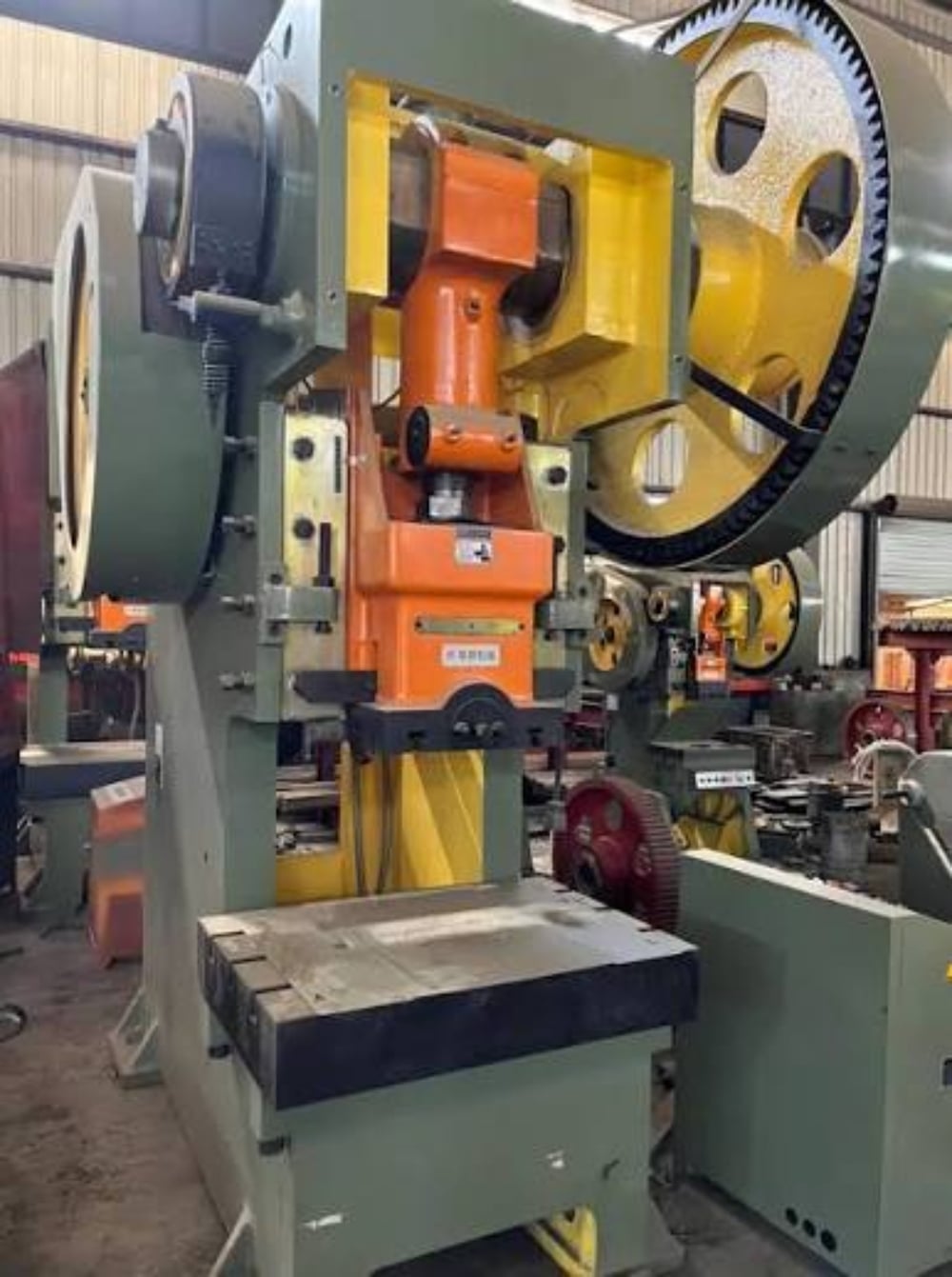
The first step to fix punching machine slug pulling and material jamming issues is to evaluate the environment and the setup of your machine. Often, these problems are not the result of a single component failure but rather a combination of factors including material thickness, punch speed, and the condition of the stripper plate. A stable punching process requires a holistic approach to machine management.
Material properties play a significant role in how slugs behave. High-tensile materials or materials with high spring-back characteristics are more prone to slug pulling because they exert greater pressure on the punch body during retraction. When the punch retracts, the material grips the punch, pulling the slug upward. To mitigate this, operators must ensure that the material is properly clamped and that the stripper force is sufficient to hold the sheet flat against the die face.
The condition of the stripper plate is another critical factor. A worn or improperly adjusted stripper plate will fail to provide the necessary downward force to keep the material stationary during the punch withdrawal. If the stripper plate is not parallel to the die surface, the material may shift, leading to jamming or uneven hole quality. Regular inspection of the stripper springs or hydraulic pressure settings is mandatory for consistent results.
Furthermore, the lubrication strategy must be scrutinized. While lubrication is necessary to reduce friction, excessive or incorrect types of lubricant can create a vacuum effect between the slug and the die. This vacuum can cause the slug to adhere to the punch face. Using the right viscosity of oil or a specialized punching lubricant can significantly reduce the incidence of slug pulling by allowing air to enter the die cavity during the retraction stroke.
Finally, consider the machine’s cycle speed. In some cases, running a machine at its maximum rated speed can exacerbate slug pulling if the tooling is not designed for high-speed operation. If you notice a pattern of jamming at higher speeds, it may be necessary to adjust the acceleration and deceleration ramps of the ram, or to upgrade to specialized high-speed tooling that features improved slug management geometry.
Technical Details: Solving Slug Pulling and Jamming
To effectively fix punching machine slug pulling and material jamming issues, one must look at the technical geometry of the punch and die. The most common technical solution involves the use of ‘slug-retention’ or ‘slug-control’ features on the punch face. These features are designed to slightly deform the slug, creating a mechanical interference that keeps it inside the die cavity rather than allowing it to be pulled back up.
One popular method is the use of a ‘slug-breaker’ or ‘slug-pin’. These are small, hardened inserts placed in the punch face that create a slight indentation in the slug. This indentation increases the friction between the slug and the die walls, ensuring that the slug remains in the die. For HARSLE punching machines, we recommend consulting your tooling supplier to see if your current punch sets can be retrofitted with these features.
Another technical aspect is the die clearance. If the clearance between the punch and the die is too tight, the slug will be compressed excessively, causing it to expand and grip the die walls too tightly, or conversely, to expand and grip the punch. If the clearance is too loose, the slug may tilt or turn, leading to jamming. Achieving the ‘sweet spot’ for clearance—typically 5% to 10% of the material thickness per side—is vital for clean shearing and slug ejection.
The die entry radius also plays a role. A sharp die edge is necessary for clean cutting, but if the edge is too sharp or chipped, it can create burrs that act as hooks, pulling the slug upward. Regular sharpening of the die and punch is essential. When sharpening, ensure that the face of the punch is ground flat and that the die is ground square. Any deviation in the grinding process can lead to uneven force distribution, which is a primary cause of material jamming.
Vacuum relief is another technical strategy. By drilling small air-relief holes in the punch or the die, you can prevent the formation of a vacuum that pulls the slug upward. This is particularly effective in large-diameter punching applications where the surface area of the slug is significant. This modification should be performed by a professional toolmaker to ensure that the structural integrity of the punch is not compromised.
Selection Advice for Punching Equipment
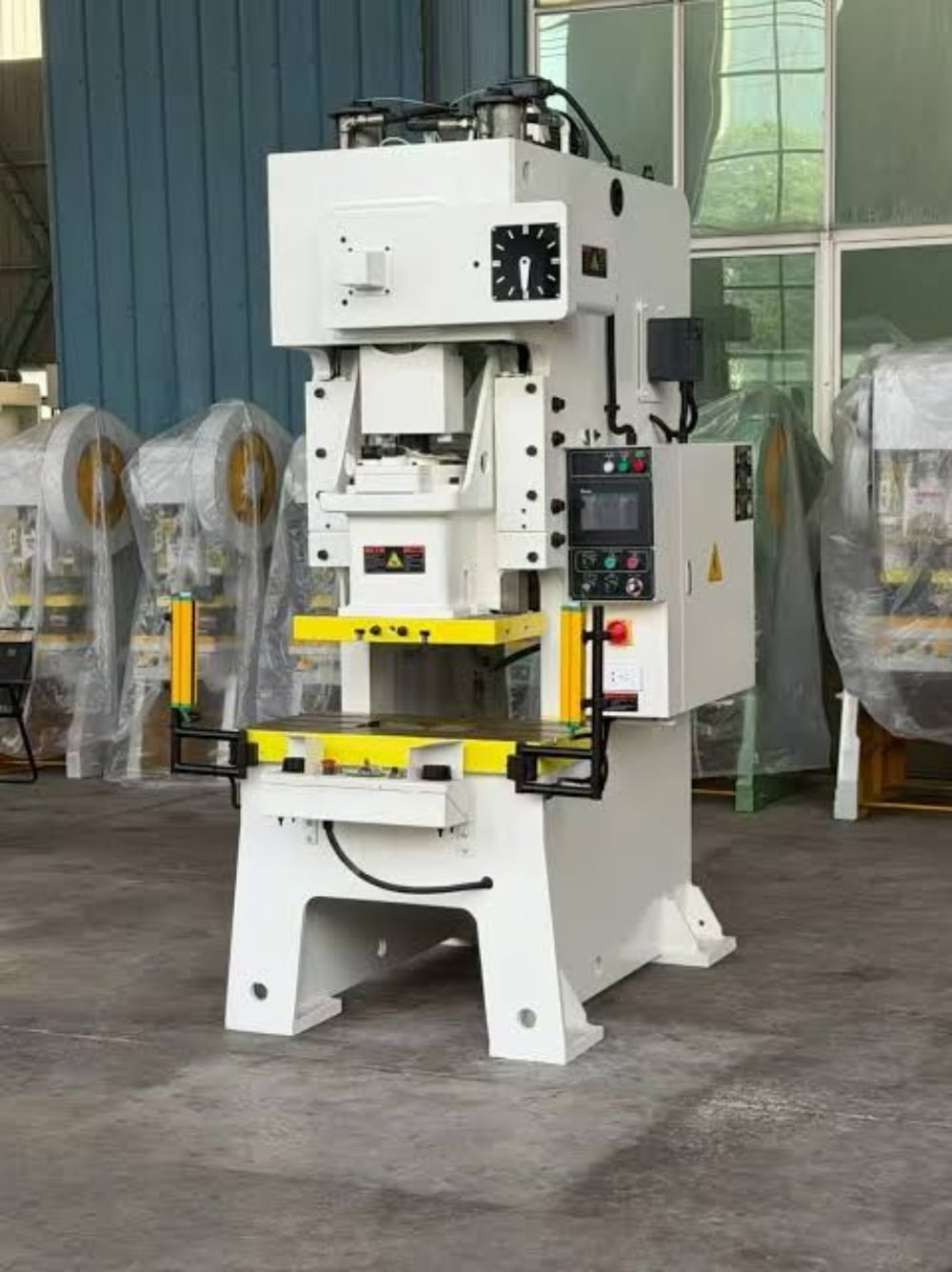
When selecting or upgrading your punching machine, it is important to consider features that minimize the risk of slug pulling and jamming. HARSLE punching machines are engineered with advanced features that address these issues at the design level. When shopping for new equipment, look for machines that offer programmable stripper pressure and advanced tool management systems.
Consider the type of tool changer and the rigidity of the turret. A turret that lacks precision alignment will cause the punch and die to be slightly misaligned, which is a guaranteed recipe for jamming. HARSLE machines feature high-precision turret indexing that ensures perfect punch-to-die alignment, reducing the stress on the tooling and preventing the uneven wear that leads to slug issues.
Evaluate the machine’s software capabilities. Modern CNC punching machines allow for ‘soft-punching’ or ‘ram-dwell’ features. By controlling the speed of the ram as it enters and exits the material, you can reduce the impact forces that cause slug pulling. A machine that allows you to customize the ram profile for different material types and thicknesses will provide a significant advantage in preventing jamming.
Look for machines that support ‘quick-change’ tooling systems. These systems are designed to ensure that the punch and die are seated correctly every time, eliminating human error during setup. If your operators are struggling with frequent jams, it may be time to move away from legacy tooling systems and invest in modern, self-aligning tooling that is less prone to the mechanical issues that cause slug pulling.
Finally, consider the support and training provided by the manufacturer. A machine is only as good as the operator’s ability to maintain it. HARSLE provides comprehensive training programs that cover not just the operation of the machine, but also the nuances of tooling maintenance and troubleshooting. Investing in your team’s knowledge is the most effective way to ensure long-term productivity and minimize the occurrence of common punching issues.
FAQ: Troubleshooting Punching Issues
- Q: Why does my slug keep pulling up even after I sharpened the tools?
A: Sharpening is only one part of the solution. Check your die clearance; if it is too tight, the slug will expand and grip the punch. Also, ensure your stripper plate is exerting enough downward force. - Q: How can I tell if my die clearance is incorrect?
A: Inspect the slug and the hole. If the slug has a large burr or the hole edge is ragged, your clearance is likely incorrect. Use a feeler gauge to verify the gap between the punch and die. - Q: Does the type of lubricant affect slug pulling?
A: Yes. Using a lubricant that is too thick can create a vacuum effect. Try a thinner, high-pressure punching oil to see if it improves slug ejection. - Q: What is the most common cause of material jamming?
A: Misalignment between the punch and die, or a build-up of debris in the die cavity. Ensure the die cavity is clear of scrap before starting a new cycle. - Q: Can HARSLE help with custom tooling solutions?
A: Absolutely. Our engineering team can assist in designing custom punch geometries that are specifically optimized to prevent slug pulling in your unique application.
Conclusion
To fix punching machine slug pulling and material jamming issues, you must combine mechanical precision with proactive maintenance. By focusing on the critical factors of die clearance, stripper plate performance, and proper lubrication, you can significantly reduce the frequency of these disruptions. Remember that the goal is to create a stable environment where the punch can cleanly shear the material and the slug can be ejected without interference.
At HARSLE, we are committed to providing the metal fabrication industry with the most reliable and efficient machinery available. We understand that your success is built on the quality of your parts and the efficiency of your production line. By implementing the strategies outlined in this guide, you can ensure that your punching operations remain smooth, productive, and profitable.
If you continue to experience issues despite following these recommendations, do not hesitate to reach out to our technical support team. We are here to help you troubleshoot your specific setup and provide the guidance needed to get your production back on track. With the right tools, the right knowledge, and the right partner, you can overcome any challenge in the metal fabrication process.












