Portable Punching Machine vs Stationary Punching Machine: Pros and Cons for Field Work

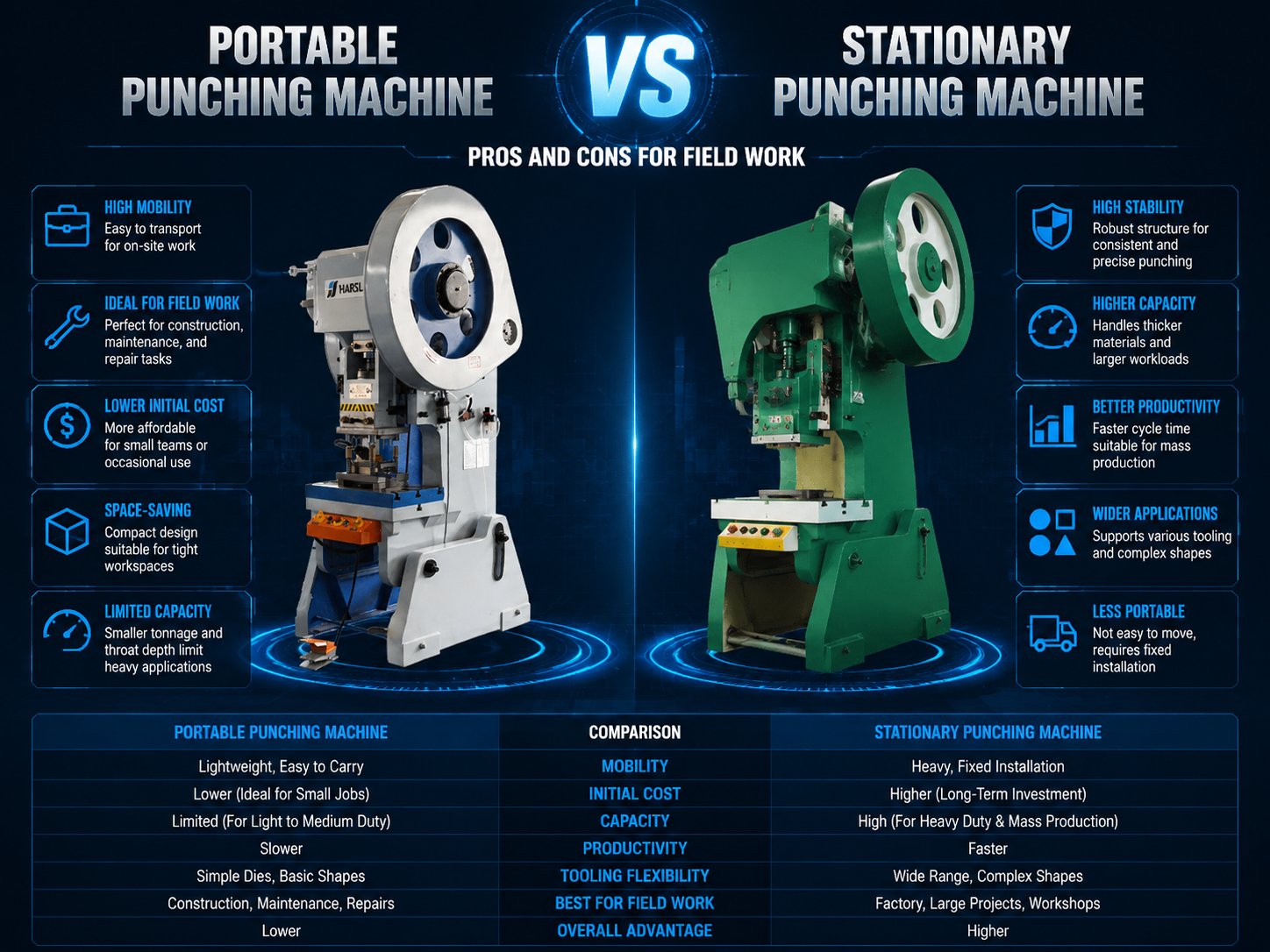
Comparison Summary: Navigating the Choice for On-Site Fabrication
In the rapidly evolving landscape of metal fabrication, the debate between utilizing a portable punching machine versus a stationary punching machine often centers on the specific requirements of the project site. Field work presents unique challenges—limited power access, uneven terrain, and the need for rapid mobility—that differ significantly from the controlled environment of a factory floor. Choosing the right equipment is not merely a matter of preference but a strategic decision that impacts labor costs, project timelines, and the structural integrity of the final product.
Portable punching machines are designed for agility. They allow operators to bring the tool to the workpiece, which is essential when dealing with large, immovable structures like bridge girders, telecommunication towers, or heavy machinery frames. Conversely, stationary punching machines, often referred to as ironworkers or CNC punch presses, offer unparalleled power, precision, and multi-functionality. While they require the workpiece to be brought to the machine, their output capacity is significantly higher. This comparison aims to dissect the nuances of both machine types to help contractors and engineers make an informed choice for their field operations.
The fundamental difference lies in the trade-off between ‘mobility’ and ‘mass.’ A portable unit prioritizes a lightweight hydraulic system and ergonomic handling, whereas a stationary unit prioritizes a rigid frame and high-tonnage capacity. For field work, the ‘best’ machine is often defined by the scale of the material being processed and the frequency of hole-punching required. If you are punching hundreds of holes in a fixed location, the stationary machine wins. If you are climbing a scaffold to punch holes in an existing structure, the portable machine is the only viable option.
Ultimately, HARSLE recognizes that modern industrial projects often require a hybrid approach. Understanding the technical limitations and advantages of each system ensures that your team remains productive regardless of the environmental constraints. In the following sections, we will explore the mechanical specifications, operational benefits, and long-term cost implications of both portable and stationary punching solutions.
Portable Punching Machine Overview: The Power of Mobility
Portable punching machines, particularly hydraulic variants, have revolutionized on-site metalworking. These tools are engineered to be compact yet powerful enough to penetrate thick steel plates, angles, and channels. Most modern portable punchers consist of a C-frame head connected to a separate hydraulic pump or an integrated motor-pump unit. Their primary advantage is the elimination of the need to transport heavy steel beams to a central workshop, which drastically reduces logistics costs and the risk of material damage during transit.
One of the standout features of portable punching machines is their ease of setup. In a field environment, time is money. A portable unit can be deployed in minutes, requiring only a standard power outlet or, in some cases, a high-capacity battery pack. This makes them indispensable for emergency repairs and retrofitting projects. Furthermore, the ergonomic design of these machines allows for horizontal, vertical, and even overhead punching, providing a level of versatility that stationary machines simply cannot match. The ability to align the punch precisely over a marked point on a fixed structure ensures that field modifications are as accurate as shop-fabricated components.
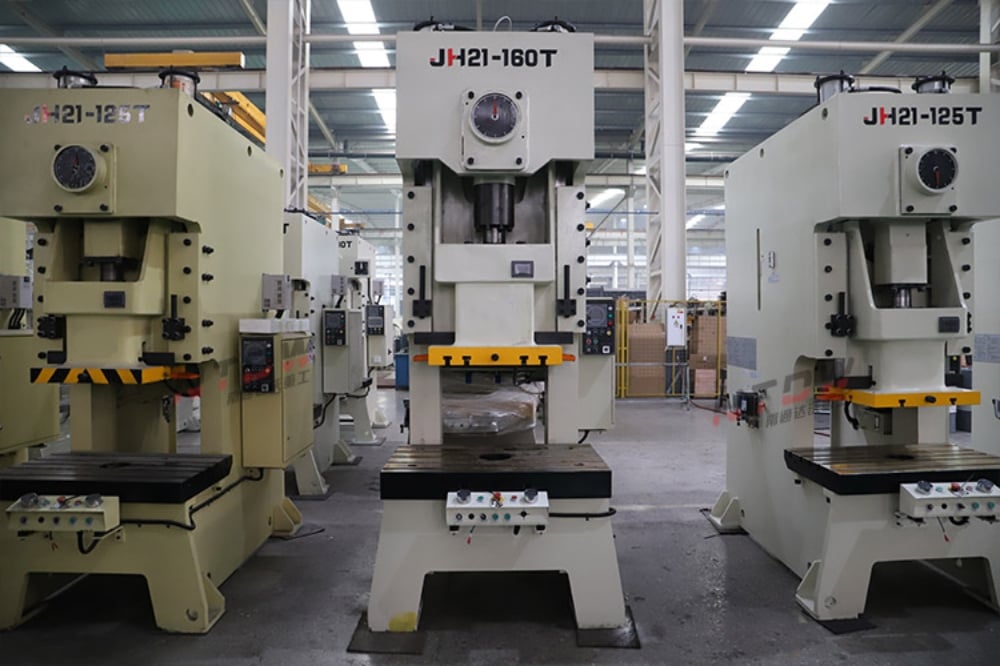
However, portability comes with inherent limitations. The throat depth—the distance from the center of the punch to the back of the frame—is typically much smaller than that of stationary machines. This limits the machine’s ability to punch holes far from the edge of a plate. Additionally, while portable units are powerful, they generally top out at around 30 to 50 tons of pressure, which may be insufficient for extremely thick or high-tensile alloys. The cycle time is also slower compared to stationary units, as the hydraulic reset and manual positioning take more time per hole.
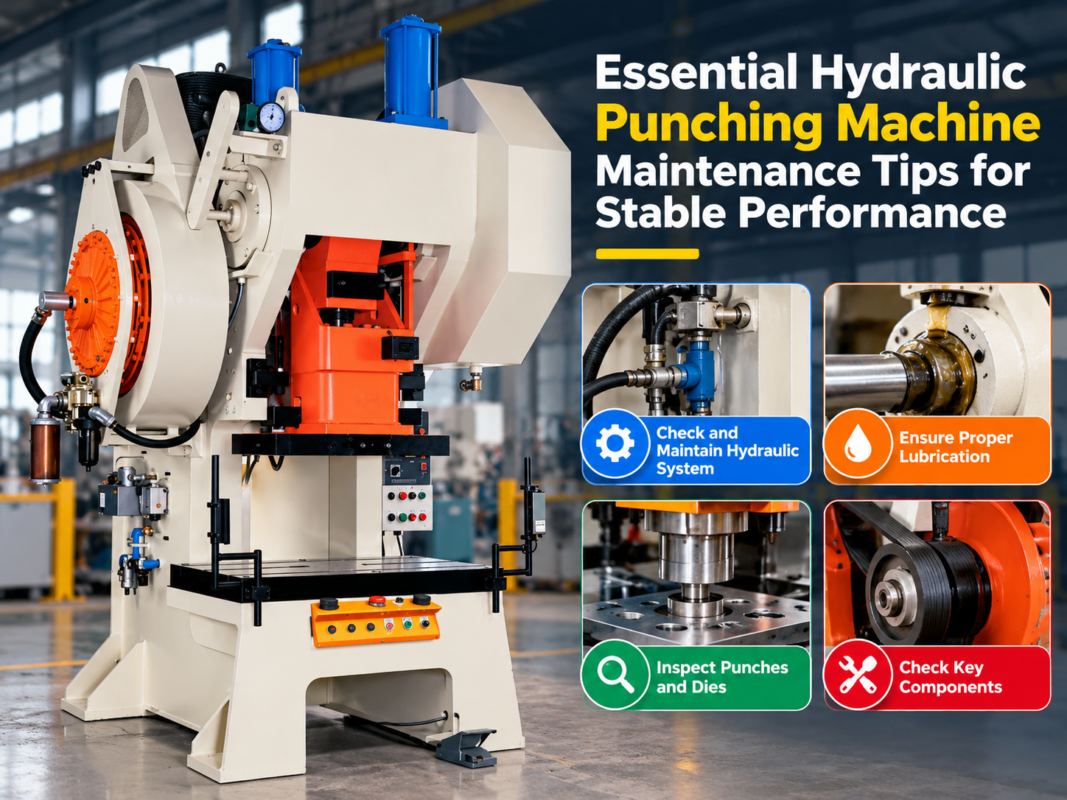
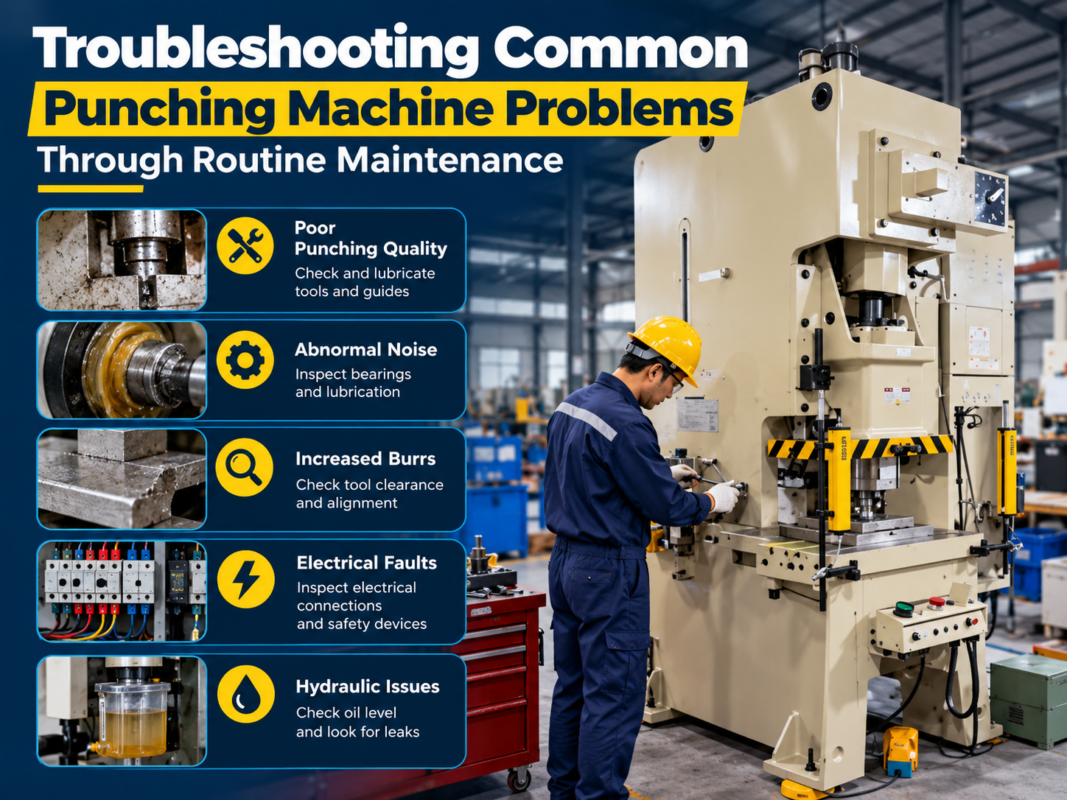
Maintenance for portable units is relatively straightforward but critical. Because they are used in dusty, outdoor environments, hydraulic seals and electrical components are subject to higher wear. Regular inspection of hydraulic hoses for leaks and ensuring the punch and die are sharp is essential to prevent burrs and mechanical strain. Despite these factors, for contractors specializing in infrastructure, the portable punching machine remains a cornerstone of their tool kit, offering a balance of power and maneuverability that defines modern field efficiency.
Stationary Punching Machine Overview: The Benchmark of Precision and Power
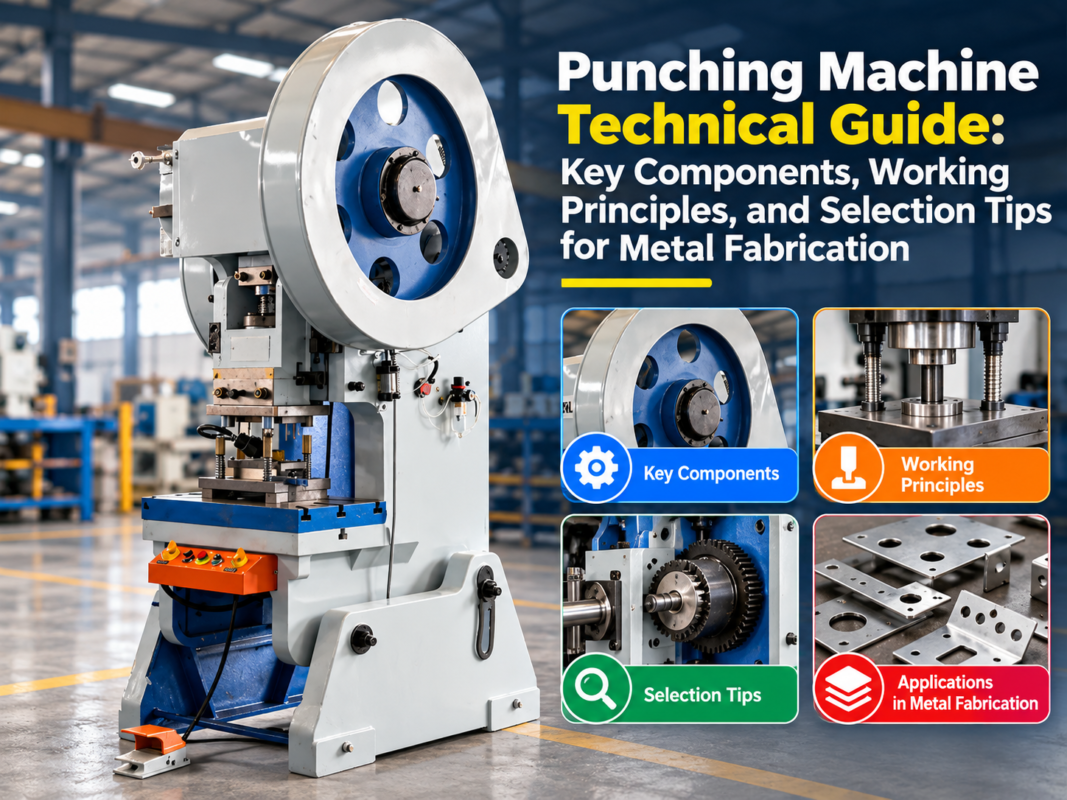
Stationary punching machines, including heavy-duty ironworkers and CNC turret punches, are the workhorses of the metal fabrication industry. These machines are built with massive, rigid frames designed to withstand the immense forces generated during high-speed punching operations. In a field work context, ‘stationary’ usually refers to a machine housed in a mobile workshop or a temporary on-site facility. These machines are capable of delivering 60 to 200 tons of force, allowing them to punch through thick plates and large structural sections with ease.
The primary benefit of a stationary machine is its multi-functionality. Most industrial ironworkers are equipped with multiple stations, allowing the operator to punch, shear, notch, and bend without changing tools. This ‘all-in-one’ capability is a massive advantage for large-scale field projects where a high volume of diverse components must be fabricated on-site. The precision of a stationary machine is also superior; with fixed gauges and backstops, repeatability is guaranteed, ensuring that every hole is placed exactly where it needs to be according to the engineering blueprints.
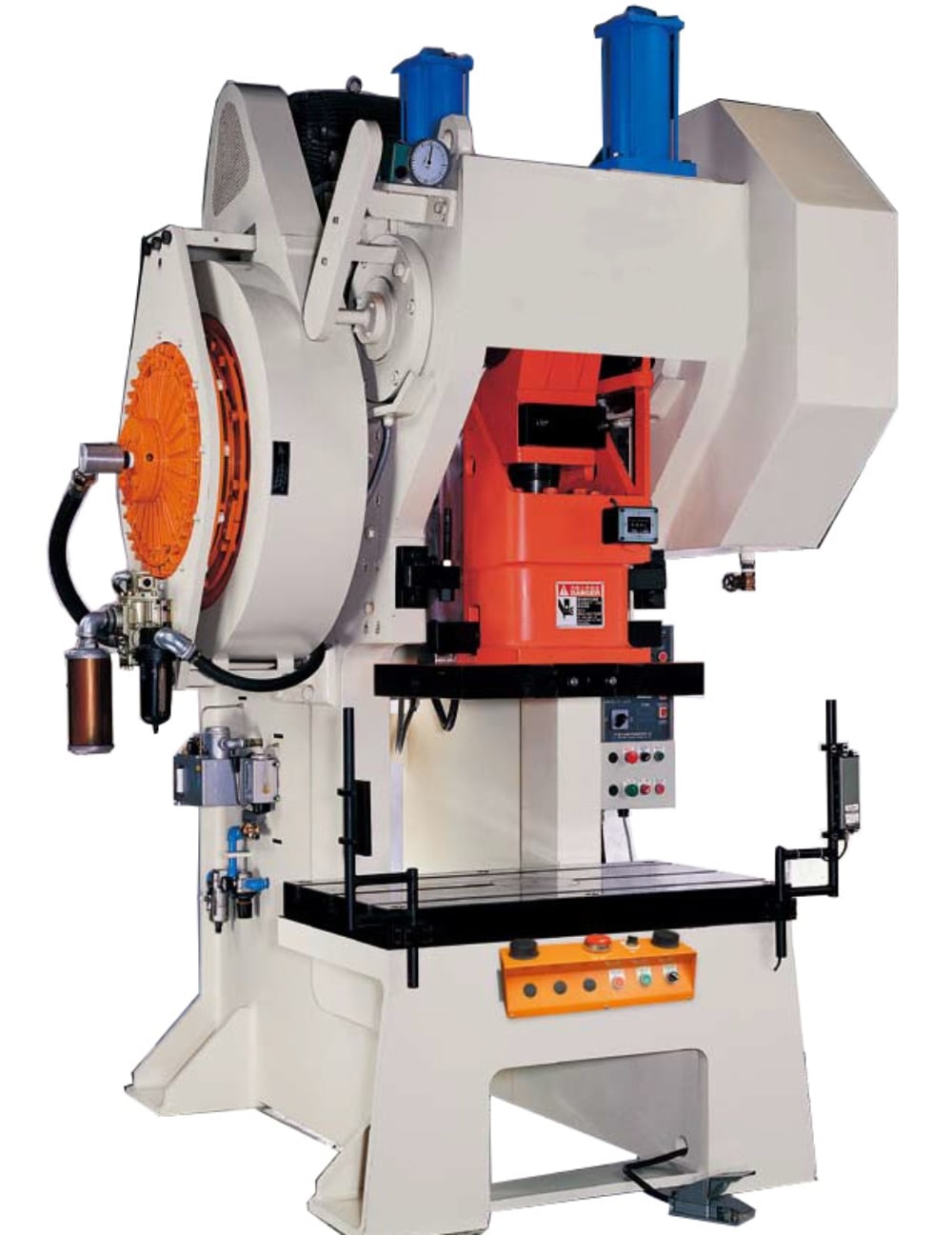
Speed is another critical factor. Stationary machines feature rapid cycle times and automated features that can process dozens of holes per minute. For projects involving repetitive tasks, such as manufacturing base plates or gussets for a large construction site, the stationary machine’s throughput far exceeds that of any portable alternative. Furthermore, the larger throat depth allows for processing wider plates, providing the flexibility to handle complex geometries that a portable puncher would struggle to reach.
The downside of stationary machines in the field is their lack of mobility and the requirement for a stable, level foundation. Moving a 2,000kg ironworker requires heavy lifting equipment and a dedicated transport vehicle. They also demand a robust power supply, often requiring three-phase electricity, which may necessitate the use of large industrial generators. While they offer the highest level of performance, the logistical overhead makes them better suited for long-term project sites rather than quick, multi-location repair jobs. For HARSLE customers, the stationary machine represents a long-term investment in high-volume production capacity.
Specification Comparison Table
To better understand the technical differences, the following table compares the typical specifications of a mid-range portable hydraulic puncher versus a standard stationary ironworker used in field-adjacent environments.
| Feature | Portable Punching Machine | Stationary Punching Machine (Ironworker) |
|---|---|---|
| Tonnage Capacity | 15 – 50 Tons | 60 – 200+ Tons |
| Weight | 15kg – 45kg (Head only) | 1,000kg – 5,000kg+ |
| Power Source | Single-phase / Battery / Small Pump | Three-phase Industrial Power |
| Throat Depth | 40mm – 110mm | 200mm – 600mm+ |
| Max Hole Diameter | Up to 25mm in 16mm steel | Up to 50mm+ in 25mm steel |
| Operation Speed | Manual positioning, ~5-10 sec/hole | Automated/Foot pedal, ~1-2 sec/hole |
| Versatility | Punching only (usually) | Punch, Shear, Notch, Bend |
| Mobility | High (Hand-carried or wheeled) | Low (Requires forklift/crane) |
Best-fit Applications: Choosing Based on Project Scope
Determining whether to use a portable or stationary punching machine depends heavily on the specific application. In structural steel erection, for instance, portable punching machines are the gold standard. When beams are already bolted or welded into place, and a new connection point is required, a portable hydraulic punch can be taken up a lift to perform the task in situ. This is common in bridge reinforcement, where adding stiffeners or new bracing requires holes to be punched in existing, weathered steel that cannot be moved to a shop.
In the telecommunications and utility sectors, portable units are favored for their ability to work in remote locations. Technicians often need to punch holes in galvanized steel angles for mounting brackets on towers. The lightweight nature of the portable puncher allows it to be hoisted easily, and its hydraulic power ensures a clean, burr-free hole that maintains the integrity of the protective coating better than drilling would. This application highlights the ‘field’ in field work, where the environment is unpredictable and space is at a premium.
Conversely, stationary machines excel in ‘base camp’ fabrication. On large-scale infrastructure projects like stadium construction or massive industrial complexes, a stationary ironworker is often set up in a temporary on-site workshop. Here, it processes thousands of standardized parts—such as connection plates, brackets, and shims—that are then distributed to various points on the site. The stationary machine acts as a mini-factory, providing the high-volume output needed to keep hundreds of workers supplied with components. Its ability to shear and notch also means it can prepare the raw stock before punching, streamlining the entire fabrication workflow.
Shipbuilding and heavy equipment repair also utilize both types. A stationary machine might be used to fabricate large hull sections in the dry dock area, while portable punchers are used inside the vessel’s cramped compartments for final fit-out and piping supports. The choice is often dictated by the ‘geometry of access.’ If the machine can fit and the power is available, the stationary unit is preferred for its speed. If the workspace is confined or the part is part of a larger assembly, the portable unit is the logical choice.
Cost and Maintenance Comparison: Long-term ROI
When evaluating the cost of these machines, one must look beyond the initial purchase price. Portable punching machines generally have a lower entry cost, making them attractive for smaller contractors or as supplemental tools for larger firms. However, the cost per hole can be higher due to the increased labor time required for manual positioning and the relatively shorter lifespan of the smaller hydraulic components when pushed to their limits. Maintenance costs for portable units often involve replacing hydraulic seals, hoses, and ensuring the electrical motor (if integrated) is protected from moisture and debris.
Stationary punching machines represent a significantly higher initial investment. Beyond the machine itself, there are costs associated with transportation, installation, and providing the necessary electrical infrastructure. However, the return on investment (ROI) is realized through high-speed production and reduced labor costs. One operator on a stationary ironworker can often out-produce three operators using portable units. Furthermore, stationary machines are built for longevity; with proper lubrication and blade/punch sharpening, these machines can last for decades in a demanding field environment.
Tooling costs are another factor. Stationary machines often use standard, heavy-duty punches and dies that are widely available and can be reground. Portable machines may use proprietary or specialized compact tooling which can be more expensive to replace. However, because portable machines are used for fewer cycles, the overall tooling spend might be lower over the course of a year. For a business, the decision should be based on the projected ‘hole count.’ If your project requires more than 10,000 holes per year, the efficiency of a stationary machine will quickly pay for its higher upfront cost.
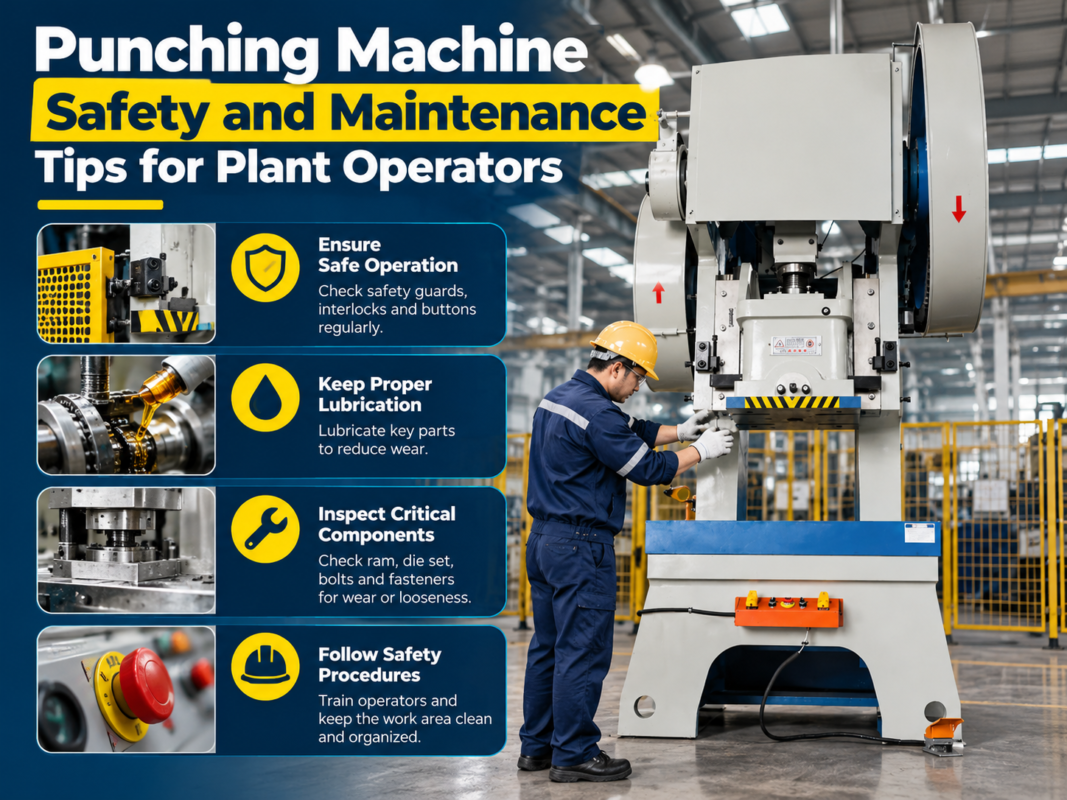
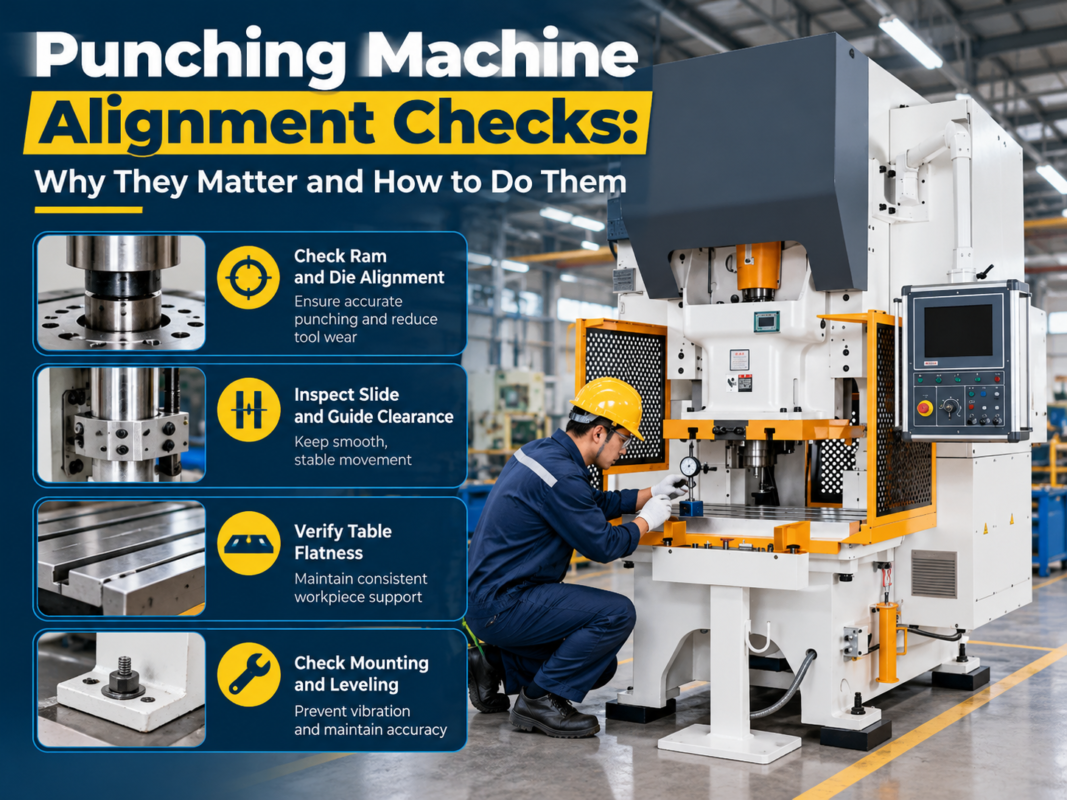
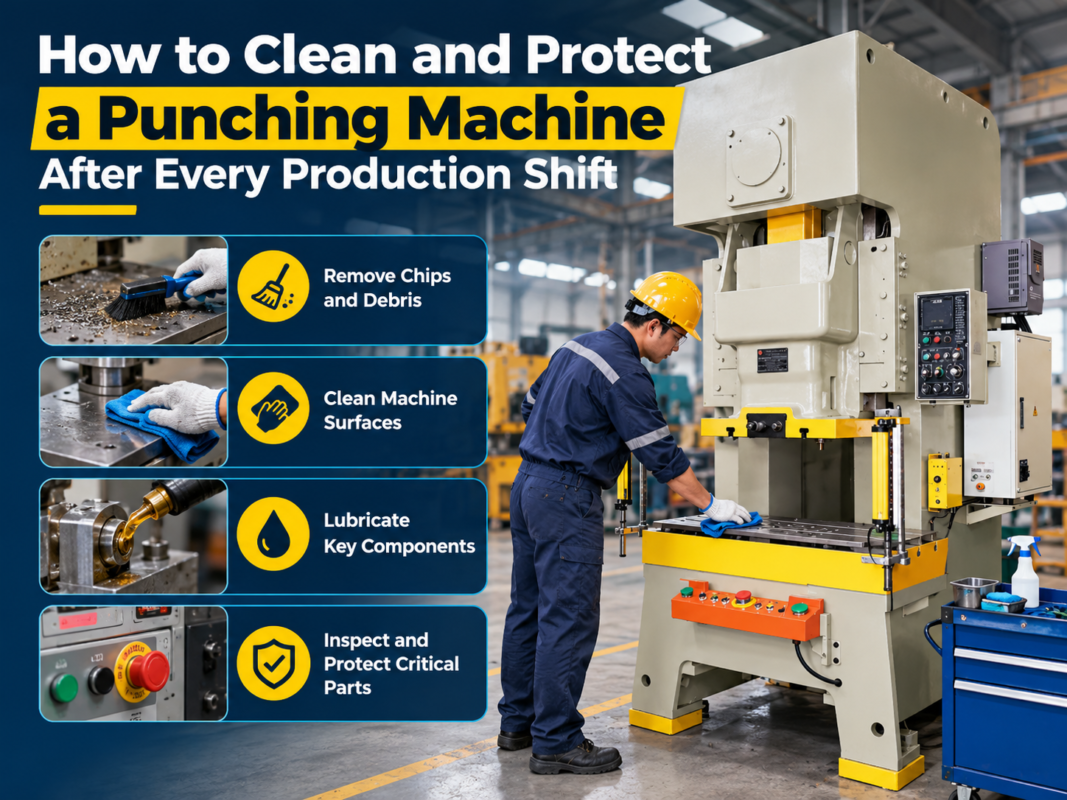
Maintenance for stationary machines is more involved, requiring regular oil changes in large hydraulic reservoirs, greasing of mechanical linkages, and alignment checks. In a field setting, this requires a dedicated maintenance schedule to prevent downtime. Portable machines, being simpler, can often be serviced by the operator. HARSLE recommends a preventative maintenance program for both types, emphasizing that clean hydraulic fluid is the single most important factor in extending the life of any punching equipment, regardless of its size.
Recommendation: Which Machine Should You Choose?
The recommendation for choosing between a portable and stationary punching machine for field work depends on three primary factors: mobility requirements, material thickness, and production volume. If your work involves frequent travel between sites, working at heights, or making modifications to existing structures, the Portable Punching Machine is an absolute necessity. Its ability to provide hydraulic power in the palm of your hand is unmatched for versatility and convenience.
If your field work involves a centralized project site where you need to process large quantities of raw material into finished components, the Stationary Punching Machine (Ironworker) is the superior choice. The added benefits of shearing and notching, combined with higher tonnage and faster cycle times, make it the heart of any productive on-site fabrication shop. It provides the precision and power needed for heavy-duty structural applications that portable units simply cannot handle.
For many professional fabrication outfits, the ideal solution is a combination of both. Use the stationary machine for the bulk of the fabrication and the portable machine for final adjustments and installation-specific tasks. This ‘hub-and-spoke’ model of equipment deployment ensures maximum efficiency and flexibility. When purchasing, always consider the reputation of the manufacturer. HARSLE provides robust solutions in both categories, ensuring that whether you are in a high-tech factory or a remote construction site, your punching operations are performed with the highest standards of safety and performance.
Frequently Asked Questions (FAQ)
1. Can a portable punching machine handle stainless steel?
Yes, portable hydraulic punching machines can handle stainless steel, but you must account for the material’s hardness. Stainless steel typically requires about 50% more pressure to punch than mild steel. Ensure your portable unit has sufficient tonnage and that you are using high-quality, sharp punches specifically designed for stainless steel to avoid work-hardening the material.
2. What is the maximum thickness a stationary ironworker can punch?
This depends on the tonnage of the machine and the diameter of the hole. A standard 60-ton ironworker can typically punch a 25mm hole through 16mm to 20mm mild steel. Larger 100-ton or 150-ton machines can easily punch through 25mm or even 30mm plate. Always refer to the manufacturer’s capacity chart to avoid overloading the frame.
3. Are portable punching machines safe for overhead work?
Yes, provided they are used with proper safety equipment. When working overhead, the machine should be secured with a safety lanyard or balancer to prevent it from falling if the operator loses their grip. Additionally, operators must wear full face protection, as the ‘slug’ (the piece of metal punched out) will fall downward at high velocity.
4. How do I choose the right punch and die clearance?
Clearance is the difference between the diameter of the punch and the diameter of the die. For most mild steel applications, a total clearance of 10% to 15% of the material thickness is recommended. Using the wrong clearance can lead to excessive burrs, increased punching force, and premature tool wear. Stationary machines often allow for more precise clearance adjustments than portable units.
5. Do portable punching machines require a lot of power?
Most portable hydraulic punchers run on standard 110V or 220V single-phase power, making them very accessible. Some newer models are battery-powered, using high-voltage lithium-ion batteries that can provide hundreds of punches on a single charge. This makes them ideal for sites where electrical generators are not yet available.
6. Which machine produces a cleaner hole?
Both machines can produce high-quality, ‘bolt-ready’ holes. However, stationary machines generally produce a slightly cleaner hole because the rigid frame prevents any deflection during the punching stroke. Portable machines, if not positioned squarely against the material, can sometimes produce a slightly angled hole or more pronounced burr on the exit side.