
Hydraulic Press Buying Guide for Metal Fabrication Buyers: Key Features to Compare


Introduction to Hydraulic Press Procurement
In the competitive landscape of modern manufacturing, selecting the right machinery is not just a capital expenditure; it is a strategic investment that dictates production capacity, part quality, and long-term profitability. For metal fabrication buyers, the hydraulic press remains a cornerstone of the workshop. Whether you are involved in deep drawing, punching, stamping, or assembly, understanding the nuances of Hydraulic Press Buying Metal Fabrication Buyers: Key Features Compare is essential to avoid costly mistakes. This guide provides a deep dive into the technical and financial aspects of purchasing a hydraulic press, specifically tailored for the needs of the metal fabrication industry.
HARSLE has long been at the forefront of providing high-performance hydraulic solutions. We recognize that buyers face a daunting array of choices, from tonnage and frame design to control systems and automation integration. This guide aims to demystify the selection process, providing a structured framework to evaluate different models and manufacturers. By the end of this article, you will have a comprehensive understanding of what drives the cost of a hydraulic press and how to calculate the return on investment for your specific application.
Price Range Overview: Setting Realistic Expectations
The price of a hydraulic press can vary significantly based on its capacity, precision, and features. For metal fabrication buyers, categorizing these machines into price tiers helps in aligning the purchase with the company’s budget and production goals. Generally, hydraulic presses are categorized by their tonnage and the complexity of their hydraulic and electrical systems.
- Entry-Level/Small Capacity (10 to 100 Tons): These machines typically range from $5,000 to $25,000. They are often C-frame (gap frame) designs used for simple tasks like bushing insertion, light stamping, or laboratory testing. While affordable, they may lack the advanced PLC controls found in larger models.
- Mid-Range/Standard Production (100 to 500 Tons): This is the most common category for general metal fabrication. Prices range from $30,000 to $150,000. These machines often feature H-frame (four-column) designs, offering better rigidity and precision for deep drawing and complex forming operations.
- High-End/Large Capacity (500 to 5,000+ Tons): These are heavy-duty industrial machines used in automotive, aerospace, and heavy equipment manufacturing. Prices start at $200,000 and can reach several million dollars for custom-engineered solutions with full automation and high-speed capabilities.
When comparing prices, it is vital to look beyond the initial sticker price. A lower-priced machine might use inferior hydraulic components that lead to frequent downtime, while a more expensive machine might offer energy-saving servo technology that reduces operational costs over time. Understanding the Hydraulic Press Buying Metal Fabrication Buyers: Key Features Compare involves looking at the total cost of ownership rather than just the acquisition cost.
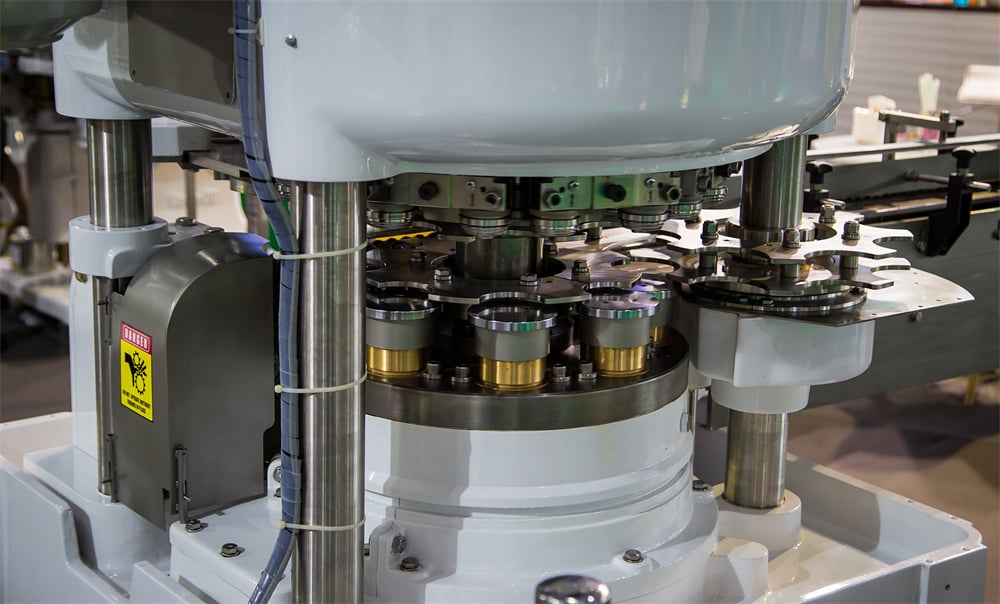
Main Cost Drivers in Hydraulic Press Manufacturing
Several factors contribute to the final price of a hydraulic press. Understanding these drivers allows buyers to prioritize features that are essential for their specific applications while avoiding unnecessary expenses. The primary cost drivers include tonnage, frame construction, and the quality of the hydraulic circuit.
Tonnage and Force Requirements
Tonnage is the most significant factor. The amount of force required to deform a metal part determines the size of the hydraulic cylinders, the strength of the frame, and the power of the motor. As tonnage increases, the amount of steel required for the frame grows exponentially to ensure the machine can withstand the internal stresses without flexing. Buyers must accurately calculate their required tonnage, adding a safety margin of 20-30% to ensure the machine is not constantly running at its maximum limit, which can lead to premature wear.
Frame Design: C-Frame vs. H-Frame
The frame design impacts both cost and functionality. C-frame presses are generally less expensive because they use less material and offer three-sided access to the work area, which is ideal for manual feeding. However, they are prone to “yaw” or deflection under high pressure. H-frame (or four-column) presses are more expensive but provide superior rigidity and bed parallelism. For precision metal fabrication where tight tolerances are required, the H-frame is the preferred choice despite the higher cost. The choice between these designs is a critical part of the Hydraulic Press Buying Metal Fabrication Buyers: Key Features Compare process.
Hydraulic and Electrical Components
The “brain” and “heart” of the machine—the PLC and the hydraulic valves—greatly influence the price. High-end brands like Rexroth, Vickers, or Parker for hydraulics, and Siemens or Schneider for electronics, command a premium. These components offer better reliability, easier sourcing of spare parts, and more precise control over the pressing cycle. Choosing a machine with generic or no-name components might save money upfront but often results in higher maintenance costs and longer lead times for repairs.
Configuration Impact: Tailoring the Machine to Your Needs
The configuration of a hydraulic press determines its versatility and efficiency. Buyers should compare how different configurations affect the machine’s performance in their specific production environment. Key configuration elements include the stroke length, daylight, and the inclusion of advanced control features.
Stroke, Daylight, and Bed Size
The physical dimensions of the press must accommodate the largest parts you intend to produce. Stroke refers to the distance the ram can travel, while daylight is the maximum distance between the bed and the ram when fully retracted. Customizing these dimensions can increase the cost, but it is often necessary for deep drawing applications. A larger bed size allows for the use of multi-stage dies, which can significantly increase productivity by performing multiple operations in a single cycle.
Servo-Hydraulic Systems vs. Conventional Systems
One of the most significant technological advancements in recent years is the integration of servo motors into hydraulic systems. Conventional systems run the pump at a constant speed, bypassing excess oil and wasting energy. Servo-hydraulic systems only run the pump when pressure or movement is required. This can reduce energy consumption by up to 70%, lower noise levels, and reduce the heat generated in the hydraulic oil, which extends the life of seals and components. While the initial investment is higher, the long-term savings make it a key feature to compare for high-volume buyers.
Safety Features and Compliance
Safety is paramount in metal fabrication. Modern hydraulic presses must be equipped with light curtains, dual-hand start buttons, and emergency stop circuits that comply with local safety standards (such as CE or OSHA). Advanced safety systems can also include hydraulic safety blocks that prevent the ram from falling in the event of a pressure loss. Comparing the safety configurations of different models is not just about compliance; it is about protecting your workforce and reducing liability.

Hidden Costs of Hydraulic Press Ownership
When evaluating the Hydraulic Press Buying Metal Fabrication Buyers: Key Features Compare, many buyers overlook the hidden costs that arise after the machine is delivered. These costs can significantly impact the total investment and should be factored into the initial budget.
- Installation and Foundation: Large hydraulic presses require specialized foundations to handle the weight and vibration. This may involve excavating the shop floor and pouring reinforced concrete. Additionally, the cost of rigging and professional installation can run into thousands of dollars.
- Tooling and Die Sets: A press is useless without the proper tooling. High-quality dies for deep drawing or complex forming are expensive and require regular maintenance. Buyers should ensure the press they choose has a standard mounting interface to allow for easier tooling changes.
- Hydraulic Oil and Filtration: A large press can require hundreds of gallons of hydraulic oil. The cost of the initial fill, along with regular oil analysis and filtration to prevent contamination, is a recurring expense.
- Training and Software: Modern CNC hydraulic presses require skilled operators. Investing in training for your staff is essential to maximize the machine’s potential and prevent accidental damage due to improper programming.
ROI Calculation: When Does the Investment Pay Off?
Calculating the Return on Investment (ROI) is the final step in the decision-making process. For a hydraulic press, ROI is typically realized through increased production speed, reduced scrap rates, and lower energy consumption. To calculate ROI, consider the following formula:
ROI = (Total Gains from Investment – Cost of Investment) / Cost of Investment
Total Gains include the value of the additional parts produced per hour, the savings from reduced material waste (due to better precision), and the reduction in labor costs if the machine is automated. For example, if a new HARSLE servo-hydraulic press reduces cycle time by 20% and energy costs by 50%, the payback period could be as short as 18 to 24 months. Furthermore, the ability to take on more complex projects that were previously impossible can open new revenue streams for the business.
Buying Advice for Metal Fabrication Professionals
Choosing the right hydraulic press requires a balance between current needs and future growth. Here is a checklist for buyers to use during the comparison process:
- Define Your Primary Application: Are you doing high-speed blanking or slow, controlled deep drawing? The application dictates the required speed and control precision.
- Verify Component Brands: Ask for a detailed list of the brands used for the hydraulic valves, PLC, and electrical components. Reliability is key.
- Consider Future-Proofing: It is often better to buy a machine with slightly more tonnage or a larger bed than you currently need to accommodate future projects.
- Evaluate After-Sales Support: Does the manufacturer offer remote diagnostics? How quickly can they ship spare parts? HARSLE, for instance, prides itself on robust global support.
- Request a Test Run: If possible, have the manufacturer run a sample of your material using your dies to verify the machine’s performance before final payment.
Frequently Asked Questions (FAQ)
What is the difference between a hydraulic press and a mechanical press?
Hydraulic presses use fluid pressure to generate force, allowing for full tonnage at any point in the stroke and better control over speed. Mechanical presses use a flywheel and crank mechanism, delivering maximum force only at the bottom of the stroke, but they are generally faster for high-volume blanking.
How often should hydraulic oil be changed?
This depends on the usage and environment, but generally, hydraulic oil should be tested every 2,000 hours of operation. If the oil is clean and the additive package is still active, it may not need a full change, but filters should be replaced regularly.
Can I automate an older hydraulic press?
While it is possible to retrofit older machines with new PLCs and robotic loaders, it is often more cost-effective to purchase a new machine designed with automation integration in mind, especially when considering the safety and synchronization requirements.
Why is bed parallelism important?
Bed parallelism ensures that the ram hits the die evenly across the entire surface. If the bed is not parallel, it leads to uneven wear on the tooling and inconsistent part quality, which is particularly problematic in deep drawing and precision stamping.
What are the benefits of a four-column press?
Four-column (H-frame) presses offer the best accessibility for die changes from all four sides and provide superior rigidity, which minimizes frame deflection and ensures high precision for complex metal forming tasks.
How does a servo-hydraulic press save money?
By using a servo motor to drive the hydraulic pump, the machine only consumes power during the active parts of the cycle. It also generates less heat, reducing the need for large cooling systems and extending the life of the hydraulic fluid and seals.












