Comprehensive Hydraulic Press Solutions for Small and Medium Metal Fabrication Shops

Introduction to Hydraulic Press Solutions for Small and Medium Metal Fabrication Shops
In the competitive landscape of modern manufacturing, small and medium-sized enterprises (SMEs) face the unique challenge of balancing high-quality output with cost-effective operations. For these businesses, selecting the right machinery is not just a purchase; it is a strategic investment in the company’s future. Among the most versatile and essential tools in a metalworker’s arsenal is the hydraulic press. Providing the force necessary for everything from simple bending to complex deep drawing, Hydraulic Press Solutions for Small and Medium Metal Fabrication Shops have become the cornerstone of efficient production lines.
HARSLE understands that SMEs require equipment that offers a blend of precision, durability, and ease of use. Unlike large-scale industrial giants that may have dedicated lines for a single product, smaller shops often need to pivot between different projects quickly. This necessitates a hydraulic press that is not only powerful but also adaptable. Whether you are producing automotive components, kitchenware, or structural brackets, the right hydraulic press solution can significantly reduce lead times and improve the consistency of your finished products.
This guide delves deep into the various aspects of hydraulic press technology tailored specifically for the needs of small and medium-sized fabrication environments. We will explore application scenarios, material requirements, machine configurations, and the tangible productivity benefits that come with upgrading to modern hydraulic systems. By the end of this article, shop owners and production managers will have a clear roadmap for selecting and implementing the ideal hydraulic press solution for their specific operational needs.
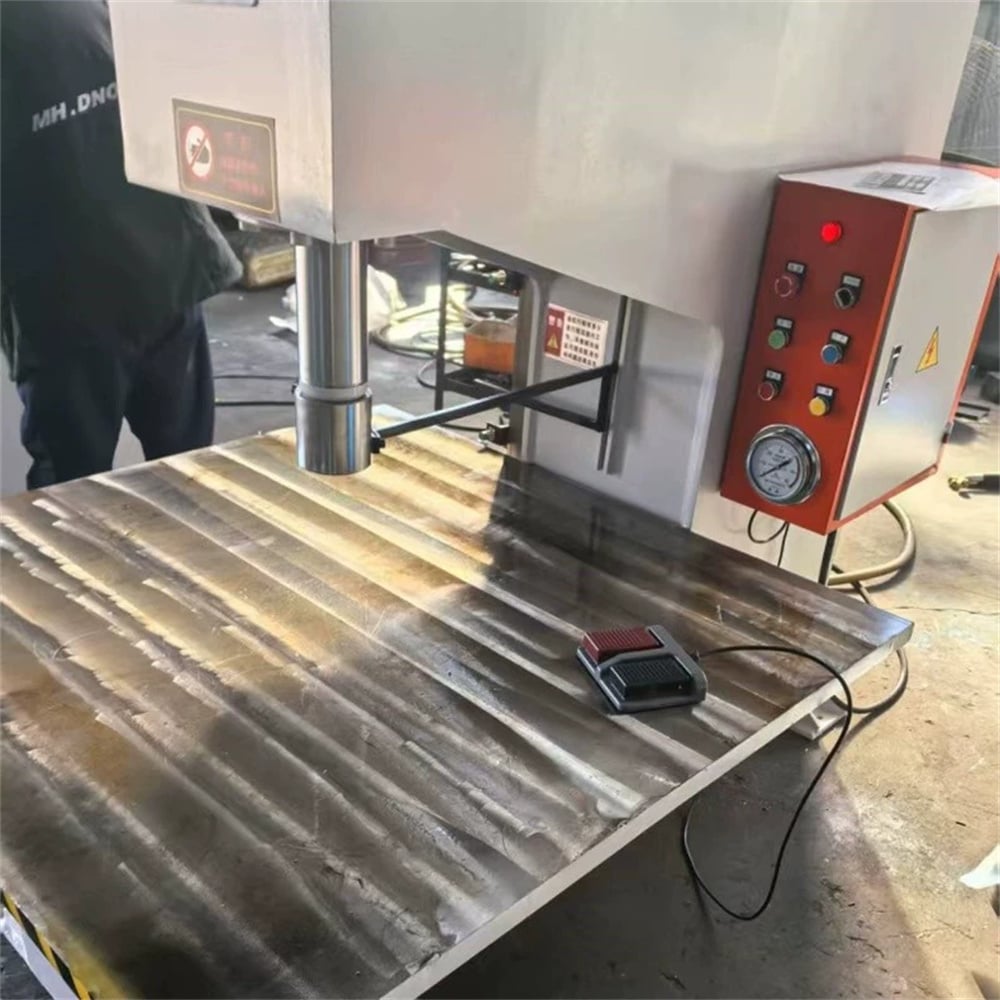
Application Scenarios in Modern Metal Fabrication
The versatility of a hydraulic press makes it suitable for a wide array of applications within a small to medium-sized shop. One of the most common scenarios is deep drawing. This process involves pulling a metal sheet blank into a forming die by the mechanical action of a punch. It is essential for creating hollow shapes like sinks, canisters, and automotive oil pans. For an SME, having a press capable of controlled, steady pressure is vital to prevent tearing or wrinkling of the material during this intense deformation process.
Another critical application is punching and blanking. While mechanical presses are often used for high-speed blanking, hydraulic presses offer distinct advantages for thicker materials or when a quieter, more controlled stroke is required. In a job shop environment, where the thickness of the material might change from one order to the next, the adjustable stroke and pressure of a hydraulic press provide a level of flexibility that mechanical alternatives often lack. This allows the shop to take on a broader range of contracts without needing multiple specialized machines.
Straightening and Assembly are also key areas where hydraulic presses shine. Often, metal components can warp during welding or heat treatment. A hydraulic press equipped with precise pressure gauges allows operators to apply just enough force to return the part to its intended specifications. Furthermore, in assembly tasks such as press-fitting bearings or bushings into housings, the smooth, consistent force of a hydraulic system ensures that components are seated correctly without damage, reducing scrap rates and improving overall assembly quality.
Finally, bending and forming of heavy-duty plates is a staple in many fabrication shops. While a press brake is the go-to for long, thin sheets, a hydraulic press is often preferred for smaller, thicker parts that require high localized pressure. This includes the creation of heavy-duty brackets for the construction industry or specialized components for agricultural machinery. The ability to swap out dies quickly makes the hydraulic press an indispensable multi-tool for the diverse workload of a medium-sized fabrication facility.
Material and Process Requirements
Understanding the relationship between material properties and the hydraulic pressing process is fundamental to achieving high-quality results. Different metals exhibit varying levels of ductility, tensile strength, and springback, all of which influence how the press should be configured. For instance, stainless steel requires significantly more force than aluminum to achieve the same level of deformation. It also tends to work-harden quickly, meaning the press must maintain consistent pressure throughout the cycle to ensure the material flows correctly into the die.
Carbon steel, the workhorse of the fabrication industry, offers a balance of strength and formability. However, SMEs must consider the grade of steel being used. High-strength low-alloy (HSLA) steels are becoming more common in automotive and structural applications to reduce weight while maintaining strength. These materials require hydraulic presses with high tonnage capacities and sophisticated control systems to manage the increased resistance and potential for springback after the pressure is released.
The thickness of the material is another primary factor. Thin gauge materials (under 3mm) require high precision in the ram’s movement to avoid over-pressing, while thick plates (10mm and above) demand massive force and a robust frame to prevent deflection. A well-designed hydraulic press solution for SMEs should include features like variable speed control, which allows the ram to approach the workpiece quickly but slow down during the actual forming phase. This “soft touch” approach minimizes material shock and extends the life of the tooling.
Beyond the material itself, the complexity of the part geometry dictates the process requirements. Parts with deep draws or sharp radii require multiple stages of pressing or specialized hydraulic cushions. A hydraulic cushion, located in the bed of the press, provides resistance against the downward force of the ram, ensuring the metal is held taut as it is drawn into the die. For SMEs looking to produce high-quality consumer goods or precision industrial parts, investing in a press with an integrated hydraulic cushion is often a necessity rather than an option.
Recommended Machine Configuration for SMEs
When selecting a Hydraulic Press Solution for Small and Medium Metal Fabrication Shops, the configuration of the machine is paramount. For most SMEs, the H-Frame (Four-Column) Hydraulic Press is the gold standard. This design offers superior rigidity and ensures that the bed and the ram remain perfectly parallel even under maximum load. This parallelism is critical for maintaining tight tolerances across the entire surface of the workpiece, especially in multi-cavity die setups.
For shops with limited floor space or those focusing on smaller components, a C-Frame (Gap Frame) Hydraulic Press might be more appropriate. The C-frame design provides three-sided access to the work area, making it easier for operators to load and unload parts manually. While generally offering lower tonnage than H-frame models, modern C-frame presses from HARSLE are engineered with reinforced frames to minimize “yaw” or deflection, making them a highly efficient choice for assembly, punching, and light forming tasks.
Key technical specifications to consider include:
- Tonnage: SMEs should look for a press that offers a capacity slightly higher than their maximum expected requirement. A 100-ton to 500-ton range typically covers the vast majority of SME fabrication needs.
- Control Systems: Modern PLC (Programmable Logic Controller) systems with touch-screen interfaces allow operators to save “recipes” for different jobs. This reduces setup time and ensures that the exact same pressure and stroke settings are used every time a specific part is produced.
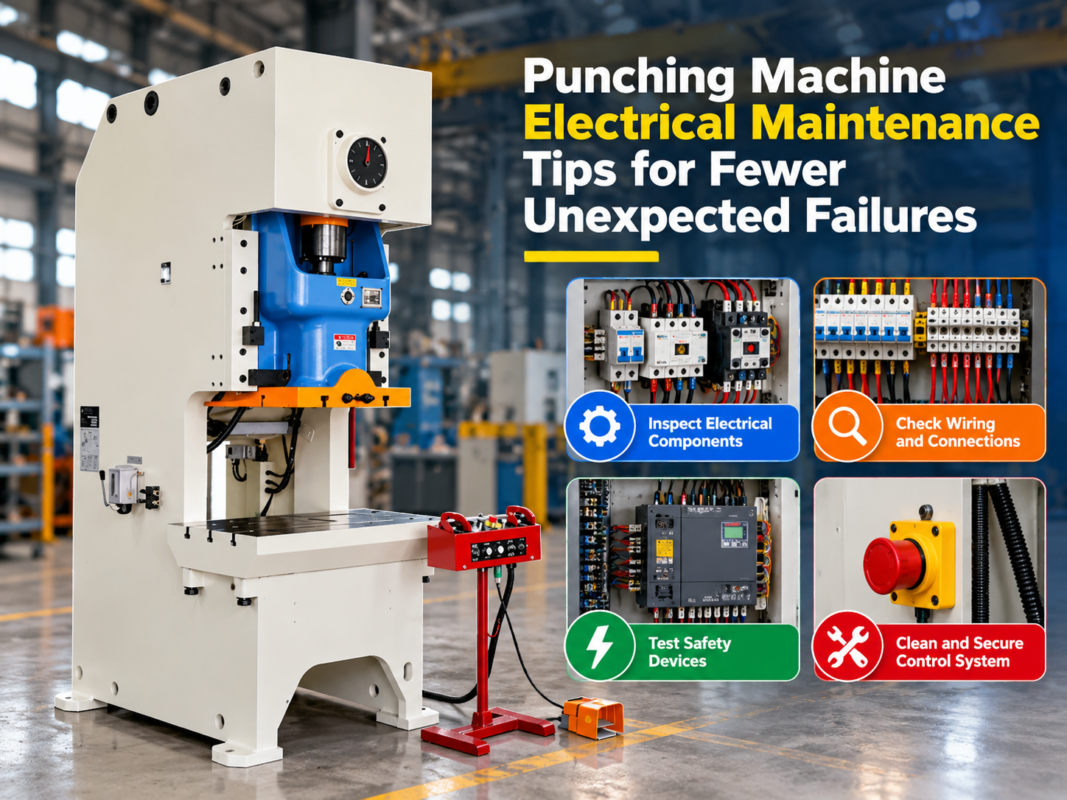
- Safety Features: Safety is non-negotiable. Recommended configurations must include light curtains, dual-hand start buttons, and emergency stop valves. These features protect the operator and reduce the liability risks for the business.
- Servo-Hydraulic Systems: For shops looking to reduce energy costs, servo-driven hydraulic pumps are an excellent investment. They only run when the press is in motion, potentially saving up to 50% in electricity costs compared to traditional constant-run motors.

Optimized Workflow for Hydraulic Press Operations
To maximize the utility of a hydraulic press, an SME must implement a streamlined workflow. The process begins with Material Preparation. This involves shearing or laser cutting the metal blanks to the correct size. Precision at this stage is vital; if the blank is too large, it can cause excessive flash or damage the die; if it is too small, the part will be incomplete. Many shops now integrate their hydraulic press with a nearby fiber laser cutter to ensure a seamless flow of accurately sized blanks.
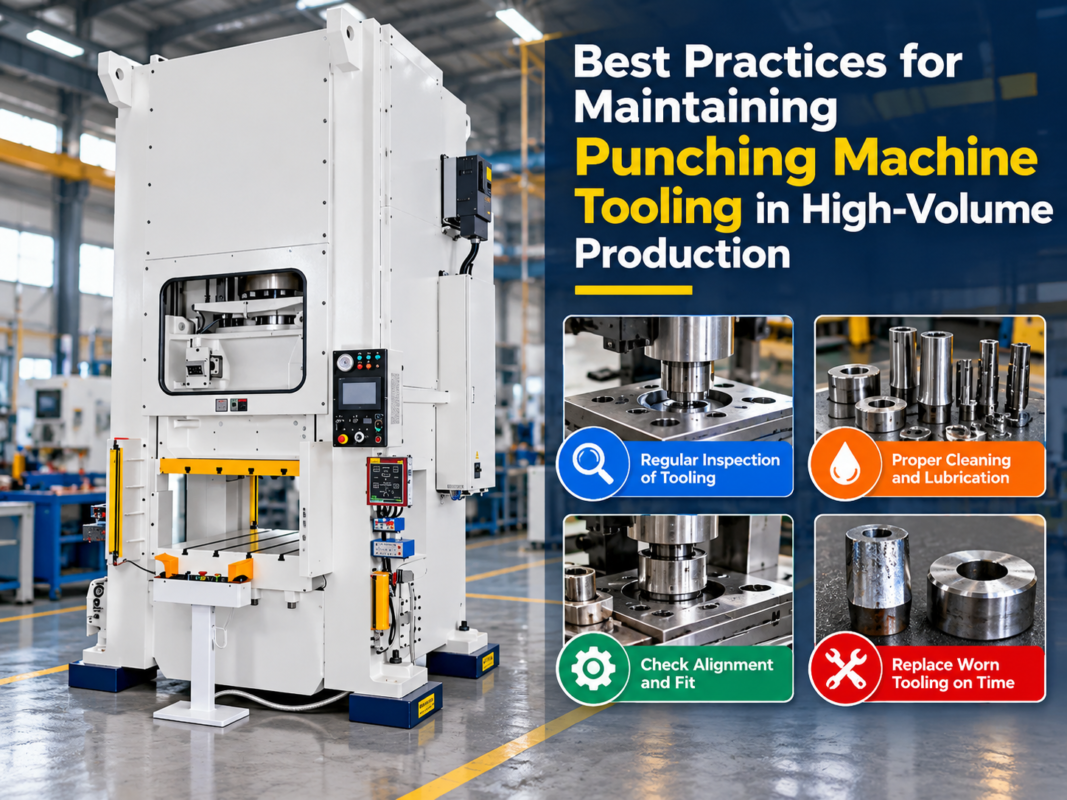
The next stage is Tooling Setup. In a medium-sized shop, quick die-change systems are a major productivity booster. Using standardized die sets and hydraulic clamping systems can reduce the time it takes to switch from one product to another from hours to minutes. Once the die is secured, the operator loads the pre-programmed settings into the PLC. This includes the approach speed, pressing speed, dwell time (how long the pressure is held at the bottom of the stroke), and the return speed.
During the Pressing Cycle, the machine executes the programmed movements. In more advanced setups, sensors monitor the pressure in real-time. If the system detects an anomaly—such as a double-blank being loaded or a tool breaking—it can automatically stop the cycle to prevent further damage. This level of “intelligent” manufacturing is becoming increasingly accessible to SMEs through HARSLE’s advanced control platforms.
Post-pressing, the Unloading and Inspection phase occurs. For high-volume runs, simple automation like pneumatic ejectors or robotic arms can be used to remove the finished part. The part is then checked against quality standards, often using precision calipers or CMM (Coordinate Measuring Machine) equipment. By maintaining a clean and organized workflow, a shop can ensure that its hydraulic press remains a high-output asset rather than a bottleneck in the production chain.
Productivity Benefits of Modern Hydraulic Solutions
Investing in a modern Hydraulic Press Solution for Small and Medium Metal Fabrication Shops yields immediate and long-term productivity gains. The most obvious benefit is increased throughput. Modern presses feature faster cycle times and more reliable components, allowing for more parts to be produced per shift. When combined with the reduced setup times offered by PLC controls, the overall equipment effectiveness (OEE) of the shop rises significantly.
Precision and Consistency are equally important. Manual or aging hydraulic systems often suffer from pressure fluctuations, leading to inconsistent part quality and high scrap rates. Modern systems provide repeatable accuracy within microns. For an SME, this means fewer rejected parts, less wasted material, and a stronger reputation for quality among customers. In industries like aerospace or medical device manufacturing, this level of precision is often a prerequisite for winning contracts.
Furthermore, Energy Efficiency has become a major factor in shop profitability. Older hydraulic presses are notorious for their high energy consumption, as their pumps run at full power regardless of the task. Modern servo-hydraulic presses drastically reduce this waste. By lowering utility bills, these machines allow SMEs to be more competitive in their pricing while maintaining healthy profit margins. Additionally, many regions offer tax incentives or grants for businesses that invest in energy-efficient industrial machinery.
Finally, there is the benefit of Labor Optimization. A modern, easy-to-use hydraulic press requires less specialized skill to operate than older, more temperamental machines. With intuitive interfaces and built-in safety protocols, new operators can be trained quickly. This allows the shop’s most experienced craftsmen to focus on more complex tasks like tool design or process optimization, rather than spending their day babysitting a finicky machine.
Case Example: Upgrading a Local Fabrication Shop
Consider the case of a medium-sized fabrication shop specializing in custom electrical enclosures. For years, they relied on a fleet of aging mechanical presses and one manual hydraulic press. As their customers began demanding more complex designs with deeper draws and tighter tolerances, the shop found itself struggling with high scrap rates and slow production times. They were frequently turning down lucrative contracts because they couldn’t guarantee the required precision.
After consulting with HARSLE, the shop decided to implement a 300-ton H-frame hydraulic press equipped with a PLC control system and a servo-driven motor. The transition was transformative. The new press allowed them to perform deep drawing tasks in a single pass that previously required two or three steps on their old equipment. The PLC allowed them to store settings for over 50 different enclosure models, reducing changeover time by 70%.
Within the first six months, the shop reported a 40% increase in overall production capacity. More importantly, their scrap rate dropped from 8% to less than 1%. The energy savings from the servo motor were enough to cover the monthly financing costs of the machine. This upgrade didn’t just improve their current operations; it opened doors to new markets, allowing them to take on high-precision work for the renewable energy sector, ultimately leading to a 25% growth in annual revenue.
Frequently Asked Questions (FAQ)
1. What tonnage do I need for my small shop?
The required tonnage depends on the material type, thickness, and the perimeter of the cut or the surface area of the form. A general rule of thumb for SMEs is to start with a 100-200 ton press for general fabrication, but always consult with a manufacturer like HARSLE to perform a specific tonnage calculation for your most common parts.
2. Is a hydraulic press better than a mechanical press for SMEs?
For SMEs, hydraulic presses are often better due to their versatility. They offer full pressure throughout the entire stroke, adjustable stroke lengths, and easier setup for various jobs. Mechanical presses are faster but are generally better suited for high-volume, single-purpose production runs.
3. How often does a hydraulic press require maintenance?
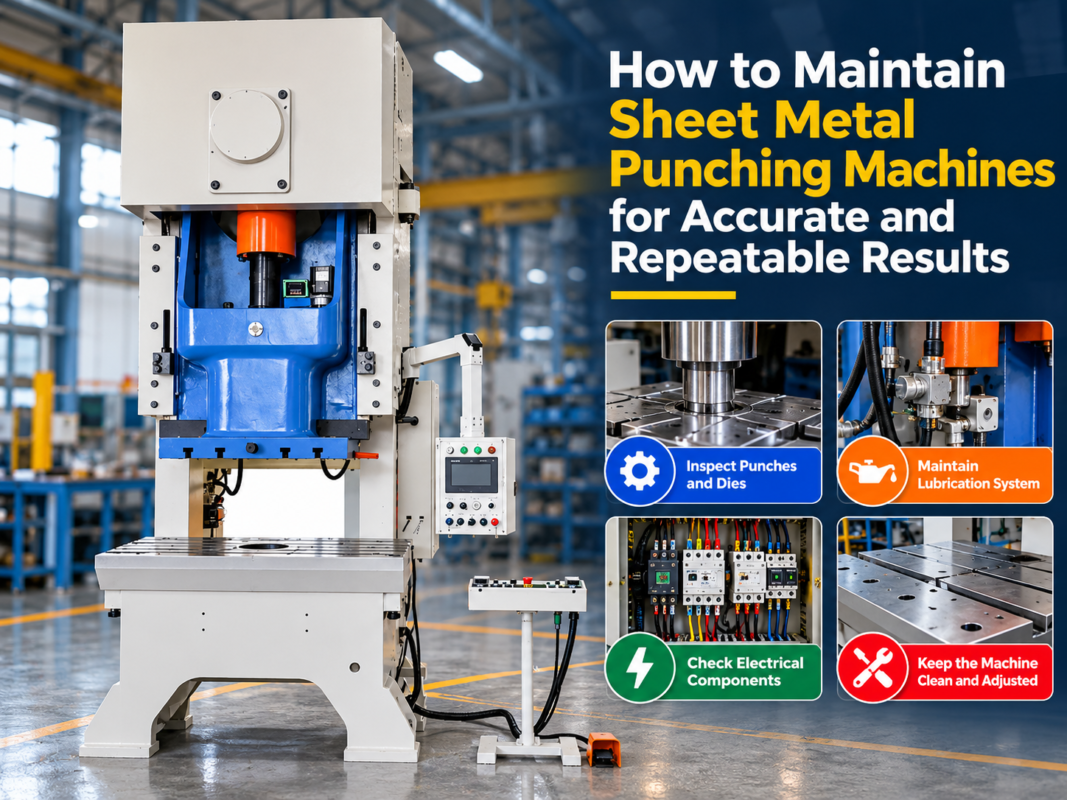
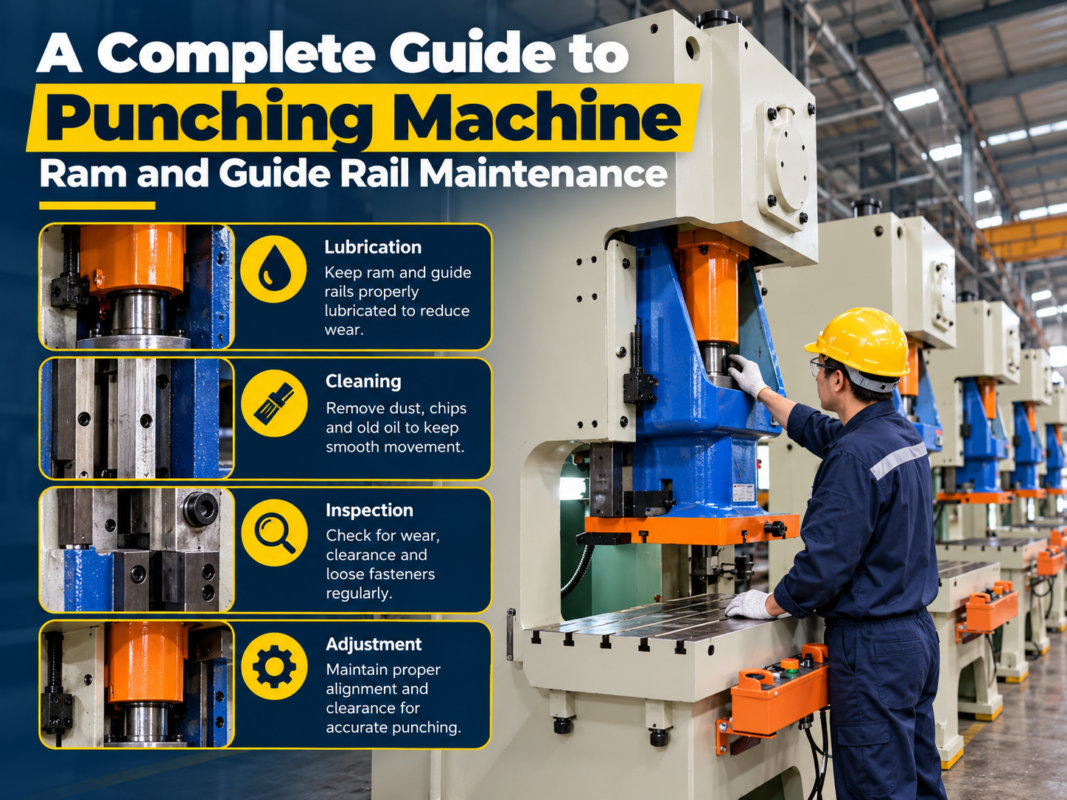
Daily checks should include oil levels and leak inspections. A full professional service, including oil filtration and seal inspection, should be performed every 2,000 to 4,000 operating hours. Modern machines often have built-in maintenance alerts on their control panels.
4. Can I automate a hydraulic press in a medium-sized shop?
Yes, absolutely. Many SMEs start with manual loading and gradually add features like pneumatic sheet feeders, conveyor belts, or even small collaborative robots (cobots) as their production volume increases.
5. What safety standards should I look for?
Ensure the machine complies with local industrial safety standards (such as CE in Europe or OSHA/ANSI in the USA). Key features include light curtains, emergency stops, and safety interlocks on all access doors.
6. How does a servo-hydraulic system save money?
Traditional systems keep the motor running at a constant speed, wasting energy when the press is idle. Servo systems only use power when the ram is moving or holding pressure, which can reduce energy consumption by up to 50% or more.
7. What is a hydraulic cushion and do I need one?
A hydraulic cushion provides upward resistance from the bed of the press. It is essential for deep drawing applications to prevent the metal from wrinkling. If you plan on making deep, cup-shaped parts, you definitely need one.
8. Can a hydraulic press be used for both metal and plastics?
Yes, hydraulic presses are very versatile. With the correct temperature-controlled platens and pressure settings, they can be used for compression molding of plastics and composites as well as metal forming.
9. How long does a HARSLE hydraulic press typically last?
With proper maintenance, a high-quality hydraulic press can last 20 to 30 years or more. The frame is built for longevity, while components like pumps and seals can be replaced or refurbished over time.
10. What kind of training is required for operators?
Modern PLC-controlled presses are very intuitive. Basic operation training usually takes a few days. However, training in die setup and safety protocols is essential and should be ongoing.
Conclusion: Choosing the Right Partner for Your Fabrication Journey
Selecting the right Hydraulic Press Solution for Small and Medium Metal Fabrication Shops is a pivotal decision that influences every aspect of your production, from the quality of your parts to the safety of your employees and the health of your bottom line. By focusing on versatile configurations, modern control systems, and energy-efficient technologies, SMEs can position themselves to compete effectively in a global market.
HARSLE is dedicated to providing high-performance, reliable, and affordable hydraulic press solutions tailored to the unique needs of growing fabrication businesses. Our team of experts is ready to help you analyze your production requirements and select the machine that will drive your business forward. Don’t let outdated equipment hold back your shop’s potential. Contact HARSLE today to discover how our hydraulic press solutions can transform your manufacturing capabilities.