How Laser Cutting Machines Streamline Signage and Advertising Fabrication


Introduction to Modern Signage Fabrication
The signage and advertising industry has undergone a massive transformation over the last decade. Gone are the days when manual sawing, routing, and basic plasma cutting were the primary methods for creating brand identities. Today, the demand for intricate designs, high-precision finishes, and rapid turnaround times has made advanced technology a necessity. This is where laser cutting machines come into play. By integrating high-power fiber lasers into the production line, businesses can achieve a level of detail and efficiency that was previously unimaginable. In this comprehensive guide, we explore how laser cutting machines streamline signage and advertising fabrication, providing a competitive edge to manufacturers worldwide.
Laser cutting technology offers a unique combination of speed, accuracy, and versatility. Whether it is creating massive outdoor billboards or delicate indoor decorative pieces, the ability to cut through various metals and non-metals with surgical precision is invaluable. For companies like HARSLE, providing the right machinery means empowering sign makers to push the boundaries of creativity while maintaining profitability. As we delve deeper into the specific applications and technical requirements, it becomes clear why the laser cutter is the heart of the modern sign shop.
Application Scenarios in Signage and Advertising
The versatility of laser cutting machines allows them to be used across a wide spectrum of advertising applications. One of the most common scenarios is the production of 3D channel letters. These letters, often found on the facades of retail stores and corporate offices, require precise cutting of stainless steel or aluminum returns and faces. Laser cutting ensures that every curve and angle of a brand’s typography is replicated perfectly, allowing for seamless assembly and lighting integration.
Another significant application is in the creation of architectural signage and wayfinding systems. These projects often involve complex patterns and high-end materials like brushed brass or anodized aluminum. Laser cutters can handle these materials without damaging the surface finish, producing clean edges that require little to no post-processing. This is particularly important for interior signage where the viewer is in close proximity to the product and any imperfection would be glaringly obvious.

Beyond traditional signs, laser cutting machines streamline signage and advertising fabrication in the realm of point-of-purchase (POP) displays and exhibition stands. These structures often require a mix of structural integrity and aesthetic appeal. By using a laser cutter, fabricators can create interlocking components that fit together like a puzzle, reducing the need for heavy welding or visible fasteners. This modular approach not only speeds up the fabrication process but also makes transportation and installation much easier for the end client.
Material and Process Requirements
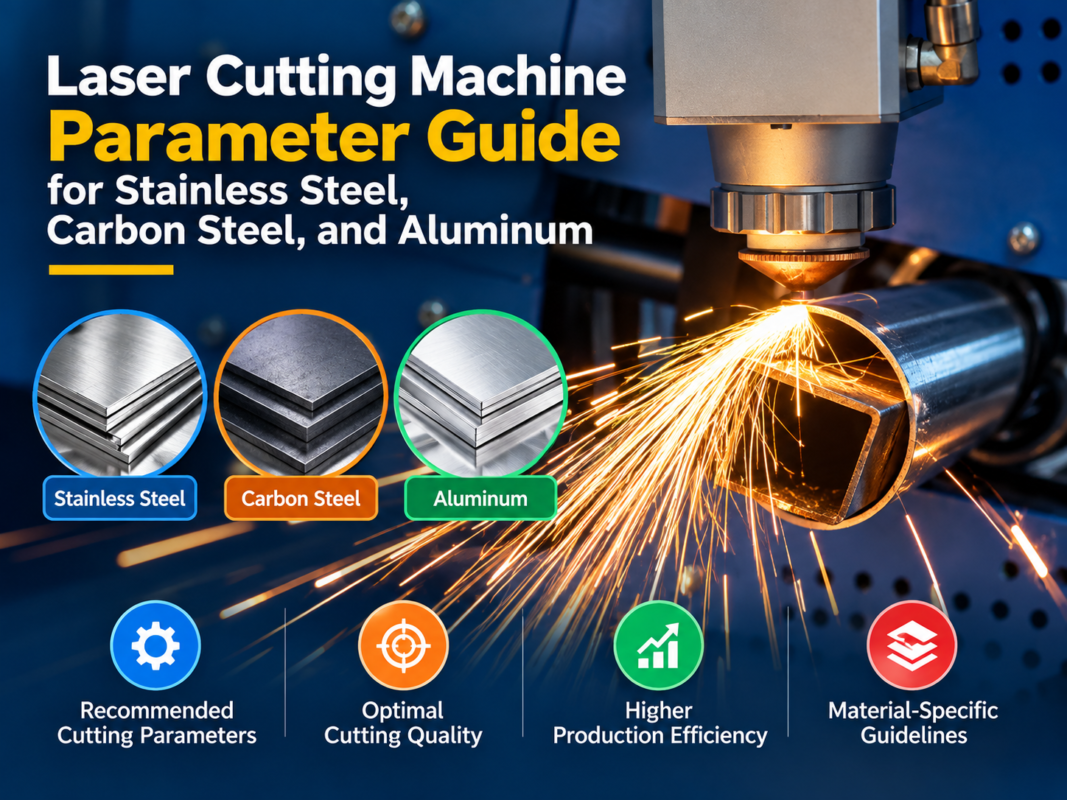
To understand how laser cutting machines streamline signage and advertising fabrication, one must first understand the materials involved. The signage industry utilizes a diverse range of substrates, each with its own set of challenges. Stainless steel (grades 304 and 316) is a favorite for its durability and premium look. However, it requires high-pressure nitrogen cutting to prevent oxidation on the edges, ensuring a bright, clean finish that is ready for painting or polishing.
Aluminum is another staple in the industry due to its lightweight and corrosion-resistant properties. However, aluminum is a highly reflective material, which can be tricky for older laser systems. Modern fiber lasers, equipped with specialized optical protection, can easily handle aluminum alloys like 5052 and 6061. The process requires careful adjustment of the laser frequency and power to avoid dross buildup on the underside of the cut, which is essential for maintaining the sleek look required in advertising.
Technical Considerations for Precision
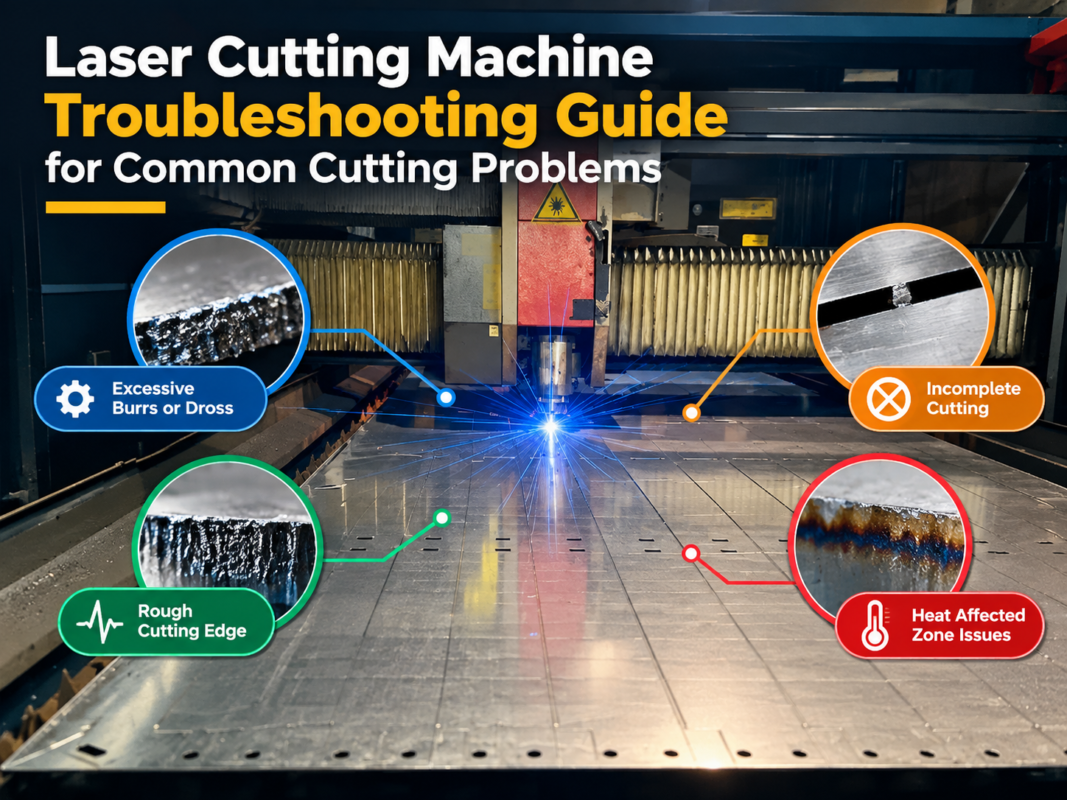
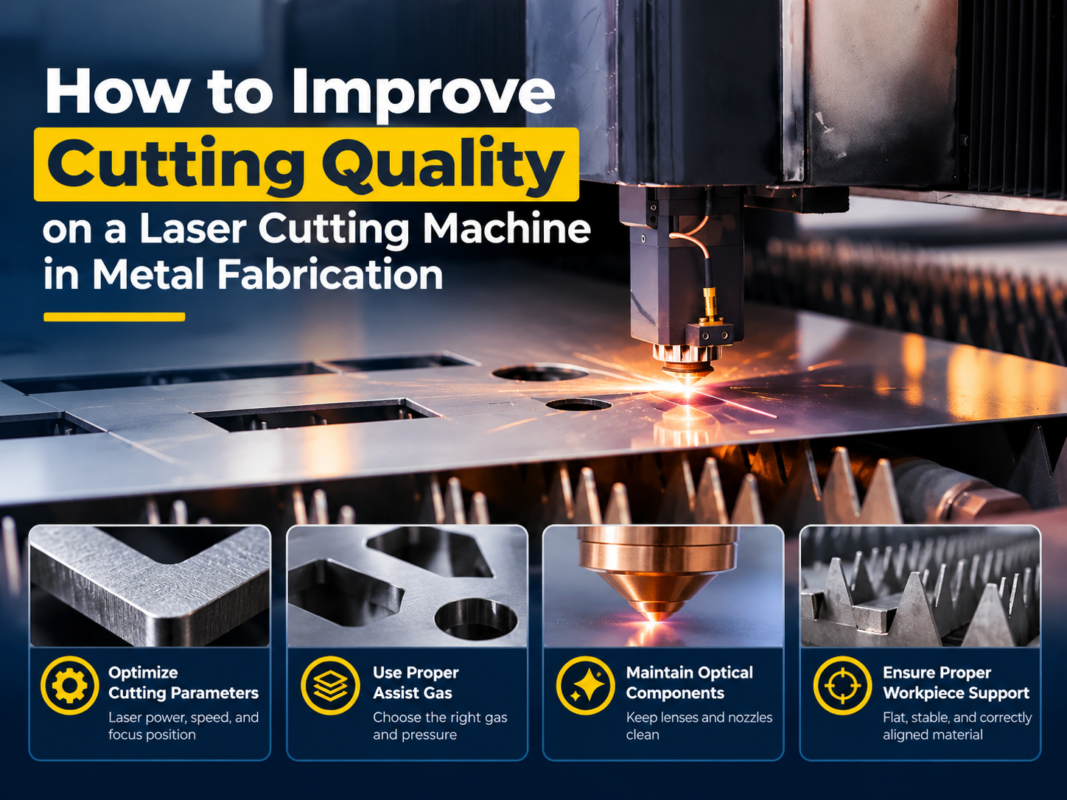
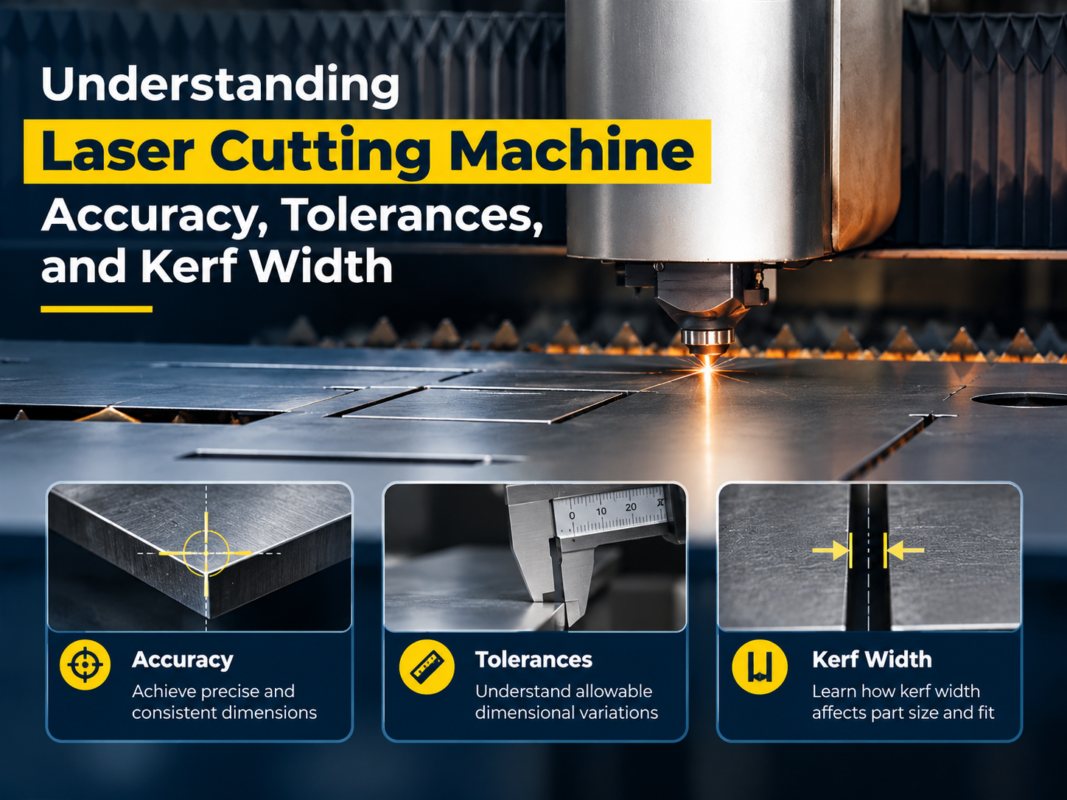
- Edge Quality: For signage, the edge must be smooth to the touch and visually appealing. Laser cutting provides a narrow kerf and a small heat-affected zone (HAZ), which prevents warping of thin sheets.
- Intricate Detailing: Many logos feature fine lines or sharp internal corners. The small spot size of a fiber laser allows for the execution of designs that mechanical routers simply cannot achieve.
- Material Thickness: Signage typically uses sheets ranging from 1mm to 10mm. A well-configured laser machine can switch between these thicknesses with minimal downtime by utilizing automated gas selection and focal point adjustment.
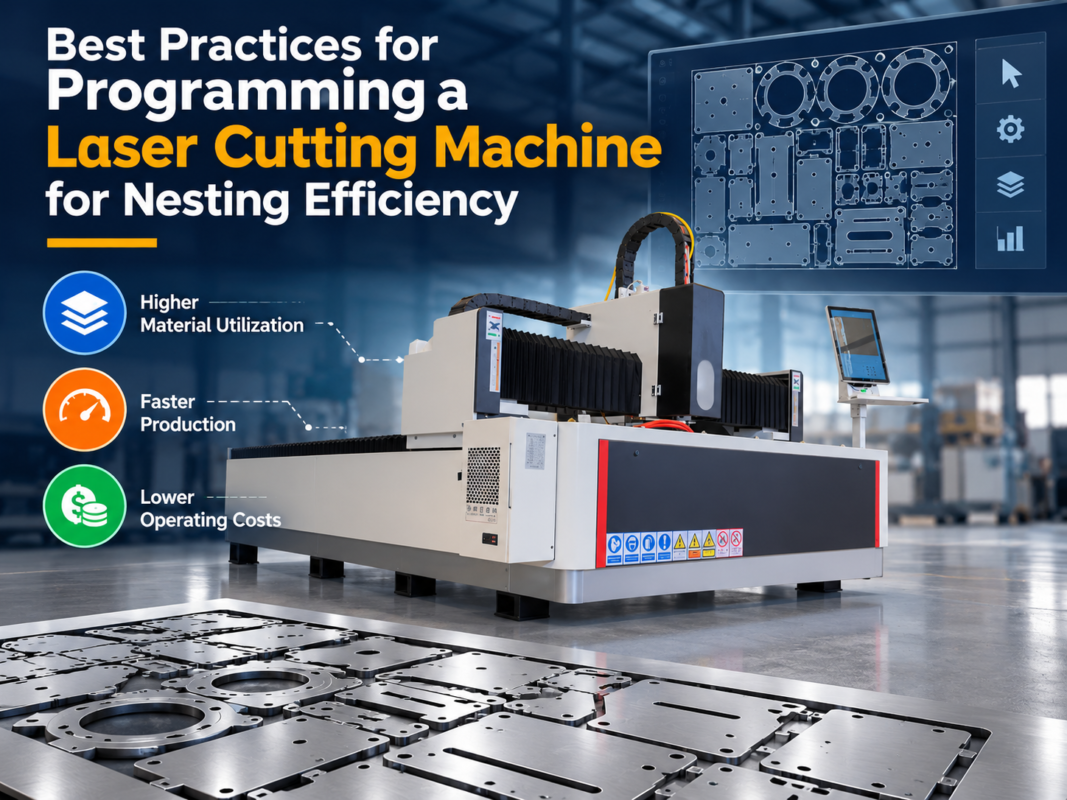
Furthermore, the process of “nesting” is critical in signage fabrication. Since many signs are custom-shaped, there is a high potential for material waste. Advanced software integrated with laser cutting machines allows for the tight packing of parts on a single sheet, significantly reducing material costs and improving the overall sustainability of the fabrication process.
Recommended Machine Configuration for Signage
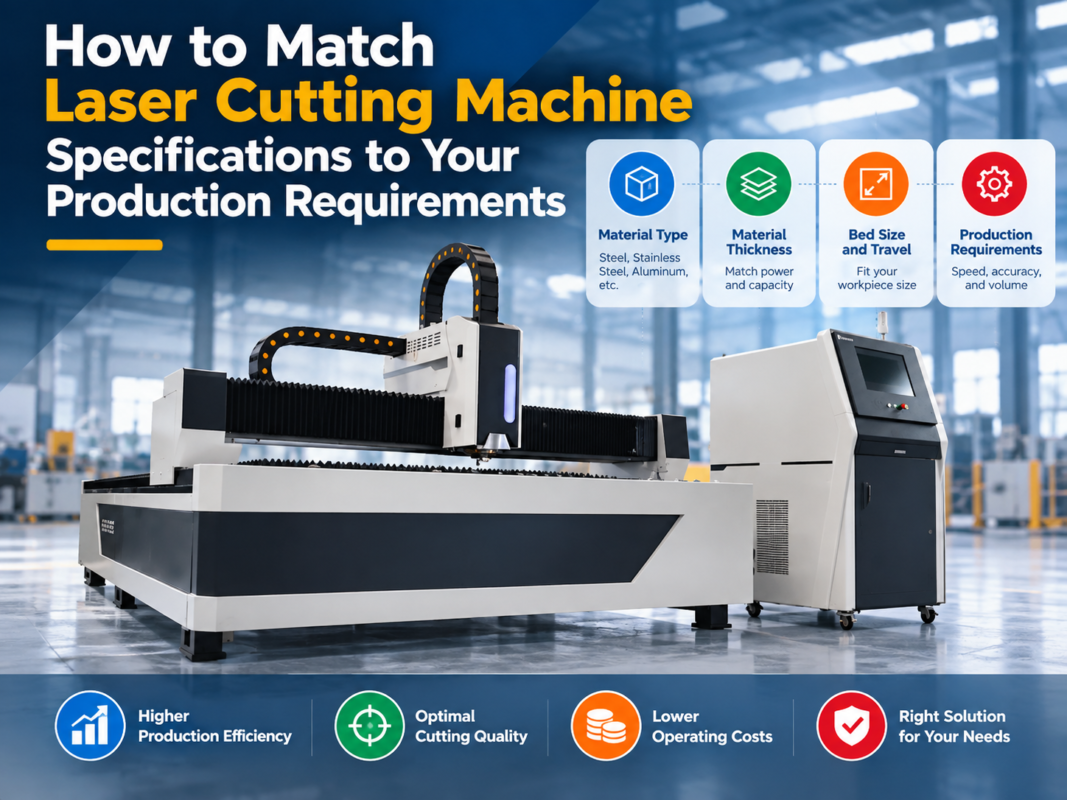
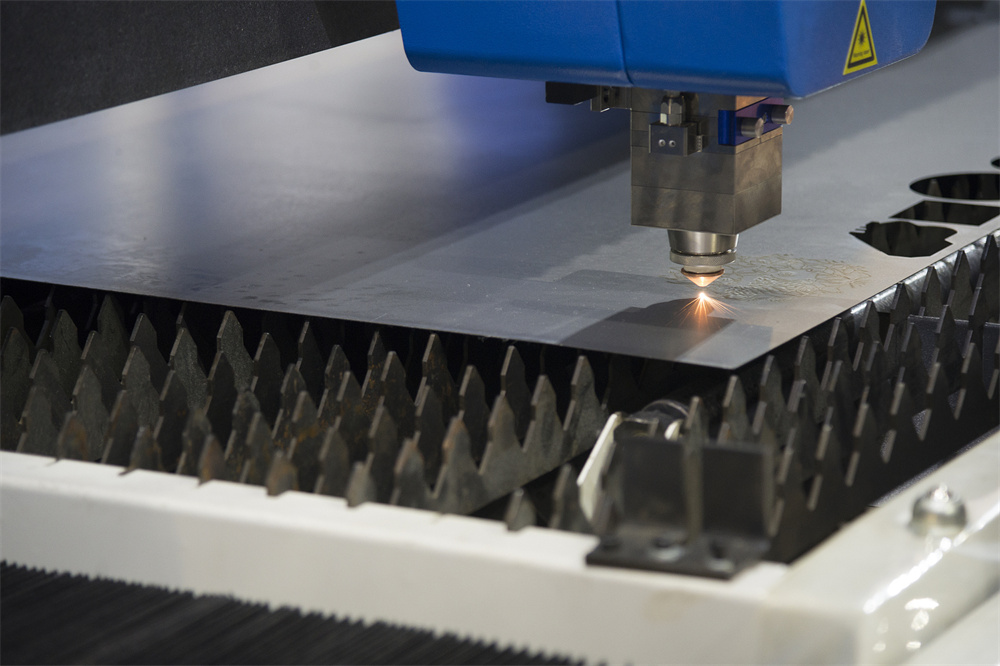
Choosing the right machine configuration is vital for maximizing the benefits of laser technology. For most signage shops, a fiber laser cutting machine is the gold standard. Unlike CO2 lasers, fiber lasers are more efficient at cutting metals and have lower maintenance requirements. A power range of 1.5kW to 4kW is generally sufficient for the majority of signage materials, providing a balance between cutting speed and capital investment.
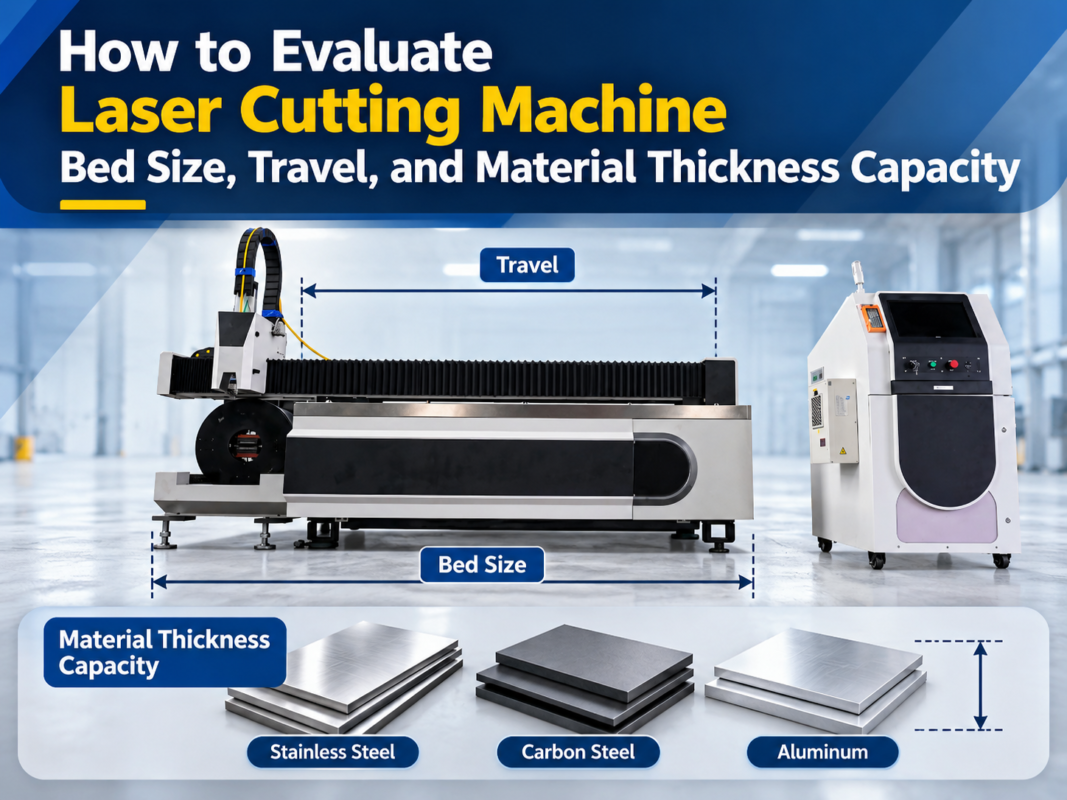
The bed size is another crucial factor. A standard 3015 (3 meters by 1.5 meters) worktable is the industry norm, as it accommodates standard metal sheets. However, for companies specializing in large-scale outdoor billboards, a 4020 or even a 6020 bed might be necessary. Additionally, an exchange table (shuttle table) system is highly recommended. This allows the operator to load a new sheet while the machine is still cutting the previous one, virtually eliminating idle time and significantly boosting daily output.
Key Components to Look For
When selecting a machine, the quality of the components determines the longevity and accuracy of the equipment. A high-quality laser source (such as Raycus or IPG) ensures a stable beam output. The cutting head, preferably with autofocus capabilities, allows the machine to adapt to slight variations in material flatness, which is common in thin-gauge signage metals. Furthermore, a robust gantry system driven by high-precision servo motors (like Yaskawa or Panasonic) ensures that the machine can maintain accuracy even at high displacement speeds.
The Optimized Workflow
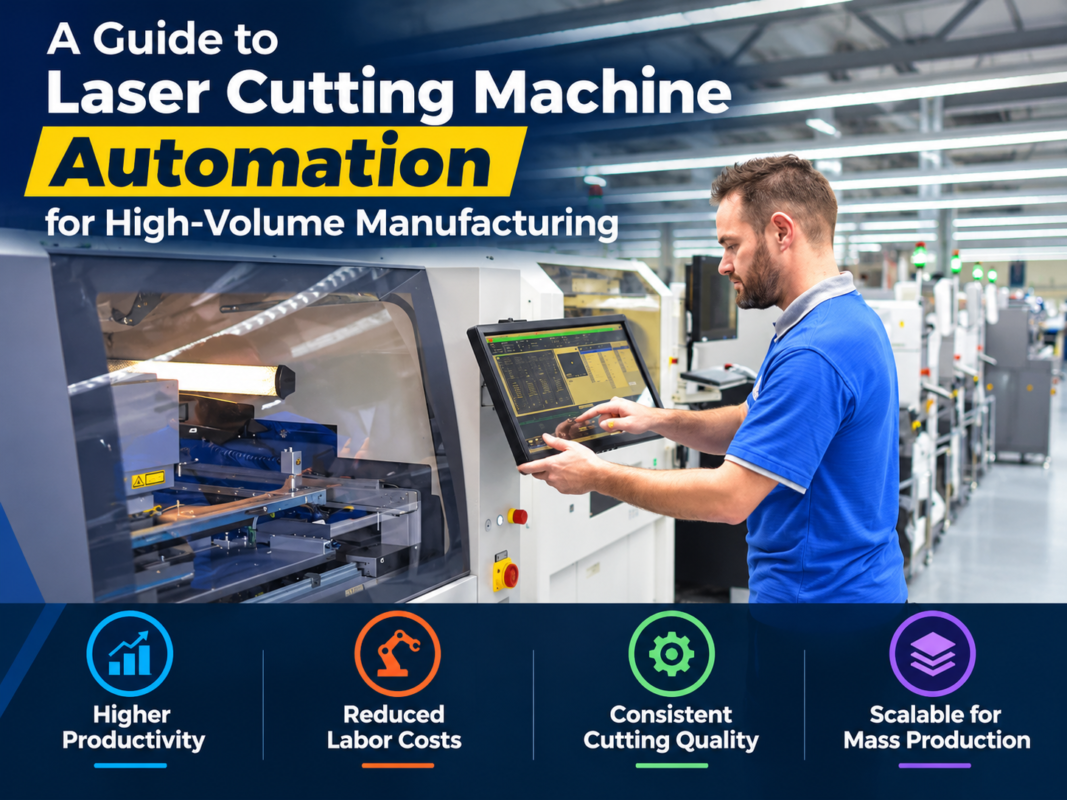
The workflow of a laser-equipped sign shop is significantly more streamlined than a traditional one. It begins with the design phase, where graphic designers create vector files in software like Adobe Illustrator or CorelDraw. These files are then exported as DXF or DWG formats and imported into the laser’s CAM software (such as CypCut). Here, the operator applies nesting algorithms to optimize material usage and sets the cutting parameters based on the material type and thickness.
Once the program is ready, the material is loaded onto the machine. With the push of a button, the laser begins its work. Because the laser is a non-contact process, there is no need for complex clamping systems that might mar the surface of the material. After the cutting is complete, the parts are removed. In many cases, the edges are so clean that they can go straight to the assembly or painting station, bypassing the grinding and deburring stages that are mandatory with plasma or mechanical cutting.
This streamlined workflow allows for “just-in-time” manufacturing. Signage companies can respond to urgent orders with much shorter lead times, as the transition from a digital design to a physical part takes only minutes. This agility is a major competitive advantage in the fast-paced advertising world, where marketing campaigns often have tight deadlines.
Productivity and Economic Benefits
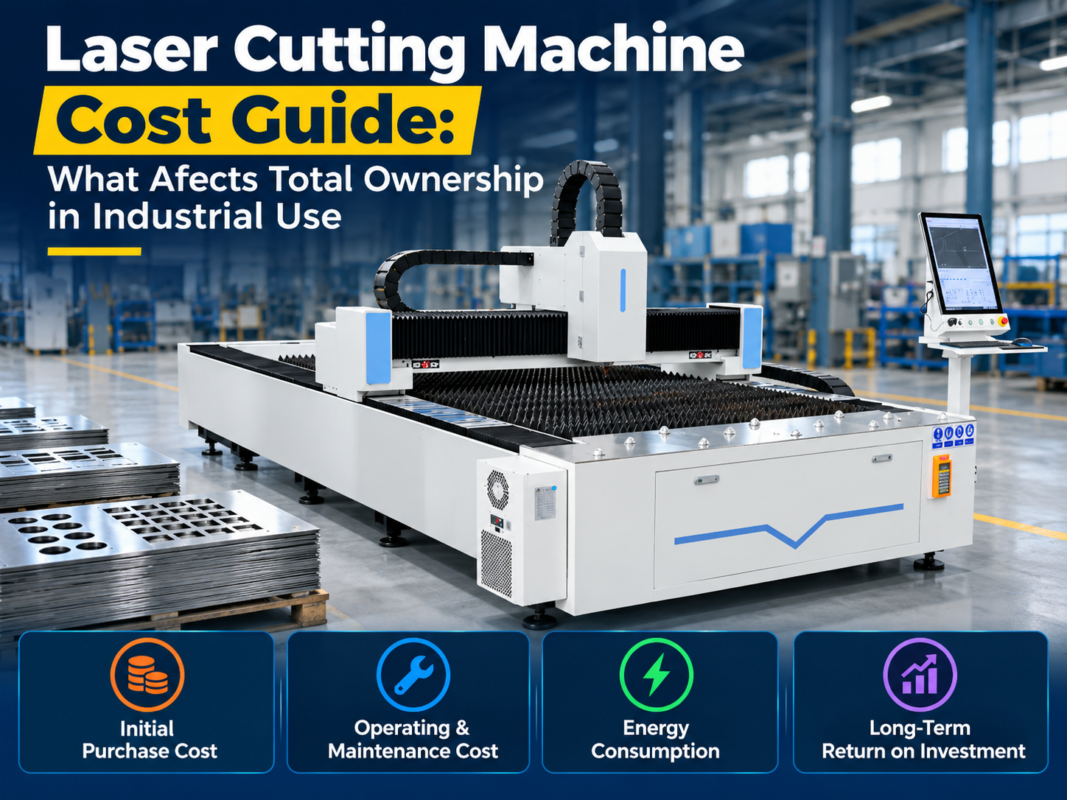
The economic impact of adopting laser cutting technology is profound. First and foremost is the reduction in labor costs. A single laser cutting machine can often do the work of three or four manual operators, and with much higher consistency. This allows business owners to reallocate their skilled labor to more complex tasks like final assembly, electrical wiring for LEDs, or creative design.
Material savings also contribute to the bottom line. Because the laser beam is so thin (often less than 0.2mm), parts can be placed very close together. Over the course of a year, the 10-15% material savings achieved through better nesting can add up to thousands of dollars. Additionally, the energy efficiency of modern fiber lasers is significantly higher than that of older CO2 models, leading to lower utility bills and a smaller carbon footprint.
Finally, the quality of the finished product allows signage companies to command higher prices. High-precision, laser-cut signs have a “premium” feel that attracts high-end corporate clients. The ability to offer complex, intricate designs that competitors cannot replicate allows a shop to move away from commodity pricing and into high-margin custom fabrication.
Case Example: Transforming a Signage Business
Consider a mid-sized signage company based in Mexico that specialized in stainless steel channel letters. Before investing in a HARSLE fiber laser cutting machine, they relied on manual plasma cutting and hand-finishing. Their production capacity was limited to about 20 sets of letters per week, and the rejection rate due to human error or poor edge quality was nearly 10%. The labor-intensive nature of their process meant they often had to turn down large contracts with tight deadlines.
After implementing a 3kW fiber laser cutting machine with an exchange table, the transformation was immediate. Their production capacity tripled to 60 sets per week within the first month. The precision of the laser meant that the face and the return of the letters fit together perfectly every time, reducing assembly time by 40%. Furthermore, the clean edges produced by the laser eliminated the need for two full-time grinding staff members, who were then retrained to operate the new machinery and handle quality assurance. Within 14 months, the machine had completely paid for itself through labor savings and increased order volume.
Frequently Asked Questions (FAQ)
1. Can a fiber laser cut acrylic for signs?
Fiber lasers are primarily designed for cutting metals. While they can cut some plastics, they are not ideal for acrylic as the wavelength of a fiber laser is not well-absorbed by clear materials, often resulting in a poor cut or melting. For acrylic signage, a CO2 laser is the recommended tool. However, many shops use a fiber laser for the metal frames and a CO2 laser for the acrylic faces.
2. What is the maintenance like for a signage laser cutter?
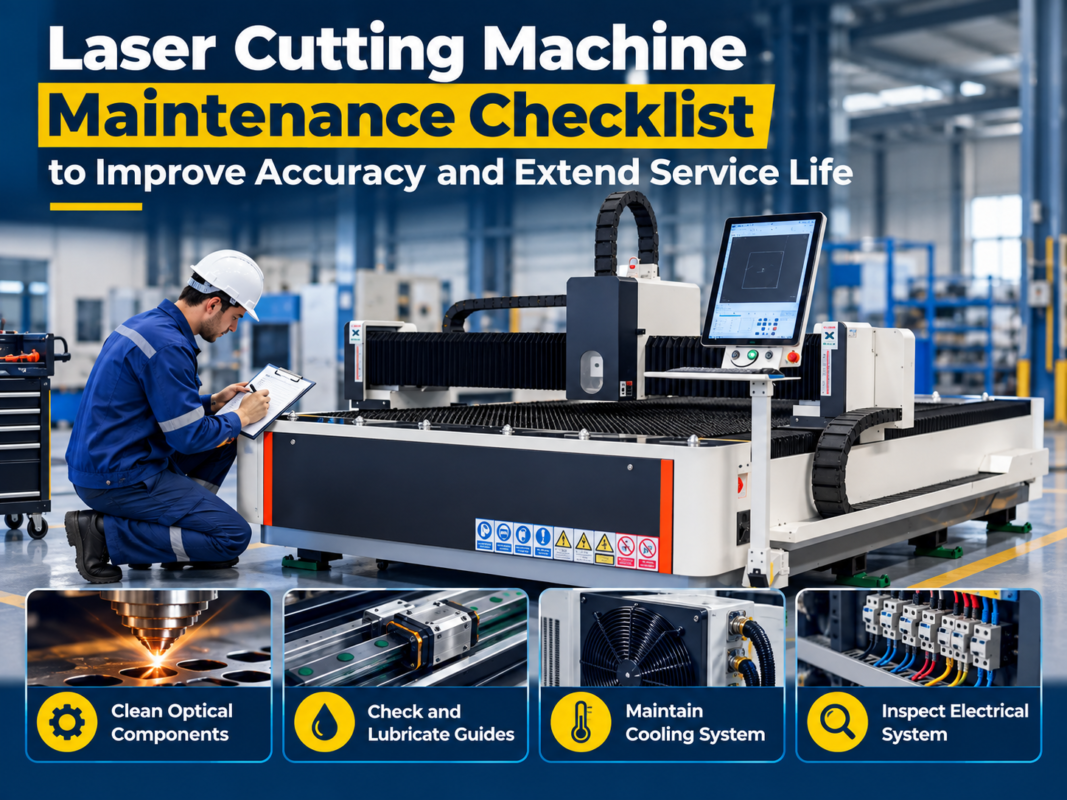
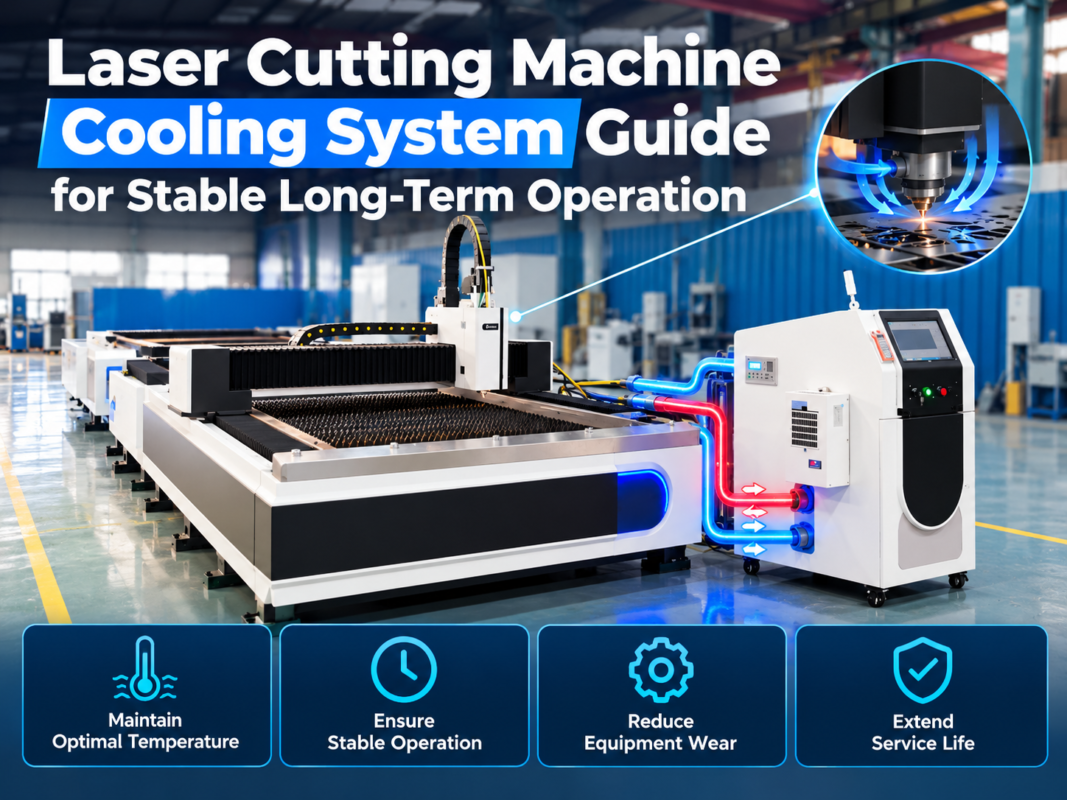
Fiber lasers are known for being low-maintenance. The main tasks include keeping the rails and gears clean and lubricated, checking the protective lens in the cutting head for dust or burns, and ensuring the water chiller is functioning correctly. Unlike CO2 lasers, there are no mirrors to align or gas tubes to refill, which greatly reduces downtime.
3. How thick can a 1.5kW laser cut for signage?
A 1.5kW fiber laser can comfortably cut stainless steel up to 5mm or 6mm and carbon steel up to 12mm or 14mm. For aluminum, it can handle up to 4mm. Since most signage uses materials between 1mm and 3mm, a 1.5kW machine is often the perfect entry-level choice for sign shops.
4. Is it difficult to learn the software for laser cutting?
Most modern laser cutting software, like CypCut, is designed with user-friendliness in mind. An operator with basic computer skills can usually learn the fundamentals of importing files and starting a cut within a few days. Mastering nesting optimization and advanced parameter tuning may take a few weeks of practice.
5. Does laser cutting cause discoloration on the metal?
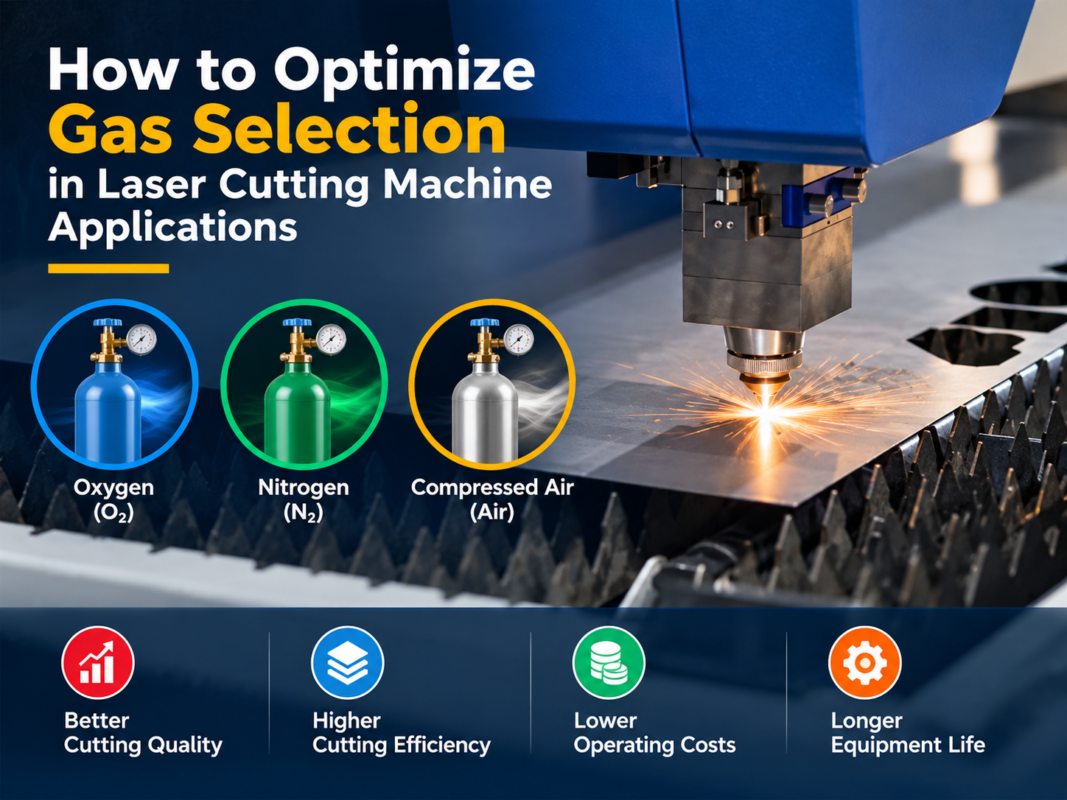
If you use oxygen as a shielding gas, carbon steel will have a dark oxide layer on the edge. However, for signage, nitrogen is typically used as the shielding gas for stainless steel and aluminum. Nitrogen prevents oxidation, resulting in a clean, silver edge that does not require cleaning before further processing.
Conclusion and Call to Action
In conclusion, laser cutting machines streamline signage and advertising fabrication by providing unmatched precision, speed, and material efficiency. From the initial design to the final product, the integration of laser technology simplifies every step of the manufacturing process, allowing businesses to produce higher-quality signs at a lower cost. As the advertising industry continues to evolve toward more complex and personalized designs, the laser cutter will remain an indispensable tool for any fabricator looking to stay ahead of the curve.
At HARSLE, we specialize in providing high-performance metal fabrication machinery tailored to the needs of the signage industry. Our range of fiber laser cutting machines is designed for durability, ease of use, and maximum productivity. Whether you are a small boutique shop or a large-scale industrial manufacturer, we have the solution to help you grow. Contact HARSLE today to speak with our technical experts and discover how our laser cutting solutions can transform your signage production and boost your bottom line.