What to Look for in a Laser Cutting Machine for Industrial Sheet Metal Cutting


Introduction to Industrial Laser Cutting Technology
In the modern landscape of metal fabrication, the fiber laser cutting machine has emerged as the gold standard for precision, speed, and versatility. For industrial manufacturers, choosing the right equipment is not merely a purchase but a strategic investment that dictates production capacity and market competitiveness for the next decade. When considering what to look for in a laser cutting machine for industrial sheet metal cutting, one must look beyond the surface-level specifications and delve into the synergy between hardware, software, and operational efficiency.
HARSLE has been at the forefront of providing high-performance machinery that balances technological innovation with practical industrial needs. As sheet metal requirements become more complex—demanding tighter tolerances and faster turnaround times—the criteria for selecting a laser system have evolved. This guide provides a deep dive into the critical factors that define a high-quality industrial laser cutter, ensuring that your investment yields the highest possible return.
Price Range Overview: Understanding the Market Tiers
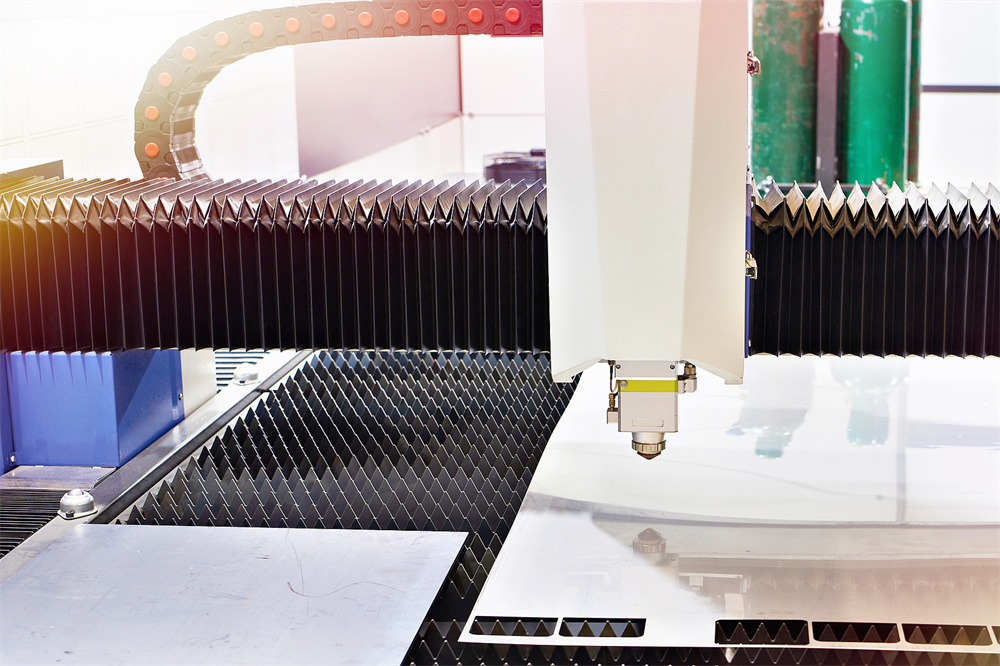
The price of an industrial laser cutting machine varies significantly based on power, bed size, and automation features. Generally, the market is divided into three primary tiers. Entry-level industrial machines, typically featuring 1kW to 3kW fiber laser sources, range from $30,000 to $60,000. These are ideal for small-to-medium enterprises (SMEs) focusing on thinner gauges of carbon steel and stainless steel. While they lack the blistering speed of higher-wattage units, they offer a massive leap in precision compared to traditional plasma or mechanical cutting methods.
Mid-range systems, which are the workhorses of the modern job shop, usually offer 6kW to 12kW of power. These machines are priced between $80,000 and $160,000. They are designed for high-duty cycles and can handle a wider variety of materials, including highly reflective metals like aluminum, brass, and copper. At this level, you begin to see advanced features such as automatic nozzle changers and sophisticated nesting software included as standard.
High-end industrial systems exceed 20kW and can cost upwards of $250,000. These machines are engineered for heavy plate cutting (often exceeding 50mm thickness) and ultra-high-speed production environments. They often feature full automation, including loading and unloading systems, which significantly reduces labor costs but increases the initial capital expenditure. Understanding where your production needs fall within these tiers is the first step in narrowing down your search.
Main Cost Drivers: What Influences the Final Quote?
The most significant cost driver in any fiber laser machine is the laser source itself. Brands like IPG Photonics, Raycus, and Maxphotonics dominate the market. IPG is often considered the premium choice due to its global service network and long-term stability, while Raycus and Max offer excellent value-to-performance ratios for many industrial applications. The wattage of the source is the primary determinant of price; as power increases, the cost of the power supply and the cooling requirements scale accordingly.
The motion system is another critical cost factor. High-speed cutting requires exceptional acceleration and deceleration capabilities. This is achieved through high-quality rack and pinion systems (such as those from Atlanta or YYC) and precision servo motors (like Yaskawa or Panasonic). Machines that utilize linear motors offer even higher speeds and precision but come with a premium price tag. The structural integrity of the machine bed—whether it is a heavy-duty welded frame or a cast iron bed—also impacts the cost, as it dictates the machine’s ability to maintain accuracy over years of high-speed operation.
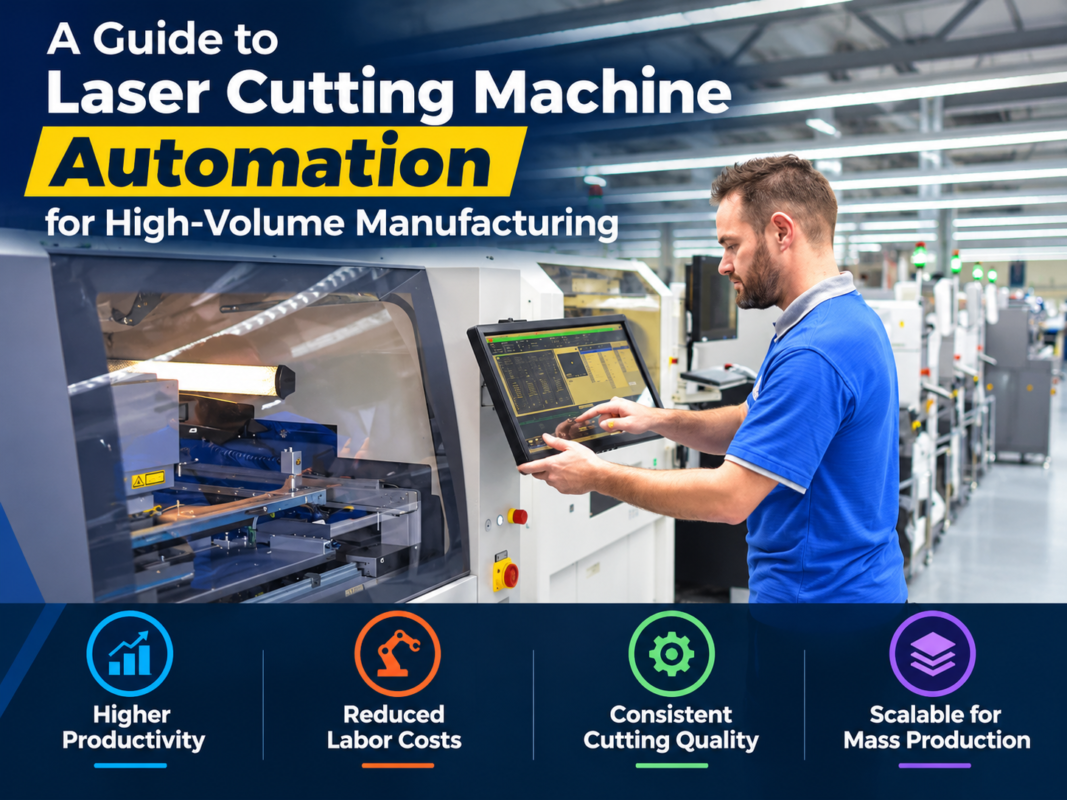
Finally, the inclusion of a shuttle table (exchange table) significantly drives up the price but is essential for industrial productivity. A shuttle table allows the operator to load new sheets and unload finished parts while the machine is still cutting, effectively doubling the machine’s uptime. For any serious industrial operation, a shuttle table is rarely an option; it is a necessity.
Configuration Impact: Technical Specifications to Scrutinize
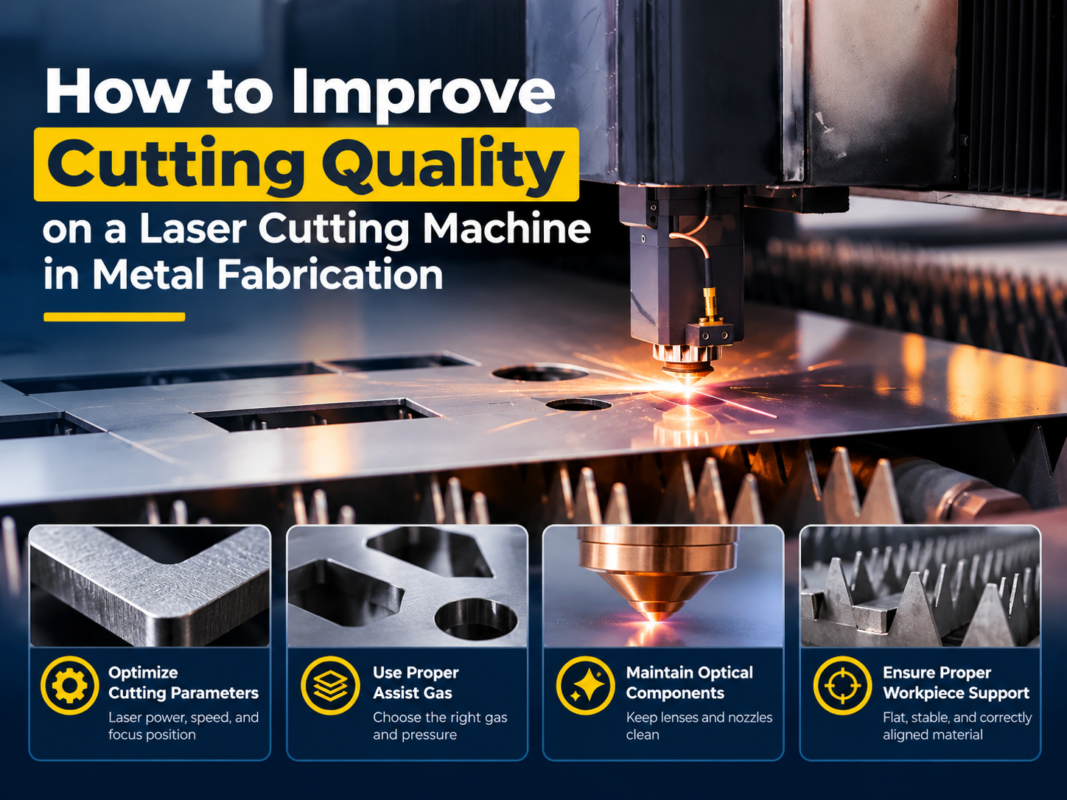
When evaluating what to look for in a laser cutting machine for industrial sheet metal cutting, the configuration of the cutting head is paramount. Modern industrial machines should feature an autofocus cutting head, such as those from Precitec or Raytools. Autofocus allows the machine to automatically adjust the focal point based on the material thickness and type, which is crucial for maintaining cut quality and preventing nozzle damage during high-speed piercing.
The control system and software are the “brain” of the machine. CypCut is the industry standard for many fiber laser machines due to its user-friendly interface and powerful nesting capabilities. However, for more complex 3D cutting or highly automated lines, systems like Beckhoff or FSCUT8000 offer more advanced integration. The software should support features like “fly cutting” (cutting without stopping between holes) and “frog-leap” positioning to minimize non-cutting time.
- Laser Source: Determines the maximum thickness and cutting speed.
- Cutting Head: Autofocus is essential for industrial consistency.
- Bed Structure: A heavy, heat-treated frame prevents deformation over time.
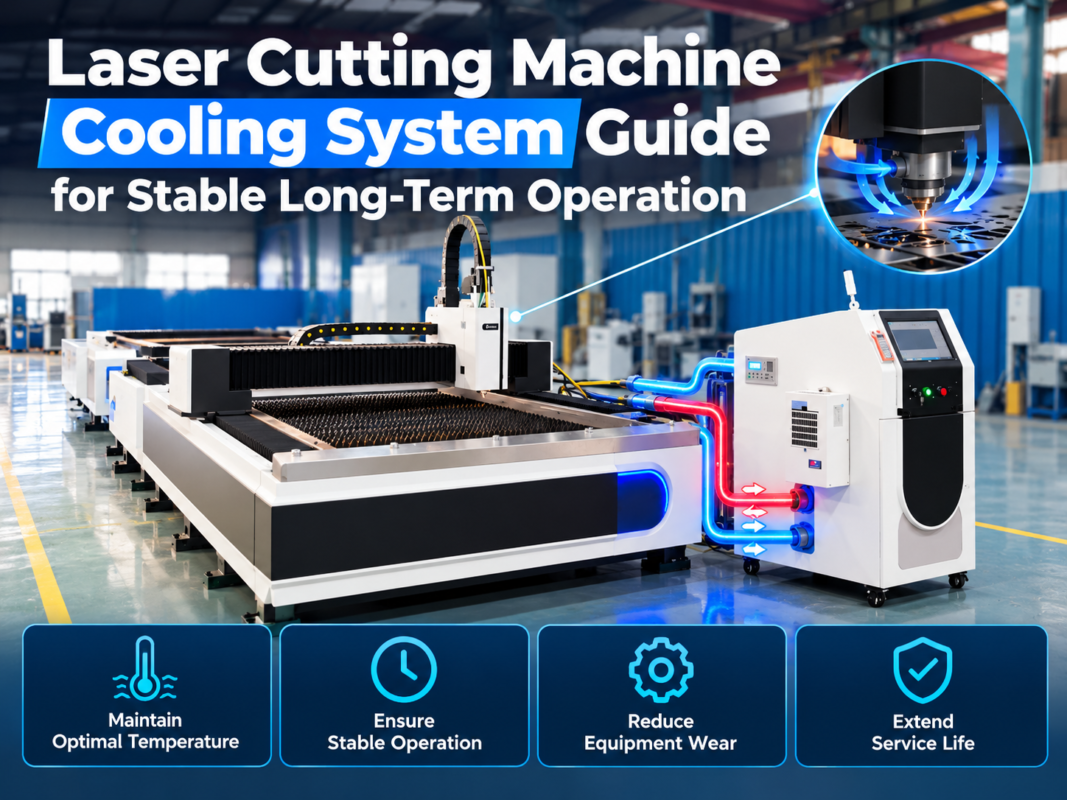
- Chiller System: Dual-circuit cooling for both the laser source and the cutting head.
- Gas Control: Electronic proportional valves for precise oxygen and nitrogen pressure management.
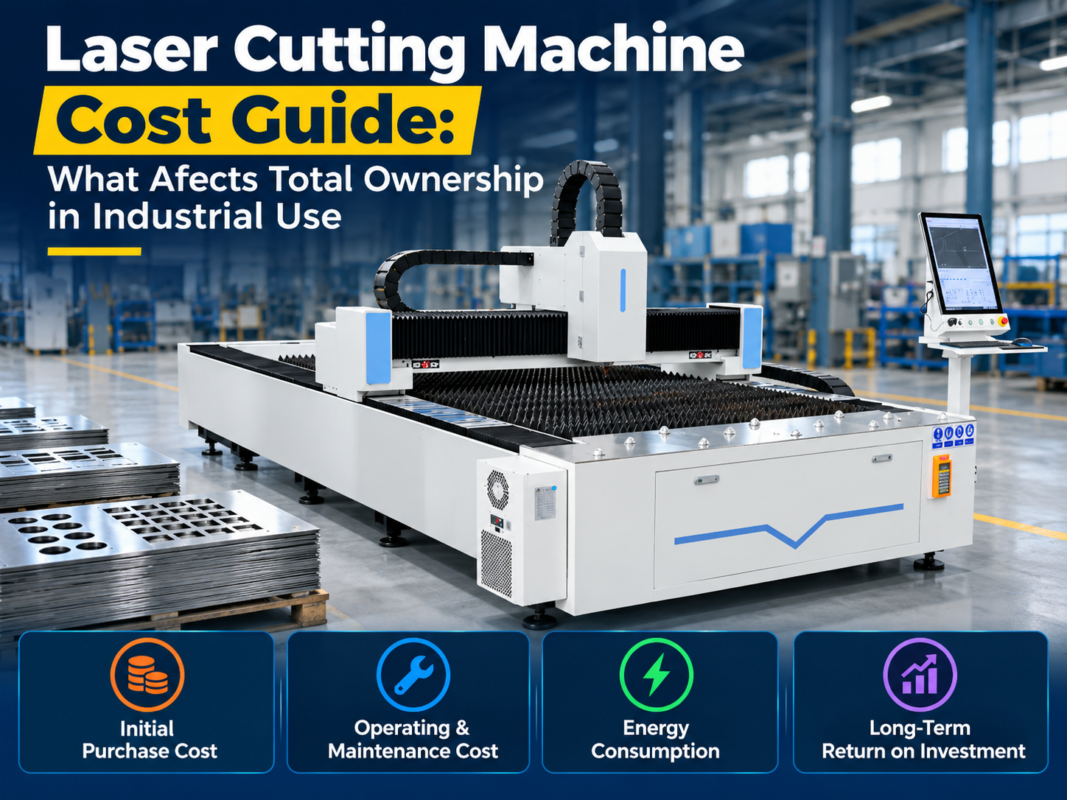
Hidden Costs: Beyond the Initial Purchase Price
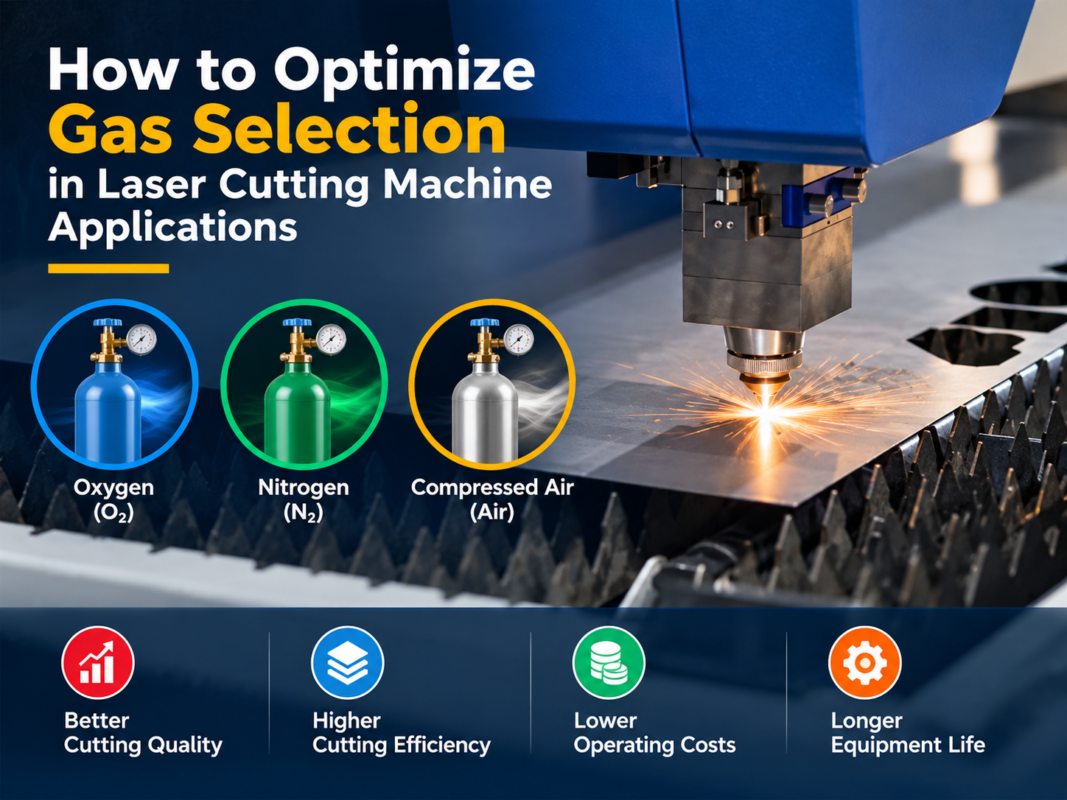
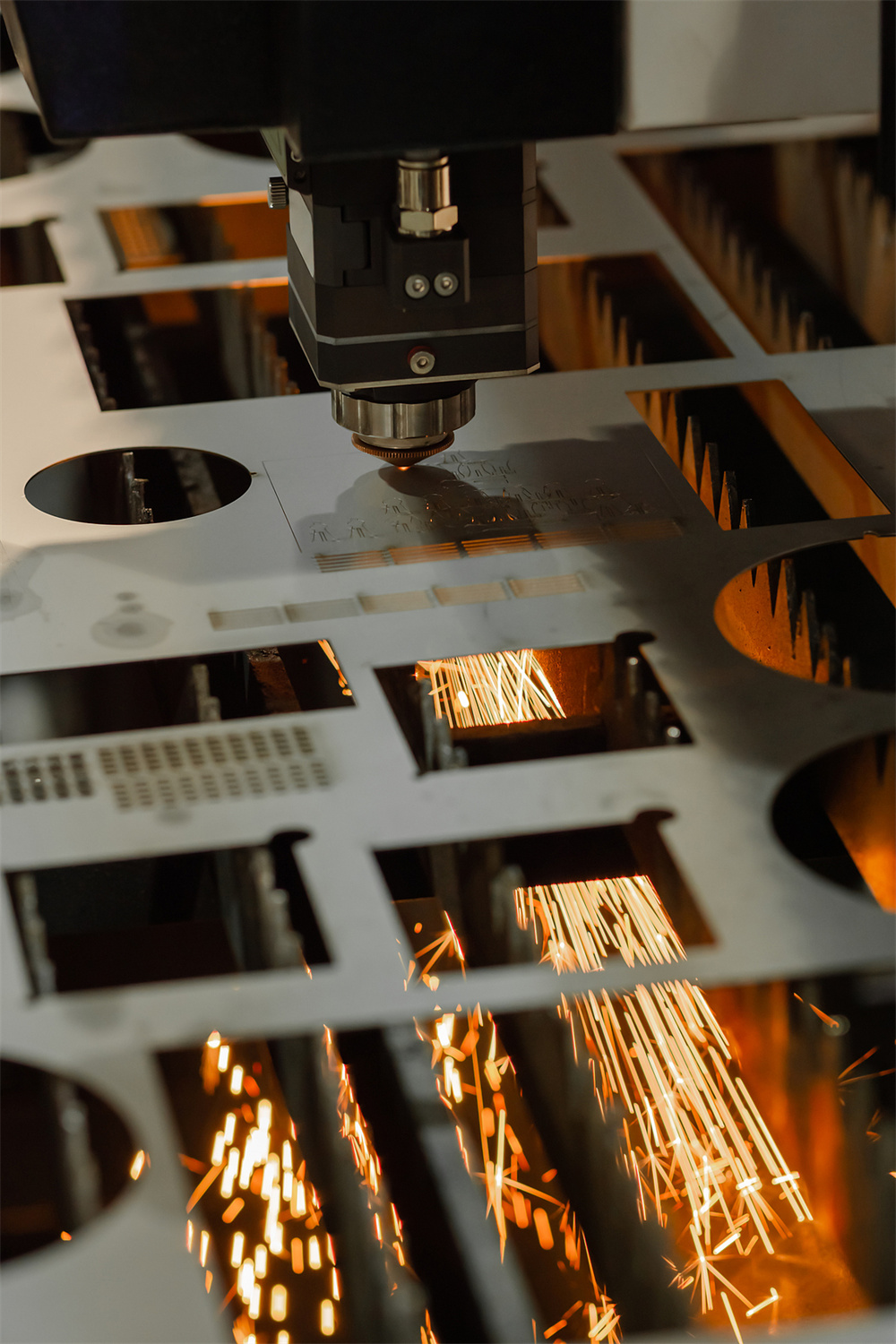
The sticker price of a laser cutting machine is only part of the total cost of ownership. One of the most significant ongoing expenses is gas consumption. Cutting with nitrogen (for a clean, oxide-free edge) can be expensive, especially at high pressures. Many shops are now investing in high-pressure air compressors to cut thinner materials with compressed air, which significantly reduces operating costs. However, the initial investment in a high-quality air filtration and drying system must be accounted for.
Consumables are another recurring cost. This includes copper nozzles, protective windows (lenses), and ceramic rings. While individual parts are relatively inexpensive, they add up over thousands of hours of operation. Furthermore, the electricity consumption of a high-power fiber laser and its accompanying chiller can be substantial. While fiber lasers are much more efficient than older CO2 technology, a 12kW system still requires a robust industrial power supply.
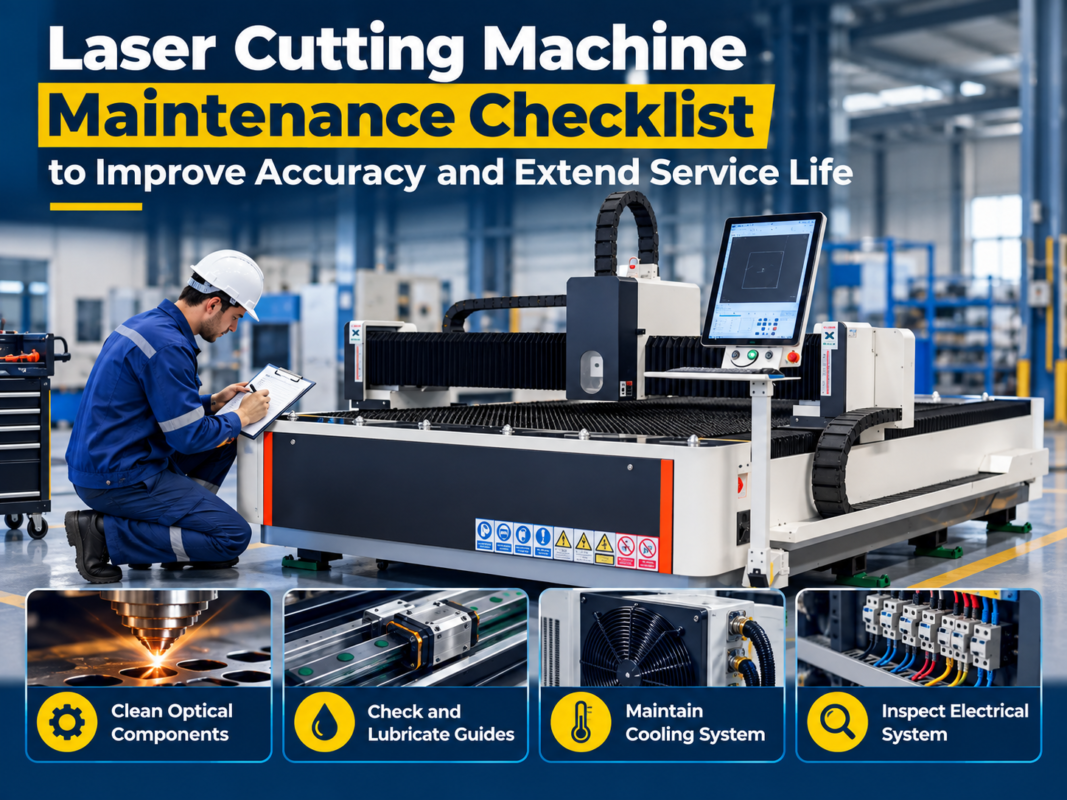
Maintenance and training should also be considered hidden costs. An industrial machine requires regular calibration, lens cleaning, and rail lubrication. If your staff is not properly trained, you risk expensive downtime or damage to the cutting head. HARSLE emphasizes the importance of comprehensive training packages to ensure that operators can maximize the machine’s potential from day one.
ROI Calculation: When Will the Machine Pay for Itself?
Calculating the Return on Investment (ROI) for a laser cutting machine involves comparing the cost of the machine against the revenue it generates or the costs it saves. If you are currently outsourcing your laser cutting, the ROI is often very clear. By bringing production in-house, you eliminate the markup from the service provider and gain total control over your production schedule. Most industrial users find that a machine running two shifts a day can pay for itself within 18 to 24 months.
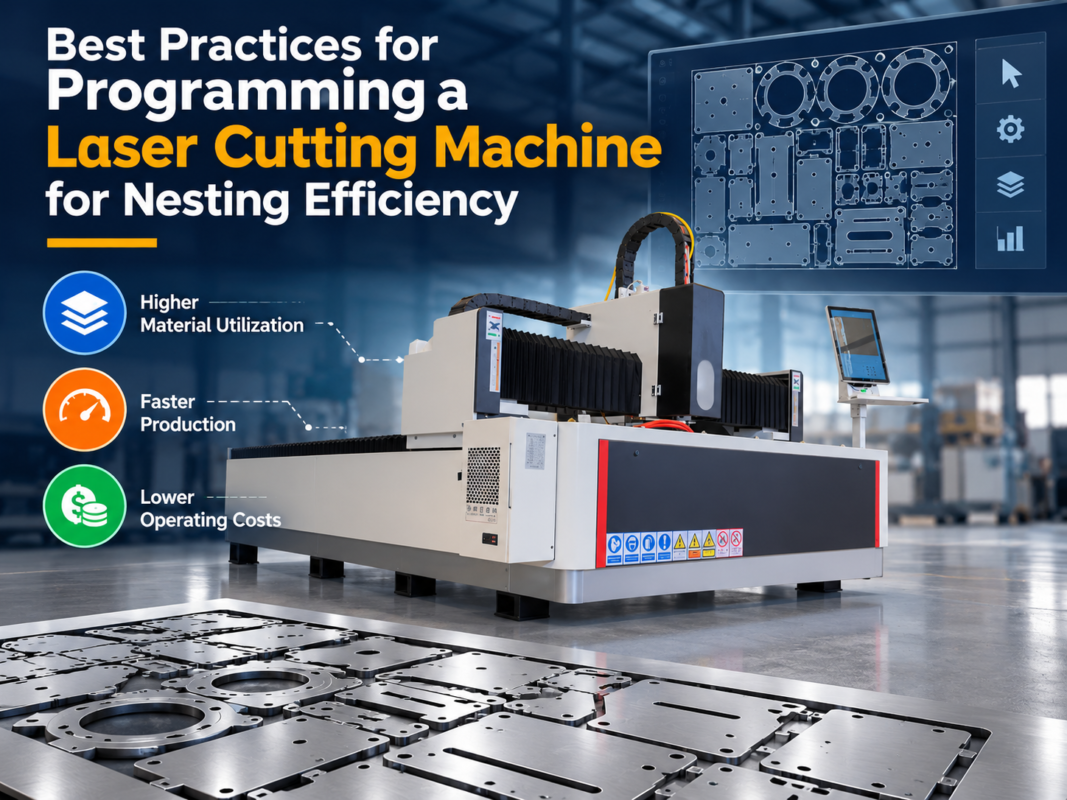
Productivity gains are the primary driver of ROI. A 6kW fiber laser can cut 3mm stainless steel at speeds exceeding 30 meters per minute. When compared to older mechanical punching or plasma cutting, the throughput is incomparable. Additionally, the precision of the laser often eliminates the need for secondary finishing processes like grinding or deburring, further reducing labor costs per part. Material utilization is another factor; advanced nesting software can squeeze more parts out of a single sheet, reducing scrap rates by 10-15%.
Buying Advice: Choosing the Right Partner
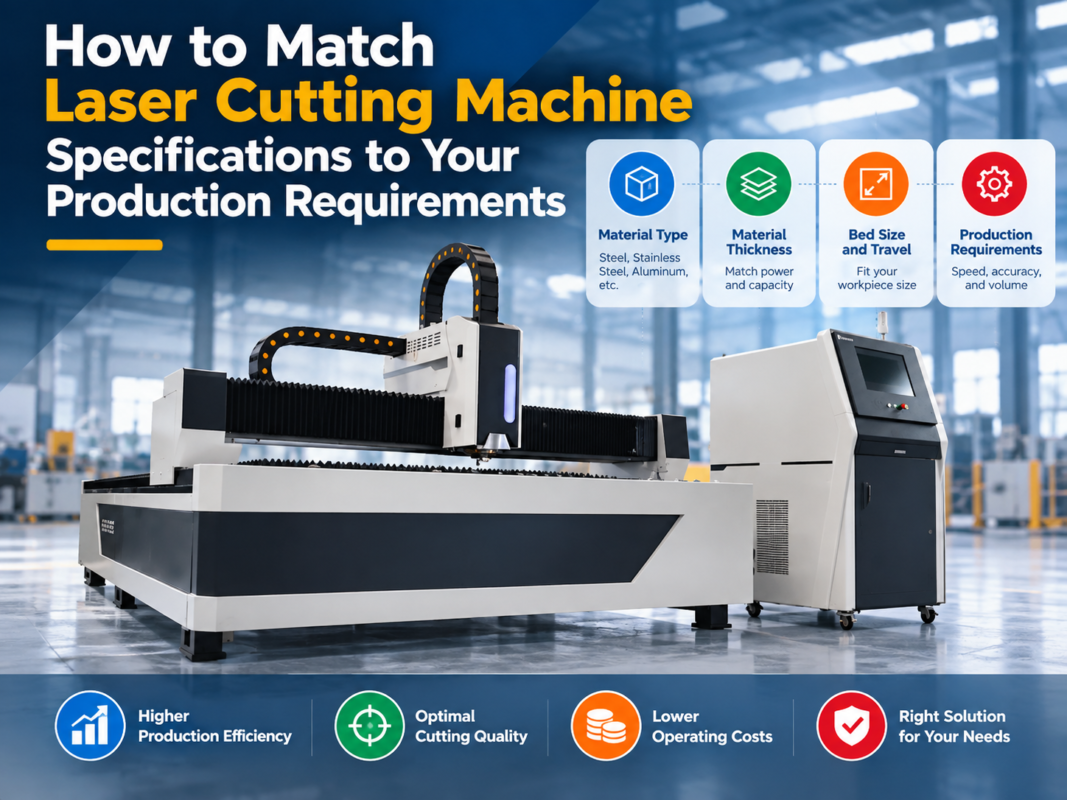
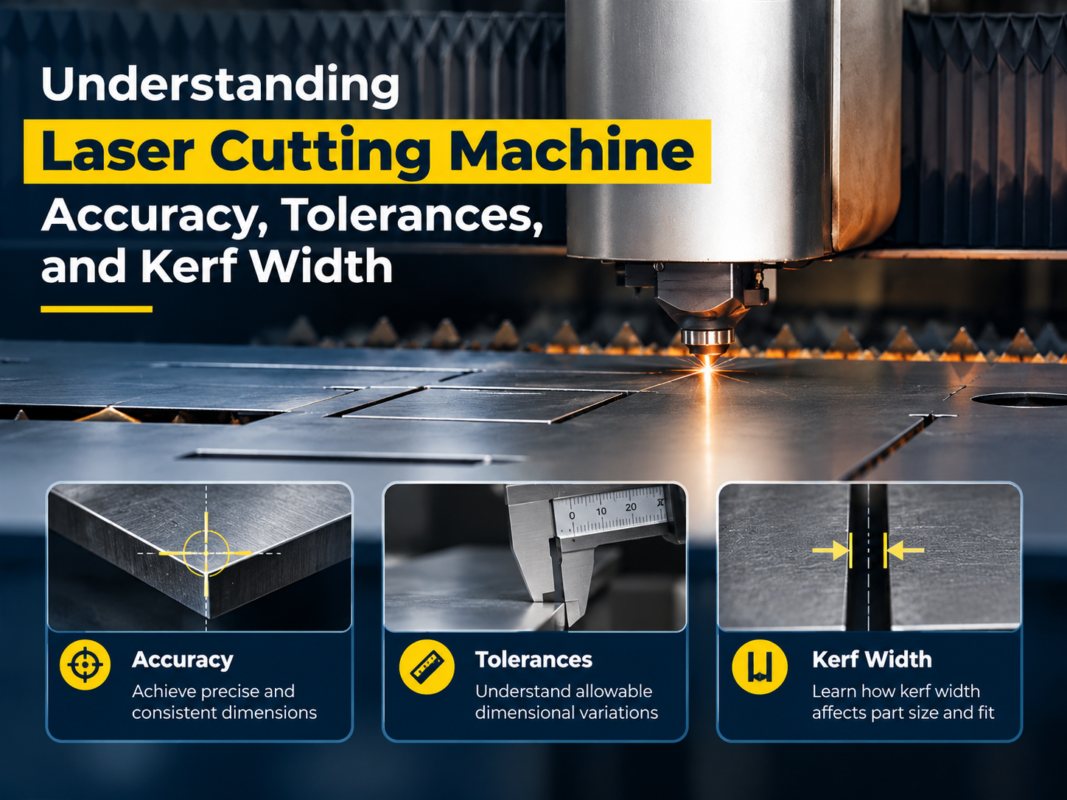
When you are ready to buy, the most important advice is to match the machine to your specific material mix. Do not buy a 12kW machine if 90% of your work is 2mm aluminum; conversely, do not underpower your shop if you frequently handle 20mm carbon steel. Always request a cutting sample using your own CAD files and material. This allows you to verify the edge quality and the actual cycle time, which is often different from the theoretical speeds listed in brochures.
Furthermore, evaluate the manufacturer’s after-sales support. In an industrial environment, downtime is the enemy. Ensure that the supplier has a local service presence or a robust remote diagnostic capability. Check the availability of spare parts; you do not want your machine sitting idle for three weeks waiting for a specific cable or lens from overseas. HARSLE’s commitment to global support and modular component design ensures that our clients experience minimal disruptions.
Checklist for Industrial Buyers:
- Define your maximum material thickness and most common material type.
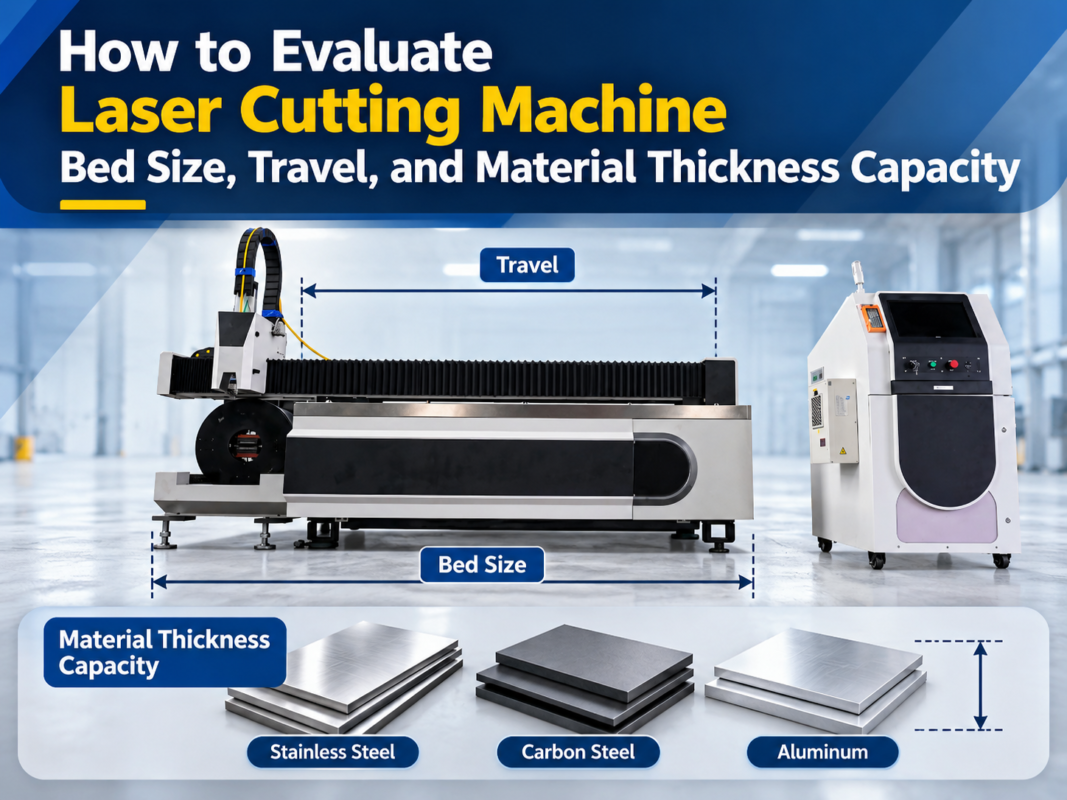
- Determine the required bed size (e.g., 3015, 4020, or 6025).
- Assess the need for a shuttle table based on production volume.
- Verify the brand and warranty of the laser source and cutting head.
- Inquire about the software’s nesting efficiency and ease of use.
- Calculate the total power requirements for your facility.
- Review the maintenance schedule and cost of common consumables.
Frequently Asked Questions (FAQ)
What is the difference between Fiber and CO2 lasers for industrial cutting?
Fiber lasers are significantly more efficient, faster at cutting thin-to-medium materials, and require much less maintenance than CO2 lasers. CO2 lasers were traditionally better for very thick materials and non-metals, but modern high-power fiber lasers (15kW+) have largely closed the gap in thick metal cutting.
How much power do I really need for 10mm carbon steel?
While a 3kW laser can cut 10mm carbon steel, it will do so slowly. For industrial production where speed and edge quality are important, a 6kW source is recommended for 10mm material. It provides a much cleaner cut and significantly higher throughput.
Can I cut copper and brass with any fiber laser?
Most modern fiber lasers can cut reflective materials like copper and brass, but it is important to ensure the machine has back-reflection protection. This prevents the laser beam from bouncing back into the source and causing damage. High-power machines (6kW+) are generally better suited for these materials.
What is the lifespan of a fiber laser source?
A high-quality fiber laser source, such as those from IPG or Raycus, typically has a rated lifespan of 100,000 hours. This equates to over 10 years of continuous 24/7 operation, making it one of the most durable components in a modern fabrication shop.
Is nitrogen or oxygen better for cutting?
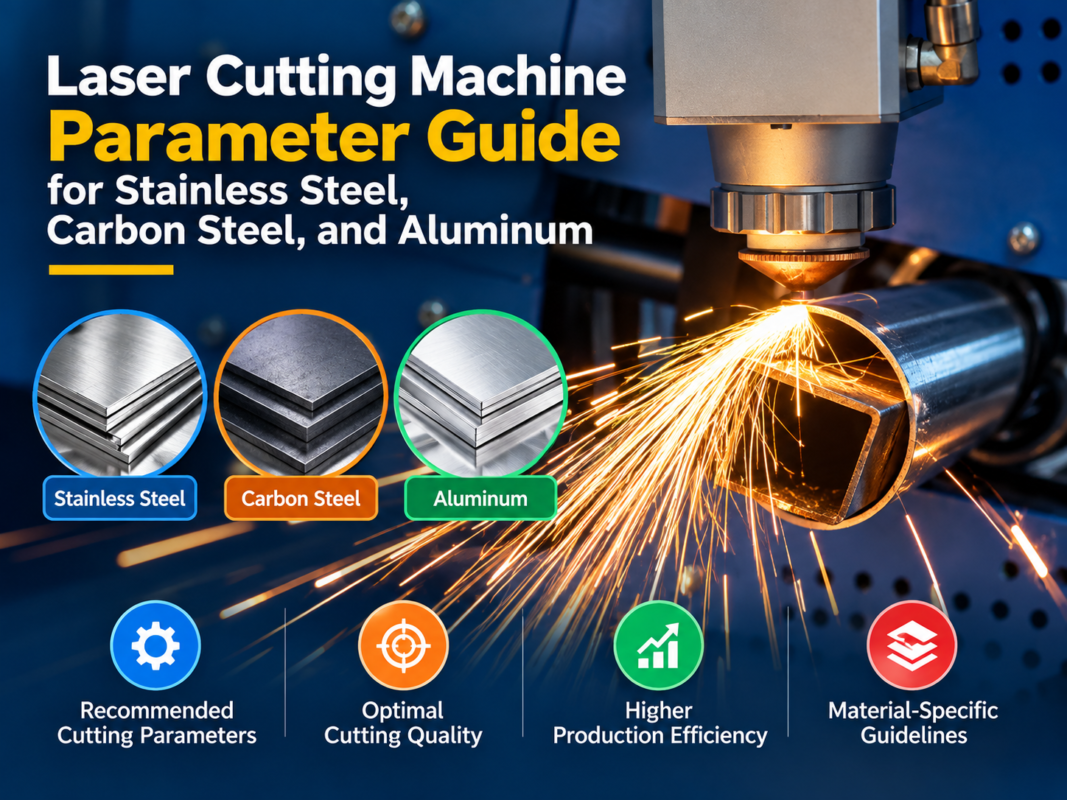
Oxygen is typically used for carbon steel; it creates an exothermic reaction that helps melt the metal, but it leaves an oxide layer on the edge. Nitrogen is used for stainless steel and aluminum to prevent oxidation, resulting in a shiny, weld-ready edge. Nitrogen requires higher pressure and is generally more expensive to use.
Conclusion
Selecting the right laser cutting machine for industrial sheet metal cutting is a multifaceted decision that requires a balance of technical knowledge and business foresight. By focusing on the laser source, motion system, and total cost of ownership, manufacturers can select a system that not only meets today’s needs but also provides a platform for future growth. HARSLE remains dedicated to providing the industry with the tools and expertise necessary to navigate this complex landscape, ensuring that every cut is a step toward greater profitability and precision.