Press Brake Case Study: Achieving Better Bending Speed and Part Quality with HARSLE


Introduction
In the competitive landscape of modern metal fabrication, the ability to balance production throughput with uncompromising precision is the hallmark of a successful workshop. For many manufacturers, the bottleneck often lies in the bending department, where inconsistent angles, slow cycle times, and manual adjustments hinder overall efficiency. This article presents a comprehensive Press Brake Case Study: Better Bending Speed and Part Quality, focusing on how HARSLE’s advanced CNC hydraulic press brake technology transforms these operational challenges into competitive advantages.
Achieving superior bending results is not merely about the force applied to the metal; it is about the synergy between the machine’s control system, the hydraulic synchronization, and the tooling integrity. As we explore this case study, we will examine how a mid-sized fabrication facility transitioned from legacy equipment to a high-performance HARSLE CNC press brake, resulting in a 40% increase in production speed and a significant reduction in scrap rates.
The shift toward Industry 4.0 requires equipment that offers real-time feedback and automated compensation. By integrating intelligent software with robust mechanical design, HARSLE ensures that every bend meets the exact specifications required for high-tolerance assemblies. This guide serves as a roadmap for shop managers and engineers looking to optimize their bending processes through technological upgrades.
Throughout this analysis, we will delve into the technical nuances that define high-quality bending. From the importance of crowning systems to the role of multi-axis backgauges, we will break down the components that contribute to a successful fabrication workflow. Whether you are dealing with thin-gauge aluminum or thick structural steel, the principles of speed and quality remain universal.
Key Considerations for Bending Efficiency
When evaluating the performance of a press brake, the primary metrics are cycle time per part and the accuracy of the bend angle. Efficiency is often lost during the setup phase, where operators spend excessive time manually calibrating the backgauge or adjusting the ram depth. A modern press brake must minimize these non-productive hours to truly enhance the bottom line.
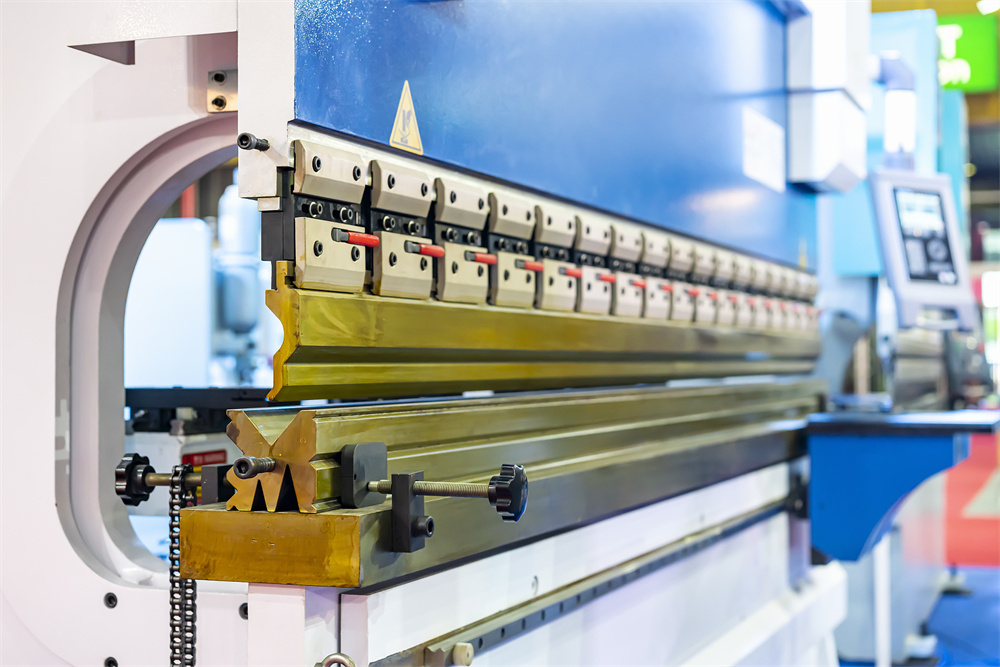
Another critical consideration is the consistency of the material. Variations in sheet metal thickness or tensile strength can lead to ‘springback,’ a common phenomenon that ruins part quality. A high-quality press brake must be equipped with active compensation systems that detect these variations in real-time, adjusting the ram position to ensure the final angle is perfect on the first attempt.
Operator ergonomics also play a significant role in bending speed. If the machine interface is intuitive and the safety systems allow for rapid part handling without compromising worker protection, the overall throughput increases naturally. HARSLE designs its press brakes with the operator in mind, utilizing advanced light curtains and ergonomic control consoles that reduce fatigue and streamline the workflow.
Finally, the integration of offline programming software is essential for modern fabrication. By simulating the bending process before the metal ever touches the machine, shops can identify potential collisions and optimize the bending sequence. This proactive approach eliminates the trial-and-error method, significantly boosting the speed of production while ensuring that part quality remains consistent across large batches.
Technical Details: The HARSLE Advantage
The core of the HARSLE advantage lies in the CNC-synchronized hydraulic system. Unlike mechanical systems that rely on physical linkages, HARSLE’s CNC press brakes utilize high-precision proportional valves and linear encoders to monitor the position of the ram at all times. This ensures that the left and right cylinders remain perfectly synchronized, even under off-center loading conditions.
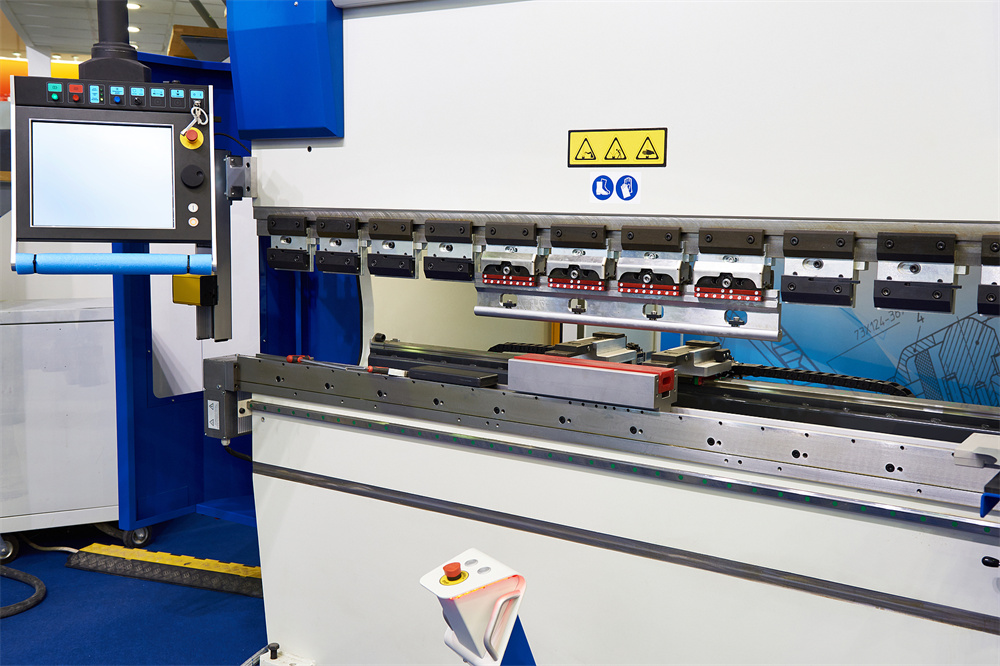
The backgauge system is another technical marvel. HARSLE machines feature multi-axis backgauges (X, R, Z1, Z2) that allow for complex part geometries to be bent with ease. By controlling the position of the backgauge fingers with micron-level accuracy, the machine ensures that every flange is the correct length, which is vital for subsequent welding or assembly processes. This level of precision is the cornerstone of the Press Brake Case Study: Better Bending Speed and Part Quality.
Crowning systems are equally important. As the press brake applies force, the frame naturally deflects, which can lead to uneven bending across the length of the bed. HARSLE’s automated hydraulic crowning system compensates for this deflection by adjusting the bed profile, ensuring that the bend angle is uniform from one end of the workpiece to the other. This eliminates the need for time-consuming shimming.
Furthermore, the control interface allows for the storage of thousands of programs. Once a part is programmed, it can be recalled instantly, ensuring that repeat orders are produced with identical quality. This repeatability is what separates high-end fabrication shops from the rest, allowing them to scale their operations without sacrificing the precision that their clients demand.
Selection Advice for Your Fabrication Shop
Choosing the right press brake requires a thorough assessment of your current and future production needs. Start by analyzing the maximum material thickness and length you typically process. Investing in a machine that is significantly larger than your needs can lead to unnecessary energy consumption and slower cycle times, while an undersized machine will limit your capabilities.
Consider the level of automation you require. If your shop handles high-volume, repetitive parts, a press brake with robotic integration or automatic tool changing (ATC) might be the best investment. However, for job shops that handle a wide variety of custom parts, a versatile CNC press brake with a user-friendly interface and quick-change tooling systems is often the more cost-effective choice.
Maintenance and support are also critical factors. A press brake is a long-term asset, and you need a partner who provides comprehensive training, spare parts availability, and responsive technical support. HARSLE prides itself on its global support network, ensuring that your equipment remains operational and productive throughout its entire lifecycle.
Finally, look for energy efficiency. Modern hydraulic systems, such as those found in HARSLE machines, often feature variable frequency drives (VFDs) that adjust the motor speed based on the demand. This not only reduces electricity costs but also lowers noise levels and extends the life of the hydraulic components, contributing to a more sustainable and profitable manufacturing environment.
FAQ: Press Brake Optimization
How can I reduce springback in my bending process?
Springback is best managed through high-precision CNC control that allows for over-bending. By programming the machine to bend slightly past the target angle, the material’s elastic recovery brings it back to the desired position. Additionally, using a machine with active crowning ensures the force is distributed evenly, minimizing variations that contribute to inconsistent springback.
What is the benefit of a multi-axis backgauge?
A multi-axis backgauge allows for the positioning of parts in three dimensions. This is essential for complex parts with multiple bends or non-parallel flanges. It increases speed by reducing the need for manual repositioning and improves quality by ensuring that every bend is perfectly aligned with the previous one.
How often should I perform maintenance on my press brake?
Regular maintenance should be performed according to the manufacturer’s schedule, typically every 500 to 1,000 operating hours. This includes checking hydraulic fluid levels, inspecting seals, cleaning the backgauge rails, and verifying the calibration of the linear encoders. Consistent maintenance is the key to long-term part quality.
Can HARSLE press brakes handle different types of materials?
Yes, HARSLE press brakes are designed to be highly versatile. By adjusting the pressure and speed settings in the CNC controller, you can easily switch between materials like stainless steel, mild steel, aluminum, and copper, ensuring optimal results for each specific material property.
Conclusion
The journey toward better bending speed and part quality is a continuous process of refinement and technological adoption. As demonstrated in this Press Brake Case Study: Better Bending Speed and Part Quality, the integration of HARSLE’s advanced CNC hydraulic technology provides the precision, speed, and reliability required to excel in today’s demanding market. By focusing on machine synchronization, automated crowning, and intuitive control systems, fabricators can overcome traditional bottlenecks and achieve a new level of operational excellence.
Investing in the right equipment is only the first step. By combining high-performance machinery with proper maintenance, skilled operation, and a commitment to continuous improvement, your shop can ensure that every part leaving the floor meets the highest standards of quality. HARSLE remains dedicated to supporting your growth with innovative solutions that turn complex bending challenges into simple, efficient, and profitable workflows.
As you look to upgrade your metal fabrication capabilities, remember that the goal is not just to bend metal, but to create value. Whether you are a small job shop or a large-scale manufacturer, the principles outlined in this guide will help you navigate the complexities of modern bending and position your business for long-term success. Contact HARSLE today to learn more about how our press brake solutions can transform your production floor.