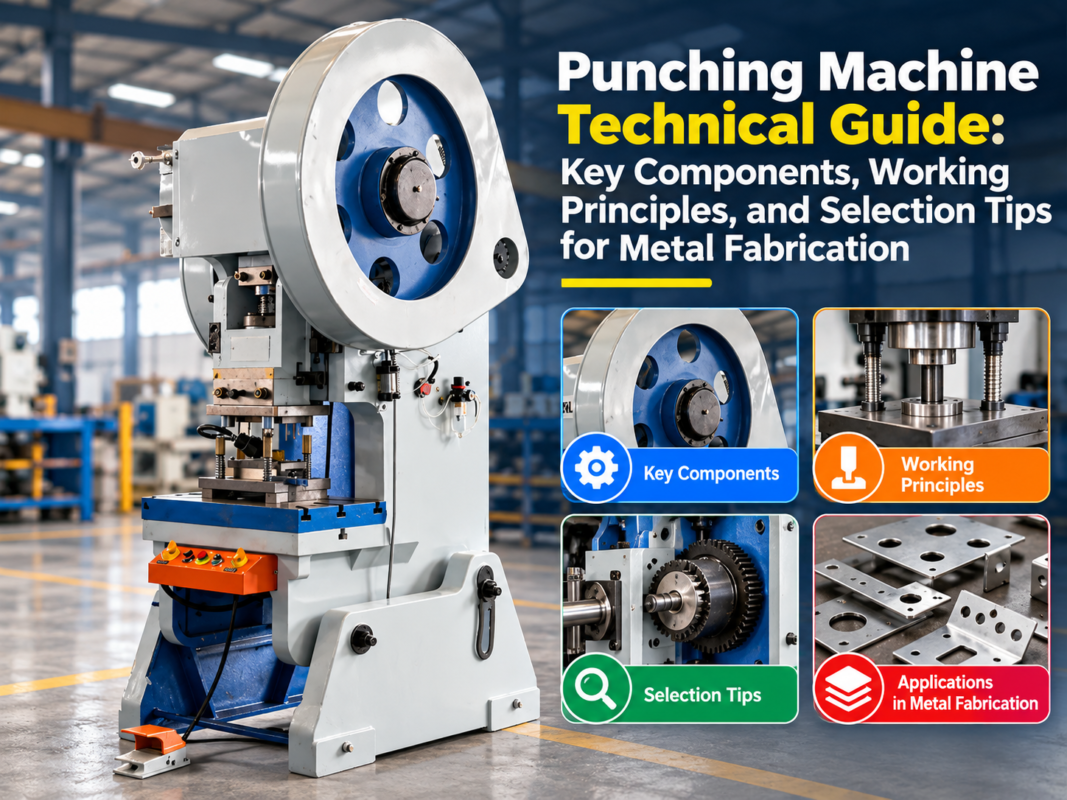
How to Prevent and Fix Punching Machine Material Deformation During Operation: A Comprehensive HARSLE Guide


Introduction to Material Deformation in Punching Operations
In the high-stakes world of industrial metal fabrication, precision is the ultimate currency. For operators utilizing a high-performance HARSLE punching machine, the goal is always a clean, burr-free, and dimensionally accurate component. However, one of the most persistent challenges faced by fabricators is material deformation. When a sheet metal workpiece warps, twists, or bows during the punching cycle, it not only compromises the quality of the final product but also leads to significant material waste and increased downtime.
Understanding how to prevent and fix punching machine material deformation during operation is essential for maintaining a competitive edge. Deformation typically occurs due to the immense compressive forces exerted by the punch and die, which can induce internal stress within the metal. If the material is not properly supported or if the tooling is not optimized, these stresses manifest as unwanted geometry changes. This guide explores the root causes of these issues and provides actionable strategies to ensure your production line remains efficient and accurate.
At HARSLE, we believe that knowledge is as important as the machinery itself. By mastering the variables—from clearance settings to material clamping—you can mitigate the risks of deformation before they occur. Whether you are working with thin-gauge aluminum or heavy-duty steel plates, the principles of force distribution and tooling maintenance remain the primary levers for controlling material behavior during the punching process.
This article serves as a technical roadmap for operators, engineers, and shop floor managers. We will delve into the physics of punching, the importance of tool geometry, and the advanced maintenance protocols required to keep your HARSLE equipment operating at peak performance. By the end of this guide, you will have a clear understanding of how to troubleshoot deformation issues and implement preventative measures that save time and money.
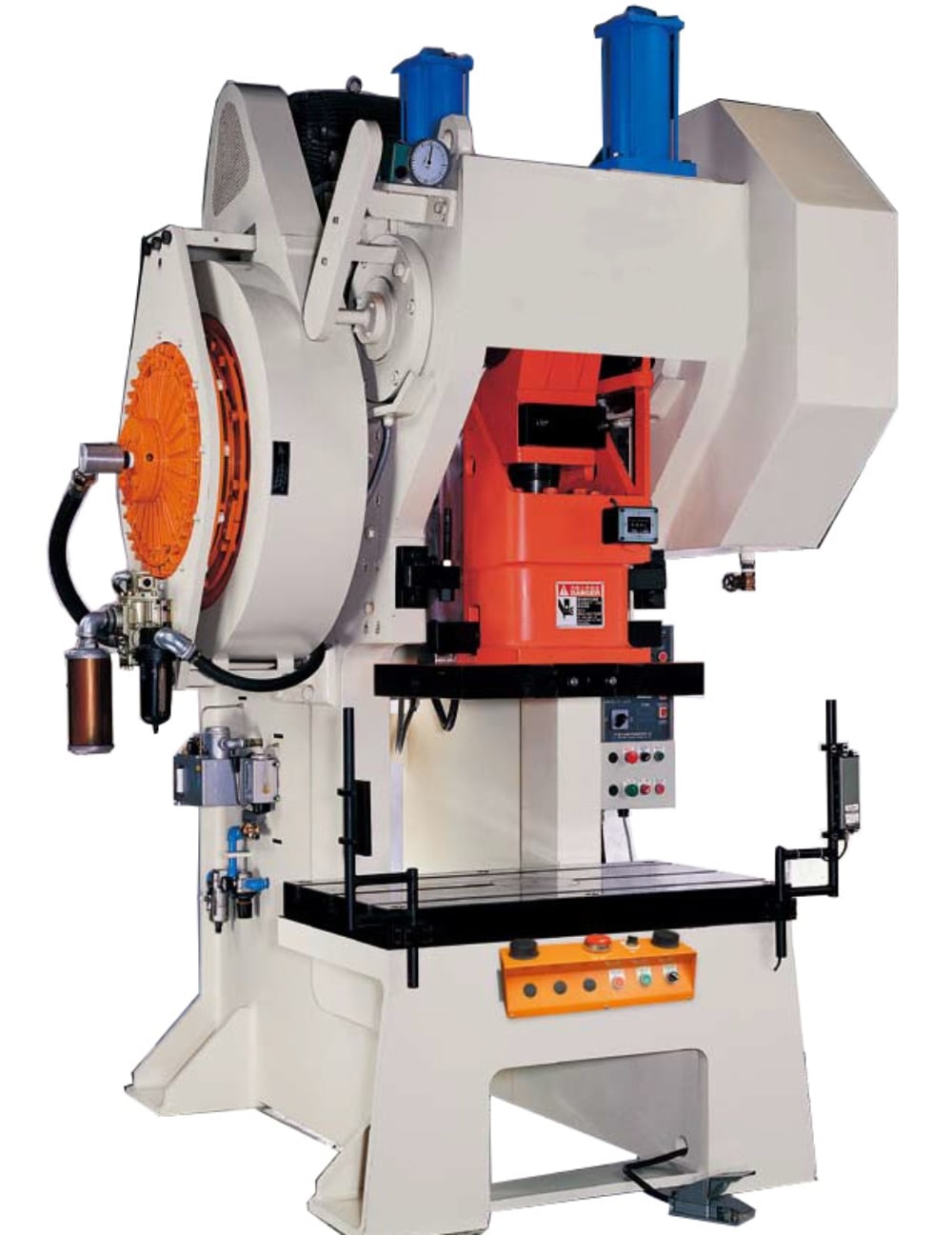
Key Considerations for Material Stability
The first step in preventing deformation is acknowledging that every material reacts differently to the punching force. Ductile materials like copper or soft aluminum are more prone to stretching and bowing, while high-strength alloys may resist deformation but are more likely to crack if the tooling clearance is incorrect. Recognizing these material properties is the foundation of a successful fabrication strategy.
Clamping pressure is another critical factor. If the sheet metal is not held firmly against the die surface, the material will lift or shift during the stripping phase of the punching cycle. This movement is a leading cause of localized deformation around the punched hole. Ensuring that your HARSLE machine’s hydraulic or pneumatic clamps are calibrated to the correct pressure for the specific material thickness is non-negotiable.
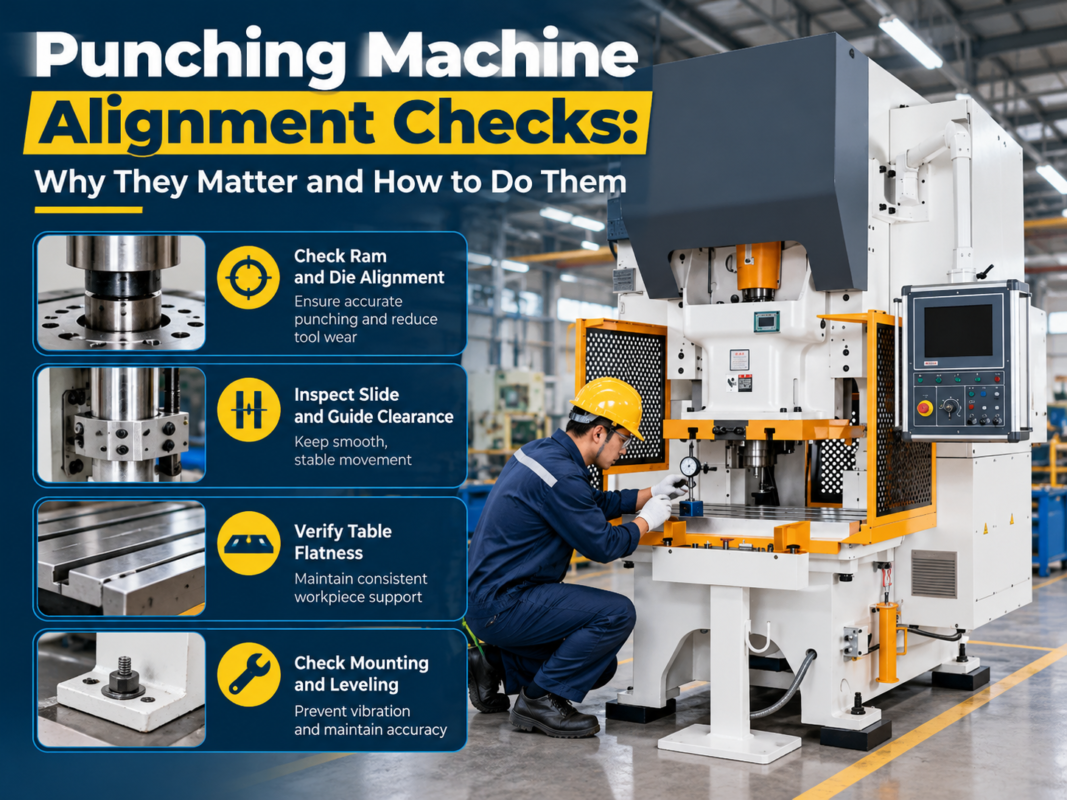
Tooling alignment cannot be overstated. Even a slight misalignment between the punch and the die can create uneven force distribution. When the punch enters the material, it should do so with uniform pressure across the entire cutting edge. If the punch is tilted or if the die clearance is inconsistent, the material will be pushed laterally rather than sheared cleanly, leading to immediate warping of the surrounding area.
Furthermore, the sequence of the punching pattern plays a vital role in structural integrity. Punching too many holes in close proximity in a short timeframe can cause the material to lose its structural rigidity, leading to a “wavy” effect. Operators should consider a staggered punching pattern or utilize a multi-step process to allow the material to dissipate stress. This strategic approach is a hallmark of professional fabrication and is essential for complex, high-density hole patterns.
Technical Details: The Physics of Deformation
To truly prevent and fix punching machine material deformation during operation, one must understand the interaction between the punch, the die, and the workpiece. When the punch contacts the sheet, it creates a zone of plastic deformation before the actual shearing occurs. If the die clearance is too large, this plastic zone expands, pulling more material into the hole and causing the sheet to distort around the punch entry point.
Die clearance is the gap between the punch and the die opening. For optimal results, this clearance should be calculated based on the material type and thickness. A general rule of thumb is that the clearance should be approximately 10% to 15% of the material thickness per side. If the clearance is too tight, the machine requires excessive force, which increases the risk of tool breakage and material buckling. If it is too loose, the material is “dragged” into the die, resulting in excessive burrs and deformation.
Stripper plate design is another technical aspect that often goes overlooked. The stripper plate is responsible for holding the material flat while the punch retracts. If the stripper plate is worn or if the spring pressure is insufficient, the material will be lifted along with the punch. This upward force is a primary culprit for material deformation, especially in thinner sheets where the material lacks the stiffness to resist the pull of the punch.
Thermal expansion is a hidden factor in high-speed punching operations. As the punch and die repeatedly strike the metal, friction generates heat. This heat can cause the material to expand slightly, which, when combined with the mechanical stress of the punch, leads to warping. Utilizing high-quality lubricants and ensuring that the tooling is made from high-grade, heat-resistant steel can help mitigate these thermal effects, keeping the workpiece stable throughout the production run.
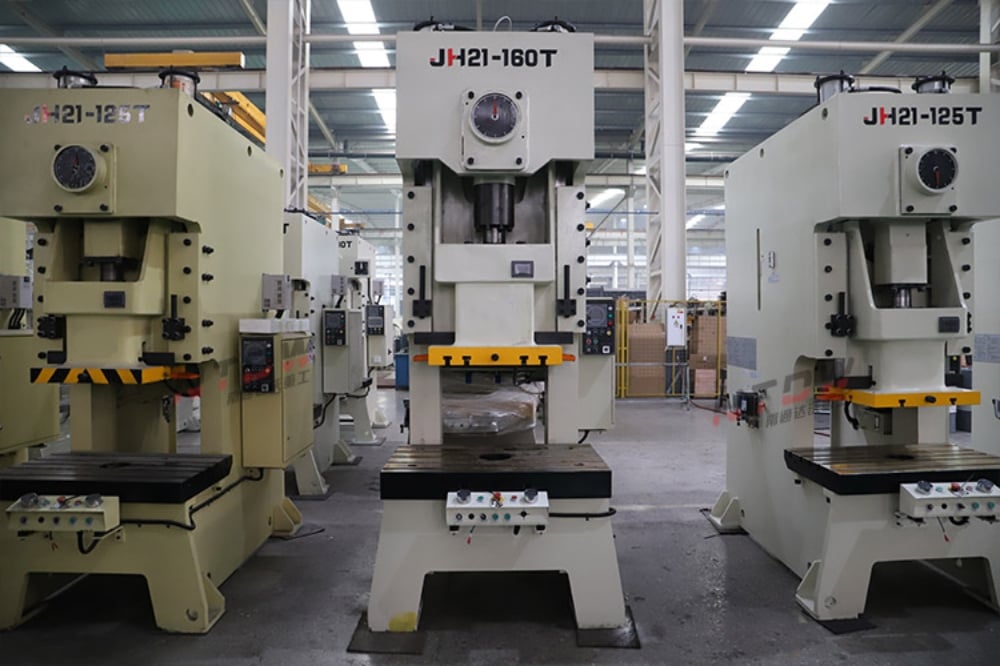
Selection Advice: Choosing the Right Equipment
When selecting a HARSLE punching machine, it is vital to match the machine’s tonnage and features to your specific production needs. A machine that is constantly running at its maximum capacity is more prone to vibration and mechanical stress, which can translate into material deformation. Always opt for a machine with a slightly higher tonnage rating than your maximum requirement to ensure smooth, stable operation.
Consider the benefits of CNC-controlled punching systems. Modern HARSLE CNC punching machines offer programmable clamping and variable punching speeds. These features allow operators to slow down the punching cycle for sensitive materials or adjust the clamping pressure dynamically. This level of control is a significant advantage when working with complex geometries that are prone to warping.
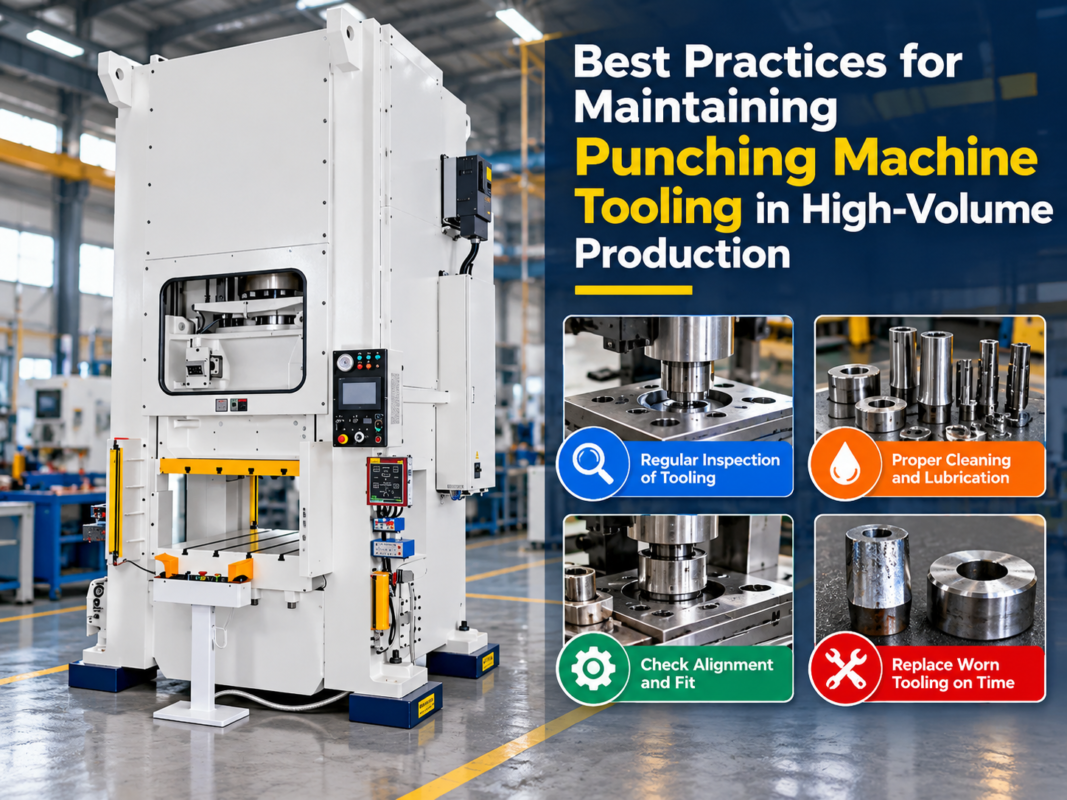
Tooling quality is an investment, not an expense. High-precision, coated punches and dies last longer and provide a cleaner shear, which reduces the force required to penetrate the material. When purchasing tooling, look for options that feature specialized coatings like TiN (Titanium Nitride) or DLC (Diamond-Like Carbon), which reduce friction and heat buildup, directly contributing to the prevention of material deformation.
Finally, evaluate the machine’s bed support system. For large sheets, a robust table with brush or ball-transfer supports is necessary to keep the material perfectly level. If the sheet is allowed to sag, the punching force will be uneven, leading to inconsistent hole quality and potential deformation. A well-supported workpiece is a stable workpiece, and stability is the key to precision.
Troubleshooting and Maintenance Checklist
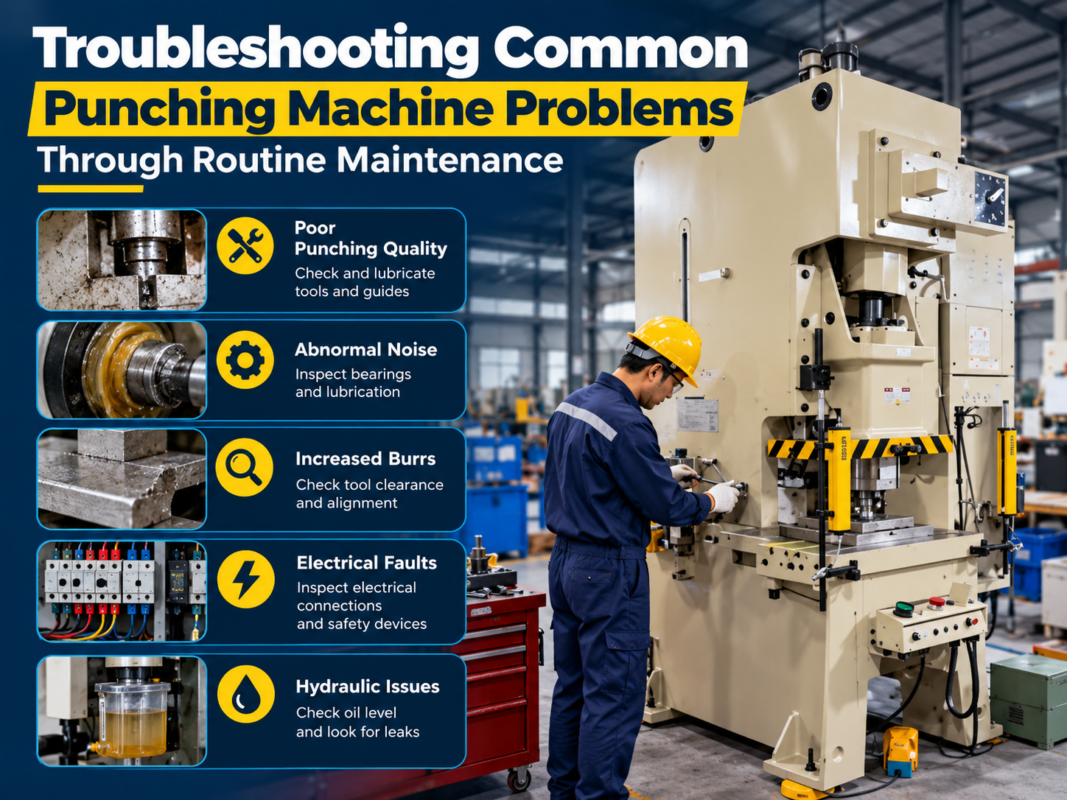
If you encounter deformation during operation, follow this systematic troubleshooting approach to identify and fix the issue:
- Check Tool Sharpness: Dull punches require more force and cause more material displacement. Sharpen or replace tools immediately if you notice increased burr size.
- Verify Die Clearance: Use a feeler gauge to ensure the clearance is uniform around the entire circumference of the punch.
- Inspect Stripper Pressure: Ensure the stripper plate is making firm contact with the material before the punch enters. Adjust spring tension if necessary.
- Analyze Punching Sequence: If the material is warping, try changing the order of the holes to distribute the stress more evenly across the sheet.
- Lubrication Check: Ensure that the lubricant being used is appropriate for the material thickness and type. Proper lubrication reduces friction and heat.
- Clamp Alignment: Check that the sheet is square and that all clamps are applying equal pressure.
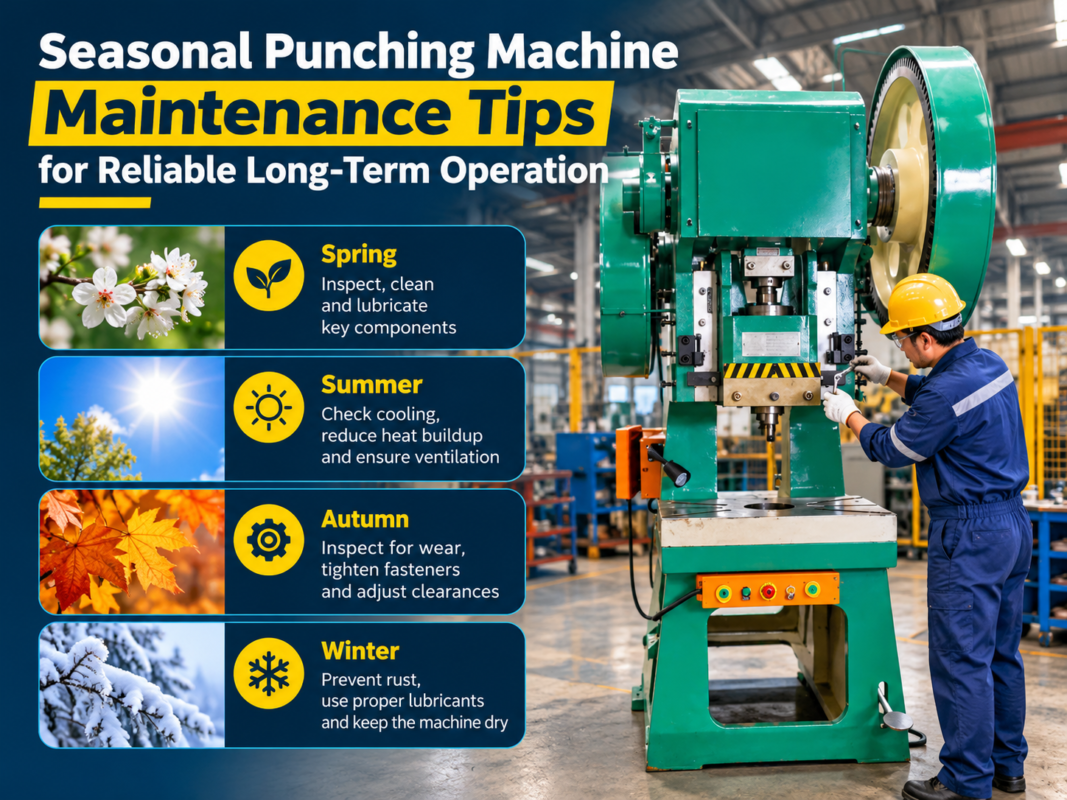
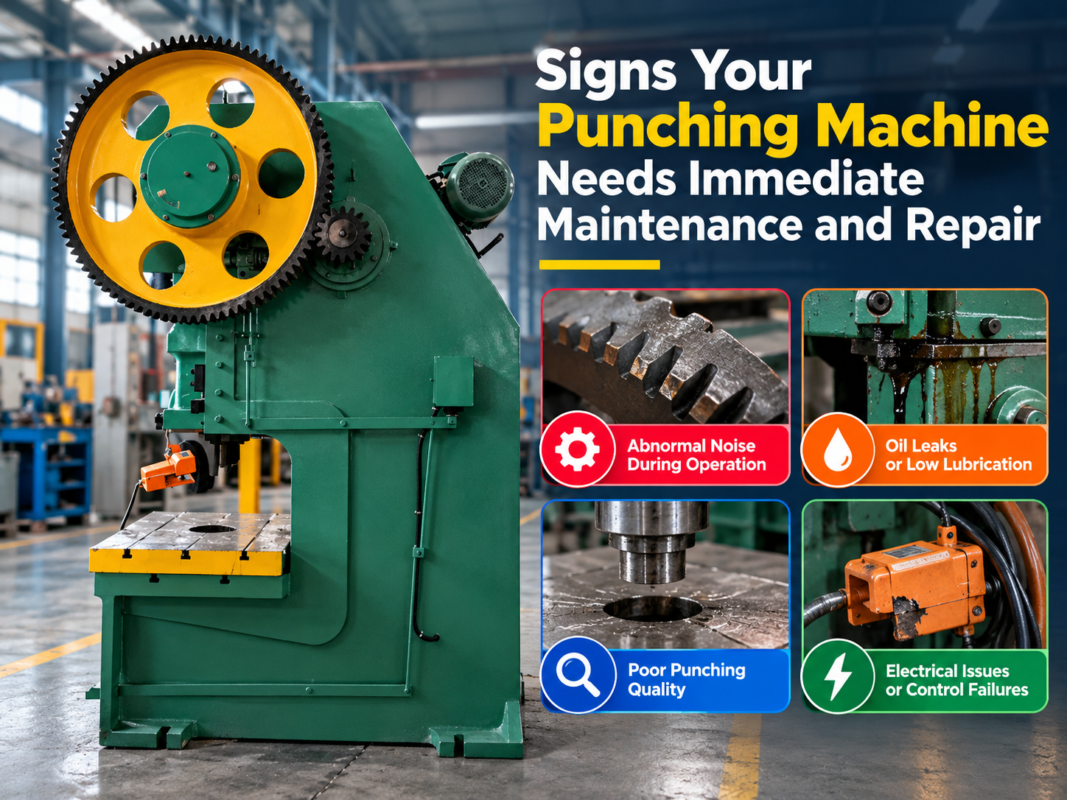
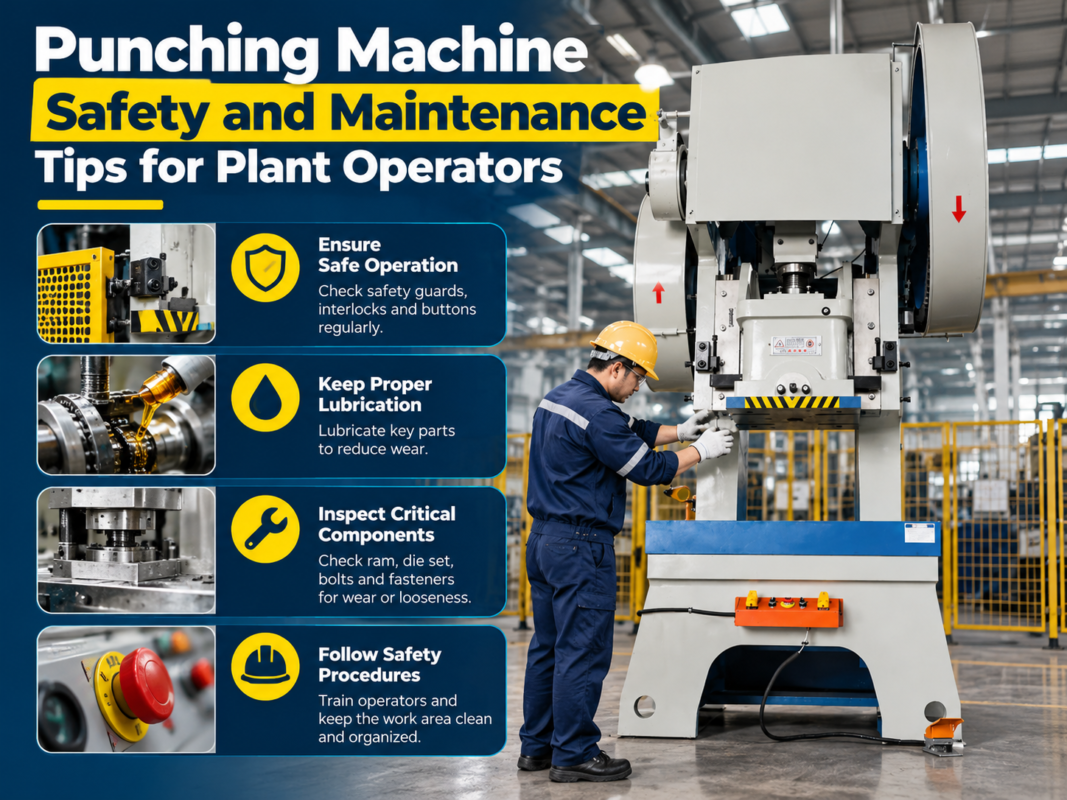
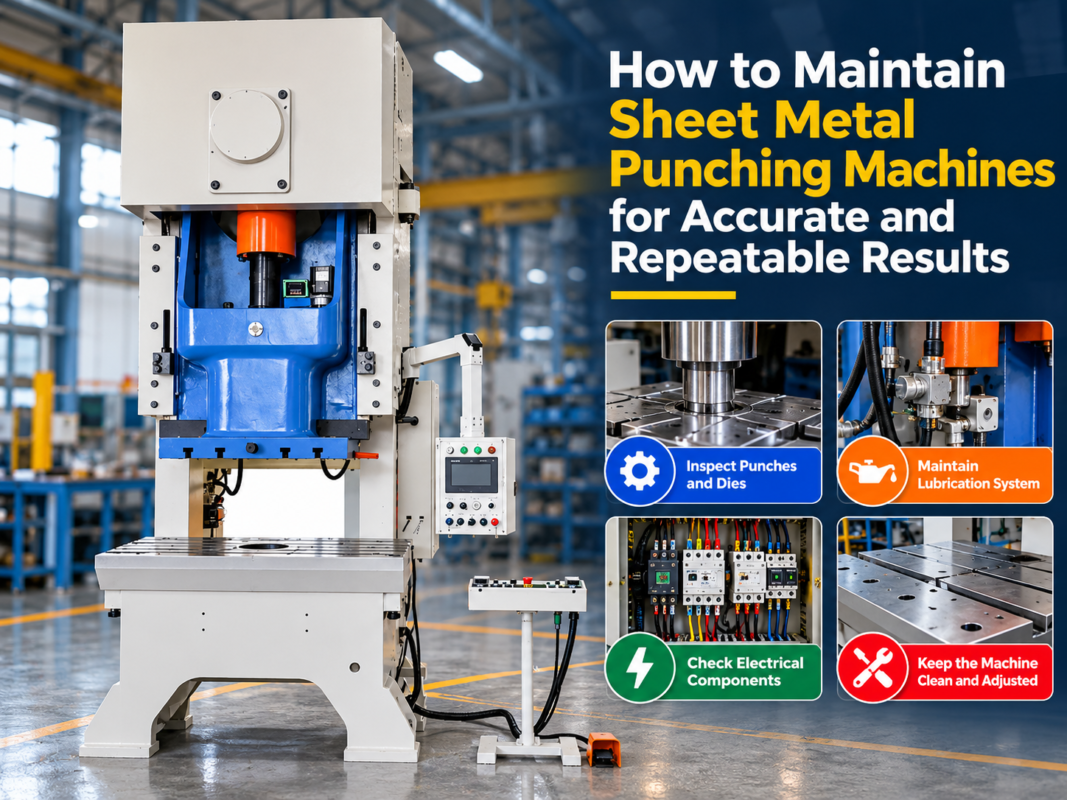
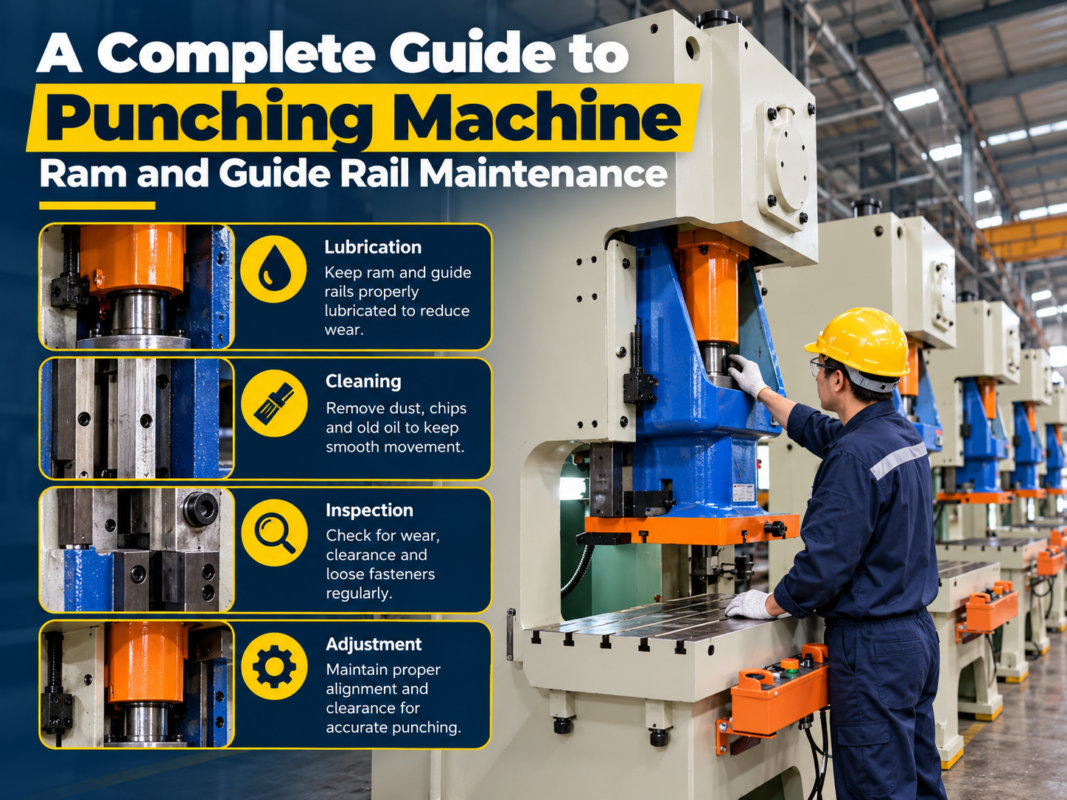
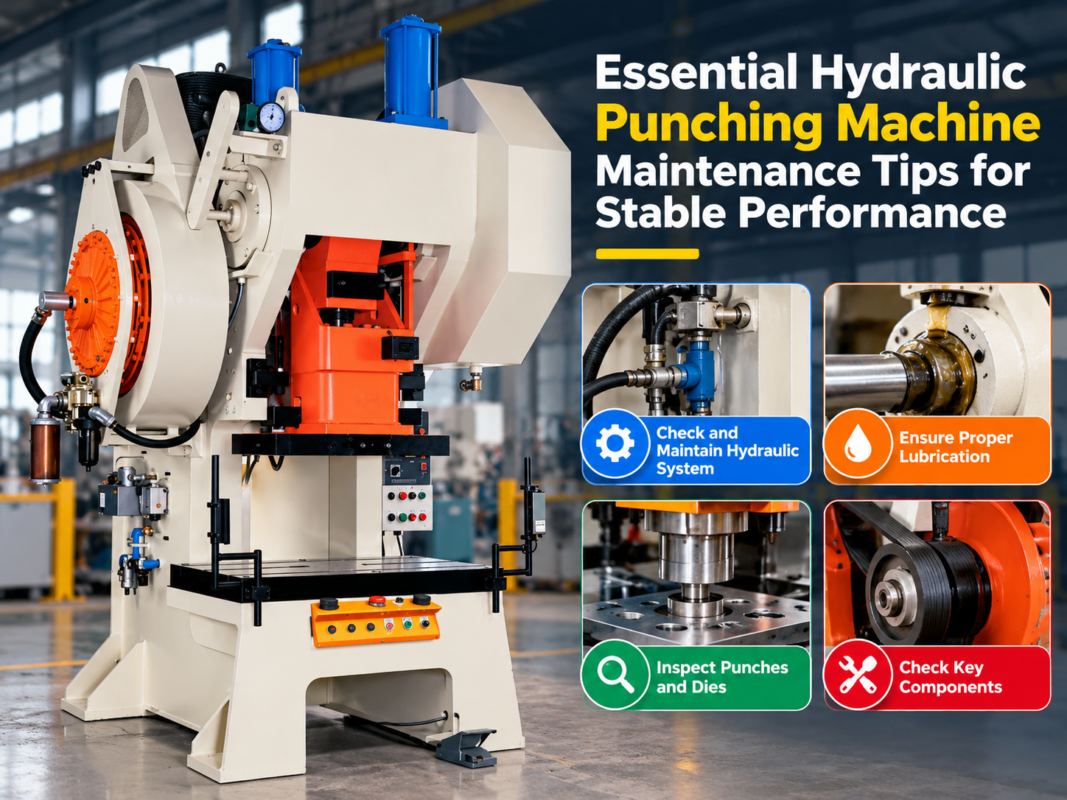
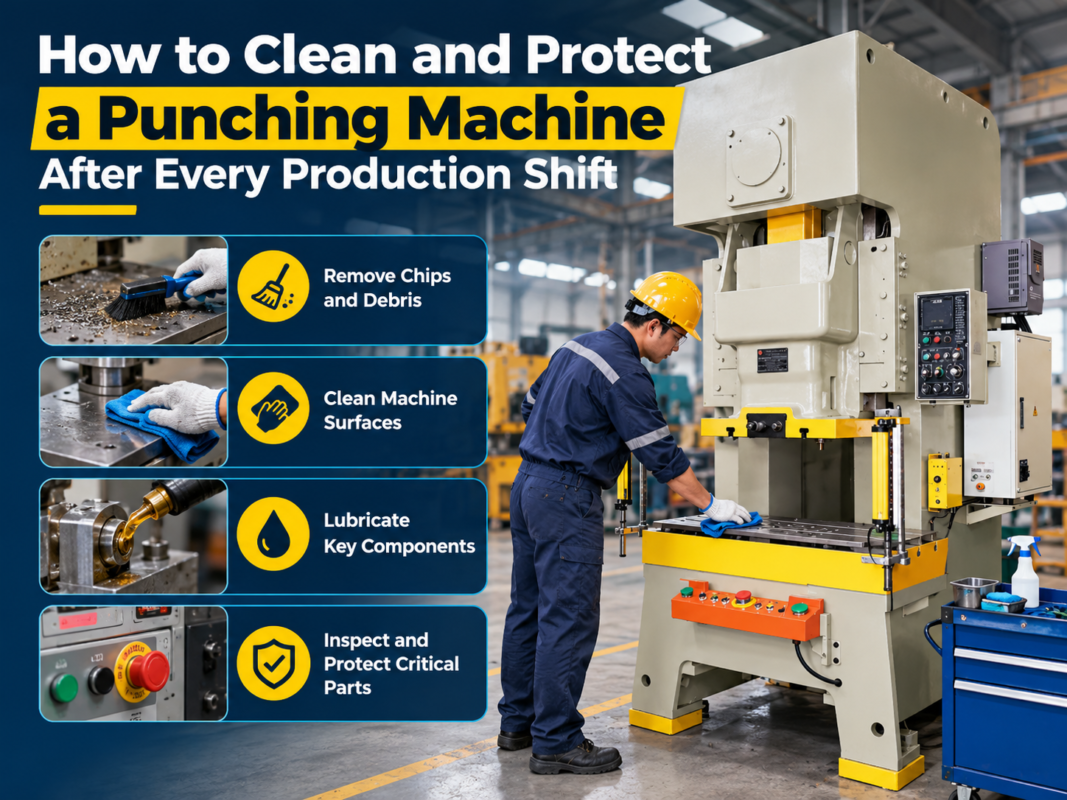
Regular maintenance is the best way to prevent and fix punching machine material deformation during operation. Establish a weekly schedule to inspect the punch guides, clean the die holders, and check the hydraulic system for pressure fluctuations. A machine that is well-maintained is far less likely to produce defective parts, saving you significant costs in the long run.
FAQ: Common Questions About Punching Deformation
Why does my sheet metal warp after punching?
Warping is usually caused by internal stress release, improper die clearance, or insufficient clamping pressure. When the punch enters the material, it creates compressive stress; if the material isn’t held flat, it will buckle to relieve that stress.
How does die clearance affect deformation?
If the clearance is too large, the material is pulled into the die cavity, causing a “dish” effect around the hole. If it is too small, the material is compressed excessively, leading to hardening and potential distortion.
Can the punching sequence prevent warping?
Yes. By punching holes in a pattern that moves from the center outward or by skipping holes and returning to fill them, you can balance the internal stresses and prevent the material from bowing.
How often should I sharpen my punching tools?
This depends on the material type and the number of hits. As a general rule, monitor the burr height. Once the burr exceeds 10% of the material thickness, it is time to sharpen the tool.
Conclusion
Preventing and fixing material deformation in punching operations is a blend of science, maintenance, and strategic planning. By understanding the mechanical forces at play and ensuring your HARSLE equipment is properly calibrated, you can achieve consistent, high-quality results. Remember that the goal is to minimize the plastic deformation zone and maintain the structural integrity of your workpiece through every hit.
Whether you are a seasoned fabricator or new to the industry, the principles outlined in this guide will help you optimize your production. By focusing on tool sharpness, correct die clearance, and proper clamping, you can effectively prevent and fix punching machine material deformation during operation. HARSLE remains committed to providing the machinery and the expertise you need to succeed in the competitive world of metal fabrication. Invest in your process, maintain your equipment, and enjoy the precision that comes with professional-grade punching.