
Troubleshooting Low Productivity In Punching Machines: Key Checks For Operators


Introduction
In the high-stakes world of metal fabrication, the punching machine serves as the backbone of production lines. When output slows, the ripple effect across the entire manufacturing floor can be devastating to lead times and profitability. Troubleshooting low productivity in punching machines: key checks operators must perform is not merely a maintenance task; it is a critical operational strategy. By identifying bottlenecks early, operators can prevent costly downtime and ensure that their HARSLE equipment operates at peak performance.
Low productivity is rarely the result of a single catastrophic failure. Instead, it is often a gradual decline caused by a combination of minor mechanical inefficiencies, software misconfigurations, or improper tooling maintenance. This guide is designed to empower operators and floor managers with a systematic approach to diagnosing and resolving these productivity drains. Whether you are running a high-speed CNC turret punch or a manual hydraulic unit, the principles of efficiency remain consistent.
Understanding the relationship between machine health and output is the first step toward optimization. A machine that is well-maintained runs smoother, consumes less energy, and produces higher-quality parts with fewer rejects. In this article, we will delve deep into the technical aspects of punching machine performance, providing actionable insights that help you maintain a competitive edge in the metal fabrication industry.
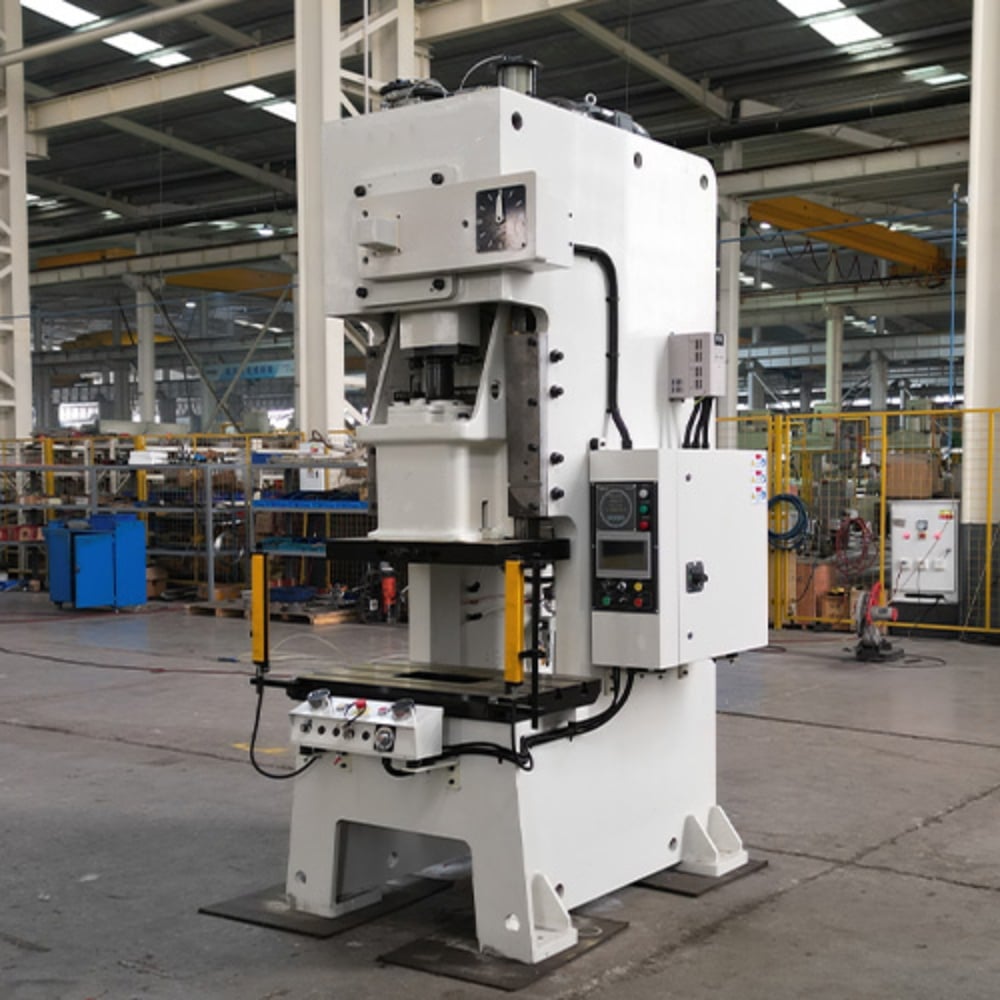
Key Considerations for Operational Efficiency
When addressing the challenge of troubleshooting low productivity in punching machines: key checks operators should prioritize, the first area of focus must be the tooling system. Tooling is the interface between the machine and the workpiece; if this interface is compromised, productivity will inevitably suffer. Dull punches, chipped dies, or improper clearance settings are the most common culprits behind slow cycle times and poor part quality.
Another critical consideration is the material handling process. Even the fastest punching machine will underperform if the loading and unloading sequences are inefficient. Operators should evaluate the workflow surrounding the machine. Are sheets being staged properly? Is the scrap removal process automated or manual? These peripheral activities often account for a significant portion of the total cycle time, and optimizing them can lead to immediate productivity gains.
Environmental factors also play a surprisingly large role in machine performance. Hydraulic fluid temperature, ambient shop temperature, and electrical stability can all influence the responsiveness of the machine’s control system. For instance, if hydraulic oil is too viscous due to cold temperatures, the machine may experience sluggish ram movement. Conversely, overheating can trigger safety sensors that force the machine into a reduced-speed mode.
Finally, operator training and standard operating procedures (SOPs) are essential. A well-trained operator knows the sound and feel of a machine running at its peak. They can identify subtle changes in vibration or noise that indicate a potential issue long before it results in a breakdown. Implementing a rigorous daily checklist ensures that these observations are documented and addressed systematically rather than ignored until a failure occurs.
Technical Details: Diagnosing Performance Bottlenecks
To effectively perform troubleshooting low productivity in punching machines: key checks operators must understand the technical nuances of the machine’s drive system. In hydraulic punching machines, the pressure settings must be calibrated to the material thickness and punch diameter. If the pressure is set too low, the machine may struggle to complete the stroke, leading to incomplete holes or excessive wear on the punch. If set too high, it wastes energy and puts unnecessary stress on the frame.
The CNC control system is the brain of the operation. Operators should regularly check for software updates and ensure that the nesting software is optimized for the specific machine. Inefficient nesting—where the punch head travels excessive distances between hits—is a major productivity killer. By analyzing the tool path, operators can often reduce the total travel time by reordering the punching sequence, thereby increasing the number of parts produced per hour.
Lubrication systems are another technical area that requires constant vigilance. Punching machines rely on high-pressure lubrication to reduce friction between the punch and the guide. If the lubrication system is clogged or the oil level is low, the punch will heat up, leading to galling. Galling not only ruins the tool but also increases the force required to punch, which slows down the machine’s cycle time significantly.
Electrical components, particularly sensors and limit switches, should be inspected for debris and wear. A faulty sensor might cause the machine to pause momentarily between cycles, waiting for a signal that the ram has returned to the top dead center. While these pauses might only last a fraction of a second, they add up over thousands of hits, resulting in a noticeable drop in daily output. Regular cleaning and calibration of these sensors are essential for maintaining high-speed operation.
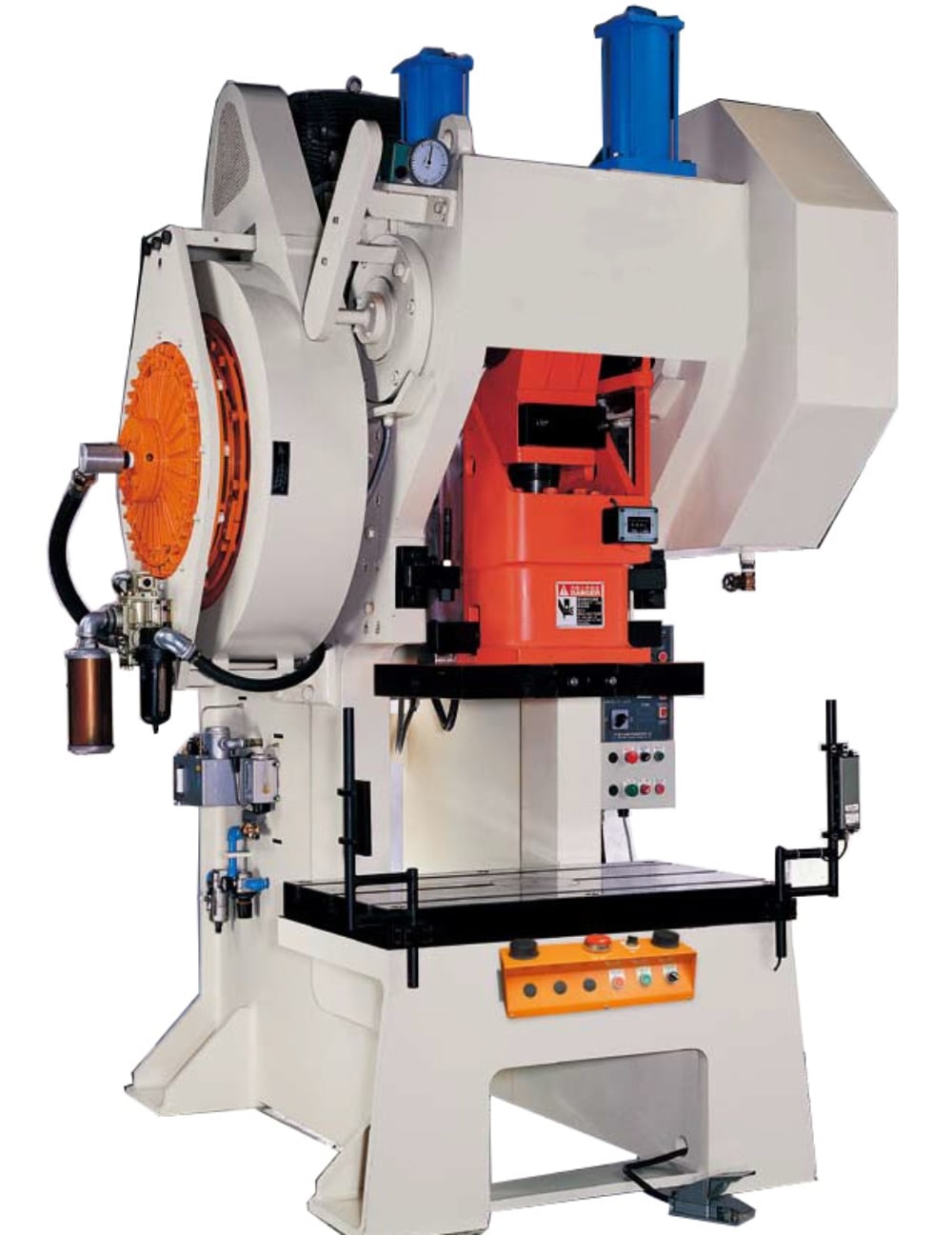
Selection Advice: Choosing the Right Equipment for Your Needs
When you are in the market for new metal fabrication equipment, productivity starts with the selection process. Troubleshooting low productivity in punching machines: key checks operators perform often reveal that the machine itself may not be suited for the specific application. For example, if your shop frequently processes thick plate, a machine designed for thin-gauge sheet metal will always struggle, regardless of how well it is maintained.
Consider the turret capacity and tool change time. If your production involves high-mix, low-volume jobs, a machine with a large turret and automatic tool changer (ATC) is indispensable. The time spent manually changing tools is time the machine is not punching. Investing in a machine that allows for rapid tool indexing will drastically improve your throughput.
Automation integration is another key factor. Modern punching machines can be equipped with automated loading and unloading systems, as well as part sorting robots. While these add to the initial capital expenditure, they remove the human bottleneck from the equation. For high-volume production, the return on investment (ROI) for these systems is often realized within the first year of operation.
Finally, look for machines with robust diagnostic software. HARSLE machines, for instance, often come with advanced monitoring features that alert operators to potential issues before they become critical. Choosing a machine that provides real-time data on cycle times, tool wear, and energy consumption allows for proactive management, ensuring that your productivity remains high throughout the machine’s lifecycle.
FAQ: Common Questions About Punching Machine Productivity
- Q: How often should I sharpen my punches to maintain productivity?
A: Punch sharpening frequency depends on the material type and thickness. As a rule of thumb, sharpen tools before they show visible signs of wear or galling. A sharp tool reduces punching force and improves part quality. - Q: Why does my machine slow down during long production runs?
A: This is often due to heat buildup in the hydraulic system or the tooling. Ensure your cooling system is functioning correctly and that your lubrication system is delivering adequate oil to the punch guides. - Q: Can software nesting affect my machine’s speed?
A: Absolutely. Inefficient nesting causes the machine to travel longer distances between hits. Optimizing your tool path can significantly reduce cycle times. - Q: What is the most important daily check for an operator?
A: The most important check is the condition of the tooling and the lubrication levels. These two factors have the most immediate impact on machine performance and part quality. - Q: How do I know if my hydraulic pressure is set correctly?
A: Refer to the manufacturer’s manual for the recommended pressure settings for your specific material thickness. If the machine struggles to punch, check for dull tooling first before increasing pressure.
Conclusion
Troubleshooting low productivity in punching machines: key checks operators must perform is a continuous process that combines technical knowledge with diligent maintenance habits. By focusing on the health of your tooling, the efficiency of your nesting software, and the integrity of your machine’s mechanical and electrical systems, you can ensure that your HARSLE punching machine remains a high-performance asset for your business.
Remember that productivity is not just about speed; it is about consistency and reliability. A machine that runs at a steady, optimized pace is far more valuable than one that runs at maximum speed only to break down due to excessive wear. By implementing the checks and strategies outlined in this guide, you will be well-equipped to minimize downtime, maximize output, and maintain the high standards of quality that your customers expect from your metal fabrication shop.
As you continue to refine your operations, keep a detailed log of your maintenance activities and performance metrics. This data will not only help you troubleshoot current issues but will also provide valuable insights for future equipment investments. Stay proactive, keep your tools sharp, and your production line will continue to thrive in an increasingly competitive market.












