
Punching Machine Applications In Aerospace Precision Metal Parts: A Comprehensive Guide


Introduction to Punching Machine Applications In Aerospace Precision Metal Parts
The aerospace industry represents the pinnacle of engineering excellence, where the margin for error is virtually non-existent. In this high-stakes environment, the demand for components that are both lightweight and exceptionally strong has driven the evolution of metal fabrication technology. Among the most critical tools in this sector is the industrial punching machine. Specifically, Punching Machine Applications In Aerospace Precision Metal Parts have become a cornerstone for manufacturers aiming to achieve high-volume production without sacrificing the microscopic tolerances required for flight safety and aerodynamic efficiency.
Modern aerospace manufacturing involves the processing of advanced alloys, including various grades of aluminum, titanium, and stainless steel. Unlike traditional manual methods, CNC (Computer Numerical Control) punching machines offer the repeatability and speed necessary to produce complex geometries found in airframes, engine housings, and internal instrumentation panels. HARSLE, a leader in metal fabrication machinery, provides the robust technology required to meet these stringent industry standards, ensuring that every stroke of the punch delivers perfection.
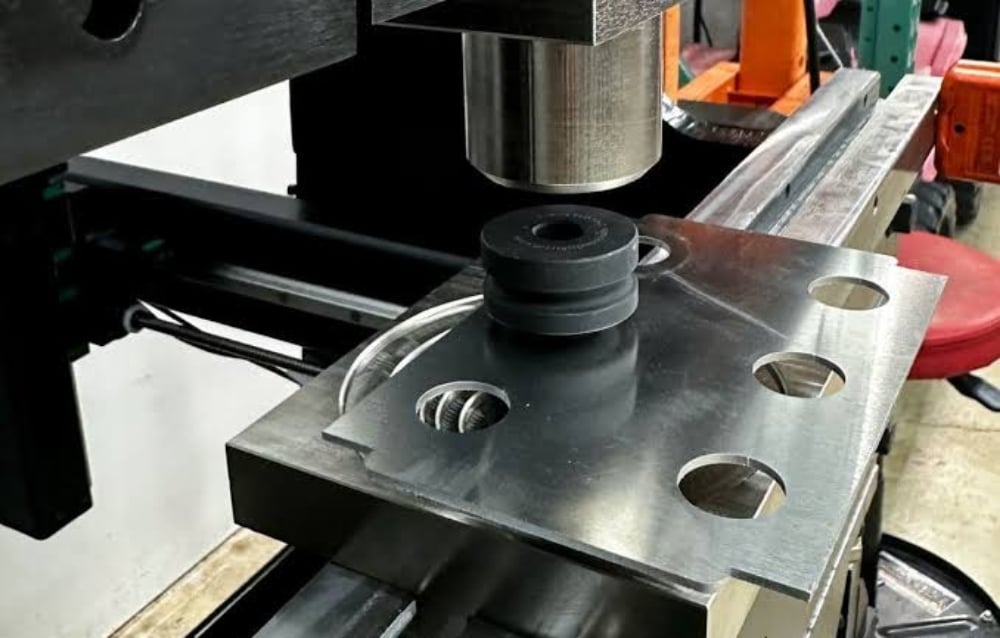
As we delve deeper into the specific applications, it becomes clear that the role of the punching machine extends beyond simple hole-making. It is a versatile platform capable of forming, louvers, ribbing, and even threading, all within a single setup. This integration of multiple processes is vital for the aerospace sector, where reducing the number of handling steps directly correlates to a decrease in potential part deformation and manufacturing costs.
Key Considerations for Aerospace Precision Punching
When discussing Punching Machine Applications In Aerospace Precision Metal Parts, several critical factors must be addressed to ensure the integrity of the final product. The first and foremost is material integrity. Aerospace materials like 7075 Aluminum or Titanium Ti-6Al-4V are sensitive to stress and heat. Mechanical punching is often preferred over thermal cutting methods (like laser or plasma) for certain thicknesses because it minimizes the Heat Affected Zone (HAZ), preserving the metallurgical properties of the alloy.
Another vital consideration is the tolerance level. In precision metal parts for aerospace, tolerances are often measured in microns. This requires a punching machine with an exceptionally rigid frame—typically an O-frame or a heavy-duty C-frame—to prevent deflection during high-tonnage operations. Any slight movement in the machine frame can lead to misalignment between the punch and die, resulting in burrs or dimensional inaccuracies that would lead to part rejection during quality control.
Furthermore, the software integration plays a pivotal role. Advanced CAD/CAM systems allow engineers to simulate the punching process before a single sheet of metal is loaded. This simulation helps in identifying potential collisions, optimizing the nesting of parts to reduce material waste (which is crucial given the high cost of aerospace alloys), and ensuring that the punching sequence does not introduce internal stresses into the workpiece.
Finally, tool lubrication and cooling are essential. Aerospace alloys can be abrasive or prone to galling. High-performance punching machines utilize automatic lubrication systems that apply a precise amount of oil to the tool and material interface. This not only extends tool life but also ensures a cleaner shear, reducing the need for secondary deburring processes which can be labor-intensive and inconsistent.
Technical Details of Modern Punching Systems
The technical architecture of a machine used for Punching Machine Applications In Aerospace Precision Metal Parts is a marvel of mechanical and electronic engineering. At the heart of the system is the drive mechanism. While traditional mechanical flywheels are still in use, the aerospace sector increasingly favors hydraulic or servo-electric drives. Servo-electric punching machines offer unparalleled control over the ram’s position, allowing for “soft punching” which reduces noise and vibration—factors that contribute to the longevity of both the machine and the tooling.
The turret configuration is another technical highlight. A high-capacity turret allows for a wide array of tools to be available at any given time, reducing setup changes. For aerospace parts that require multiple hole sizes and complex shapes, a turret with 30 to 50 stations, including several auto-index stations, is standard. Auto-index stations allow the tool to rotate 360 degrees, providing the flexibility to punch at any angle and significantly expanding the machine’s geometric capabilities.
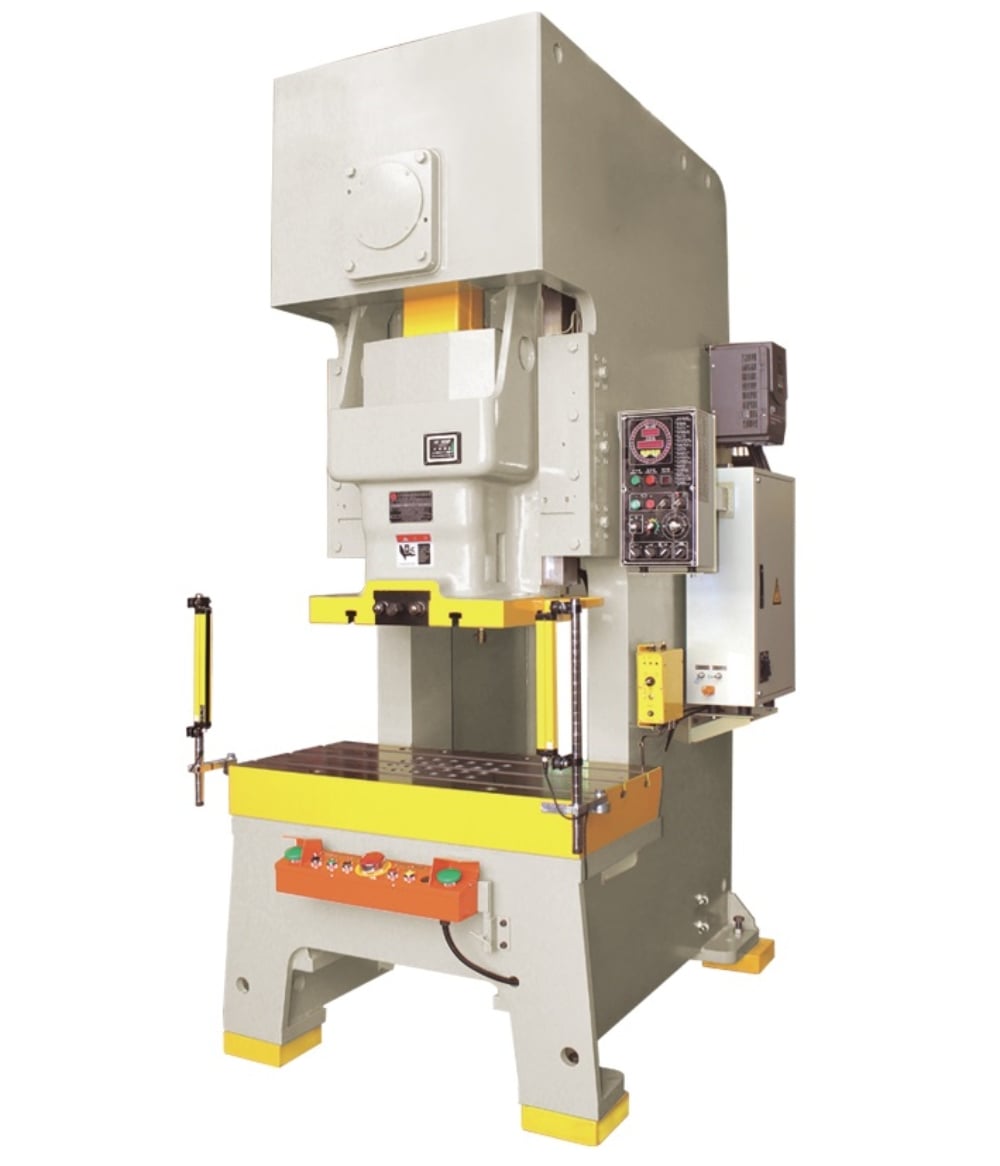
Precision is also maintained through the machine’s clamping and positioning system. High-speed X and Y axes, driven by precision ball screws and AC servo motors, move the sheet metal with lightning speed and pinpoint accuracy. In aerospace applications, where sheets can be large but thin, the use of pneumatic work clamps with sensors ensures that the material is held securely without causing surface damage. Some advanced HARSLE models also feature “re-positioning” capabilities, allowing the machine to process sheets longer than its physical throat depth by automatically moving the clamps during the cycle.
The control system (CNC) acts as the brain of the operation. It processes thousands of lines of code per minute, coordinating the ram stroke with the table movement. Modern controls feature intuitive touch-screen interfaces, real-time diagnostics, and connectivity to the factory’s ERP system. This connectivity is essential for the “Industry 4.0” standards often required by major aerospace contractors for traceability and process monitoring.
Selection Advice for Aerospace Metal Fabrication
Choosing the right equipment for Punching Machine Applications In Aerospace Precision Metal Parts requires a strategic approach. Here is a checklist for procurement managers and engineers:
- Tonnage Requirements: Calculate the maximum force needed based on the thickest and hardest material you intend to process. For aerospace, a 30-ton machine is often the sweet spot, providing enough power for stainless steel while maintaining the speed for thin aluminum.
- Accuracy and Repeatability: Look for machines with a positioning accuracy of ±0.1mm or better. In aerospace, consistency across a batch of 1,000 parts is just as important as the accuracy of the first part.
- Tooling Compatibility: Ensure the machine uses standard long-style or thick-turret tooling. This ensures a wide availability of high-quality punches and dies from various manufacturers, reducing operational downtime.
- Frame Stability: Opt for a closed O-frame design if your budget allows. O-frames provide superior rigidity compared to C-frames, which is critical for maintaining alignment during high-speed operations.
- Software Support: The machine is only as good as the code it runs. Ensure the manufacturer provides or supports high-end nesting software that can handle complex aerospace geometries and optimize material usage.
Additionally, consider the after-sales support and availability of spare parts. Aerospace production schedules are often tight; a week of downtime due to a lack of technical support can be catastrophic. HARSLE’s global presence ensures that technical assistance and parts are readily available to keep production lines moving.
Maintenance for Precision and Longevity
To maintain the high standards required for Punching Machine Applications In Aerospace Precision Metal Parts, a rigorous maintenance schedule is mandatory. Precision machinery is sensitive to dust, temperature fluctuations, and lubrication degradation. Daily checks should include cleaning the turret and worktable to prevent metal chips from scratching the workpieces. The hydraulic oil (if applicable) must be monitored for temperature and contamination, as inconsistent oil viscosity can lead to variations in punch depth.
Monthly inspections should focus on the alignment of the turret. Even a fraction of a millimeter of misalignment can cause premature tool wear and burrs on the parts. Using a calibration mandrel to check the concentricity of the punch and die stations is a best practice in aerospace shops. Furthermore, the ball screws and linear guides should be lubricated according to the manufacturer’s specifications to ensure smooth and accurate movement of the X and Y axes.
Tooling maintenance is equally important. Punches should be sharpened regularly. A dull punch requires more force to penetrate the material, which increases the stress on the machine and results in a poor-quality edge. Many aerospace manufacturers use automated tool grinders to ensure that the shear angle and surface finish of the tools are perfectly restored every time.
FAQ: Punching Machine Applications In Aerospace Precision Metal Parts
1. Can punching machines handle titanium alloys used in aerospace?
Yes, modern CNC punching machines can process titanium, provided they have the necessary tonnage and high-quality tooling. However, because titanium is prone to work-hardening, the punching speed and lubrication must be carefully managed to prevent tool damage and ensure a clean cut.
2. How does a punching machine compare to a laser cutter for aerospace parts?
While laser cutters are excellent for very complex contours and thick materials, punching machines are significantly faster for repetitive patterns and holes. Additionally, punching can perform forming operations (like louvers or offsets) that a laser cannot. For many aerospace parts, a combination of both (a punch-laser combo machine) is the ideal solution.
3. What is the typical tolerance achievable on a HARSLE punching machine?
HARSLE precision punching machines typically achieve a positioning accuracy of ±0.1mm and a repeatability of ±0.05mm. When combined with high-precision tooling, the final part dimensions can meet the strict requirements of most aerospace applications.
4. Is it possible to punch very thin aluminum sheets without deformation?
Yes, by using specialized “thin sheet” tooling and adjusting the ram’s stroke profile (on servo-electric models), you can minimize material distortion. Using a brush-table instead of a ball-transfer table also helps protect the surface of thin, polished aluminum sheets.
5. How important is nesting software in aerospace fabrication?
It is critical. Aerospace materials are expensive. Advanced nesting software minimizes scrap by tightly packing parts on a sheet. It also optimizes the tool path to prevent the sheet from becoming unstable as more holes are punched, which is vital for maintaining accuracy throughout the entire process.
Conclusion
The integration of Punching Machine Applications In Aerospace Precision Metal Parts has revolutionized the way we approach flight-critical component manufacturing. By combining high-speed mechanical force with the precision of modern CNC systems, manufacturers can produce parts that meet the dual demands of extreme accuracy and high efficiency. As the aerospace industry continues to push the boundaries of what is possible, the machinery used to build these wonders must also evolve.
HARSLE remains at the forefront of this evolution, providing industrial-grade punching solutions that empower manufacturers to reach new heights. Whether it is through the implementation of energy-efficient servo-electric drives or the development of more rigid frame designs, the focus remains on delivering the reliability and precision that the aerospace sector demands. Investing in the right punching technology is not just a business decision; it is a commitment to the quality and safety that defines the future of aviation.


