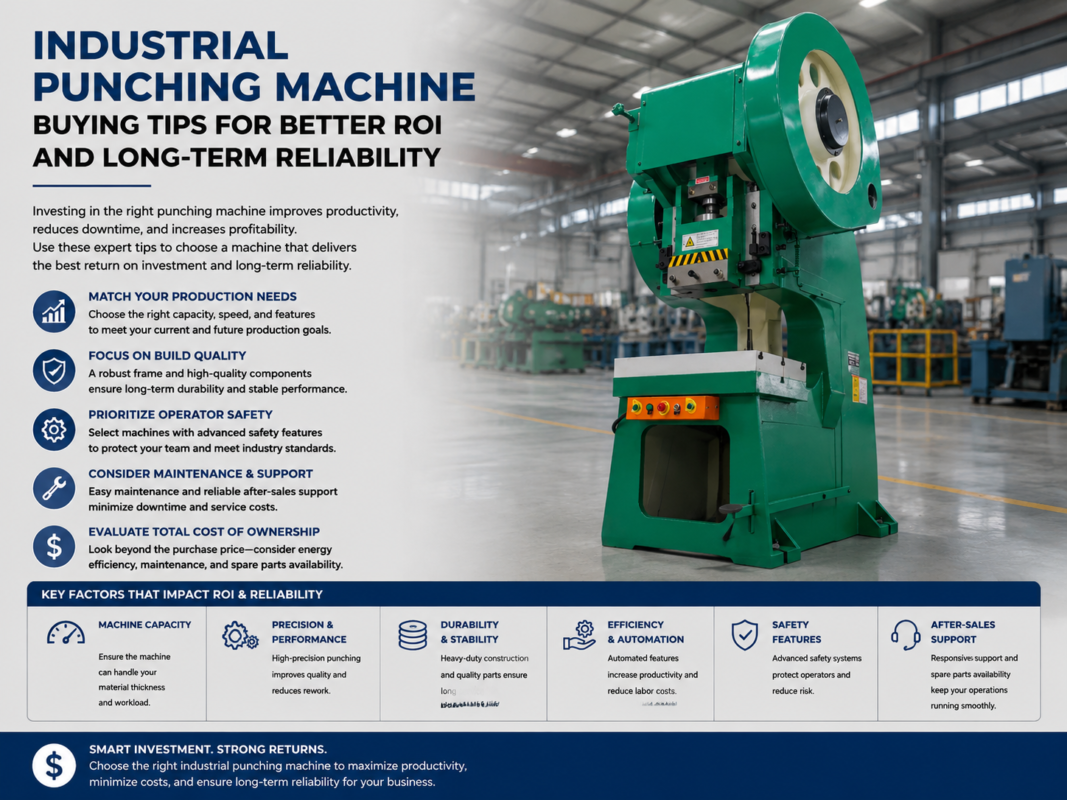
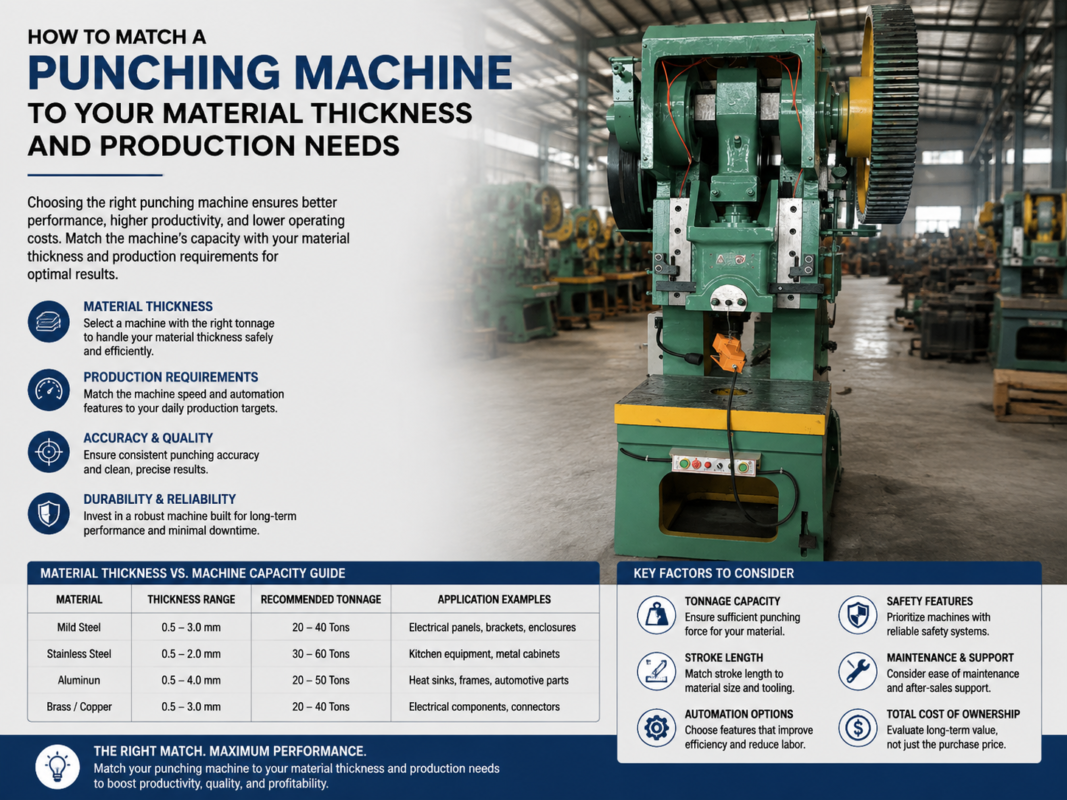
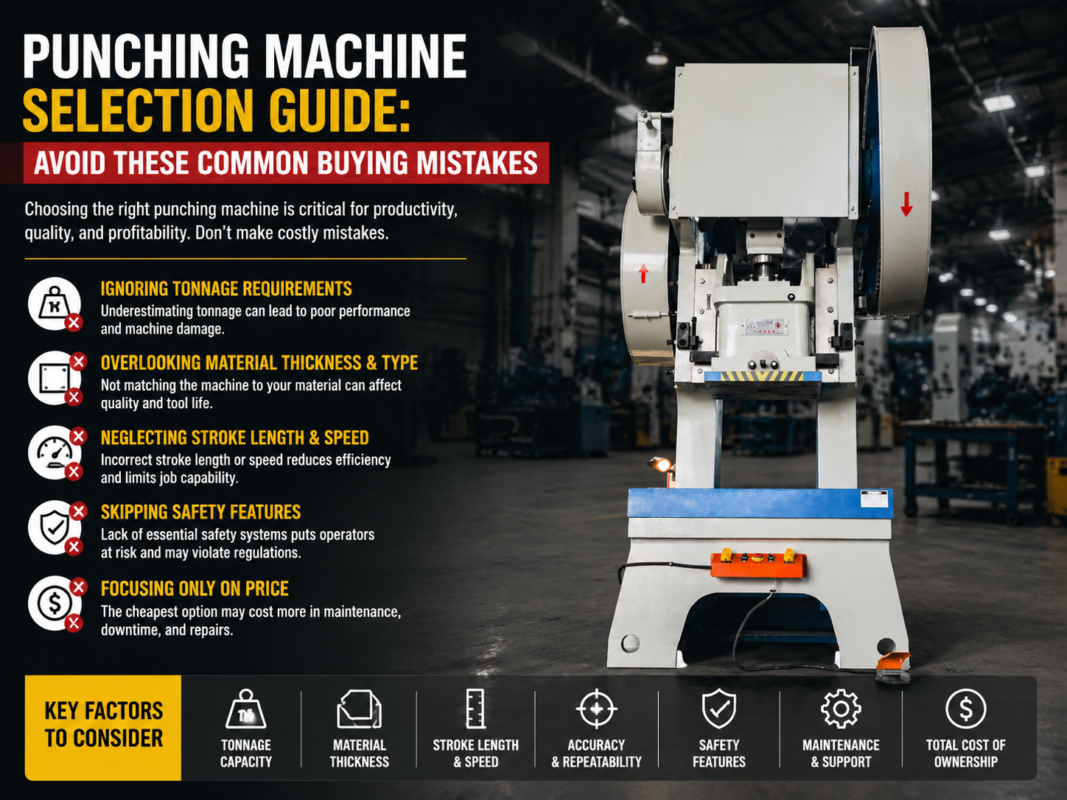
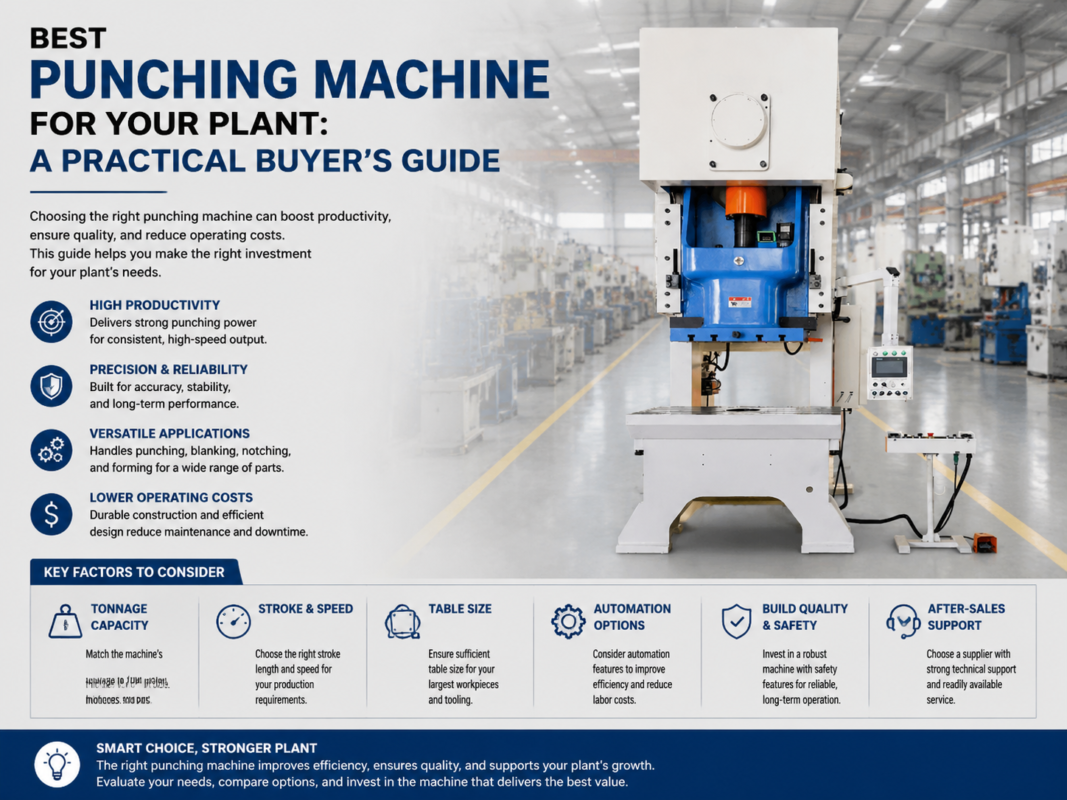
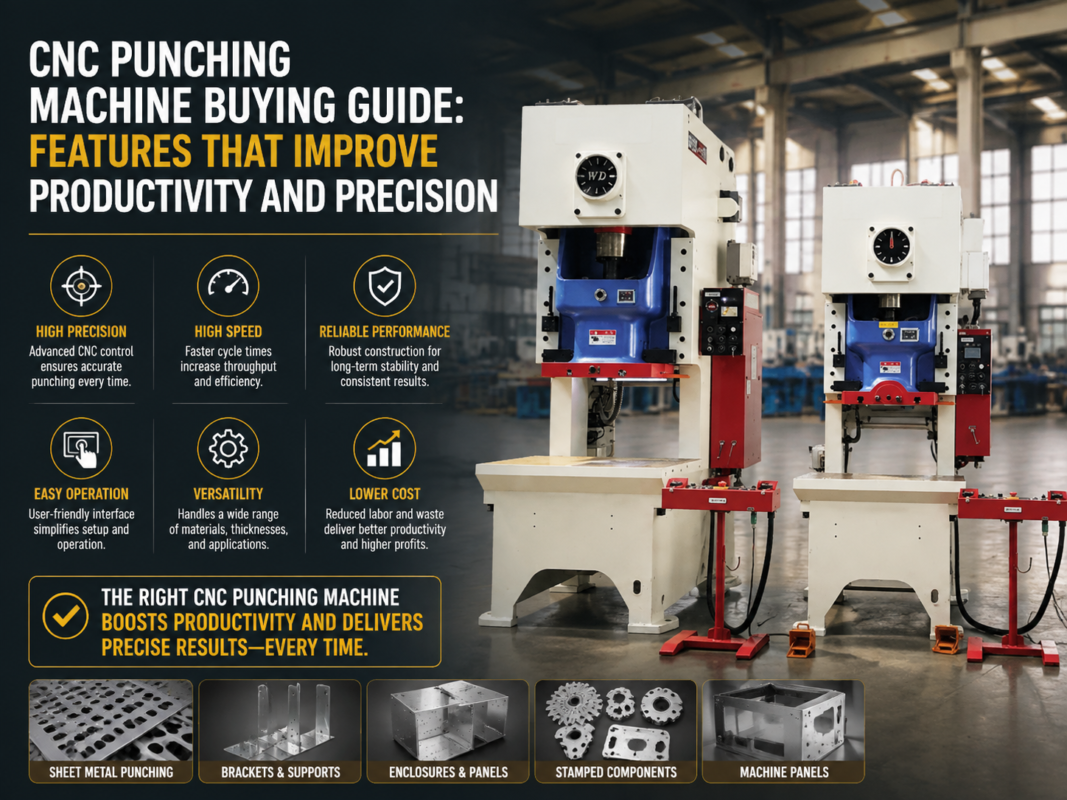
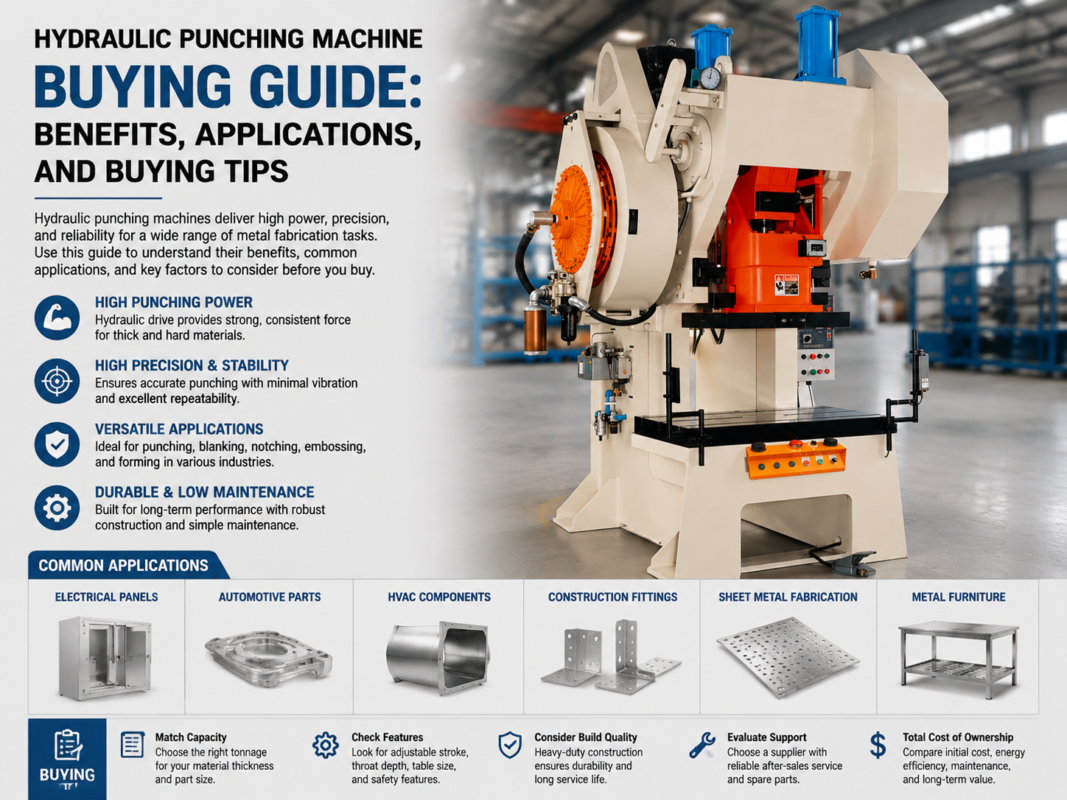
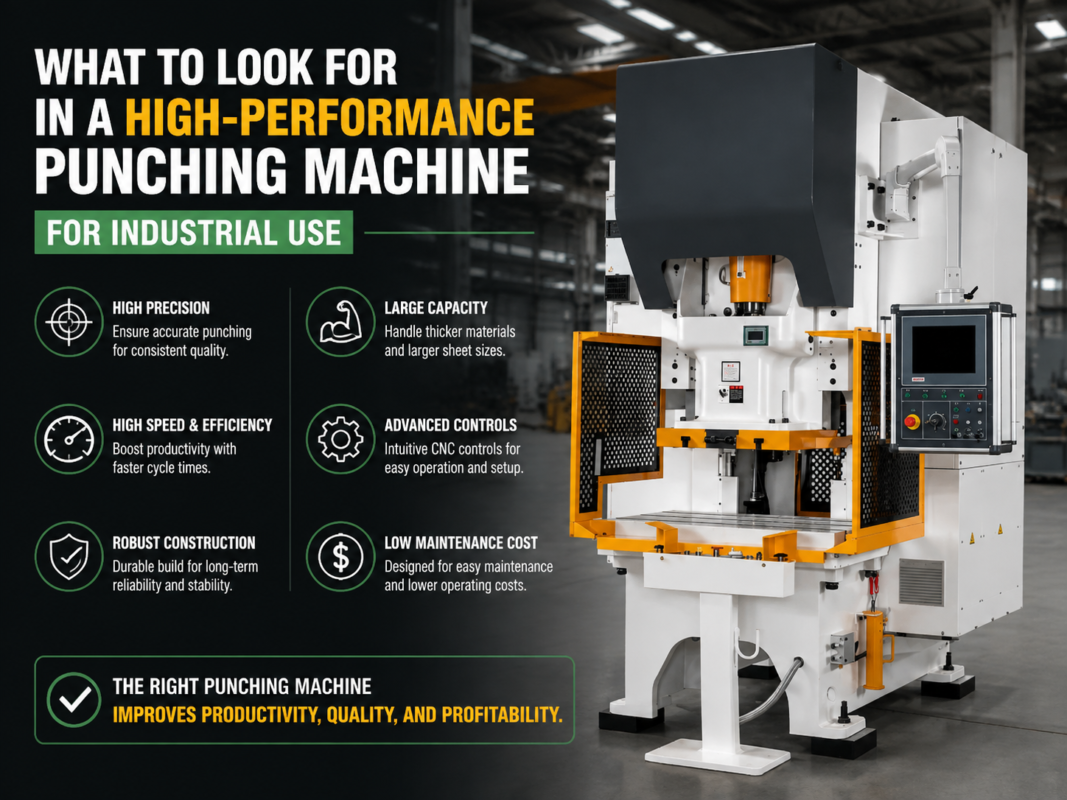
The Ultimate Guide to Buying an Industrial Punching Machine


Introduction to Industrial Punching Machines
In the competitive landscape of modern metal fabrication, efficiency and precision are the cornerstones of success. Whether you are a small job shop or a large-scale industrial manufacturer, the decision to invest in a punching machine is a pivotal moment. This Ultimate Buying An Industrial Punching Machine guide is designed to navigate the complexities of the market, helping you understand the technical nuances, financial implications, and operational benefits of various punching technologies. From traditional mechanical presses to high-speed CNC turret punch presses, the options are vast, and making the right choice requires a deep dive into your specific production needs.
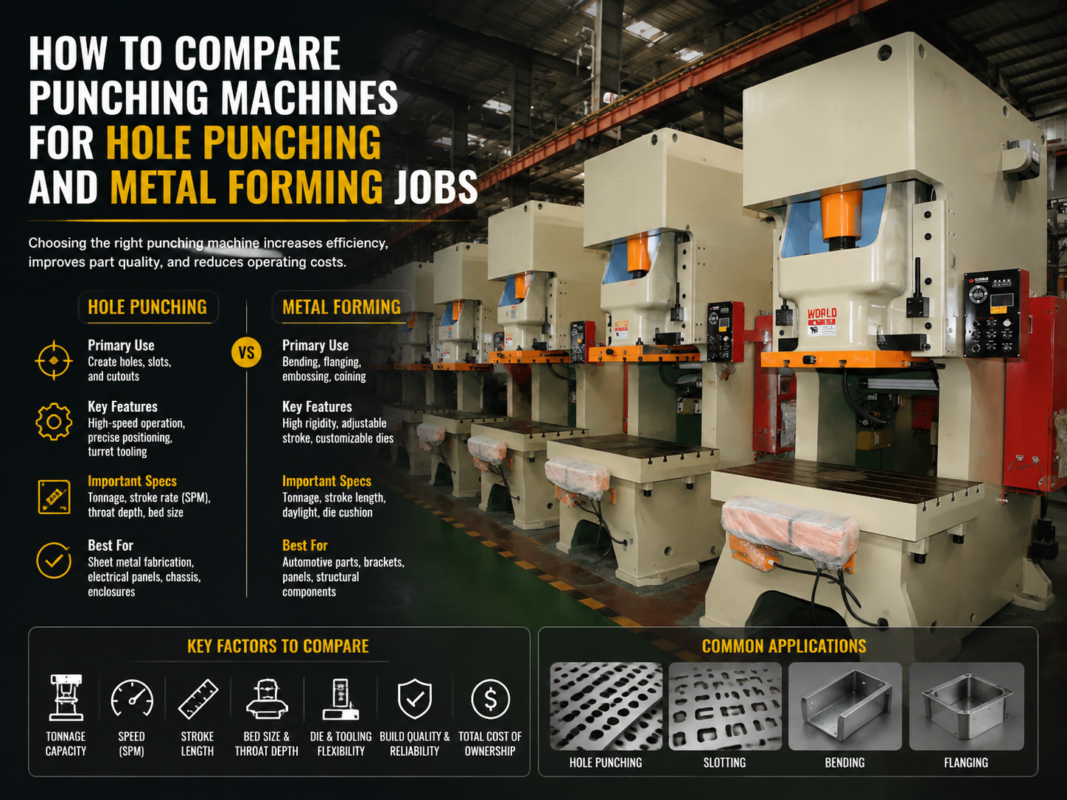
Industrial punching machines are the workhorses of the sheet metal industry. They are designed to create holes, notches, and complex shapes in metal sheets with incredible speed and repeatability. Unlike laser cutting, which uses heat, punching is a mechanical process that can also perform forming operations like louvers, ribs, and threads. This versatility makes it an indispensable tool for electronics enclosures, automotive components, and HVAC ductwork. As we explore this guide, we will break down the costs and configurations that define the modern punching machine market.
Price Range Overview: What to Expect
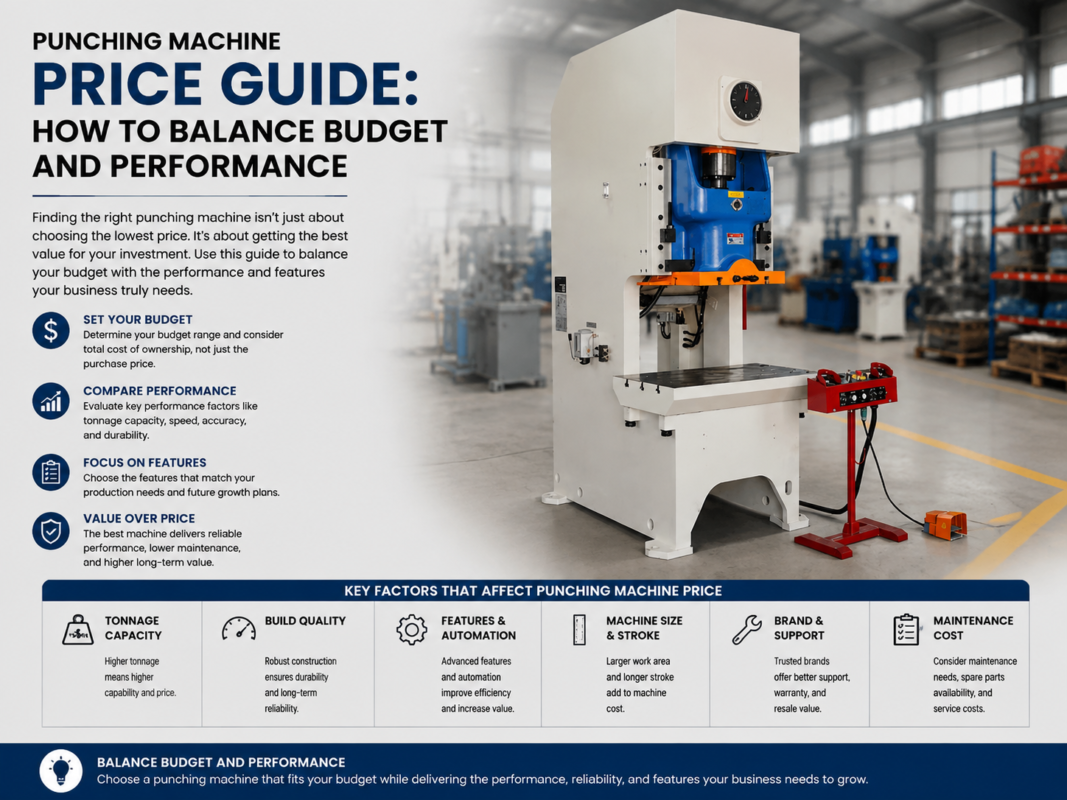
When embarking on the journey of the Ultimate Buying An Industrial Punching Machine, the first question most buyers ask is: “How much will it cost?” The price of an industrial punching machine varies significantly based on its technology, capacity, and automation level. Generally, the market can be divided into three primary tiers: entry-level, mid-range, and high-end industrial systems.
Entry-level machines, often consisting of single-station hydraulic punches or basic mechanical presses, typically range from $5,000 to $25,000. These are ideal for low-volume production or specialized tasks where high-speed automation isn’t required. Mid-range machines, which include standard CNC turret punch presses with moderate hit rates and station counts, usually fall between $50,000 and $150,000. These machines offer a balance of versatility and speed, making them the most popular choice for growing fabrication shops.
High-end systems represent the pinnacle of punching technology. These include high-speed servo-electric turret punch presses, often integrated with automated loading and unloading systems. Prices for these units can start at $200,000 and exceed $600,000 for fully automated production cells. While the initial investment is high, these machines are designed for 24/7 operation and offer the lowest cost-per-part in high-volume environments.
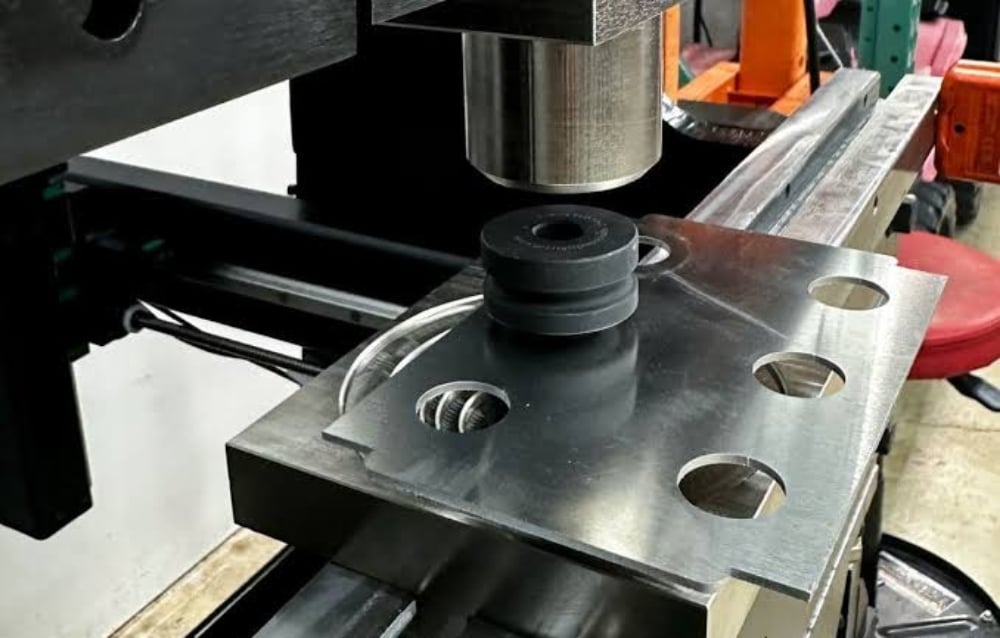
Main Cost Drivers in Punching Machinery
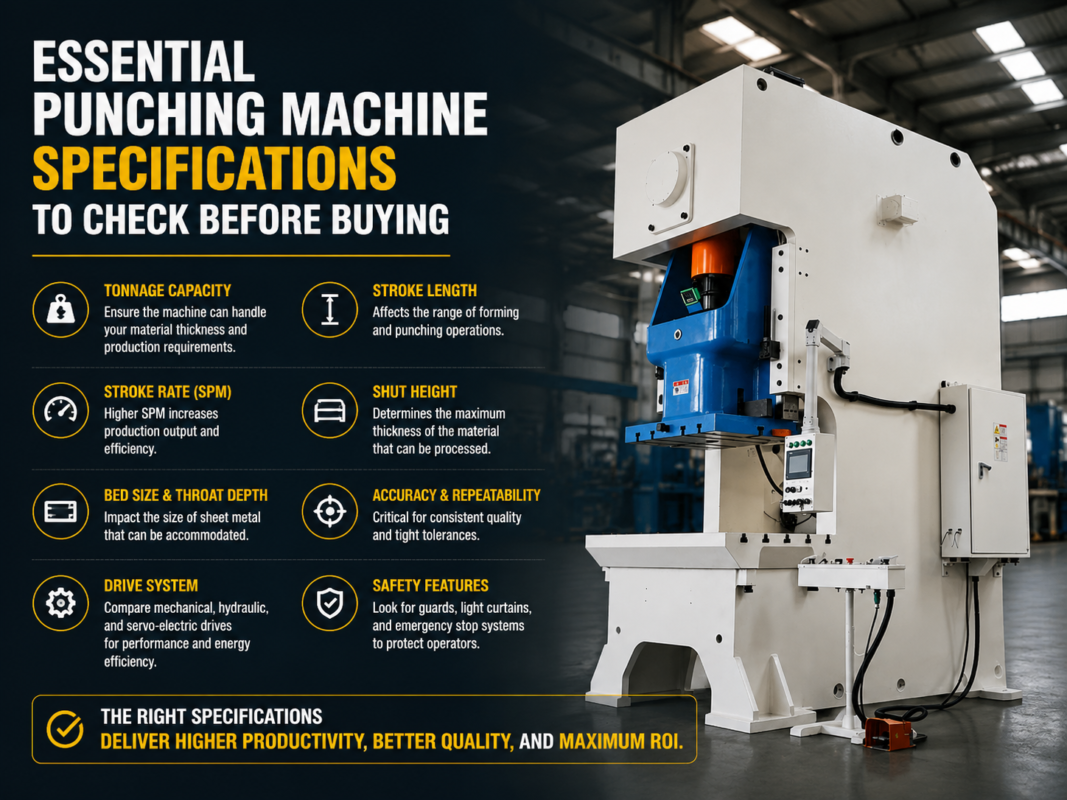
Understanding what drives the price of a machine is essential for making an informed decision. Several technical factors contribute to the final quote you receive from a manufacturer like HARSLE. The most significant driver is the Tonnage. Tonnage refers to the punching force the machine can exert. A 30-ton machine is standard for most sheet metal work, but if you are working with thicker materials or stainless steel, you may require a 50-ton or higher capacity, which increases the frame’s structural requirements and the power of the drive system.
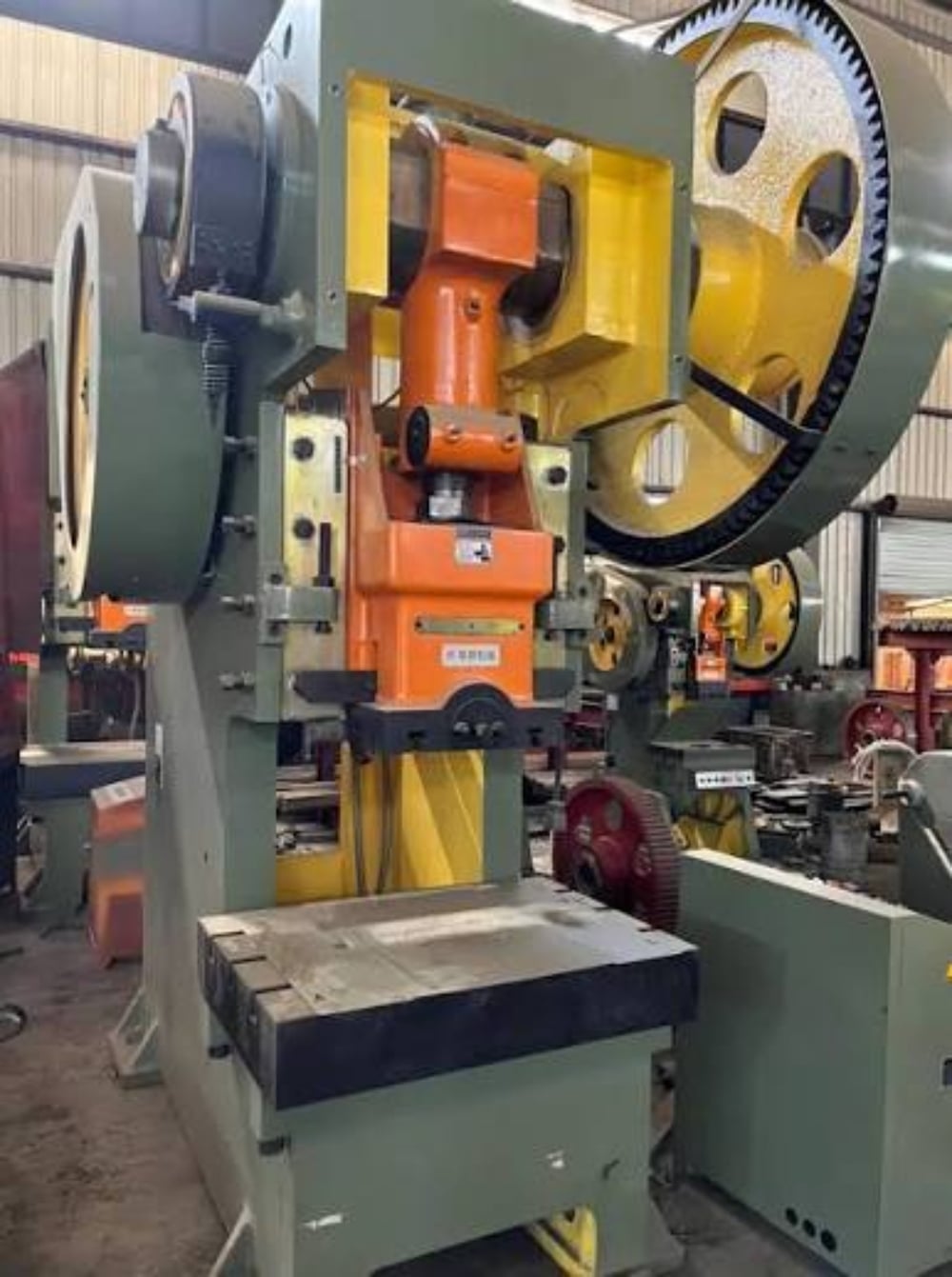
Another major cost driver is the Drive System. Traditional mechanical flywheels are cheaper but offer less control. Hydraulic systems provide more flexibility in stroke control but require more maintenance. The modern gold standard is the servo-electric drive. Servo drives offer incredible precision, lower energy consumption, and faster hit rates, but they come at a premium price. Additionally, the Hit Rate (measured in hits per minute or HPM) directly impacts productivity. A machine capable of 1,000 HPM will naturally cost more than one limited to 300 HPM.
The Control System also plays a role. High-end CNC controllers from brands like Fanuc or Siemens offer advanced features, better user interfaces, and easier integration with CAD/CAM software. These controllers are more expensive than proprietary or entry-level systems but offer better long-term reliability and ease of finding skilled operators.
Configuration Impact: Customizing for Your Needs
The configuration of your punching machine determines its versatility. One of the most critical components is the Turret Layout. The number of stations in the turret dictates how many tools the machine can hold at once. A larger turret (e.g., 32 or 58 stations) reduces the need for manual tool changes, which is vital for complex parts. Furthermore, the inclusion of Auto-Index Stations allows tools to rotate to any angle, significantly increasing the machine’s capability to cut complex geometries without needing specialized shaped tools.
Table size and throat depth are also configuration choices that impact both price and capability. A larger throat depth allows you to process wider sheets without repositioning, which improves accuracy and reduces cycle time. For shops handling large panels, such as those used in elevator manufacturing or large electrical cabinets, a large table with a high-capacity brush or ball transfer system is essential to prevent scratching the material and to support the weight of the sheet.
Finally, consider the Forming Capabilities. Some machines are better suited for forming operations like tapping, countersinking, or creating offsets. If your product design relies heavily on these features, choosing a machine with a high-clearance turret and precise stroke control is mandatory. This configuration ensures that formed features are not crushed by the turret as it rotates to the next station.
Hidden Costs of Ownership
When calculating the budget for the Ultimate Buying An Industrial Punching Machine, many buyers overlook the “hidden” costs that occur after the initial purchase. The most immediate of these is Tooling. A CNC turret punch press requires a suite of punches and dies. Depending on the variety of parts you produce, a full set of high-quality tooling can easily cost between $10,000 and $30,000. Furthermore, tooling is a consumable; it requires regular sharpening and eventual replacement.
Installation and Training are other critical factors. Shipping a multi-ton machine requires specialized logistics, and once it arrives, it must be leveled and commissioned by a factory-trained technician. Training your staff to operate the CNC controller and the nesting software is equally important. Without proper training, the machine’s potential will be wasted, and the risk of expensive crashes increases. Most reputable manufacturers include a few days of training in the purchase price, but extended training or travel expenses for technicians may be extra.
Don’t forget Software and Maintenance. To run a CNC punch press efficiently, you need nesting software that optimizes material usage. Annual software licenses and updates can add up. From a maintenance perspective, hydraulic machines require oil changes and filter replacements, while all machines require regular lubrication and inspection of the electrical components. Factoring in an annual maintenance budget of 2-3% of the machine’s value is a wise financial move.
ROI Calculation: When Does the Investment Pay Off?
The Return on Investment (ROI) for an industrial punching machine is typically calculated by comparing the cost of the machine against the labor savings and increased production capacity it provides. For example, if you are currently outsourcing your punching work, you can calculate ROI by looking at the monthly spend on external vendors versus the monthly lease payment and operating costs of owning the machine. In many cases, shops find that bringing the process in-house pays for itself within 18 to 36 months.
Another way to look at ROI is through Labor Efficiency. A manual punching process might require three operators to meet a specific quota, whereas a single CNC turret punch press could exceed that quota with only one operator. The reduction in man-hours, combined with the reduction in scrap material due to the precision of CNC nesting, directly impacts the bottom line. Furthermore, the ability to offer faster turnaround times to your customers can lead to more business, which is a “soft” ROI that is harder to quantify but equally important.
To calculate a basic ROI, use the following formula: (Annual Savings – Annual Operating Costs) / Total Investment Cost. If the resulting percentage is high, the investment is sound. For high-volume manufacturers, the ROI is often accelerated by the machine’s ability to run “lights-out” or with minimal supervision during night shifts, effectively doubling or tripling the production output without a linear increase in labor costs.
Expert Buying Advice for Metal Fabricators
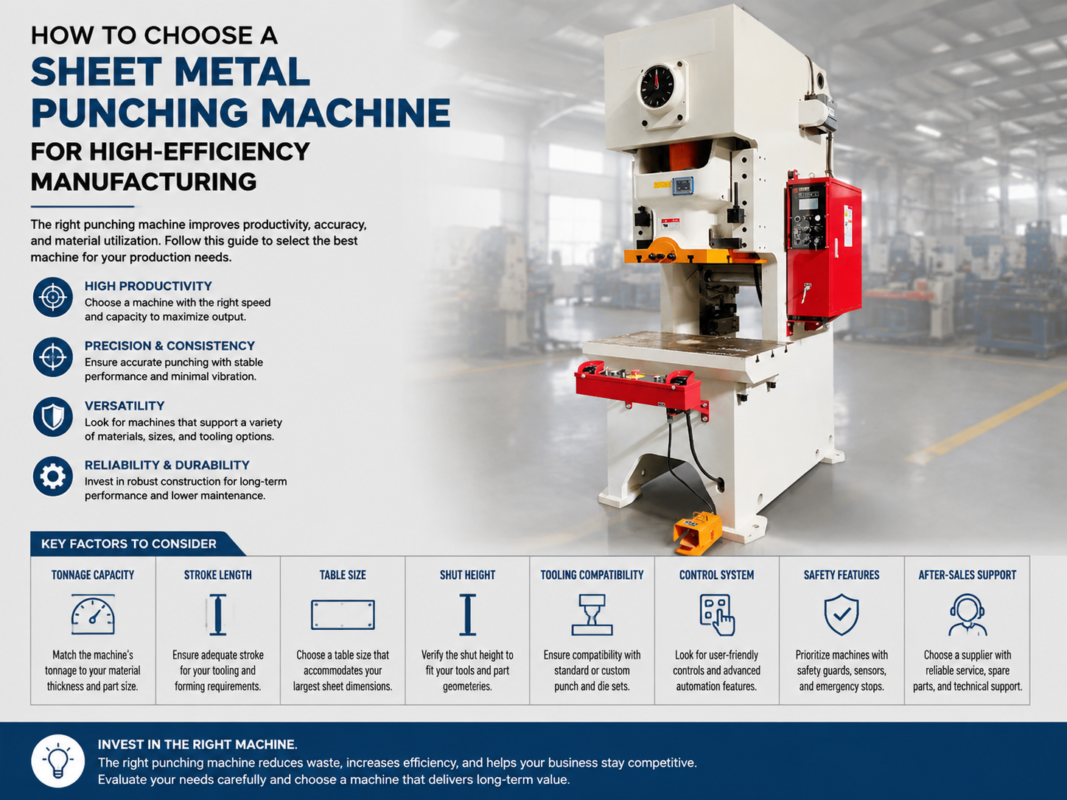
Before signing a purchase agreement, there are several steps you should take to ensure you are getting the right machine for your shop. First, Analyze Your Part Mix. Look at the parts you have produced over the last year and what you expect to produce in the next three years. What is the maximum material thickness? What is the most common hole size? This data will dictate the tonnage and turret configuration you need. Don’t buy a machine for the 1% of jobs that are outliers; buy for the 99% of your core business.
Second, Evaluate the Manufacturer’s Support Network. A machine is only an asset when it’s running. If a component fails, how quickly can the manufacturer get a technician to your site? Do they have a local parts warehouse? Companies like HARSLE have built reputations not just on the quality of their machines, but on their ability to support customers globally. Ask for references from other shops in your area to gauge the quality of after-sales service.
Third, Request a Live Demo or Sample Part. Send a CAD file of your most complex part to the manufacturer and ask them to punch it. This allows you to verify the machine’s accuracy, edge quality, and cycle time. It also gives you a chance to see the software interface in action. If the manufacturer is hesitant to provide a sample or demo, consider it a red flag. Finally, consider the Resale Value. Well-known brands with a history of reliability tend to hold their value better on the used market, providing an exit strategy if your business needs change in the future.
Frequently Asked Questions (FAQ)
1. What is the difference between a mechanical and a hydraulic punching machine?
Mechanical punching machines use a flywheel and clutch system to deliver force. They are generally faster for simple punching but offer less control over the stroke. Hydraulic machines use fluid power, allowing for full tonnage at any point in the stroke and better control for forming operations. Hydraulic systems are generally quieter but require more maintenance regarding oil and seals.
2. How often should I sharpen my punching tools?
Tool sharpening frequency depends on the material being punched. For example, punching stainless steel will dull tools much faster than aluminum. A general rule of thumb is to check tools every 10,000 to 50,000 hits. Using dull tools increases the load on the machine, produces burrs on the parts, and can eventually lead to tool breakage.
3. Can a punching machine replace a laser cutting machine?
While there is overlap, they are different tools. A punching machine is much faster for creating repetitive holes and can perform forming operations (like louvers) that a laser cannot. However, a laser is better for complex, organic shapes and very thick materials where a punch might struggle. Many modern shops use both to maximize their capabilities.
4. What kind of maintenance does a CNC turret punch press require?
Daily maintenance includes checking lubrication levels and cleaning the turret and worktable. Weekly tasks involve inspecting air filters and checking for loose bolts. Monthly or quarterly, you should inspect the electrical cabinet, check the alignment of the turret, and change hydraulic oil if applicable. Consistent maintenance is the key to machine longevity.
5. Is CNC nesting software necessary?
Yes, for any CNC punching operation, nesting software is essential. It allows you to arrange parts on a sheet of metal to minimize waste. It also generates the G-code that tells the machine where to punch. Advanced software can also optimize the tool path to reduce travel time, further increasing efficiency.
6. What safety features should I look for?
Modern industrial punching machines should come with light curtains or physical guarding to prevent operators from entering the work zone during operation. Emergency stop buttons should be easily accessible. Additionally, look for sensors that detect sheet crashes or tool breakage, which can prevent expensive damage to the machine itself.