Comprehensive Guide to Punching Machine Applications in Appliance Panel Manufacturing


Introduction to Punching Machine Applications in Appliance Panel Manufacturing
The global household appliance industry, often referred to as the ‘white goods’ sector, relies heavily on precision metal fabrication. From the sleek exterior of a modern refrigerator to the robust chassis of a washing machine, the quality of the metal panels defines both the aesthetic appeal and the structural integrity of the product. Central to this production process is the punching machine. Specifically, Punching Machine Applications In Appliance Panel Manufacturing have evolved from simple manual operations to highly sophisticated, automated CNC (Computer Numerical Control) processes that ensure high-speed production with micron-level accuracy.
In the competitive landscape of appliance manufacturing, efficiency is paramount. Manufacturers like HARSLE provide advanced punching solutions designed to handle the high-volume demands of this industry. Appliance panels are not merely flat sheets of metal; they require complex hole patterns for ventilation, precise cutouts for control interfaces, and embossed features for structural reinforcement. A high-quality punching machine must execute these tasks without compromising the surface finish of the material, which is often pre-painted or made of brushed stainless steel.
This article explores the intricate role of punching machines in the appliance sector, detailing the technical requirements, the various types of machinery used, and the strategic considerations for selecting the right equipment. Whether you are producing microwave housings, air conditioner cabinets, or dishwasher doors, understanding the nuances of punching technology is essential for optimizing your production line and maintaining a competitive edge in the market.
Key Considerations for Appliance Panel Punching
When integrating punching machines into an appliance production line, several critical factors must be addressed to ensure the final product meets industry standards. Appliance panels are unique because they often serve as the ‘face’ of the product, meaning any defect introduced during the punching process can lead to significant waste.
1. Material Sensitivity and Surface Protection
Most modern appliances utilize pre-painted steel, VCM (Vinyl Coated Metal), or high-grade stainless steel. These materials are highly sensitive to scratches and pressure marks. Punching machines used in this context must feature specialized worktables—often equipped with nylon brushes or high-density ball transfers—to prevent friction-induced damage. Furthermore, the clamping systems must be designed to grip the material firmly without leaving indentations that would be visible after assembly.
2. High-Volume Consistency and Speed
The appliance industry operates on thin margins and high volumes. A punching machine must be capable of maintaining consistent accuracy over thousands of cycles per shift. This requires robust mechanical structures and high-speed servo-drive systems. The ability to perform rapid ‘nibbling’ (a series of overlapping holes to create a larger cutout) and high-speed marking is essential for keeping cycle times low while maintaining the intricate designs required for modern control panels.
3. Complex Geometry and Tooling Versatility
Appliance panels often require more than just simple round holes. They need louvers for heat dissipation, knockouts for electrical connections, and countersinks for flush-mounted screws. A CNC turret punch press is particularly effective here, as it can hold dozens of different tools simultaneously. The ability to switch between tools in milliseconds allows for the creation of complex panels in a single setup, reducing the need for secondary operations and minimizing material handling.
4. Nesting and Material Utilization
Material costs represent a significant portion of the total manufacturing cost for appliances. Advanced punching machines are integrated with sophisticated CAD/CAM software that optimizes the ‘nesting’ of parts on a single sheet of metal. By strategically placing different panel components together, manufacturers can significantly reduce scrap rates. The punching machine must be precise enough to operate with minimal ‘web’ (the space between parts) to maximize the number of panels produced from each sheet.
Technical Details of Modern Punching Systems
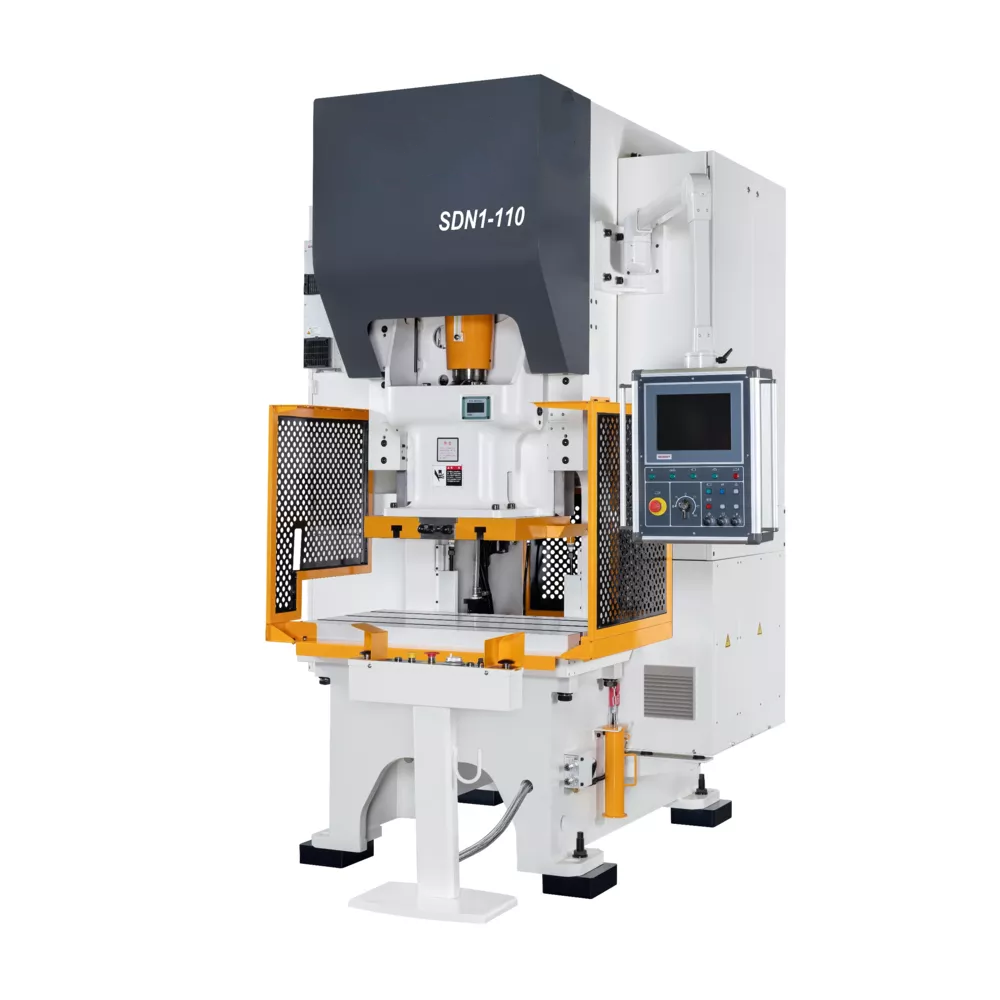
To understand the effectiveness of Punching Machine Applications In Appliance Panel Manufacturing, one must delve into the technical specifications that drive these machines. Modern equipment, such as that offered by HARSLE, combines mechanical power with digital precision.
CNC Turret Punch Press Mechanics
The heart of the punching process in appliance manufacturing is the turret. A turret typically consists of an upper and lower disk that holds the punches and dies. In a CNC system, the turret rotates to the required tool station based on the programmed instructions. High-end machines feature ‘Auto-Index’ stations, which allow the tool to rotate at any angle. This is crucial for creating diagonal louvers or complex shapes without needing specialized, single-purpose tools.
Servo-Electric vs. Hydraulic Drive Systems
Traditionally, punching machines were purely hydraulic. While hydraulic systems offer immense power, modern appliance manufacturing is shifting toward servo-electric drives. Servo-electric punching machines offer several advantages: they are more energy-efficient, produce less noise (a critical factor for factory floor environments), and provide much greater control over the ram’s stroke. This precision allows for ‘forming’ operations—such as creating small ribs or dimples—with extreme consistency, which is vital for the structural integrity of thin-gauge appliance panels.
Automation and Loading Systems
In a high-output environment, the bottleneck is often the manual loading and unloading of sheets. Integrated automation systems, including vacuum suction loaders and robotic stackers, allow punching machines to operate ‘lights-out’ or with minimal human intervention. These systems ensure that the raw material is perfectly aligned before the punching begins, reducing the risk of misaligned holes which could ruin an entire batch of refrigerator doors or oven panels.
Software Integration (Industry 4.0)
Modern punching machines are no longer standalone units; they are part of a connected ecosystem. Through Industry 4.0 integration, the machine can provide real-time data on tool wear, energy consumption, and production counts. For appliance manufacturers, this means predictive maintenance can be scheduled before a tool fails, preventing costly downtime. The software also allows for rapid prototyping, enabling designers to test new panel layouts and hole patterns digitally before committing to physical production.
Selection Advice for Appliance Manufacturers
Choosing the right punching machine is a strategic decision that impacts the long-term profitability of an appliance manufacturing facility. Here are the key factors to consider when evaluating equipment from providers like HARSLE.
Tonnage and Material Thickness
Most appliance panels are made from relatively thin gauge steel (0.5mm to 1.5mm). Therefore, a machine with a capacity of 20 to 30 tons is usually sufficient. However, if the facility also produces structural components or thicker internal frames, a higher tonnage machine may be required. It is essential to match the machine’s power to the thickest material you anticipate processing to avoid overworking the motor and hydraulic systems.
Throat Depth and Sheet Size
The ‘throat depth’ determines the maximum width of the sheet the machine can handle. For large appliances like side-by-side refrigerators or commercial chest freezers, a deep throat (1250mm to 1500mm or more) is necessary to process large panels without needing to flip or reposition the sheet, which can introduce inaccuracies. Ensure the machine’s table size matches your standard sheet dimensions to maximize efficiency.
Tooling Capacity and Compatibility
Evaluate the number of stations in the turret. For appliance manufacturing, a turret with 24 to 32 stations, including at least two auto-index stations, is generally the ‘sweet spot.’ This allows for a versatile mix of standard punching tools and specialized forming tools. Additionally, check for compatibility with standard tooling brands (like Thick Turret tooling) to ensure easy sourcing of replacements and specialized dies.
Maintenance and Technical Support
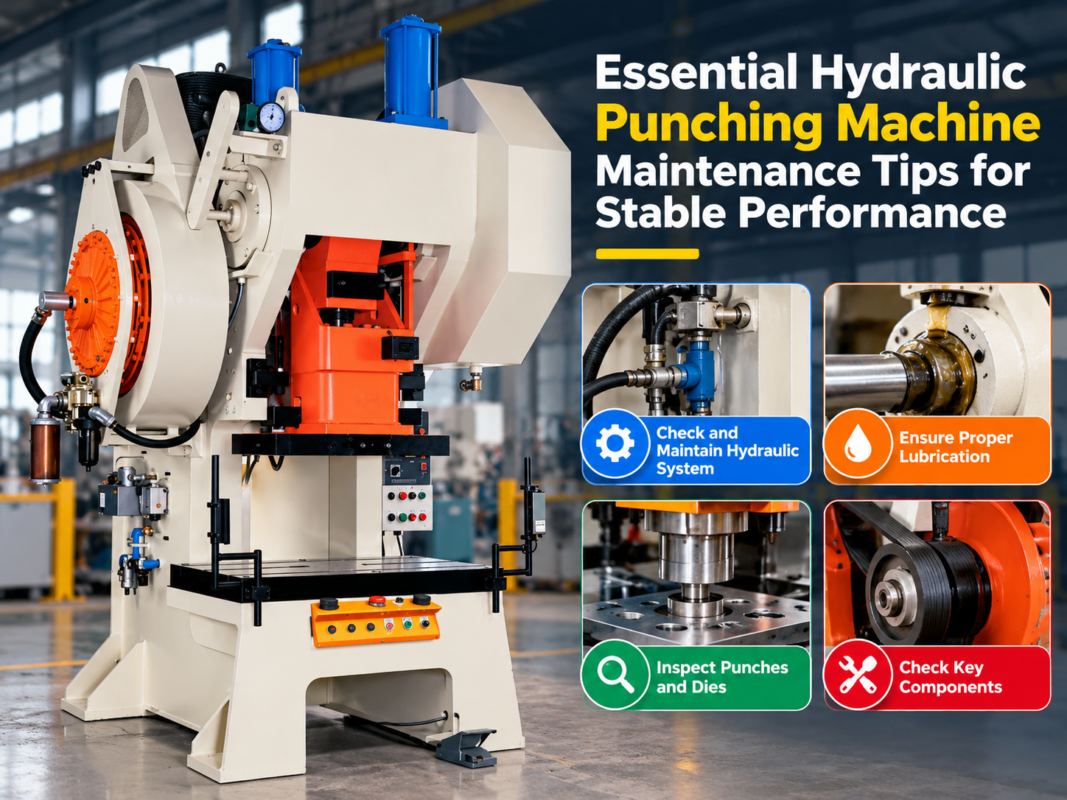
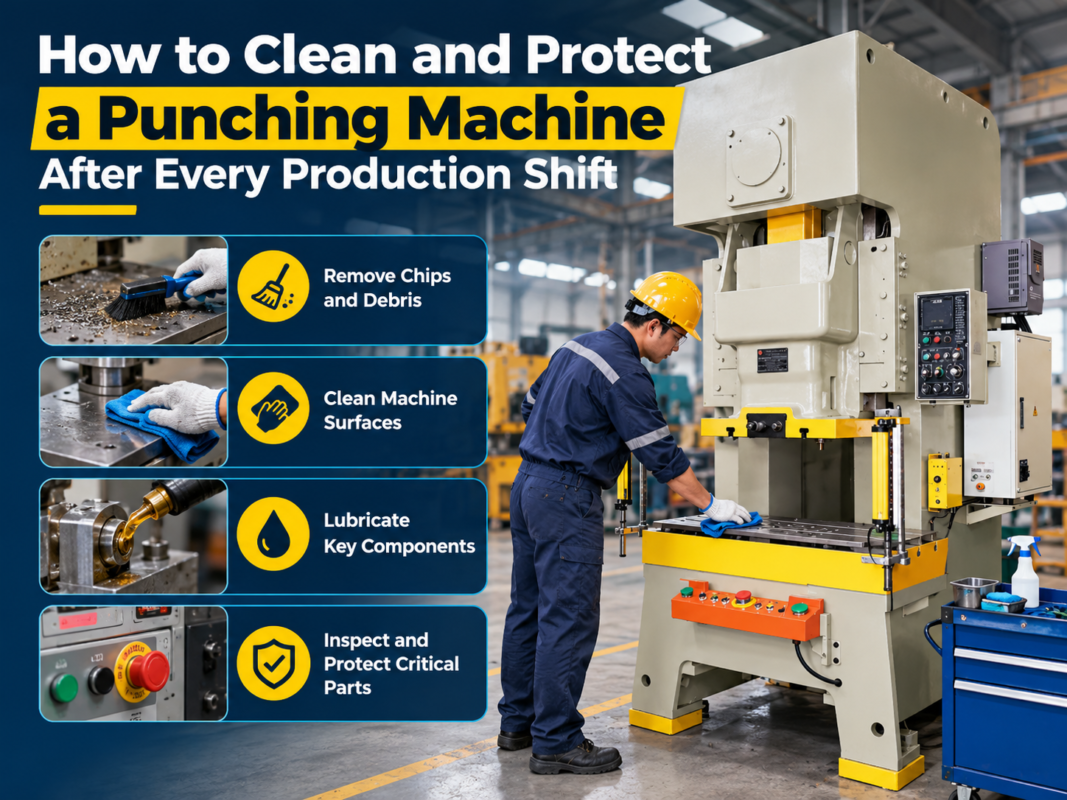
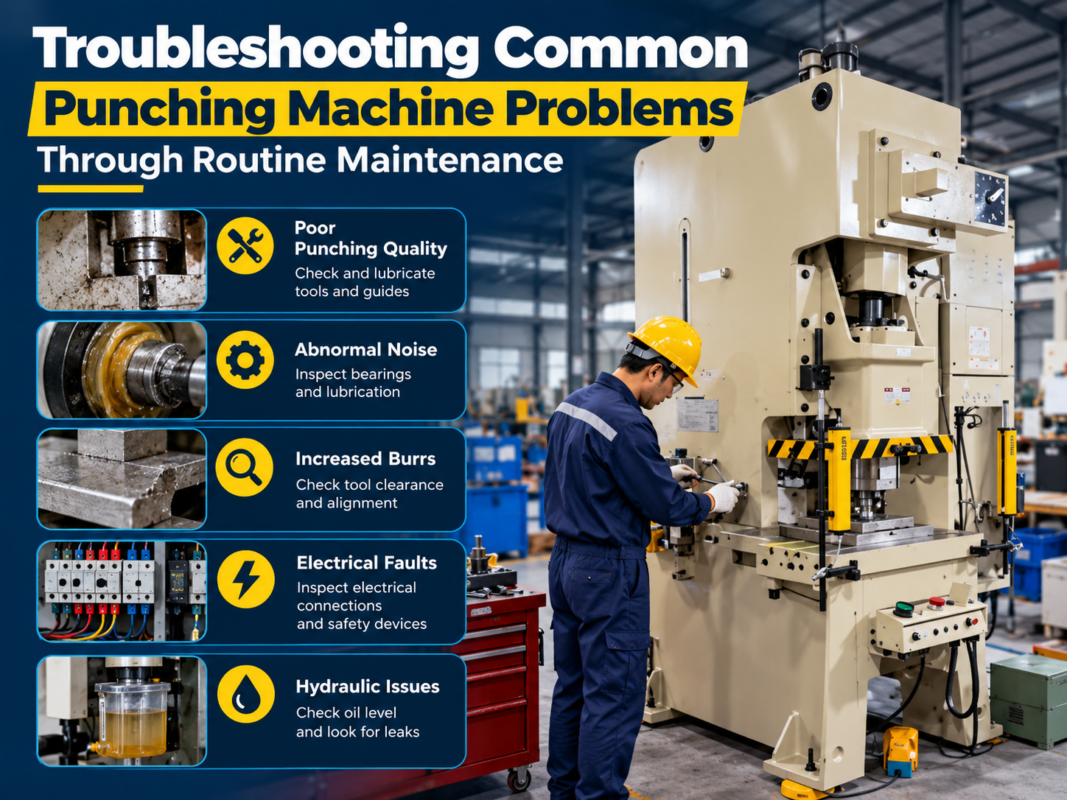
Industrial machinery is a significant investment. When selecting a manufacturer, prioritize those who offer comprehensive technical support and readily available spare parts. HARSLE, for instance, provides extensive documentation and remote support to ensure that any technical issues are resolved quickly. Consider the ease of daily maintenance tasks, such as lubrication and tool sharpening, as these will directly affect the machine’s uptime.
Frequently Asked Questions (FAQ)
What is the best type of punching machine for stainless steel appliance panels?
For stainless steel, a CNC turret punch press with a high-rigidity frame and specialized coated tooling is recommended. Stainless steel is harder than mild steel and can cause faster tool wear. A machine with a precise servo-drive system allows for better control over the punching speed, which helps in managing the heat generated during the process and prevents work-hardening of the material.
How do I prevent scratches on pre-painted panels during punching?
To prevent scratches, use a punching machine equipped with a brush-type worktable rather than a ball-transfer table. Additionally, ensure the machine uses ‘urethane-fused’ strippers or specialized non-marking tools. Keeping the work area clean of metal chips (slugs) is also vital, as stray fragments are the most common cause of surface damage.
Can a punching machine replace a laser cutting machine in appliance manufacturing?
While laser cutting offers more flexibility for complex outlines, a punching machine is significantly faster and more cost-effective for panels that require many repetitive holes, louvers, or formed features (like dimples and knockouts). In many high-volume appliance factories, both machines are used in tandem, or a ‘punch-laser’ combo machine is employed to get the benefits of both technologies.
What is the typical lifespan of a HARSLE punching machine?
With proper maintenance and regular servicing, a high-quality industrial punching machine can last 15 to 20 years or more. The key to longevity is adhering to the lubrication schedule, ensuring the hydraulic oil is clean, and sharpening the tools regularly to prevent excessive stress on the machine’s frame and drive components.
Is automation necessary for small-scale appliance part production?
While not strictly necessary, even basic automation (like a simple sheet loader) can provide a quick return on investment by reducing labor costs and improving safety. For small-scale production, focus first on a machine with a user-friendly CNC interface that allows for quick changeovers between different part programs.
Conclusion
The role of Punching Machine Applications In Appliance Panel Manufacturing cannot be overstated. As consumers demand more sophisticated designs and manufacturers strive for higher efficiency, the technology behind the punch press continues to advance. From the integration of servo-electric drives that reduce energy consumption to the implementation of Industry 4.0 features that provide unprecedented data insights, the modern punching machine is a powerhouse of productivity.
For manufacturers looking to upgrade their facilities, focusing on precision, surface protection, and versatile tooling is the key to success. Companies like HARSLE continue to lead the way, providing the robust and intelligent machinery needed to turn raw sheets of metal into the high-quality appliance panels found in homes around the world. By investing in the right punching technology, appliance manufacturers can ensure they meet the rigorous standards of today’s market while preparing for the innovations of tomorrow.
In summary, whether you are focused on the structural components of a washing machine or the decorative front of a premium oven, the punching machine remains the cornerstone of the fabrication process. Its ability to combine speed, accuracy, and multi-functional forming capabilities makes it an indispensable asset in the modern industrial landscape.