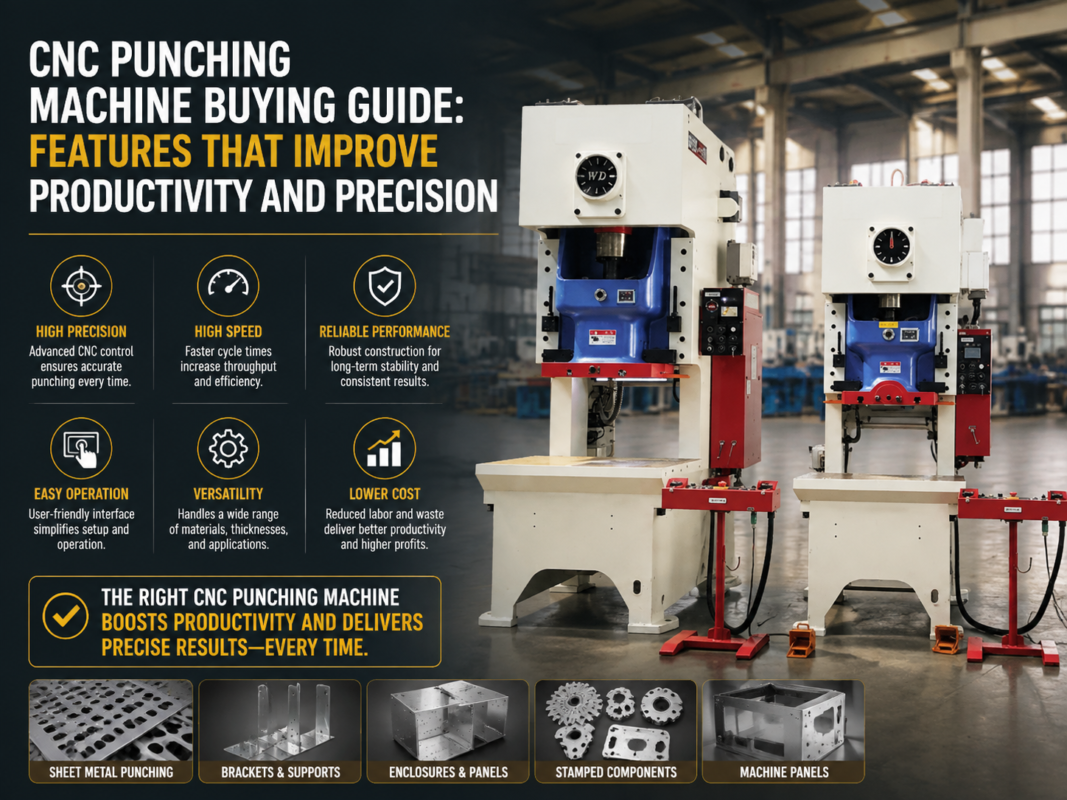
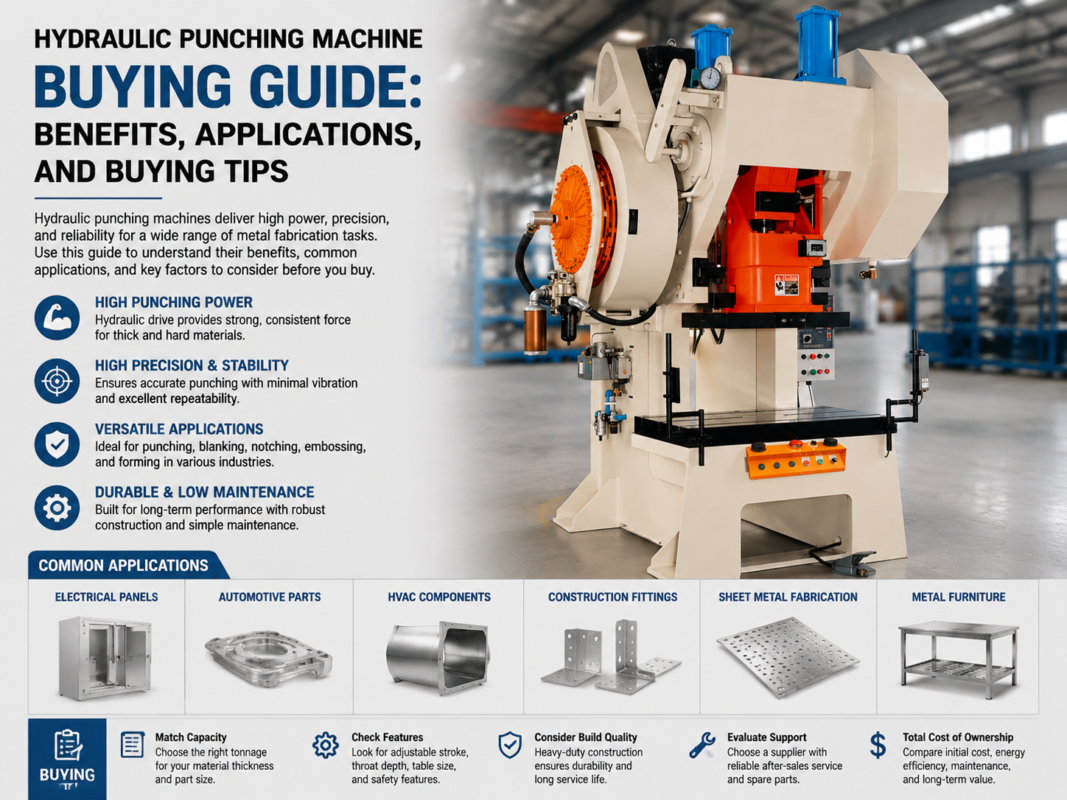
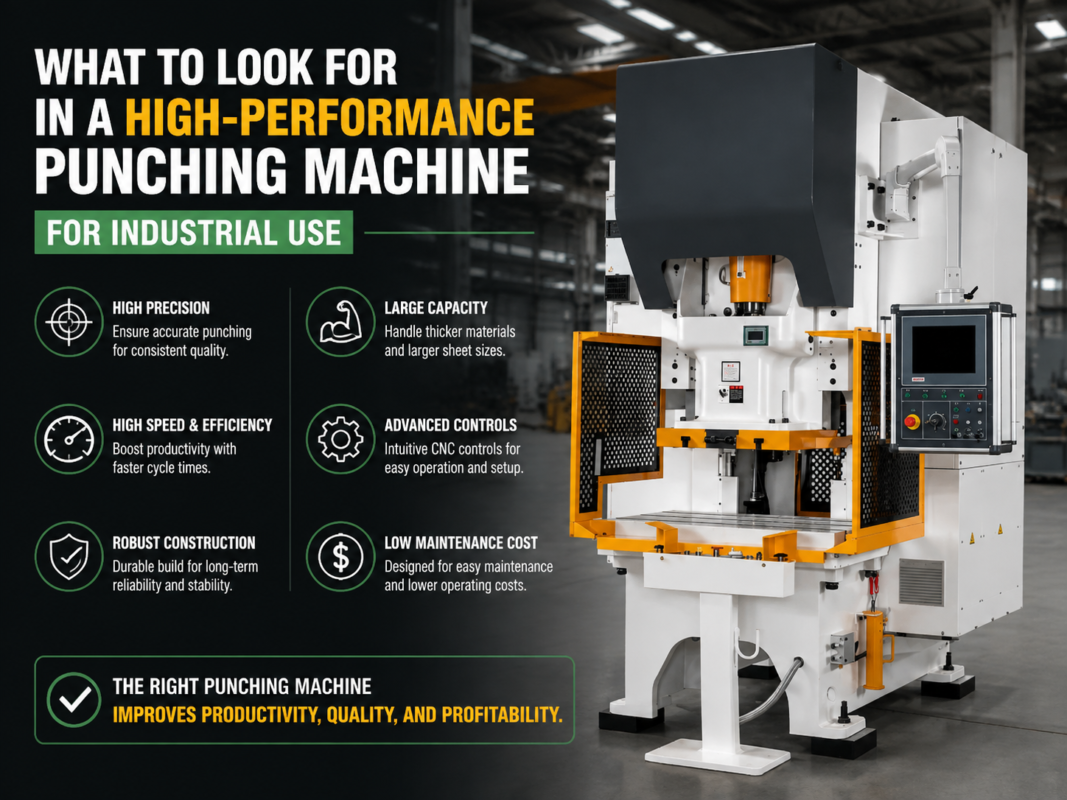
How to Select the Right Punching Machine for Sheet Metal Production: A Comprehensive Guide


Introduction to Sheet Metal Punching Technology
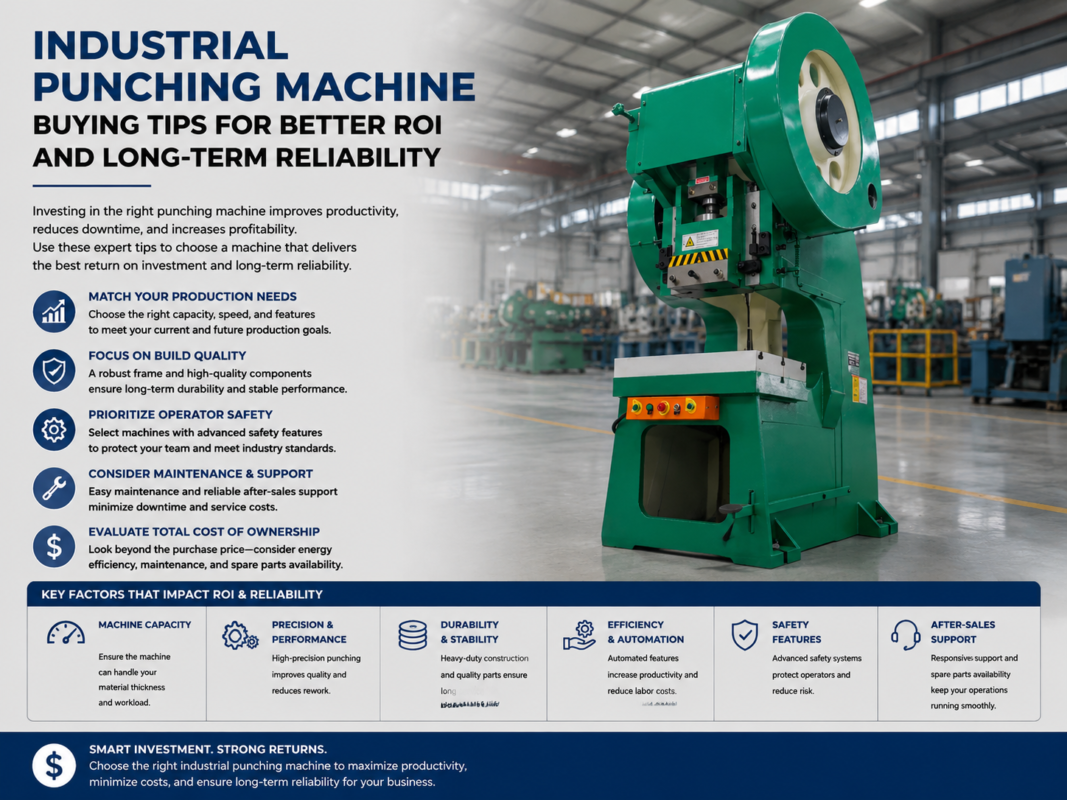
In the competitive landscape of modern manufacturing, the ability to produce high-quality components quickly and efficiently is paramount. When it comes to processing sheet metal, the punching machine remains a cornerstone of the fabrication shop. However, the process to select punching machine sheet metal production equipment is not as simple as picking the most expensive model. It requires a deep understanding of your production needs, material specifications, and long-term business goals. HARSLE, a leader in metal fabrication machinery, understands that the right machine can be the difference between a profitable operation and one plagued by bottlenecks.
Punching machines have evolved significantly from simple manual presses to highly sophisticated CNC turret punch presses capable of complex geometries, forming, and even tapping. This guide is designed to walk you through every critical factor involved in the selection process, ensuring that your investment yields the highest possible return. Whether you are a small job shop or a large-scale industrial manufacturer, understanding the nuances of tonnage, throat depth, and control systems is essential for success.
Price Range Overview: Understanding the Market Tiers
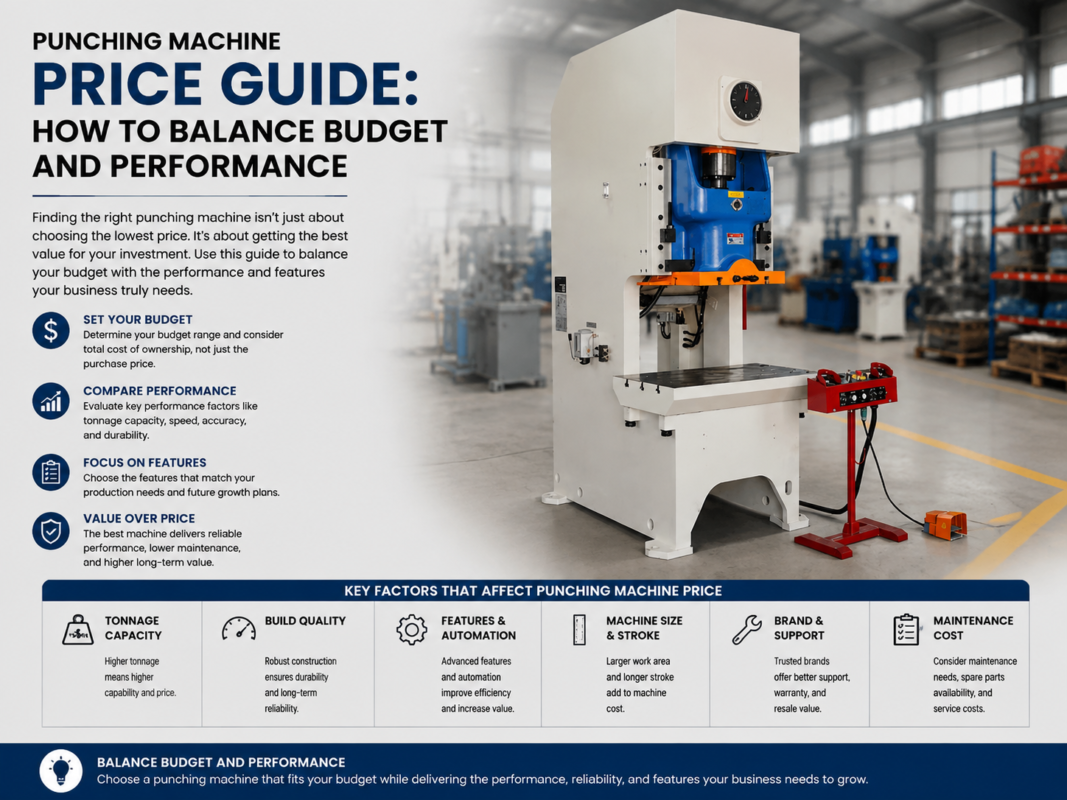
The market for punching machines is diverse, with price points reflecting the technology, capacity, and automation levels provided. Generally, the investment required to select punching machine sheet metal production tools can be categorized into three main tiers. Understanding where your needs fall within these tiers is the first step in budgeting for your new equipment.
Entry-level machines, often consisting of mechanical power presses or basic NC (Numerical Control) single-station punchers, typically range from $5,000 to $20,000. These machines are ideal for simple, repetitive tasks where high-speed turret changes are not required. They offer durability and ease of maintenance but lack the versatility needed for complex, multi-tooling projects. For startups or shops focusing on a single product line, these can be a cost-effective entry point.
Mid-range machines, which include hydraulic CNC punching machines and smaller turret punch presses, usually fall between $30,000 and $80,000. These machines offer a significant jump in productivity by incorporating multiple tool stations and advanced CNC controllers. They are capable of handling a wider variety of sheet sizes and thicknesses, making them the workhorse of the average fabrication shop. HARSLE’s mid-range offerings focus on balancing precision with affordability, providing high-speed positioning and reliable hydraulic systems.
High-end industrial solutions, such as large-scale CNC turret punch presses with 32 or more stations and full automation (loading/unloading systems), can exceed $150,000 to $300,000. These machines are designed for 24/7 operation and high-volume production. They feature servo-electric drive systems, which offer superior energy efficiency and hit-rate speeds compared to traditional hydraulic systems. When you select punching machine sheet metal production equipment at this level, you are investing in maximum throughput and minimal manual intervention.
Main Cost Drivers in Punching Machinery
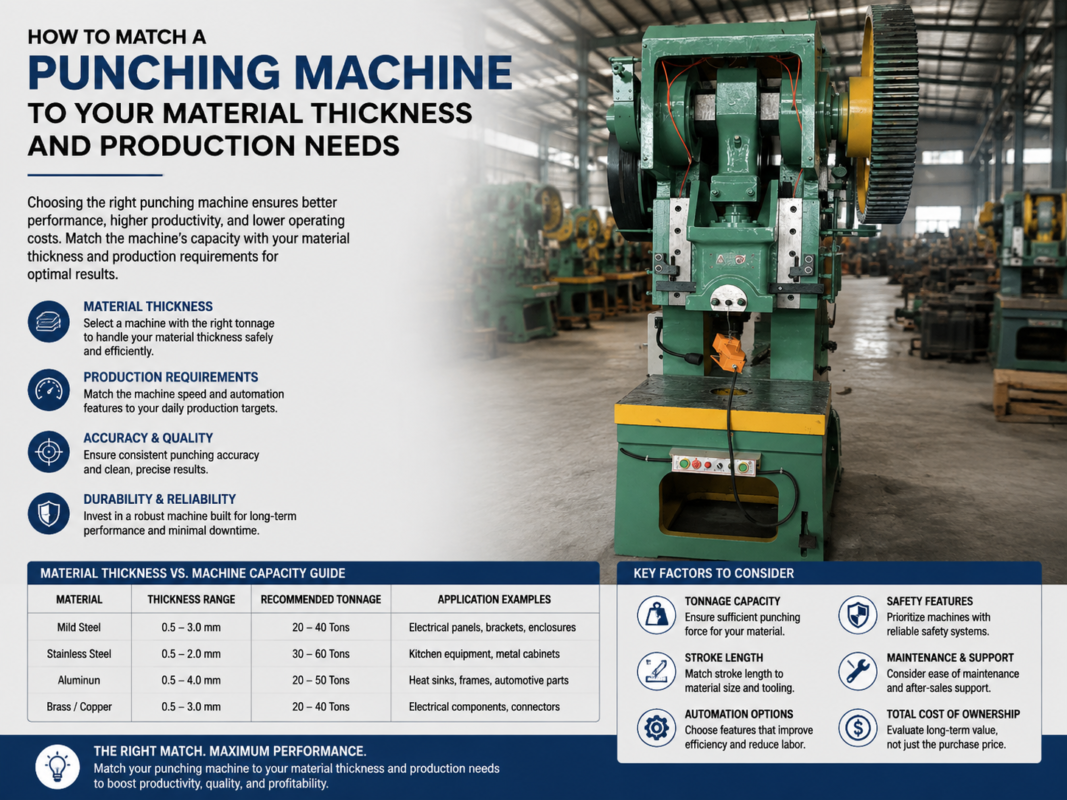
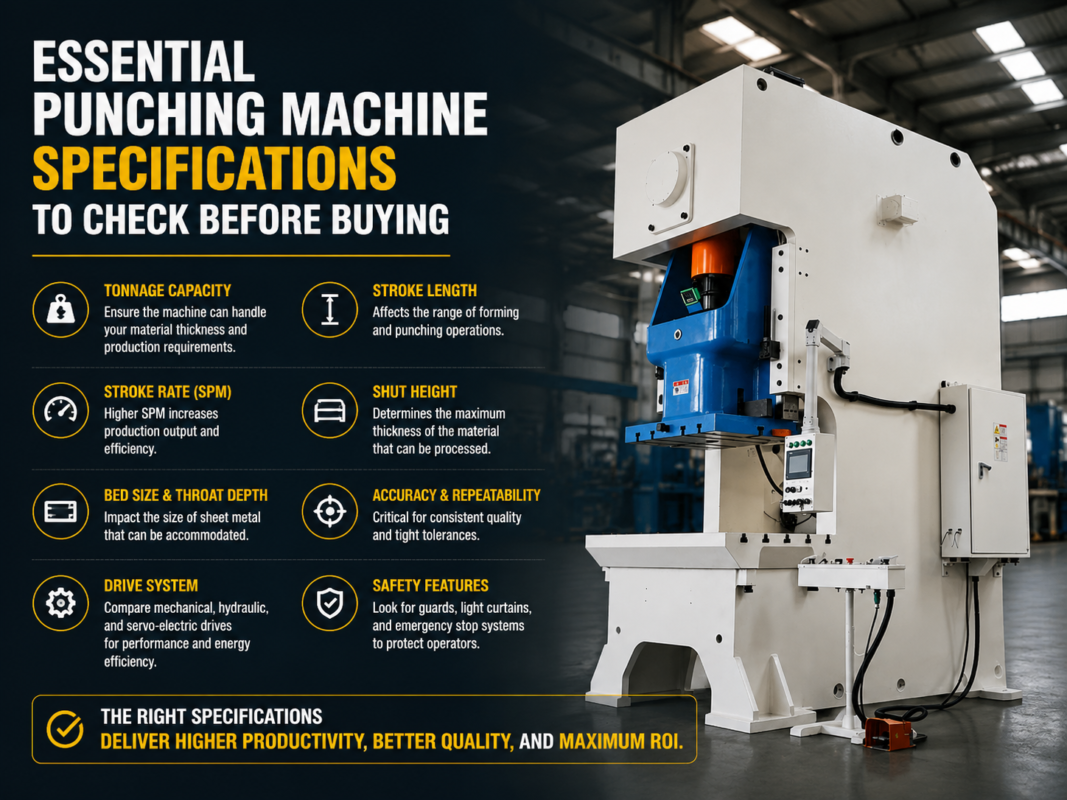
When evaluating the price of a punching machine, several technical factors drive the final cost. The most significant of these is tonnage. Tonnage refers to the maximum force the machine can apply to the workpiece. A 16-ton machine might suffice for thin aluminum, but for thick stainless steel, you may require 30, 50, or even 100 tons of force. As tonnage increases, so does the structural integrity of the frame and the power of the drive system, leading to higher costs.
Throat depth and table size are also major cost drivers. The throat depth determines the maximum width of the sheet the machine can process without flipping it. A larger throat depth requires a more massive C-frame or O-frame to prevent deflection under load. If your production involves large panels for cabinetry or HVAC, a larger table and deeper throat are non-negotiable, though they will increase the machine’s footprint and price.
The complexity of the CNC system and the number of turret stations further influence the price. A machine with a Fanuc or Siemens controller will generally cost more than one with a proprietary or basic NC controller due to the advanced features, global support, and ease of integration with CAD/CAM software. Similarly, a 32-station turret allows for more tools to be loaded simultaneously, reducing setup times and increasing the machine’s versatility, but the mechanical complexity of the turret assembly adds to the initial investment.
Configuration Impact: Tailoring the Machine to Your Needs
The configuration of your punching machine should be directly dictated by the types of parts you intend to produce. One of the most critical configuration choices is the drive system: Mechanical, Hydraulic, or Servo-Electric. Mechanical systems are robust and fast but offer little control over the punch stroke. Hydraulic systems provide full control over the stroke, allowing for forming operations like louvers and ribs, but they require more maintenance and consume more energy. Servo-electric systems are the modern standard, offering the precision of hydraulics with the speed of mechanical presses and significantly lower energy consumption.
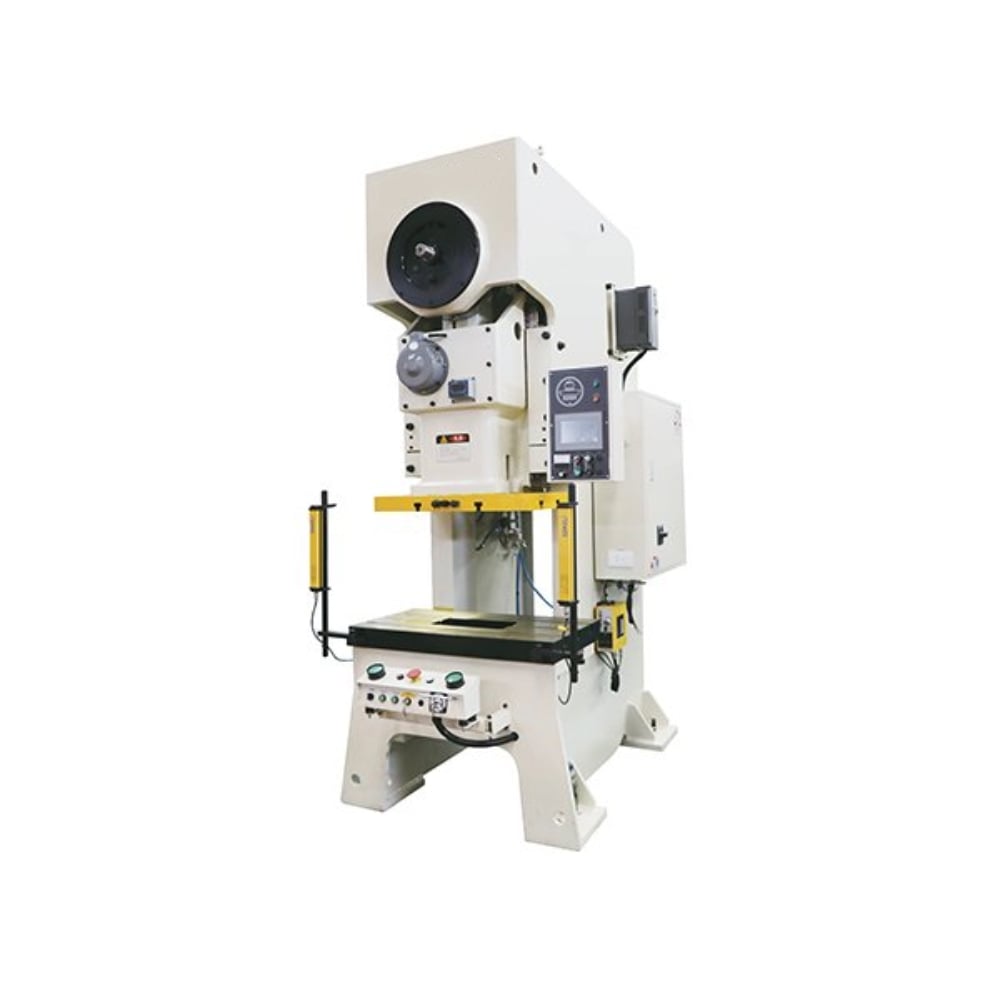
Another vital configuration aspect is the tooling style. Thick turret tooling is widely considered the industry standard due to its stability and long tool life, whereas thin turret tooling is often found on older or smaller machines. When you select punching machine sheet metal production equipment, ensure the tooling style is compatible with your existing inventory or easily sourced in your region. Furthermore, the inclusion of “Auto-Index” stations is a game-changer. Auto-index stations allow the tool to rotate to any angle, reducing the number of specialized tools needed and allowing for complex nesting that saves material.
Automation features, such as automatic sheet repositioning and brush tables, also play a role. Brush tables are essential for processing stainless steel or pre-painted materials to prevent scratching, whereas ball-transfer tables are better suited for heavy plates. If your production volume is high, consider adding an automatic loading and unloading system. While this adds to the configuration cost, it allows for “lights-out” manufacturing, significantly increasing your overall capacity.
Hidden Costs of Owning a Punching Machine
The purchase price is only the beginning of the total cost of ownership. One of the most overlooked hidden costs is tooling. A full set of high-quality punches and dies for a 32-station turret can cost several thousand dollars. Furthermore, tools are consumables; they require regular sharpening and eventual replacement. Investing in a tool grinder is often a necessary secondary purchase to maintain edge quality and machine performance.
Electricity and utility costs are another factor. Hydraulic machines require large cooling systems and constant pump operation, which can lead to high monthly power bills. In contrast, servo-electric machines only consume significant power during the actual punch stroke. Additionally, the cost of floor space should not be ignored. A large CNC turret punch press requires a significant amount of reinforced concrete flooring and safety clearance, which may necessitate facility upgrades.
Software and training represent the final piece of the hidden cost puzzle. To truly select punching machine sheet metal production efficiency, you need advanced nesting software that minimizes material waste. These software packages often come with annual subscription fees. Moreover, your operators will need specialized training to handle the CNC programming and machine maintenance. HARSLE provides comprehensive training, but the downtime during the learning curve is a cost that must be factored into the transition period.
ROI Calculation: When Does the Investment Pay Off?
Calculating the Return on Investment (ROI) for a punching machine involves comparing the total cost of ownership against the increased revenue and cost savings the machine generates. The primary driver of ROI is throughput. A CNC turret punch press can perform hundreds of hits per minute, far outstripping manual methods or even laser cutting for certain geometries. If you are currently outsourcing your punching work, the savings from bringing production in-house can often cover the machine’s monthly financing costs.
Material utilization is another key factor. Advanced CNC nesting can reduce scrap by 10-15%. In high-volume production, these material savings add up to thousands of dollars annually. Furthermore, consider the reduction in labor costs. A single operator can manage a highly automated CNC punching machine that does the work of four or five manual press operators. This labor efficiency is a major component of the ROI equation.
To calculate a basic ROI, subtract the annual operating costs (power, tooling, labor, maintenance) from the annual value of the parts produced. Divide the initial investment by this annual profit to determine the payback period in years. Most HARSLE customers find that a well-utilized mid-range CNC punching machine pays for itself within 18 to 24 months, depending on shift patterns and material costs.
Buying Advice: Step-by-Step Selection Checklist
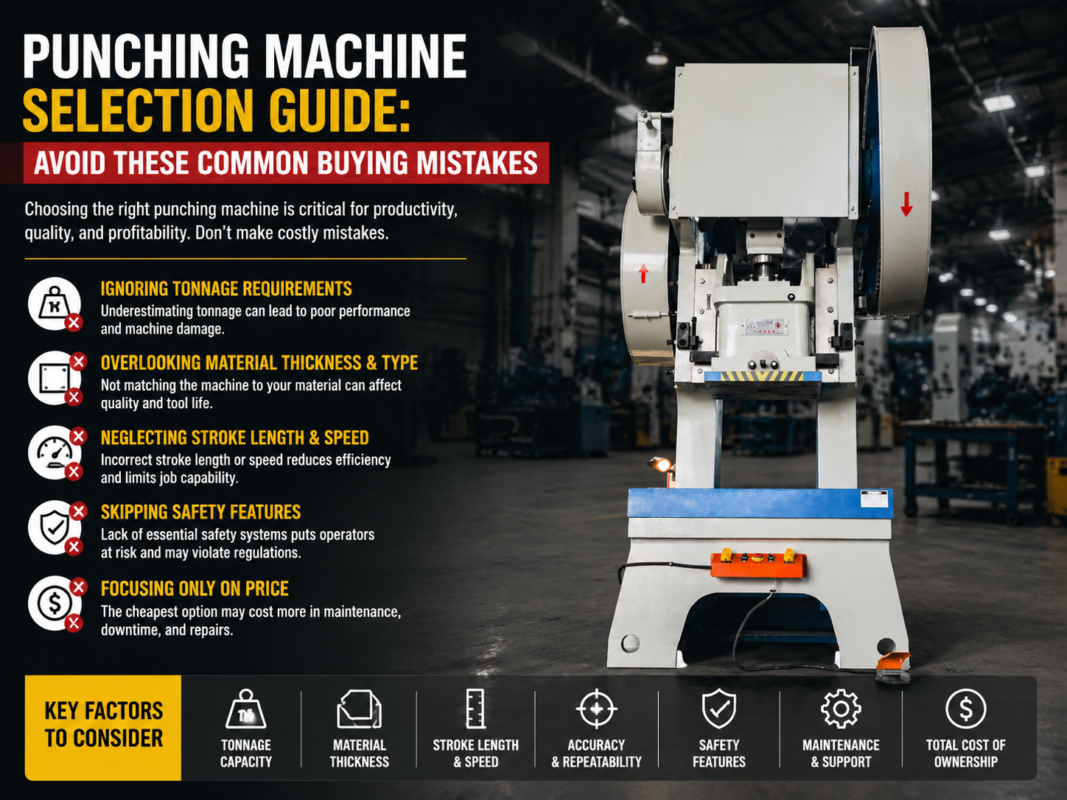
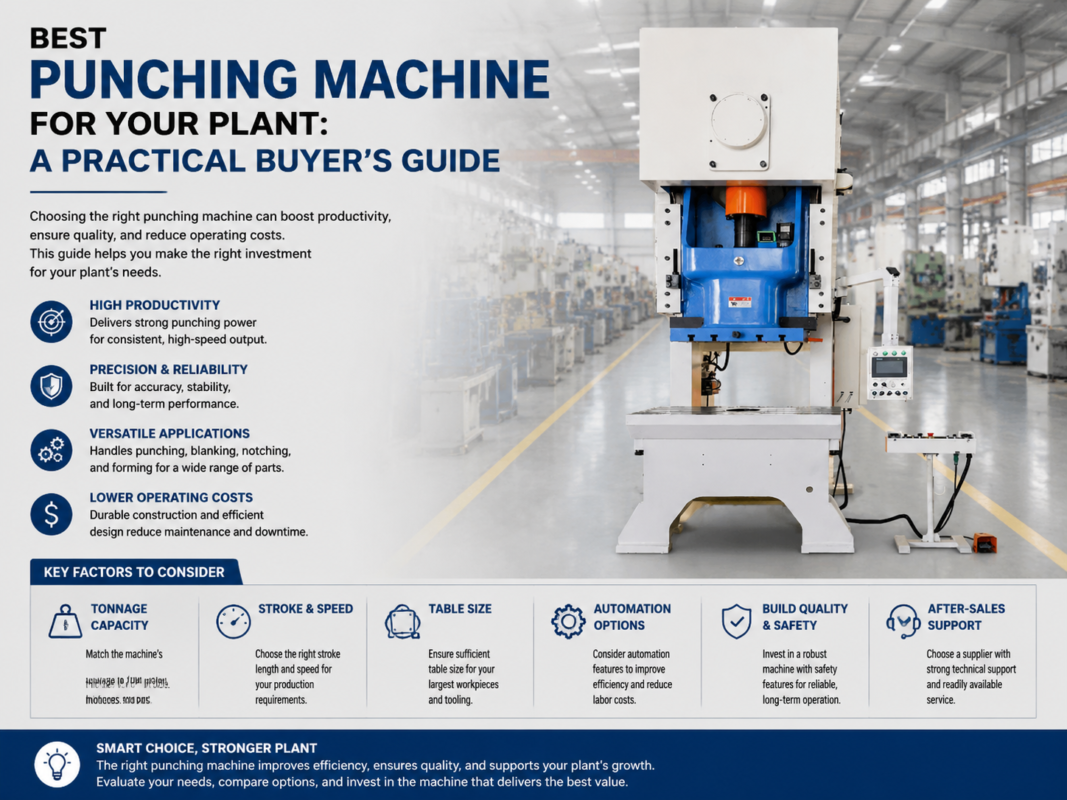
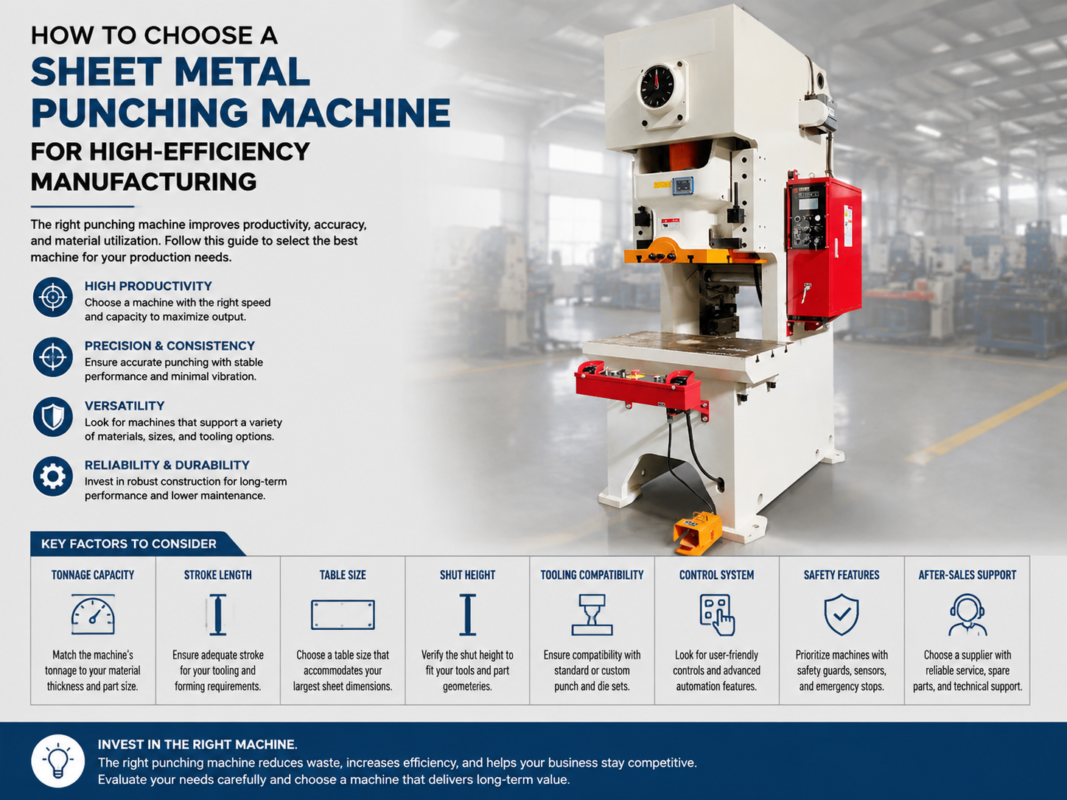
Choosing the right machine requires a systematic approach. Follow this checklist to ensure you select punching machine sheet metal production equipment that fits your specific needs:
- Analyze Your Material: What is the maximum thickness and type of material you will punch? Ensure the machine’s tonnage is rated for your hardest material at its maximum thickness.
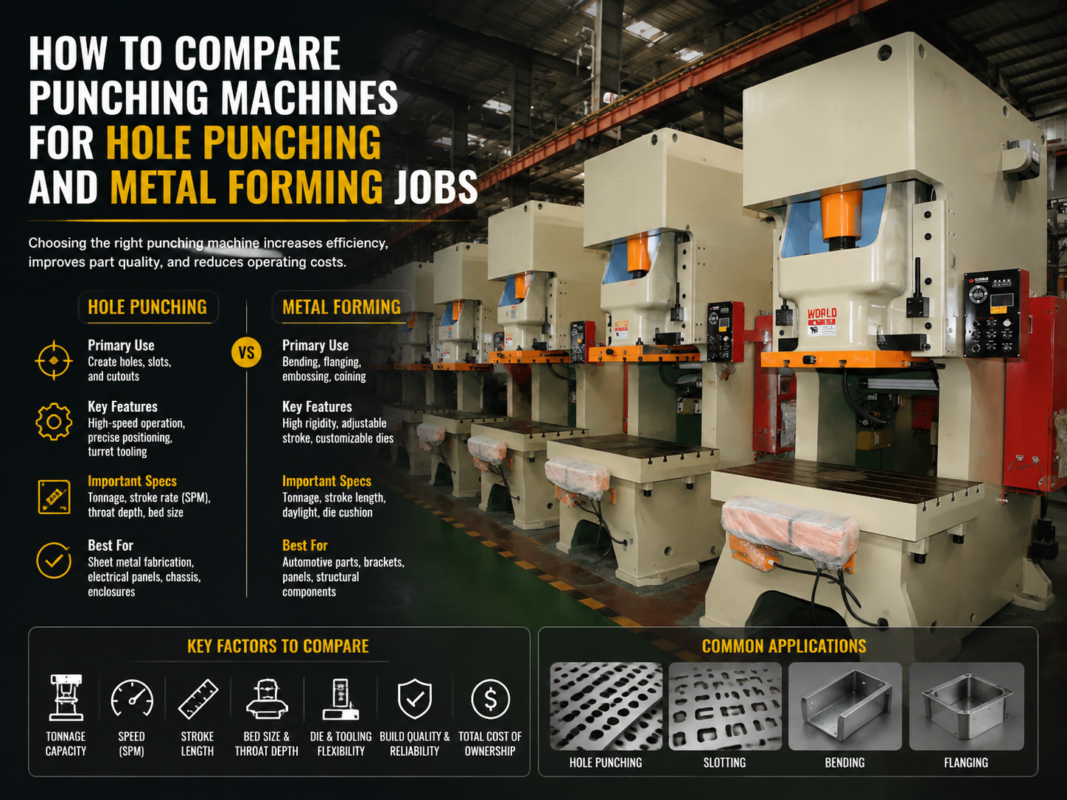
- Evaluate Part Complexity: Do your parts require forming, ribbing, or many different hole sizes? This will determine the number of turret stations and the need for auto-index capabilities.
- Consider Future Growth: Don’t just buy for today’s needs. If you anticipate larger contracts, opt for a machine with a larger table size or the ability to add automation later.
- Check Software Compatibility: Ensure the machine’s controller can easily interface with your current CAD/CAM software to avoid data translation errors.
- Assess Vendor Support: Choose a manufacturer like HARSLE that offers robust after-sales support, spare parts availability, and technical training.
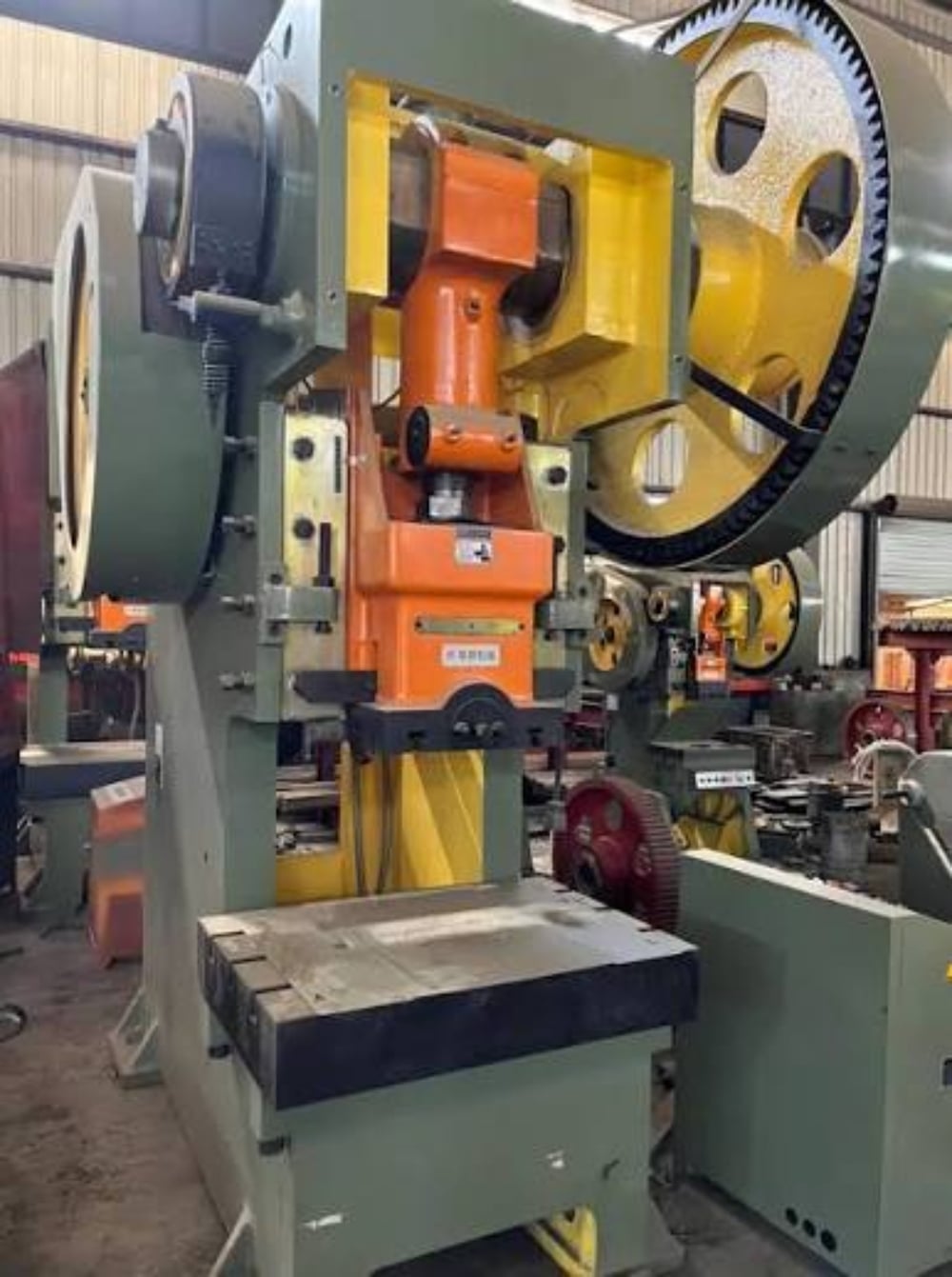
Finally, always request a sample part run. Send your most complex part drawing to the manufacturer and ask them to produce it on the machine you are considering. This will give you a clear idea of the cycle time, edge quality, and accuracy you can expect in your own facility. Seeing the machine in action is the best way to verify that the technical specifications translate into real-world performance.
Frequently Asked Questions (FAQ)
1. What is the difference between a CNC turret punch and a laser cutting machine?
While both machines cut sheet metal, a turret punch is significantly faster for repetitive patterns and can perform forming operations like louvers, dimples, and threads, which a laser cannot. However, a laser is better for extremely complex, irregular shapes and thicker materials where a punch might cause distortion.
2. How often should I sharpen my punching tools?
Tool sharpening frequency depends on the material being punched. Stainless steel dulls tools much faster than aluminum. As a general rule, tools should be inspected every 10,000 to 50,000 hits. Using dull tools increases the load on the machine and results in poor edge quality and burrs.
3. Can a punching machine handle stainless steel?
Yes, but it requires higher tonnage and specialized tooling. Stainless steel is harder and tends to work-harden, so you must ensure the machine has the necessary force and that you are using high-quality, coated punches to prevent galling.
4. Is a servo-electric punch press worth the extra cost over a hydraulic one?
In most cases, yes. The energy savings alone can often justify the higher initial price over 3-5 years. Additionally, servo-electric machines are quieter, more accurate, and require less maintenance because they eliminate the need for hydraulic oil, filters, and seals.
5. What maintenance is required for a CNC punching machine?
Daily maintenance includes cleaning the table and turret, checking lubrication levels, and inspecting tools. Monthly tasks involve checking belt tension, cleaning filters, and verifying the alignment of the turret and striker. Regular professional calibration is also recommended to maintain precision.
6. How do I determine the tonnage I need?
Tonnage is calculated based on the perimeter of the hole, the thickness of the material, and its shear strength. The formula is: Tonnage = (Perimeter x Thickness x Shear Strength) / 2000. It is always best to choose a machine that operates at 70-80% of its maximum capacity to prolong its lifespan.