
How to Solve Punching Machine Feed Errors and Positioning Failures: A Comprehensive Guide


Introduction
In the high-stakes world of metal fabrication, precision is the bedrock of productivity. For operators and shop floor managers, few issues are as frustrating as inconsistent output caused by mechanical inaccuracies. When you need to solve punching machine feed errors and positioning failures, you are not just fixing a machine; you are restoring the integrity of your entire production line. HARSLE understands that even a millimeter of deviation can lead to scrap parts, wasted material, and costly downtime.
Feed errors and positioning failures often manifest as misaligned holes, inconsistent pitch, or parts that fail quality control inspections. These issues can stem from a variety of sources, ranging from simple software calibration errors to complex mechanical wear in the drive train. Understanding the root cause is the first step toward implementing a permanent solution that keeps your HARSLE punching machine running at peak performance.
This guide provides a deep dive into the diagnostic processes and corrective measures required to maintain high-precision punching operations. By systematically addressing the mechanical, electrical, and software components of your equipment, you can eliminate recurring errors and ensure that your shop maintains its competitive edge in the metal fabrication industry.
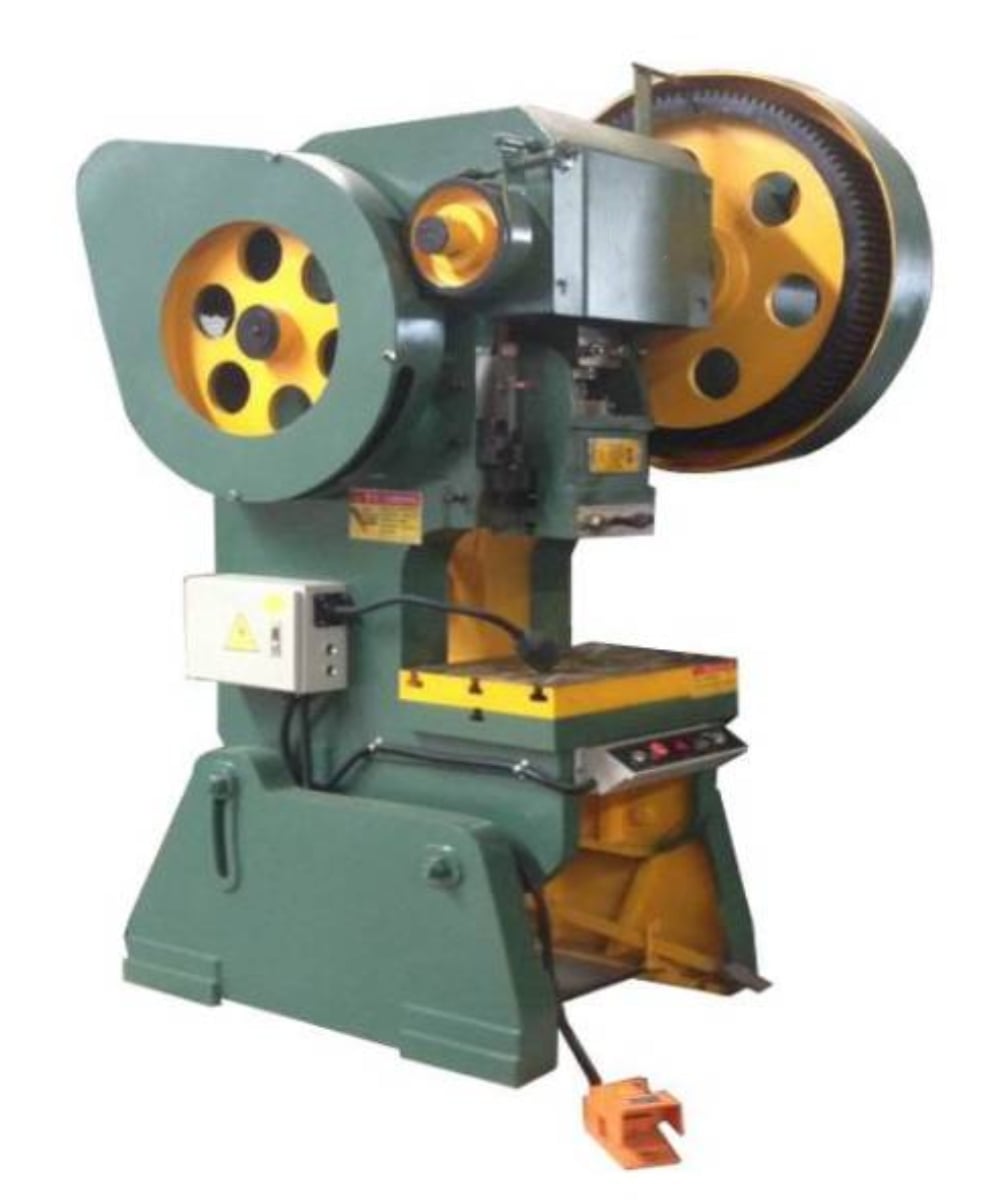
Key Considerations for Punching Accuracy
Before diving into technical repairs, it is vital to establish a baseline for what constitutes a “normal” operating environment. Environmental factors, such as temperature fluctuations and floor vibrations, can significantly impact the accuracy of CNC punching machines. If your facility experiences extreme temperature shifts, the thermal expansion of the machine frame or the workpiece material itself can introduce subtle positioning errors that are difficult to track.
Another key consideration is the condition of the clamping system. The clamps are the primary interface between the machine’s drive system and the raw material. If the clamps are worn, loose, or improperly adjusted, the material will slip during the punching cycle. This slippage is one of the most common causes of feed errors, as the controller assumes the material has moved a specific distance when, in reality, it has remained stationary or shifted unevenly.
Operator training also plays a critical role. Often, what appears to be a machine failure is actually a result of incorrect programming or improper loading techniques. Ensuring that operators are well-versed in the specific requirements of the HARSLE control interface and understand the importance of material flatness is essential. A warped sheet of metal can easily trigger sensor errors or cause the punch to strike at an angle, leading to premature tool wear and positioning inaccuracies.
Finally, consider the maintenance schedule. Punching machines are high-impact pieces of equipment. Over time, the constant vibration and mechanical stress can cause fasteners to loosen and lubrication to degrade. A proactive maintenance schedule that includes checking the tension of drive belts, the integrity of ball screws, and the cleanliness of optical sensors is the best way to prevent errors before they occur.
Technical Details: Diagnosing Feed and Positioning Failures
To effectively solve punching machine feed errors and positioning failures, you must approach the problem with a diagnostic mindset. Start by checking the servo motor feedback loops. Modern CNC punching machines rely on encoders to track the exact position of the carriage. If the encoder is sending faulty data or if there is excessive backlash in the coupling between the motor and the ball screw, the machine will lose its reference point.
Next, examine the ball screw and nut assembly. This component is responsible for converting the rotary motion of the motor into the linear motion of the punching carriage. Over time, the ball bearings within the nut can wear down, creating “play” or backlash. You can test for this by attempting to move the carriage manually while the machine is powered off; any noticeable movement before the screw engages indicates that the assembly needs adjustment or replacement.
The lubrication system is another frequent culprit. If the guide rails are not properly lubricated, the friction increases, causing the servo motors to work harder than necessary. This increased load can lead to “following errors,” where the motor cannot keep up with the command signal from the controller. Ensure that your HARSLE machine is using the recommended lubricant and that the automatic lubrication system is functioning correctly and reaching all critical friction points.
Electrical interference can also cause erratic behavior. Check the grounding of your machine and ensure that high-voltage cables are properly shielded from signal cables. Electromagnetic interference (EMI) can corrupt the signals traveling between the controller and the drive units, leading to intermittent positioning failures that seem to happen at random intervals. Using a multimeter to check for voltage drops or signal noise can help isolate these elusive electrical issues.
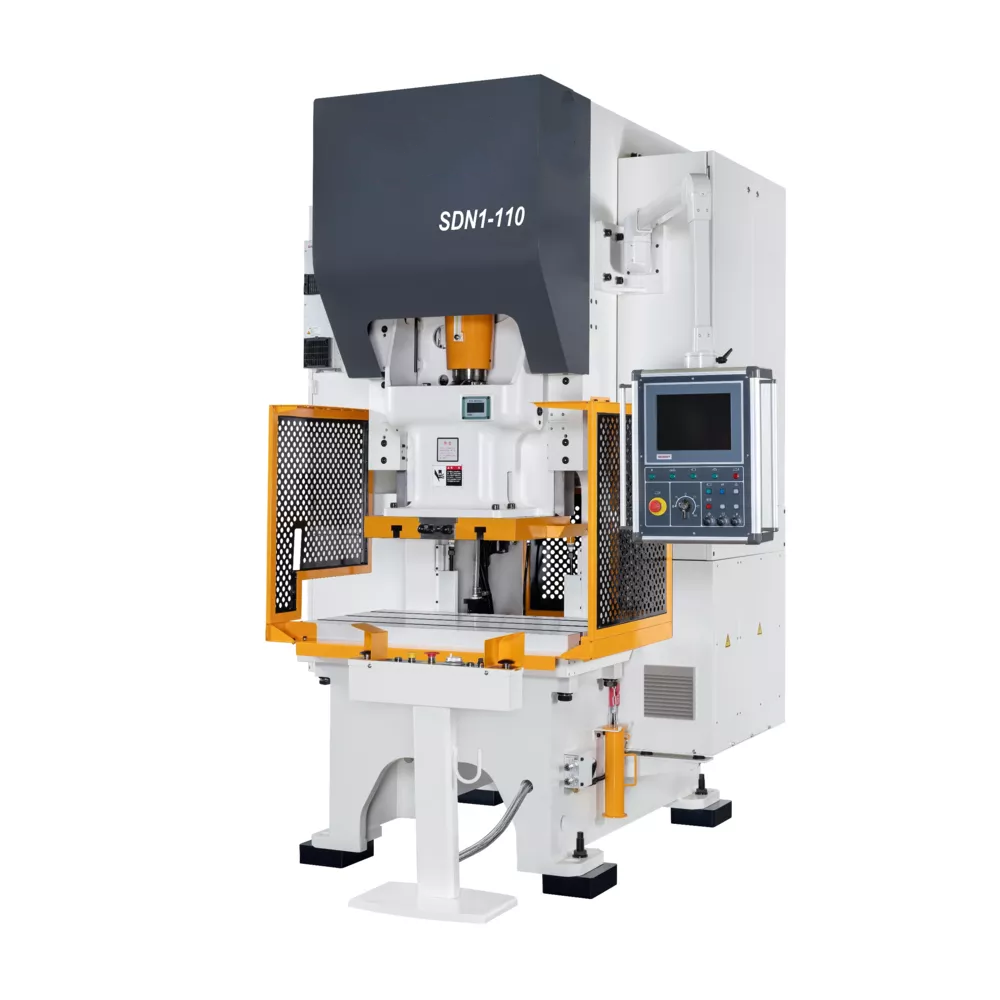
Selection Advice: Choosing the Right Equipment
When you are in the market for a new punching machine, preventing feed errors starts with the selection process. Not all machines are built to the same standards of rigidity and precision. Look for machines that feature heavy-duty, stress-relieved frames, as these are less susceptible to the vibrations that cause positioning drift. A stable foundation is the first defense against the errors that plague lighter-duty equipment.
Consider the drive system technology. Servo-electric punching machines, for instance, offer superior control over the punching stroke and positioning compared to traditional hydraulic systems. They provide faster response times and higher repeatability, which directly translates to fewer feed errors. If your production requires high-speed, high-precision work, investing in servo-driven technology is a strategic move that pays for itself in reduced scrap rates.
Evaluate the software capabilities of the machine. A robust CNC controller should have built-in diagnostic tools that allow you to monitor servo performance in real-time. Look for features like automatic error logging and remote diagnostic support. HARSLE machines are designed with user-friendly interfaces that simplify the calibration process, making it easier for your team to maintain accuracy without needing a specialized technician for every minor adjustment.
Finally, consider the manufacturer’s support network. A machine is only as good as the service behind it. When selecting a supplier, ensure they offer comprehensive training, readily available spare parts, and responsive technical support. Having access to expert guidance when you need to solve punching machine feed errors and positioning failures can mean the difference between an hour of downtime and a full day of lost production.
Troubleshooting Checklist for Operators
- Check Clamping Pressure: Ensure that the hydraulic or pneumatic clamps are exerting the correct force on the sheet metal.
- Inspect Guide Rails: Clean and lubricate the X and Y axis rails to remove debris and ensure smooth movement.
- Verify Encoder Signals: Use the controller’s diagnostic screen to check for “following error” alarms or signal noise.
- Tighten Mechanical Couplings: Check all bolts and couplings between the servo motors and the drive screws for signs of loosening.
- Calibrate the Axis: Perform a re-homing procedure to reset the machine’s coordinate system.
- Inspect Tooling: Ensure that the punch and die are properly aligned and that the stripper plate is not causing material drag.
FAQ: Solving Common Punching Machine Issues
Why does my punching machine lose its position after a few hours of operation?
This is often caused by thermal expansion or a failing servo motor encoder. As the machine warms up, components expand, which can shift the reference point. Check your cooling systems and monitor the encoder temperature.
How do I know if my ball screw is worn out?
The most common sign is increased backlash. If you notice that the machine is consistently off by the same amount in one direction but accurate in the other, it is a strong indicator that the ball screw or the nut needs adjustment or replacement.
Can software updates help with positioning failures?
Yes, sometimes positioning errors are caused by bugs in the motion control software. Always ensure your HARSLE machine is running the latest firmware version provided by the manufacturer.
What is the most common cause of feed errors?
Material slippage in the clamps is the number one cause. Always ensure your clamps are clean, free of oil, and adjusted to the correct pressure for the thickness of the material you are punching.
Conclusion
To solve punching machine feed errors and positioning failures, you must combine diligent maintenance with a deep understanding of your machine’s mechanical and electrical systems. By focusing on the integrity of the clamping system, the health of the drive train, and the accuracy of the control signals, you can ensure that your HARSLE punching machine remains a reliable workhorse for your fabrication shop. Remember that precision is not a one-time achievement but a continuous process of monitoring, adjusting, and refining. With the right approach, you can eliminate errors, maximize your output, and deliver the high-quality results your customers expect.












