
Thin Sheet Bending: Press Brake Vs Laser Cutting Bending Workflow Comparison

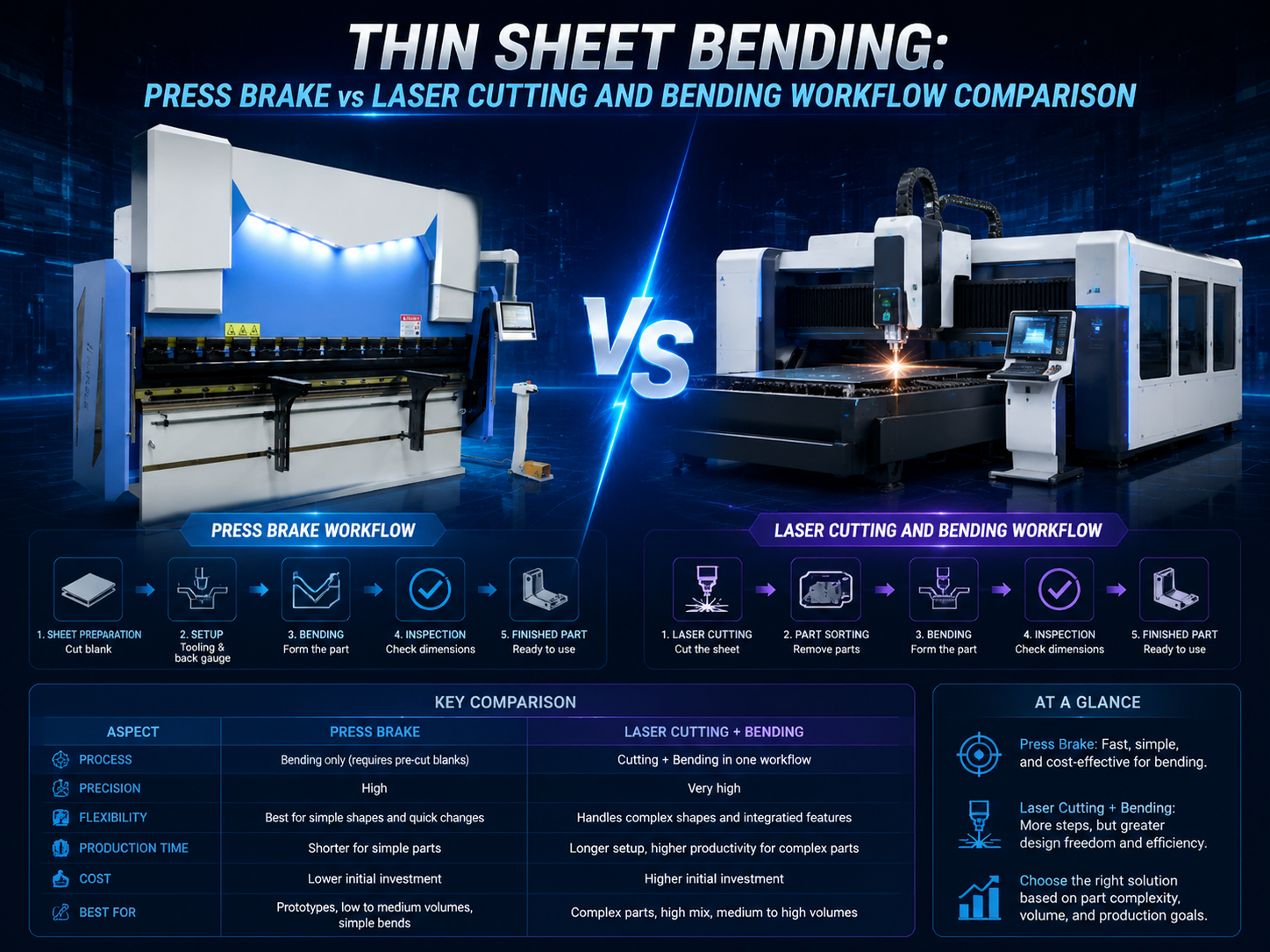
Comparison Summary: Navigating Thin Sheet Metal Fabrication
In the modern metal fabrication landscape, the efficiency of thin sheet bending is a cornerstone of production for industries ranging from electronics to aerospace. When we discuss ‘Thin Sheet Bending: Press Brake Vs Laser Cutting Bending Workflow Comparison’, we are essentially looking at two different philosophies of manufacturing. On one hand, the traditional press brake remains the workhorse of the shop floor, offering unparalleled versatility in forming complex angles. On the other hand, the integrated workflow of laser cutting followed by bending represents a high-precision, automated approach that minimizes material handling and maximizes accuracy.
Thin sheets, typically defined as materials with a thickness of less than 3mm (0.12 inches), present unique challenges. They are prone to marking, springback, and deformation if not handled with precision. The choice between a standalone press brake operation and a synchronized laser-to-bend workflow often depends on production volume, part complexity, and the required tolerance levels. While a press brake focuses on the physical deformation of the metal, the laser cutting stage determines the ‘blank’ quality, which is the foundation of a successful bend.
HARSLE has observed that manufacturers are increasingly moving toward a hybrid understanding of these processes. It is no longer just about which machine is better, but how the laser cutting process prepares the workpiece for the press brake. This comparison will dissect the mechanics, costs, and strategic advantages of each approach to help you optimize your workshop’s throughput and quality control.
Machine A Overview: The Precision CNC Press Brake
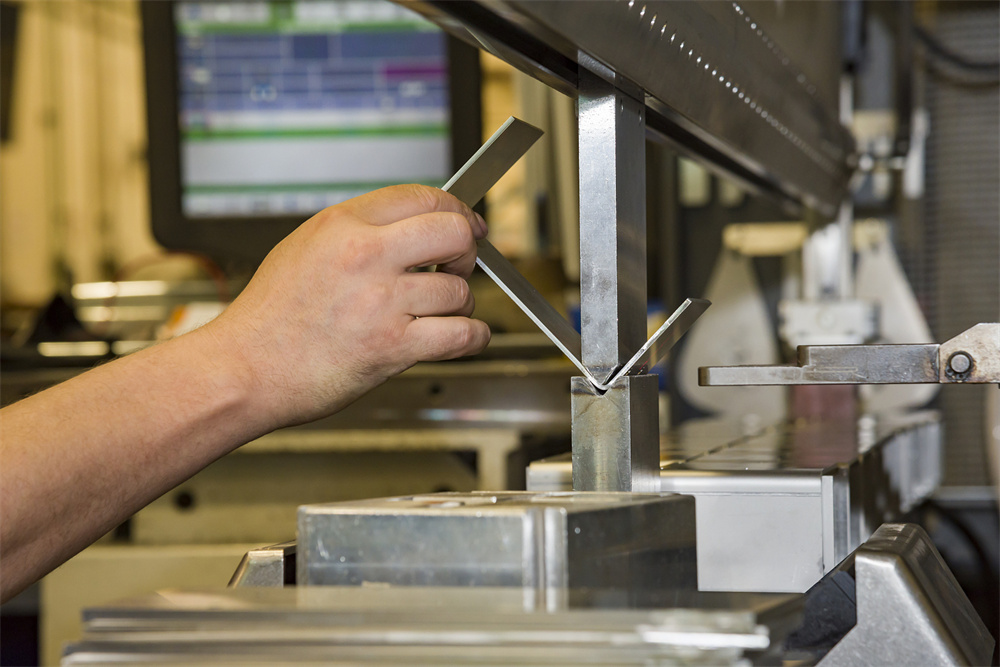
The CNC press brake is the primary tool for thin sheet bending. For materials like stainless steel, aluminum, or thin carbon steel, the press brake must offer high-speed movement and extreme repeatability. Modern HARSLE CNC press brakes utilize advanced hydraulic or servo-electric systems to ensure that the ram depth (Y1, Y2 axes) is controlled within microns. This level of control is essential for thin sheets because even a fraction of a millimeter in depth variation can result in several degrees of angular error due to the material’s inherent elasticity.
One of the defining features of a press brake optimized for thin sheets is the backgauge system. In thin sheet bending, the parts are often small and intricate. A multi-axis backgauge (X, R, Z1, Z2) allows the operator to position the sheet accurately for multiple bends in a single setup. Furthermore, the use of specialized ‘V’ dies is critical. For thin materials, a smaller V-opening is required to achieve a tight bend radius without overstretching the material fibers. High-end press brakes also feature crowning systems that compensate for bed deflection, ensuring the bend angle is consistent across the entire length of the workpiece.
Another significant advancement in press brake technology for thin sheets is the integration of angle measurement systems. These sensors measure the bend in real-time and adjust the ram depth mid-stroke to account for material variations. This is particularly useful when working with thin sheets from different batches, where the tensile strength might vary slightly. By using a dedicated press brake, manufacturers gain the flexibility to produce a wide variety of shapes, from simple 90-degree bends to complex hems and offsets that are difficult to achieve through other methods.
Finally, the ergonomics and safety of the press brake cannot be overlooked. For thin sheet operations, where parts are light and handled quickly, laser-based safety curtains and ergonomic foot pedals allow the operator to maintain a high cadence without compromising safety. The press brake remains the most cost-effective solution for low-to-medium volume runs where setup flexibility is more important than raw automation speed.
Machine B Overview: The Laser Cutting and Bending Workflow
The ‘Laser Cutting and Bending Workflow’ refers to a holistic approach where the fiber laser cutting machine and the press brake work in a digital tandem. In this workflow, the laser is not just a cutting tool; it is the precision-preparatory stage for bending. For thin sheets, fiber lasers offer incredible speed and a very small kerf (cut width), which allows for the creation of intricate blanks with pre-cut features that aid the bending process.
One of the major advantages of this workflow is the ability to cut ‘stitch’ or ‘tab’ features. For very thin sheets, a laser can cut tiny notches or perforations along the bend line. This reduces the force required for bending and ensures that the bend occurs exactly where intended, significantly reducing the margin of error. This is especially useful for complex enclosures where multiple bends meet at a single corner. The laser ensures that the flat pattern is mathematically perfect before it ever reaches the press brake.
Furthermore, the software integration in this workflow is a game-changer. CAD/CAM systems like those used with HARSLE equipment can take a 3D model, unfold it into a flat pattern, calculate the exact bend deduction based on the material thickness, and generate the cutting program for the laser and the bending program for the press brake simultaneously. This ‘digital twin’ approach eliminates the trial-and-error traditionally associated with sheet metal fabrication. When the operator receives the laser-cut blank, they simply load the corresponding program on the CNC press brake, and the first part is often a perfect part.
The laser cutting stage also allows for high-density nesting, which saves material costs—a critical factor when working with expensive thin-gauge alloys. By optimizing the grain direction of the metal during the laser cutting phase, the subsequent bending process becomes more predictable. This workflow is the backbone of high-volume precision manufacturing, such as in the production of server racks, medical device housings, and high-end kitchen appliances.
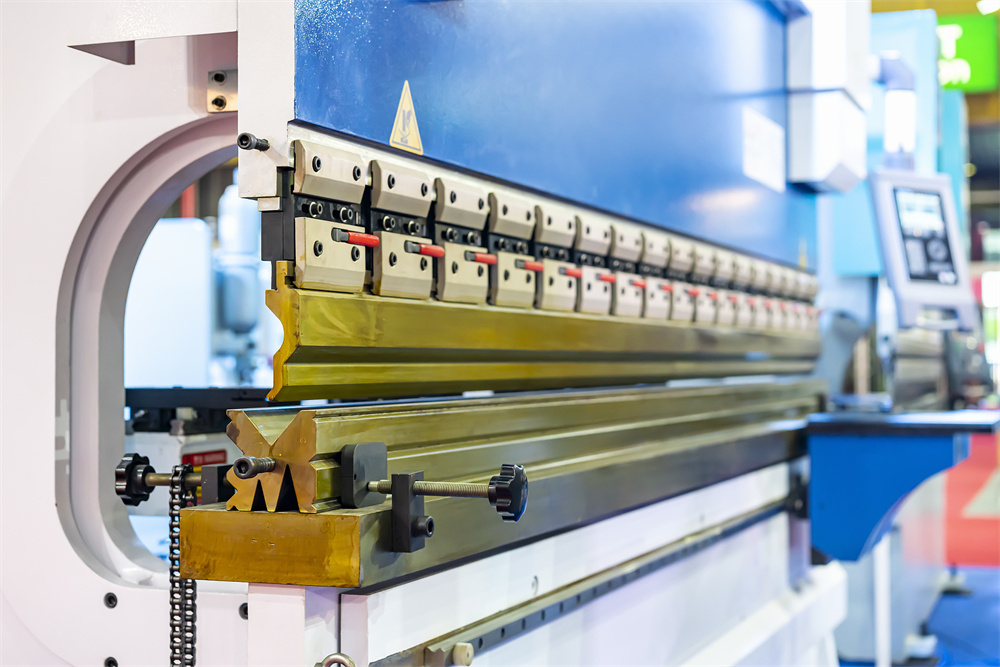
Specification Comparison Table
To better understand the trade-offs between a standalone press brake focus and an integrated laser-bending workflow, consider the following technical specifications typical for thin sheet applications (0.5mm to 3.0mm).
| Feature | Standalone CNC Press Brake | Integrated Laser-Bending Workflow |
|---|---|---|
| Primary Focus | Forming and Angular Accuracy | Blank Precision and Process Synergy |
| Setup Time | Moderate (Tooling & Program) | Low (Synchronized Programming) |
| Material Waste | Depends on Operator Skill | Minimized via Automated Nesting |
| Complexity Handling | High (Complex Bends/Hems) | Very High (Intricate Blanks + Bending) |
| Speed (Thin Sheets) | High (Stroke Speed) | Ultra-High (Total Cycle Time) |
| Tolerance | ±0.5° to ±1° | ±0.2° to ±0.5° (with pre-cut aids) |
| Initial Investment | Lower to Moderate | Higher (Requires Laser + Software) |
| Labor Requirement | Skilled Operator Needed | System-Oriented / Semi-Automated |
Best-fit Applications for Each Method
Choosing the right approach depends heavily on the end product. For the Standalone Press Brake, the best-fit applications include custom architectural trim, small-batch prototypes, and heavy-duty thin-gauge components where the bend geometry is relatively simple but requires high tonnage or specialized custom tooling. If your shop handles a vast variety of different materials and thicknesses throughout the day, the flexibility of a press brake with a quick-change tooling system is hard to beat.
In contrast, the Laser Cutting and Bending Workflow is the gold standard for the electronics industry. Think of computer chassis, telecommunications cabinets, and control panels. These parts often feature hundreds of small holes, cutouts, and intricate tabs that must align perfectly after four or five different bends. The laser handles the complexity of the cutouts, while the synchronized bending program ensures that the cumulative tolerance remains within tight limits. This workflow is also ideal for the medical industry, where stainless steel components must have perfectly smooth edges (provided by the fiber laser) and precise geometric forms.
Another area where the integrated workflow shines is in the production of lighting fixtures and HVAC ductwork components. These often involve thin-gauge galvanized steel or aluminum. The ability to laser-cut the perimeter and then immediately move to a press brake that ‘knows’ the part geometry reduces the risk of damage to the delicate surfaces of these materials. For manufacturers looking to scale, the integrated workflow provides a path toward full automation, including robotic arm loading and unloading.
Cost and Maintenance Comparison
From a cost perspective, the standalone press brake has a lower barrier to entry. Maintenance primarily involves hydraulic oil management, seal inspections, and ensuring the backgauge remains calibrated. Tooling wear is a factor, especially when bending abrasive materials, but for thin sheets, tools generally have a long lifespan. The primary ‘cost’ is often the labor—finding and retaining a skilled operator who understands bend deductions and material behavior is a significant challenge in today’s market.
The integrated laser-bending workflow requires a higher initial capital expenditure. You are investing not only in a press brake but also in a high-performance fiber laser and sophisticated CAD/CAM software. Maintenance for this workflow is more technical. The fiber laser requires a clean environment, specialized cooling systems (chillers), and regular checks of the optical path and cutting head. However, the ‘cost per part’ in high-volume scenarios is significantly lower due to the speed of the laser and the reduction in manual layout and material handling time.
Energy consumption is another factor. Modern servo-electric press brakes are very efficient, consuming power only when the ram is moving. Fiber lasers are also much more energy-efficient than older CO2 lasers. When comparing the two, the integrated workflow often wins on energy efficiency per completed part because it eliminates redundant steps and reduces the time the machines spend idling. For a growing business, the maintenance of a unified software ecosystem is also a cost to consider, as it requires IT support and regular updates to stay compatible with new design files.
Recommendation: Which Path Should You Choose?
If you are a job shop that takes on a wide variety of small, unpredictable tasks, investing in a high-quality HARSLE CNC Press Brake with a versatile tooling package is the most logical first step. It provides the flexibility to handle whatever comes through the door. Focus on a machine with a user-friendly controller (like Delem or Cybelec) to help less experienced operators achieve professional results quickly.
However, if you are a manufacturer with your own product line or long-term contracts for complex assemblies, the Integrated Laser Cutting and Bending Workflow is the superior choice. The precision gained by laser-cutting the blanks and the time saved through synchronized programming will pay for the initial investment through increased throughput and reduced scrap rates. This approach ‘future-proofs’ your facility, allowing you to move toward Industry 4.0 standards where data flows seamlessly from design to the finished product.
Ultimately, the most successful shops often use both. They use the laser to prepare high-precision blanks and the press brake to execute the final form. By understanding the ‘Thin Sheet Bending: Press Brake Vs Laser Cutting Bending Workflow Comparison’, you can identify the bottlenecks in your current process and choose the equipment that offers the best return on investment for your specific production needs.
Frequently Asked Questions (FAQ)
1. Does laser cutting affect the bendability of thin sheets?
Yes, laser cutting uses heat, which can create a small Heat Affected Zone (HAZ) along the edge. For most thin sheets, this is negligible. However, for very sensitive materials, the laser’s precision actually improves bendability by providing a perfectly clean edge that is less likely to crack during the bending process compared to mechanical shearing.
2. Can I use a standard press brake for very thin (0.5mm) aluminum?
Yes, but you must use the correct tooling. A very narrow V-die and a punch with a small radius are necessary. Additionally, using a press brake with a high-precision hydraulic or servo system is crucial to prevent over-bending, as aluminum has significant springback and a lower tolerance for error.
3. How does software bridge the gap between laser cutting and bending?
Modern CAD/CAM software calculates the ‘flat pattern’ of a 3D part. It accounts for the ‘K-factor’ (how the metal stretches). The software then sends the cutting path to the laser and the bending sequence to the press brake. This ensures that the holes cut by the laser end up in the exact right spot after the part is bent.
4. Is a servo-electric press brake better than a hydraulic one for thin sheets?
Servo-electric press brakes are often preferred for thin sheets because they offer faster cycle times and higher precision for small movements. They are also more energy-efficient for light-duty tasks. However, modern high-end hydraulic brakes from HARSLE offer comparable precision and are often more versatile if you occasionally need to bend thicker materials.
5. What is the most common mistake in thin sheet bending?
The most common mistake is using a V-die that is too wide. This leads to inaccurate bend radii and inconsistent angles. Another common error is failing to account for the grain direction of the sheet metal, which can be controlled during the laser cutting stage of the workflow to ensure uniform bending results.












