Top Things to Consider Before Buying an Industrial Punching Machine


Introduction to Industrial Punching Machine Procurement
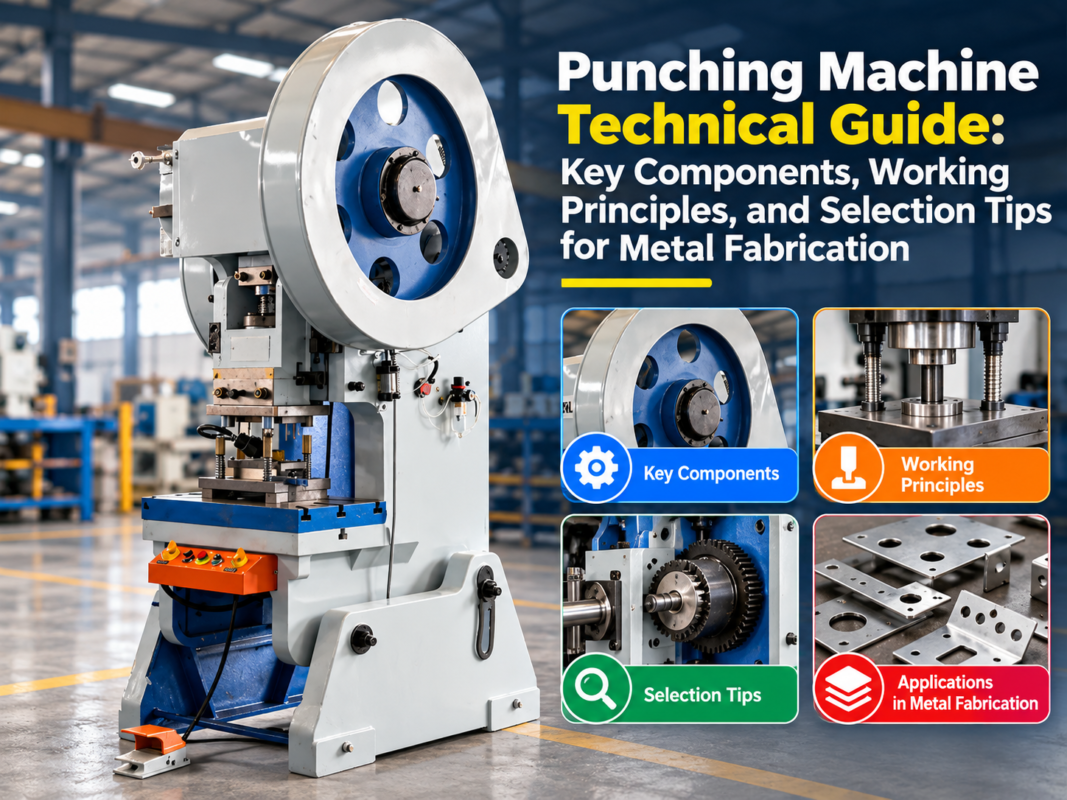
In the competitive landscape of modern metal fabrication, the acquisition of an industrial punching machine represents a significant capital investment. Whether you are a small job shop looking to transition from manual processes or a large-scale manufacturer aiming to increase throughput, understanding the nuances of this equipment is vital. The right machine can streamline production, reduce waste, and open doors to complex geometries that were previously unattainable. However, the market is flooded with various technologies, ranging from traditional mechanical presses to high-speed CNC turret punch presses and servo-electric models.
Choosing the right equipment requires a deep dive into your current production needs and future growth projections. It is not merely about the initial purchase price; it is about the total cost of ownership, the versatility of the tooling, and the reliability of the manufacturer. This guide aims to provide a comprehensive overview of the top things consider before buying an industrial punching machine, ensuring that your investment yields the highest possible return on investment (ROI) and aligns with your operational goals.
Price Range Overview: Understanding the Market Tiers
The price of an industrial punching machine varies drastically based on technology, capacity, and automation levels. At the entry-level, manual or semi-automatic mechanical punching machines can range from $5,000 to $15,000. These are suitable for low-volume tasks, simple hole punching, and workshops where precision requirements are moderate. While affordable, they lack the speed and repeatability needed for high-volume industrial environments.
Moving into the mid-range, hydraulic punching machines and basic CNC single-head punch presses typically fall between $20,000 and $60,000. These machines offer better control over the punching stroke and can handle thicker materials with greater ease. They are the workhorses of many medium-sized fabrication shops, providing a balance between cost and capability.
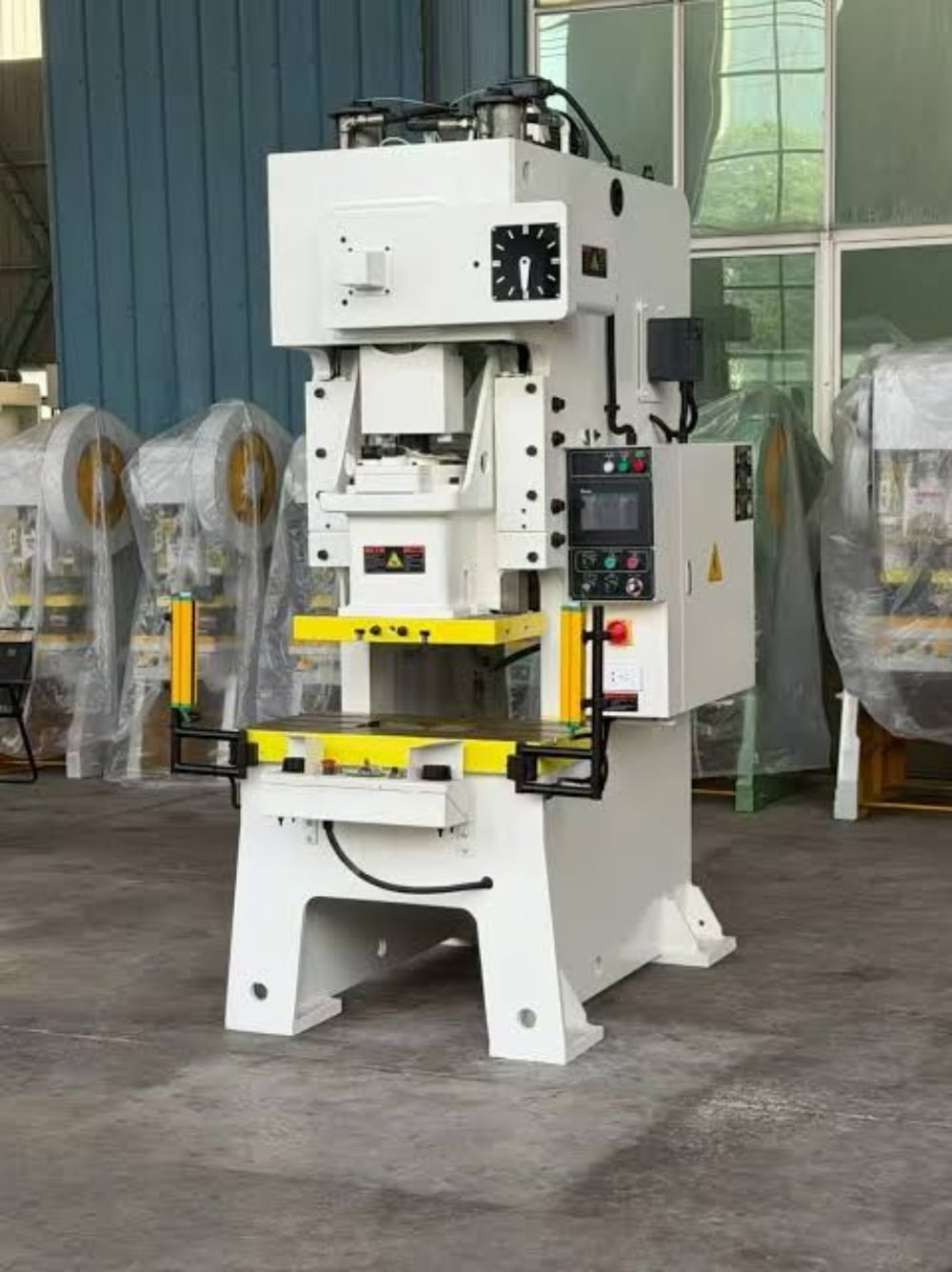
At the high end of the spectrum are CNC Turret Punch Presses and Servo-Electric Punching Machines. These units can cost anywhere from $80,000 to over $300,000. These machines are designed for 24/7 operation, featuring high-speed tool changers, large turret capacities, and advanced software integration. While the upfront cost is high, their ability to perform complex nibbling, forming, and high-speed punching makes them indispensable for large-scale manufacturing operations.
Main Cost Drivers: What Influences the Final Quote?
When evaluating the top things consider before buying an industrial punching machine, you must identify the specific features that drive the price upward. The most significant factor is Tonnage. The force required to shear through metal determines the frame’s robustness and the power of the drive system. A 30-ton machine will naturally be more expensive than a 15-ton machine, as it requires heavier castings and more powerful hydraulics or motors.
Speed and Hit Rate are the next major drivers. In the world of CNC punching, speed is measured in hits per minute (HPM) at specific centers (e.g., 25mm centers). High-end machines can exceed 500 to 1,000 HPM. Achieving these speeds requires sophisticated motion control systems and high-response valves or servo drives, which add significantly to the manufacturing cost. If your production involves high-volume, repetitive parts, paying for speed is a necessity; for custom, low-volume work, it might be an unnecessary luxury.
The Drive System Technology also plays a role. Traditional hydraulic systems are reliable and powerful but require oil cooling and regular maintenance. Servo-electric drives are more energy-efficient, quieter, and offer precise control over the ram position, allowing for advanced forming operations. However, servo technology typically commands a premium price over standard hydraulic systems. Finally, the Brand and Origin of the components (such as FANUC or Siemens controllers) will influence the price, as premium components offer better long-term support and reliability.
Configuration Impact: Tailoring the Machine to Your Workflow
The configuration of the machine determines its versatility. One of the most critical components is the Turret Layout. A turret with more stations allows you to keep a wider variety of tools loaded, reducing setup times between different jobs. Consider whether you need a 12-station, 24-station, or 32-station turret. Furthermore, the inclusion of Auto-Index Stations is a game-changer. These stations allow the tool to rotate to any angle, enabling the machine to punch complex shapes and nests with fewer tools.
The Table Size and Type are also vital. You must ensure the machine can handle the maximum sheet size you intend to process without frequent repositioning. Repositioning takes time and can introduce slight inaccuracies if the machine’s clamping system isn’t top-tier. Additionally, consider whether you need a brush table or a ball transfer table. Brush tables are essential for protecting the surface of sensitive materials like stainless steel or aluminum from scratches during the punching process.
Software integration is another configuration aspect that shouldn’t be overlooked. Modern punching machines rely on CAD/CAM Software to optimize nesting and tool paths. A machine that comes with user-friendly, powerful software can significantly reduce the time spent in the office preparing jobs. Ensure the controller is compatible with your existing design software to avoid bottlenecks in your workflow.
Hidden Costs: Beyond the Initial Purchase Price
Many buyers focus solely on the sticker price, but the top things consider before buying an industrial punching machine must include the hidden costs of ownership. Installation and Commissioning are rarely free. You may need to pay for a technician’s travel, lodging, and labor to set up the machine and ensure it is calibrated correctly. Furthermore, high-tonnage machines often require a specialized Reinforced Concrete Foundation to dampen vibrations, which can cost thousands of dollars in site preparation.
Tooling is a continuous expense. Unlike a laser cutter that uses a beam, a punching machine requires physical dies and punches. A full set of high-quality tooling for a turret press can easily cost $10,000 to $20,000. These tools wear out and require sharpening or replacement. You must also account for Training. Operating a CNC turret press is a skilled trade; your staff will need comprehensive training on both the machine operation and the programming software to work safely and efficiently.
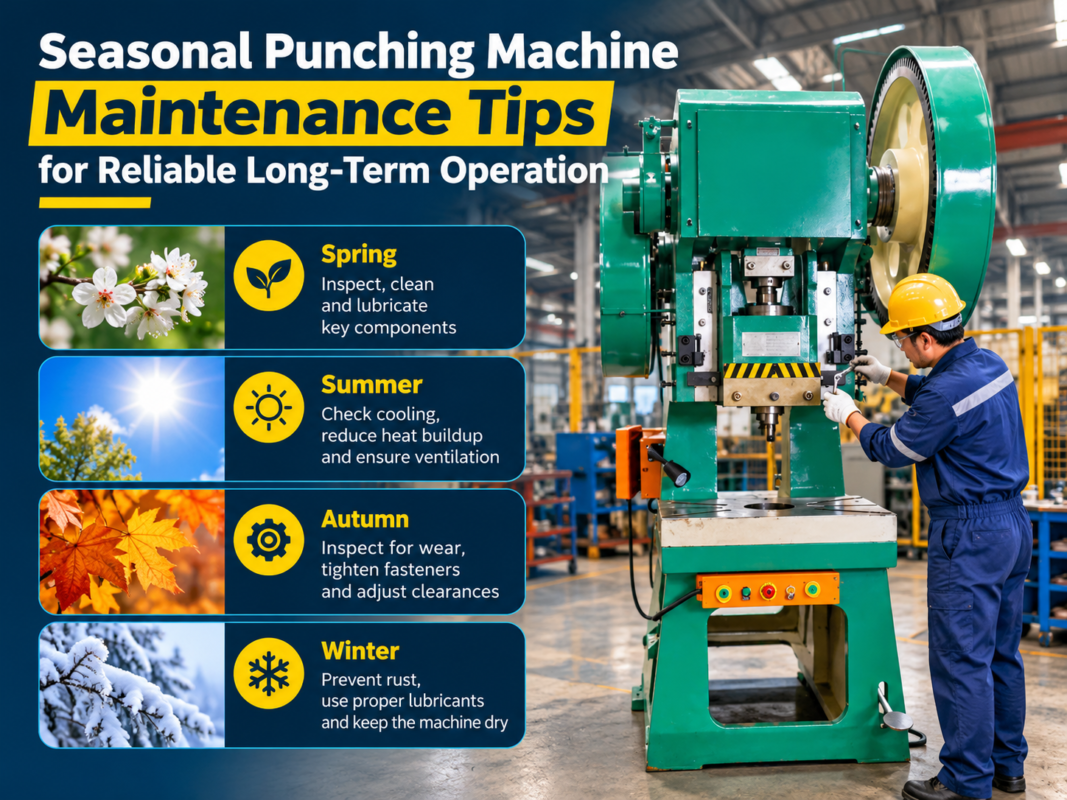
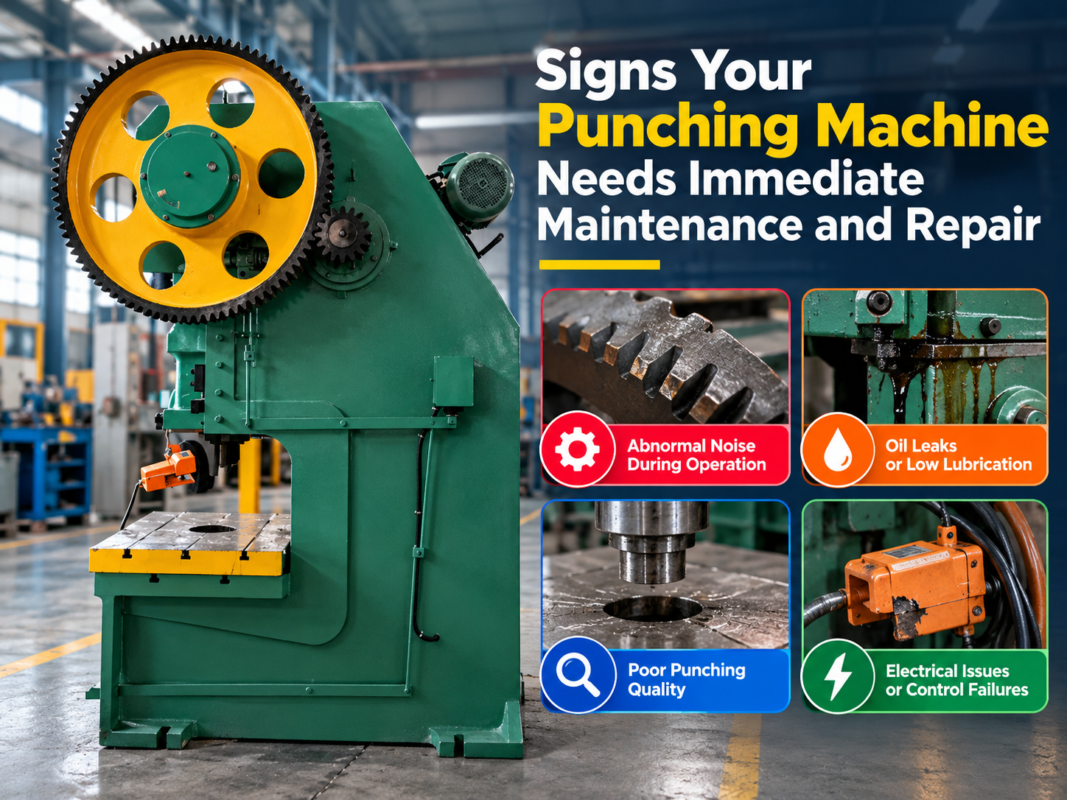
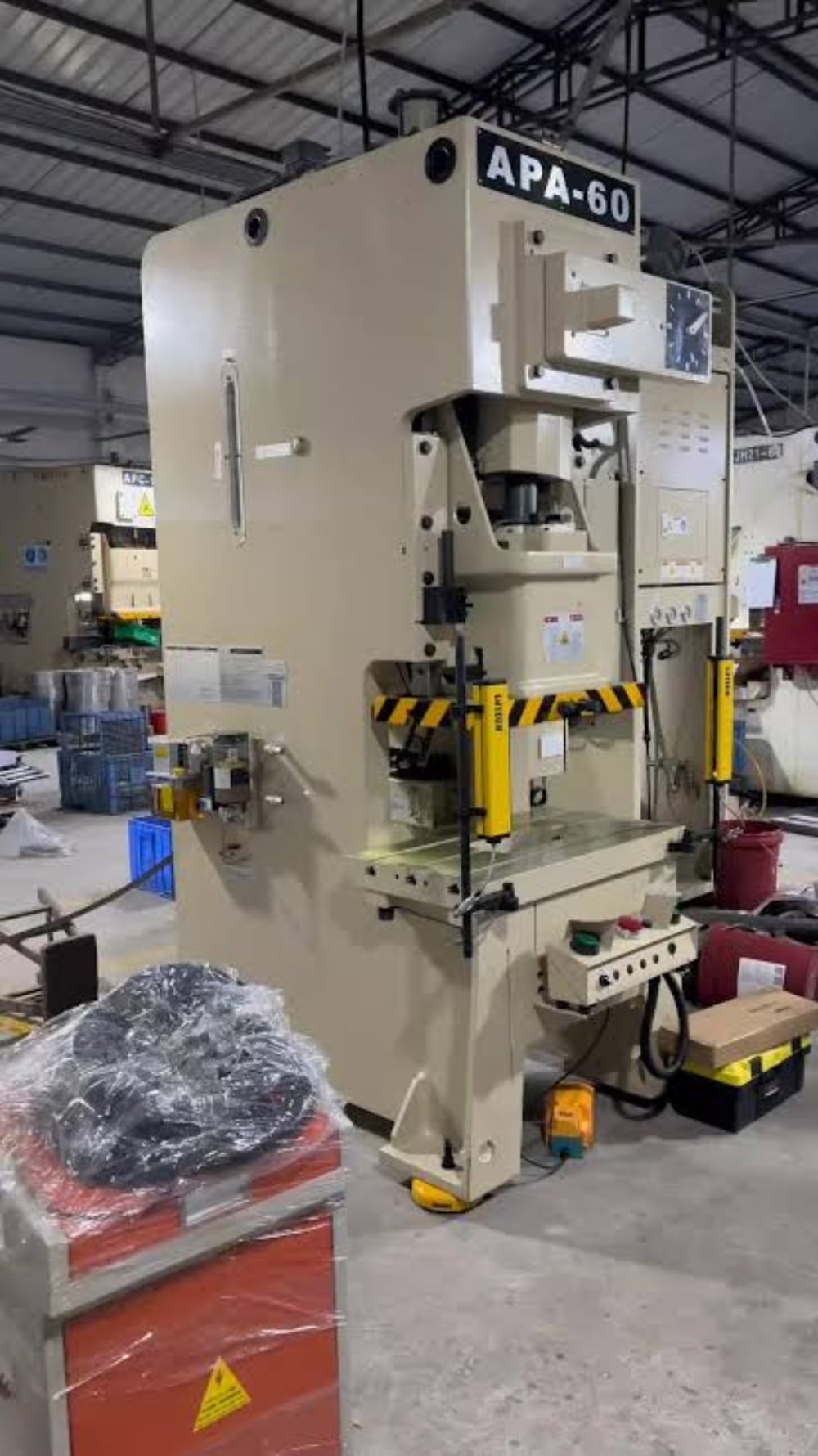
Finally, consider Utility and Maintenance Costs. Hydraulic machines consume significant electricity and require periodic oil changes and filter replacements. Servo-electric machines are more efficient but may have higher repair costs for electronic components. Don’t forget the cost of floor space; these machines have a large footprint, and you must ensure you have adequate room for material loading and unloading zones.
ROI Calculation: Justifying the Investment
To determine if a punching machine is a sound investment, you must perform a detailed ROI calculation. Start by comparing the Cost Per Part on your current equipment (or outsourced cost) versus the projected cost on the new machine. Include labor, electricity, tooling wear, and overhead. A CNC punching machine often replaces multiple manual operations, drastically reducing labor hours per project.
Consider the Material Utilization. Advanced nesting software provided with modern punching machines can reduce scrap by 10-20%. In high-volume production, these material savings can contribute thousands of dollars to the bottom line annually. Additionally, evaluate the Secondary Operations. If the new machine can perform forming, louvering, or countersinking during the punching cycle, you eliminate the need for secondary machines and handling, further boosting profitability.
A typical ROI timeframe for a well-utilized industrial punching machine is between 18 to 36 months. If the machine allows you to take on new types of work that you previously had to turn down, the payback period can be even shorter. Always factor in the machine’s Resale Value. Reputable brands like HARSLE maintain their value well in the used machinery market, providing an exit strategy or trade-in value when it’s time to upgrade again.
Expert Buying Advice: Making the Final Decision
Before signing a purchase agreement, there are several practical steps you should take. First, Request a Sample Cut. Send your most complex part drawing and a sample of your typical material to the manufacturer. Seeing the finished part will give you a clear idea of the machine’s edge quality, precision, and cycle time. If the manufacturer is hesitant to provide a sample, consider it a red flag.
Second, evaluate the After-Sales Support. Industrial machines will eventually need parts or service. Check the availability of local technicians and the lead time for common spare parts. A machine that is down for three weeks waiting for a sensor from overseas is a massive liability. Ask for references from other customers in your region to gauge the manufacturer’s responsiveness.
Third, think about Future-Proofing. Don’t just buy for the jobs you have today; buy for the jobs you want tomorrow. If you currently work with 2mm mild steel but hope to move into 6mm plate, ensure the machine’s tonnage and frame rigidity can handle the heavier load. It is often cheaper to buy a slightly more capable machine now than to replace an undersized machine in two years.
Frequently Asked Questions (FAQ)
1. What is the difference between a mechanical and a hydraulic punching machine?
Mechanical punching machines use a flywheel and clutch system to deliver a fixed-stroke force. They are generally faster for simple holes but offer less control. Hydraulic machines use fluid power to drive the ram, allowing for variable stroke lengths, better control for forming operations, and full tonnage throughout the entire stroke.
2. Can a punching machine replace a laser cutting machine?
While they overlap, they serve different purposes. Punching machines are much faster for repetitive holes, grids, and forming operations (like louvers or ribs). Laser cutters are better for complex, irregular contours and thicker materials where tooling costs would be prohibitive. Many shops use both to maximize efficiency.
3. How often does punching machine tooling need to be sharpened?
Tooling life depends on the material type, thickness, and lubrication used. Generally, tools should be inspected every 50,000 to 100,000 hits. Sharpening them early and often (removing only 0.1mm at a time) significantly extends the total life of the tool compared to waiting until the tool is dull and chipped.
4. What safety features should I look for?
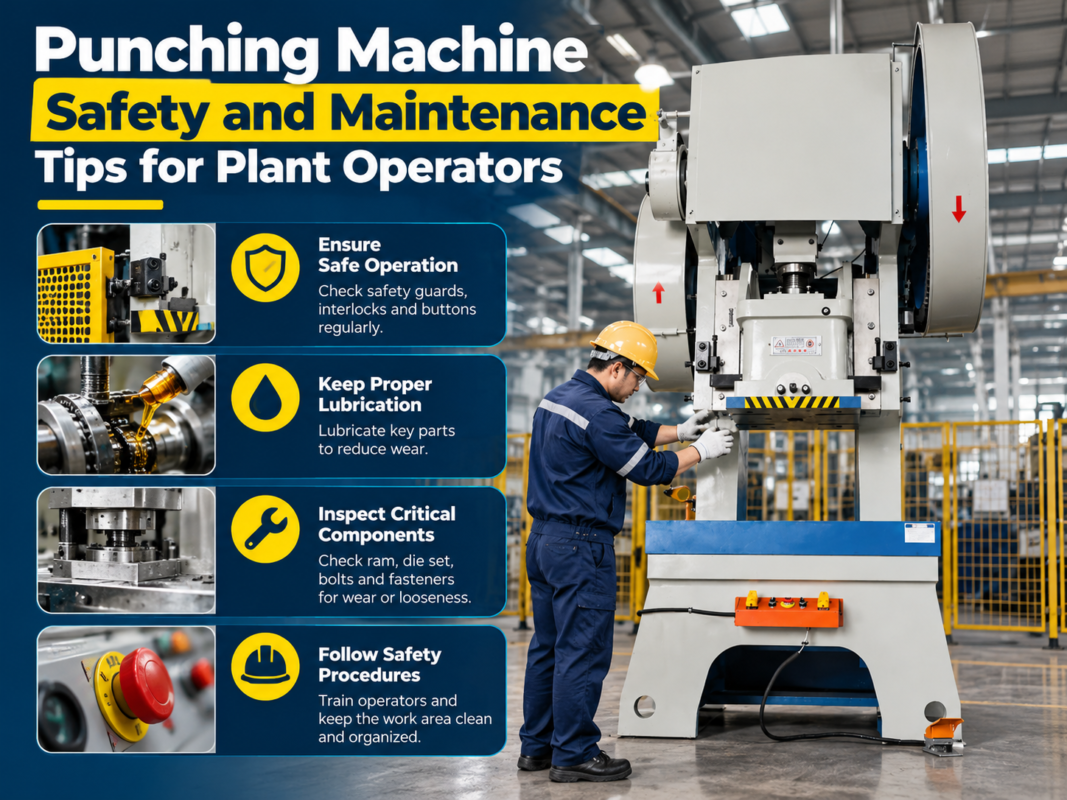
Modern industrial punching machines must have light curtains or physical barriers to prevent operator access to the work zone during operation. Emergency stop buttons should be easily accessible, and the machine should have sensors to detect sheet slippage or tool breakage to prevent catastrophic damage.
5. Is servo-electric technology worth the extra cost?
For most high-volume shops, yes. The energy savings alone can be significant, but the real value lies in the precision and the elimination of hydraulic oil maintenance and cooling requirements. Servo machines are also much quieter, improving the factory environment.
6. What thickness of metal can an industrial punching machine handle?
This depends entirely on the tonnage. A standard 30-ton CNC turret punch can typically handle up to 6.35mm (1/4 inch) mild steel. For thicker materials, you would need a heavy-duty mechanical press or a high-tonnage hydraulic unit specifically designed for plate processing.