Punching Machine Buying Guide for Beginners: Everything You Need to Know Before You Buy


Introduction to Metal Punching Technology
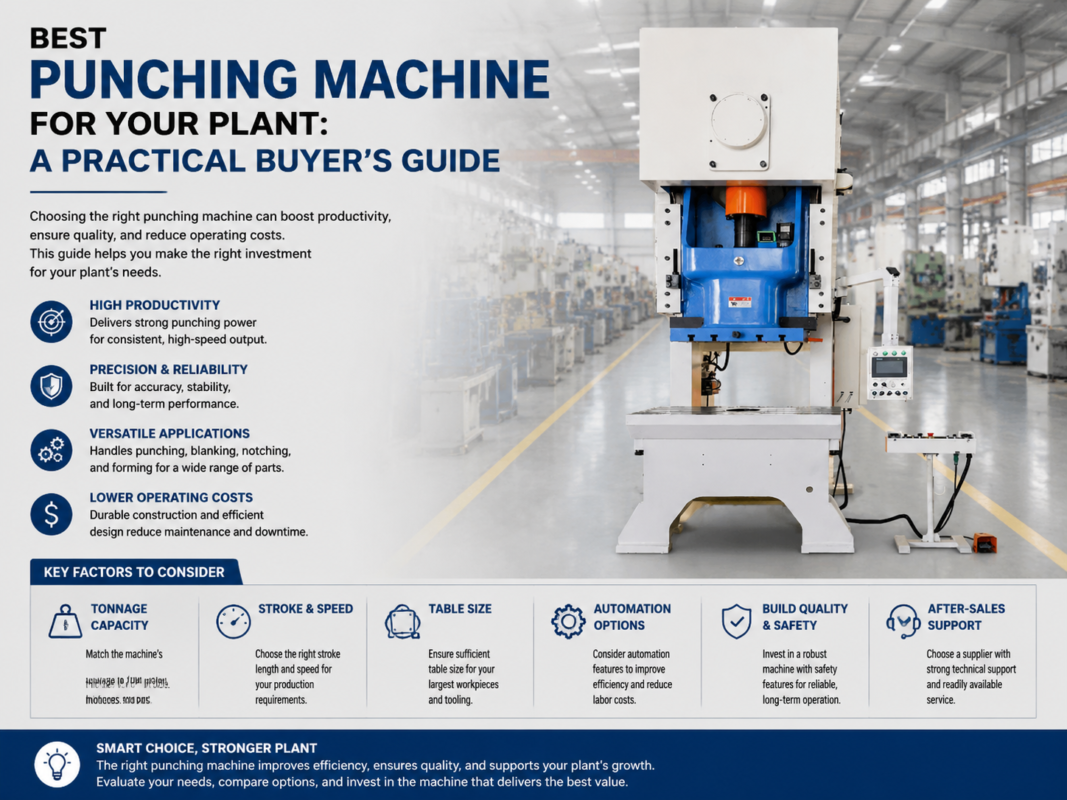
In the world of metal fabrication, the punching machine stands as a cornerstone of efficiency and precision. For beginners entering the industry, the prospect of purchasing your first machine can be overwhelming. Whether you are looking to produce simple brackets or complex perforated panels, understanding the nuances of this equipment is vital. This Punching Machine Buying Guide for Beginners: Everything You Need to Know Before You Buy is designed to navigate you through the technical jargon, financial considerations, and operational requirements necessary to make an informed investment. At HARSLE, we believe that a well-informed customer is a successful partner, and this guide serves as your roadmap to industrial success.
Price Range Overview: Understanding the Market Tiers
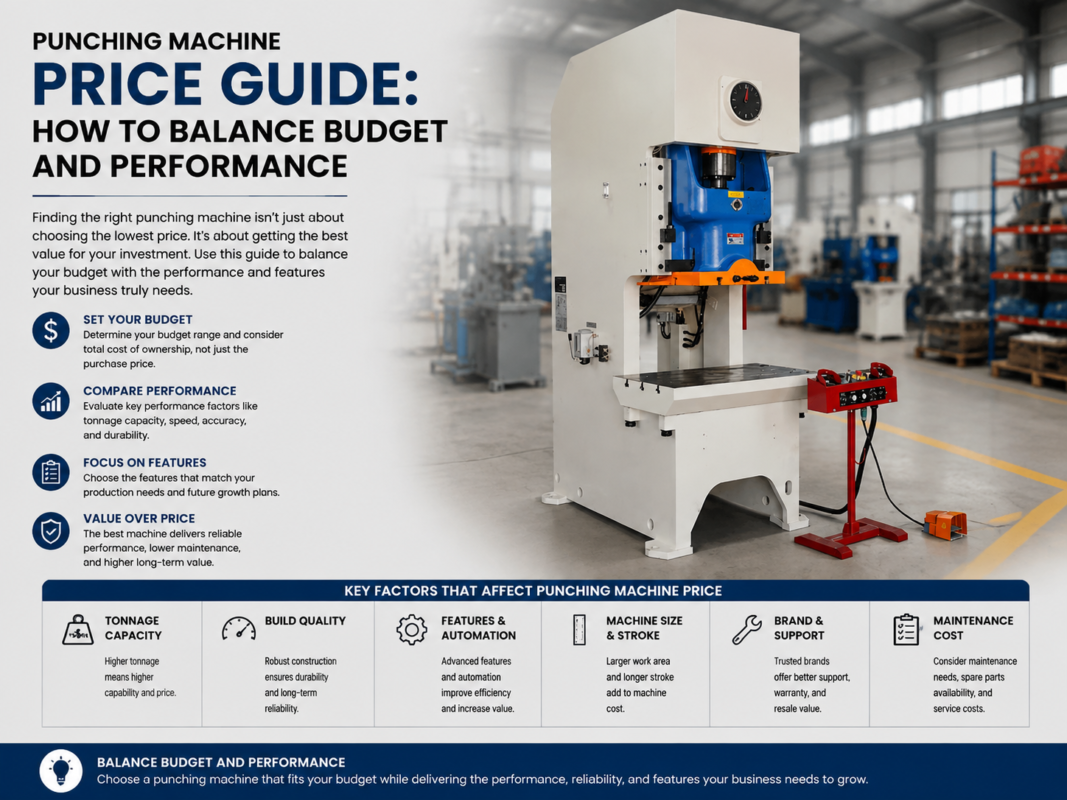
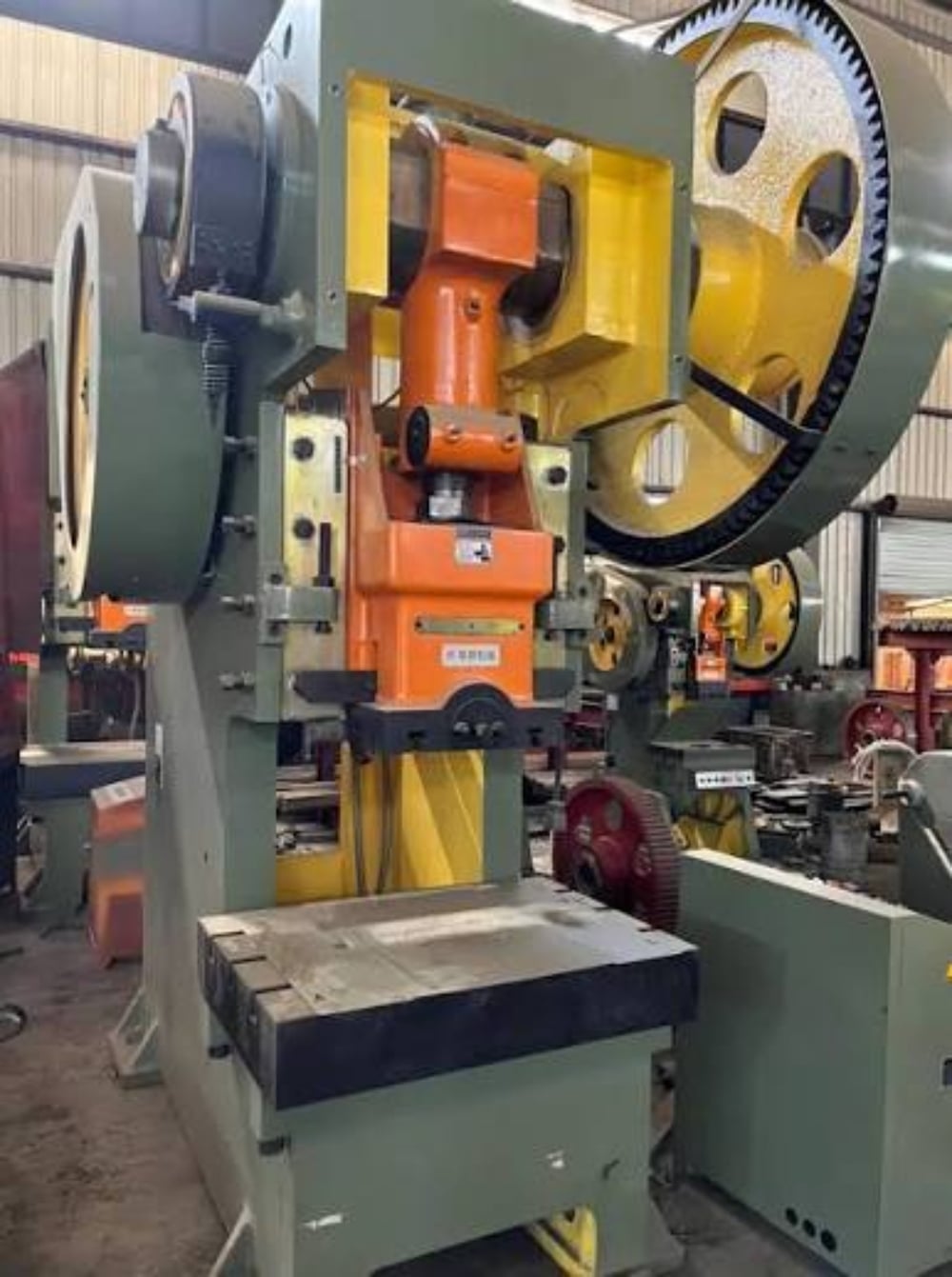
The cost of a punching machine varies significantly based on its technology, capacity, and automation level. For a beginner, it is essential to categorize these machines into price tiers to align with your budget and production goals. Entry-level machines, often manual or pneumatic, typically range from $2,000 to $10,000. These are suitable for small workshops or low-volume prototyping where high speed is not a priority. They offer a low barrier to entry but require significant manual labor and offer limited precision for complex shapes.
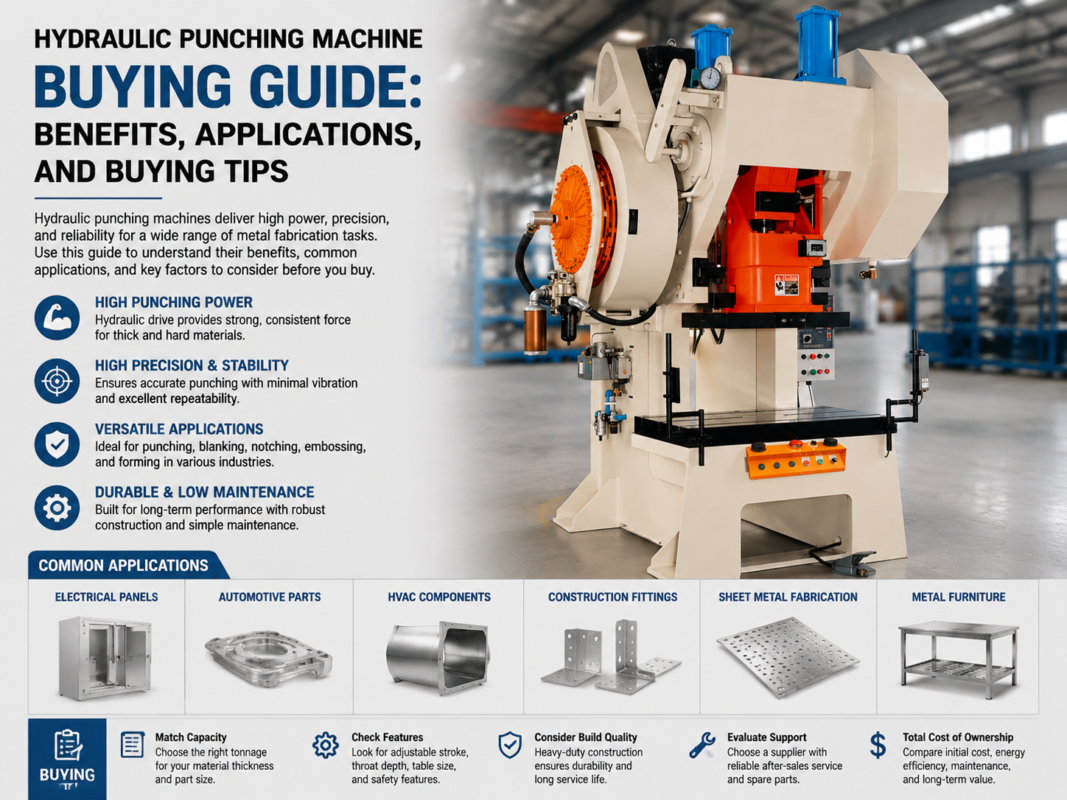
Moving into the mid-range category, you will find mechanical power presses and basic hydraulic punching machines, priced between $15,000 and $50,000. These machines provide higher tonnage and faster cycle times, making them ideal for small to medium-sized manufacturing batches. They are the workhorses of many traditional fabrication shops, offering a balance between cost and capability. However, they may lack the advanced CNC (Computer Numerical Control) features required for intricate designs.
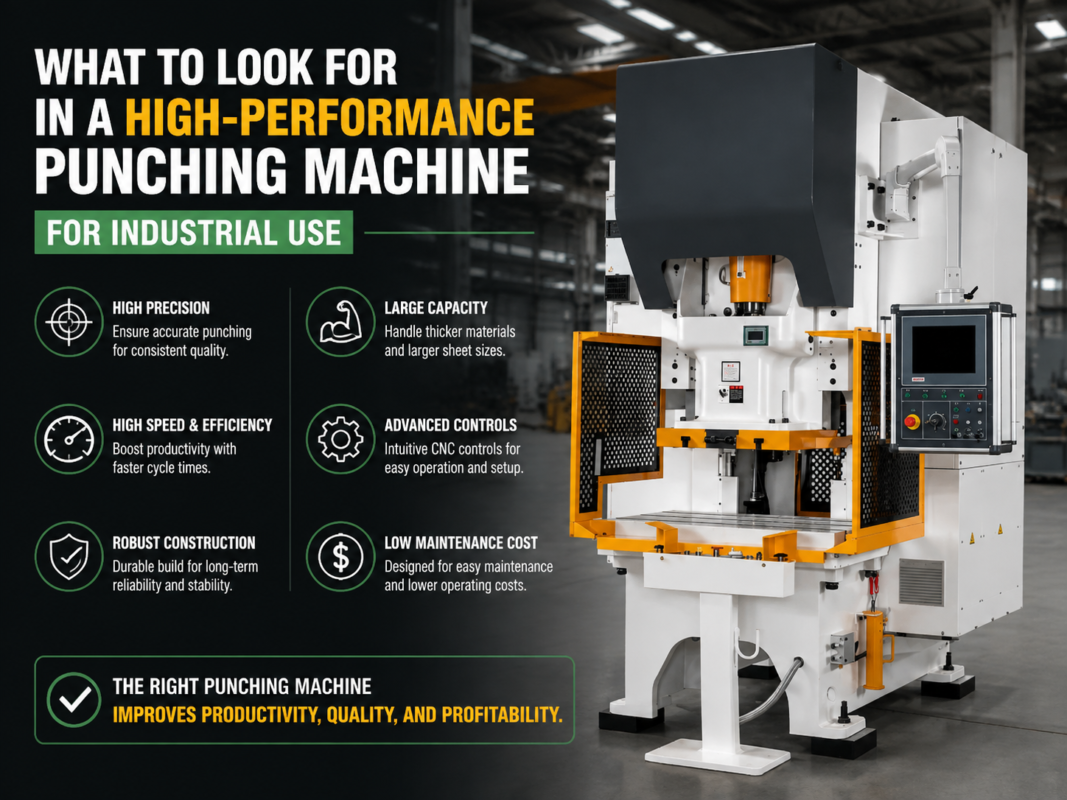
High-end equipment, specifically CNC Turret Punching Machines, represents a major investment, ranging from $60,000 to over $250,000. These machines are fully automated, capable of holding dozens of tools in a rotating turret, and can execute complex patterns with extreme accuracy. While the initial capital expenditure is high, the productivity gains and labor savings are substantial. For businesses aiming for high-volume production or high-precision components, this tier is often the most cost-effective in the long run.
Main Cost Drivers: What Influences the Price?
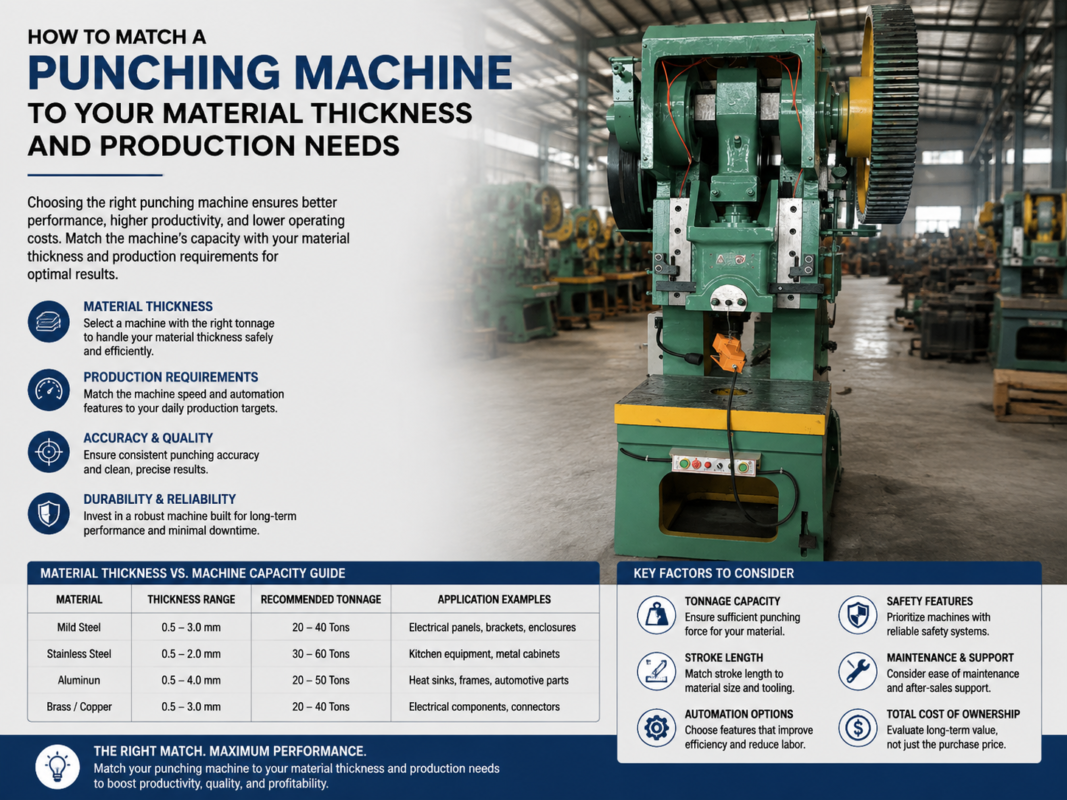
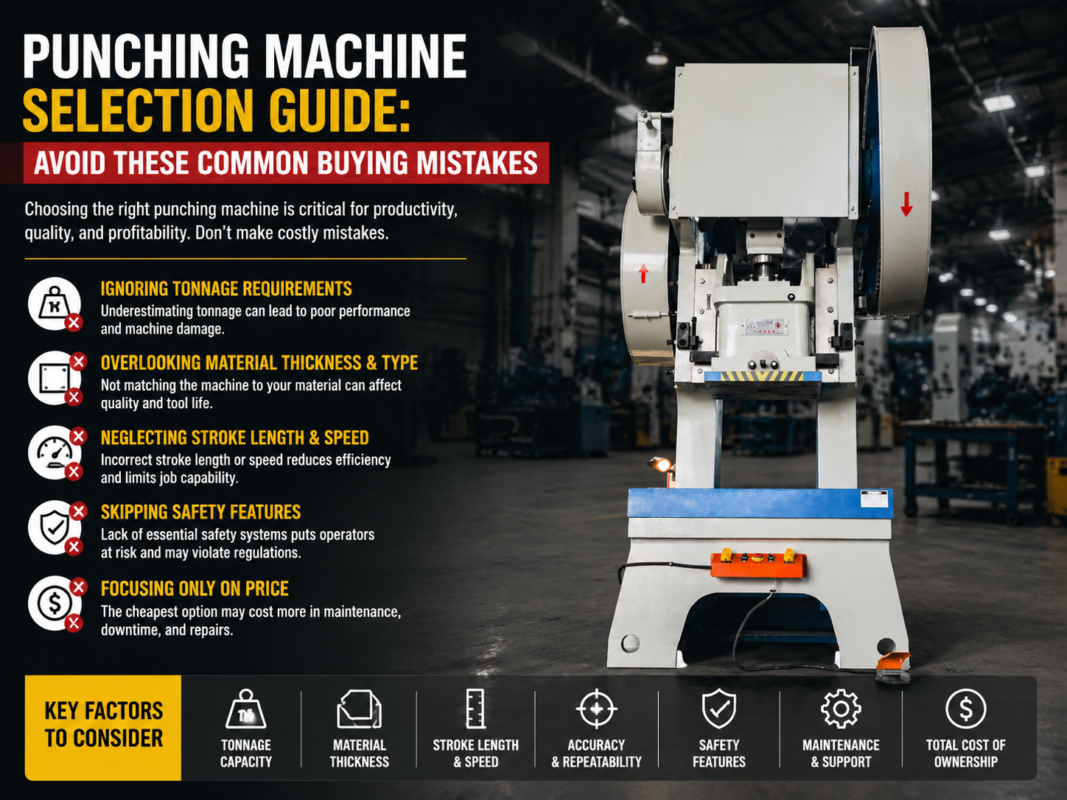
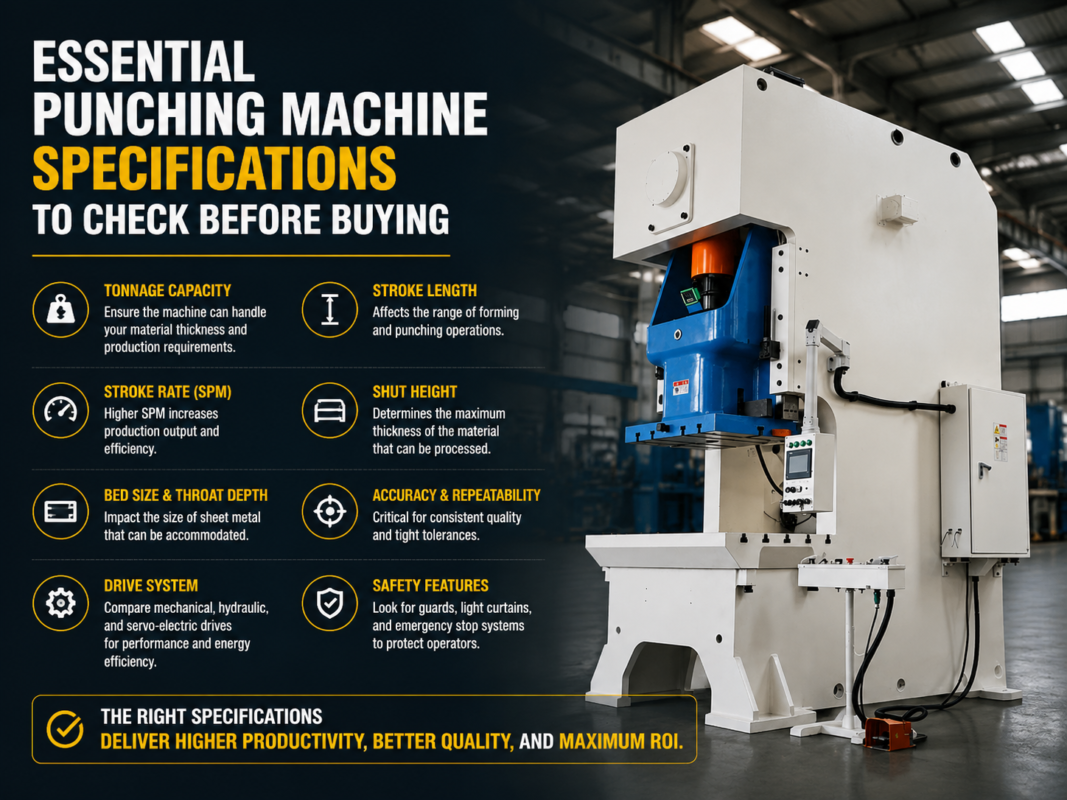
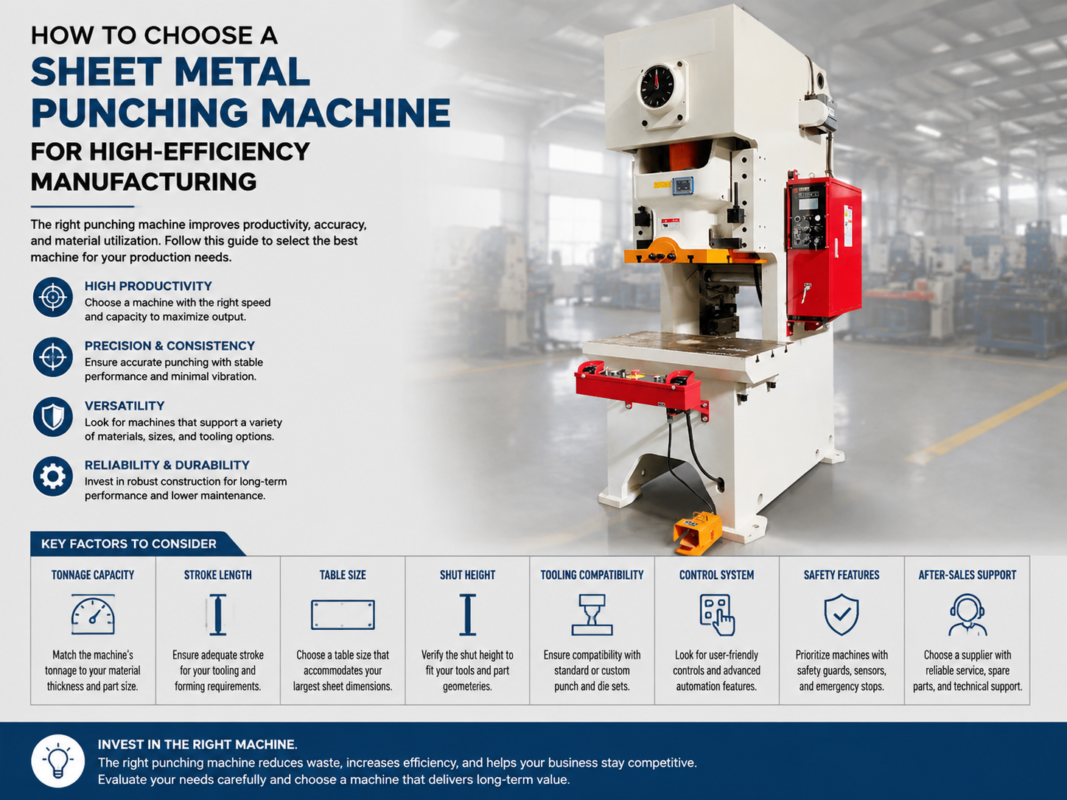
When researching Punching Machine Buying Beginners: Everything You Need Know Before You Buy, you must understand the specific factors that drive the price up or down. The most significant driver is Tonnage. Tonnage refers to the amount of force the machine can apply to the workpiece. A 30-ton machine will be significantly cheaper than a 100-ton machine. Beginners must calculate the maximum thickness and type of material they intend to punch to determine the required tonnage; punching stainless steel requires much more force than aluminum.
Another critical factor is the Hit Rate and Speed. In industrial environments, time is money. Machines capable of 600 to 1,000 hits per minute (HPM) command a premium price because they drastically reduce the time per part. Additionally, the Throat Depth—the distance from the center of the punch to the back frame—determines the maximum width of the sheet metal you can process. A deeper throat allows for larger sheets but requires a more robust and expensive frame to maintain rigidity.
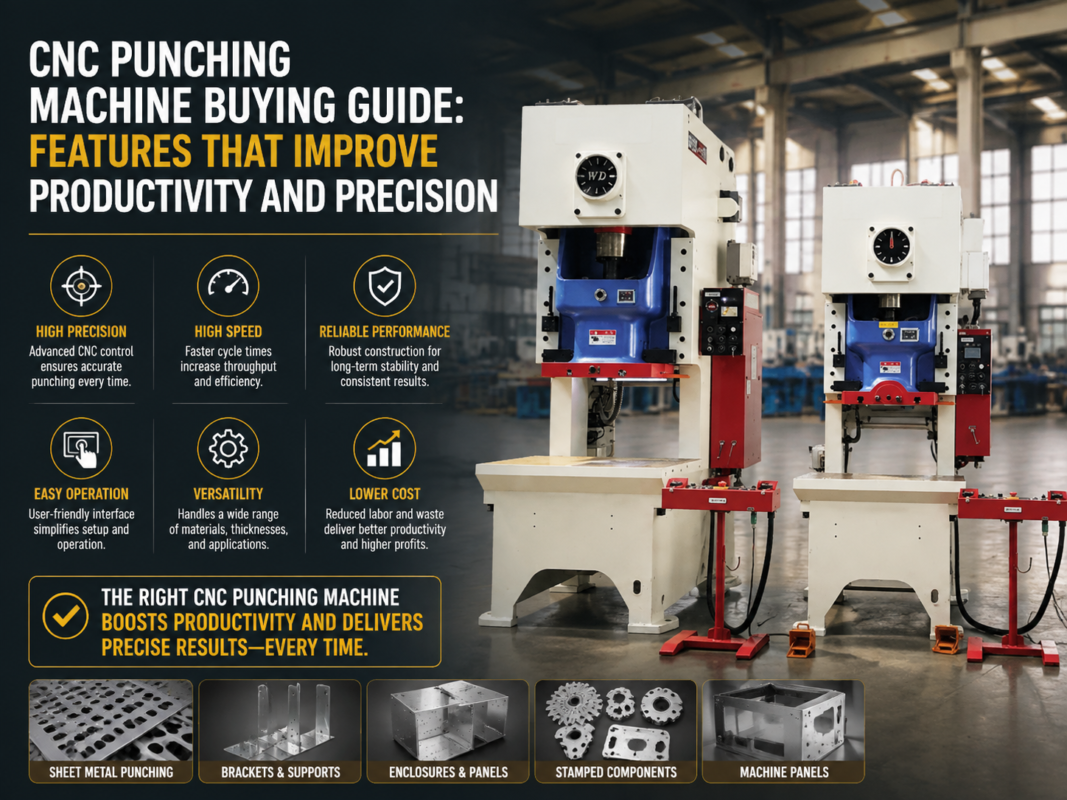
Precision and repeatability also play a role. High-end machines utilize servo-electric or advanced hydraulic systems that offer micron-level accuracy. The quality of the Control System (such as Siemens, Fanuc, or proprietary HARSLE systems) also impacts the price. A user-friendly, feature-rich interface reduces the learning curve for operators and integrates better with modern CAD/CAM software, which adds value to the overall package.
Configuration Impact: Tailoring the Machine to Your Needs
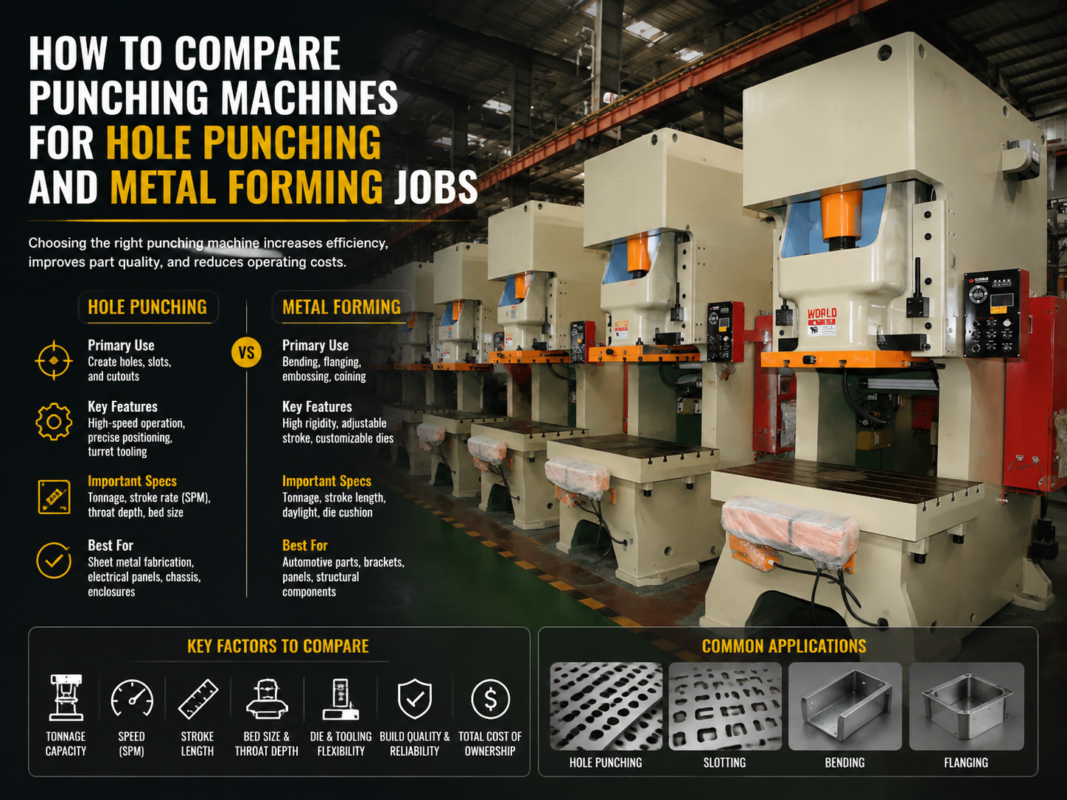
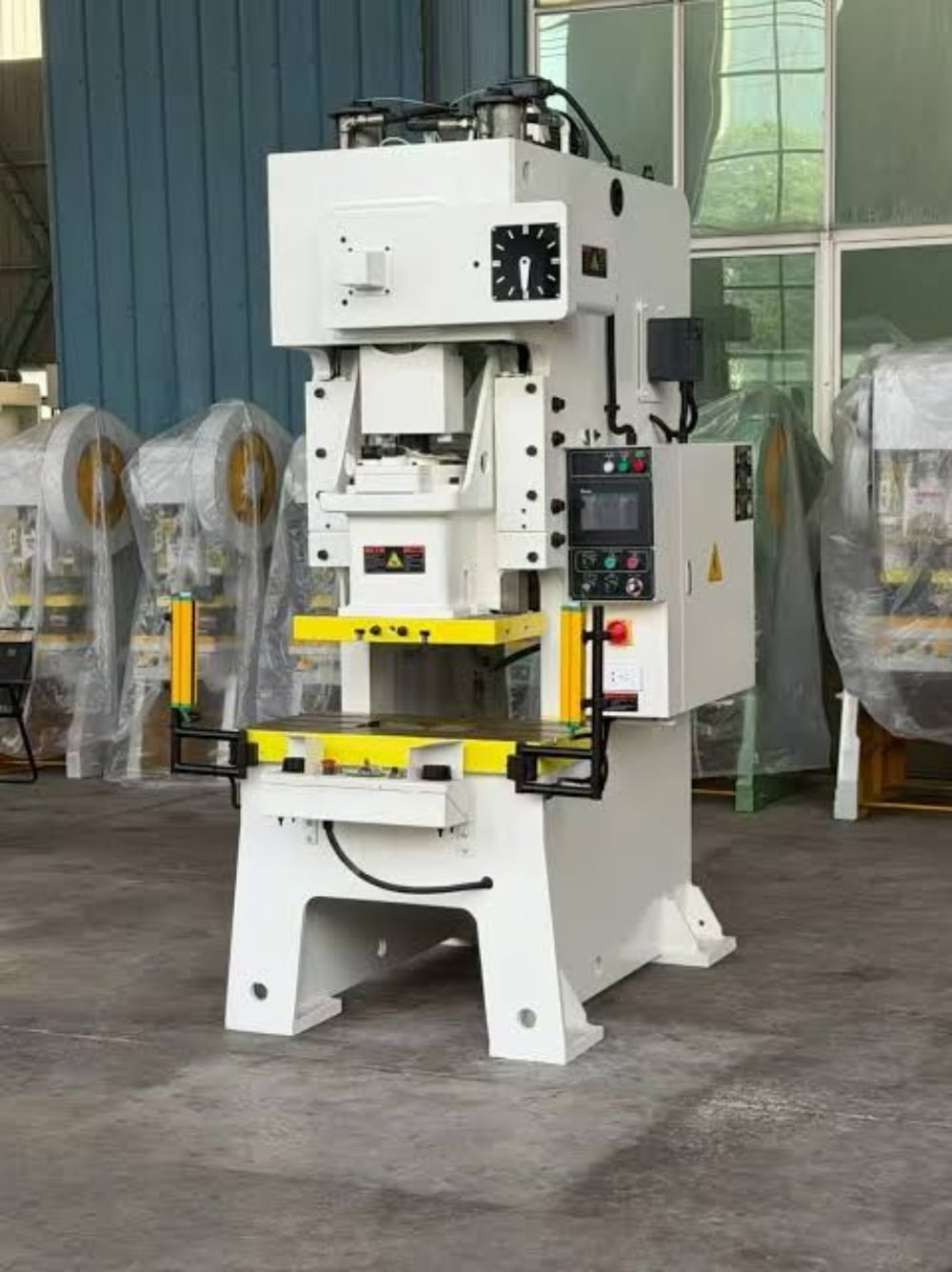
The configuration of a punching machine determines its versatility. The most common choice for beginners is between a Single Station Punch and a Turret Punch Press. A single station machine requires the operator to change tools manually for every different hole size or shape, which is time-consuming. In contrast, a turret machine holds multiple tools (ranging from 12 to 58 stations) and switches between them automatically. For beginners planning to grow, a turret configuration is almost always the better long-term choice.
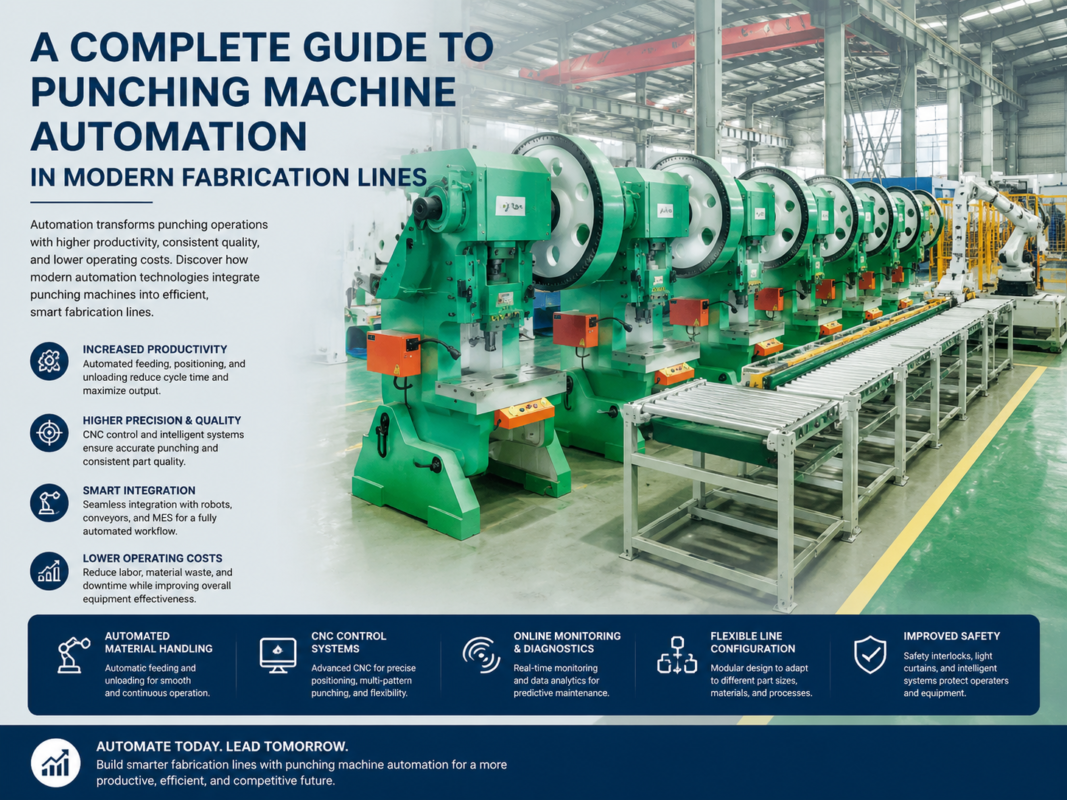
Drive systems are another configuration variable. Mechanical drives are simple and fast but offer less control over the stroke. Hydraulic drives provide full power throughout the entire stroke and are generally quieter and more adjustable. The modern gold standard is the Servo-Electric drive, which combines the speed of mechanical systems with the precision and energy efficiency of electronics. While servo systems are more expensive, they significantly reduce electricity costs and maintenance requirements.
Furthermore, consider the Auto-Index Stations. These allow the tool to rotate 360 degrees, enabling the machine to punch at any angle without needing a specialized tool for every orientation. This configuration reduces the total number of tools you need to buy and maintain, though it increases the initial machine cost. For beginners, having at least two auto-index stations is highly recommended for design flexibility.
Hidden Costs: Beyond the Sticker Price
One of the biggest mistakes beginners make is failing to account for the “hidden” costs of ownership. The first of these is Tooling. A punching machine is useless without high-quality punches and dies. A basic set of tools can cost several thousand dollars, and specialized shapes or forming tools (like louvers or countersinks) add up quickly. You must also consider the cost of a tool grinder to keep your equipment sharp and efficient.
Installation and Logistics are also significant. These machines are heavy and require specialized transport, cranes for offloading, and professional technicians for leveling and calibration. Furthermore, many high-tonnage machines require a reinforced concrete foundation to prevent vibrations from affecting accuracy or damaging the shop floor. You should budget at least 5-10% of the machine’s price for these initial setup costs.
Operational costs include Software and Training. Modern CNC machines require CAD/CAM software to convert designs into machine code. Licenses for software like Lantek or Metalix can be expensive. Additionally, your staff will need training to operate the machine safely and efficiently. Finally, don’t forget Maintenance and Power. Hydraulic systems require oil changes and filter replacements, while all machines consume significant electricity. Choosing an energy-efficient model can save thousands of dollars in utility bills over the machine’s lifespan.
ROI Calculation: When Will the Machine Pay for Itself?
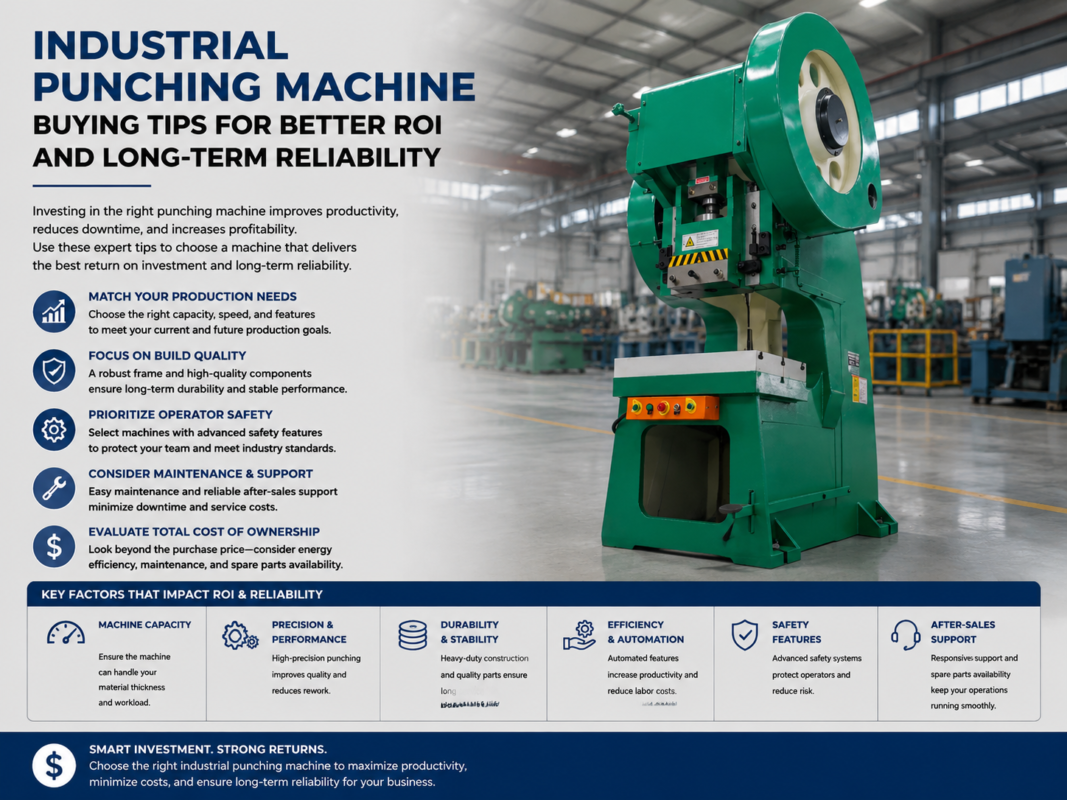
Calculating the Return on Investment (ROI) is crucial for any business purchase. To do this, you must compare the total cost of ownership against the projected revenue or savings. The formula is generally: (Annual Revenue from Machine – Annual Operating Costs) / Total Investment Cost. For a beginner, the primary source of ROI is often the reduction in labor costs and the elimination of outsourcing fees.
Consider a scenario where you currently outsource 1,000 parts a month at $5 per part. That is $60,000 a year leaving your business. If a $100,000 machine allows you to produce those parts in-house for $1 each (including labor and material), you save $48,000 annually. In this case, the machine pays for itself in just over two years. This doesn’t even account for the ability to take on new customers or the faster turnaround times you can offer.
Another factor in ROI is Material Utilization. Advanced nesting software used with CNC punching machines minimizes scrap metal. By fitting more parts onto a single sheet, you reduce material waste, which directly impacts your bottom line. When performing your ROI calculation, be conservative with your production estimates and include a buffer for unexpected maintenance or downtime during the learning phase.
Buying Advice: A Checklist for Beginners
Before you sign a purchase agreement, follow this checklist to ensure you are getting the right machine for your specific needs:
- Define Your Material Scope: Know the maximum thickness and type of metal you will work with. Don’t buy a machine that just barely meets your current needs; allow for 20% extra capacity for future growth.
- Evaluate the Manufacturer: Research brands like HARSLE. Look for companies with a strong track record, available spare parts, and accessible technical support. A cheap machine from an unknown vendor can become a liability if you can’t get parts when it breaks.
- Request a Live Demo: Never buy a machine based solely on a brochure. See it in action, preferably punching the specific material and thickness you intend to use.
- Check Software Compatibility: Ensure the machine’s controller is compatible with the design software your team already uses, or factor in the cost of switching.
- Inspect the Safety Features: Ensure the machine has light curtains, emergency stops, and safety interlocks that meet local industrial regulations.
- Consider Resale Value: Well-known brands tend to hold their value better on the used market, providing an exit strategy if you need to upgrade later.
Frequently Asked Questions (FAQ)
1. What is the difference between a punching machine and a laser cutter?
Punching machines are generally faster for repetitive holes and can perform forming operations like ribbing or louvers, which lasers cannot. Lasers are better for complex, irregular contours and very thick materials where a punch might struggle.
2. Can a punching machine handle stainless steel?
Yes, but stainless steel is much harder than mild steel or aluminum. You will need a machine with higher tonnage and specialized, hardened tooling to prevent premature wear.
3. How much floor space do I need?
Beyond the physical dimensions of the machine, you need space for sheet loading, finished part stacking, and a safety perimeter. Typically, you should double the machine’s footprint to determine the required shop space.
4. Is CNC difficult for a beginner to learn?
Modern CNC interfaces are very intuitive, often featuring graphical touchscreens. With 3-5 days of professional training, most operators can become proficient in basic tasks.
5. How often does the tooling need sharpening?
This depends on the material. Punching aluminum might allow for 50,000 hits between sharpenings, while stainless steel might require sharpening every 10,000 hits. Regular inspection is key.
6. Do I need a special electrical setup?
Most industrial punching machines require 3-phase power. You should consult an electrician to ensure your facility can handle the voltage and amperage requirements of the specific model you choose.
7. What is ‘nibbling’ in punching?
Nibbling is a process where the machine makes a series of overlapping punches to create a large hole or a contoured shape that is bigger than any single tool in the turret.
8. Should I buy new or used?
For beginners, a new machine with a warranty and manufacturer support is usually safer. Used machines can have hidden wear and tear that requires expensive repairs, which can be devastating for a new business.
9. What are ‘thick turret’ and ‘thin turret’ tools?
These are the two main standards for tooling. Thick turret tooling is more common and offers better guidance and longer tool life, while thin turret is often found on older or smaller machines.
10. How does HARSLE support new buyers?
HARSLE provides comprehensive support, including detailed technical consultations, installation guidance, and robust after-sales service to ensure beginners can start production with confidence.