
Troubleshooting Common Press Brake Bending Problems and Solutions: A Comprehensive Technical Guide


Technical Overview of Press Brake Operations
In the modern metal fabrication landscape, the press brake stands as a cornerstone of production efficiency. Whether you are utilizing a high-precision CNC hydraulic press brake or a conventional torsion bar model, the goal remains the same: achieving consistent, accurate bends in sheet metal. However, the complexity of the bending process—involving material science, mechanical force, and hydraulic precision—often leads to operational challenges. Understanding Troubleshooting Common Press Brake Bending Problems Solutions is essential for any facility aiming to minimize downtime and reduce scrap rates.
A press brake operates by forcing a punch into a die with a workpiece in between. This seemingly simple action is governed by a multitude of variables, including the material’s tensile strength, the thickness of the sheet, the geometry of the tooling, and the structural integrity of the machine itself. When one of these variables deviates from the norm, the result is a defective part. Troubleshooting is not merely about fixing a broken machine; it is about optimizing the entire bending ecosystem to ensure that every stroke of the ram produces a part within tolerance.
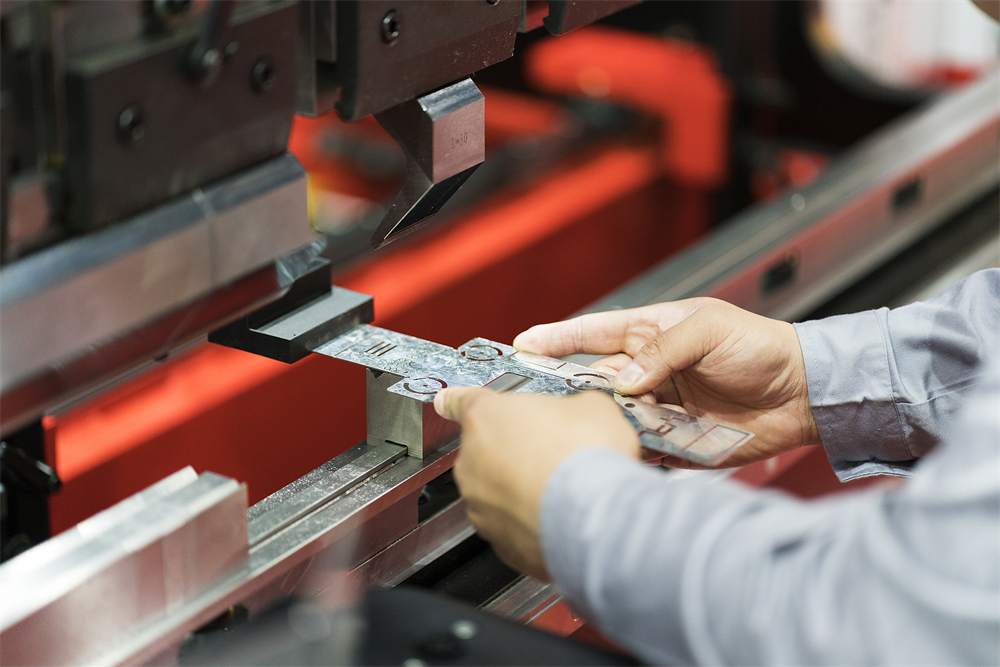
HARSLE machines are engineered to provide high levels of repeatability, but environmental factors and operator error can still introduce issues. This guide delves into the technical nuances of the bending process, providing a roadmap for identifying and resolving the most frequent hurdles encountered in the workshop. By mastering these troubleshooting techniques, operators can extend the lifespan of their equipment and maintain the high standards required in industries like aerospace, automotive, and heavy machinery manufacturing.
Core Parameters Influencing Bending Quality
To effectively troubleshoot, one must first understand the core parameters that dictate the success of a bend. These parameters are the levers that an operator can adjust to correct errors. The most critical among them is the Bending Force (Tonnage). If the tonnage is insufficient, the material will not reach the desired angle; if it is excessive, it can damage the tooling or the machine frame. Tonnage is directly related to the material’s thickness and the width of the V-die opening.
Another vital parameter is the Stroke Length and Depth. In CNC systems, the Y-axis controls the depth to which the punch enters the die. Even a deviation of 0.01mm can result in a significant angular error, especially in air bending. Furthermore, the Backgauge Positioning (X and R axes) determines the flange length and the parallelism of the bend. If the backgauge is not calibrated correctly, the entire batch of parts will be out of spec, regardless of how perfect the bend angle is.
Finally, we must consider Material Properties. No two sheets of steel are identical. Variations in yield strength and thickness within the same batch can cause inconsistent results. This is where advanced features like HARSLE’s real-time angle monitoring and crowning systems become invaluable. Crowning compensates for the natural deflection of the machine’s bed and ram under load, ensuring that the angle at the center of the machine matches the angle at the ends.
Calculation Method for Precision Bending
Accurate troubleshooting often begins with verifying the initial setup calculations. The most fundamental formula in press brake operation is the calculation of the required bending force (P). For standard air bending of mild steel, the formula is generally expressed as:
P = (650 x S² x L) / V
- P: Bending force in Kilonewtons (kN)
- S: Material thickness in millimeters (mm)
- L: Length of the sheet in meters (m)
- V: V-opening width of the bottom die (mm)
For example, if you are bending a 4mm thick mild steel plate over a 2-meter length using a 32mm V-die, the calculation would be: P = (650 x 16 x 2) / 32 = 650 kN (approximately 65 tons). If the machine is set to a lower tonnage than this calculated value, the bend will be incomplete. Conversely, if the material is stainless steel, you must multiply the result by a factor of 1.5 due to its higher tensile strength.
Another critical calculation is the Minimum Bend Radius. Attempting to bend a material with a radius smaller than its thickness can lead to cracking. Generally, for mild steel, the internal bend radius is approximately 1/6th of the V-opening width (R = V/6). If your troubleshooting reveals cracks on the outer surface of the bend, increasing the V-die width or using a punch with a larger radius is the standard solution.
Bending Parameter Reference Table
| Material Thickness (mm) | Recommended V-Opening (mm) | Min. Flange Length (mm) | Bending Force (Tons/Meter) – Mild Steel | Internal Radius (mm) |
|---|---|---|---|---|
| 1.0 | 8 | 5.5 | 7 | 1.3 |
| 1.5 | 12 | 8.5 | 11 | 2.0 |
| 2.0 | 16 | 11.5 | 15 | 2.6 |
| 3.0 | 24 | 17.0 | 25 | 4.0 |
| 4.0 | 32 | 23.0 | 35 | 5.3 |
| 6.0 | 48 | 34.0 | 55 | 8.0 |
| 8.0 | 64 | 45.0 | 80 | 10.6 |
Note: The above values are estimates for air bending mild steel with a tensile strength of approximately 450 MPa. For stainless steel, increase tonnage by 50%. For aluminum, decrease by 30-50% depending on the alloy.
Common Engineering Mistakes and Troubleshooting Solutions
1. Inconsistent Bending Angles (The “Canoe” Effect)
One of the most frequent issues in Troubleshooting Common Press Brake Bending Problems Solutions is when the angle at the center of the workpiece differs from the angles at the ends. This is usually caused by machine deflection. When the ram applies pressure, the center of the bed and ram tend to bow outward. To solve this, ensure your machine’s crowning system (hydraulic or mechanical) is properly calibrated. If using an older machine without crowning, you may need to use “shims” under the die, though this is a time-consuming manual fix.
2. Material Springback
Springback occurs when the metal tries to return to its original shape after the pressure is released. This is a physical property of the material. The solution is to “over-bend” the part. For instance, if you need a 90-degree angle, you might need to bend the material to 88 degrees. Modern CNC controllers allow you to input the material type and thickness to automatically calculate the necessary over-bend based on stored springback tables.
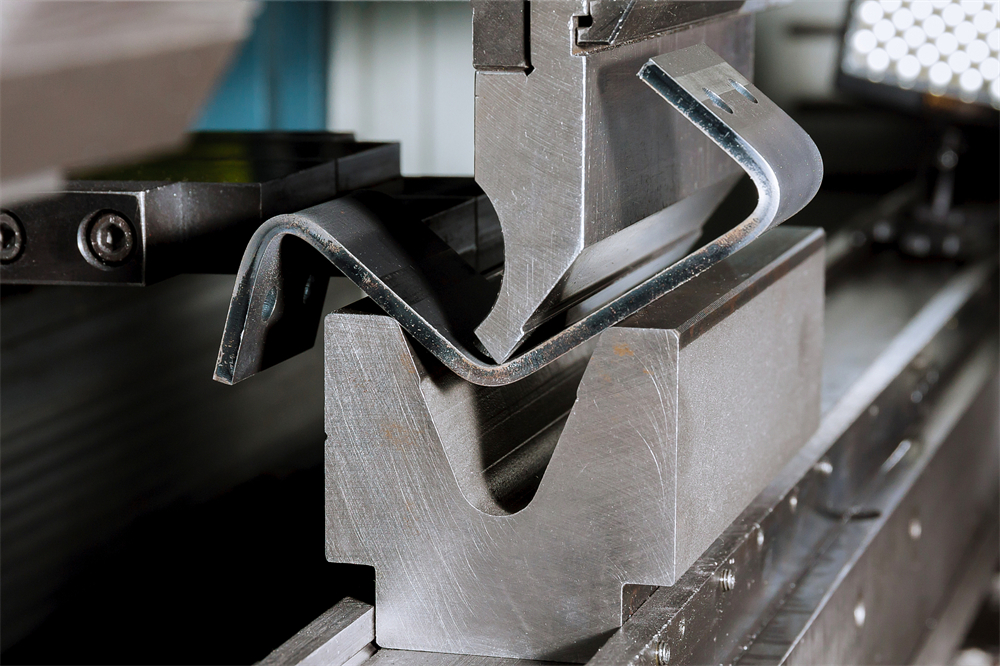
3. Cracking at the Bend Line
Cracking is often seen in high-strength alloys or thick plates. This happens when the internal bend radius is too tight or when bending against the grain of the metal. To troubleshoot, check the material’s grain direction; bending parallel to the grain increases the risk of cracking. Additionally, ensure the V-opening is at least 8 times the material thickness for thicker plates and use a punch with a larger tip radius.
4. Backgauge Misalignment
If the flange lengths are inconsistent, the backgauge is likely the culprit. Over time, the backgauge fingers can become loose or the drive screws can wear. Regular calibration is required. Ensure that the backgauge is “homed” correctly at the start of each shift and check for any debris on the guide rails that might cause the fingers to stick or skip steps.
5. Tooling Wear and Damage
Worn tooling is a silent killer of precision. If the tip of the punch is flattened or the shoulders of the V-die are grooved, the bending geometry will change. This leads to unpredictable angles. Inspect your tools regularly for signs of wear. Using hardened and ground tooling, like those provided with HARSLE premium models, significantly extends the time between tool replacements.
Selection Checklist for Avoiding Bending Problems
Choosing the right equipment is the first step in preventing troubleshooting headaches. Use this checklist when evaluating a new press brake:
- Tonnage Capacity: Does the machine have at least 20% more capacity than your thickest planned material requires? (Avoid running at 100% capacity constantly).
- Crowning System: Is it equipped with an automatic CNC crowning system to handle long workpieces?
- Controller Sophistication: Does the CNC support 2D or 3D graphical programming with automatic bend sequencing?
- Backgauge Axes: Do you need more than just X and R? (Consider Z1/Z2 for varying widths and X-prime for tapered bends).
- Safety Features: Are laser guards (like DSP or LazerSafe) included to protect the operator without slowing down production?
- Tooling Compatibility: Does the machine use standard European or New Standard (Wila) style clamping for easy tool changes?
- Frame Rigidity: Is the frame heavy-duty and stress-relieved to minimize long-term deformation?
Frequently Asked Questions (FAQ)
Q: Why is my press brake losing pressure during a bend?
A: This is usually a hydraulic issue. Check for leaks in the hoses or cylinders. It could also be a failing seal in the main cylinders or a malfunctioning relief valve. Ensure the hydraulic oil is at the correct level and has been changed according to the maintenance schedule.
Q: How often should I calibrate my CNC press brake?
A: For high-precision work, a quick daily check of the backgauge and Y-axis zero point is recommended. A full calibration by a technician should be performed annually or whenever the machine is moved or undergoes major repairs.
Q: Can I bend different materials using the same settings?
A: No. Different materials (aluminum, mild steel, stainless steel) have different tensile strengths and springback characteristics. You must adjust the tonnage and the bend angle compensation for each material type.
Q: What causes the “ram drift” where the ram moves down slowly when stopped?
A: Ram drift is typically caused by internal leakage in the hydraulic valves or the cylinder seals. It is a safety hazard and should be addressed immediately by a qualified technician.
Q: How does the V-die width affect the bend?
A: A wider V-die reduces the required bending force but increases the internal bend radius and the minimum flange length. A narrower V-die allows for smaller flanges but requires much higher pressure and increases the risk of marking or cracking the material.
By following these guidelines for Troubleshooting Common Press Brake Bending Problems Solutions, fabricators can ensure their HARSLE equipment operates at peak performance, delivering high-quality parts with every cycle. Regular maintenance, proper operator training, and a deep understanding of the technical parameters are the keys to success in any metal forming operation.












