Comprehensive Guide to Common Press Brake Applications in Construction Metalwork


Introduction to Press Brakes in the Construction Industry
In the modern construction landscape, the demand for precision-engineered metal components has never been higher. From the skeletal structures of skyscrapers to the intricate aesthetic finishes of architectural facades, metalwork plays a pivotal role. At the heart of this fabrication revolution is the press brake. Understanding the Common Press Brake Applications In Construction Metalwork is essential for fabricators looking to optimize their production lines and meet the rigorous standards of the building industry.
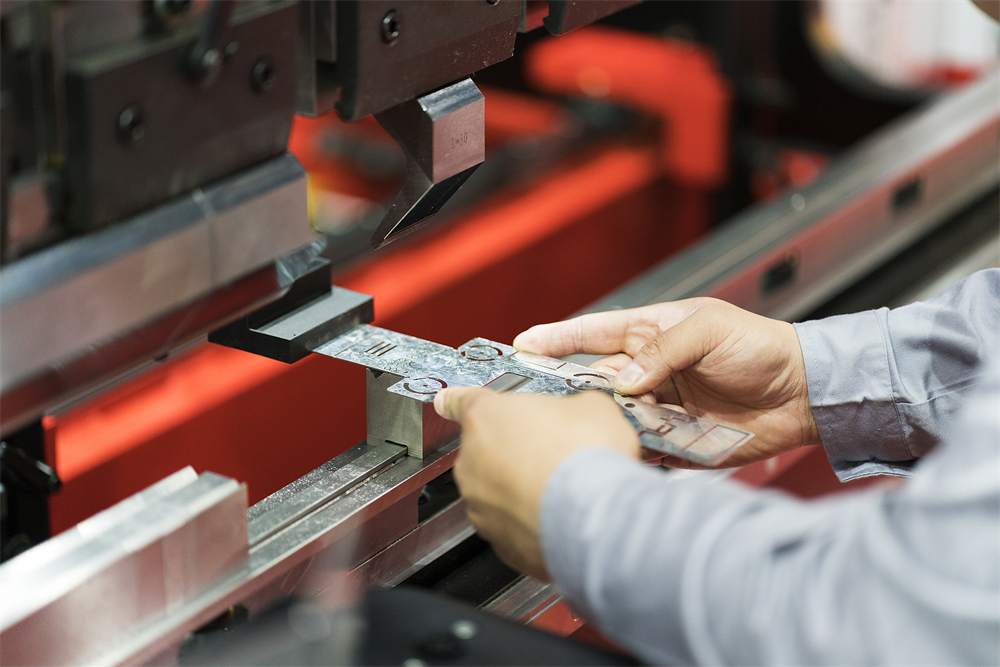
A press brake is a machine tool used for bending sheet and plate material, most commonly sheet metal. It forms predetermined bends by clamping the workpiece between a matching punch and die. In construction, where structural integrity and dimensional accuracy are non-negotiable, the press brake serves as the primary tool for transforming flat metal sheets into complex, load-bearing, or decorative components. HARSLE, a leader in metal fabrication machinery, provides high-performance CNC press brakes designed to handle the heavy-duty requirements of the construction sector.
Application Scenarios in Construction Metalwork
1. Structural Components and Support Systems
One of the most critical Common Press Brake Applications In Construction Metalwork involves the creation of structural supports. This includes heavy-duty brackets, gussets, and specialized beams used to reinforce joints in steel frames. Unlike standard rolled sections, custom-bent components allow architects and engineers to create unique geometries that optimize load distribution. Press brakes enable the fabrication of thick-gauge steel plates into C-channels, Z-profiles, and angles that are tailored to specific structural requirements.
2. Architectural Facades and Cladding
Modern architecture relies heavily on metal cladding for both protection and aesthetics. Press brakes are used to create large-scale wall panels, curtain wall components, and decorative exterior skins. These applications often require long-bed press brakes to handle panels that can exceed 4 to 6 meters in length. The precision of CNC control ensures that every panel fits perfectly, maintaining the visual continuity of the building’s exterior while providing essential weatherproofing.
3. Roofing and Drainage Systems
Roofing components such as ridge caps, valley flashings, and gutter systems are staple products of the construction metalwork industry. These parts often involve multiple bends at various angles to ensure proper water runoff and airtight seals. Press brakes allow for the rapid production of these components in various materials, including galvanized steel and aluminum, ensuring longevity and resistance to environmental corrosion.
4. Interior Infrastructure: Elevators and Staircases
The interior of a commercial building features numerous metal elements fabricated on press brakes. Elevator doors, cabin panels, and ceiling grids require high-precision bending to ensure smooth operation and a premium finish. Similarly, metal staircases, including treads, risers, and stringers, are formed using press brakes to ensure they meet strict safety codes and load-bearing specifications. The ability to create non-slip textures and precise angles makes the press brake indispensable for these applications.
5. Safety Barriers and Infrastructure
Beyond buildings, press brakes are used in infrastructure projects to create highway guardrails, bridge expansion joints, and pedestrian safety barriers. These applications often require high-tensile strength materials and thick plates, demanding high-tonnage hydraulic press brakes that can maintain accuracy under extreme pressure.
Material and Process Requirements
The success of Common Press Brake Applications In Construction Metalwork depends heavily on understanding the materials used. Construction projects typically utilize a range of metals, each with unique bending characteristics:
- Carbon Steel: The most common material for structural components due to its strength and cost-effectiveness. It requires significant tonnage and careful consideration of springback.
- Stainless Steel: Used for architectural finishes and high-corrosion environments. Stainless steel has a higher yield strength and requires specialized tooling to prevent surface contamination and marking.
- Aluminum: Preferred for lightweight cladding and decorative elements. Aluminum is prone to cracking if the bend radius is too tight, requiring precise calculations of the inner bend radius.
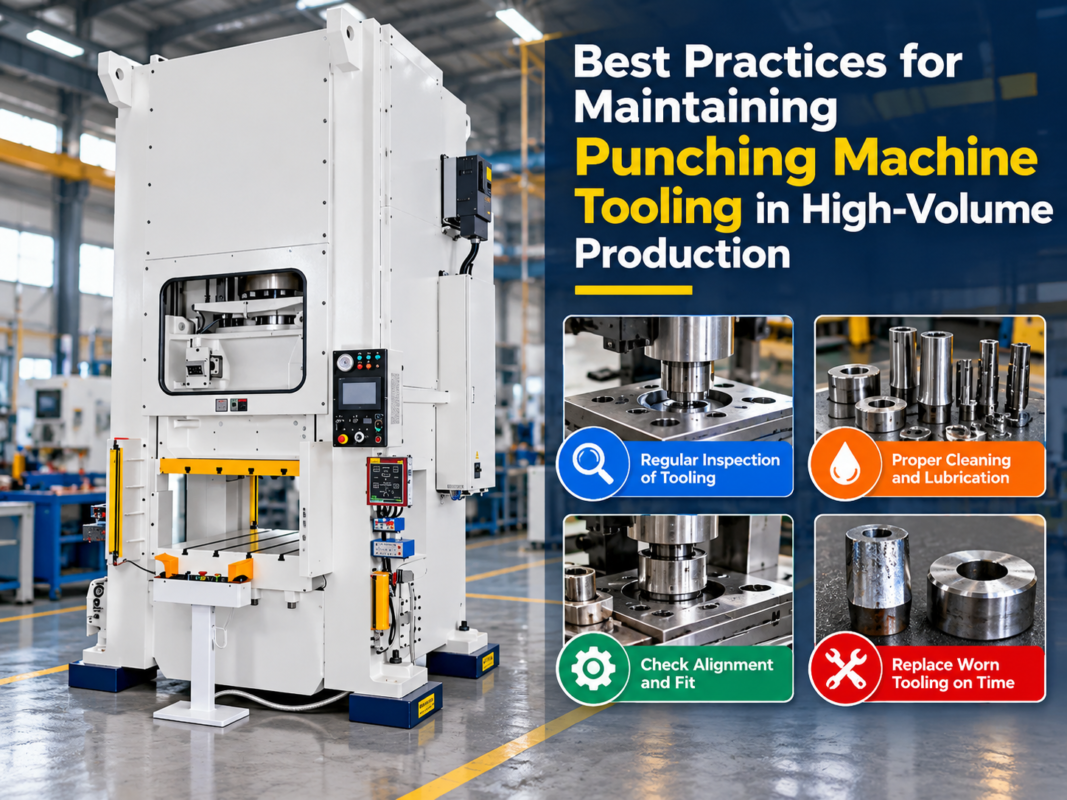
Process requirements in construction are stringent. Accuracy is usually measured in fractions of a millimeter, especially for components that must be bolted or welded together on-site. Furthermore, the “springback” effect—where the metal slightly returns to its original shape after bending—must be compensated for by the machine’s CNC controller. High-quality tooling, such as hardened dies and punches, is also necessary to handle the repetitive stress of high-volume construction fabrication.
Recommended Machine Configuration
To effectively handle Common Press Brake Applications In Construction Metalwork, the machine configuration must be robust and versatile. HARSLE recommends the following specifications for construction-focused fabrication:
| Feature | Recommended Specification | Reasoning |
|---|---|---|
| Drive System | Electro-Hydraulic Synchronized (CNC) | Ensures parallelism between the ram and the table for consistent angles. |
| Tonnage | 100 Tons to 1000+ Tons | Depends on material thickness; structural work usually requires 200T+. |
| Bending Length | 3200mm to 6000mm+ | Necessary for long architectural panels and roofing sections. |
| Backgauge Axes | 4-Axis (X, R, Z1, Z2) or 6-Axis | Allows for complex, multi-stage bending without manual repositioning. |
| Crowning System | CNC Hydraulic or Mechanical Crowning | Compensates for bed deflection to ensure straight bends over long lengths. |
| Controller | Delem DA-66T or DA-69T | Provides 3D visualization and automated bend sequence calculation. |
For shops focusing on heavy structural steel, a high-tonnage hydraulic press brake with a deep throat depth is essential. For those focusing on architectural facades, a machine with a long bed and high-speed backgauge is the priority to maintain high throughput.
Workflow of Press Brake Operations in Construction
The workflow for fabricating construction components involves several critical steps to ensure quality and efficiency:
- Design and CAD Integration: Engineers create 3D models of the required parts. These files are imported into the press brake’s software to determine the flat pattern and bend sequence.
- Material Preparation: Sheets are cut to size using fiber laser cutting machines or shears. For construction, edges are often deburred to ensure safety and better fitment.
- Tooling Selection: Based on the material thickness and desired bend radius, the operator selects the appropriate V-die and punch. In construction, “Gooseneck” punches are often used to clear deep returns in complex profiles.
- Programming and Simulation: The CNC controller simulates the bending process to check for collisions between the workpiece and the machine frame or tooling.
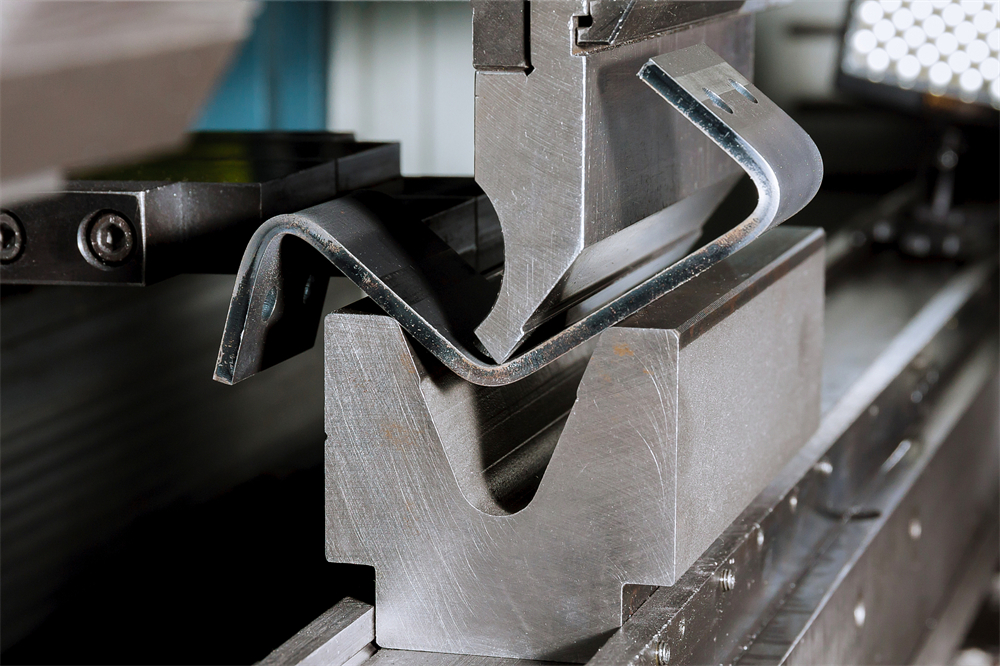
- The Bending Process: The operator positions the sheet against the backgauges. The machine executes the bend, with the crowning system adjusting in real-time to maintain precision.
- Quality Control: Finished parts are inspected using angle protractors or laser measuring systems to ensure they meet the project’s tolerances.
Productivity Benefits of Advanced Press Brakes
Investing in high-quality machinery for Common Press Brake Applications In Construction Metalwork yields significant productivity gains:
- Reduced Material Waste: CNC precision minimizes errors, ensuring that expensive materials like stainless steel or thick plates are not scrapped due to incorrect bends.
- Faster Turnaround Times: Automated backgauges and programmable bend sequences allow for rapid transitions between different part types, which is crucial for meeting tight construction deadlines.
- Enhanced Safety: Modern press brakes feature light curtains and laser protection systems (like DSP or FIESSLER), protecting operators while maintaining high speeds.
- Consistency Across Batches: Whether producing 10 or 1,000 brackets, the CNC system ensures every part is identical, facilitating easier assembly on the construction site.
- Labor Efficiency: Advanced controllers are intuitive, reducing the reliance on highly specialized manual labor and allowing newer operators to achieve professional results quickly.
Case Example: High-Rise Facade Fabrication
A prominent metal fabrication company was contracted to provide the exterior cladding for a 40-story commercial tower. The project required over 5,000 unique aluminum panels, many with complex multi-angle bends to create a “diamond” texture on the building’s surface.
By utilizing a HARSLE WE67K Series CNC Press Brake with a 4000mm bed and a 6-axis backgauge, the fabricator was able to program the entire sequence for each panel. The CNC crowning system ensured that the 4-meter long bends remained perfectly straight, preventing any gaps during installation. The project was completed 15% ahead of schedule, with a rejection rate of less than 0.5%, demonstrating the power of the right machine in a demanding construction application.
Frequently Asked Questions (FAQ)
What is the most common material thickness used in construction metalwork?
In construction, material thickness varies widely. Architectural cladding is typically 1.5mm to 3mm, while structural brackets and plates can range from 6mm to over 20mm. Press brakes must be selected based on the maximum thickness and length of the material to be processed.
How does CNC crowning improve construction components?
When bending long sheets, the center of the machine tends to deflect slightly under pressure, leading to a “boating” effect where the angle in the middle is different from the ends. CNC crowning applies a counter-force to the bed, ensuring the bend angle is uniform across the entire length of the part.
Can one press brake handle both thin cladding and thick structural steel?
While possible, it is not always efficient. A high-tonnage machine used for thin sheets may lack the speed and sensitivity required for delicate work. Conversely, a light-duty machine cannot handle structural steel. Most construction fabricators opt for a mid-to-high tonnage machine (160T-300T) as a versatile middle ground.
What maintenance is required for press brakes in a construction environment?
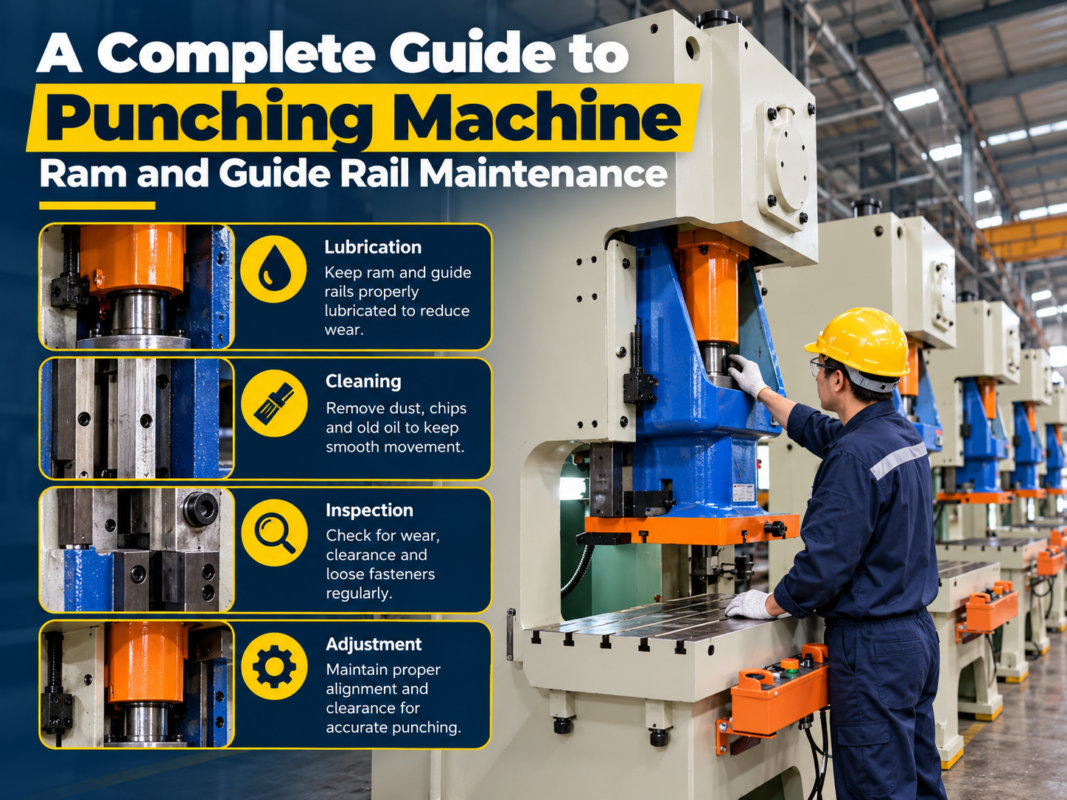
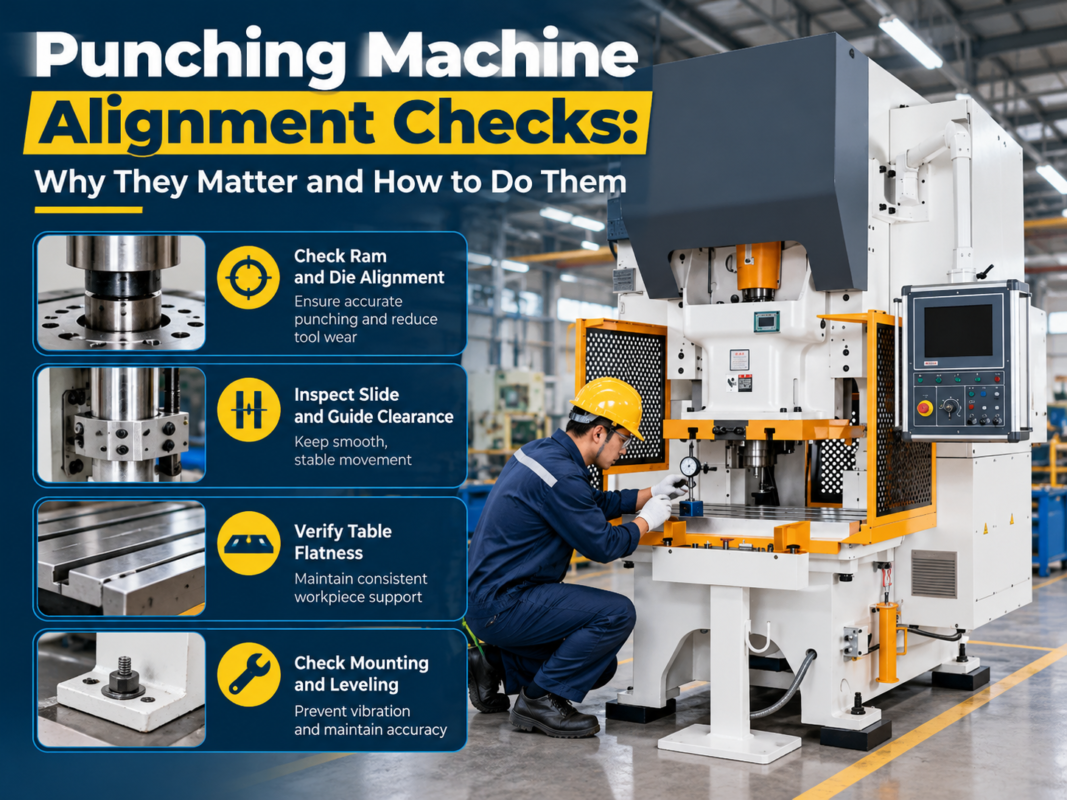
Construction environments can be dusty. Regular maintenance includes cleaning the hydraulic oil filters, lubricating the backgauge rails, checking the parallelism of the ram, and inspecting the tooling for wear or chips. HARSLE provides detailed maintenance schedules with every machine to ensure long-term reliability.
Is 3D programming necessary for construction applications?
While not strictly necessary for simple bends, 3D programming is highly recommended for complex architectural parts. It allows the operator to visualize the final part and identify potential collisions before the first bend is made, saving time and material.
Conclusion and Call to Action
The Common Press Brake Applications In Construction Metalwork are diverse and demanding, requiring a blend of power, precision, and versatility. As the construction industry continues to evolve with more complex designs and stricter safety standards, the role of the CNC press brake becomes even more central to a fabricator’s success. Choosing the right machine is not just about tonnage; it’s about finding a partner in production that offers the technology and support needed to tackle any project.
At HARSLE, we specialize in providing cutting-edge press brake solutions tailored to the needs of the construction industry. Whether you are fabricating structural steel or high-end architectural panels, our team is ready to help you find the perfect machine configuration. Contact HARSLE today to request a quote or speak with an expert about your specific fabrication needs. Let us help you build the future with precision and efficiency.