Press Brake Tooling Price Guide: Costs, Options, and ROI


Introduction to Press Brake Tooling Costs
In the world of metal fabrication, the press brake is the heart of the workshop, but its performance is entirely dependent on the quality of the tooling used. When discussing the Press Brake Tooling Price : Costs, Options, ROI, many fabricators focus solely on the initial purchase price. However, the true cost of tooling encompasses much more than the invoice amount. It includes the material quality, the precision of the grind, the longevity of the tool, and the impact it has on production efficiency.
Selecting the right tooling is a balancing act between budget constraints and technical requirements. High-quality tooling can significantly reduce setup times and scrap rates, leading to a much higher return on investment (ROI) over time. Conversely, opting for the cheapest available options can lead to frequent replacements, damage to the machine, and inconsistent part quality. This guide aims to break down the complexities of tooling costs to help you make an informed decision for your HARSLE machinery or any other industrial press brake.
Understanding the market for press brake tooling requires a deep dive into the manufacturing processes that dictate price. From the raw steel used to the heat treatment methods and the final surface finish, every step adds value and cost. As we explore the various price ranges and options, keep in mind that the goal is not necessarily to find the cheapest tool, but the one that offers the best value for your specific application.
Price Range Overview: From Standard to Premium
The price of press brake tooling varies wildly based on several factors. On the lower end of the spectrum, you have standard, non-hardened, or partially hardened tools often used for simple, low-precision jobs. These might range from $150 to $400 per meter. While attractive for small shops with limited budgets, these tools wear down quickly when used with abrasive materials like stainless steel or high-strength alloys.
Mid-range tooling, which is the most common choice for professional fabrication shops, typically costs between $500 and $1,200 per meter. These tools are usually made from high-quality alloy steel like 42CrMo and undergo induction hardening. They offer a good balance of durability and precision, making them suitable for a wide range of general fabrication tasks. Most HARSLE customers find their sweet spot in this category, where performance meets affordability.
At the high end, precision-ground and fully hardened tooling can cost anywhere from $1,500 to over $5,000 per meter. These tools are designed for high-tolerance industries such as aerospace, medical equipment, and electronics. They feature specialized coatings, ultra-precise tolerances (often within +/- 0.01mm), and modular designs that allow for rapid changeovers. While the upfront cost is high, the reduction in setup time and the elimination of test bends can justify the expense for high-volume or high-complexity operations.
Main Cost Drivers in Press Brake Tooling
Several technical factors dictate the Press Brake Tooling Price : Costs, Options, ROI. The most significant of these is the material composition. Most industrial-grade tools are made from 42CrMo (Chromium-Molybdenum alloy steel) or T10/T10A carbon tool steel. 42CrMo is preferred for its excellent toughness and resistance to deformation under high pressure, but it is more expensive to source and machine than basic carbon steels.
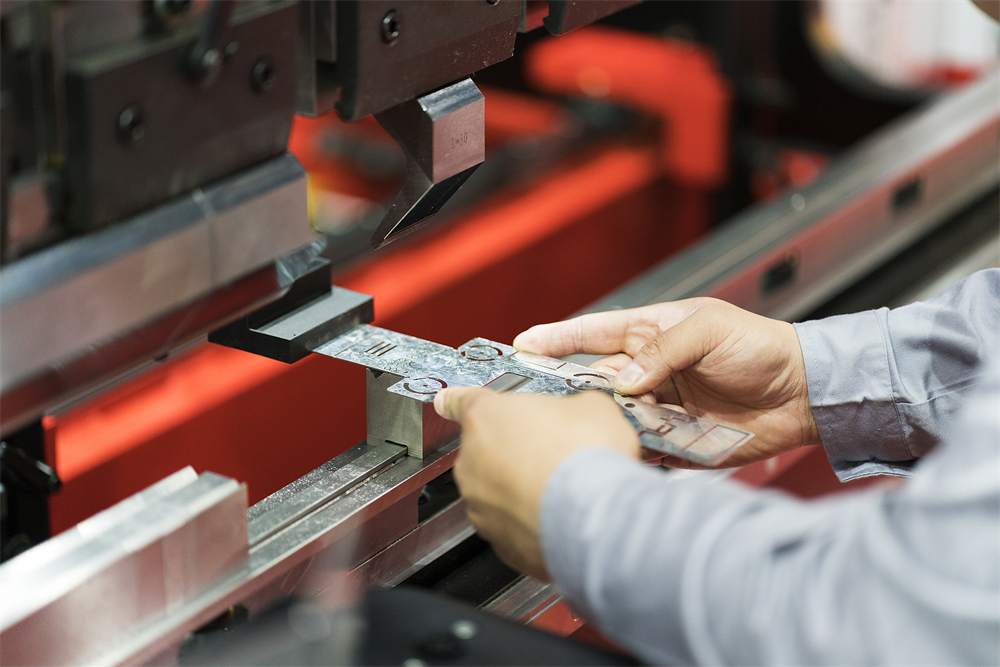
Heat treatment is another major cost driver. There are two primary methods: induction hardening and through-hardening. Induction hardening treats only the working surfaces of the tool (the tip of the punch and the shoulders of the die), leaving the core tough and flexible. This is cost-effective and durable. Through-hardening treats the entire tool, which is more expensive but necessary for certain high-precision modular systems. The depth of the hardened layer also matters; a deeper case hardening (e.g., 3-5mm) will allow for more regrinds over the tool’s life, increasing its value.
Precision grinding is the final major factor. Standard tools are often planed or roughly ground, which is sufficient for general construction work. However, for precision sheet metal work, tools must be precision-ground on all critical surfaces. This ensures that when you line up multiple segments of tooling across a long bed, they are perfectly aligned in height and center-line. The labor and high-end machinery required for this level of precision add significantly to the final price tag.
Configuration Impact: Punches, Dies, and Segmenting
The geometry of the tool itself plays a role in pricing. A standard straight punch is relatively simple to manufacture and therefore cheaper than a gooseneck punch. Gooseneck punches require more material and more complex machining to create the “C” shape that allows for deep return flanges. Similarly, multi-V dies, which offer several V-openings on a single block, are more expensive than single-V dies but offer greater versatility in a single setup.
Segmenting is a crucial option that affects price. Buying a solid 3-meter punch is usually cheaper than buying the equivalent length in a “sectionalized” or “segmented” set. However, segmented tooling is much easier for operators to handle and allows for the creation of “box” shapes where the tool needs to fit inside a previously bent flange. Most modern shops opt for segmented tooling because the labor savings in setup and the flexibility in part design far outweigh the 15-20% price premium.
Specialized tooling, such as hemming sets, offset tools, or radius inserts, also carries a higher price point. These are often custom-engineered or produced in smaller batches. If your production requires specific profiles, you must factor in the cost of these specialized shapes, which can be double or triple the cost of standard V-tools. However, they often combine two or three operations into one, which is a key factor in the ROI calculation.
Hidden Costs of Press Brake Tooling
When calculating the Press Brake Tooling Price : Costs, Options, ROI, many buyers overlook the secondary expenses. Shipping and logistics are significant, as steel is heavy. Importing tooling from overseas may offer a lower unit price, but freight costs, import duties, and the risk of damage during transit can narrow the gap quickly. It is often worth paying a bit more for a local or well-established supplier like HARSLE who can guarantee safe delivery and support.
Storage and maintenance are also hidden costs. Precision tooling cannot simply be thrown on a shelf. It requires dedicated tooling cabinets to prevent rust and physical damage to the ground surfaces. Furthermore, tools need regular cleaning and lubrication. If a tool is damaged due to poor storage or improper use (such as exceeding the tonnage limit), the cost of repair or replacement can be a major setback. Investing in a proper tool management system is essential for protecting your investment.
The most significant hidden cost, however, is the cost of downtime. If you buy low-quality tooling that breaks or wears unevenly, your machine sits idle while you wait for replacements. Even worse, inaccurate tooling leads to “trial and error” bending, where expensive sheet metal is wasted as scrap while the operator tries to dial in the correct angle. In a high-volume environment, the cost of scrap and wasted labor can exceed the cost of the tooling itself within just a few months.
ROI Calculation: Why Quality Pays Off
To calculate the ROI of press brake tooling, you must look at the total cost of ownership over 3 to 5 years. The formula is essentially: (Total Savings in Labor + Reduction in Scrap + Increased Capacity) / (Initial Tooling Cost + Maintenance). High-quality, precision-ground tooling often pays for itself through “setup reduction.” If a segmented, precision-ground set allows an operator to set up a complex job in 5 minutes instead of 20 minutes, and you do 10 setups a day, you are saving 150 minutes of machine time daily.
Over a 250-day work year, that is 625 hours of reclaimed production time. If your shop rate is $100/hour, that is $62,500 in added value per year—far more than the cost of even the most expensive tooling sets. Additionally, precision tooling allows for “first-part, right-part” production. This eliminates the need for test bends, which is critical when working with expensive materials like polished stainless steel or specialized aluminum alloys.
Longevity also plays into ROI. A 42CrMo induction-hardened tool might last 5 to 10 times longer than a cheap carbon steel tool. If the cheap tool costs $300 and lasts one year, but the quality tool costs $900 and lasts eight years, the quality tool is significantly cheaper in the long run. When you choose HARSLE tooling, you are investing in this long-term durability, ensuring that your press brake remains a profit center rather than a maintenance headache.
Buying Advice: Choosing the Right Tools for Your Shop
When purchasing tooling, start by analyzing your most common jobs. If 80% of your work is 2mm mild steel, invest heavily in a high-quality V-die and punch set specifically for that range. Don’t try to buy a “one size fits all” solution, as it usually results in mediocre performance across all thicknesses. For thinner materials, precision is paramount; for thicker materials, tonnage capacity and wear resistance are the priorities.
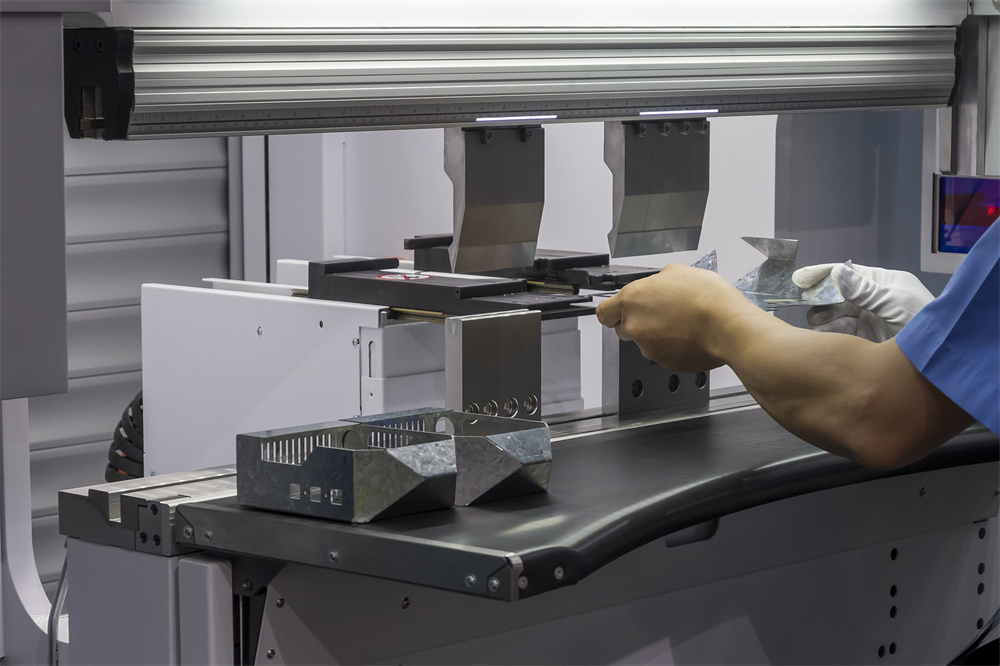
Always check the compatibility of the tang (the part of the punch that fits into the ram). Common standards include Amada/Promecam (European Style), Wila/Trumpf, and American Tang. Ensure your machine’s clamping system matches the tooling you are buying. If you are buying a new HARSLE press brake, consider getting a complete tooling package at the time of purchase, as manufacturers often offer better pricing when bundled with the machine.
Finally, don’t ignore the importance of the die holder and the crowning system. Even the best tooling in the world won’t produce straight bends if the machine’s bed is deflecting. A good ROI strategy involves pairing high-quality tooling with a mechanical or hydraulic crowning system to ensure consistency across the entire length of the bend. Ask your supplier for a tonnage chart to ensure you never exceed the limits of your tools, which is the number one cause of premature tooling failure.
Frequently Asked Questions (FAQ)
1. How long does press brake tooling typically last?
The lifespan depends on the material being bent and the tool’s hardness. For mild steel bending with induction-hardened 42CrMo tools, you can expect 5-10 years of heavy use. Bending stainless steel or armored plate will shorten this lifespan significantly due to the abrasive nature of the material.
2. Can I mix different brands of tooling?
Yes, as long as the tang style and the “shut height” (the overall height of the tool) are identical. However, mixing brands in the same setup is risky because even a 0.05mm difference in height can cause an uneven bend angle across the workpiece.
3. Is it worth regrinding old tools?
If the tools are high-quality and have enough hardened depth, regrinding is a cost-effective way to restore precision. However, if the tool was only surface-hardened or is badly deformed, the cost of regrinding may approach the cost of a new tool, with inferior results.
4. What is the advantage of “Big V” dies for heavy plate?
Large V-openings reduce the tonnage required to bend thick plate, which protects both the machine and the tool. While these large dies are expensive, they are essential for safety and for preventing the cracking of high-tensile materials.
5. How does the “Press Brake Tooling Price : Costs, Options, ROI” change for CNC vs. manual machines?
CNC machines benefit more from precision-ground, segmented tooling because the machine’s software can accurately calculate the bend based on known tool dimensions. Manual machines can use cheaper tooling, but the operator will spend much more time on manual adjustments and corrections.
Conclusion
Investing in press brake tooling is one of the most critical decisions for any metal fabrication business. By understanding the Press Brake Tooling Price : Costs, Options, ROI, you can move beyond the initial sticker shock and focus on what truly matters: productivity, precision, and long-term profitability. Whether you are outfitting a new HARSLE press brake or upgrading an existing setup, prioritize material quality and precision grinding to ensure your shop stays competitive in an increasingly demanding market.
Remember that the best tooling is the one that minimizes your cost per part, not the one that costs the least at the point of sale. By factoring in setup times, scrap rates, and tool longevity, you will find that high-quality tooling is almost always the most economical choice for a professional fabrication environment.