Hydraulic Press Buyer’s Guide: Matching Machine Tonnage to Your Application


Introduction to Hydraulic Press Selection
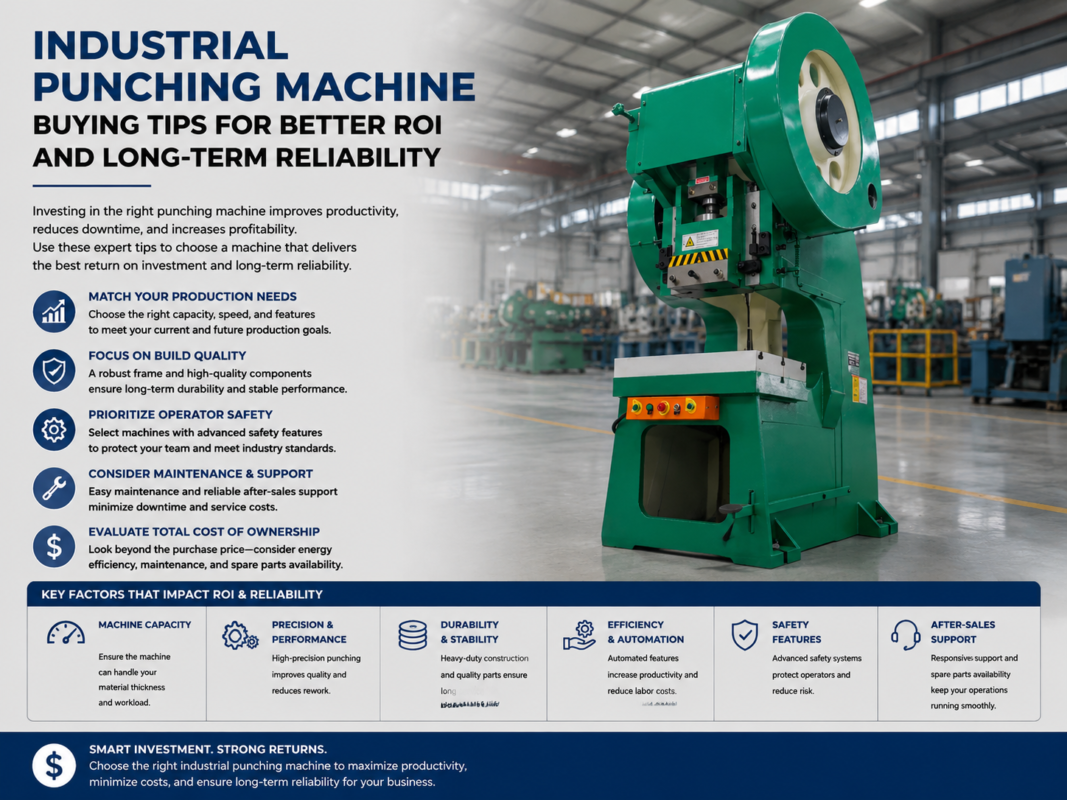
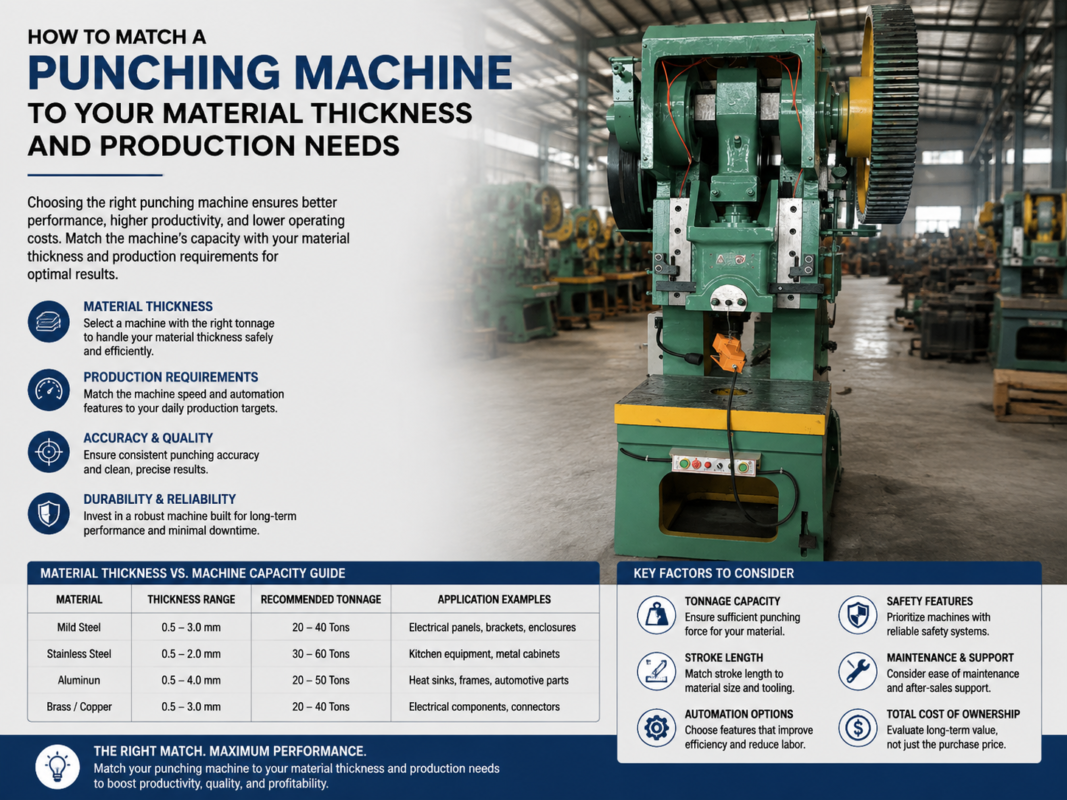
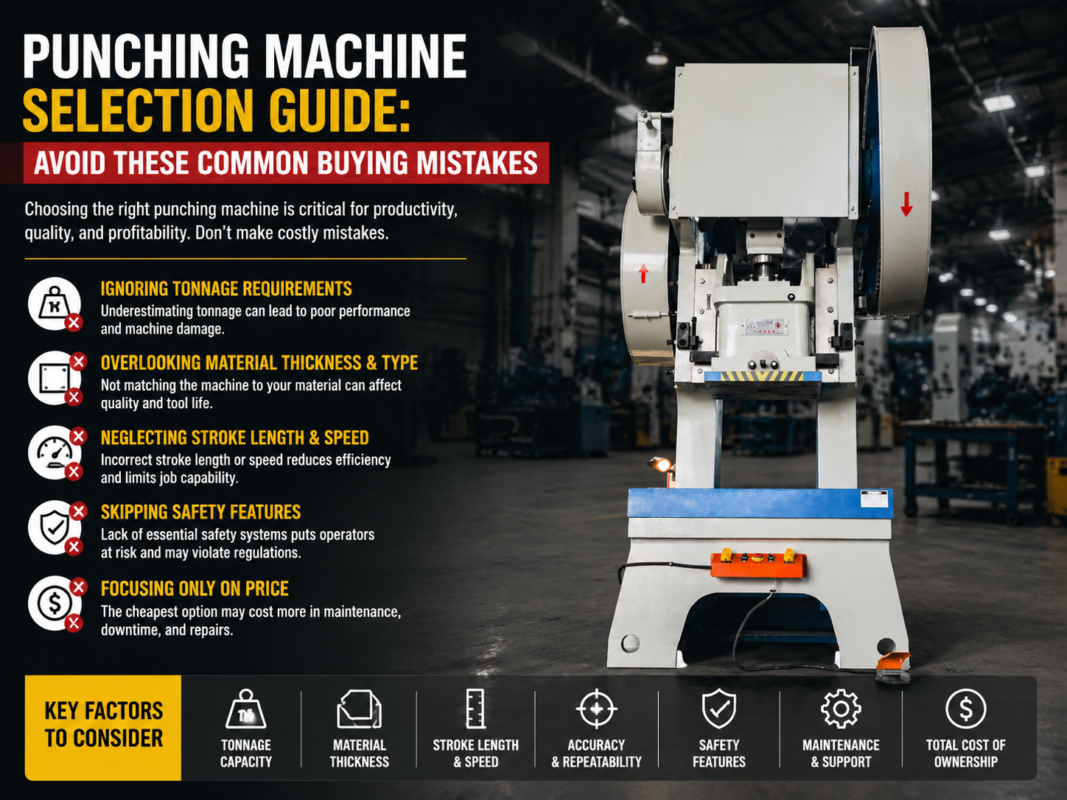
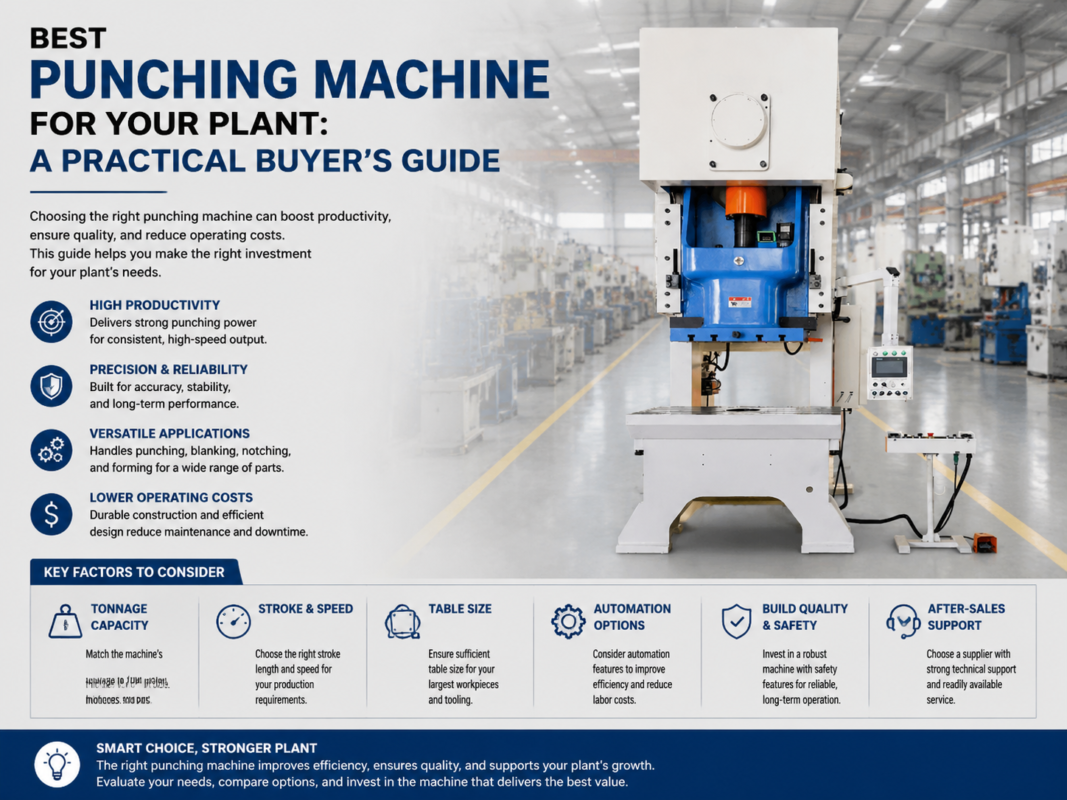
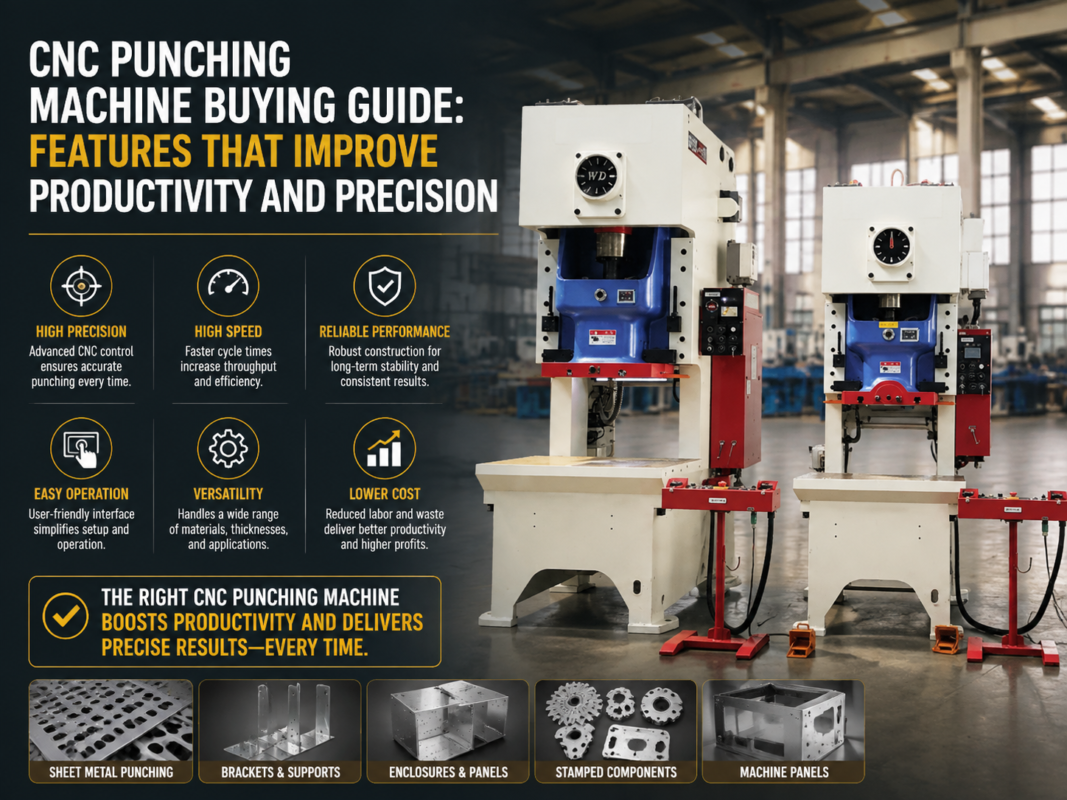
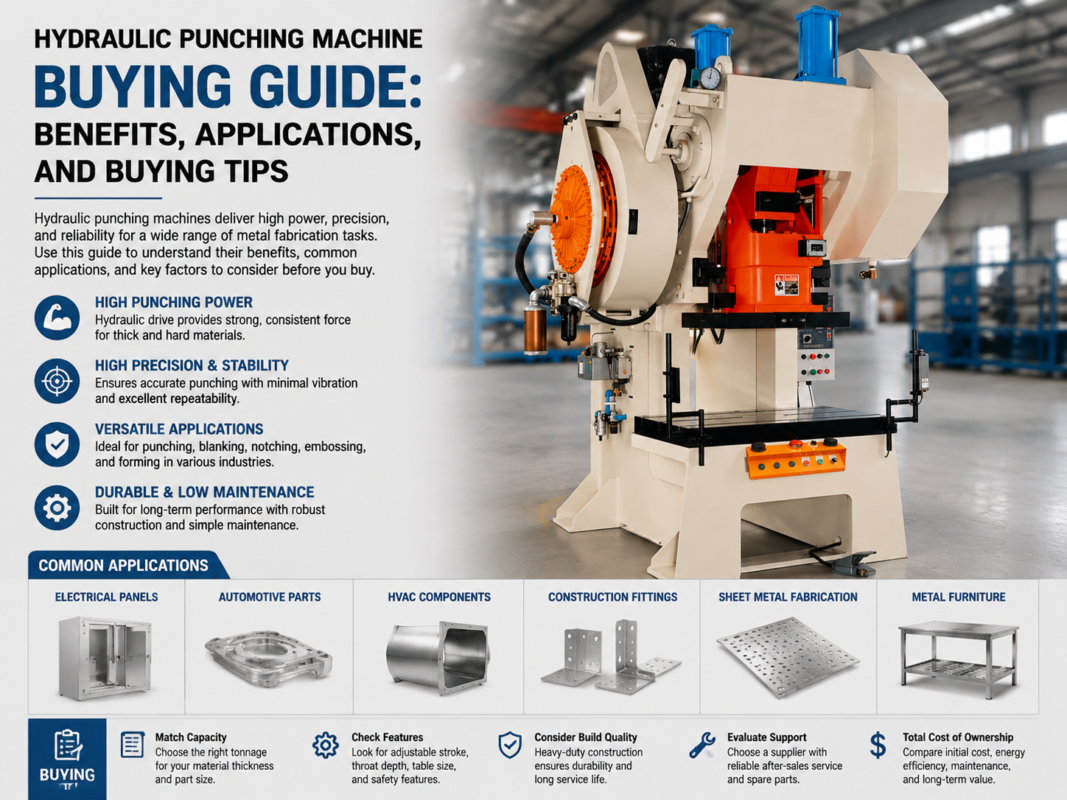
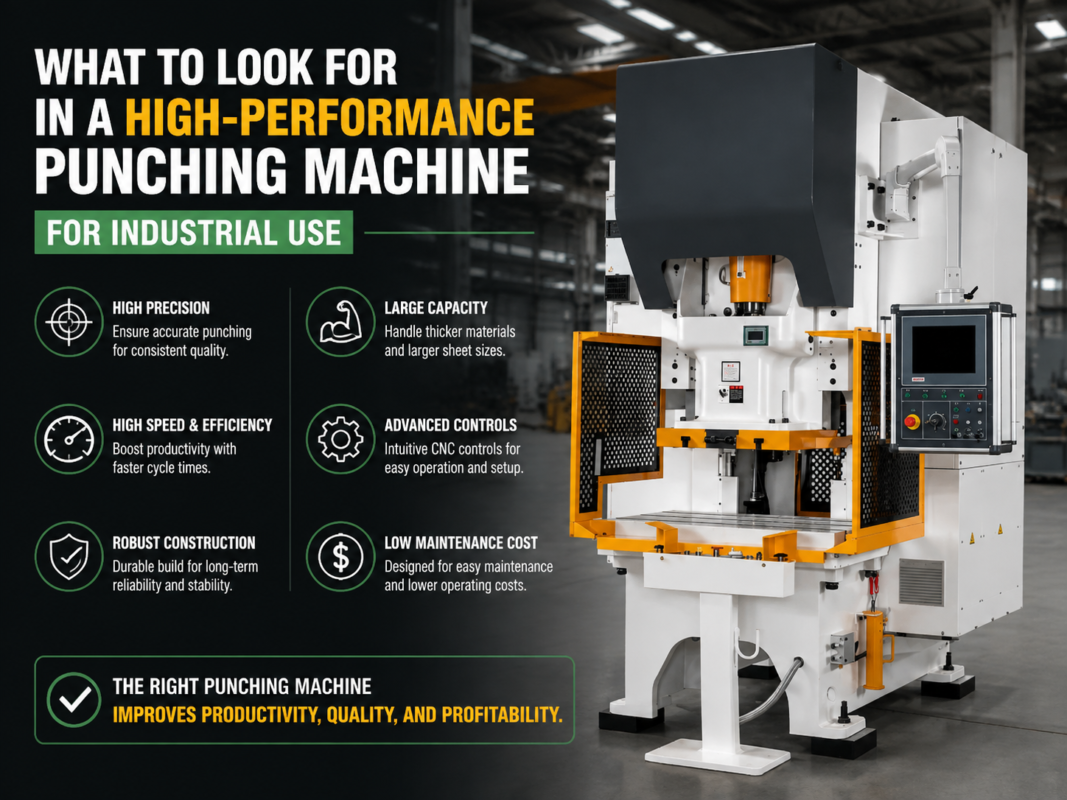
In the world of metal fabrication, the hydraulic press stands as a cornerstone of versatility and power. Whether you are deep drawing automotive components, punching precision holes in aerospace alloys, or simply bending structural steel, the success of your operation hinges on one critical factor: tonnage. Selecting the correct tonnage is not merely a matter of ensuring the machine can perform the task; it is about optimizing efficiency, ensuring operator safety, and protecting your long-term investment. This Hydraulic Press Buyer’s : Matching Machine Tonage Application guide is designed to navigate the complexities of the market, helping you bridge the gap between technical requirements and financial reality.
HARSLE has long been a leader in providing high-quality metalworking solutions, and we understand that the purchasing process can be daunting. A machine with insufficient tonnage will fail to complete the cycle, potentially damaging the tooling or the frame. Conversely, an oversized machine represents wasted capital and higher operational costs. By understanding the relationship between material properties, geometry, and hydraulic force, manufacturers can make informed decisions that drive productivity. In the following sections, we will break down the costs, configurations, and technical considerations essential for any modern fabrication shop.
Price Range Overview: From Benchtop to Heavy Industrial
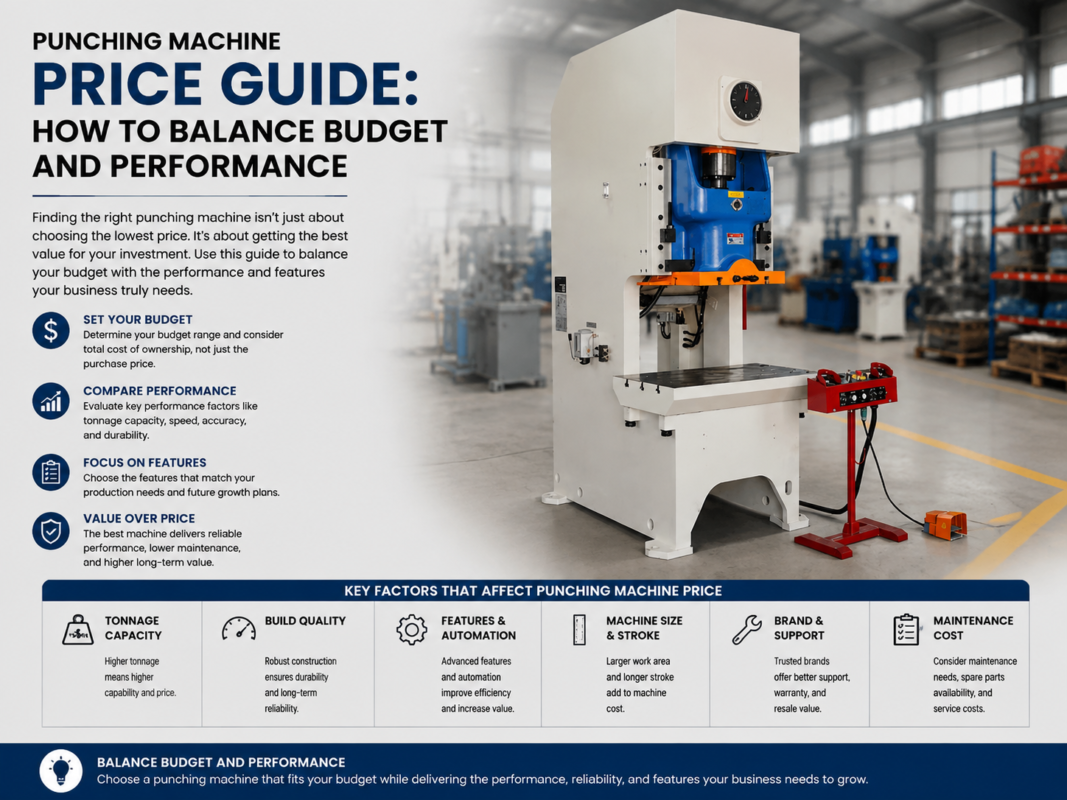
The price of a hydraulic press is primarily dictated by its tonnage capacity and frame construction. Understanding the market tiers helps buyers set realistic budgets. Generally, hydraulic presses are categorized into three main price segments based on their power and complexity.
Entry-Level and Small Tonnage (10T – 60T)
Small tonnage presses, often used for laboratory work, jewelry making, or light assembly, typically range from $3,000 to $15,000. These machines are often C-frame or benchtop models. While they lack the massive force of industrial giants, they offer high precision and a smaller footprint. At this level, the focus is on manual or semi-automatic controls and basic hydraulic systems.
Mid-Range Industrial Presses (100T – 500T)
This is the most common segment for general metal fabrication, including bending, punching, and shallow drawing. Prices in this range typically fall between $25,000 and $120,000. These machines feature more robust H-frame or four-column designs and often include PLC (Programmable Logic Controller) systems for automated cycles. The variation in price here is often due to the inclusion of specialized features like hydraulic cushions or high-speed valves.
Heavy-Duty and Custom Solutions (600T – 5000T+)
For heavy industries such as automotive body stamping or large-scale forging, tonnage requirements can exceed 1000 tons. These machines are significant investments, often starting at $200,000 and reaching well into the millions for fully automated production lines. These units are frequently custom-engineered to meet specific stroke lengths, bolster sizes, and cycle times. The engineering overhead and massive material costs of the frame contribute to this high price point.
Main Cost Drivers in Hydraulic Press Manufacturing
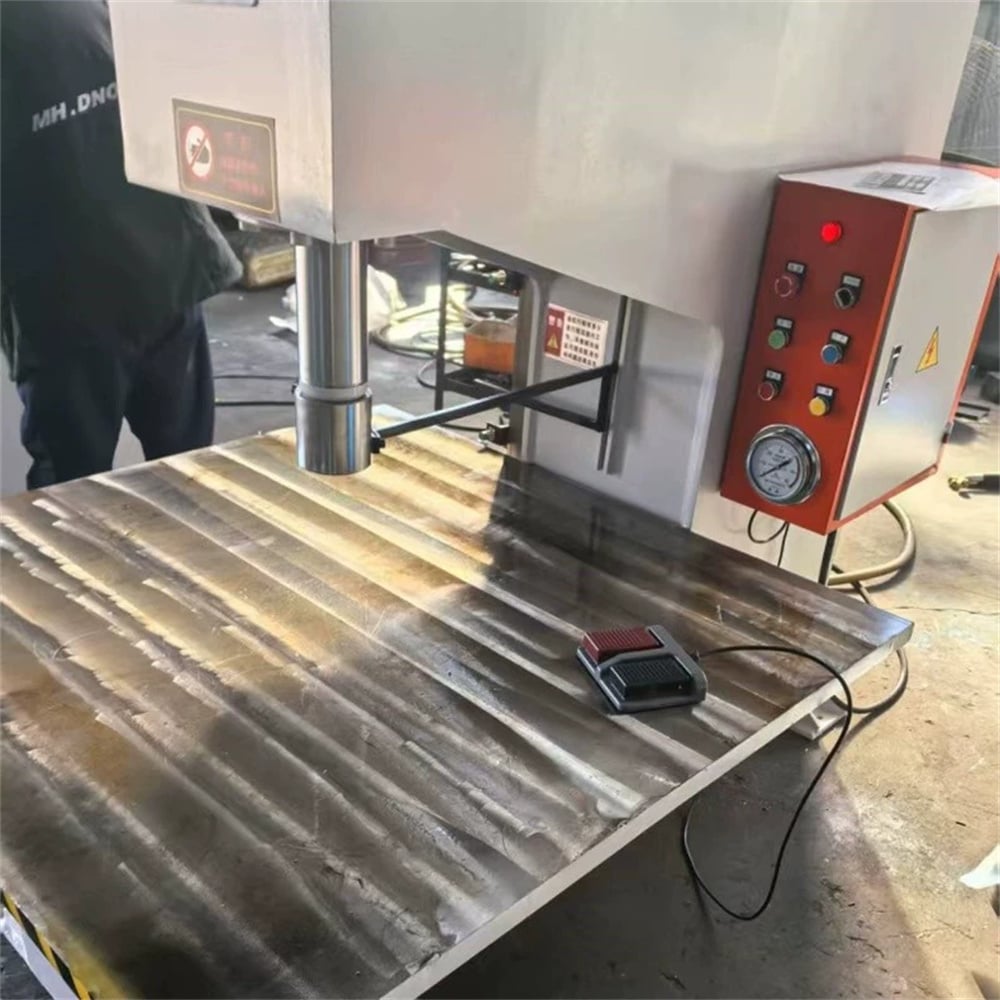
When reviewing a quote for a hydraulic press, it is important to understand what drives the final number. It isn’t just the weight of the steel; it is the quality of the components and the precision of the engineering.
- Frame Rigidity and Material: The amount of steel used to prevent frame deflection under load is a major cost factor. A press that deflects too much will produce inaccurate parts and wear out tooling prematurely. High-tensile steel and stress-relieved frames are more expensive but essential for high-tonnage applications.
- Hydraulic Components: The heart of the machine consists of pumps, valves, and cylinders. Premium brands like Rexroth or Parker increase the initial cost but offer superior reliability and easier sourcing of spare parts. The complexity of the hydraulic circuit—such as proportional valves for precise speed control—also adds to the price.
- Control Systems: A basic manual valve system is inexpensive. However, modern manufacturing demands CNC or PLC controls with touch-screen interfaces. These systems allow for recipe storage, remote diagnostics, and integration with robotic loaders, significantly increasing the machine’s value and cost.
- Safety Features: Compliance with international safety standards (like CE or OSHA) requires light curtains, dual-hand start buttons, and safety interlocks. While these add to the cost, they are non-negotiable for protecting workers and reducing liability.
Configuration Impact: Matching Design to Function
The physical configuration of the press is just as important as its tonnage. The Hydraulic Press Buyer’s : Matching Machine Tonage Application process must consider how the machine’s shape affects the workflow and part quality.
C-Frame (Gap Frame) Presses
C-frame presses offer three-sided access to the work area, making them ideal for manual feeding and smaller parts. They are generally more affordable and take up less floor space. However, they are prone to “yawing” or opening up slightly under maximum tonnage, which can affect precision in high-force applications.
H-Frame and Four-Column Presses
For applications requiring maximum rigidity and even pressure distribution, H-frame or four-column designs are preferred. Four-column presses provide excellent access from all four sides and ensure that the die remains perfectly parallel during the stroke. This is critical for complex dies and high-tonnage punching operations.

Stroke, Daylight, and Bed Size
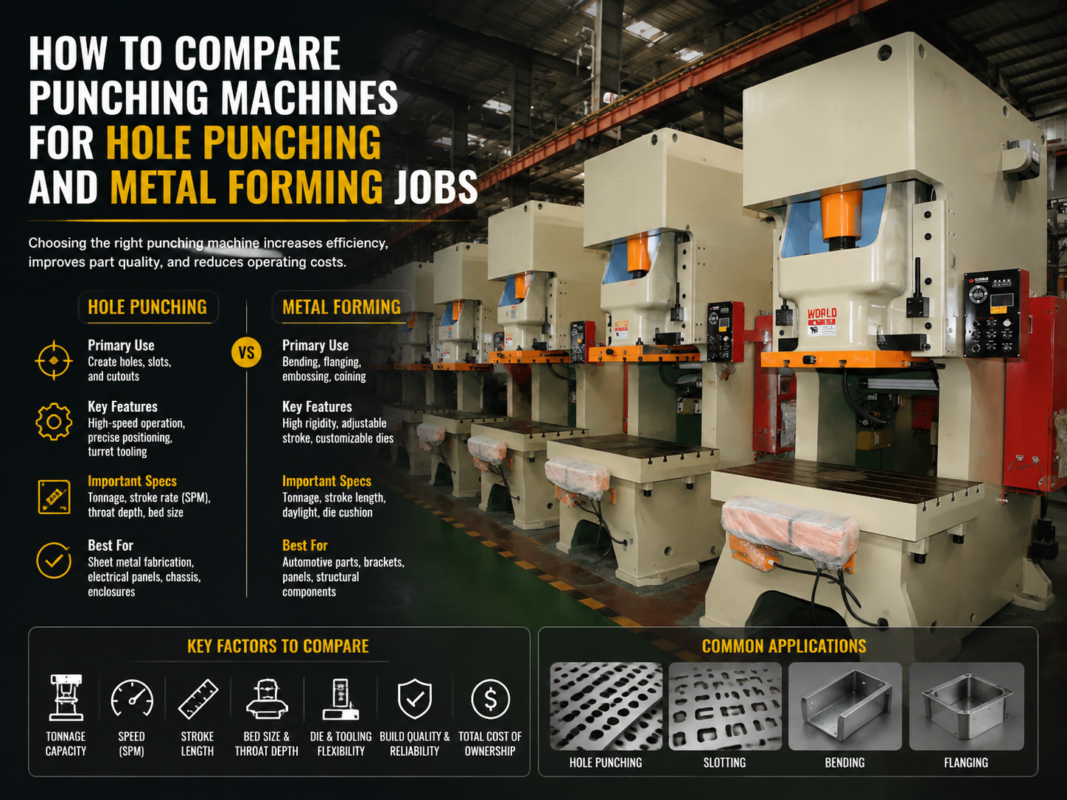
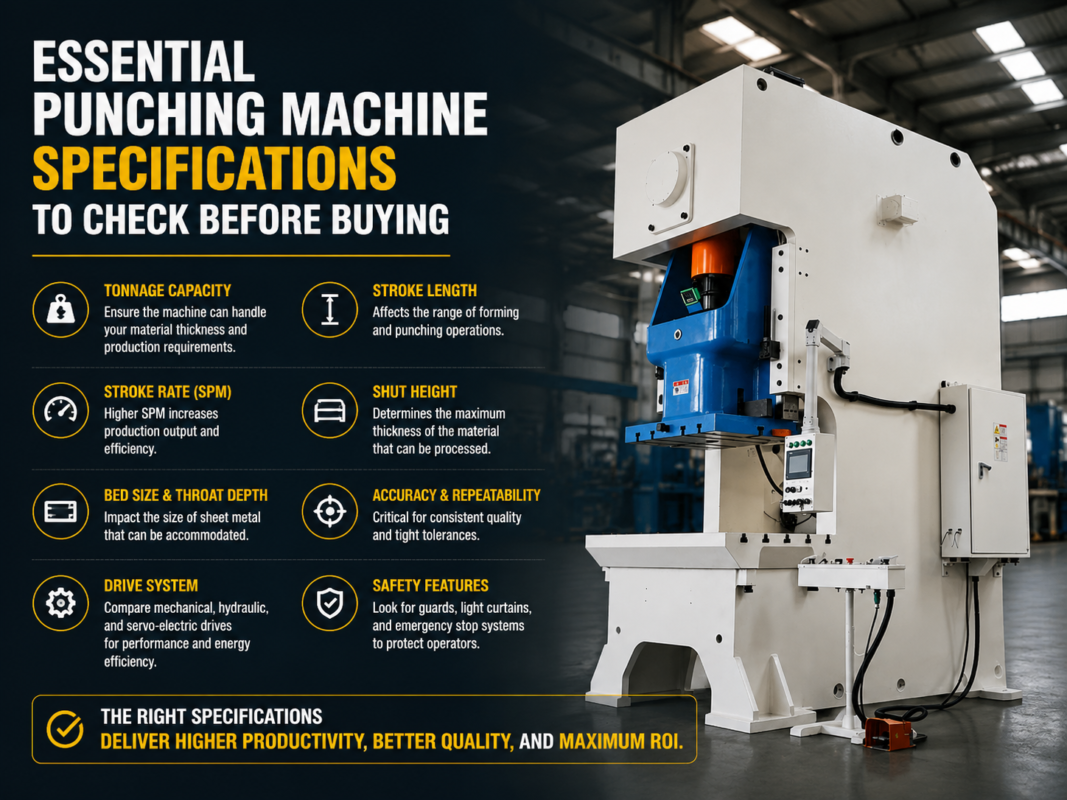
Beyond tonnage, you must match the physical dimensions of the press to your parts. The “stroke” is the distance the ram travels, while “daylight” is the maximum distance between the bed and the ram. If you are deep drawing a 10-inch bowl, you need a stroke and daylight significantly larger than 10 inches to accommodate the part and the tooling. Bed size must be large enough to support your largest dies without overhang, which could lead to uneven pressure.
Hidden Costs of Owning a Hydraulic Press
The purchase price is only the beginning. To truly understand the Hydraulic Press Buyer’s : Matching Machine Tonage Application, one must account for the total cost of ownership (TCO).
Installation and Foundation: Large hydraulic presses generate significant vibration and require a stable base. For machines over 200 tons, you may need to pour a reinforced concrete foundation, which can cost thousands of dollars. Additionally, the cost of rigging and professional installation should be factored into the initial budget.
Tooling and Die Sets: A press is useless without the proper dies. High-quality tool steel dies are expensive and require regular maintenance. When calculating tonnage, remember that the complexity of the die (e.g., progressive dies) increases the force required, potentially pushing you into a higher tonnage category.
Energy Consumption: Hydraulic systems can be energy-intensive. Modern presses often utilize servo-motor driven pumps that only run when the machine is moving, significantly reducing electricity bills compared to traditional constant-run motors. While the upfront cost of a servo-system is higher, the long-term energy savings are substantial.
Maintenance and Fluid Management: Hydraulic oil must be kept clean and cool. This requires regular filter changes and occasional oil replacement. Heat exchangers or chillers may be necessary in hot environments to prevent oil degradation, adding to both the initial and operational costs.
ROI Calculation: Justifying the Investment
Calculating the Return on Investment (ROI) for a hydraulic press involves more than just looking at the parts produced per hour. You must consider the reduction in scrap, the ability to take on more complex jobs, and labor savings.
For example, if a new 300-ton HARSLE press allows you to combine three separate manual operations into one automated cycle using a progressive die, your labor costs per part drop by 66%. Furthermore, the increased precision of a high-quality press reduces the scrap rate. If your current scrap rate is 5% and the new machine brings it down to 1%, the material savings alone can contribute significantly to paying off the machine over 24 to 36 months.
Another factor is uptime. A cheaper, lower-quality machine might have a lower purchase price, but if it breaks down once a month, the lost production time will quickly eclipse the initial savings. Investing in a reputable brand like HARSLE ensures better build quality and faster access to support, maximizing your machine’s “green light” time.
Buying Advice: A Step-by-Step Selection Process
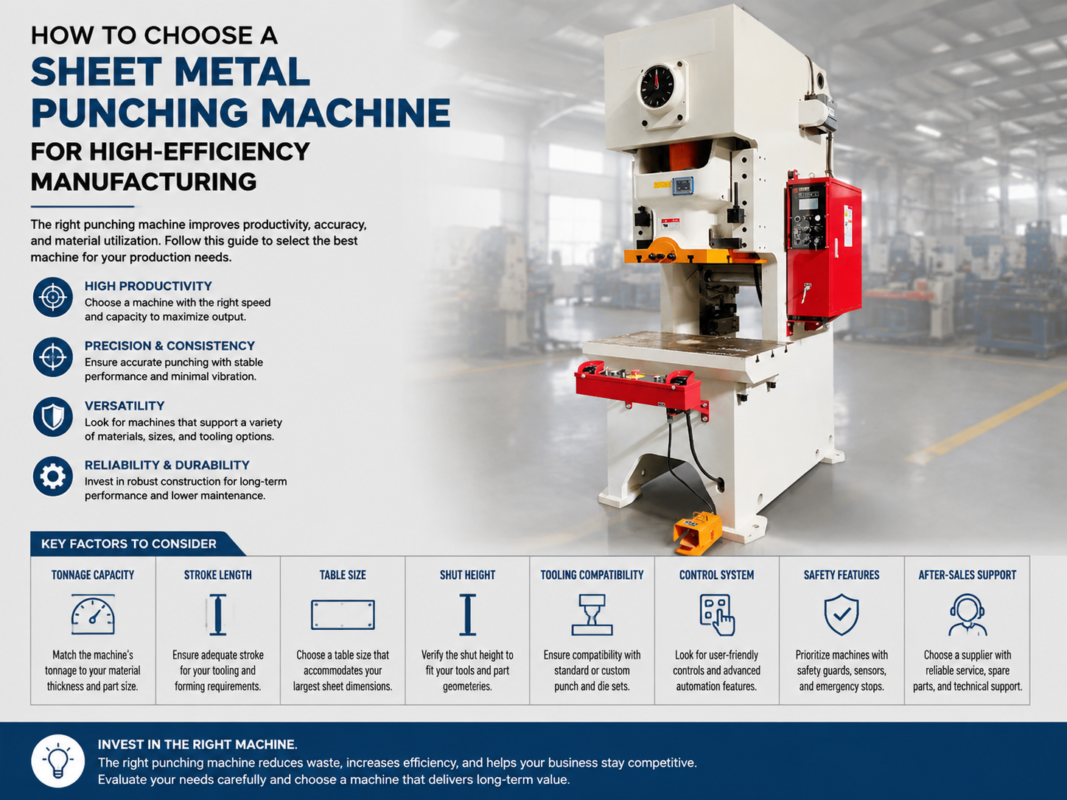
To ensure you are Matching Machine Tonage Application correctly, follow this systematic approach:
- Calculate Required Force: Use the formula: Force (Tons) = Area (sq in) x Material Thickness (in) x Shear/Tensile Strength (psi) / 2000. Always add a 20-25% safety margin to this calculation to account for material variations and tool wear.
- Determine the Cycle Speed: How many parts do you need to produce per minute? This will dictate whether you need a high-speed hydraulic system or if a standard pace is sufficient.
- Assess Material Handling: Will the press be fed manually, or do you need integration with a coil feeder or robot? This affects the choice of controller and the physical layout of the press.
- Future-Proofing: Don’t just buy for the jobs you have today. If you anticipate moving into thicker materials or larger parts in the next three years, it is often more cost-effective to buy a slightly larger press now than to replace the machine later.
- Evaluate the Manufacturer: Look for a partner, not just a vendor. Does the manufacturer offer training? What is their warranty policy? Do they have a proven track record in your specific industry?
Frequently Asked Questions (FAQ)
How do I know if I need a mechanical or hydraulic press?
Mechanical presses are generally faster and better for high-volume, shallow stamping. Hydraulic presses offer full tonnage throughout the entire stroke, adjustable stroke lengths, and are better suited for deep drawing, heavy forming, and applications where the material thickness varies.
Can I use a 200-ton press for a 50-ton job?
Yes, you can. Hydraulic presses allow you to adjust the pressure. However, using a massive press for tiny parts is inefficient in terms of energy and floor space. It can also be harder to achieve high precision on very small parts with a giant ram.
What are the signs that my press is under-tonnage for the application?
If the ram stalls before completing the stroke, or if you notice the hydraulic relief valves constantly opening, the machine is struggling. Repeatedly maxing out a press can lead to frame fatigue, oil overheating, and seal failure.
How often should I change the hydraulic oil?
This depends on usage, but a general rule is every 2,000 to 4,000 hours of operation. However, you should perform oil analysis every six months to check for contaminants and additive depletion. Keeping oil clean is the single best way to extend the life of your hydraulic components.
Is CNC control necessary for a hydraulic press?
It is not strictly necessary for simple, repetitive tasks. However, for complex forming where you need to control the ram speed at different points in the stroke, or if you switch between many different dies, CNC control is a game-changer for setup speed and part consistency.
Conclusion
Selecting the right hydraulic press is a balancing act between technical requirements and financial constraints. By focusing on the Hydraulic Press Buyer’s : Matching Machine Tonage Application, you ensure that your facility is equipped with a tool that is both capable and cost-effective. Whether you are looking at a compact C-frame for assembly or a massive four-column press for heavy industrial forming, understanding the cost drivers and configuration options is key. HARSLE remains committed to helping manufacturers find the perfect fit for their production needs, providing the power and precision required to stay competitive in today’s demanding market.