What to Look for When Buying a Hydraulic Press for Pressing, Forming, and Punching


Introduction to Hydraulic Press Selection
In the world of metal fabrication, the hydraulic press remains a cornerstone of production. Whether you are a small workshop or a large-scale industrial facility, knowing what to look for when buying a hydraulic press for pressing, forming, and punching is critical to your long-term success. These machines utilize Pascal’s Law to generate immense force, allowing for the manipulation of heavy-gauge metals with precision and ease. However, the market is flooded with various configurations, tonnages, and technological features, making the selection process daunting.
HARSLE has been at the forefront of providing high-quality hydraulic solutions, and we understand that a press is more than just a piece of iron; it is an investment in your company’s capability. When you look when buying a hydraulic press pressing, forming, punching, you must consider not only the immediate force requirements but also the versatility, speed, and safety of the equipment. This guide will walk you through every technical and financial aspect to ensure you make an informed decision.
Price Range Overview: Understanding the Market
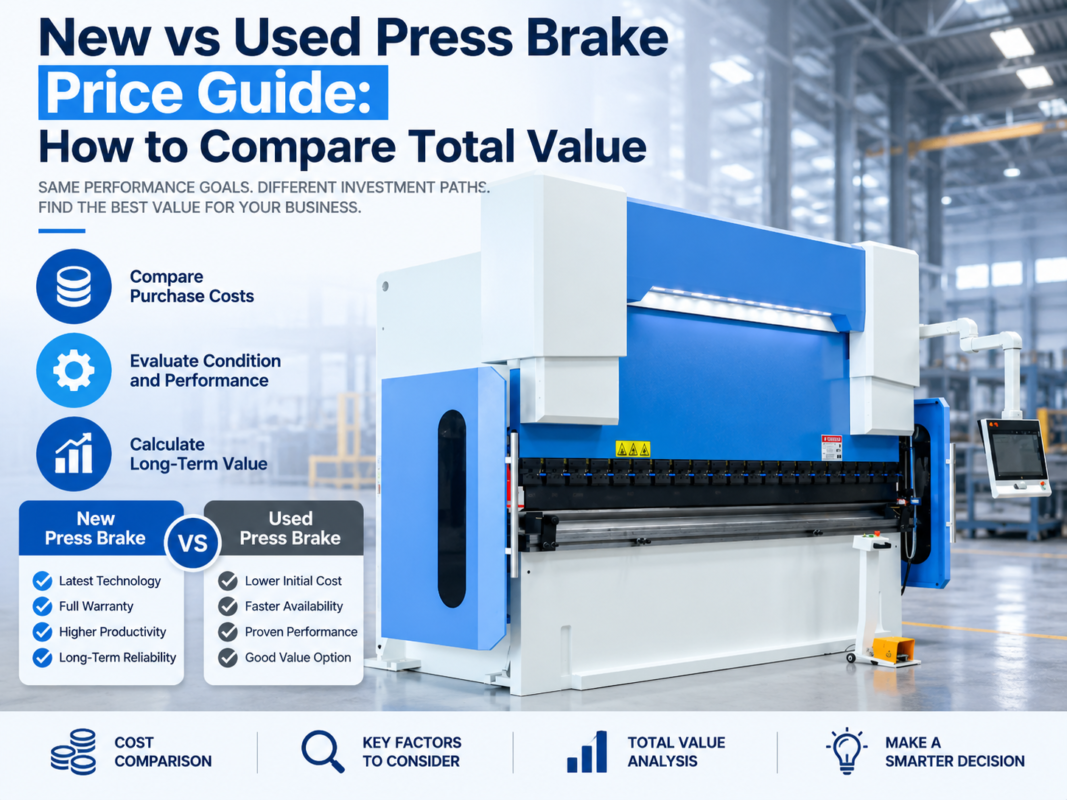
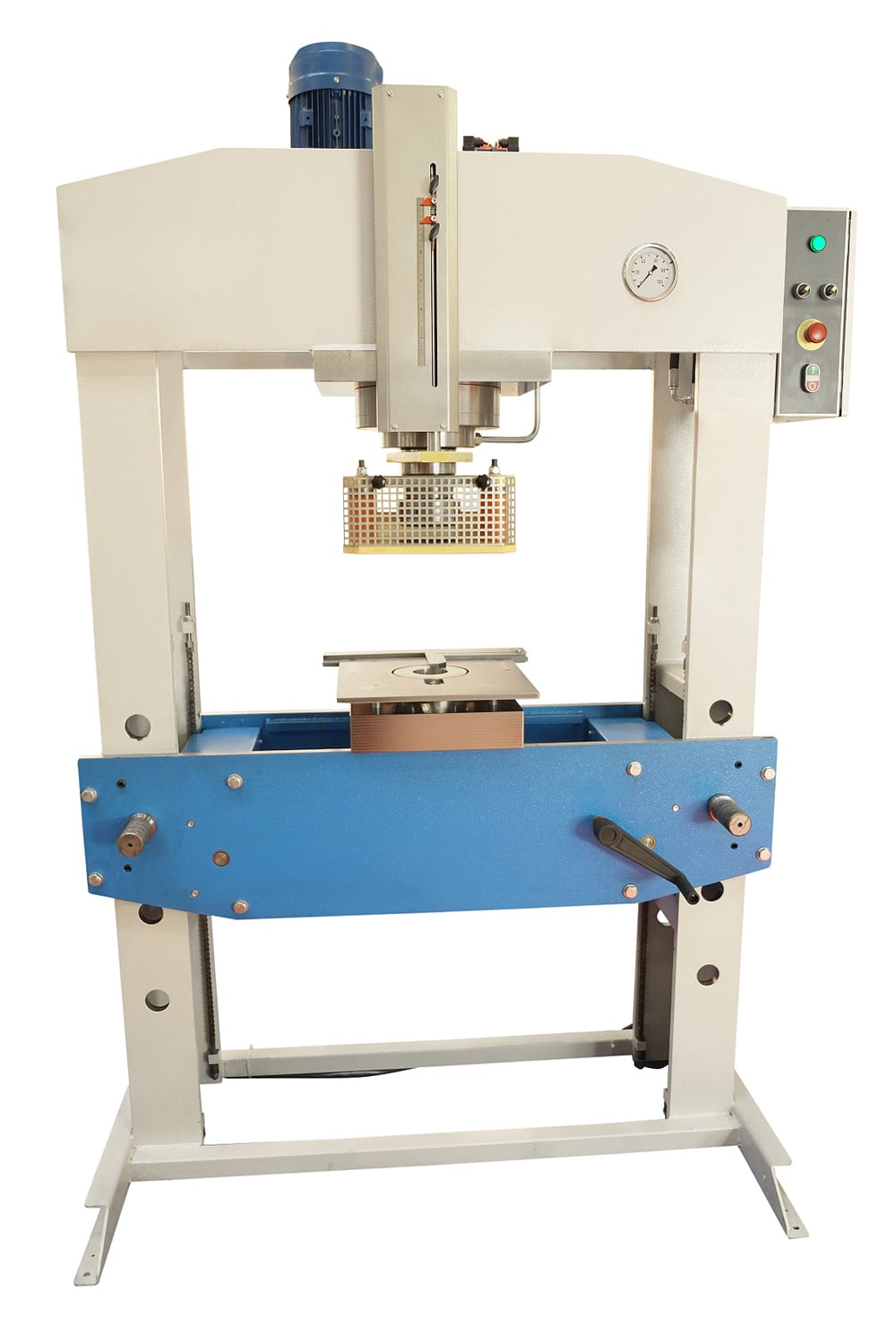
The cost of a hydraulic press varies significantly based on its capacity, frame design, and level of automation. Generally, the market can be divided into three primary tiers. Entry-level machines, often C-frame or benchtop models ranging from 10 to 50 tons, typically cost between $5,000 and $25,000. These are ideal for light punching and small-scale assembly tasks where high precision is required but high volume is not the primary goal.
Mid-range presses, which include the popular 100-ton to 500-ton H-frame and four-column models, usually fall within the $30,000 to $150,000 range. These machines are the workhorses of the industry, capable of complex deep drawing, heavy forming, and multi-stage punching. They often feature advanced PLC controls and improved safety mechanisms. At this level, the build quality and the reliability of the hydraulic components become paramount to avoid costly downtime.
High-end and custom-engineered hydraulic presses can exceed $250,000. These are often massive machines with tonnages exceeding 1,000 tons, equipped with servo-hydraulic systems, automated material handling, and specialized tooling interfaces. When you look when buying a hydraulic press pressing, forming, punching at this level, you are paying for extreme precision, high cycle speeds, and the ability to integrate the machine into a fully automated Industry 4.0 production line.
Main Cost Drivers in Hydraulic Press Acquisition
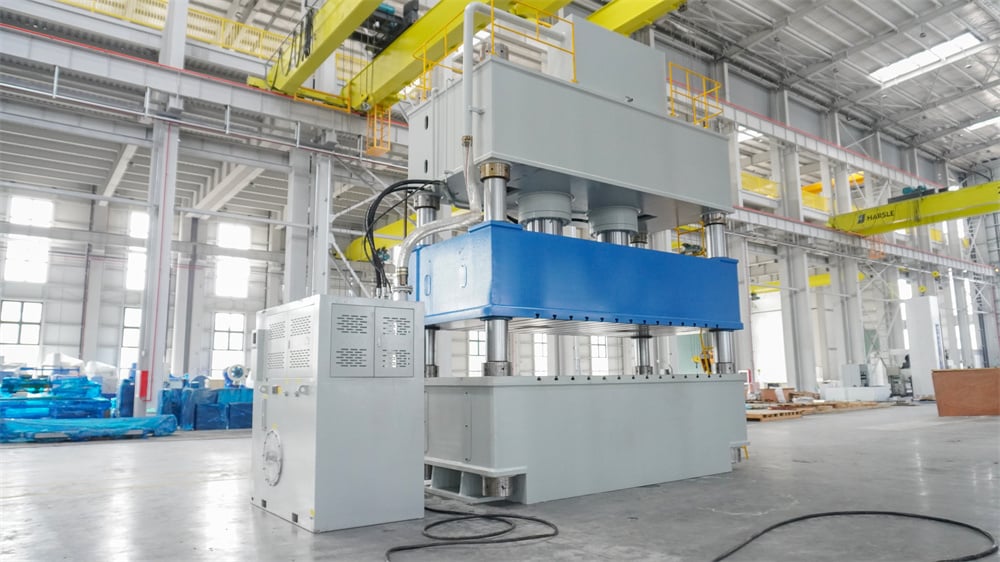
Several factors dictate the final price of a hydraulic press. The most obvious is Tonnage. The more force a machine can exert, the more steel is required for the frame and the larger the hydraulic cylinders and pumps must be. However, tonnage is not the only factor. The Frame Design plays a massive role; a four-column press offers excellent accessibility but may require more robust engineering to maintain alignment under off-center loads compared to a heavy-duty H-frame (straight-side) press.
Stroke Length and Daylight are also significant cost drivers. A larger daylight (the distance between the bolster and the slide) and a longer stroke allow for the processing of larger parts, but they necessitate longer cylinders and more substantial structural support. If your application involves deep drawing, you cannot compromise on these dimensions, even if they increase the initial purchase price.
The Control System is another major variable. A basic manual valve system is inexpensive but lacks the precision and safety of a modern PLC-controlled system with a touch-screen HMI. Advanced systems allow for programmable pressure, speed, and position, which are essential for consistent quality in forming and punching operations. Furthermore, the inclusion of high-quality hydraulic components from reputable brands like Rexroth or Vickers will increase the cost but significantly reduce long-term maintenance issues.
Configuration Impact: Tailoring the Machine to Your Needs
When you look when buying a hydraulic press pressing, forming, punching, the configuration must match your specific application. For Punching, the press must handle high-impact loads and rapid cycles. This often requires a reinforced frame and specialized shock absorbers to prevent the vibration from damaging the hydraulic seals over time. A press designed solely for slow forming may fail prematurely if used for high-speed punching.
For Forming and Deep Drawing, the press often requires a hydraulic cushion or a blank holder. This feature provides controlled resistance during the forming process, preventing wrinkles and ensuring uniform material thickness. Without a properly configured cushion, complex forming tasks become nearly impossible to execute with high quality. HARSLE offers specialized Y27 and Y32 series presses that are specifically optimized for these types of demanding applications.
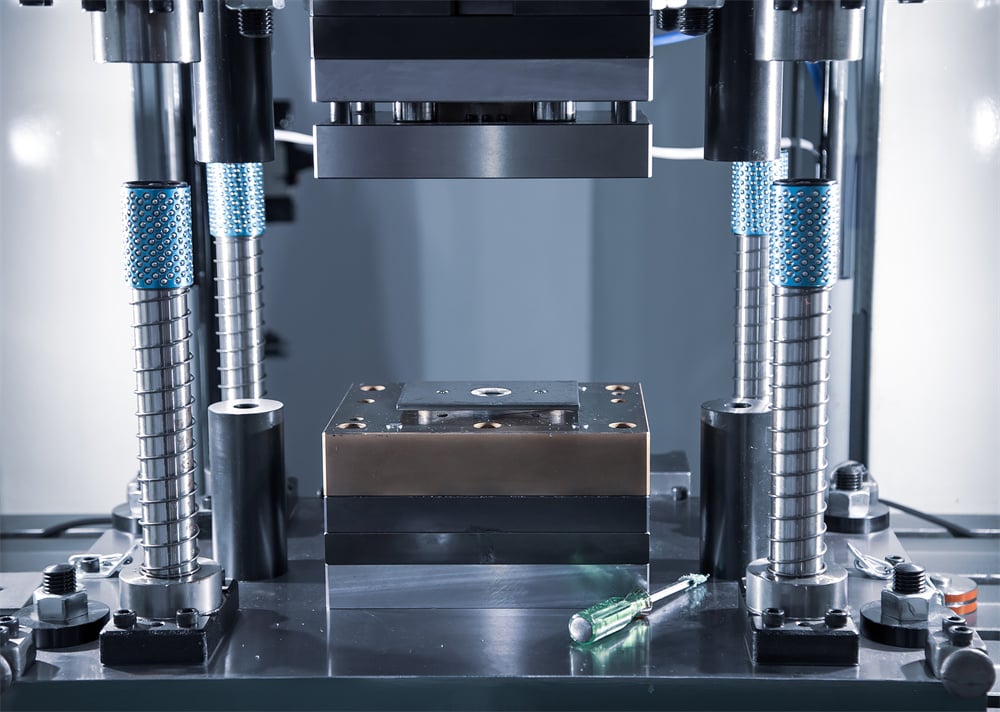
The choice between Standard Hydraulics and Servo-Hydraulic Systems is perhaps the most impactful configuration decision today. Servo-driven hydraulic presses use a servo motor to drive the hydraulic pump, meaning the motor only runs when the machine is moving or under pressure. This can reduce energy consumption by up to 70%, significantly lower noise levels, and provide much tighter control over the pressing cycle. While the upfront cost is higher, the operational savings and improved part quality often justify the investment.
Hidden Costs: What Lies Beneath the Surface
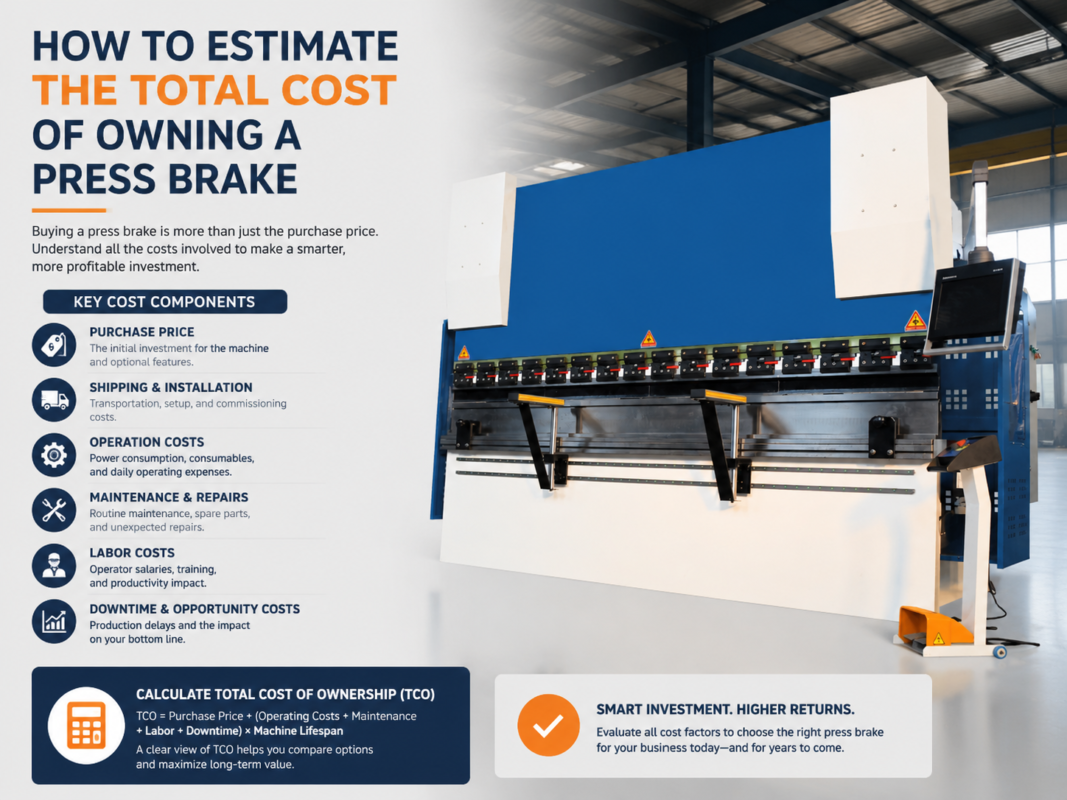
The purchase price is only one part of the total cost of ownership. One of the most overlooked hidden costs is Foundation and Installation. Large hydraulic presses exert massive forces into the floor; if your factory floor is not thick enough or lacks proper reinforcement, the press can shift or even crack the concrete. Professional rigging and leveling are also required to ensure the machine operates within its specified tolerances.
Oil and Cooling Systems are another ongoing expense. A large press can require hundreds of gallons of specialized hydraulic oil, which must be filtered and occasionally replaced. Furthermore, hydraulic systems generate heat. Depending on your duty cycle and ambient temperature, you may need an external water-cooling or air-cooling system to keep the oil at the optimal operating temperature, preventing seal degradation and maintaining consistent viscosity.
Finally, consider Training and Tooling. A sophisticated CNC hydraulic press is only as good as the operator. Investing in comprehensive training for your staff is essential to maximize the machine’s potential and ensure safe operation. Additionally, the cost of custom dies and punches for forming and punching can quickly add up. When you look when buying a hydraulic press pressing, forming, punching, ensure you have a budget allocated for high-quality tooling that matches the machine’s capabilities.
ROI Calculation: Justifying the Investment
Calculating the Return on Investment (ROI) for a hydraulic press involves looking at productivity gains and cost reductions. A modern press from HARSLE can significantly reduce Cycle Times compared to older equipment. If a new press can produce 20% more parts per hour, that directly translates to increased revenue. Furthermore, the precision of modern controls reduces Scrap Rates. In metal forming, where raw material costs are high, reducing waste by even 5% can save thousands of dollars annually.
Labor savings also play a role. Features like automated die change systems, light curtains for faster loading/unloading, and programmable cycles allow operators to work more efficiently and safely. In some cases, a single high-speed hydraulic press can replace two older, slower machines, reducing the footprint in your factory and lowering your overall labor costs. When you look when buying a hydraulic press pressing, forming, punching, always perform a multi-year projection that includes energy savings from servo technology and reduced maintenance costs from high-quality components.
Buying Advice: A Step-by-Step Checklist
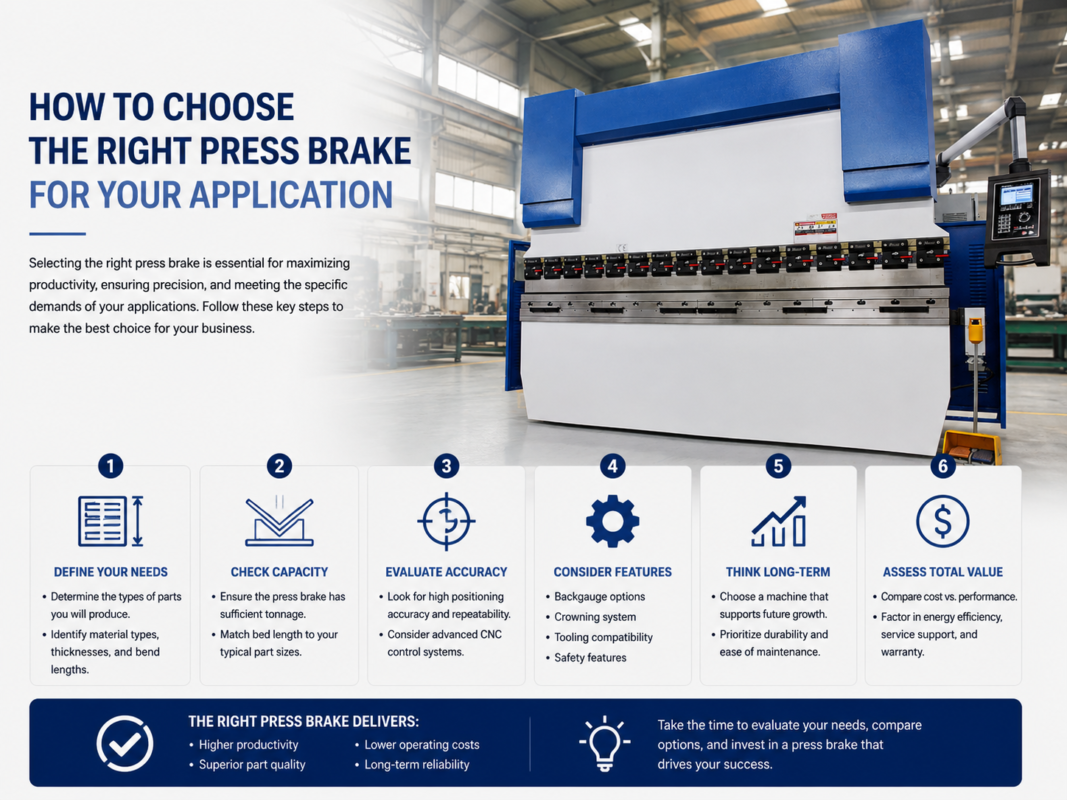
To ensure you choose the right machine, follow this checklist when evaluating your options:
- Define Your Maximum Requirements: Don’t just buy for what you do today. Consider the thickest material and largest parts you might need to process in the next 5 years.
- Evaluate Frame Rigidity: For punching and high-precision forming, a rigid frame is non-negotiable. Look for heavy welded steel structures that have been stress-relieved.
- Check the Speed Specs: Look at the approach speed, pressing speed, and return speed. High approach and return speeds reduce non-productive time.
- Safety First: Ensure the machine complies with local safety standards (like CE or OSHA). Look for dual-hand start buttons, emergency stops, and light curtains.
- Vendor Reputation: Choose a manufacturer like HARSLE that offers robust after-sales support, readily available spare parts, and a proven track record in the industry.
- Test with Your Material: If possible, have the manufacturer run a test with your specific material and dies to verify the results before final payment.
Technical Comparison Table
| Feature | C-Frame Press | H-Frame Press | 4-Column Press |
|---|---|---|---|
| Best For | Small parts, assembly | Heavy forming, punching | Deep drawing, large dies |
| Accessibility | Excellent (3 sides) | Good (Front/Back) | Excellent (4 sides) |
| Rigidity | Moderate | Very High | High |
| Cost | Lower | Higher | Moderate to High |
Frequently Asked Questions (FAQ)
1. What tonnage do I need for punching?
Tonnage for punching is calculated based on the perimeter of the cut, the thickness of the material, and its shear strength. A general formula is: Tonnage = (Perimeter x Thickness x Shear Strength) / 2000. Always add a 20% safety margin to avoid running the press at its absolute limit.
2. Can I use a forming press for punching?
Yes, but with caution. Punching creates a “breakthrough” shock when the material yields. If the press isn’t designed for this, it can damage the hydraulics. Ensure your press has shock dampers or is rated for punching applications.
3. How often should I change the hydraulic oil?
Typically, hydraulic oil should be checked every 1,000 hours and replaced every 2,000 to 4,000 hours, depending on the environment and usage. Using high-quality filtration can extend this interval.
4. What is the advantage of a servo-hydraulic press?
The main advantages are energy efficiency (up to 70% savings), reduced noise, less heat generation, and much higher precision in stroke and pressure control.
5. Is a 4-column press better than an H-frame?
It depends on the application. 4-column presses offer great access for large dies and are excellent for even pressure distribution. H-frames are generally more rigid and better at handling off-center loads.
6. What safety features are essential?
At a minimum, you should have light curtains, dual-hand control buttons, an emergency stop, and a safety interlock on the rear and side guards.
7. How does stroke length affect my production?
Stroke length determines how deep you can form a part or how much clearance you have to remove a finished piece. A longer stroke is more versatile but can slightly increase cycle times if not programmed correctly.
8. Why choose HARSLE for a hydraulic press?
HARSLE combines advanced engineering with cost-effective manufacturing, providing machines that feature world-class components, intuitive controls, and exceptional durability for pressing, forming, and punching tasks.
Conclusion
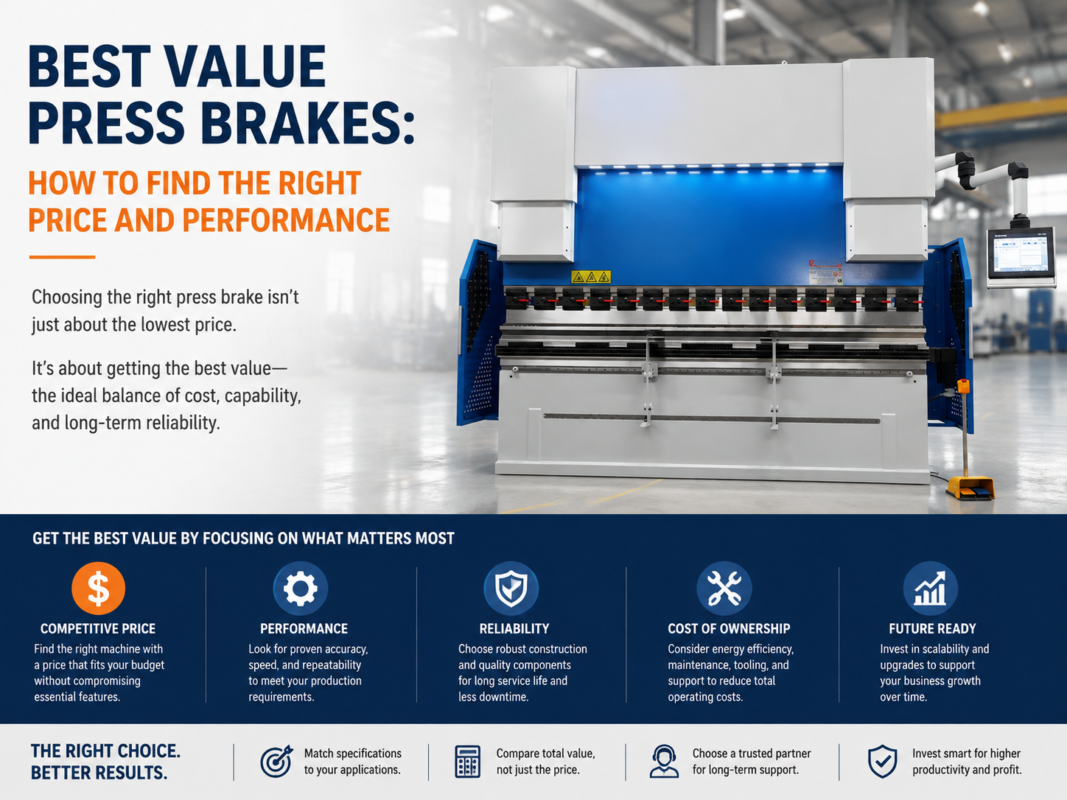
Choosing the right hydraulic press is a balance of technical requirements, budget constraints, and future growth plans. By focusing on what to look for when buying a hydraulic press for pressing, forming, and punching—specifically tonnage, frame type, control systems, and total cost of ownership—you can secure a machine that will serve your business for decades. Remember that the cheapest option is rarely the most cost-effective in the long run. Invest in quality, prioritize safety, and partner with a manufacturer like HARSLE that understands the nuances of metal fabrication.