Laser Cutting Machine Uses In Aerospace Parts Production: A Comprehensive Guide for High-Precision Manufacturing


Introduction to Laser Cutting in the Aerospace Sector
The aerospace industry represents the pinnacle of engineering excellence, where every component must meet the most stringent safety and performance standards. In this high-stakes environment, the role of advanced manufacturing technology is paramount. Among these technologies, the Laser Cutting Machine Uses In Aerospace Parts Production have become indispensable. From the intricate cooling holes in turbine blades to the massive structural ribs of a fuselage, laser cutting provides the precision, speed, and versatility required to handle the complex geometries and exotic materials common in aviation and space exploration.
As global demand for more fuel-efficient and lightweight aircraft grows, manufacturers are turning to fiber laser technology to replace traditional mechanical cutting and chemical etching processes. This transition is driven by the need for tighter tolerances and the ability to process advanced alloys without inducing mechanical stress. In this comprehensive guide, we will explore the specific applications, technical requirements, and strategic benefits of utilizing high-performance laser cutting machines in the aerospace supply chain.

Application Scenario: Where Laser Cutting Excels in Aerospace
The application of laser cutting in aerospace is broad, spanning across commercial aviation, military defense, and space launch vehicles. One of the primary scenarios involves the production of engine components. Jet engines operate under extreme temperatures and pressures, requiring parts made from heat-resistant superalloys. Laser cutting is used to create precise profiles for combustion liners, exhaust nozzles, and heat shields. The ability to cut these hardened materials with minimal thermal distortion is a key advantage of the laser process.
Another critical application scenario is the fabrication of airframe structural components. Modern aircraft utilize a mix of aluminum alloys and titanium to balance weight and strength. Laser cutting machines are employed to produce wing ribs, stringers, and brackets. These parts often feature complex cutouts to reduce weight without compromising structural integrity. The high repeatability of CNC-controlled lasers ensures that every part in a production run is identical, which is vital for the assembly of large-scale airframes where fitment must be perfect.
Interior components and ducting also benefit significantly from laser technology. Environmental Control Systems (ECS) require complex ductwork often made from thin-gauge stainless steel or aluminum. Laser cutting allows for the rapid production of these parts with clean edges that require little to no post-processing. Furthermore, the flexibility of laser systems makes them ideal for prototyping new designs or producing small batches of specialized parts for satellite housings and instrumentation panels.
Finally, the repair and overhaul (MRO) sector utilizes laser cutting for the precision removal of damaged sections of aircraft skin or engine components. By using portable or highly flexible 5-axis laser systems, technicians can perform surgical-grade cuts that allow for seamless patches and repairs, extending the service life of expensive aerospace assets.
Material and Process Requirements for Aerospace Grade Cutting
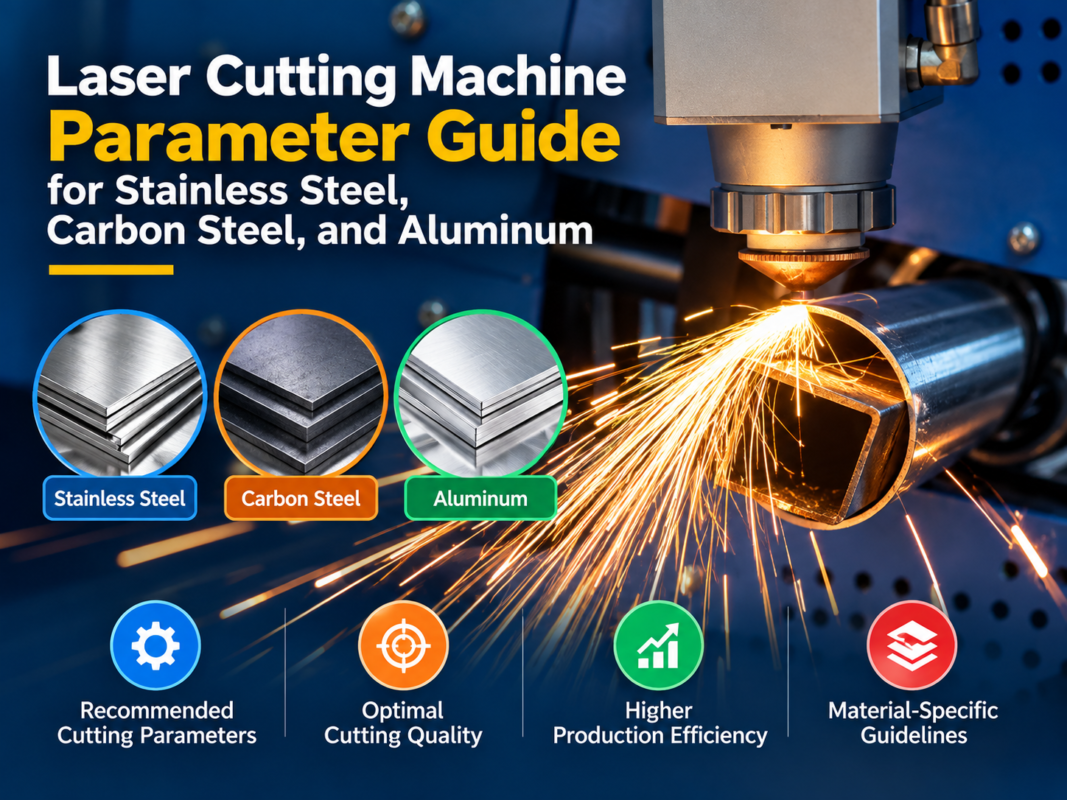
Aerospace materials are notoriously difficult to machine. The industry relies heavily on Titanium alloys (such as Ti-6Al-4V), Nickel-based superalloys (like Inconel), and high-strength Aluminum (2000 and 7000 series). These materials are chosen for their high strength-to-weight ratios and corrosion resistance, but they also pose challenges for thermal cutting processes. The Laser Cutting Machine Uses In Aerospace Parts Production must be calibrated to handle these specific material properties to avoid compromising the metallurgical integrity of the part.
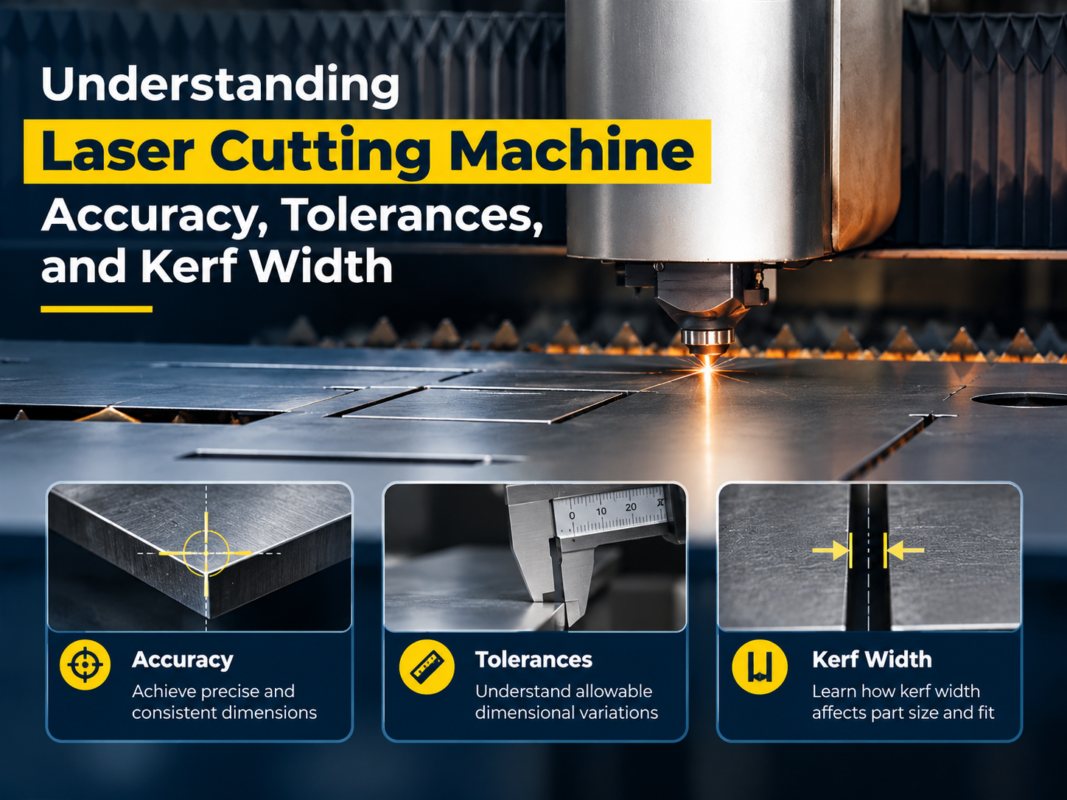
One of the most critical process requirements is the management of the Heat Affected Zone (HAZ). In aerospace, an excessive HAZ can lead to micro-cracking or changes in the material’s grain structure, which could result in catastrophic failure under flight stresses. High-quality fiber lasers minimize the HAZ by using a concentrated, high-energy beam that vaporizes material almost instantaneously. By optimizing cutting speeds and pulse frequencies, manufacturers can achieve a narrow kerf and a very small HAZ, often meeting the strict NADCAP (National Aerospace and Defense Contractors Accreditation Program) standards.
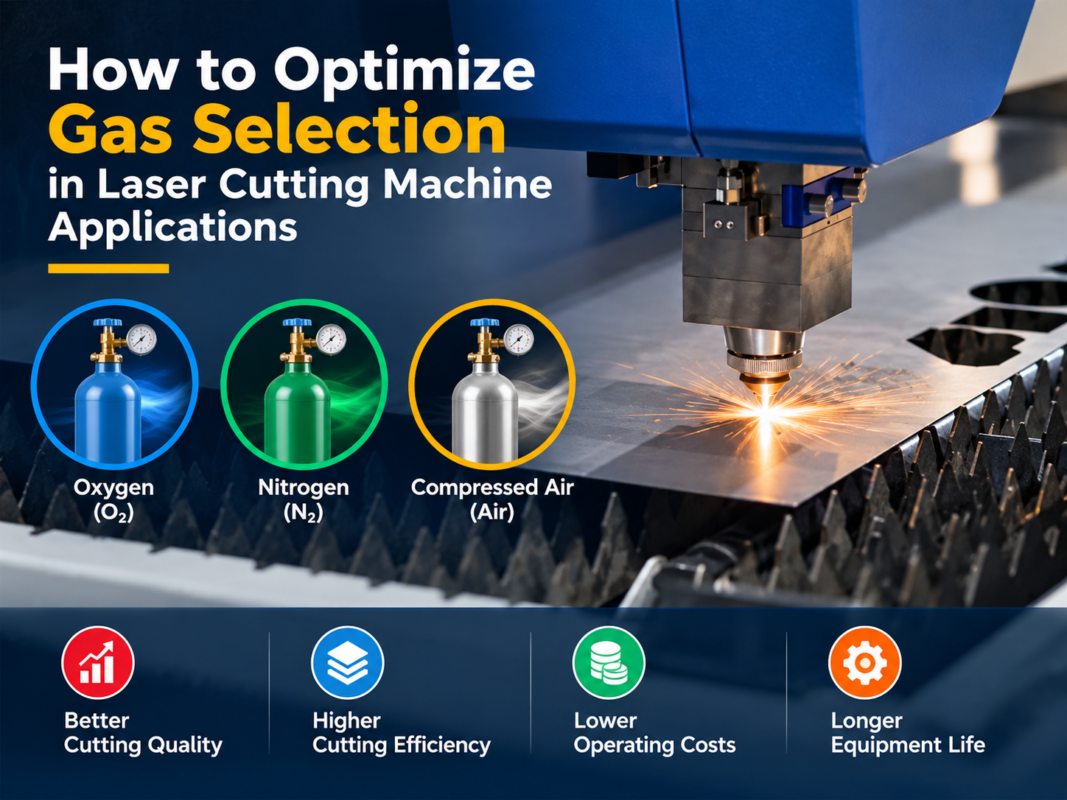
Surface finish and edge quality are equally important. Aerospace parts often require a dross-free finish to prevent stress risers. This necessitates the use of high-purity assist gases, typically Nitrogen or Oxygen, depending on the material. Nitrogen is preferred for stainless steel and titanium to prevent oxidation on the cut edge, ensuring the part is ready for welding or final assembly without secondary grinding. The pressure and flow rate of these gases must be precisely controlled by the laser machine’s CNC system to maintain consistency across varying thicknesses.
Furthermore, the process must account for material reflectivity. Aluminum and copper alloys are highly reflective, which can damage the laser source if back-reflections occur. Modern fiber lasers are equipped with back-reflection protection and specific beam parameters to safely and efficiently cut these materials. The integration of height-sensing nozzles is also a requirement, as it maintains a constant standoff distance even if the material has slight undulations, ensuring a uniform cut quality across the entire workpiece.
Recommended Machine Configuration for Aerospace Applications
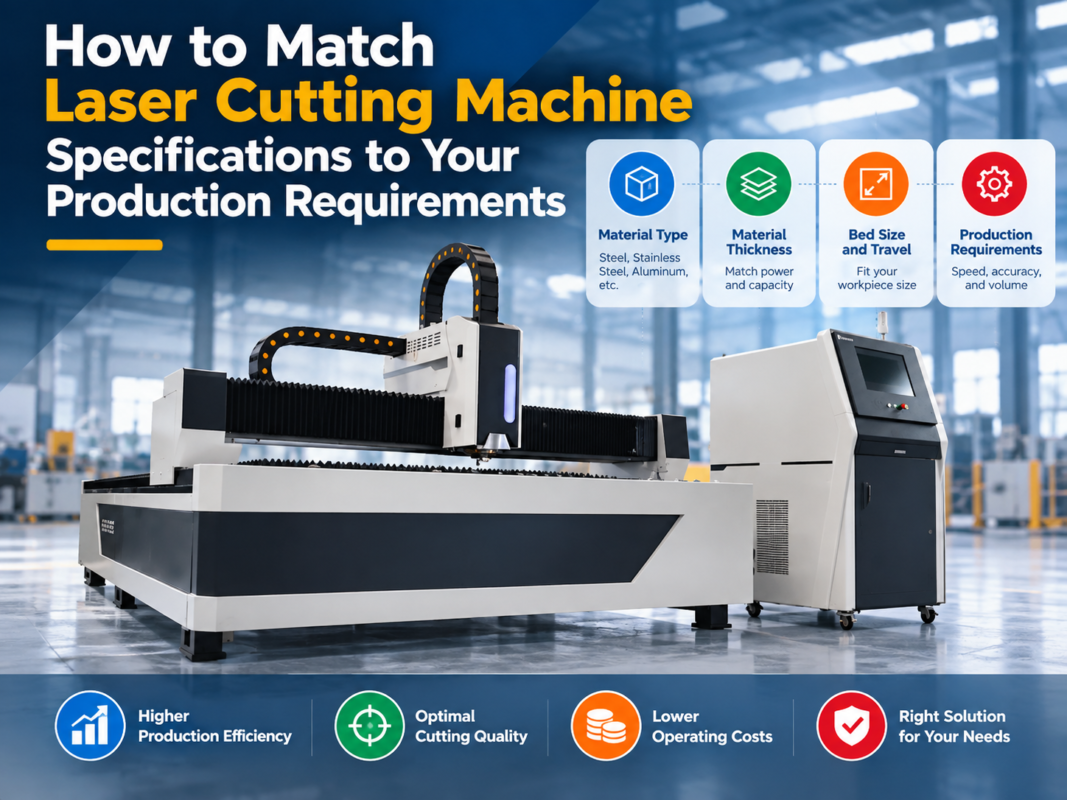
To meet the rigorous demands of the aerospace industry, a standard entry-level laser will not suffice. The recommended configuration starts with a high-power Fiber Laser source, typically ranging from 6kW to 20kW. Fiber lasers are preferred over CO2 lasers for aerospace because of their superior beam quality, higher absorption rate in metals, and lower maintenance requirements. A higher wattage allows for faster cutting speeds on thin materials and the ability to process thicker plates of titanium or inconel with high precision.
The motion system of the machine is another critical factor. For aerospace parts, which often involve large dimensions and tight tolerances, a gantry-style machine with linear motor drives is highly recommended. Linear motors provide higher acceleration and positioning accuracy compared to traditional rack-and-pinion systems, reducing the vibration that can cause imperfections in the cut edge. The machine bed should be high-strength and thermally stable to prevent any warping during long production cycles.
Key Features Checklist:
- 5-Axis Cutting Head: Essential for cutting 3D contoured parts like formed engine cowlings or curved fuselage sections.
- Automatic Nozzle Changer: Increases productivity by allowing the machine to switch between different material types and thicknesses without manual intervention.
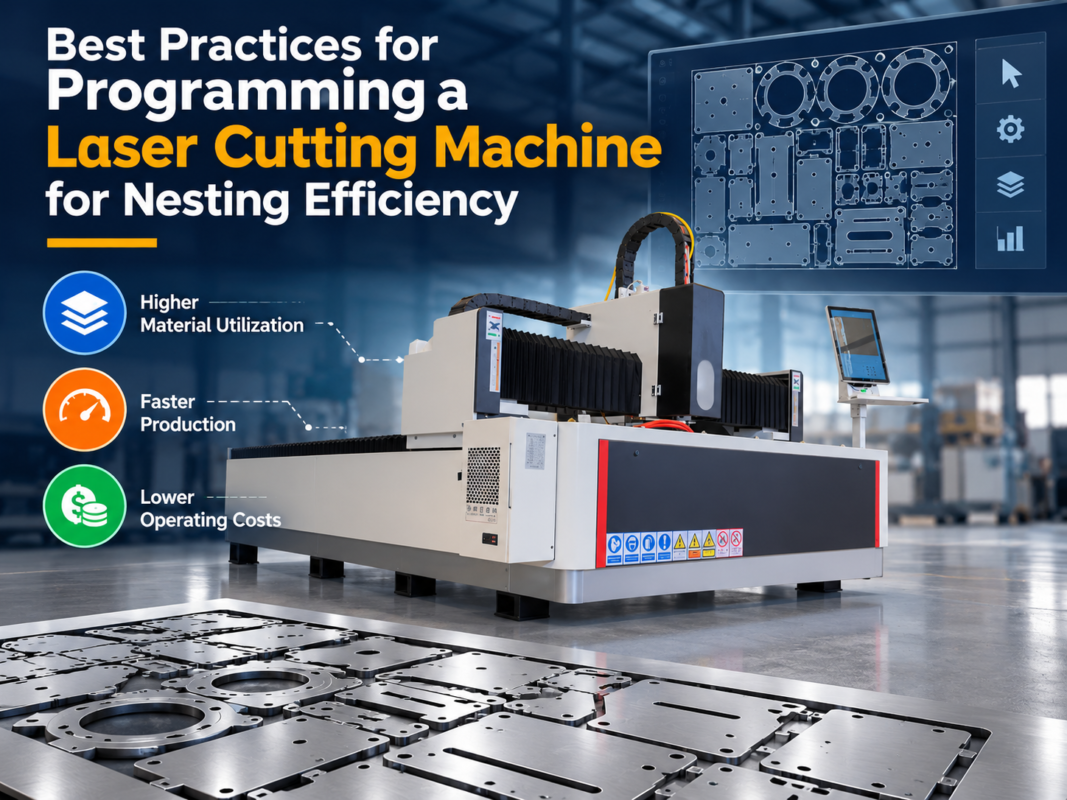
- Advanced Nesting Software: Aerospace materials are expensive; sophisticated nesting algorithms are required to maximize material utilization and reduce scrap.
- Real-time Monitoring Systems: Sensors that monitor the cutting process, detecting nozzle clogs or beam deviations, are vital for maintaining quality standards.
- Dust and Fume Extraction: Aerospace materials like titanium produce fine, potentially combustible dust; a robust filtration system is a safety requirement.
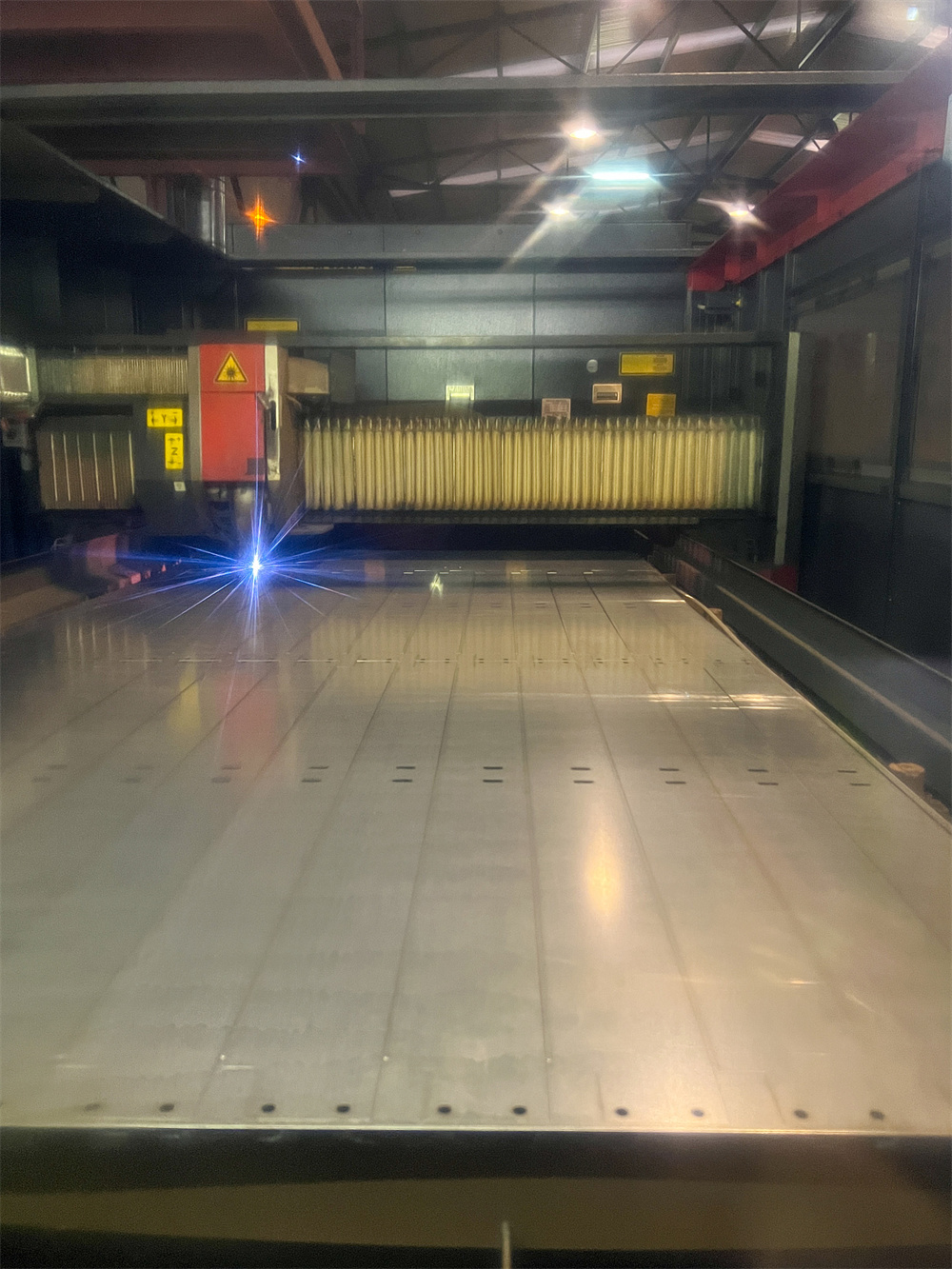
Workflow: From CAD Design to Finished Aerospace Part
The workflow for producing aerospace parts via laser cutting is a highly digital and integrated process. It begins with the creation of a 3D CAD (Computer-Aided Design) model. Because aerospace parts often have complex aerodynamic shapes, the CAD model must be extremely accurate. This model is then imported into CAM (Computer-Aided Manufacturing) software, where the cutting paths are generated. During this stage, engineers determine the optimal lead-ins, lead-outs, and micro-joints to ensure the part remains stable during the cutting process.
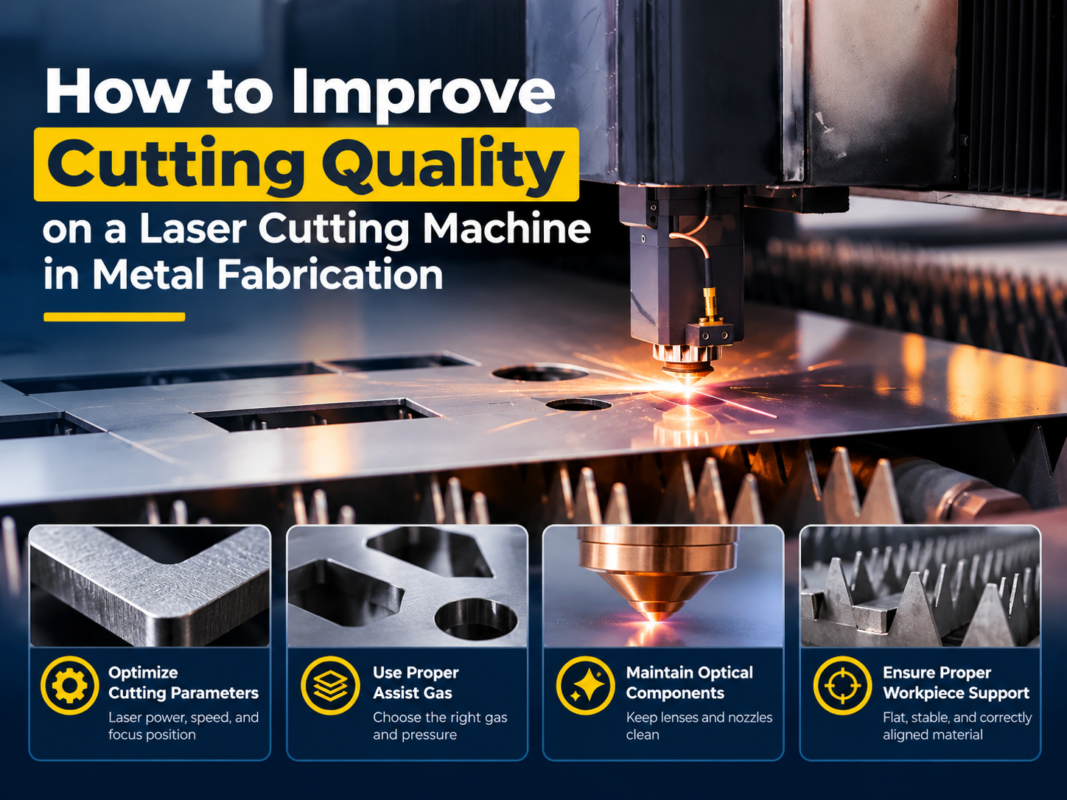
Once the program is ready, the material is loaded onto the machine. In many aerospace facilities, this involves automated loading systems to handle large sheets of expensive alloys safely. The operator selects the appropriate cutting parameters—power, speed, gas pressure, and focal position—based on the material’s specific grade and thickness. Many modern HARSLE machines come with pre-loaded parameter libraries for aerospace-grade materials, significantly reducing setup time.
During the cutting phase, the machine executes the programmed path with micron-level precision. For critical components, the machine may use vision systems to align the cut with pre-existing features or to verify the dimensions of the part in real-time. After the cutting is complete, the parts are unloaded and undergo a rigorous inspection process. This often includes Coordinate Measuring Machine (CMM) checks, non-destructive testing (NDT) for cracks, and surface roughness measurements to ensure compliance with aviation standards.
Productivity Benefits of Laser Cutting in Aerospace
The adoption of Laser Cutting Machine Uses In Aerospace Parts Production offers transformative productivity benefits. The most immediate advantage is the significant reduction in lead times. Traditional methods like mechanical milling or waterjet cutting are considerably slower. A fiber laser can cut through thin-gauge aluminum or stainless steel at speeds exceeding 30 meters per minute, allowing manufacturers to meet tight delivery schedules for modern aircraft programs.
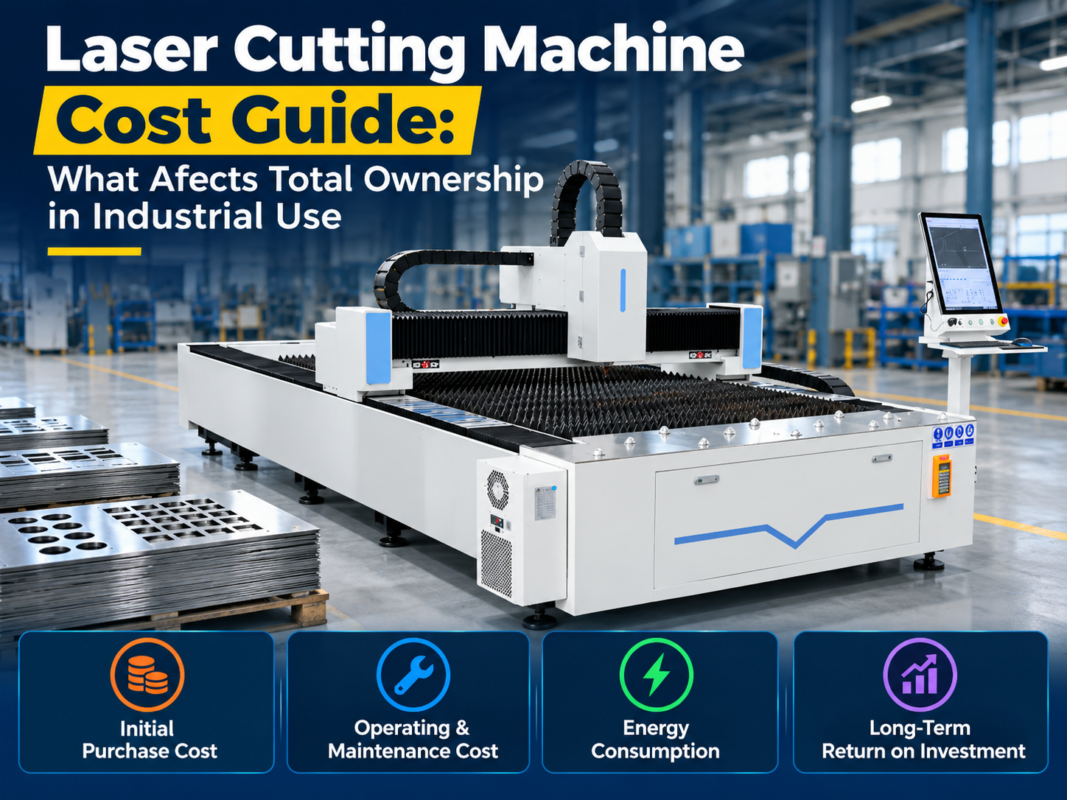
Cost reduction is another major factor. While the initial investment in a high-end laser system is substantial, the cost per part is often much lower than traditional methods. Laser cutting eliminates the need for expensive custom tooling and dies, which are prone to wear and require frequent replacement. Additionally, the narrow kerf of the laser beam allows for tighter nesting of parts, which is crucial when working with high-cost materials like titanium. Reducing scrap by even a small percentage can result in thousands of dollars in savings per production run.
Furthermore, laser cutting enhances design flexibility. In the aerospace industry, design iterations are common as engineers seek to optimize weight and performance. With laser cutting, a design change only requires a quick update to the CAD file, rather than the fabrication of new tools. This agility allows aerospace companies to innovate faster and respond more effectively to changing regulatory or market requirements. The high level of automation also reduces the reliance on manual labor, minimizing the risk of human error and improving overall workplace safety.
Case Example: Turbine Heat Shield Production
To illustrate the effectiveness of laser cutting, consider the production of heat shields for a commercial jet engine. These shields are typically made from Inconel 625, a nickel-chromium alloy known for its high strength and resistance to oxidation at extreme temperatures. Traditional stamping of Inconel is difficult because the material work-hardens rapidly, leading to excessive tool wear and part deformation.
By switching to a HARSLE high-power fiber laser cutting machine, a manufacturer was able to produce these heat shields with zero mechanical stress. The laser’s precision allowed for the inclusion of complex ventilation patterns that were previously impossible to achieve with mechanical punching. The result was a 40% reduction in production time and a 15% improvement in material yield. Moreover, the edge quality was so high that the parts could go directly to the welding station without any edge cleaning, further streamlining the manufacturing pipeline.
Frequently Asked Questions (FAQ)
1. Can laser cutting handle the thickness of structural aerospace plates?
Yes, modern high-power fiber lasers (12kW to 30kW) can easily cut through thick plates of aluminum and stainless steel up to 50mm or more. However, for most aerospace structural components, thicknesses typically range from 2mm to 20mm, which is the “sweet spot” for laser cutting precision and speed.
2. Is laser cutting approved for flight-critical components?
Yes, provided the process is validated and meets industry standards such as AS9100 and NADCAP. Manufacturers must demonstrate that the laser process does not introduce harmful metallurgical changes (like excessive HAZ or micro-cracking) to the material.
3. How does laser cutting compare to waterjet cutting for aerospace?
Waterjet cutting is excellent for very thick materials and does not produce a heat-affected zone. However, laser cutting is significantly faster, cleaner, and more cost-effective for the majority of sheet metal components. Laser cutting also offers better precision for small, intricate details.
4. What maintenance is required for a laser machine in an aerospace environment?
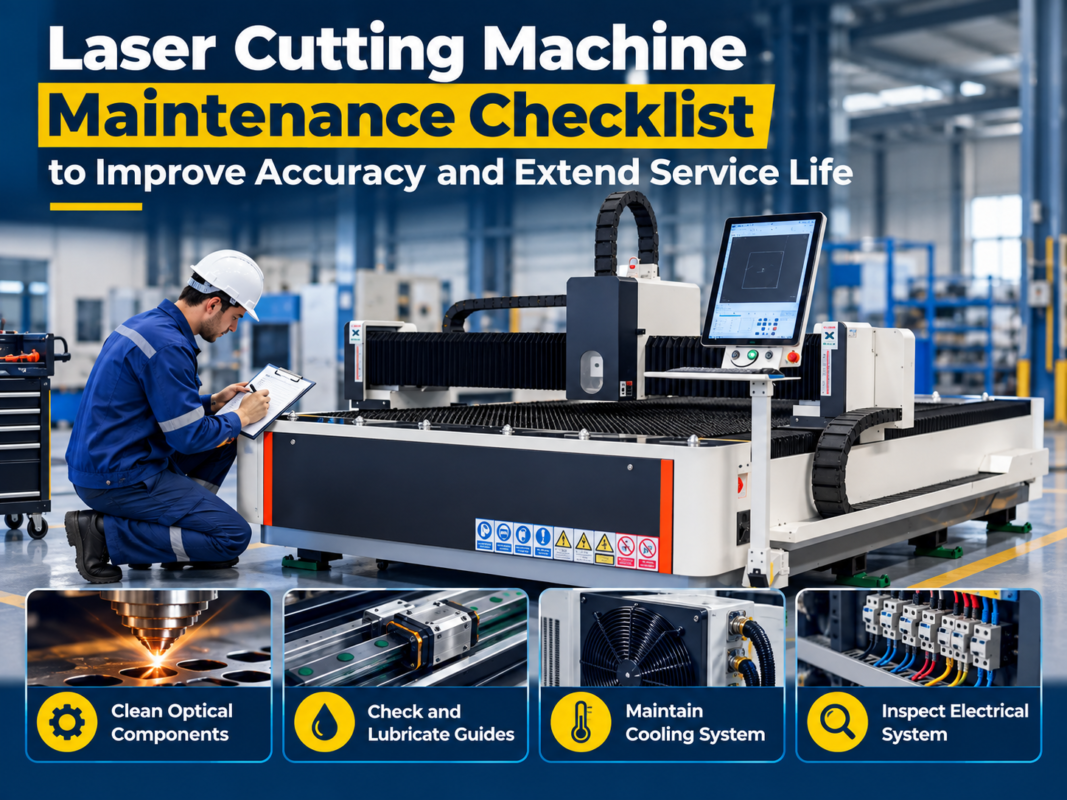
Aerospace production requires high uptime. Regular maintenance includes cleaning the optics, checking the gas delivery system, and ensuring the dust extraction system is functioning correctly. Fiber lasers require much less maintenance than older CO2 technology because they have no moving parts or mirrors in the light generation source.
5. Can a laser cutting machine cut composite materials used in aerospace?
While fiber lasers are optimized for metals, specialized CO2 or UV lasers are often used for cutting carbon fiber reinforced polymers (CFRP). However, cutting composites with lasers requires careful management of the resin’s thermal reaction to prevent delamination.
Conclusion and Call to Action
The Laser Cutting Machine Uses In Aerospace Parts Production are a testament to how advanced technology can drive the future of aviation. By offering unparalleled precision, speed, and material efficiency, laser cutting has become a cornerstone of modern aerospace manufacturing. Whether you are producing engine components, structural airframe parts, or intricate interior fittings, the right laser cutting solution can significantly enhance your production capabilities and competitive edge.
At HARSLE, we specialize in providing high-performance industrial machinery tailored to the rigorous demands of the aerospace sector. Our fiber laser cutting machines are engineered for precision, reliability, and ease of use, ensuring that your facility can meet the highest industry standards. Are you ready to elevate your aerospace manufacturing process? Contact HARSLE today to speak with our technical experts about a customized laser cutting solution for your specific needs. Visit our website to explore our full range of products and take the first step toward manufacturing excellence.