Why Laser Cutting Machines Are Essential for HVAC Duct Fabrication


Introduction to Modern HVAC Duct Fabrication
The Heating, Ventilation, and Air Conditioning (HVAC) industry has undergone a massive transformation over the last decade. As architectural designs become more complex and energy efficiency standards more stringent, the demand for high-precision ductwork has skyrocketed. Traditional methods of duct fabrication, which often relied on manual layout, mechanical shears, or plasma cutters, are increasingly being replaced by advanced fiber laser technology. Today, understanding why laser cutting machines are essential HVAC duct fabrication tools is critical for any workshop looking to remain competitive in a fast-paced market.
HARSLE has been at the forefront of this technological shift, providing state-of-the-art fiber laser cutting machines designed specifically to meet the rigorous demands of sheet metal fabrication. In this comprehensive guide, we will explore the specific application scenarios, material requirements, and productivity benefits that make laser cutting the gold standard for modern HVAC duct production. From reducing material waste to ensuring airtight seals, the advantages of laser technology are undeniable.
Application Scenarios in HVAC Ductwork
HVAC ductwork is not just about straight rectangular tubes; it involves a complex network of fittings, transitions, and specialized components. Laser cutting machines excel in these diverse application scenarios. In commercial construction, for instance, large-scale ventilation systems require massive amounts of ducting with varying diameters and shapes. Fiber lasers can rapidly switch between different patterns, making them ideal for producing elbows, offsets, and square-to-round transitions with zero setup time between different shapes.
In residential HVAC applications, the focus is often on compact designs and high-volume production of standard sizes. Laser cutting machines allow manufacturers to nest hundreds of small parts onto a single sheet of galvanized steel, maximizing throughput. Furthermore, specialized applications such as hospital ventilation or cleanroom environments require stainless steel ductwork. The precision of a laser ensures that these high-end materials are cut without contamination or excessive heat distortion, maintaining the integrity of the material’s anti-corrosive properties.
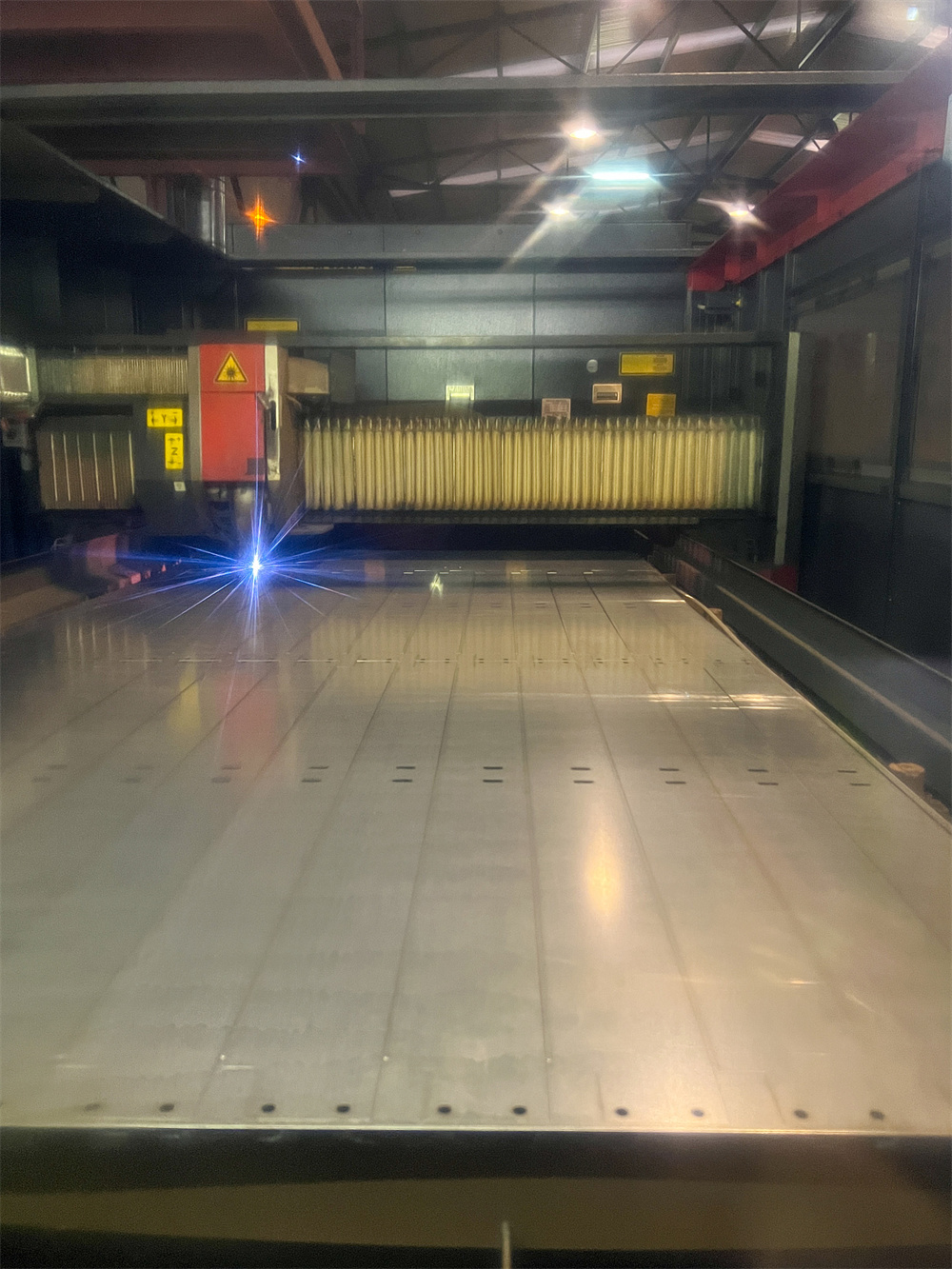
Another critical scenario is the fabrication of industrial exhaust systems. These systems often use thicker gauge materials and require robust joints. Laser cutting provides the clean edges necessary for high-quality welding or mechanical locking. Whether it is a simple residential trunk line or a complex industrial scrub system, the versatility of the laser cutting machine ensures that every piece fits perfectly the first time, reducing onsite installation headaches.
Material and Process Requirements
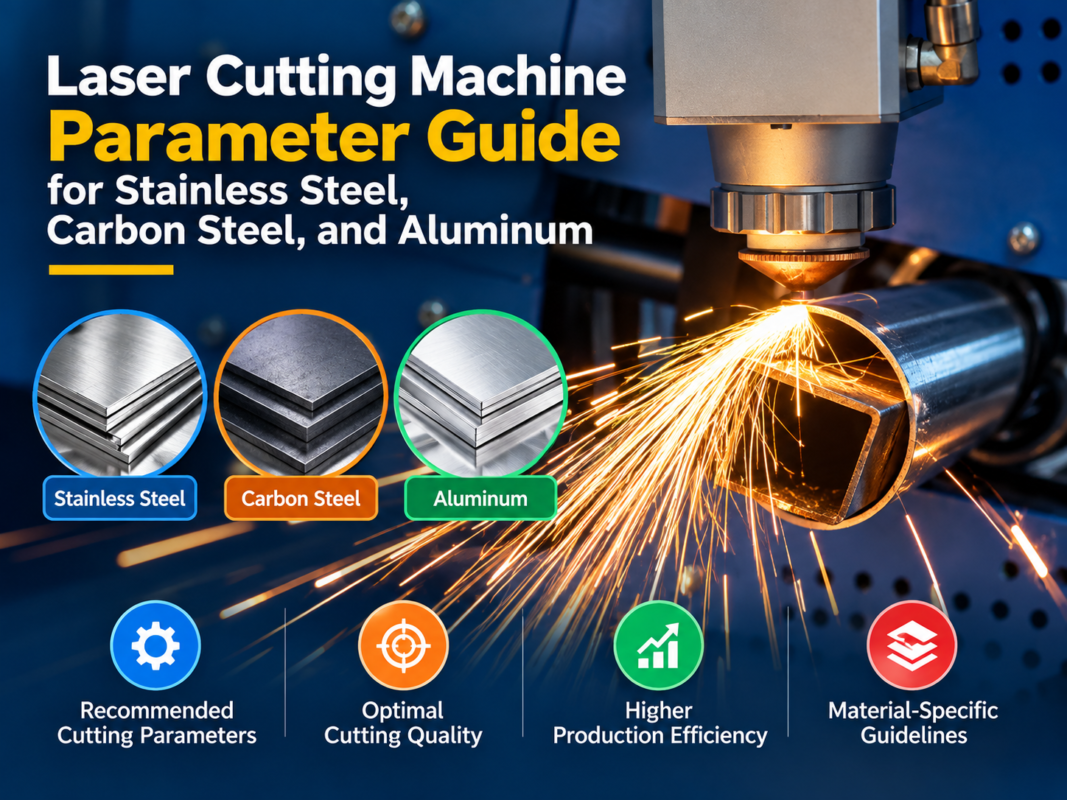
The HVAC industry primarily utilizes galvanized steel, stainless steel, and aluminum. Each of these materials presents unique challenges that laser cutting machines are uniquely equipped to handle. Galvanized steel, the most common material for ductwork, features a zinc coating that can be tricky for older CO2 lasers or plasma cutters. However, modern fiber lasers, like those offered by HARSLE, utilize specific wavelengths that are highly absorbed by the metal, allowing for clean cuts through the zinc layer without significant dross or burning.
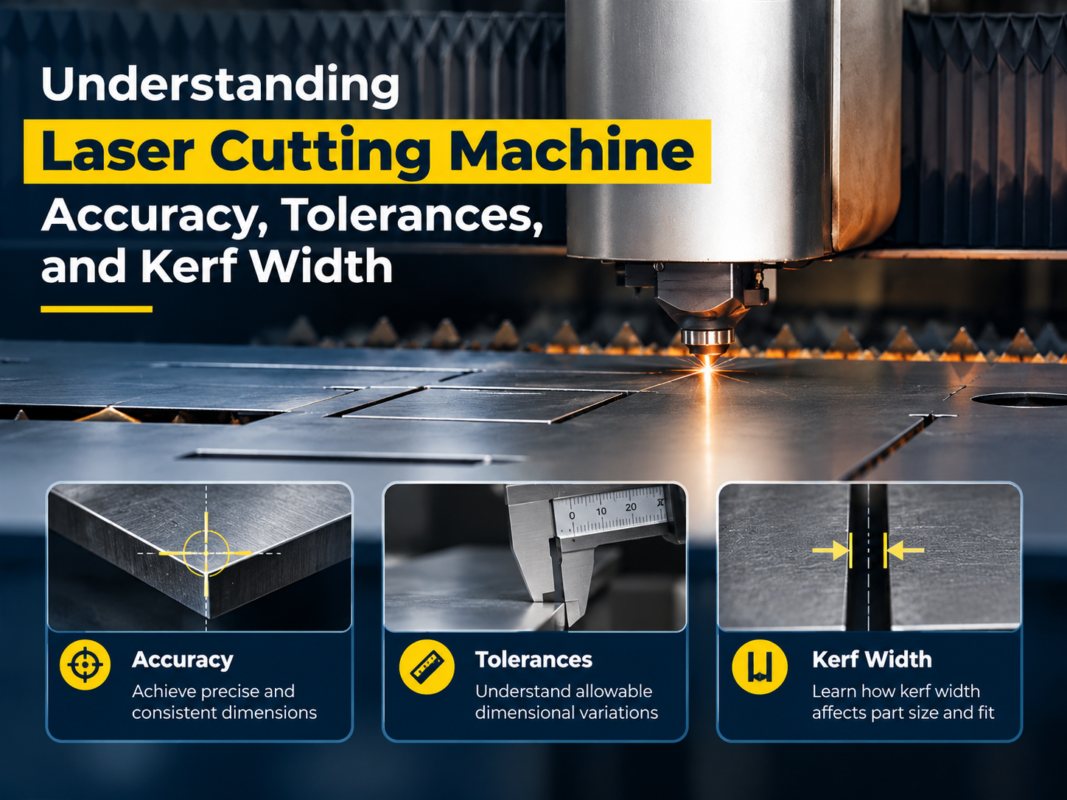
Material thickness in HVAC typically ranges from 26 gauge (0.5mm) for light residential work to 16 gauge (1.5mm) or thicker for heavy commercial applications. Precision is paramount because ductwork must be airtight to meet energy codes. A deviation of even a millimeter can lead to air leakage, whistling noises, and increased energy consumption. Laser cutting offers tolerances within ±0.05mm, ensuring that flanges and slip-and-drive connections fit together with surgical precision.
Beyond simple cutting, the process requirements for HVAC often include marking for fold lines or part identification. Modern laser systems can perform high-speed etching or marking during the cutting cycle. This eliminates the need for manual marking or secondary labeling, as the machine can engrave part numbers or assembly instructions directly onto the metal. This integration of cutting and marking into a single process is a key reason why laser cutting machines are essential HVAC duct fabrication assets.
Recommended Machine Configuration for HVAC Shops
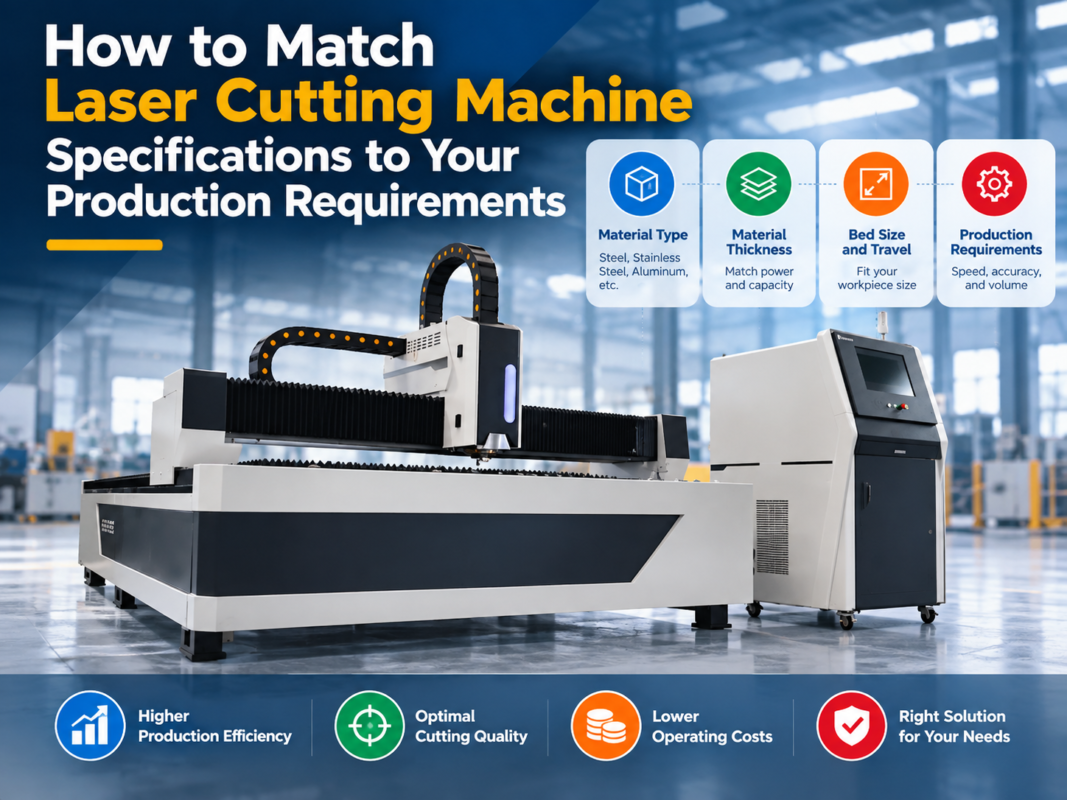
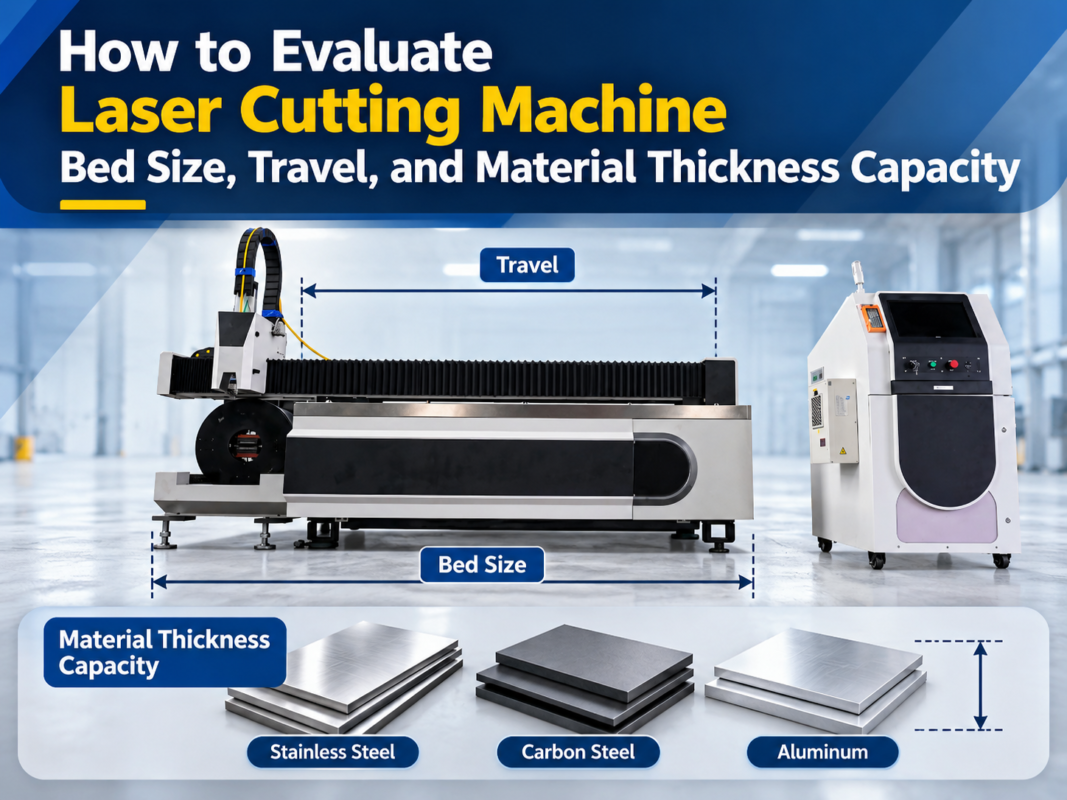
When selecting a laser cutting machine for HVAC duct fabrication, the configuration must balance speed, bed size, and power. For most duct shops, a fiber laser with a power rating between 1.5kW and 3kW is the “sweet spot.” This power range is more than sufficient to slice through 16-gauge galvanized steel at incredibly high speeds while remaining energy-efficient. Higher power levels are available but are often unnecessary unless the shop frequently works with 1/4-inch plate or thicker.
The bed size is another critical factor. HVAC sheets are typically 4’x8′, 4’x10′, or 5’x10′. A machine with a 1500mm x 3000mm (approx. 5’x10′) working area is highly recommended as it accommodates standard sheet sizes and allows for large-format nesting. HARSLE’s fiber laser series often features an open-bed design for easy loading or a shuttle table system for continuous production, where one table is being loaded while the other is being cut.
Key Components to Look For:
- Laser Source: Reliable brands like Raycus or IPG provide consistent beam quality and long lifespans.
- Cutting Head: An autofocus cutting head is essential for maintaining the correct focal point across slightly uneven galvanized sheets.
- Control System: Systems like CypCut are industry standards, offering intuitive interfaces and built-in nesting capabilities.
- Exhaust System: Since cutting galvanized steel produces zinc fumes, a robust dust extraction and filtration system is mandatory for operator safety.
The Optimized Workflow: From Design to Assembly
The integration of laser cutting into the HVAC workflow creates a seamless digital thread from the engineer’s desk to the assembly floor. The process begins with specialized HVAC CAD/CAM software (such as CAMduct or Fabrication MEP). These programs contain libraries of standard duct fittings. Once the dimensions are entered, the software automatically generates the flat patterns required for the laser.
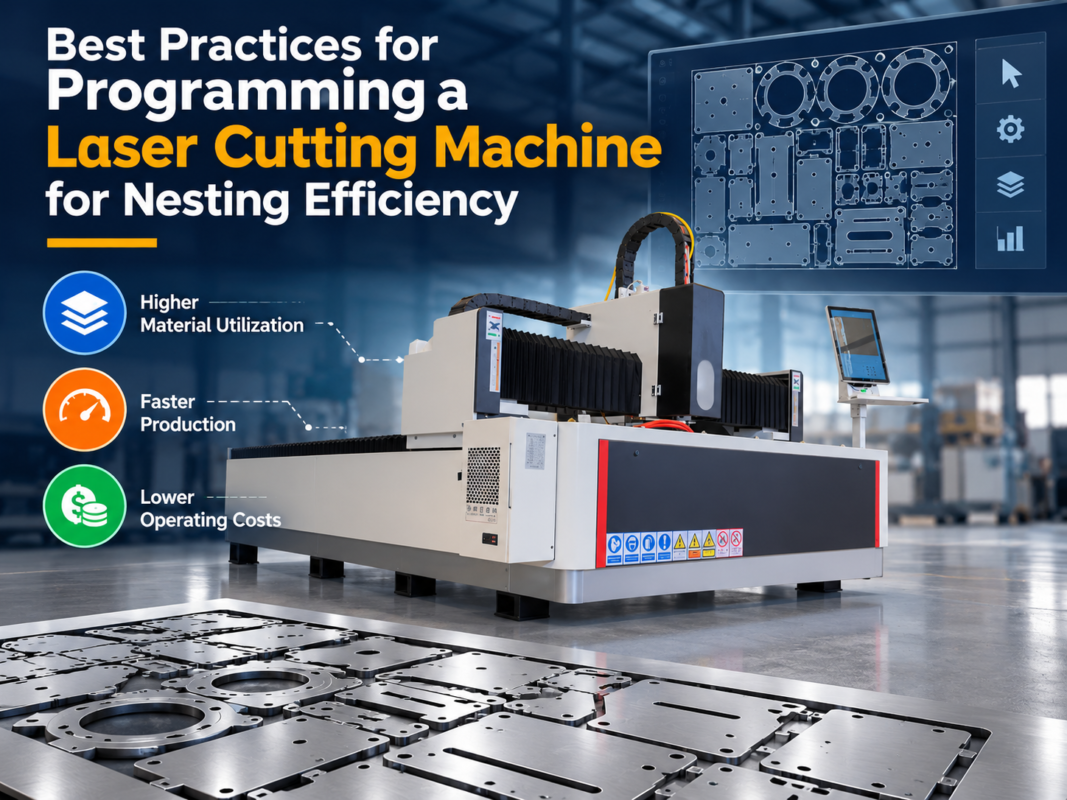
The next step is nesting. This is where the laser cutting machine truly shines. Advanced nesting algorithms arrange the parts on the sheet to minimize scrap. Because the laser beam is so thin (the kerf is usually less than 0.2mm), parts can be placed much closer together than with a plasma cutter or mechanical shear. This results in material savings of 10% to 20%, which directly impacts the bottom line.
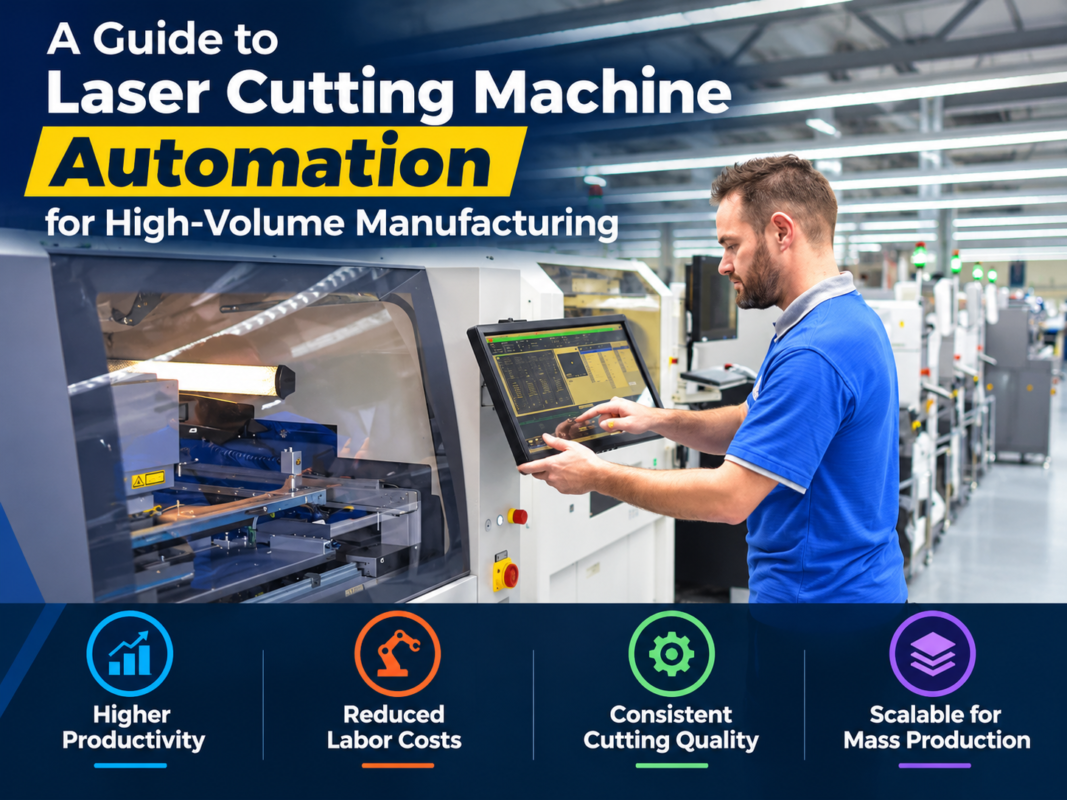
Once the program is sent to the machine, the cutting process is fully automated. The operator simply loads the sheet and presses start. After cutting, the parts are sorted. Because the laser produces a clean, burr-free edge, the parts can go directly to the folding machine or the Pittsburgh lock former without any secondary grinding or deburring. This streamlined workflow reduces the total fabrication time from hours to minutes.
Productivity and Economic Benefits
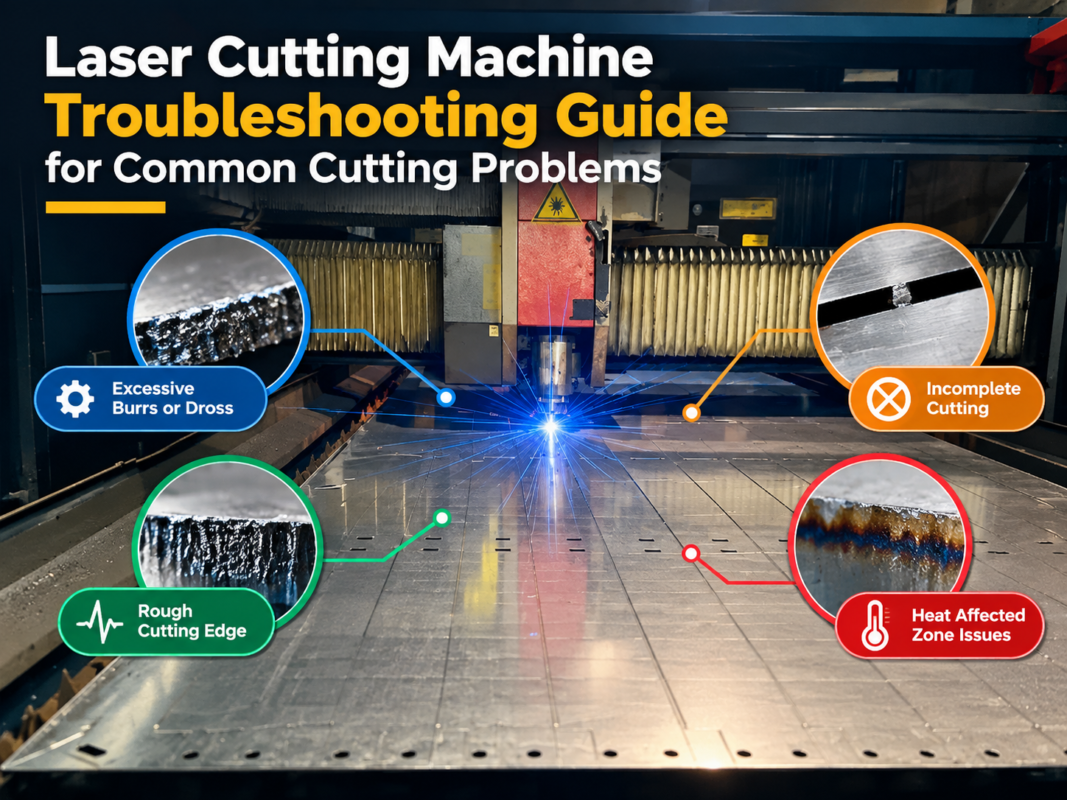
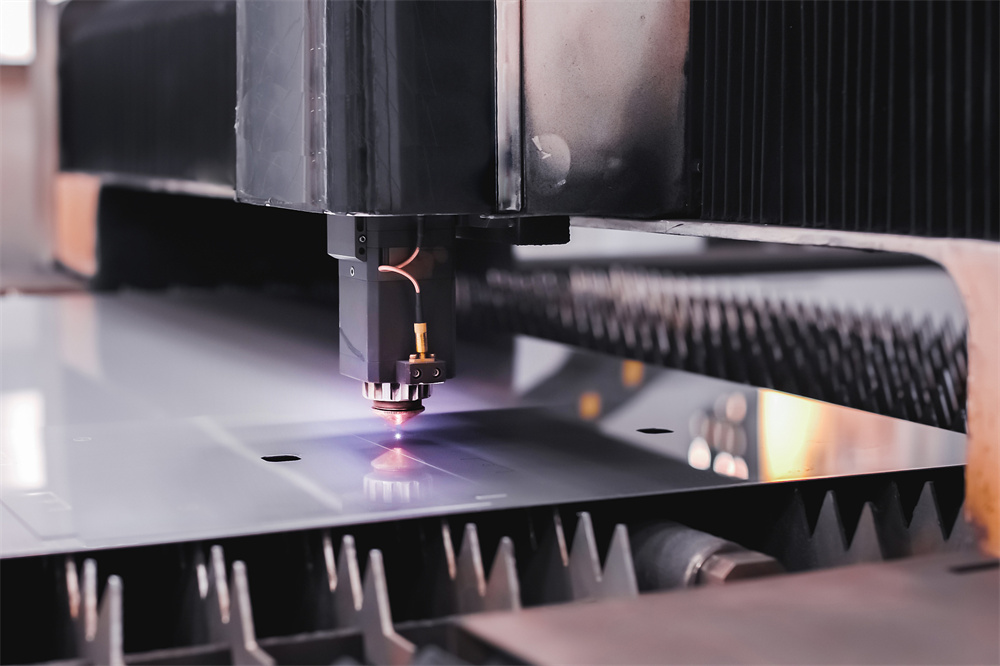
The primary reason why laser cutting machines are essential HVAC duct fabrication investments is the dramatic increase in productivity. A fiber laser can cut thin-gauge galvanized steel at speeds exceeding 30 meters per minute. Compared to a traditional CNC plasma table, a fiber laser is not only faster but also produces a much higher quality cut. Plasma cutting often leaves a hardened edge or dross that must be cleaned, and the heat-affected zone can damage the zinc coating, leading to premature rusting at the seams.
Labor savings are another significant factor. In a traditional shop, multiple workers might be needed to layout, cut, and clean parts. A single laser operator can outproduce a team of manual fabricators. Furthermore, the accuracy of laser cutting reduces the “re-work” rate. In HVAC installation, if a duct fitting doesn’t fit correctly in the field, it causes massive delays. Laser-cut parts fit perfectly every time, ensuring that the installation team stays on schedule.
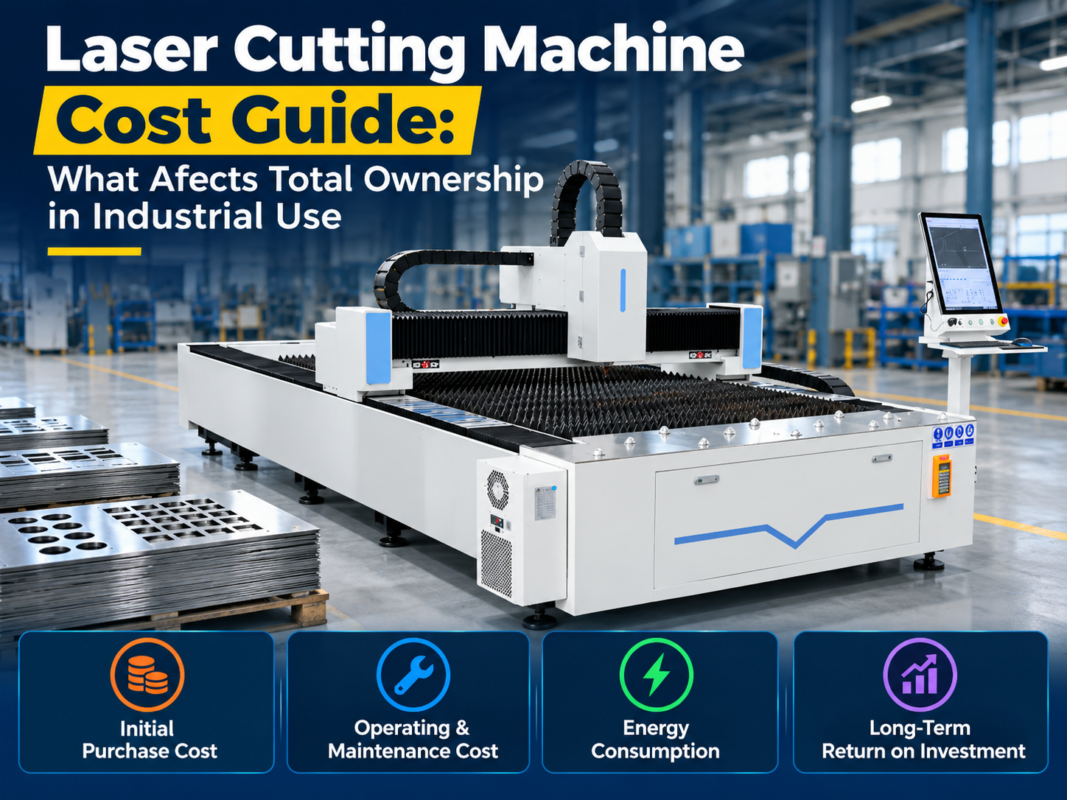
From an economic standpoint, the lower operating cost of fiber lasers is a game-changer. Fiber lasers have no moving parts in the light-generating source and do not require the expensive laser gases used by CO2 systems. They are also highly energy-efficient, consuming significantly less electricity. When you combine material savings, labor reduction, and low maintenance costs, the return on investment (ROI) for a HARSLE fiber laser in an HVAC shop is typically achieved within 12 to 24 months.
Case Example: Upgrading an HVAC Workshop
Consider a mid-sized HVAC contractor, “Precision Air Systems,” which previously relied on a CNC plasma cutter and manual shears. They faced two main problems: high material waste due to the wide kerf of the plasma and significant labor costs spent on deburring edges before the parts could be joined. They decided to invest in a HARSLE 2kW Fiber Laser Cutting Machine with a 1500x3000mm bed.
Within the first three months, the results were staggering. Their material utilization rate improved by 15% because they could nest parts more tightly. The assembly team reported that they no longer needed to use grinders on the edges, saving approximately 20 man-hours per week. Additionally, the precision of the laser-cut notches for the Pittsburgh locks made the assembly process much smoother, reducing the time spent at the lock-forming machine. Precision Air Systems was able to take on 30% more projects without hiring additional staff, proving that laser cutting machines are essential HVAC duct fabrication tools for growth.
Frequently Asked Questions (FAQ)
1. Can a fiber laser cut galvanized steel without damaging the coating?
Yes. Fiber lasers are excellent for galvanized steel. While the heat will vaporize a tiny amount of zinc at the immediate cut edge, the high speed and concentrated beam minimize the heat-affected zone, leaving the rest of the coating intact and the edge relatively protected from corrosion.
2. Is it expensive to maintain a laser cutting machine?
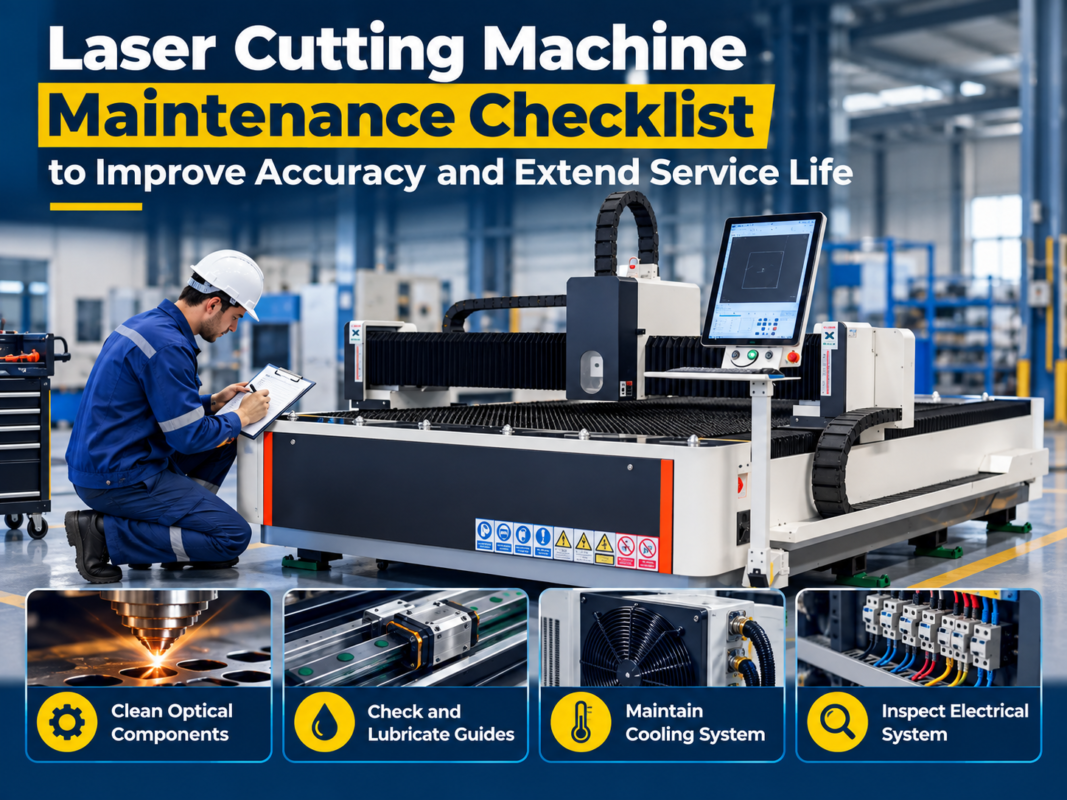
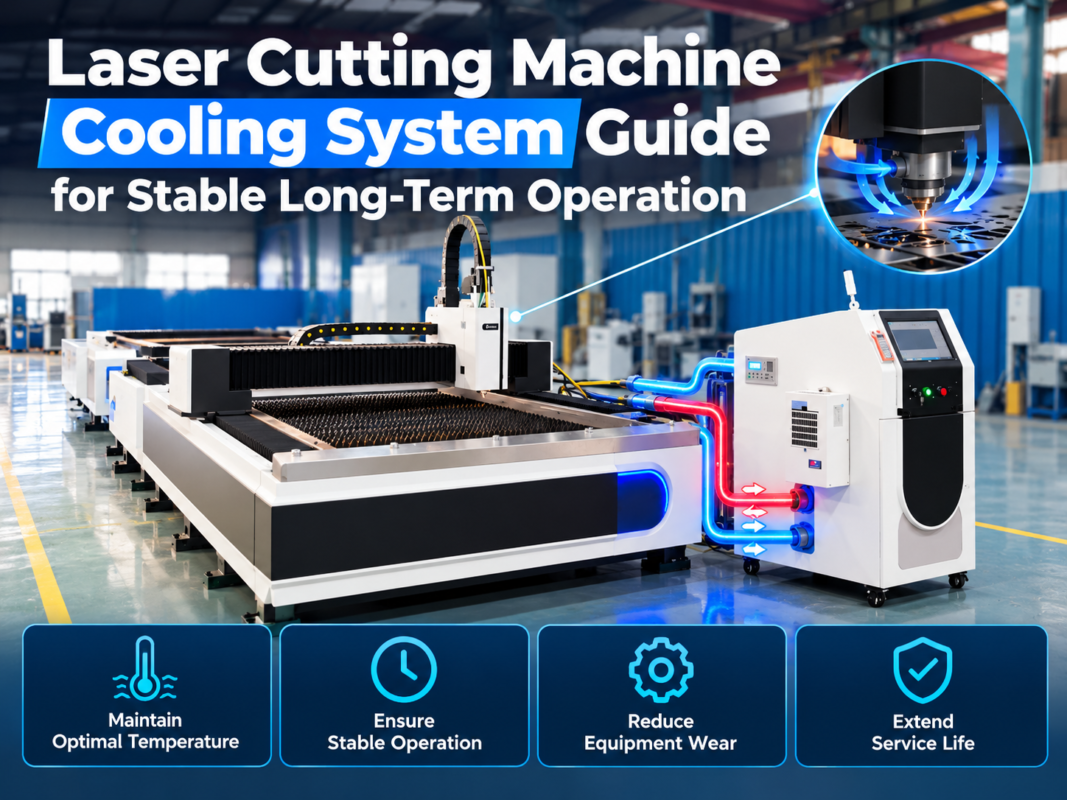
Compared to CO2 lasers or plasma cutters, fiber lasers have very low maintenance requirements. There are no mirrors to align or expensive gas tubes to replace. The primary maintenance involves keeping the machine clean, checking the cooling system, and replacing consumable parts like nozzles and protective windows.
3. What software do I need for HVAC laser cutting?
Most HVAC shops use specialized software like Autodesk Fabrication CAMduct or PM2000. These programs generate the patterns and nesting. The output (usually a DXF or G-code file) is then imported into the laser’s control software (like CypCut) for cutting.
4. Can I use compressed air as the assist gas?
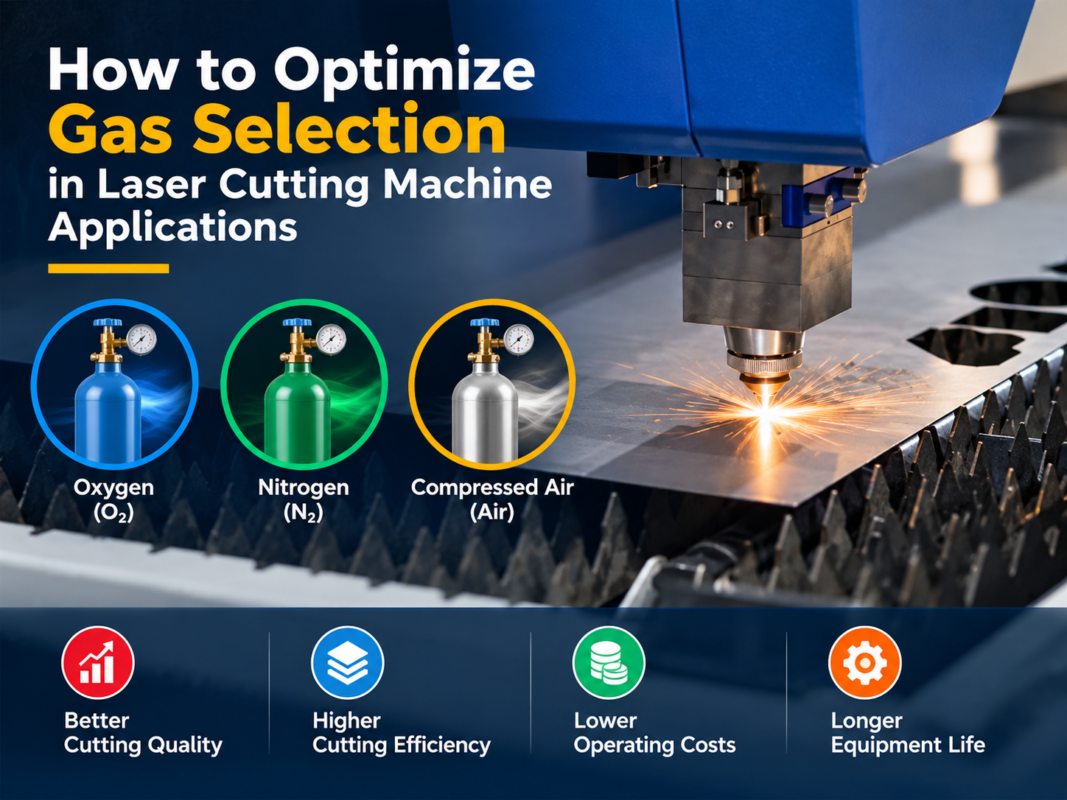
Yes, for thin-gauge galvanized steel used in HVAC, compressed air is a very popular and cost-effective assist gas. It provides fast cutting speeds and acceptable edge quality, significantly reducing the cost per part compared to using bottled oxygen or nitrogen.
Conclusion: The Future of HVAC Fabrication
As we have explored, the transition to laser technology is no longer a luxury—it is a necessity. The reasons why laser cutting machines are essential HVAC duct fabrication components range from the technical precision required for modern building codes to the economic realities of a competitive construction market. By adopting fiber laser technology, HVAC manufacturers can ensure higher quality, lower costs, and faster turnaround times.
HARSLE is committed to providing the HVAC industry with the tools needed to succeed in this digital manufacturing era. Our fiber laser cutting machines are built for durability, precision, and ease of use, making them the perfect addition to any duct fabrication shop. If you are ready to elevate your production capabilities and stay ahead of the competition, it is time to consider the power of laser cutting.
Contact HARSLE Today
Are you looking to upgrade your HVAC fabrication process? Contact HARSLE today to speak with our technical experts. We can help you select the right machine configuration for your specific needs and provide a detailed ROI analysis. Let us help you transform your workshop with the latest in fiber laser technology.