Top Industrial Applications Of Laser Cutting Machines In Modern Factories


Introduction to Laser Cutting in the Modern Industrial Era
In the rapidly evolving landscape of global manufacturing, the demand for precision, speed, and cost-efficiency has never been higher. As factories transition toward Industry 4.0, the role of advanced machinery becomes pivotal. Among these technologies, the fiber laser cutting machine stands out as a cornerstone of modern metal fabrication. HARSLE, a leader in the production of high-end metalworking equipment, has witnessed firsthand how these machines have revolutionized production lines across various sectors. The Top Industrial Applications Of Laser Cutting Machines In Modern Factories span from the intricate components of aerospace engineering to the heavy-duty structural elements of the construction industry.
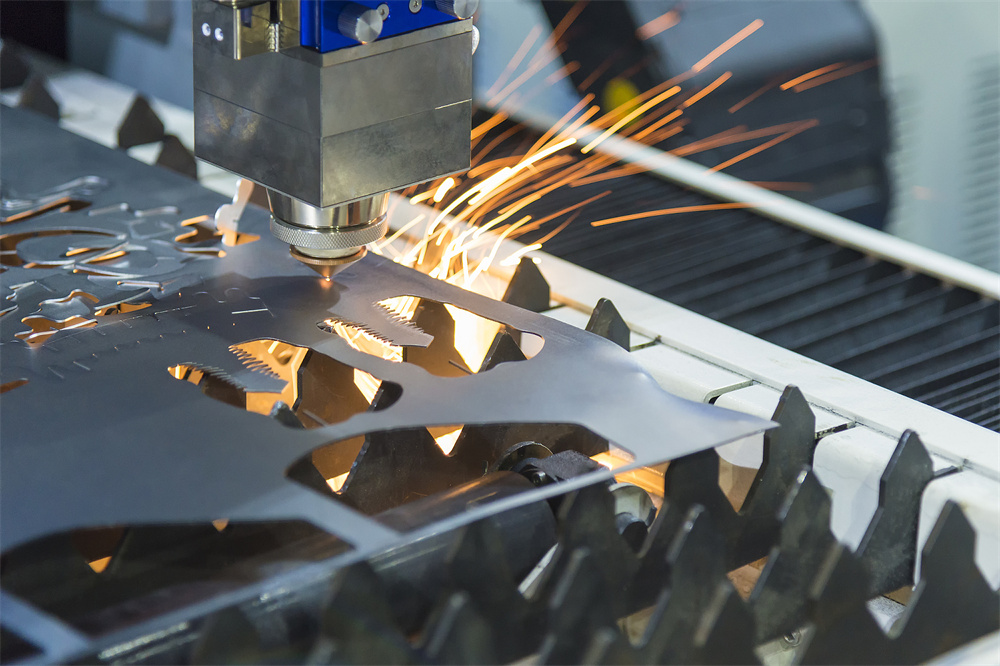
Laser cutting technology utilizes a high-power laser beam, typically generated by a fiber source, to melt, burn, or vaporize material with extreme precision. Unlike traditional mechanical cutting methods, laser cutting is a non-contact process, which eliminates tool wear and reduces the risk of material deformation. This article provides an in-depth exploration of how these machines are applied today, the technical requirements for different materials, and the strategic benefits they offer to modern manufacturing facilities.
Application Scenarios: Where Laser Cutting Excels
1. Automotive Manufacturing
The automotive industry is perhaps the most prominent user of laser cutting technology. Modern vehicles require thousands of individual metal parts, many of which feature complex geometries and require tight tolerances for safety and performance. Laser cutting machines are used to produce chassis components, frame rails, exhaust systems, and even intricate interior trim pieces. The ability to switch between different part designs without changing physical tools makes laser cutting ideal for Just-In-Time (JIT) manufacturing and the production of various car models on the same line.
2. Aerospace and Defense
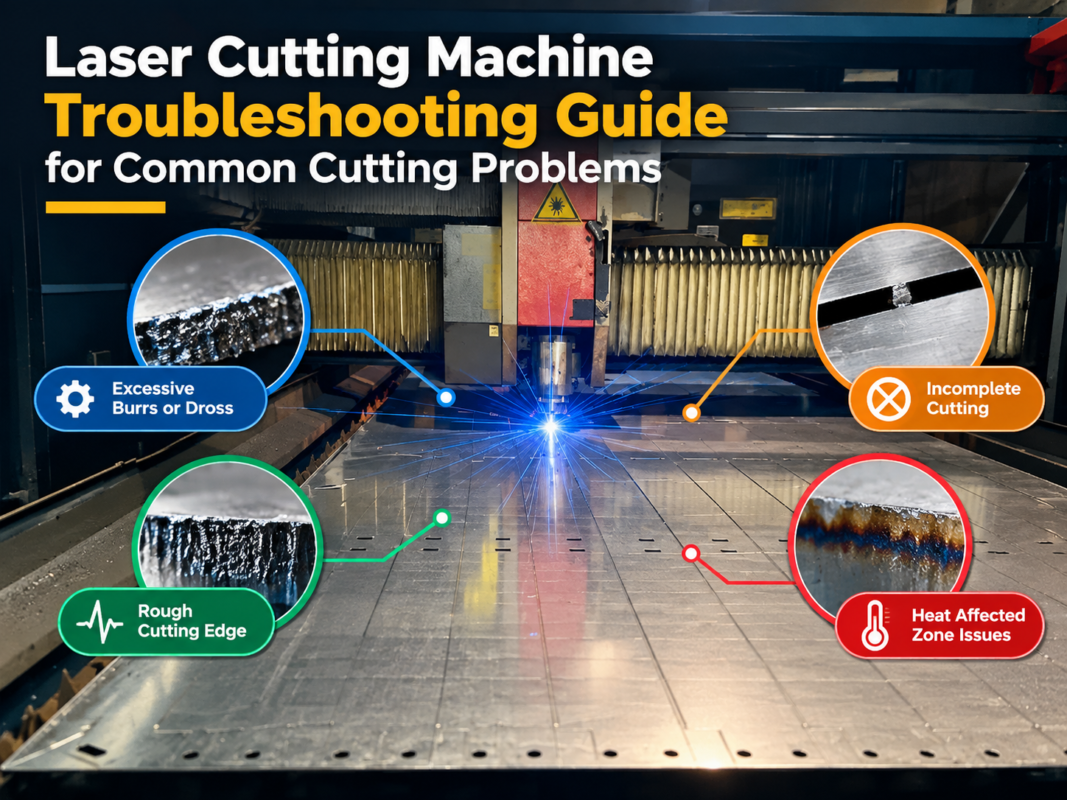
In aerospace, the margin for error is virtually zero. Components must be lightweight yet incredibly strong, often made from advanced alloys like titanium or high-grade aluminum. Laser cutting provides the necessary precision to create turbine blades, fuselage sections, and structural brackets. The minimal Heat Affected Zone (HAZ) ensured by fiber lasers is critical in maintaining the structural integrity of these sensitive materials, preventing micro-cracks that could lead to catastrophic failure under high-stress conditions.
3. Medical Device Fabrication
The medical sector requires extreme hygiene and micro-precision. Laser cutting is used to manufacture surgical instruments, orthopedic implants, and stents. Because the laser beam can be focused to a diameter of a few microns, it can create incredibly small and detailed features that are impossible to achieve with traditional milling or stamping. Furthermore, the process is clean and does not introduce contaminants into the material, which is essential for biocompatible components.
4. Electronics and Electrical Enclosures
From the small heat sinks inside a computer to the large steel cabinets that house industrial control systems, laser cutting is vital for the electronics industry. It allows for the rapid production of enclosures with precise cutouts for buttons, ports, and cooling vents. The speed of fiber lasers ensures that manufacturers can keep up with the fast-paced product cycles typical of the electronics market.
5. Construction and Architectural Metalwork
Modern architecture often features complex metal facades, decorative screens, and custom structural connectors. Laser cutting machines allow architects and engineers to realize creative designs that were previously too expensive or difficult to manufacture. In heavy construction, thick steel plates are cut for bridge components and crane parts, where the high power of modern fiber lasers (up to 30kW or more) provides a significant advantage over plasma cutting in terms of edge quality.
Material and Process Requirements
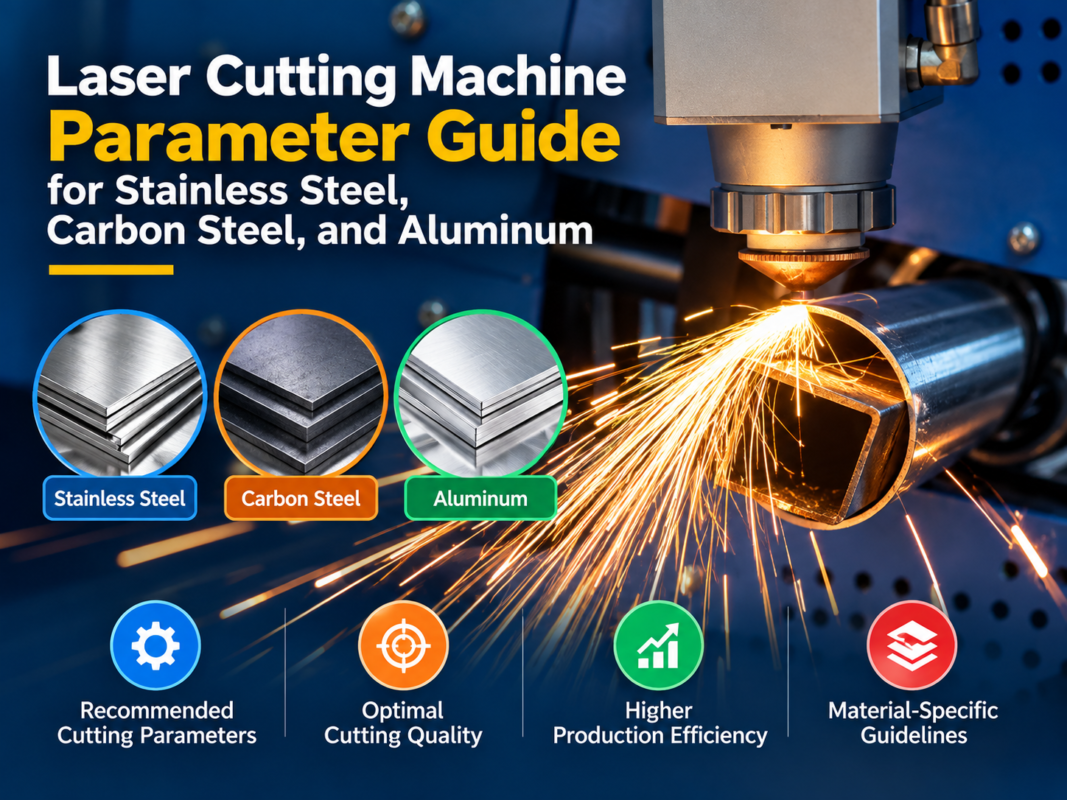
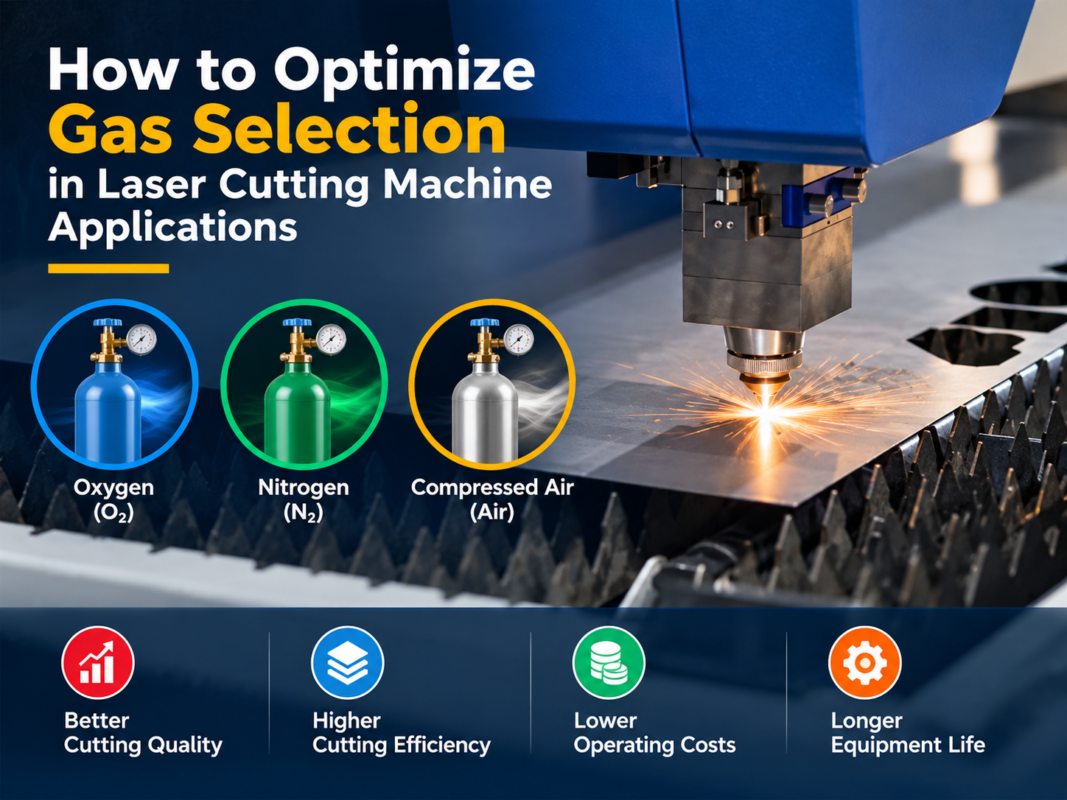
Understanding the relationship between material properties and laser parameters is essential for optimizing production. Different metals react differently to the laser beam, requiring specific gas assists and power settings.
| Material Type | Common Thickness Range | Assist Gas Used | Process Characteristics |
|---|---|---|---|
| Carbon Steel | 1mm – 25mm+ | Oxygen (O2) | Oxygen facilitates an exothermic reaction, increasing cutting speed for thick plates. | Stainless Steel | 0.5mm – 20mm | Nitrogen (N2) | Nitrogen prevents oxidation, resulting in a clean, shiny edge that requires no post-processing. | Aluminum Alloys | 0.5mm – 16mm | Nitrogen or Air | High reflectivity requires high-peak power and specific beam frequencies to prevent back-reflection. | Copper & Brass | 0.5mm – 10mm | Oxygen or Nitrogen | Highly reflective and thermally conductive; requires specialized fiber laser sources. |
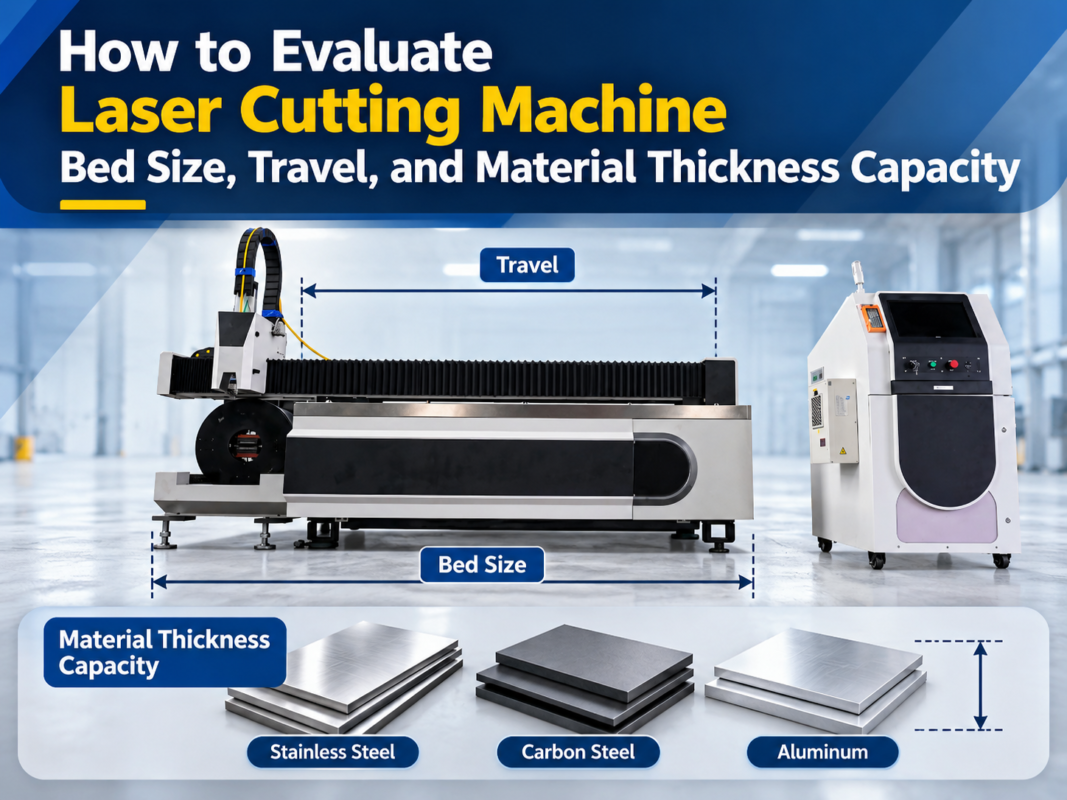
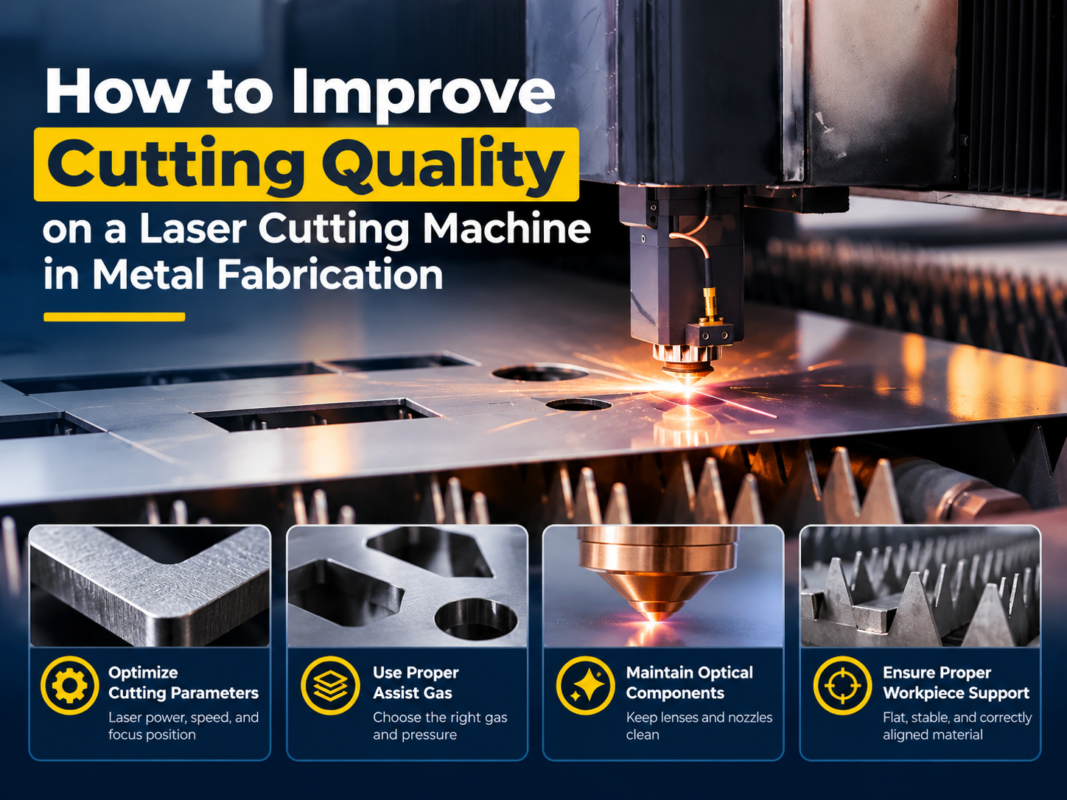
The process requirements also involve the choice of focal length and nozzle type. For thinner materials, a shorter focal length and a smaller nozzle diameter are preferred to concentrate the energy. For thicker plates, a longer focal length and larger nozzles allow the assist gas to clear the molten metal more effectively from the kerf.
Recommended Machine Configuration
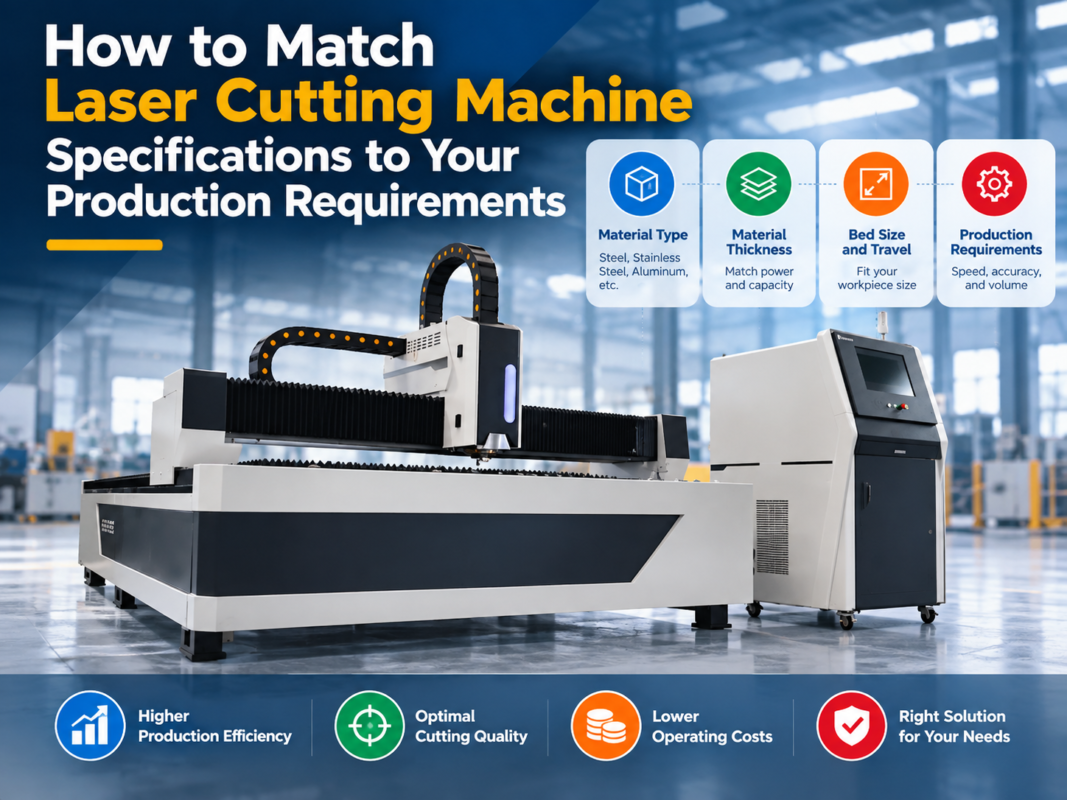
To maximize the Top Industrial Applications Of Laser Cutting Machines In Modern Factories, selecting the right configuration is paramount. A standard high-end setup, such as those offered by HARSLE, typically includes the following components:
- Laser Source: Fiber laser sources (e.g., IPG, Raycus, or Maxphotonics) ranging from 3kW for general sheet metal to 20kW+ for heavy industrial use.
- Cutting Head: Auto-focus cutting heads (e.g., Raytools or Precitec) that adjust the focus point dynamically during the cutting process to accommodate material thickness variations.
- Control System: Advanced CNC systems like CypCut or Beckhoff, which offer intuitive interfaces, nesting software integration, and real-time monitoring.
- Motion System: High-precision rack and pinion systems combined with Japanese Yaskawa or Delta servo motors to ensure rapid acceleration and positioning accuracy.
- Bed Structure: A heavy-duty, heat-treated welded frame or a cast iron bed to provide the stability necessary for high-speed operation without vibration.
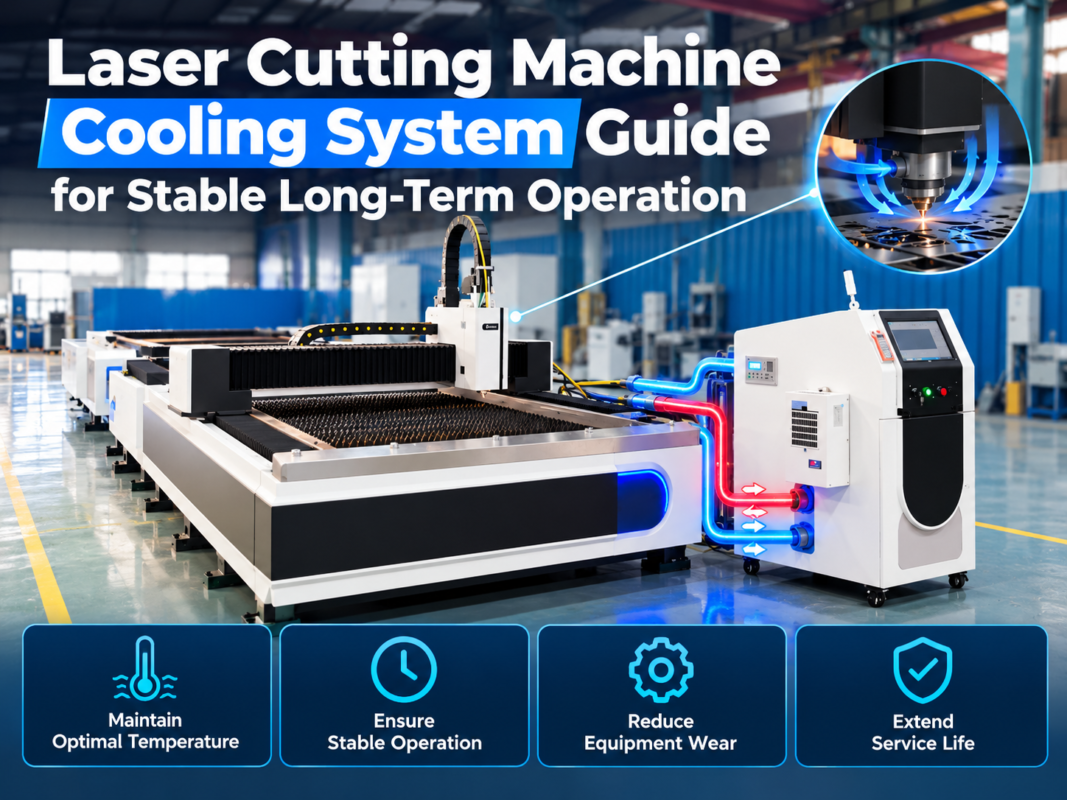
- Cooling System: Dual-circuit industrial chillers to maintain the temperature of both the laser source and the cutting head.

Workflow: From Design to Finished Part
The efficiency of a laser cutting machine is not just in the cutting itself, but in the streamlined workflow it enables. A typical industrial workflow follows these steps:
- CAD Design: The part is designed using Computer-Aided Design software (e.g., SolidWorks, AutoCAD).
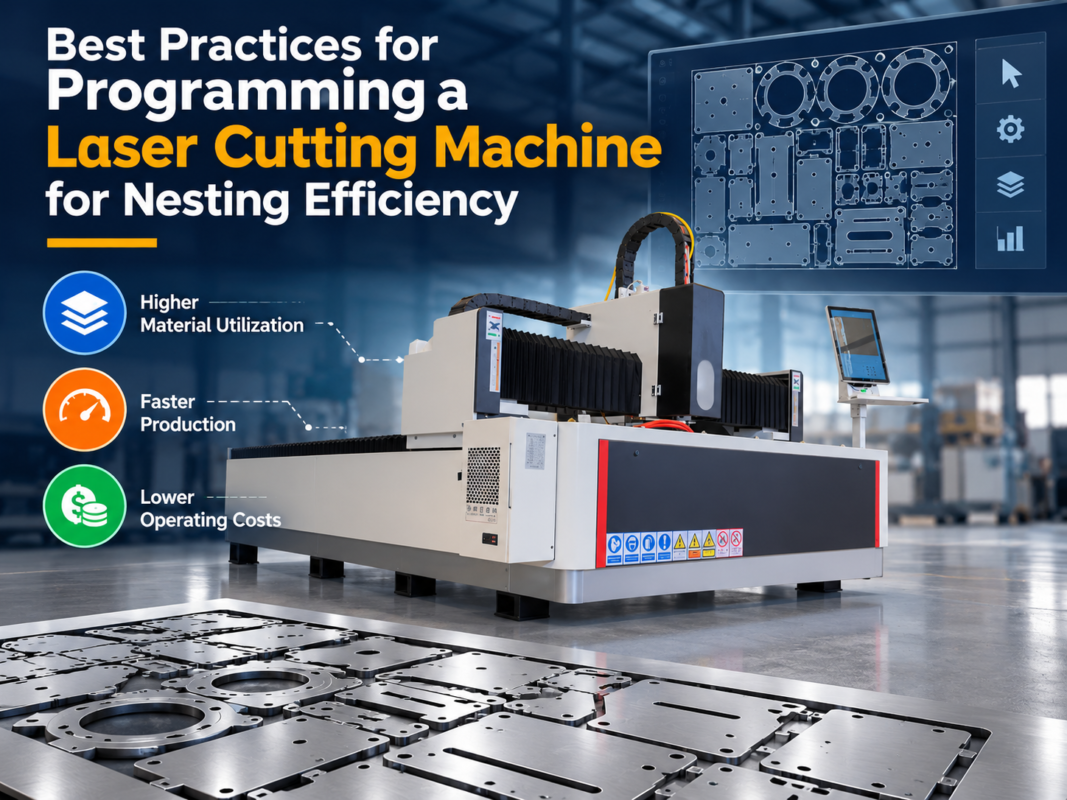
- Nesting and CAM: The CAD file is imported into nesting software, which arranges multiple parts on a single sheet of metal to minimize waste. The software also generates the G-code (toolpath) for the machine.
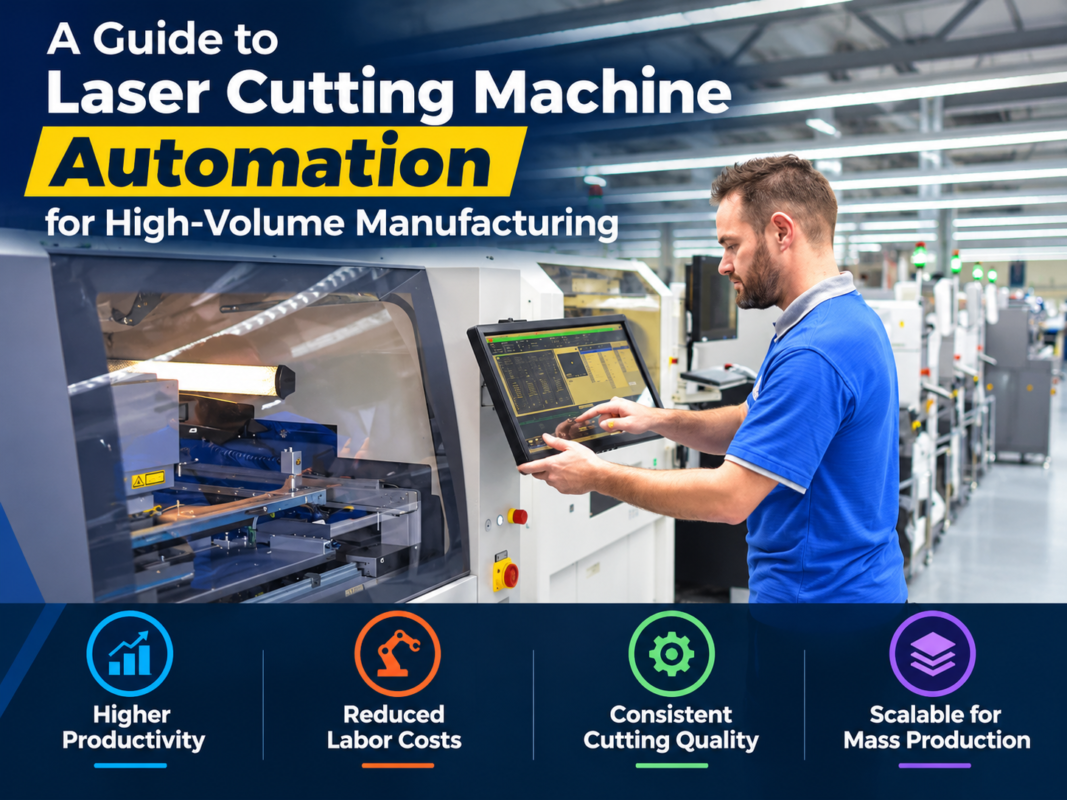
- Material Loading: The metal sheet is loaded onto the machine bed, often using automated loading systems or vacuum lifters to reduce manual labor.
- Parameter Calibration: The operator selects the material type and thickness on the CNC controller, which automatically adjusts the power, speed, gas pressure, and focus.
- The Cutting Process: The machine executes the G-code. Modern machines feature “fly-cutting” and “frog-jump” movements to minimize non-cutting time.
- Unloading and Sorting: Finished parts are removed. In automated factories, an unloading robot or a shuttle table system handles this to keep the machine running continuously.
Productivity Benefits for Modern Factories
Implementing laser cutting technology offers transformative benefits for factory productivity:
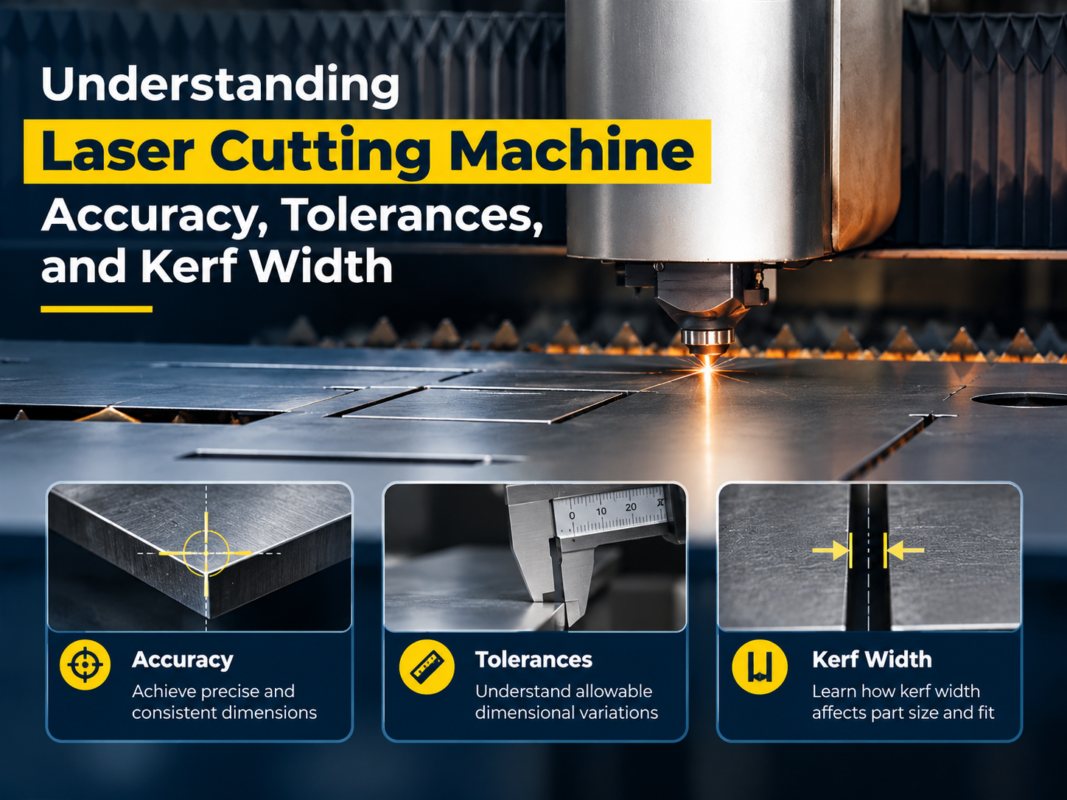
- Unmatched Precision: Laser cutting achieves tolerances as tight as +/- 0.05mm, reducing the need for secondary machining or finishing.
- High Speed: For thin to medium materials, fiber lasers are significantly faster than plasma, waterjet, or mechanical shearing.
- Material Efficiency: Advanced nesting algorithms significantly reduce scrap, which is a major cost-saving factor when working with expensive materials like stainless steel or titanium.
- Low Maintenance: Fiber lasers have no moving parts in the light-generating source and no mirrors to align, leading to much lower maintenance costs compared to CO2 lasers.
- Energy Efficiency: Fiber lasers convert electricity to light much more efficiently than CO2 lasers, resulting in lower utility bills.
- Versatility: A single machine can cut a wide variety of materials and thicknesses, making the factory more adaptable to changing market demands.
Case Example: Transitioning to Fiber Laser Technology
Consider a medium-sized metal fabrication shop that previously relied on a combination of CNC plasma cutting and mechanical punching. Their primary products were HVAC ducting and industrial electrical boxes. The plasma cutter, while fast, left a rough edge that required manual grinding, and the mechanical punch was limited by the tools available in the turret.
After investing in a HARSLE 6kW Fiber Laser Cutting Machine with an automated shuttle table, the shop saw an immediate 40% increase in throughput. The laser’s ability to cut clean edges on stainless steel eliminated the grinding stage entirely. Furthermore, the nesting software reduced their annual material waste by 15%. The shop was able to take on more complex architectural projects that they previously had to outsource, effectively increasing their profit margins and market competitiveness.
Frequently Asked Questions (FAQ)
What is the difference between Fiber and CO2 lasers?
Fiber lasers use a solid gain medium and deliver the beam through a fiber optic cable, making them more efficient, faster at cutting thin metals, and easier to maintain. CO2 lasers use a gas mixture and mirrors; while they are better for non-metals like wood or acrylic, they are increasingly being replaced by fiber lasers in metal fabrication.
How thick can a fiber laser cut?
This depends on the power. A 3kW laser can cut up to 20mm carbon steel, while a 20kW or 30kW laser can cut thicknesses exceeding 50mm. However, the “sweet spot” for high-quality, high-speed production is usually within the 1mm to 25mm range.
Is laser cutting safe for operators?
Yes, provided safety protocols are followed. Modern machines are usually fully enclosed (Class 1 safety rating) to protect operators from the laser beam and the fumes generated during cutting. Proper ventilation and dust extraction systems are essential.
What maintenance does a laser cutting machine require?
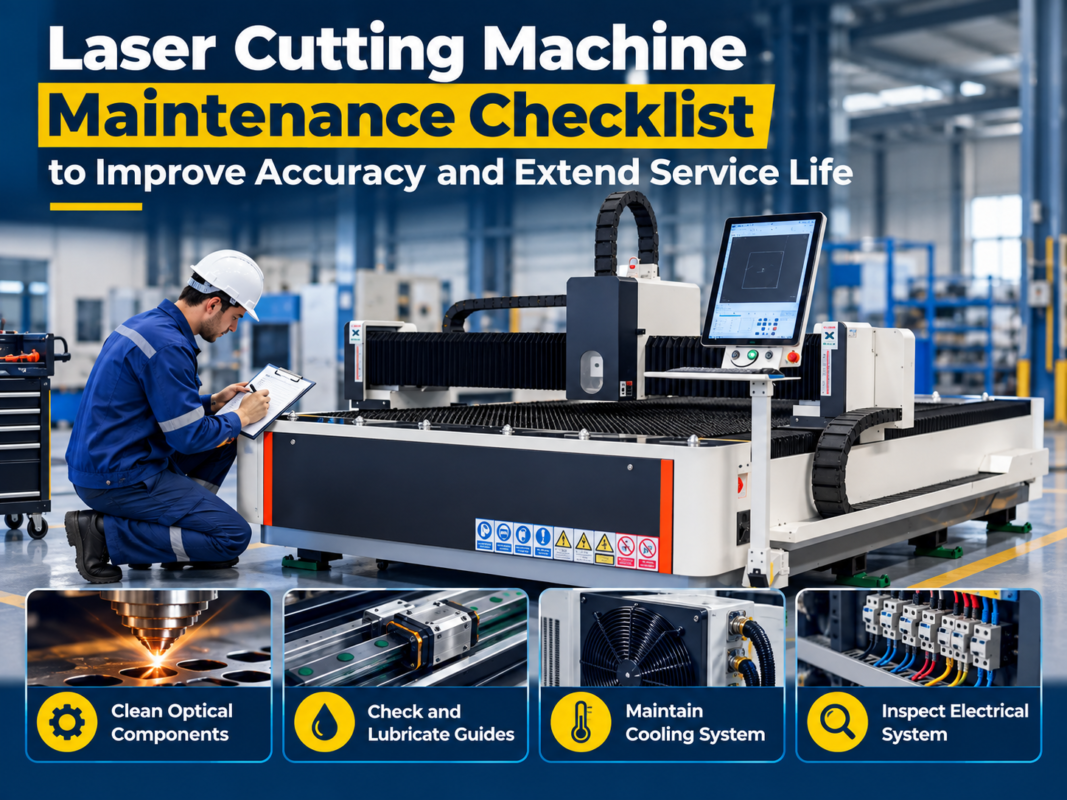
Routine maintenance includes cleaning the protective lens, checking the nozzle for wear, lubricating the guide rails, and ensuring the chiller water is clean. Compared to other industrial machines, fiber lasers have very low maintenance requirements.
Can a laser cutting machine cut reflective materials?
Yes, modern fiber lasers are designed to handle reflective materials like aluminum, brass, and copper. They use specialized optical isolators to prevent back-reflection from damaging the laser source.
How long does a fiber laser source last?
Most high-quality fiber laser sources are rated for approximately 100,000 hours of operation, which equates to over 10 years of 24/7 use.
Conclusion and Call to Action
The Top Industrial Applications Of Laser Cutting Machines In Modern Factories demonstrate that this technology is no longer a luxury but a necessity for staying competitive. Whether you are in the automotive, aerospace, or general fabrication industry, the precision and efficiency of a HARSLE fiber laser cutting machine can significantly elevate your production capabilities.
Are you ready to modernize your factory floor? Contact HARSLE today to speak with our technical experts. We can help you select the perfect machine configuration tailored to your specific material requirements and production goals. Visit our website to explore our full range of fiber laser cutting solutions and take the first step toward a more productive future.