Industrial Laser Cutting Machine Price Breakdown for Small and Large Shops


Introduction to Industrial Laser Cutting Machine Investments
In the modern landscape of metal fabrication, the transition from traditional mechanical cutting to fiber laser technology is no longer a luxury—it is a necessity for survival. Whether you are a boutique job shop or a massive industrial manufacturing facility, understanding the industrial laser cutting machine price breakdown for small and large shops is the first step toward a successful capital investment. The price of these machines can range from $20,000 to well over $500,000, making the decision-making process complex and high-stakes.
HARSLE has been at the forefront of providing high-quality metal fabrication machinery, and we understand that price is often the primary hurdle for business owners. However, the ‘price’ is not just the number on the invoice; it is a combination of the initial purchase, the configuration choices, the operational costs, and the eventual return on investment. This guide aims to demystify these costs, providing a granular look at what drives the price of industrial laser cutters in today’s market.
Price Range Overview: Small vs. Large Shops
The financial requirements for a laser cutting machine vary significantly based on the intended scale of production. Small shops typically focus on versatility and lower initial capital expenditure, while large shops prioritize throughput, automation, and high-wattage capabilities.
Small Shop Price Tiers ($20,000 – $60,000)
For a small shop or a startup, the entry point is usually a single-platform fiber laser cutting machine. These machines typically feature power ratings between 1kW and 3kW. At this price point, you are looking at a machine capable of cutting thin to medium-thickness carbon steel and stainless steel. These units often lack an automatic exchange table, meaning the operator must wait for the cutting process to finish before unloading and reloading the material. This is a cost-effective solution for shops that do not run 24/7 and have lower volume requirements.
Mid-Range and Large Shop Price Tiers ($70,000 – $250,000+)
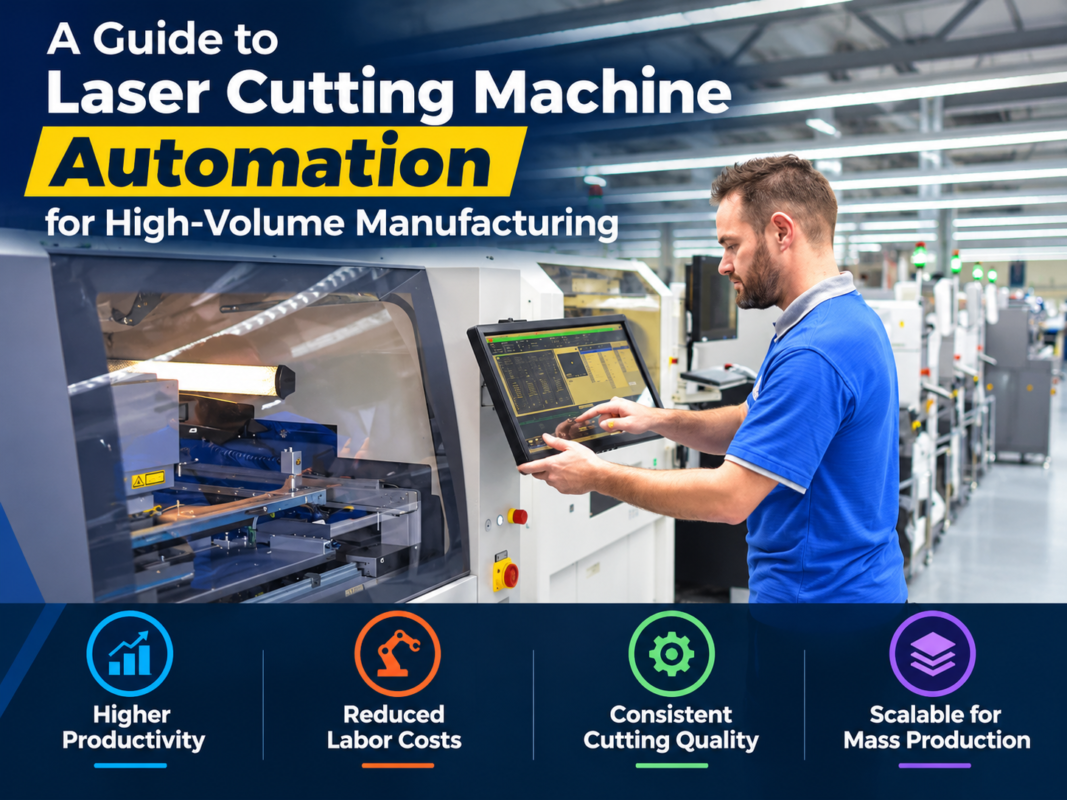
Large-scale operations require machines that can handle heavy-duty cycles. These machines usually start at 6kW and can go up to 30kW or higher. A critical feature in this price bracket is the automatic exchange table (shuttle table), which allows one sheet to be cut while the operator loads the next. This significantly increases productivity. Furthermore, large shops often invest in tube-cutting attachments or fully enclosed safety housings, which add to the base price but are essential for high-volume, high-safety environments.
Main Cost Drivers in Laser Cutting Technology
When analyzing an industrial laser cutting machine price breakdown for small and large shops, several core components dictate the final quote. Understanding these drivers helps buyers decide where to invest and where to save.
1. The Laser Source (The Heart of the Machine)
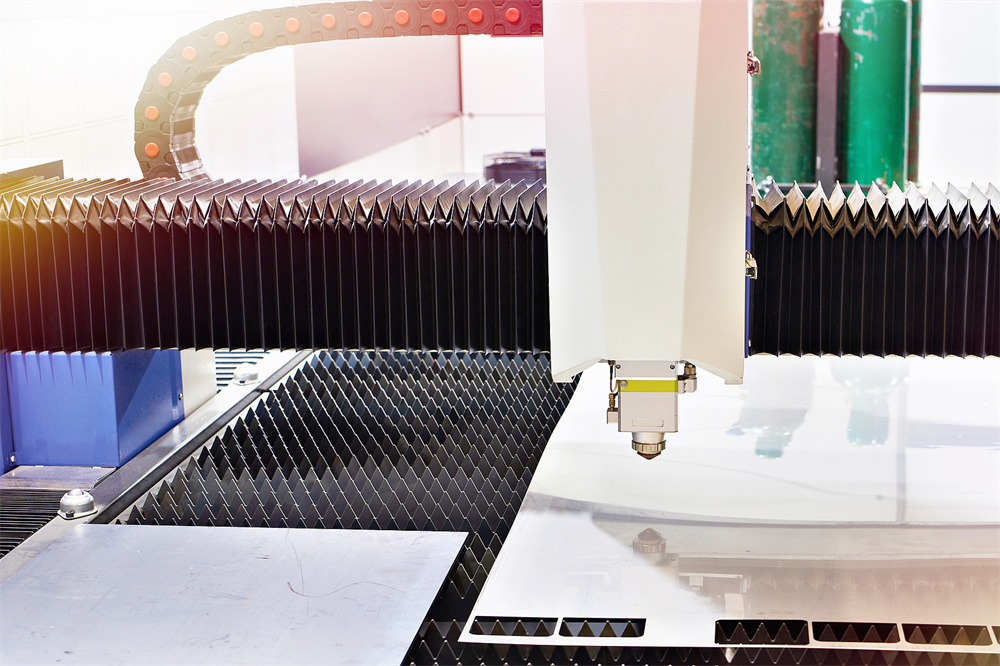
The laser source is the most expensive component of the machine. Currently, fiber lasers dominate the market due to their efficiency and low maintenance. Brands like IPG Photonics (USA/Germany) command a premium price for their proven reliability and global service network. Alternatively, brands like Raycus and Maxphotonics offer excellent performance at a more accessible price point, making them popular choices for small to mid-sized shops. The wattage of the source is the primary price multiplier; jumping from a 3kW to a 6kW source can easily add $20,000 to $40,000 to the machine’s cost.
2. The Cutting Head and Control System
The cutting head (such as Raytools or Precitec) and the CNC control system (such as CypCut or Beckhoff) are vital for precision. High-end cutting heads feature autofocus capabilities and sophisticated sensors that prevent collisions, which are essential for high-speed cutting. While a basic manual-focus head is cheaper, the labor time lost in adjustments often makes the autofocus upgrade a smarter long-term investment for any shop size.
3. Machine Frame and Bed Construction
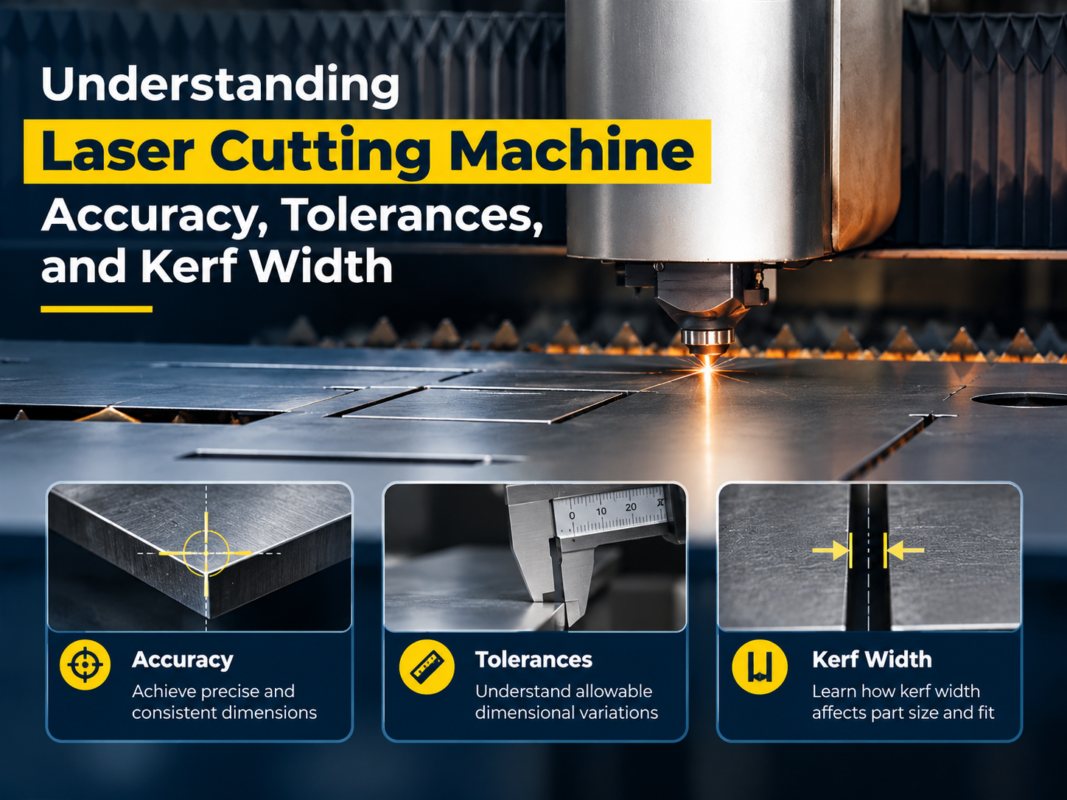
A laser machine is only as accurate as its frame. High-quality machines use heavy-duty, heat-treated welded frames or even cast-iron beds to ensure thermal stability and vibration dampening. A lightweight frame may be cheaper, but it will lose accuracy over time as the high-speed gantry movements cause structural fatigue. For large shops running at high accelerations (1.2G to 2.0G), a robust frame is non-negotiable.
Configuration Impact: Customizing for Your Needs
The configuration of the machine determines its versatility and efficiency. Here is how different options impact the industrial laser cutting machine price breakdown for small and large shops.
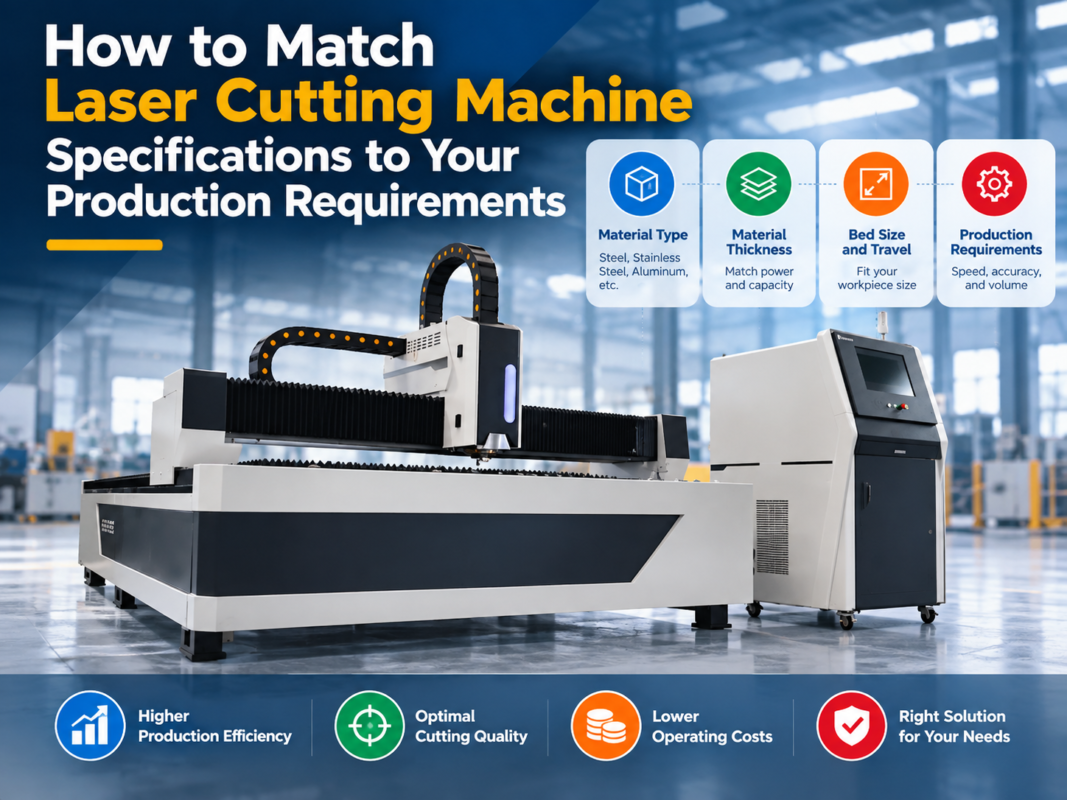
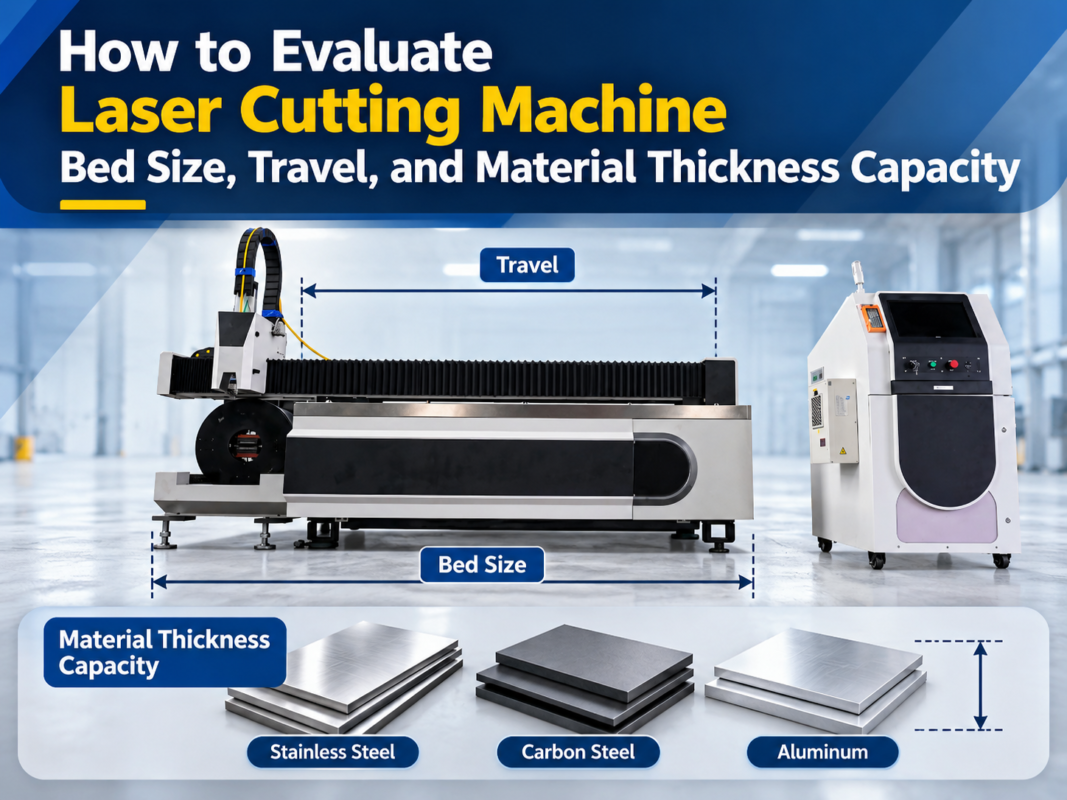
- Bed Size: The standard bed size is 3000mm x 1500mm (approx. 5′ x 10′). Moving to a 4000mm x 2000mm or 6000mm x 2500mm bed increases the price due to the extra steel required for the frame and the longer high-precision rack and pinion systems.
- Exchange Tables: As mentioned, an exchange table adds roughly 20-30% to the cost but can double the machine’s daily output. For large shops, this is a standard requirement.
- Enclosure: A fully enclosed machine provides better safety and dust extraction. In many regions, safety regulations require an enclosure for lasers above a certain power class. This adds to the footprint and the price.
- Tube Cutting Attachment: Many shops are opting for “combo” machines that can cut both sheet metal and pipes. This eliminates the need for two separate machines, saving floor space, though it adds significant cost to the initial purchase.

Hidden Costs: Beyond the Sticker Price
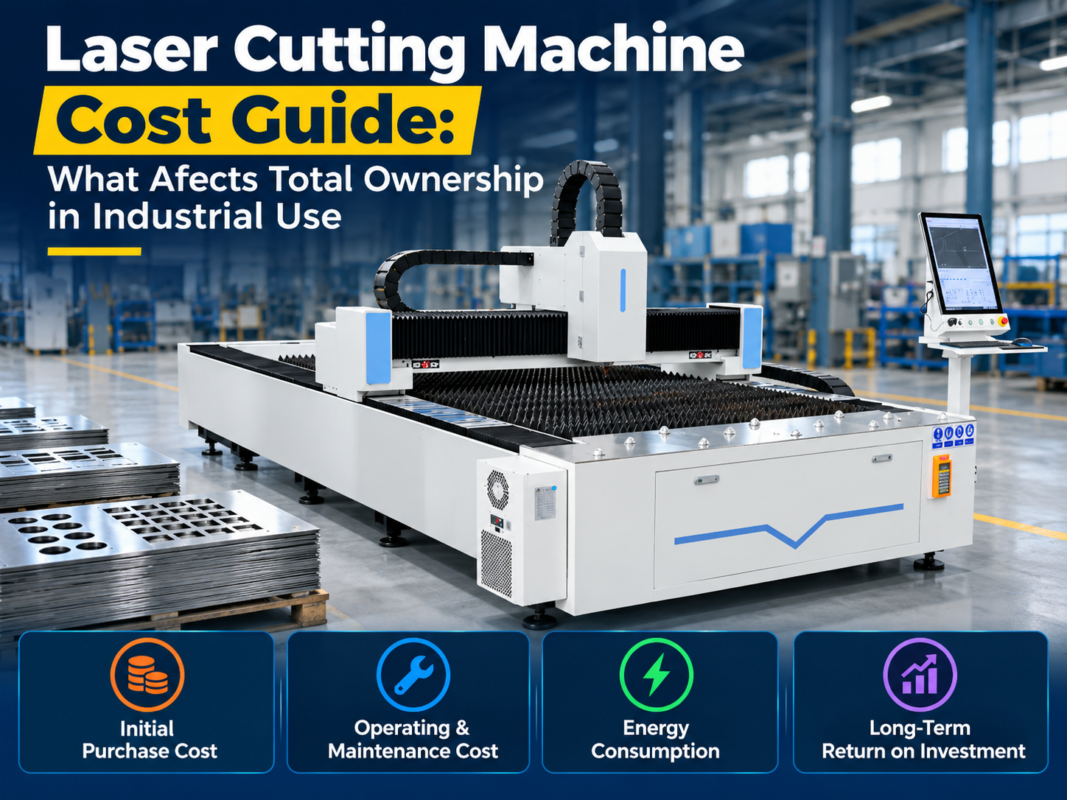
Many first-time buyers fail to account for the secondary costs associated with owning an industrial laser. These can significantly impact the total cost of ownership (TCO).
Installation and Training
Shipping a 5-ton machine across the world and installing it requires specialized logistics and technicians. HARSLE provides comprehensive support, but buyers must account for site preparation, including reinforced concrete flooring and electrical upgrades. Training for operators is also crucial; a poorly trained operator can damage expensive consumables or the cutting head itself.
Gas Consumption
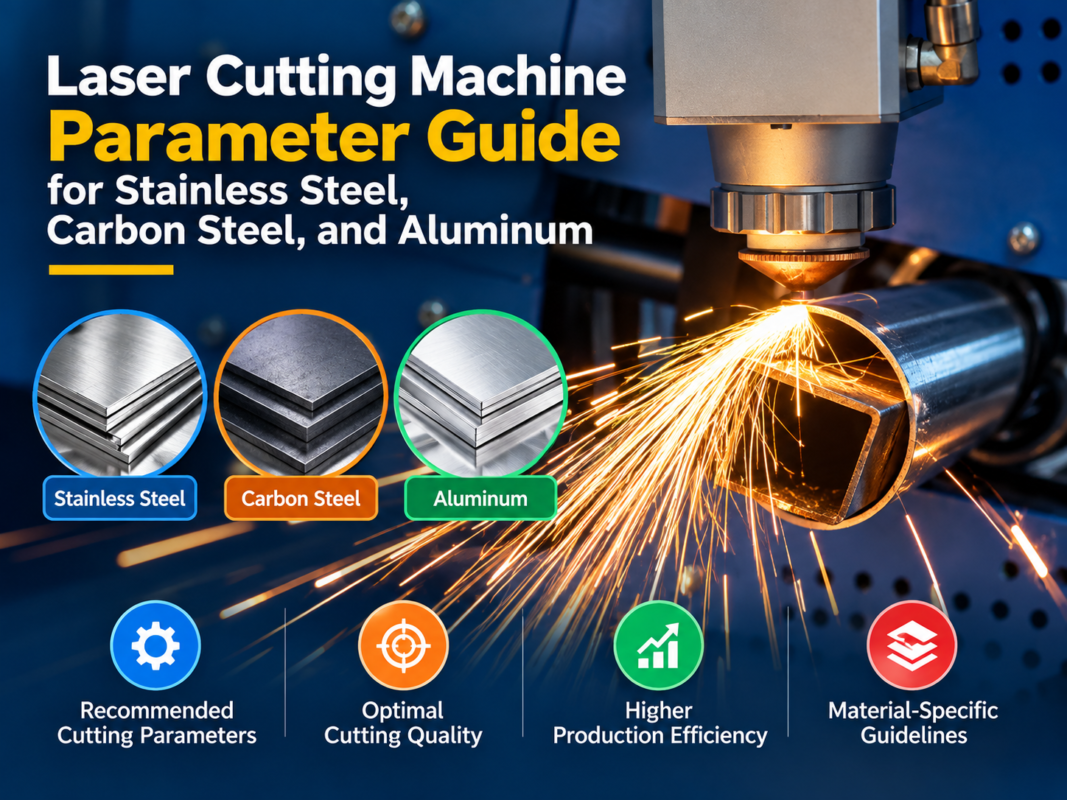
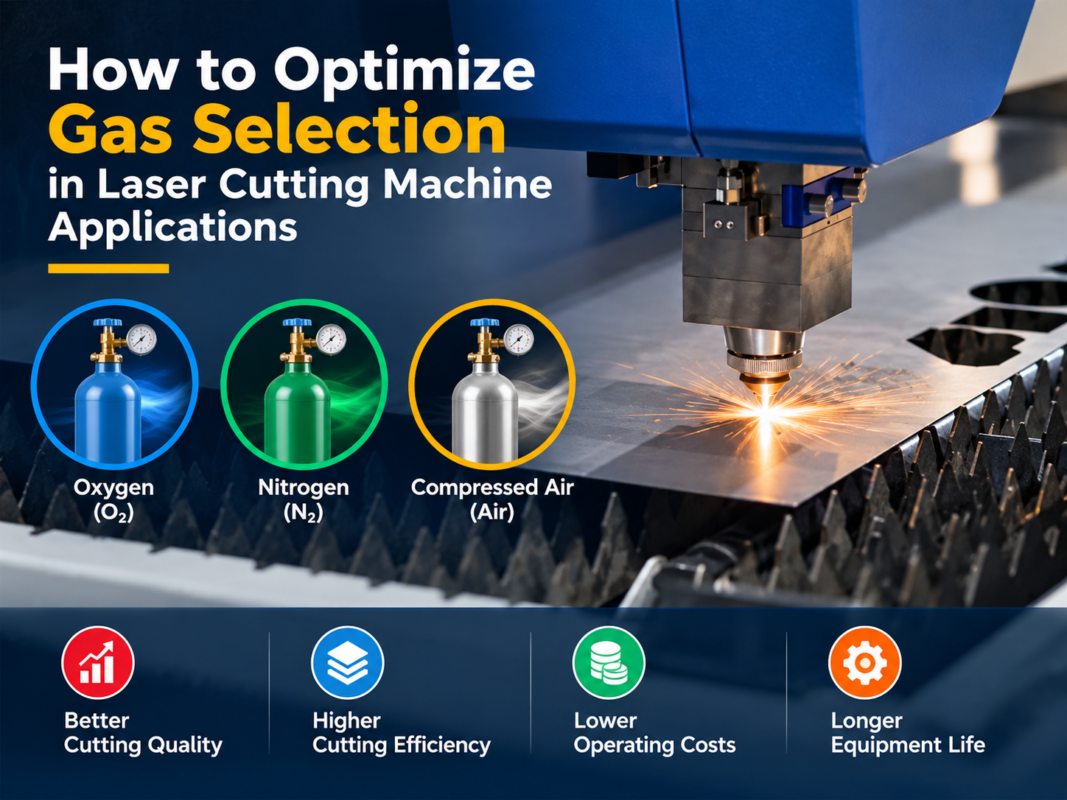
Laser cutting requires assist gases: Oxygen, Nitrogen, or Compressed Air. Nitrogen is used for clean, oxide-free cuts in stainless steel and aluminum but is expensive. Oxygen is used for carbon steel. Many shops are now investing in high-pressure air compressors to use filtered shop air as an assist gas, which significantly reduces operating costs over time, despite the initial cost of the compressor system.
Maintenance and Consumables
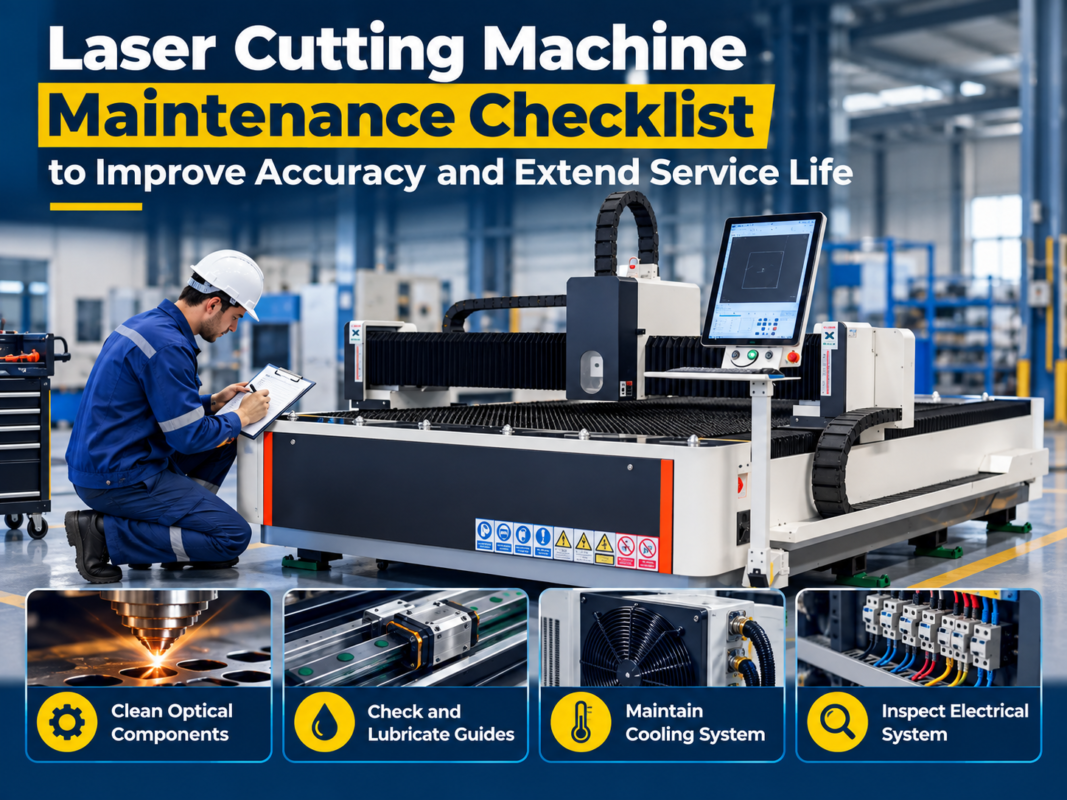
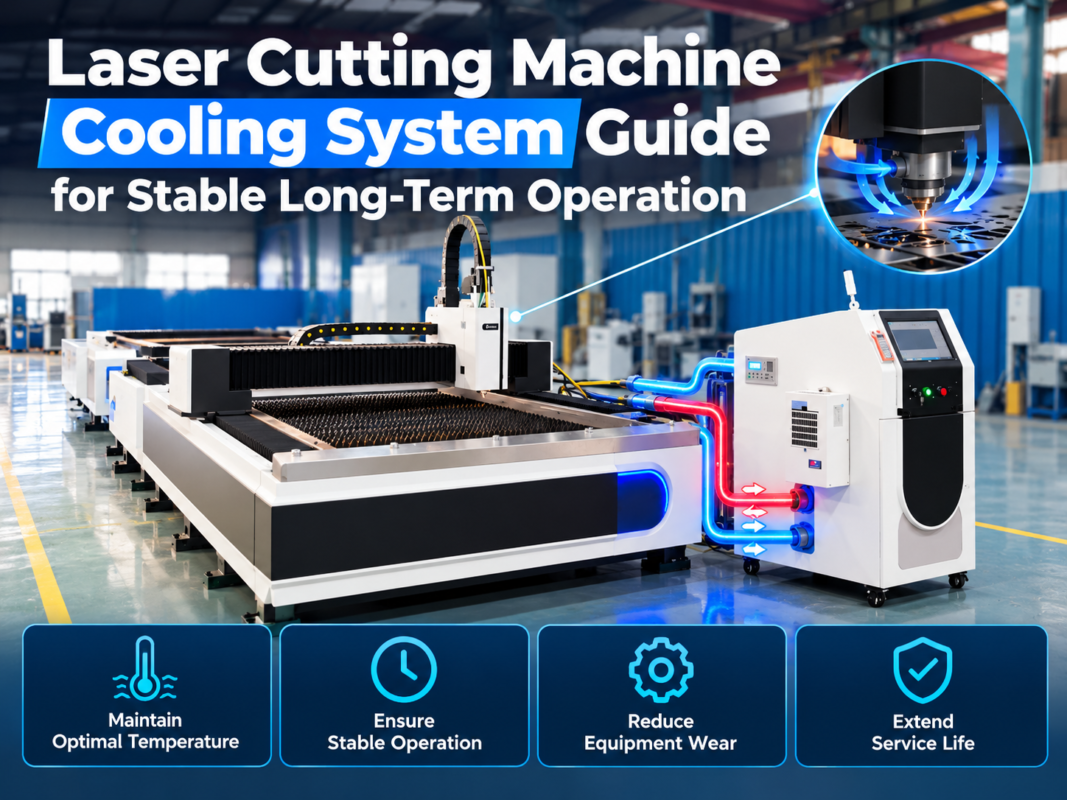
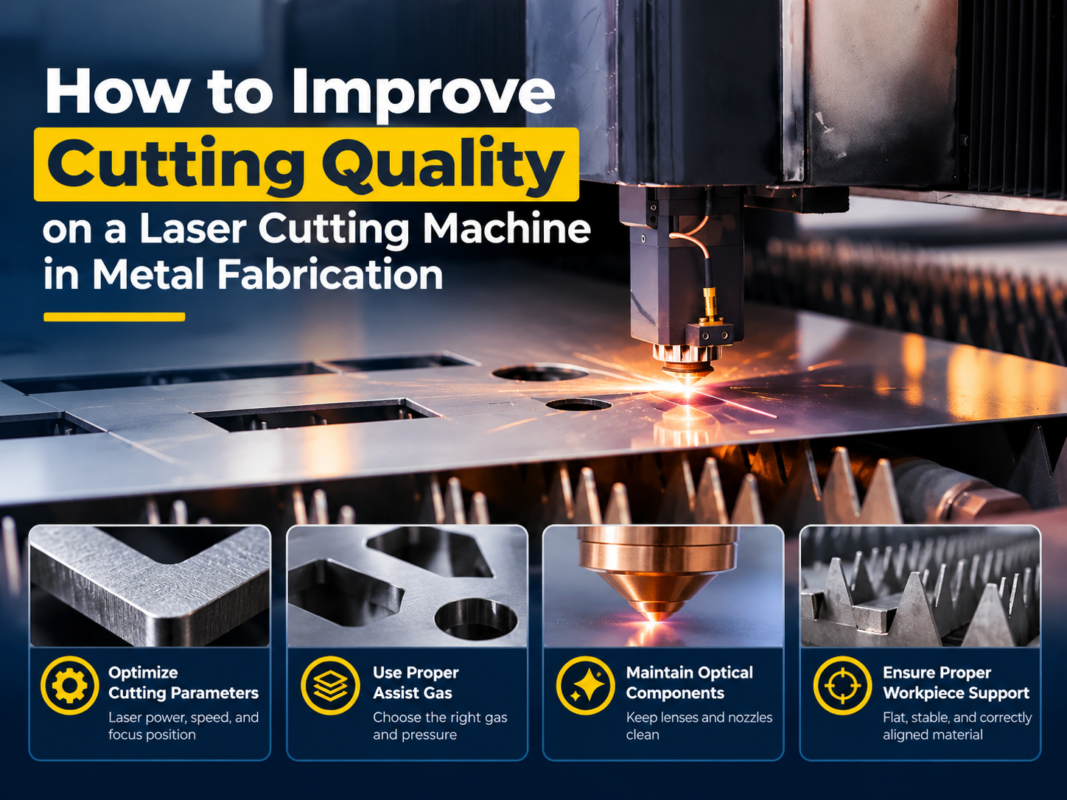
While fiber lasers require less maintenance than CO2 lasers, they are not maintenance-free. Protective windows, nozzles, and ceramic rings are consumables that must be replaced regularly. Additionally, the water chiller requires distilled water and periodic biocide treatments to prevent algae growth and ensure the laser source stays cool.
ROI Calculation: Justifying the Expense
To understand the industrial laser cutting machine price breakdown for small and large shops, one must look at the Return on Investment (ROI). A machine that costs $100,000 but replaces two older plasma cutters and reduces secondary grinding operations can pay for itself in less than 18 months.
Consider a shop that currently outsources $5,000 worth of laser cutting per month. By bringing that work in-house, they not only save the markup but also gain control over their production schedule. If the monthly lease payment on a new HARSLE fiber laser is $2,500, the shop is already cash-flow positive from day one, even before accounting for the new business they can attract with faster turnaround times.
Buying Advice for Small and Large Shops
For Small Shops:
Don’t overbuy power you don’t need. If 90% of your work is under 6mm thick, a 2kW or 3kW machine is your “sweet spot.” Focus on a machine with a reputable control system like CypCut, which is easy to learn and has a large community of users. Prioritize a machine with a compact footprint if space is at a premium.
For Large Shops:
Focus on automation and reliability. Look for machines with high-speed gantries and automatic nozzle changers. Consider the long-term availability of spare parts. Investing in a higher wattage (12kW+) might seem expensive, but the ability to “air cut” thicker materials at high speeds can drastically reduce your cost-per-part compared to using Nitrogen.
Frequently Asked Questions (FAQ)
1. What is the average lifespan of a fiber laser source?
Most high-quality fiber laser sources are rated for 100,000 hours of operation. This equates to over 10 years of 24/7 operation, making them one of the most durable investments in a fabrication shop.
2. Can I cut reflective materials like copper and brass?
Yes, modern fiber lasers are designed to handle back-reflections. However, it is recommended to use a laser source with specific protection for reflective materials and to use Nitrogen as an assist gas for the best results.
3. Is it better to buy a used laser cutting machine?
While used machines are cheaper, they often come without warranties and may have outdated software or degraded components. Given the rapid advancement in fiber laser technology, a new entry-level machine often outperforms a 5-year-old high-end machine at a similar price point.
4. How much space do I need for an industrial laser cutter?
A standard 3015 machine requires a footprint of approximately 5m x 3m, but you must also account for the chiller, the control cabinet, and space for loading/unloading material. A total clear area of 8m x 6m is usually recommended.
5. Does HARSLE provide after-sales support?
Yes, HARSLE provides comprehensive after-sales support, including remote diagnostics, on-site installation, and operator training to ensure your investment reaches its full potential quickly.
Conclusion
The industrial laser cutting machine price breakdown for small and large shops reveals that while the initial investment is significant, the potential for growth and efficiency is unparalleled. By carefully considering the laser source, machine configuration, and hidden operational costs, business owners can select a machine that fits their current budget while providing a platform for future expansion. HARSLE remains committed to providing transparent pricing and industry-leading technology to help fabricators of all sizes succeed in a competitive market.