CO2 vs Fiber Laser Cutting Machine Prices: Which Offers Better Value?


Introduction to Laser Cutting Investment
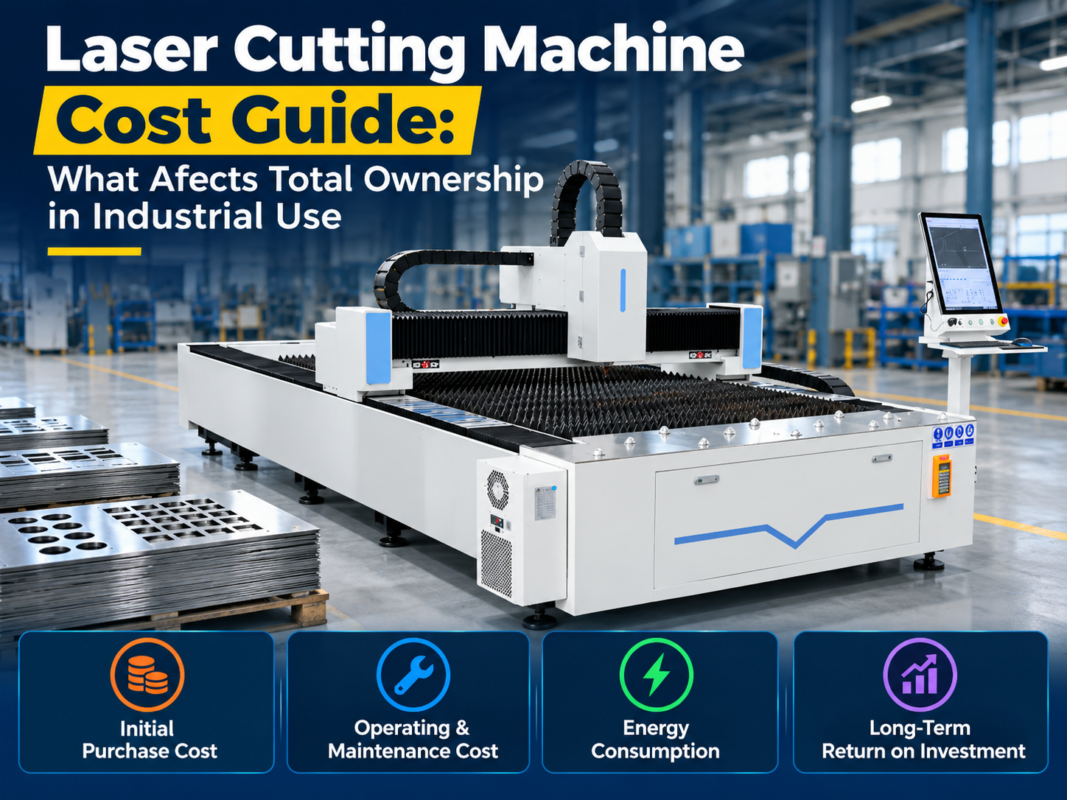
In the modern metal fabrication industry, choosing between CO2 and Fiber laser technology is one of the most critical financial decisions a business owner will make. For decades, CO2 lasers were the undisputed kings of the workshop, capable of cutting a wide variety of materials with precision. However, the emergence and rapid evolution of Fiber laser technology have disrupted the market, leading to a significant shift in how companies evaluate value. When we discuss Co2 Vs Fiber Laser Cutting Machine Prices: Which Offers Better Value?, we must look beyond the initial sticker price and delve into the total cost of ownership (TCO), operational efficiency, and long-term return on investment (ROI).
HARSLE, as a leader in industrial machinery, understands that value is not just about the lowest price tag; it is about finding the machine that generates the most profit per hour for your specific application. This guide provides an exhaustive breakdown of the pricing structures, hidden costs, and performance metrics that define the value proposition of both CO2 and Fiber laser systems.
Price Range Overview: Initial Capital Expenditure
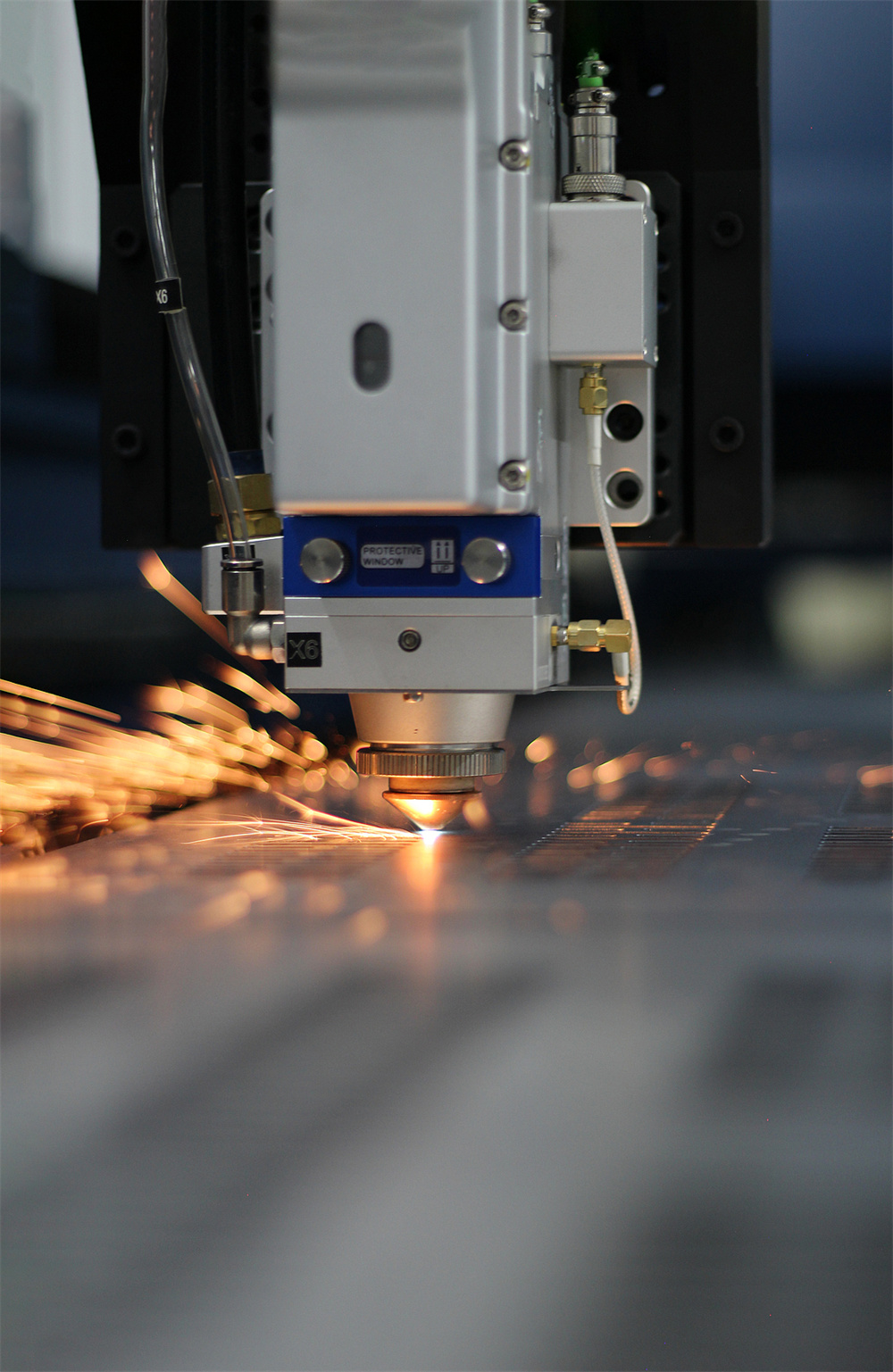
The initial purchase price of a laser cutting machine is often the first hurdle for any fabrication shop. Historically, Fiber lasers were significantly more expensive than CO2 lasers of equivalent power. However, as Fiber technology has matured and production scales have increased, the price gap has narrowed, and in many power brackets, Fiber lasers now offer more competitive entry points.
CO2 Laser Price Points
CO2 laser machines typically range from $20,000 for entry-level, low-wattage units (often used for non-metals) to over $250,000 for high-end industrial systems capable of cutting thick steel. Because the technology is mature, the pricing is relatively stable. However, the complexity of the internal optics and the gas resonator system means that even a mid-range CO2 laser requires a substantial upfront investment.
Fiber Laser Price Points
Fiber laser prices are highly dependent on the power source (wattage). A 1kW to 2kW Fiber laser, ideal for thin sheet metal, can range from $30,000 to $60,000. As you move into the high-power territory—12kW, 20kW, or even 30kW—the price can exceed $300,000. While the high-end Fiber machines are expensive, their productivity levels are exponentially higher than CO2 machines, which often justifies the cost for high-volume shops.
| Machine Type | Power Range | Estimated Price (USD) | Primary Material Focus |
|---|---|---|---|
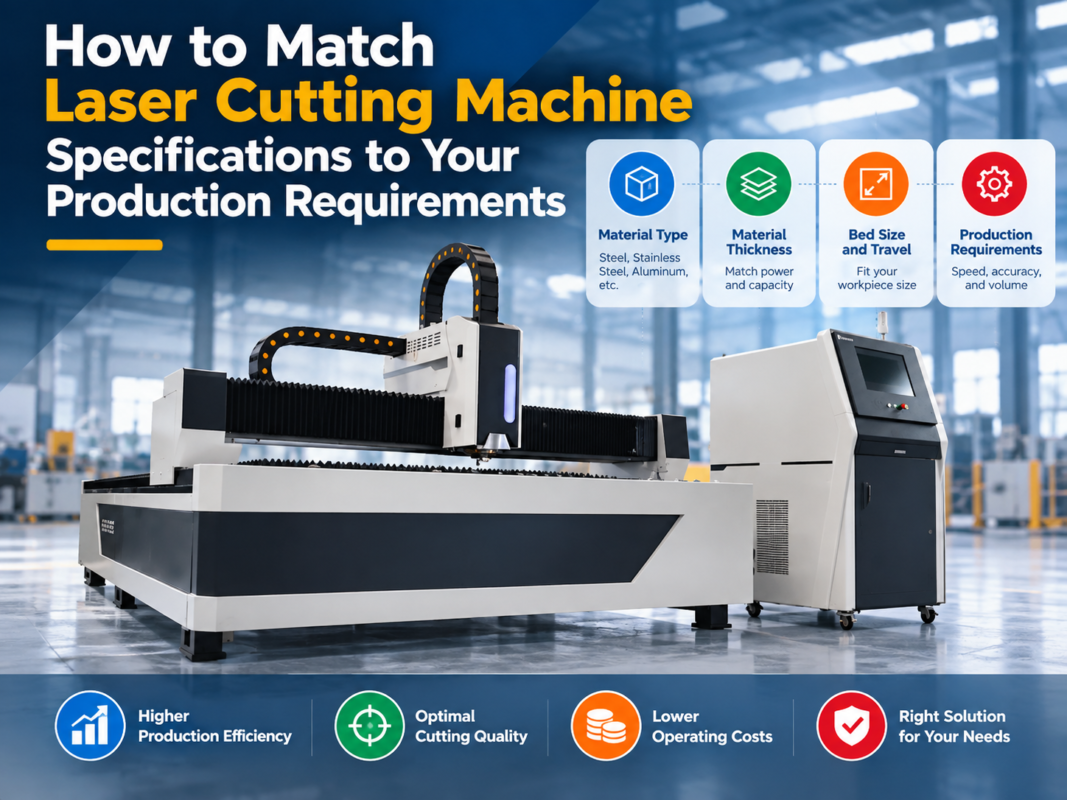
| Entry-Level Fiber | 1kW – 2kW | $30,000 – $60,000 | Thin Sheet Metal (1-6mm) |
| Mid-Range Fiber | 3kW – 6kW | $70,000 – $130,000 | Medium Plate (8-15mm) |
| High-Power Fiber | 12kW – 30kW | $180,000 – $400,000+ | Thick Plate (20mm+) |
| Industrial CO2 | 2kW – 6kW | $50,000 – $200,000 | Mixed Materials (Wood, Acrylic, Metal) |
Main Cost Drivers in Laser Technology
Understanding why one machine costs more than another requires a look at the core components. The “source” of the laser is the primary cost driver. In a CO2 machine, the laser is generated in a gas-filled tube using a mixture of carbon dioxide, nitrogen, and helium. This requires high-voltage power supplies and a complex system of mirrors to deliver the beam to the cutting head.
In contrast, a Fiber laser uses a solid-state seed laser that is amplified through specially doped optical fibers. This eliminates the need for mirrors and gas resonators. The cost of the Fiber source (often from brands like IPG, Raycus, or Max Photonics) accounts for a large percentage of the machine’s total price. As the wattage increases, the number of diode modules required increases, driving the price up linearly.
Another major cost driver is the motion system. High-speed Fiber lasers require robust frames and high-end servo motors (such as Yaskawa or Panasonic) to handle the extreme accelerations (up to 2.0G) that the technology is capable of. A machine that can cut at 50 meters per minute requires a much more expensive mechanical structure than a slower CO2 machine.
Configuration Impact on Final Pricing
When comparing Co2 Vs Fiber Laser Cutting Machine Prices, the configuration of the machine plays a massive role. A base model might seem affordable, but necessary add-ons for industrial production can quickly increase the total investment.
- Exchange Tables: For Fiber lasers, which cut thin materials incredibly fast, an automatic exchange table (shuttle table) is almost mandatory. This allows the operator to load a new sheet while the machine is cutting, maximizing “beam-on” time. This feature can add $15,000 to $30,000 to the price.
- Laser Head Technology: Advanced autofocus cutting heads (like Precitec or Raytools) are essential for maintaining precision across different material thicknesses. These heads contain sensitive electronics and optics that contribute significantly to the machine’s value.
- Control Systems: Professional CNC systems like CypCut or Beckhoff provide the processing power needed to handle complex geometries at high speeds. The software licenses and hardware interfaces are integrated into the final price.
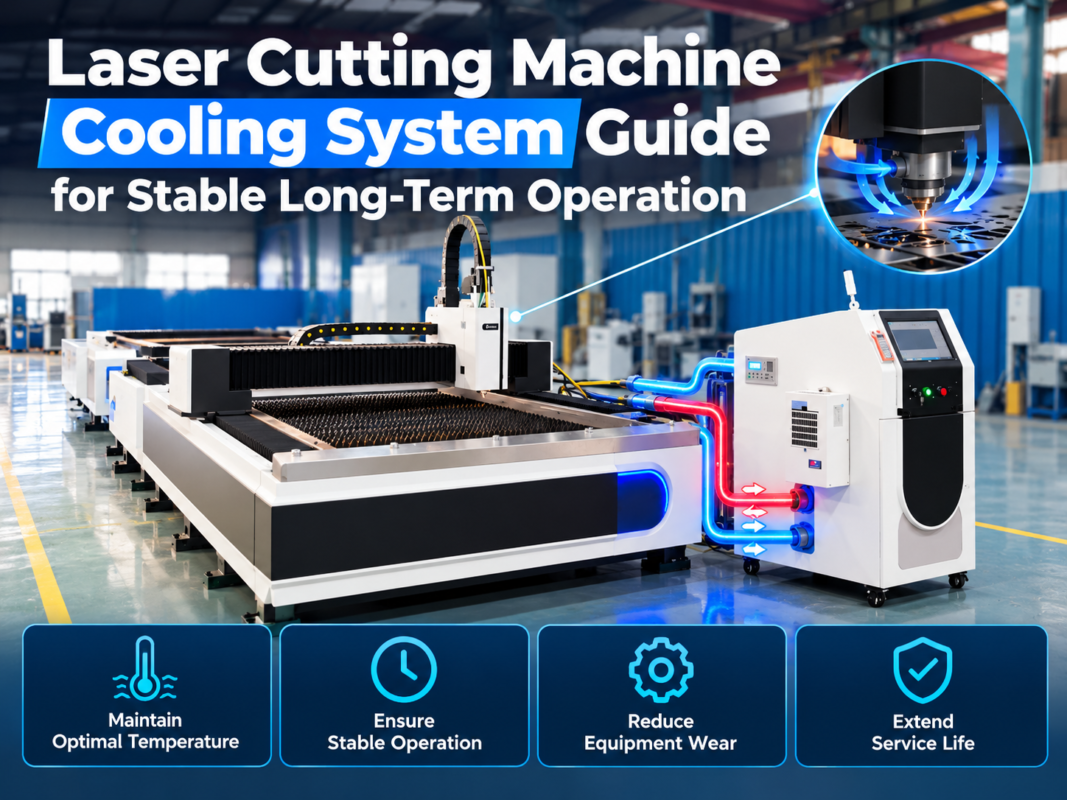
- Cooling Systems: High-power lasers generate significant heat. A dual-circuit industrial chiller is required to cool both the laser source and the cutting head. The larger the laser power, the more expensive the cooling solution.
Hidden Costs: Maintenance and Operation
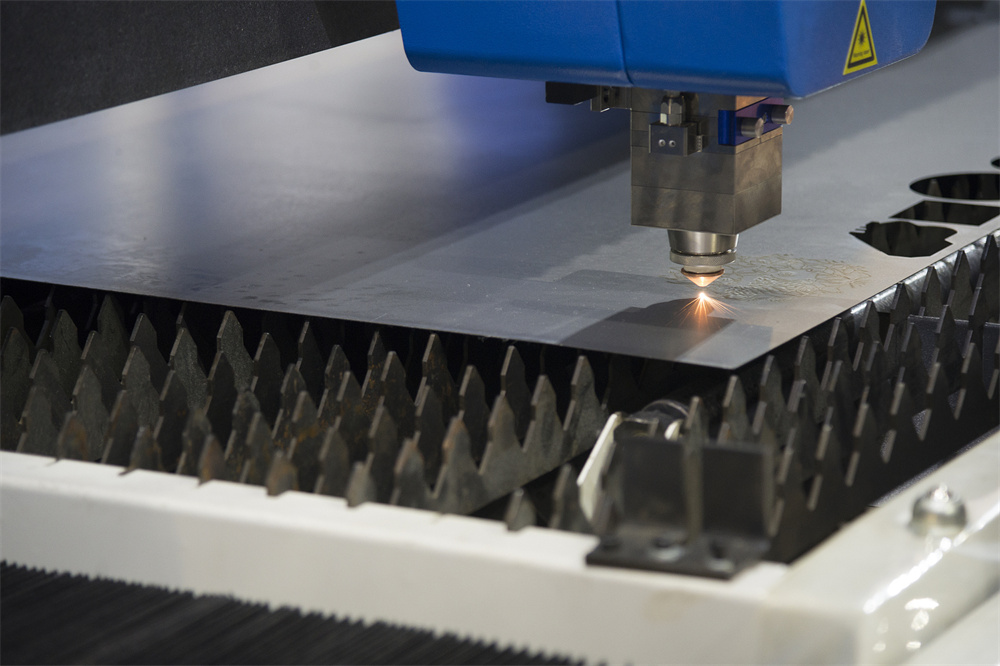
This is where the “Value” part of the equation becomes clear. While the purchase price is a one-time cost, operational expenses occur every hour the machine runs. Fiber lasers have a massive advantage in this category.
Electrical Efficiency
Fiber lasers are significantly more energy-efficient. A Fiber laser has a “wall-plug efficiency” of about 30% to 35%, meaning it converts a third of its electrical input into laser power. CO2 lasers, by comparison, have an efficiency of about 8% to 10%. For a shop running two shifts, the electricity savings with a Fiber laser can amount to thousands of dollars per year.
Consumables and Maintenance
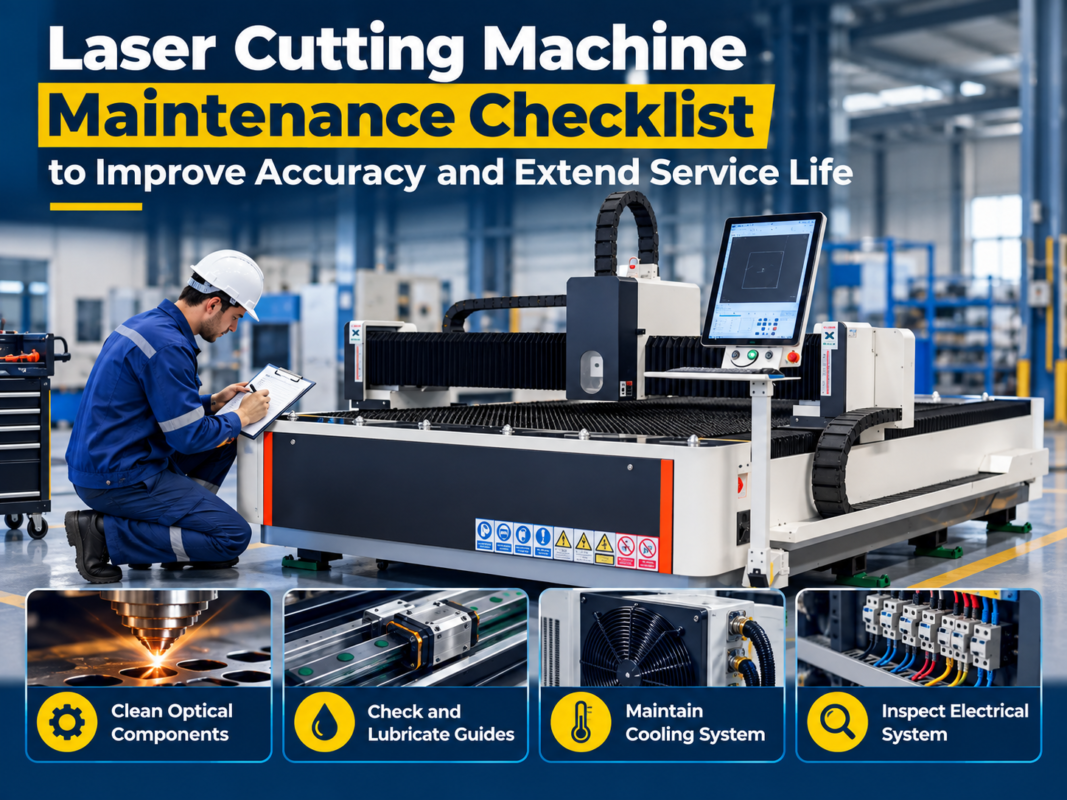
CO2 lasers require regular maintenance of the internal mirrors, bellows, and the gas resonator. The mirrors must be perfectly aligned and cleaned, and the vacuum pump requires periodic servicing. Furthermore, CO2 lasers consume expensive laser gases to maintain the beam. Fiber lasers have no moving parts in the light-generation path and no mirrors to align. The primary consumables for Fiber are the protective windows, nozzles, and ceramic rings, which are relatively inexpensive and easy to replace. This leads to a much lower maintenance cost per hour.
ROI Calculation: Speed vs. Cost Per Part
To determine which offers better value, we must look at the Return on Investment (ROI). The formula for ROI in laser cutting is generally: (Revenue per Part – Cost per Part) / Time. Fiber lasers dominate the ROI battle in thin to medium-thickness metals (up to 10mm). Because the wavelength of a Fiber laser (1.06 microns) is absorbed much more readily by metal than the CO2 wavelength (10.6 microns), it can cut thin materials 3 to 5 times faster than a CO2 laser of the same power.
If a Fiber laser can produce 300 parts in the time it takes a CO2 laser to produce 100, the “value” of the Fiber laser is significantly higher, even if the initial price was 20% more. However, for very thick materials (over 25mm), the gap narrows. While high-power Fiber lasers (15kW+) can now outperform CO2 in thick plate, the CO2 laser historically provided a smoother edge finish on thick mild steel, though this advantage is rapidly disappearing with modern Fiber gas-mixing technologies.
Buying Advice: Which Should You Choose?
Choosing between CO2 and Fiber depends entirely on your production goals. Here is a checklist to help you decide which offers better value for your specific needs:
- Choose Fiber Laser if: Your primary work involves stainless steel, carbon steel, aluminum, brass, or copper. You need high-volume production of thin to medium-gauge parts. You want lower monthly utility bills and minimal maintenance downtime.
- Choose CO2 Laser if: You need to cut a wide variety of non-metallic materials like wood, acrylic, plastics, and leather in addition to some metal. You are working with very specific thick-plate applications where edge quality is the absolute priority and you have a limited budget for high-power Fiber alternatives.
- Consider the Future: The industry is moving almost entirely toward Fiber for metal fabrication. Investing in Fiber technology ensures better resale value and easier access to spare parts and technicians in the coming decade.
At HARSLE, we generally recommend Fiber laser systems for 95% of metal fabrication applications due to their superior speed, lower operating costs, and increasing affordability. The “value” of a Fiber laser is realized within the first year of operation through increased throughput and reduced overhead.
Frequently Asked Questions (FAQ)
1. Is a Fiber laser always faster than a CO2 laser?
In metals, yes. For thicknesses under 6mm, a Fiber laser is significantly faster. As the material gets thicker, the speed advantage decreases, but high-power Fiber lasers (12kW+) still outperform CO2 lasers across almost all metal thicknesses.
2. Why are CO2 lasers still sold?
CO2 lasers are still relevant for industries that cut non-metals. Fiber lasers cannot cut wood, acrylic, or fabric effectively because those materials do not absorb the Fiber laser’s wavelength. CO2 is a versatile tool for multi-material shops.
3. How long does a Fiber laser source last?
Most high-quality Fiber laser sources (like those used by HARSLE) have a rated lifespan of 100,000 hours. This is significantly longer than the service intervals required for CO2 resonators.
4. Does Fiber laser cutting require special safety precautions?
Yes. Because the Fiber laser wavelength is extremely dangerous to the human eye, these machines must be fully enclosed in a light-tight housing with specialized laser-safe glass windows. This is often included in the price of industrial Fiber lasers.
5. Can I upgrade my CO2 machine to a Fiber source?
Generally, no. The beam delivery system (mirrors vs. fiber optic cable) and the frame requirements are fundamentally different. It is almost always more cost-effective to purchase a new Fiber laser machine than to attempt a conversion.
6. What is the most expensive part of maintaining a Fiber laser?
The most expensive potential cost is the replacement of the laser source or the cutting head if they are damaged due to poor maintenance or operator error. However, under normal operating conditions, the daily consumable costs are very low.
Conclusion
When evaluating Co2 Vs Fiber Laser Cutting Machine Prices: Which Offers Better Value?, the evidence overwhelmingly favors Fiber laser technology for metal fabrication. While the initial investment for a high-power Fiber system can be substantial, the combination of high processing speeds, low energy consumption, and minimal maintenance requirements results in a much lower cost per part. For modern fabricators looking to remain competitive, HARSLE Fiber laser machines provide the efficiency and reliability needed to maximize profitability in a demanding market. By choosing the right power level and configuration, you can ensure that your investment provides value for many years to come.