What Affects Laser Cutting Machine Cost? Complete Buyer’s Price Guide


Introduction to Laser Cutting Machine Investment
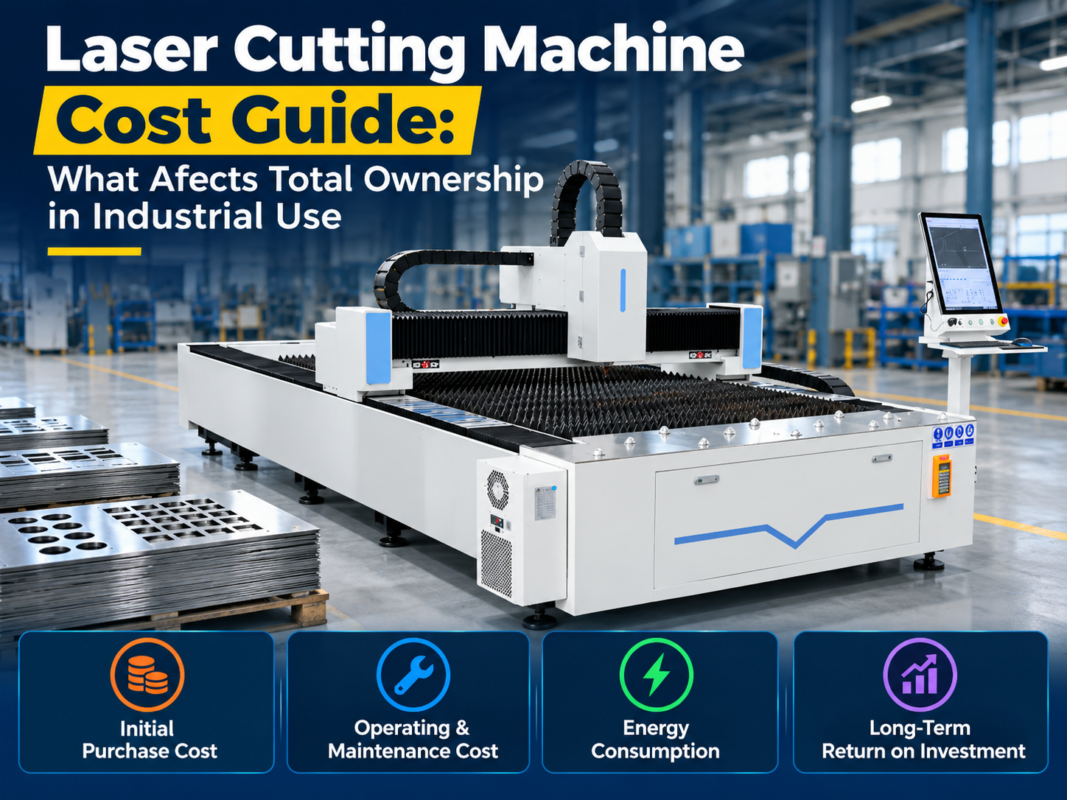
In the modern era of metal fabrication, the fiber laser cutting machine has transitioned from a luxury high-tech tool to an essential piece of industrial equipment. Whether you are a small job shop or a large-scale manufacturing plant, understanding the financial landscape of this technology is crucial. However, when you start searching for a machine, you will notice a massive price disparity. One machine might be listed at $20,000, while another seemingly similar model costs over $200,000. This discrepancy often leaves buyers asking: What Affects Laser Cutting Machine Cost? Complete Buyer’s Price analysis is required to navigate these waters.
At HARSLE, we believe that transparency is the foundation of a successful partnership. Investing in a laser cutter is not just about the initial purchase price; it is about the total cost of ownership, the efficiency of the machine, and the long-term return on investment (ROI). This guide is designed to break down every factor that influences the price tag, helping you make an informed decision that aligns with your production goals and budget constraints.
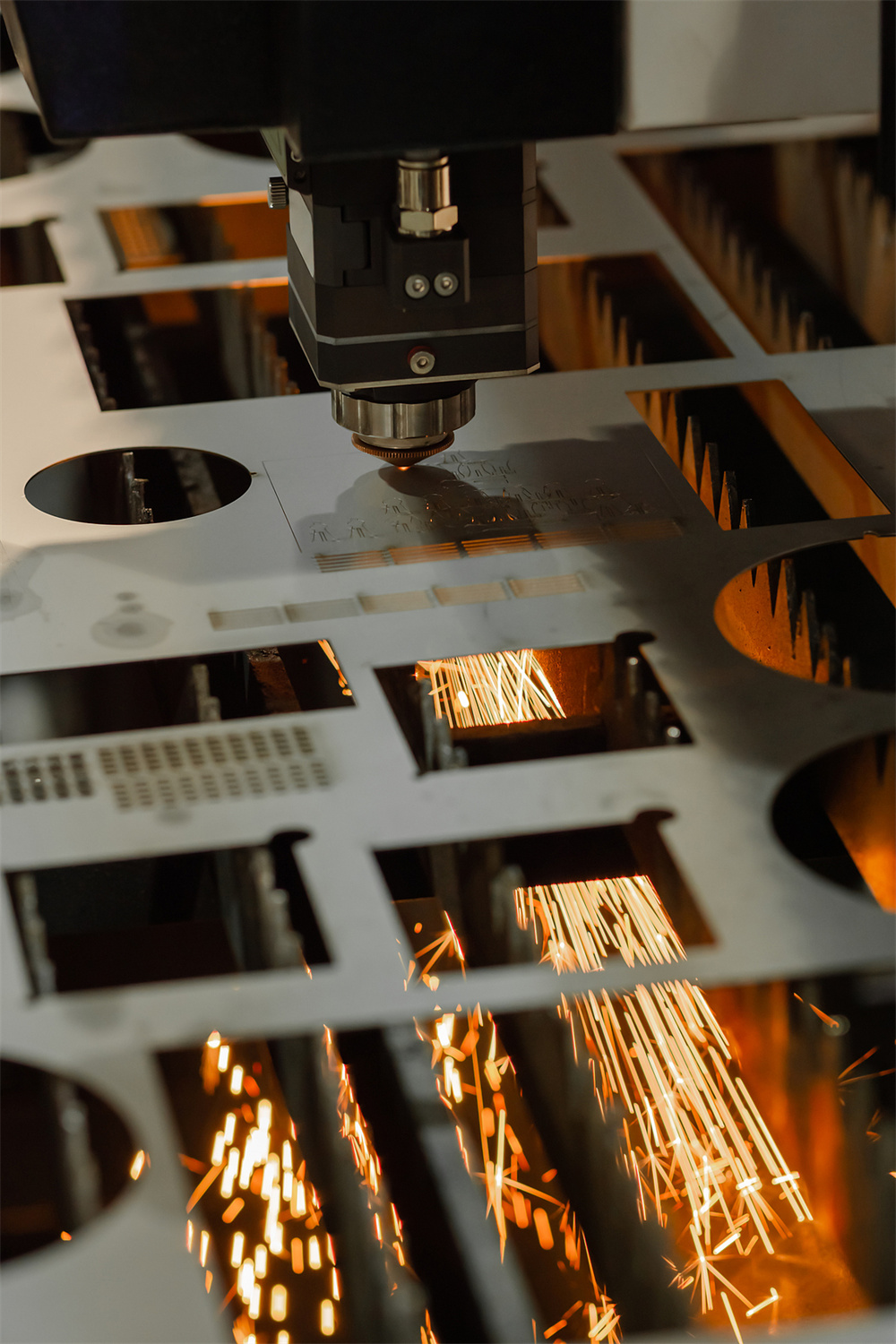
Price Range Overview: From Entry-Level to Ultra-High Power
The market for laser cutting machines is segmented into several tiers based on power, capability, and build quality. Understanding where your needs fall within these tiers is the first step in budgeting.
1. Entry-Level and Small Format Machines ($15,000 – $45,000)
These machines typically feature laser sources between 1kW and 2kW. They are often designed with a smaller footprint (e.g., 1300x2500mm) and may lack an automatic shuttle table. These are ideal for thin sheet metal fabrication (under 6mm carbon steel) and businesses just transitioning from plasma or manual cutting. While affordable, they have lower cutting speeds and limited thickness capacities.
2. Mid-Range Industrial Machines ($50,000 – $120,000)
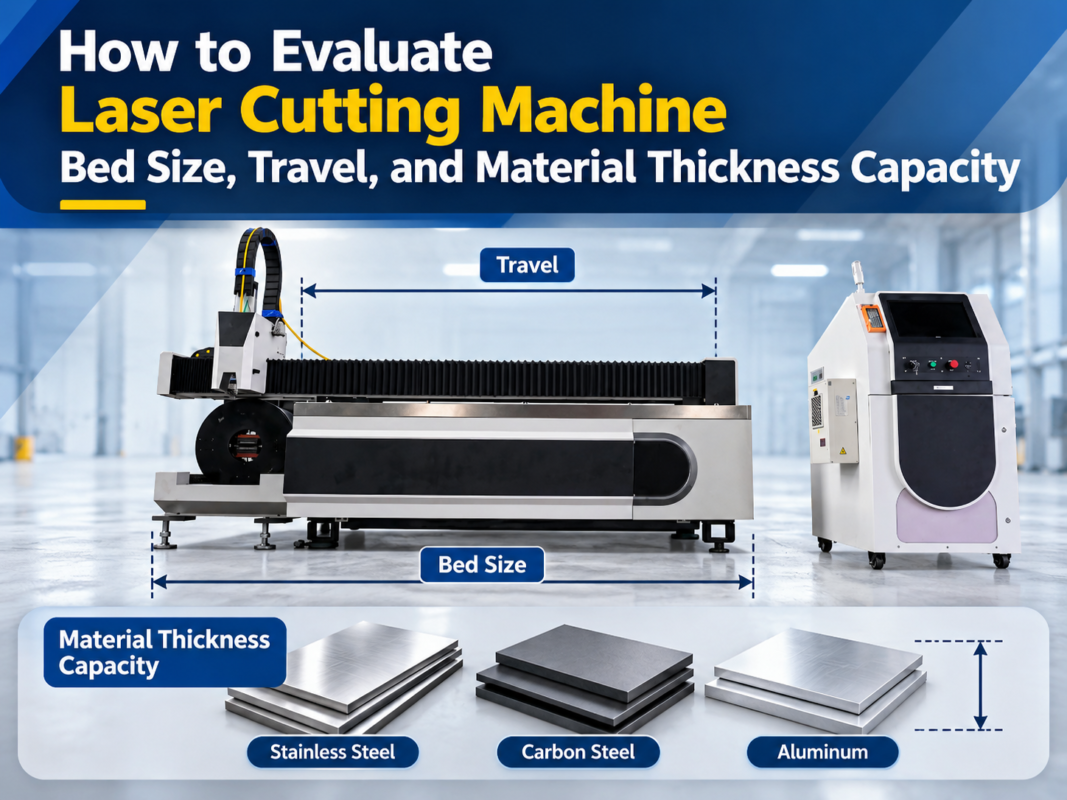
This is the most popular segment for general metal fabrication. These machines usually offer 3kW to 6kW of power and come standard with a 1500x3000mm or 2000x4000mm working area. Most in this range include an exchange table (shuttle table) to maximize uptime. They can handle a wide variety of materials, including stainless steel and aluminum up to 12-16mm with high precision.
3. High-End and Ultra-High Power Systems ($150,000 – $500,000+)
When you move into the 12kW to 30kW+ range, the price increases exponentially. These machines are built for heavy industry, capable of cutting 50mm+ thick plates at incredible speeds. They feature reinforced frames, advanced cooling systems, and high-end automation features like automatic nozzle changers and integrated loading/unloading systems. The cost here reflects the massive productivity gains and the ability to replace multiple lower-power machines.
Main Cost Drivers: The Core Components
The “heart” and “brain” of the machine are the primary reasons for price fluctuations. Let’s examine the components that have the most significant impact on the final quote.
The Laser Source (The Heart)
The laser source is the single most expensive component of the machine, often accounting for 30% to 50% of the total cost. Brands like IPG Photonics (USA/Germany) are considered the gold standard for stability and longevity, commanding a premium price. Brands like Raycus and Maxphotonics offer excellent performance at a more competitive price point, making them popular for mid-range machines. The higher the wattage, the higher the cost. For example, moving from a 3kW to a 6kW source can add $20,000 to $35,000 to the machine’s price.
The Cutting Head (The Precision Tool)
The cutting head houses the focusing lenses and the nozzle. High-end heads, such as those from Precitec (Germany), feature advanced sensors for height tracking and autofocus capabilities that are superior in high-power applications. More budget-friendly options like Raytools or WSX are highly effective for standard industrial use but may lack some of the sophisticated monitoring features found in premium models.
The Bed and Gantry (The Skeleton)
A laser machine must maintain micron-level precision while moving at high speeds. This requires a rigid, heavy-duty frame. A machine with a cast iron bed or a heavy-duty plate-welded frame that has undergone heat treatment (stress relief) will cost more than a simple tube-welded frame. The gantry material also matters; aviation-grade aluminum gantries are lightweight and rigid, allowing for higher acceleration (G-force), which increases the price but improves cutting efficiency.
Configuration Impact: Beyond the Basics
While the laser source gets all the attention, the secondary components determine the machine’s reliability and ease of use.
CNC Control System and Software
The software is the interface between the operator and the machine. Systems like CypCut are industry standards due to their user-friendly interface and powerful nesting capabilities. Advanced versions (like HypCut) or proprietary systems from high-end manufacturers can add to the cost but offer better integration with automation and more precise control over the cutting process.
Motors and Drive Systems
To achieve high speeds, the machine needs powerful servo motors. Japanese brands like Yaskawa or Panasonic are preferred for their reliability. The rack and pinion system (which converts the motor’s rotation into linear movement) must also be high-precision. Using German-made racks (like Atlanta) or high-end gearboxes (like Shimpo) ensures the machine stays accurate over years of operation, though it adds to the initial investment.
Cooling and Gas Control
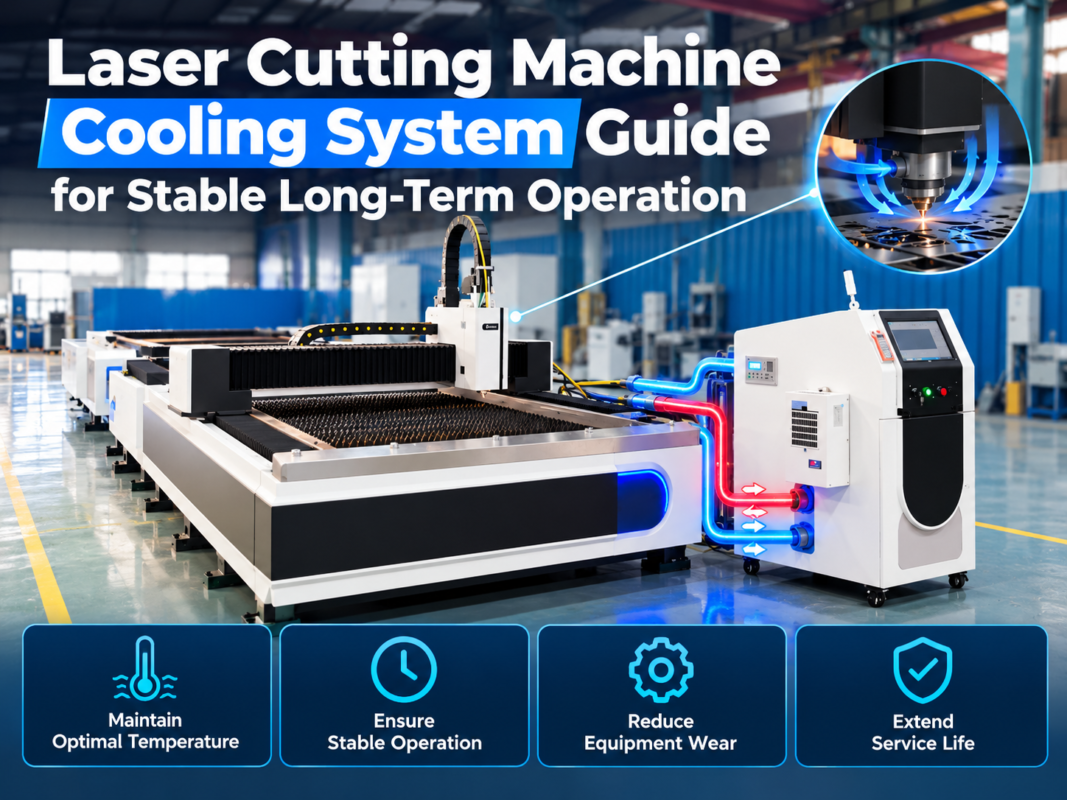
A high-power laser generates significant heat. A dual-circuit water chiller is required to cool both the laser source and the cutting head. Additionally, the gas control system (Proportional Valves) allows the machine to automatically adjust gas pressure for different materials, which is a feature that adds cost but saves significant time and gas consumption.

Hidden Costs: What the Quote Might Not Show
When calculating the Affects Laser Cutting Machine Cost? Complete Buyer’s Price, you must look beyond the machine’s sticker price. Several “hidden” costs can impact your budget.
- Shipping and Logistics: These machines are heavy and oversized. Shipping from the factory to your facility, including ocean freight, insurance, and local trucking, can cost several thousand dollars.
- Installation and Training: Unless you are an expert, you will need a technician to set up the machine and train your staff. Some manufacturers include this, while others charge daily rates plus travel expenses.
- Site Preparation: You may need to reinforce your factory floor, install high-voltage power lines, or set up a dedicated gas supply system (bulk tanks for Nitrogen or Oxygen).
- Consumables: Nozzles, protective windows, and ceramic rings are wear items. While individually cheap, they add up over a year of production.
- Auxiliary Equipment: To run a laser efficiently, you might need an air compressor (for air cutting), a voltage stabilizer, or a dust extraction system to keep the workspace clean and safe.
ROI Calculation: Justifying the Expense
A laser cutting machine is a profit center, not just an expense. To calculate the ROI, consider the following:
| Factor | Impact on ROI |
|---|---|
| Cutting Speed | Higher wattage cuts faster, allowing for more parts per hour and lower labor cost per part. |
| Material Utilization | Advanced nesting software reduces scrap, saving thousands in material costs annually. |
| Secondary Operations | Laser cutting produces a finished edge, eliminating the need for grinding or deburring required by plasma or mechanical cutting. |
| Versatility | The ability to cut various metals (SS, CS, Aluminum, Brass) allows you to take on more diverse projects. |
Typically, a well-utilized industrial fiber laser can pay for itself within 12 to 24 months, depending on the local market rates for laser cutting services and the volume of work processed.
Buying Advice: How to Choose the Right Machine
Choosing the right machine involves balancing your current needs with your future growth. Here is a checklist for prospective buyers:
- Define Your Maximum Thickness: Don’t buy a 12kW machine if 90% of your work is 3mm stainless steel. However, don’t buy a 1kW machine if you occasionally need to cut 12mm plate; it will be slow and inefficient.
- Test Cut Your Material: Always ask the manufacturer for test cuts on your specific material. Check the edge quality and dimensional accuracy.
- Evaluate After-Sales Support: A cheap machine becomes very expensive if it sits idle for weeks waiting for a spare part. Ensure the manufacturer has a reliable service network or remote support capabilities.
- Check the Component Brands: Ensure the key components (Laser source, motors, rails) are from reputable brands with global support.
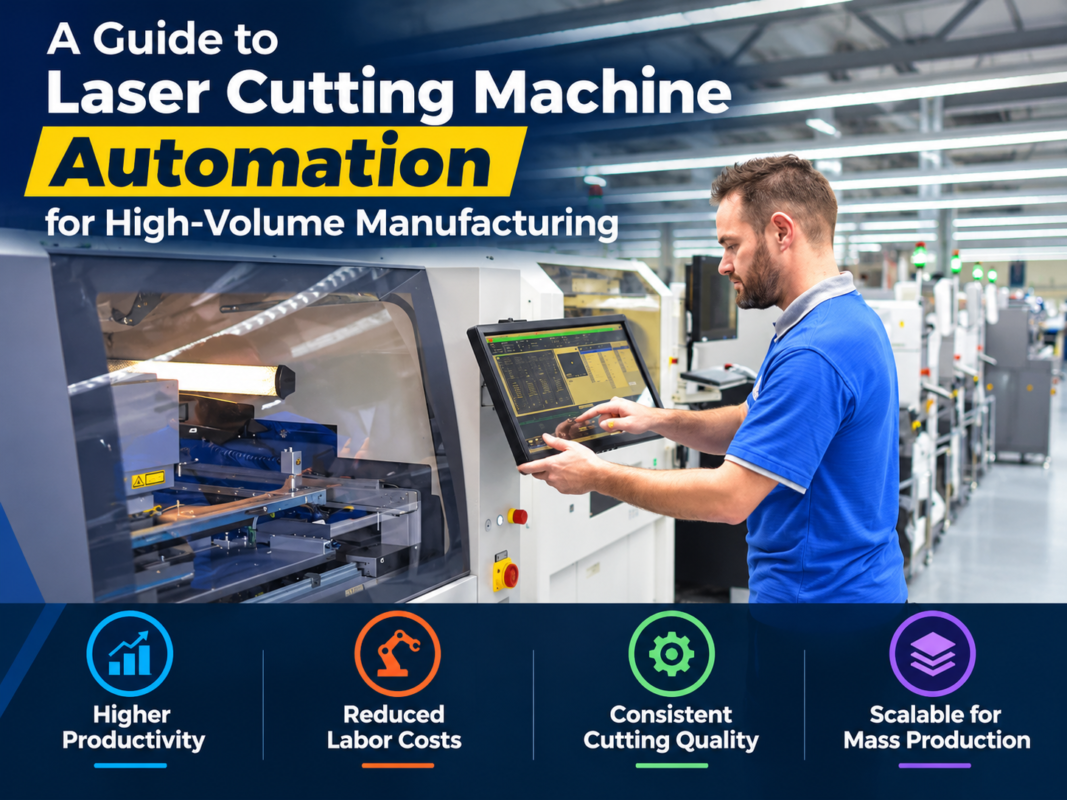
- Consider Future Automation: If you plan to grow, look for a machine that can be retrofitted with an automatic loading system or a larger bed in the future.
Frequently Asked Questions (FAQ)
1. How long does a fiber laser source last?
Most modern fiber laser sources (like IPG or Raycus) are rated for approximately 100,000 hours of operation. In a typical single-shift operation, this can equate to over 20 years of service life, though peripheral components may require maintenance sooner.
2. Is air cutting cheaper than nitrogen cutting?
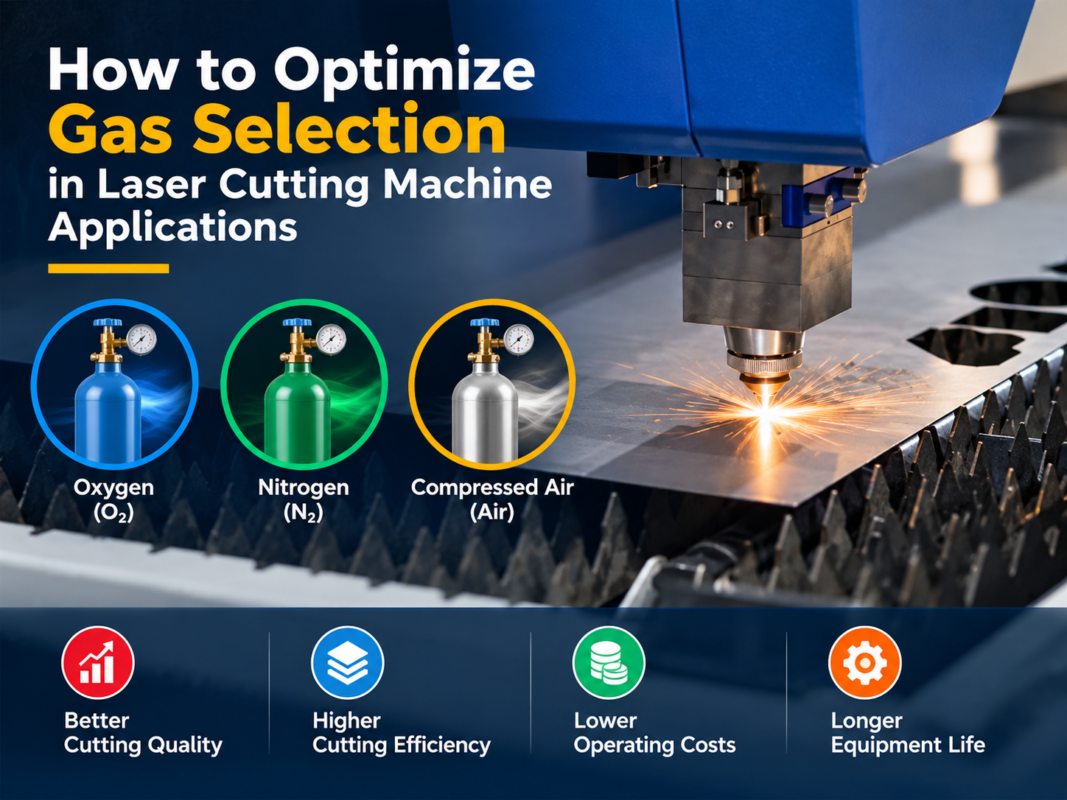
Yes, air cutting is significantly cheaper because you are not paying for bottled gas. However, it requires a high-pressure air compressor and filtration system. Air cutting is excellent for thin materials but may leave a slight oxide layer on the edge compared to nitrogen.
3. Can I upgrade the laser power later?
While technically possible, upgrading the laser source is very expensive and often requires changing the chiller, the cutting head, and sometimes the wiring. It is usually more cost-effective to buy the power you need from the start or trade in the machine for a higher-power model later.
4. What is the difference between a single table and an exchange table?
A single table machine requires you to stop cutting to load new material and unload finished parts. An exchange table (shuttle table) allows you to load/unload on one table while the machine is cutting on the other, increasing productivity by 30-50%.
5. Why is the price of Chinese laser machines so much lower than European ones?
Chinese manufacturers like HARSLE benefit from a massive supply chain ecosystem and lower labor costs. Furthermore, many Chinese brands use the same high-end components (IPG, Precitec, Yaskawa) as European brands but with lower overhead and higher production volumes, passing the savings to the customer.
6. Does the machine require a special foundation?
For standard 1530 size machines, a level, reinforced industrial concrete floor (usually 150mm-200mm thick) is sufficient. For very large format or ultra-high-power machines, a dedicated foundation may be recommended to prevent vibrations from affecting cutting precision.
Conclusion
Understanding What Affects Laser Cutting Machine Cost? Complete Buyer’s Price is about more than just looking at a quote. It is about understanding the synergy between the laser source, the mechanical structure, and the software. By identifying your specific production needs and weighing them against the technical configurations available, you can find a machine that offers the best value for your investment. At HARSLE, we are committed to providing high-performance laser solutions that help our customers stay competitive in an ever-evolving market. Whether you are looking for your first 1kW machine or a 30kW powerhouse, focus on quality, support, and the long-term potential of the technology.