Hydraulic Press Cost Breakdown: Frame, Tonnage, Control System, and Accessories


Introduction to Hydraulic Press Investment
Investing in a hydraulic press is a significant capital expenditure for any metal fabrication facility. Whether you are a small workshop looking for a versatile C-frame press or a large-scale automotive manufacturer requiring a high-tonnage four-column press, understanding the Hydraulic Press Cost Breakdown: Frame, Tonnage, Control System, and Accessories is crucial for budgeting and operational efficiency. The price of a hydraulic press is not a single fixed number; rather, it is a composite of various engineering choices, material qualities, and technological integrations.
At HARSLE, we recognize that our clients need transparency to justify their Return on Investment (ROI). A hydraulic press is the backbone of processes like deep drawing, stamping, punching, and molding. Consequently, the cost reflects the machine’s ability to perform these tasks with precision, speed, and safety. This guide will dissect every major component that influences the final invoice, helping you distinguish between necessary features and optional upgrades.
Price Range Overview: From Entry-Level to Industrial Giants
The market for hydraulic presses is vast, with prices ranging from a few thousand dollars to several hundred thousand. To provide a clear Hydraulic Press Cost Breakdown: Frame, Tonnage, Control System, and Accessories, we must first categorize these machines based on their intended application and scale.
- Entry-Level/Workshop Presses (10T – 50T): These are typically manual or semi-automatic C-frame presses used for basic bending, straightening, or assembly. Prices usually range from $2,000 to $10,000.
- Mid-Range Industrial Presses (100T – 500T): These machines often feature H-frame or four-column designs with basic PLC controls. They are suitable for consistent production environments. Prices range from $15,000 to $60,000.
- High-End/Customized Production Lines (600T – 2000T+): These are heavy-duty machines equipped with advanced CNC systems, high-speed hydraulics, and automated material handling. Prices can exceed $100,000 and reach into the millions for specialized aerospace or automotive applications.
Understanding where your needs fall within this spectrum is the first step in financial planning. However, the “sticker price” is only the beginning. The specific configuration of the frame, the required tonnage, and the sophistication of the control system will cause these numbers to fluctuate significantly.
Main Cost Drivers: The Frame Design
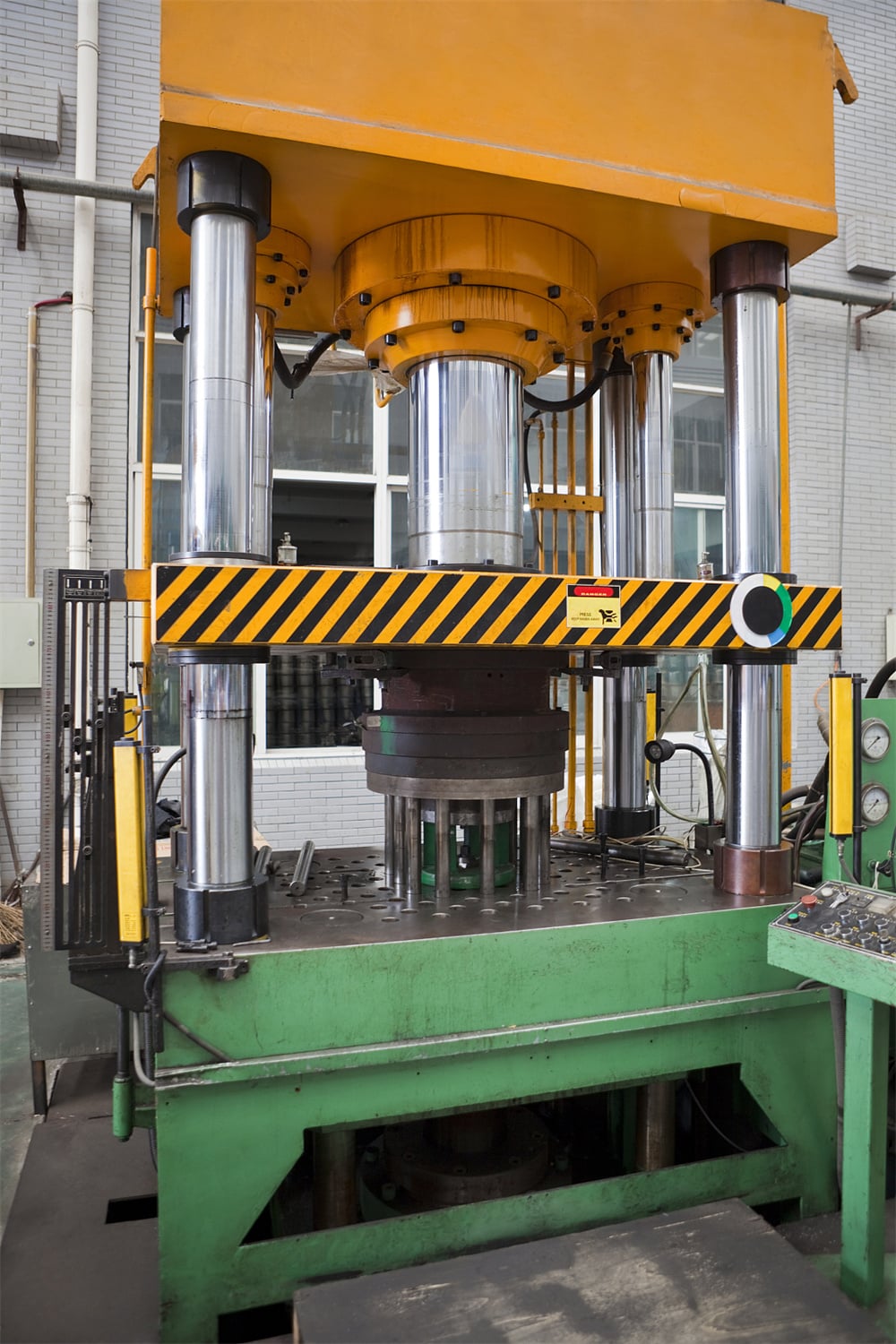
The frame is the skeleton of the hydraulic press. It must withstand immense pressure without deforming. The type of frame you choose is one of the most significant factors in the Hydraulic Press Cost Breakdown: Frame, Tonnage, Control System, and Accessories.
C-Frame (Gap Frame) Presses
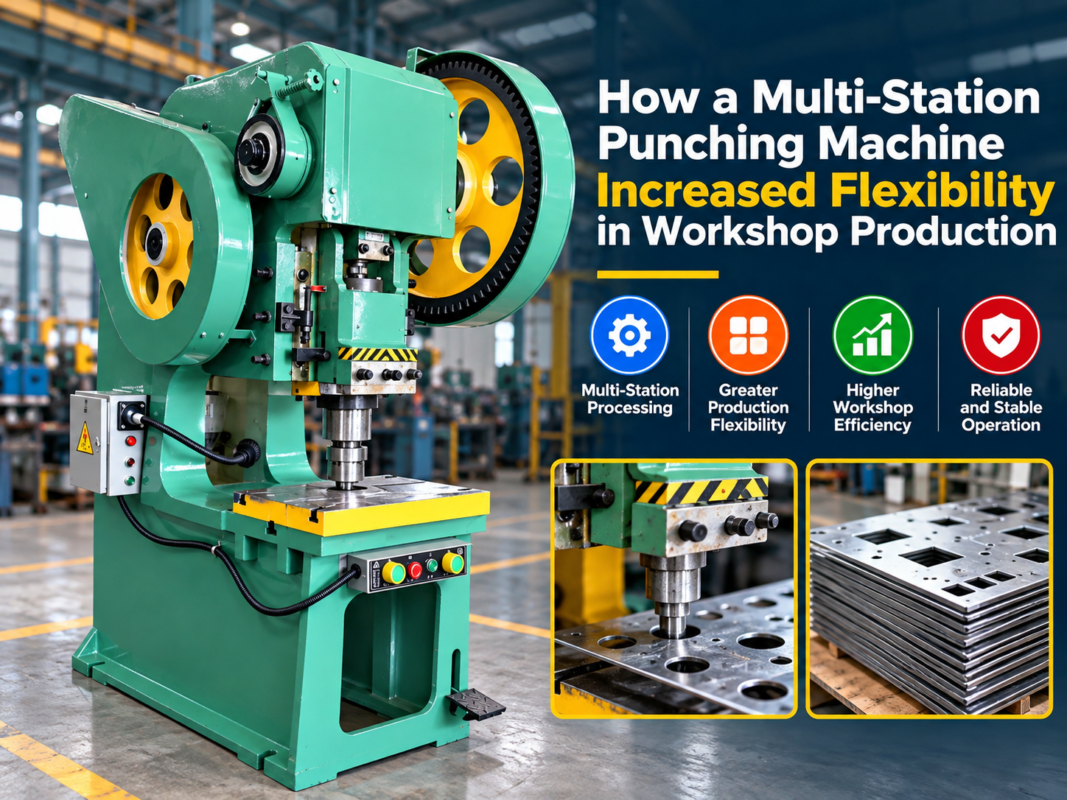
C-frame presses are characterized by their “C” shape, providing three-sided access to the work area. They are generally the most affordable because they require less material and are easier to manufacture. However, they are prone to “yaw” or deflection under high pressure. To counteract this, manufacturers must use thicker steel plates, which increases the cost. They are ideal for smaller parts and manual operations where accessibility is a priority.
H-Frame (Arch Frame) Presses
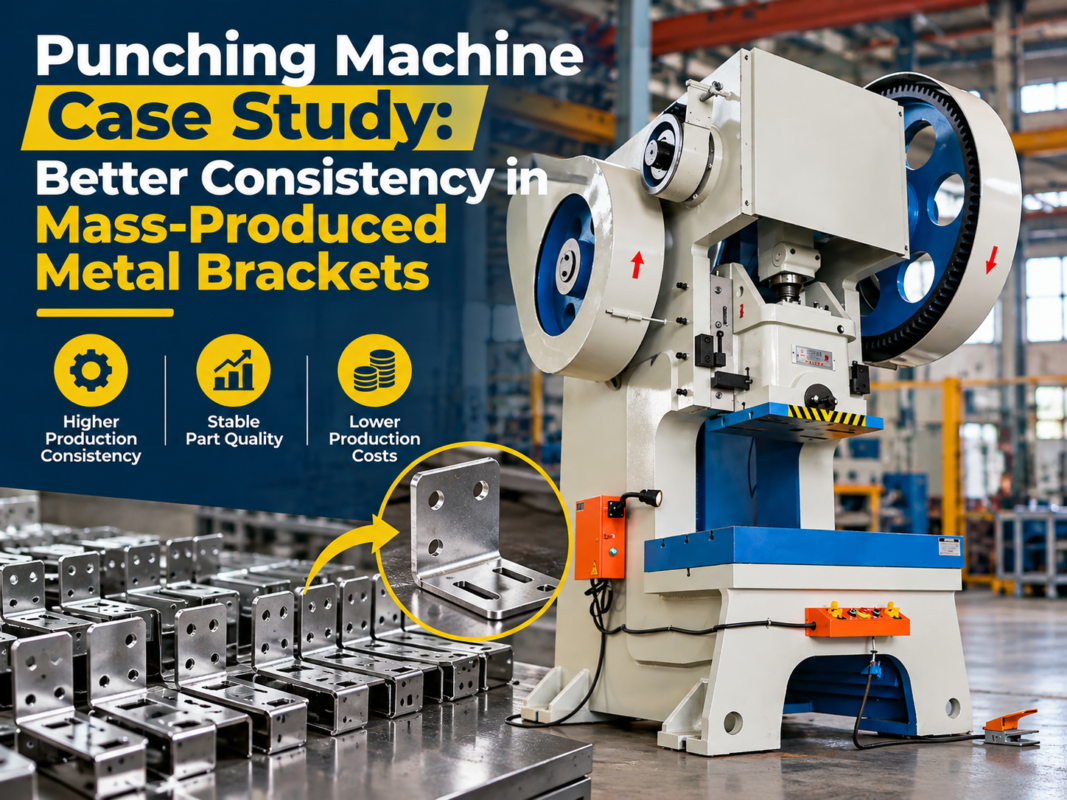
H-frame presses are more robust and offer better rigidity than C-frames. Because the load is distributed evenly across two side columns, there is minimal deflection. This makes them more expensive due to the increased amount of steel and the complexity of ensuring the bed and ram remain perfectly parallel. For precision work, the H-frame is the industry standard.
Four-Column Presses
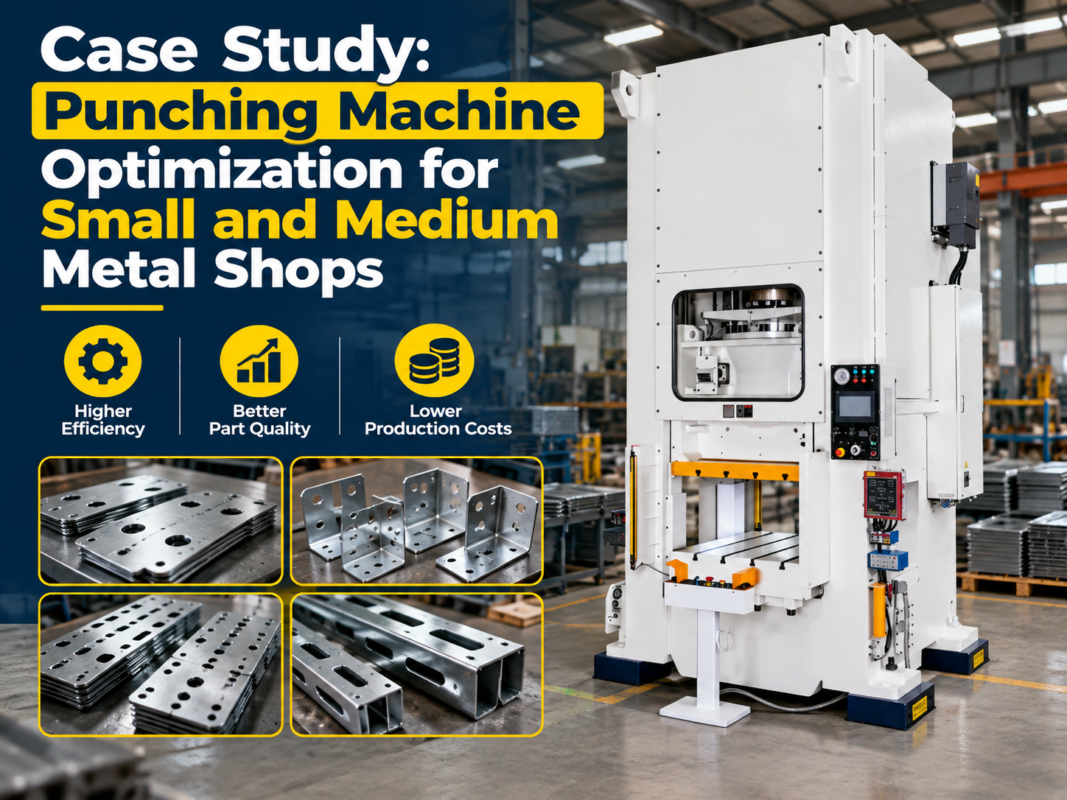
The four-column design is the most versatile and often the most expensive in terms of structural engineering. It provides four-way access and exceptional stability. The cost here is driven by the precision machining of the columns and the bushings that guide the moving platen. These machines are preferred for large-die applications and deep drawing where eccentric loading might occur.
The Impact of Tonnage on Pricing
Tonnage refers to the maximum amount of force the press can exert. In the context of a Hydraulic Press Cost Breakdown: Frame, Tonnage, Control System, and Accessories, tonnage is a direct multiplier of cost. As tonnage increases, every other component must be upsized to handle the load.
A 500-ton press requires a significantly larger hydraulic cylinder, a more powerful motor, and a higher-capacity pump than a 100-ton press. The thickness of the steel plates used in the frame also increases exponentially with tonnage to prevent structural failure. Furthermore, high-tonnage machines require more hydraulic fluid and larger cooling systems to manage the heat generated during high-pressure cycles.
When calculating your tonnage requirements, it is vital not to over-specify. Buying a 1000-ton press for a job that only requires 300 tons is an inefficient use of capital. Conversely, under-specifying will lead to machine fatigue and premature failure. HARSLE engineers often recommend a safety margin of 20% above your maximum required force to ensure longevity.
Control Systems: From Manual to CNC
The “brain” of the machine has become a major cost component in recent years. Modern manufacturing demands data, precision, and repeatability, all of which are managed by the control system.
Manual and Semi-Automatic Controls
Basic machines use manual valves or simple relay logic. These are cost-effective and easy to maintain but lack precision. They are suitable for simple tasks where the operator controls the stroke by sight or mechanical stops. This setup is the baseline for any Hydraulic Press Cost Breakdown: Frame, Tonnage, Control System, and Accessories.
PLC (Programmable Logic Controller)
A PLC system allows for the automation of the press cycle. You can program dwell times, pressure setpoints, and stroke distances. The inclusion of a PLC and a Touch Screen HMI (Human Machine Interface) typically adds $2,000 to $7,000 to the machine’s cost, depending on the brand (e.g., Siemens, Delta, or Schneider).
CNC (Computer Numerical Control)
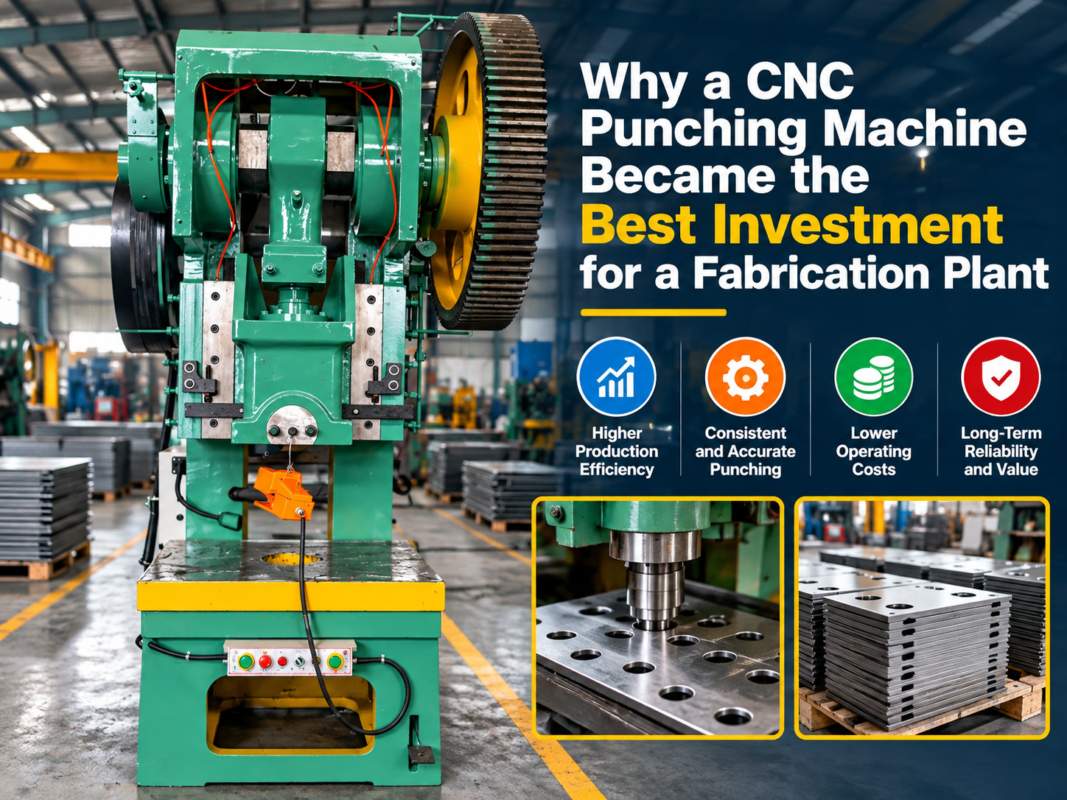
For high-precision applications, CNC systems offer full control over the ram’s position, speed, and pressure in real-time. These systems often include servo-hydraulic technology, which reduces energy consumption and noise. A full CNC package can add $10,000 to $30,000 to the price but is essential for complex deep drawing or multi-stage forming where accuracy within microns is required.
Configuration and Accessories: The Hidden Variables
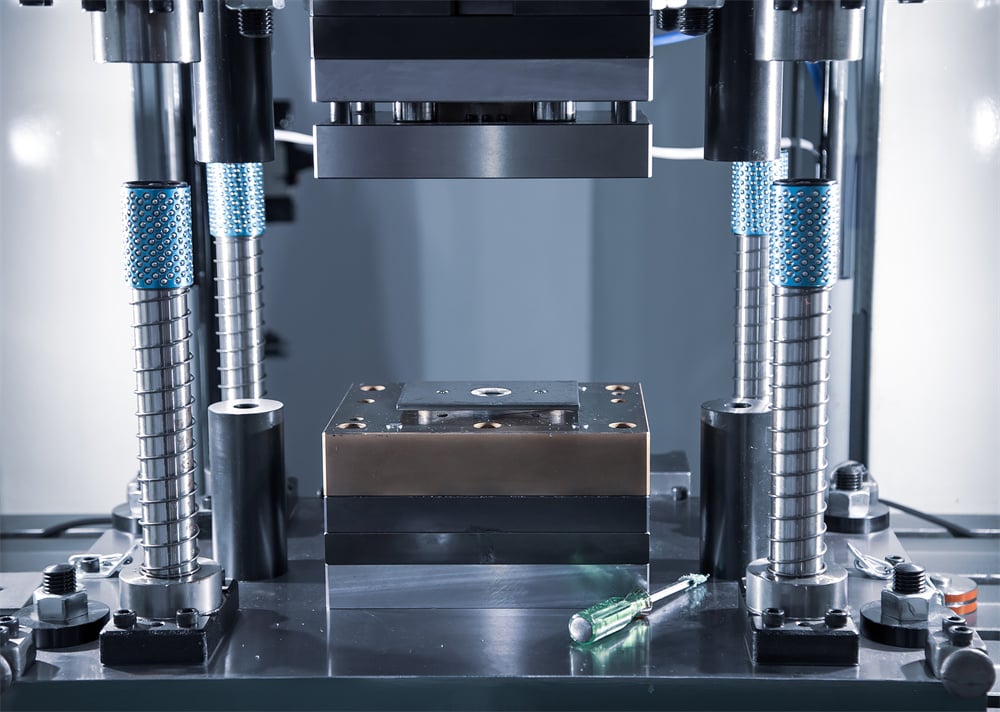
Beyond the core components, several accessories can influence the Hydraulic Press Cost Breakdown: Frame, Tonnage, Control System, and Accessories. These are often necessary for safety, efficiency, or specific application requirements.
- Light Curtains and Safety Fencing: Safety is paramount. Infrared light curtains that stop the machine if a hand enters the work zone are standard in many regions but may be an add-on cost ranging from $1,500 to $4,000.
- Die Cushions: Essential for deep drawing, die cushions provide upward force to prevent wrinkling. Adding a hydraulic die cushion can increase the price by 15-20%.
- Automatic Lubrication Systems: To ensure the longevity of the guides and columns, an automatic lubrication system is a wise investment, costing between $800 and $2,500.
- Cooling Systems: In high-speed production, hydraulic oil heats up quickly. Air or water cooling systems are required to maintain oil viscosity, adding $1,000 to $5,000.
- Ejectors and Knockouts: Mechanical or hydraulic ejectors help remove the finished part from the die, improving cycle times.
Hidden Costs: Shipping, Installation, and Maintenance
When reviewing a Hydraulic Press Cost Breakdown: Frame, Tonnage, Control System, and Accessories, many buyers forget the costs that occur after the machine leaves the factory. These “landed costs” can be substantial.
Shipping and Logistics: Hydraulic presses are heavy and often oversized. International shipping involves sea freight, port fees, and heavy-haul trucking from the port to your facility. Depending on the machine’s size, shipping can cost anywhere from $2,000 to $15,000.
Installation and Commissioning: A large press requires a reinforced concrete foundation. You may also need to hire a rigger with a heavy-duty crane to position the machine. HARSLE provides technical support, but on-site installation by specialized technicians involves travel and labor costs.
Training and Tooling: Your staff needs to be trained on the new control system and safety protocols. Additionally, the press is useless without dies. Custom tooling can sometimes cost as much as the machine itself, depending on the complexity of the part being produced.
Calculating ROI: Is the Cost Justified?
A detailed Hydraulic Press Cost Breakdown: Frame, Tonnage, Control System, and Accessories helps you understand the expense, but the Return on Investment (ROI) justifies the purchase. To calculate ROI, consider the following:
- Increased Production Speed: How many more parts per hour can the new press produce compared to your current method?
- Reduced Scrap Rate: Precision controls and rigid frames reduce material waste. If a CNC system reduces scrap by 5%, how much money is saved annually?
- Energy Efficiency: Modern servo-hydraulic systems can reduce electricity bills by up to 50% compared to traditional constant-delivery pumps.
- Labor Savings: Automation allows one operator to manage multiple machines or focus on quality control rather than manual cycling.
Typically, a well-chosen hydraulic press from a reputable manufacturer like HARSLE pays for itself within 18 to 36 months through these efficiencies.
Buying Advice: How to Optimize Your Budget
To get the best value in your Hydraulic Press Cost Breakdown: Frame, Tonnage, Control System, and Accessories, follow these professional tips:
- Define Your Maximum Requirements: Don’t buy a machine based on your average job; buy it based on the most demanding job you expect to perform, plus a small safety margin.
- Prioritize the Frame: You can upgrade a control system later, but you cannot easily upgrade a frame. Invest in a rigid, high-quality frame from the start.
- Choose Reputable Components: Ensure the hydraulic valves and electrical components are from globally recognized brands like Rexroth, Vickers, or Siemens. This makes future maintenance and parts sourcing much easier.
- Consider Total Cost of Ownership (TCO): A cheaper machine that breaks down frequently or uses excessive energy will cost more in the long run than a premium machine.
Frequently Asked Questions (FAQ)
1. Why is there such a large price difference between C-frame and H-frame presses?
The price difference is primarily due to material volume and engineering. H-frame presses use more steel and require more precise alignment of the two side housings to ensure the ram moves perfectly parallel to the bed. This structural integrity allows for higher precision and less tool wear, justifying the higher cost.
2. Can I save money by choosing a manual control system?
Yes, manual systems are cheaper upfront. However, they are slower and rely heavily on operator skill. If you are doing high-volume production or require high precision, the labor costs and potential for errors will quickly outweigh the initial savings of a manual system.
3. How much should I budget for maintenance?
Annual maintenance typically costs between 2% and 5% of the machine’s purchase price. This includes oil changes, filter replacements, seal inspections, and calibration of the control system. Regular maintenance is essential to prevent costly unplanned downtime.
4. Does the tonnage affect the shipping cost?
Absolutely. Higher tonnage usually means a larger, heavier machine. Once a machine exceeds standard container dimensions or weight limits, it must be shipped via “Flat Rack” or “Break Bulk,” which is significantly more expensive than standard container shipping.
5. Is it worth investing in a servo-hydraulic system?
If your electricity costs are high or if your process involves long dwell times (where the motor would normally run at full speed while doing no work), a servo-hydraulic system is highly recommended. It can save thousands of dollars in energy costs annually and runs much cooler and quieter.
Conclusion
Navigating the Hydraulic Press Cost Breakdown: Frame, Tonnage, Control System, and Accessories requires a balance between your current budget and your future production goals. By understanding how each component contributes to the machine’s performance and price, you can make a strategic investment that enhances your shop’s capabilities. At HARSLE, we are committed to providing high-quality machinery that offers the best balance of technology and value. Contact our technical team today to receive a customized quote tailored to your specific fabrication needs.