Troubleshooting Common Punching Machine Problems In Industrial Production


Technical Overview of Industrial Punching Machines
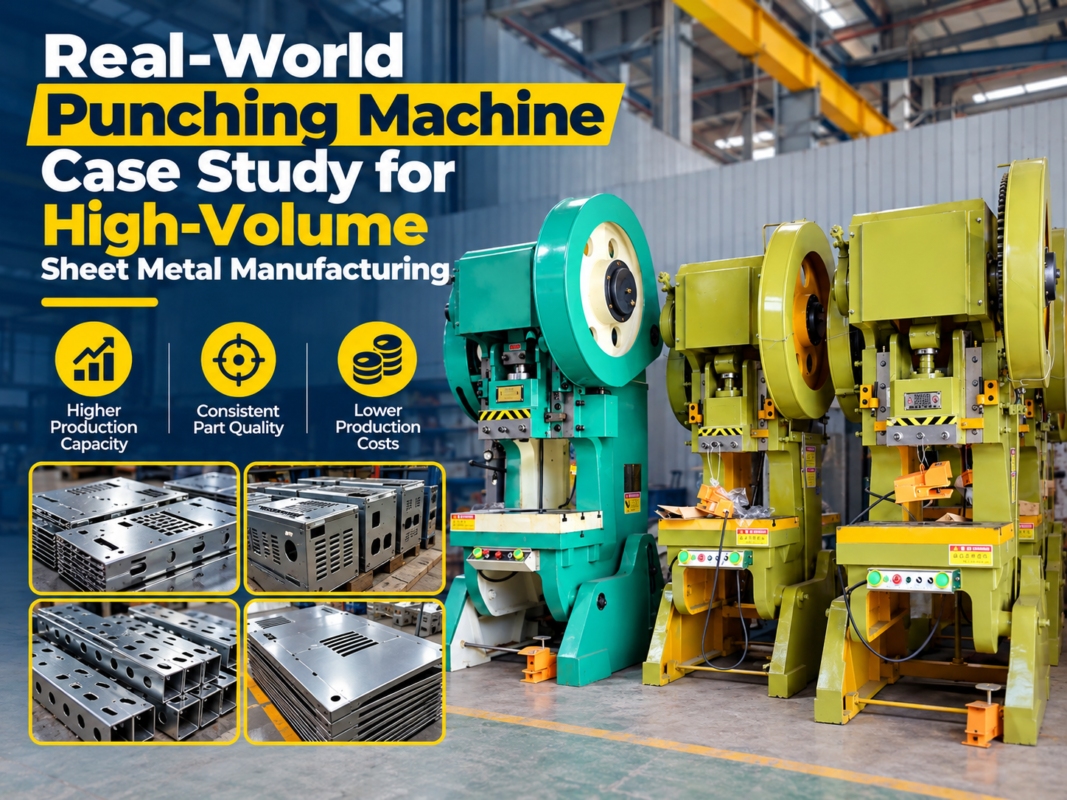
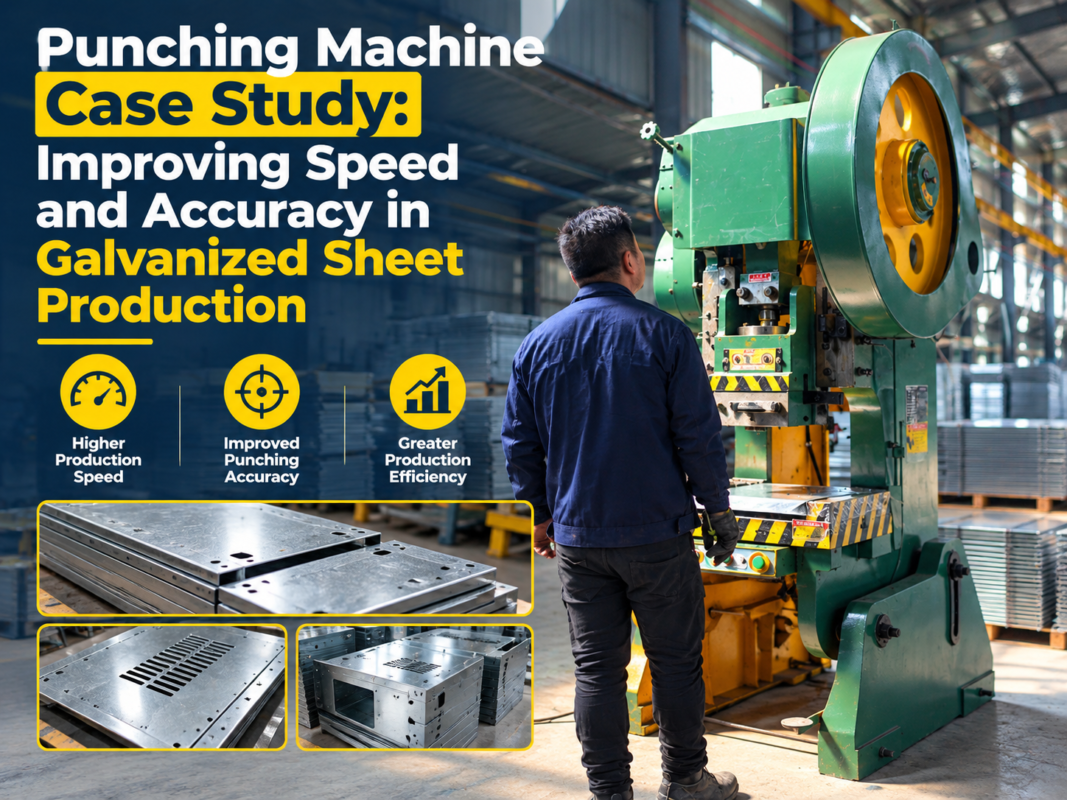
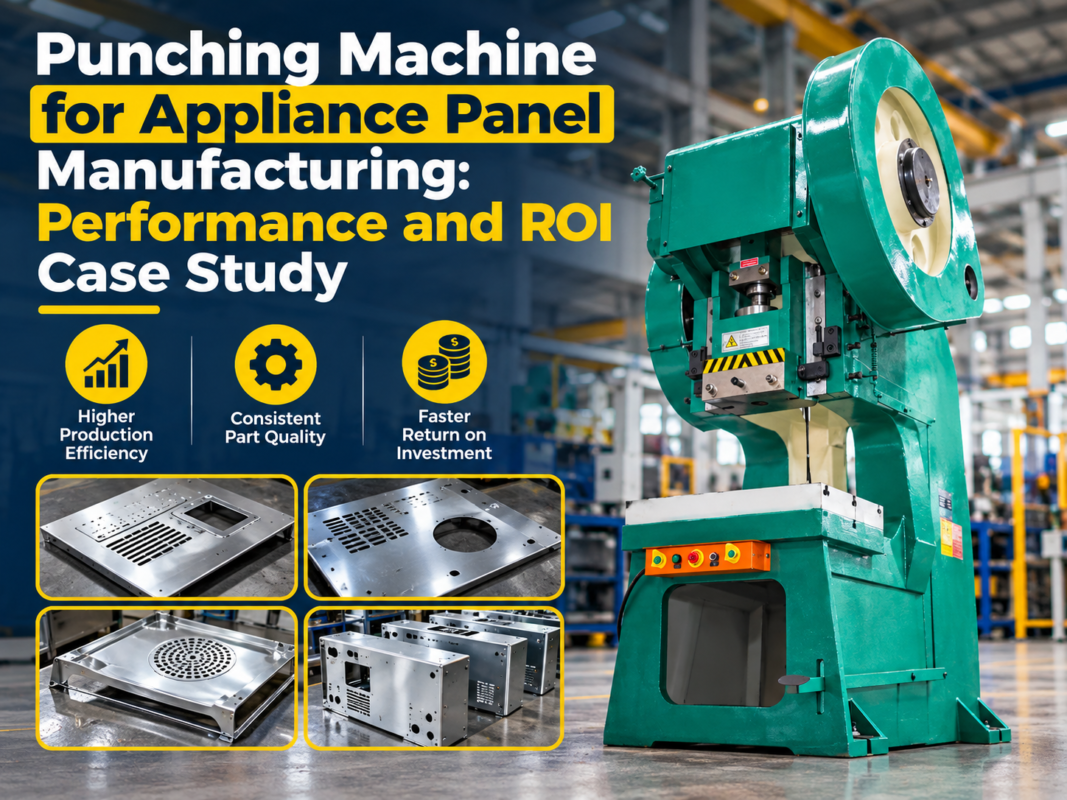
In the high-stakes world of metal fabrication, the punching machine stands as a cornerstone of efficiency. Whether it is a mechanical power press or a high-precision CNC turret punch, these machines are designed to exert massive force to shear, blank, or form metal sheets. However, the rigorous demands of industrial production often lead to operational challenges. Troubleshooting common punching machine problems in industrial production is not merely about fixing a broken part; it is about understanding the synergy between the machine’s kinematics, the tooling geometry, and the material properties of the workpiece.
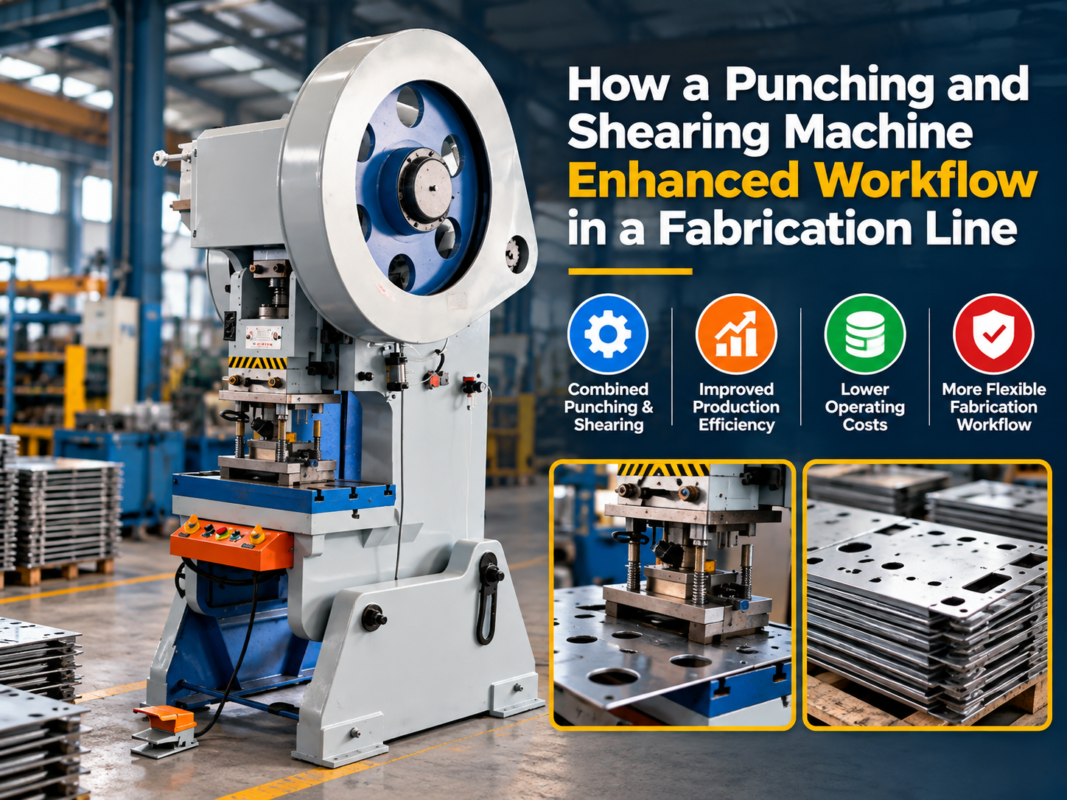
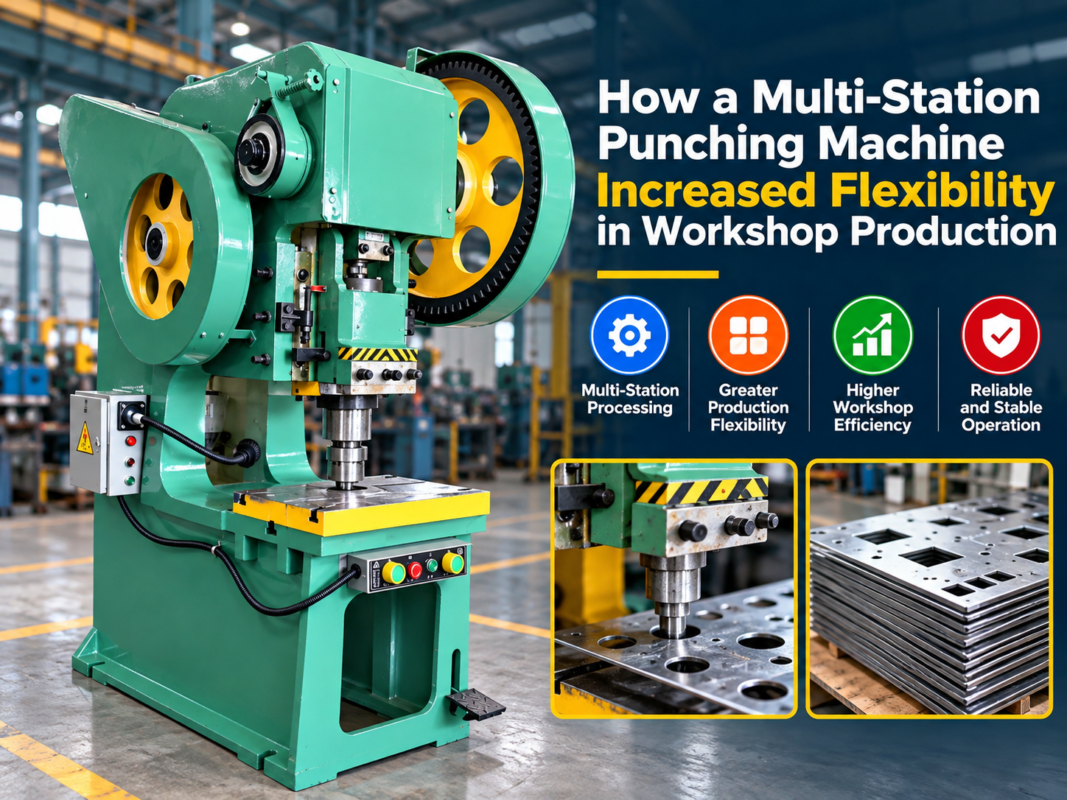
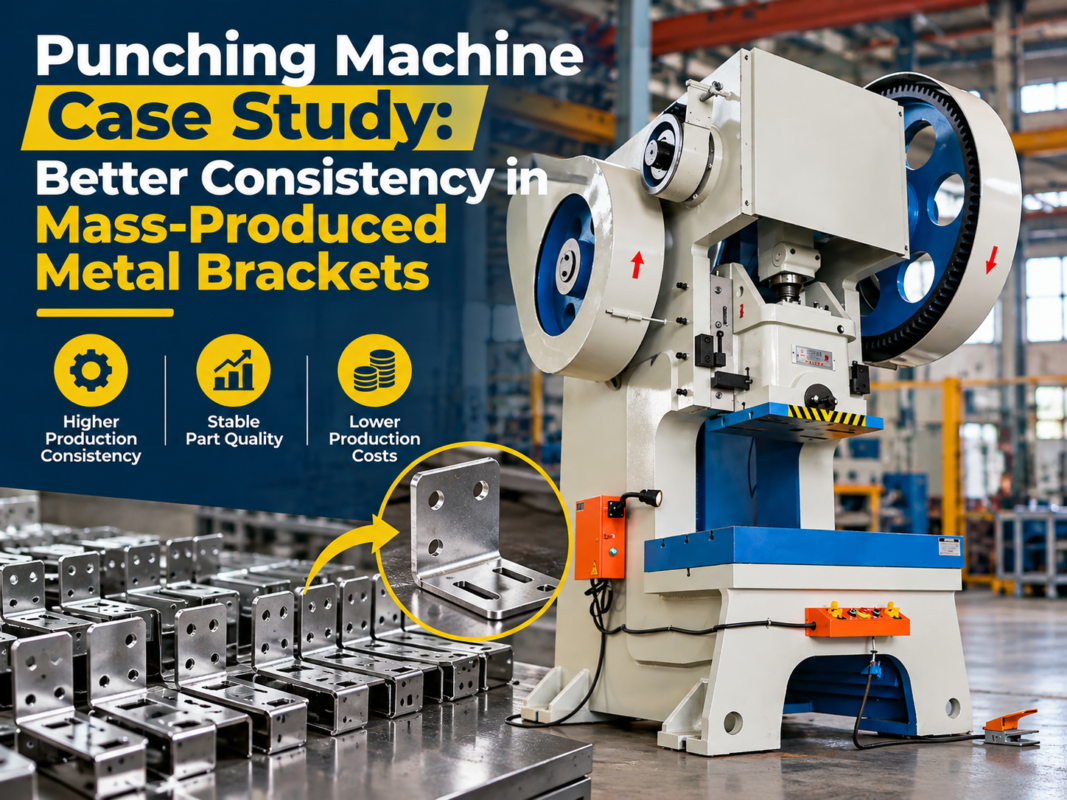
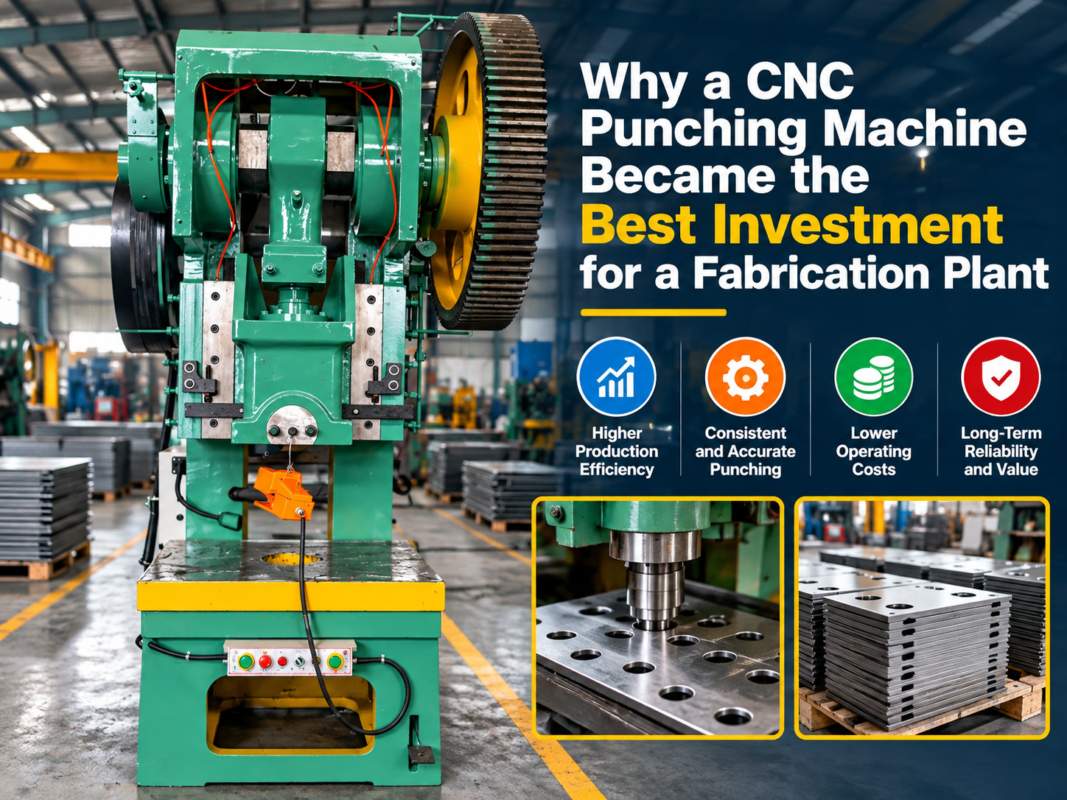
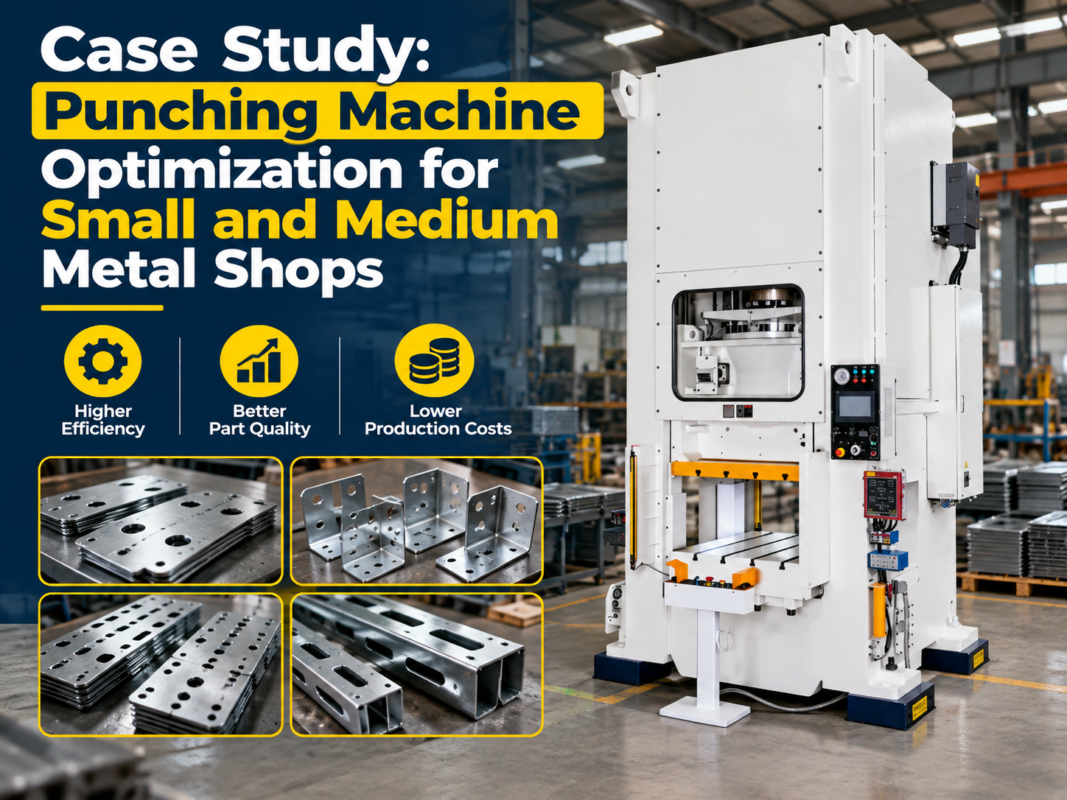
HARSLE punching machines are engineered for durability, yet even the most robust systems require technical oversight. A typical punching system consists of the frame (C-type or H-type), the drive mechanism (crankshaft, eccentric gear, or hydraulic cylinder), the ram, and the bolster plate. When these components fall out of alignment or experience wear, the quality of the output diminishes. Effective troubleshooting begins with a systematic analysis of the machine’s cycle, identifying where the deviation from the nominal performance occurs—be it in the stroke, the feeding mechanism, or the stripping phase.
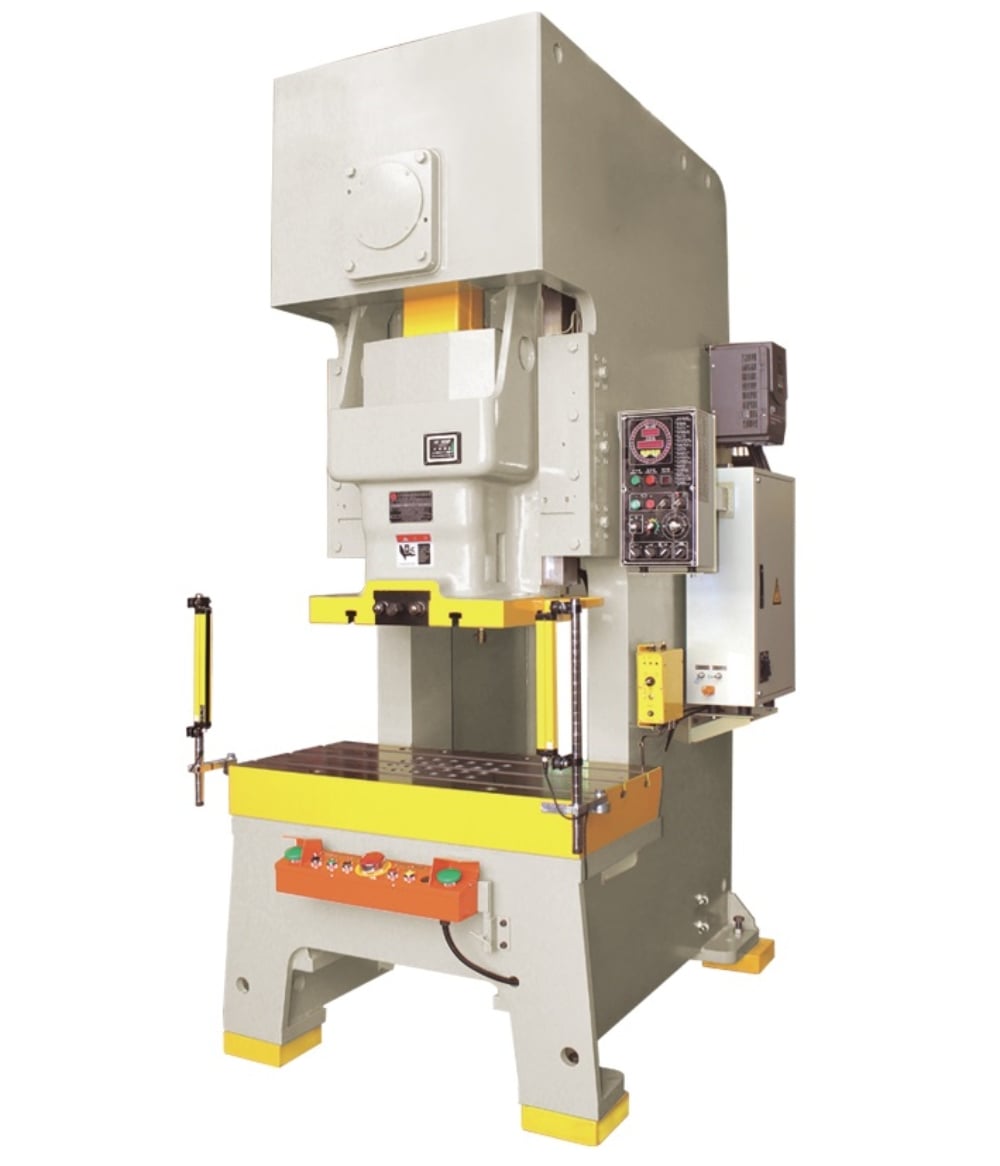
Modern industrial production environments demand high Strokes Per Minute (SPM) and minimal downtime. Therefore, troubleshooting must be proactive. By monitoring parameters such as vibration signatures, thermal expansion of the ram, and hydraulic pressure fluctuations, operators can detect failures before they result in catastrophic machine stoppage. This technical guide delves into the core mechanics of these issues, providing engineers and operators with the knowledge to maintain peak productivity.
Core Parameters of Punching Machine Operation
To effectively troubleshoot, one must first understand the baseline parameters that define a punching machine’s performance. These parameters are the benchmarks against which all troubleshooting efforts are measured. If a machine is failing to produce clean cuts, the first step is often checking if the operational settings align with the machine’s technical specifications.
- Nominal Pressure (Tonnage): This is the maximum force the press can exert. Exceeding this limit leads to frame deflection and potential structural failure. Troubleshooting often reveals that ‘unexplained’ tool breakage is actually the result of attempting to punch material that exceeds the machine’s rated tonnage.
- Stroke Length: The distance the ram travels from Top Dead Center (TDC) to Bottom Dead Center (BDC). Inconsistent stroke lengths can lead to incomplete punches or excessive tool wear.
- Strokes Per Minute (SPM): This defines the production speed. High SPM increases heat generation, which can affect the lubrication viscosity and lead to ‘galling’ on the punch and die.
- Die Clearance: Perhaps the most critical parameter in troubleshooting edge quality. It is the gap between the punch and the die, usually expressed as a percentage of the material thickness. Incorrect clearance is the primary cause of excessive burrs.
- Shut Height: The distance from the bolster plate to the ram when it is at BDC. Incorrect shut height adjustment can cause the punch to enter the die too deeply, leading to ‘slug pulling’ or tool damage.
Understanding these parameters allows for a data-driven approach to troubleshooting. For instance, if a machine exhibits excessive vibration, an engineer should check the SPM against the machine’s balancing capacity. If the vibration persists at lower speeds, the focus shifts to the foundation or the internal bearings of the crankshaft.
Calculation Method for Punching Force and Requirements
A significant portion of troubleshooting common punching machine problems in industrial production involves verifying that the physics of the operation are correct. Many issues arise because the required force for a specific job was calculated incorrectly, leading to machine overload or poor part quality.
The fundamental formula for calculating the punching force (P) is:
P = L × t × τ
Where:
L = Total perimeter of the punched shape (mm)
t = Material thickness (mm)
τ = Shear strength of the material (N/mm² or MPa)
In practice, engineers often use a modified formula to include a safety factor, typically 1.3, to account for tool dulling and material variations: P = 1.3 × L × t × τ. If the calculated force is too close to the machine’s maximum capacity, the frame will flex, causing misalignment between the punch and die. This is a common ‘hidden’ problem in industrial production that manifests as uneven tool wear.
Furthermore, the stripping force (the force required to pull the punch back out of the material) must be considered. This is generally estimated at 5% to 20% of the punching force. If the stripping mechanism (springs or hydraulic) is weak, the material will lift with the punch, causing feeding jams and potential damage to the feeder system. Troubleshooting these jams requires a recalculation of the stripping requirements based on the material’s elasticity and the friction coefficient of the punch coating.
Technical Parameter Table for Machine Comparison
The following table provides a reference for typical parameters across different classes of HARSLE punching machines. Use this to verify if your current equipment is suited for your specific production demands.
| Machine Model Class | Nominal Force (kN) | Slide Stroke (mm) | Max. Shut Height (mm) | Bolster Area (mm) | Motor Power (kW) |
|---|---|---|---|---|---|
| HARSLE JH21-25 | 250 | 80 | 180 | 600 x 300 | 2.2 |
| HARSLE JH21-60 | 600 | 120 | 270 | 800 x 480 | 5.5 |
| HARSLE JH21-110 | 1100 | 160 | 350 | 1100 x 600 | 11.0 |
| HARSLE JH21-160 | 1600 | 200 | 400 | 1250 x 700 | 15.0 |
| HARSLE JH21-250 | 2500 | 250 | 450 | 1450 x 800 | 22.0 |
When troubleshooting, compare your actual operating conditions against these factory specs. If you are running a 250kN machine at 240kN consistently, the thermal expansion of the components will be significantly higher, requiring more frequent lubrication and cooling intervals.
Common Engineering Mistakes in Punching Operations
In the field of industrial production, several recurring engineering mistakes lead to the very problems that require troubleshooting. Recognizing these early can save thousands of dollars in repairs and lost production time.
1. Improper Die Clearance: This is the most frequent error. If the clearance is too small, it increases the required force and causes double-shearing, which wears out the tools rapidly. If it is too large, the material ‘draws’ into the die, creating large burrs and potentially snapping the punch due to lateral forces. Engineers must calculate clearance based on material type (e.g., stainless steel requires different clearance than aluminum).
2. Neglecting Tool Sharpness: A dull punch doesn’t just produce a bad part; it changes the physics of the hit. Dull tools increase the ‘snap-through’ shock—the sudden release of energy when the material finally shears. This shock travels back through the ram and crankshaft, leading to premature bearing failure. Troubleshooting ‘noisy’ machines often ends at the sharpening grinder.
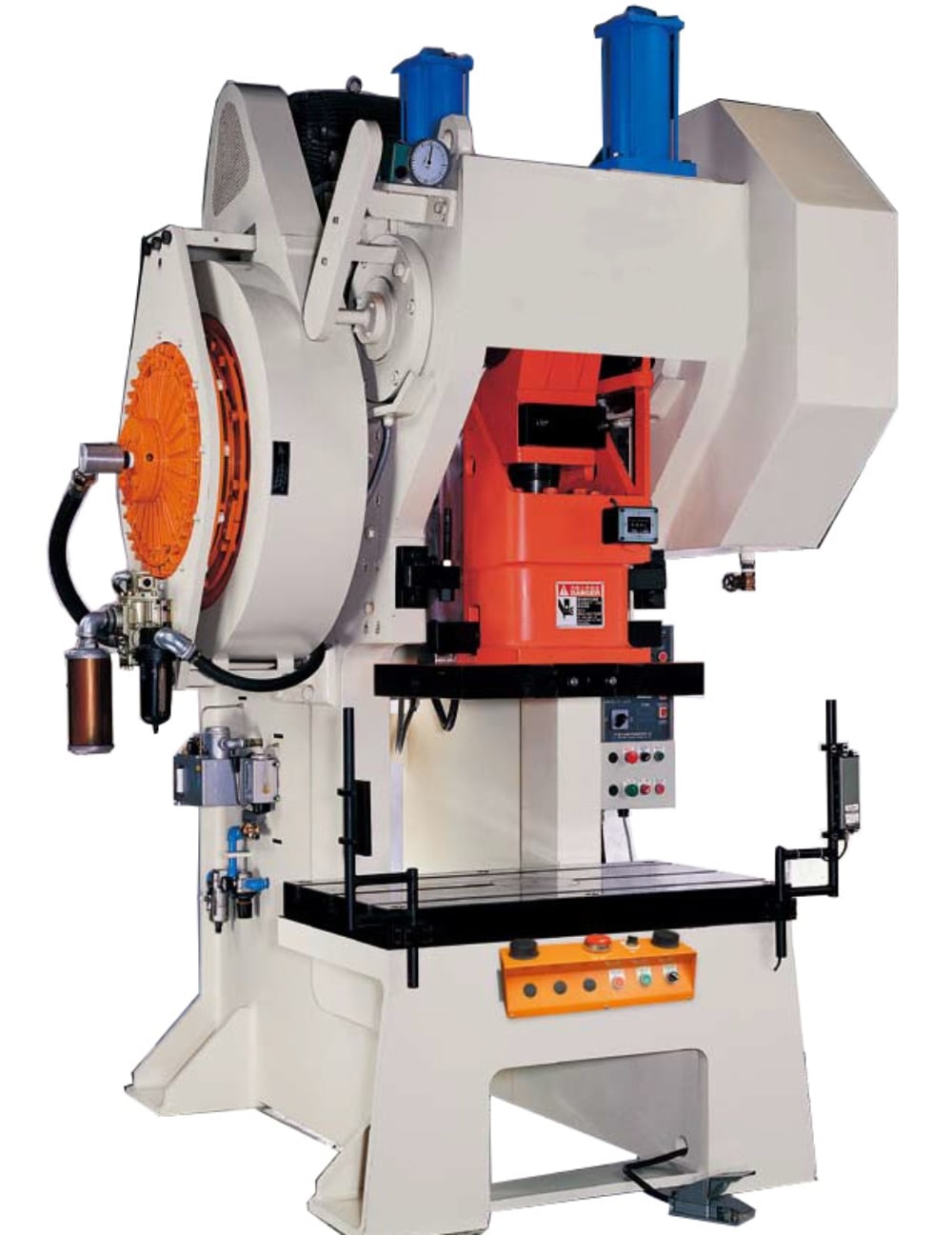
3. Inadequate Lubrication: Many operators assume that as long as the oil reservoir is full, the machine is lubricated. However, blocked lubrication lines are a common issue. In industrial production, the heat generated at the punch tip can cause the lubricant to carbonize, creating a grinding paste that destroys the die. Troubleshooting should include a ‘flow check’ at the actual point of contact.
4. Misalignment of the Feeder: If the automatic feeder is not perfectly synchronized with the press stroke, the material may still be moving when the punch makes contact. This results in ‘slotted’ holes and massive lateral stress on the punch. Troubleshooting feeding issues requires checking the encoder synchronization and the brake-monitor timing of the press.
Selection Checklist for High-Performance Punching Machines
When the troubleshooting process reveals that the current machinery is simply inadequate for the task, a new selection is necessary. Use this checklist to ensure the next HARSLE machine meets your industrial requirements:
- Tonnage Capacity: Does the machine offer at least 20% more tonnage than your highest calculated requirement? This ‘headroom’ reduces frame fatigue.
- Frame Rigidity: For high-precision work, is an H-frame (straight-side) press more suitable than a C-frame to minimize ‘angular deflection’?
- Control System: Does the CNC support real-time monitoring of tonnage and tool wear? Modern HARSLE machines feature integrated sensors that simplify troubleshooting.
- Speed and Stroke Adjustment: Does the machine offer variable stroke lengths or speeds to accommodate different material thicknesses and complex forming operations?
- Safety Features: Are light curtains, dual-hand controls, and hydraulic overload protectors standard? Safety systems are also diagnostic tools; for example, a frequent overload trip indicates a process error.
- Maintenance Accessibility: How easy is it to access the lubrication points and the main drive for inspection? A machine that is hard to maintain is a machine that will eventually fail.
Frequently Asked Questions (FAQ)
1. Why is my punching machine producing excessive burrs?
Excessive burrs are usually caused by incorrect die clearance or dull tooling. If the clearance is too large for the material thickness, the metal is pushed into the die rather than sheared. Check the tool sharpness and verify that the die clearance is approximately 10-15% of the material thickness for mild steel.
2. What causes the ‘slug pulling’ phenomenon?
Slug pulling occurs when the waste material (the slug) sticks to the face of the punch and is pulled back up out of the die. This is often due to oil suction or a magnetized punch. Troubleshooting involves using ‘slug-hugger’ dies, adding a spring-loaded ejector pin to the punch, or reducing the amount of lubricant on the punch face.
3. How often should I lubricate my HARSLE punching machine?
In a continuous industrial production environment, automated lubrication systems should be checked daily. Manual points should be lubricated every 4-8 hours of operation. Always use the specific grade of oil recommended in the HARSLE manual, as incorrect viscosity can lead to overheating or inadequate film strength in the bearings.
4. Why does the machine make a loud ‘bang’ during the stroke?
A loud, metallic bang often indicates ‘snap-through’ shock, which happens when the material shears suddenly. While some noise is normal, an excessive bang suggests the machine is operating near its tonnage limit or the tools are very dull. It can also indicate that the hydraulic overload protection is triggering or that there is play in the pitman arm bearings.
5. Can I punch stainless steel on a machine rated for mild steel?
Yes, but you must recalculate the tonnage. Stainless steel has a much higher shear strength (approx. 500-600 MPa) compared to mild steel (approx. 300-400 MPa). You will likely need to reduce the material thickness or the size of the hole to stay within the machine’s safe operating parameters. Failure to do so is a common cause of frame cracking in industrial settings.
6. How do I troubleshoot inconsistent hole positioning?
Inconsistent positioning is usually a feeding or clamping issue. Check the roll pressure on your automatic feeder and ensure the material is not slipping. Also, inspect the pilot pins in your progressive die; if they are worn or misaligned, they won’t be able to pull the strip into the correct position before the punch descends.