Energy Saving Tips for Modern Punching Machines in Metal Workshop Operations


Technical Overview of Energy Efficiency in Modern Punching Machines
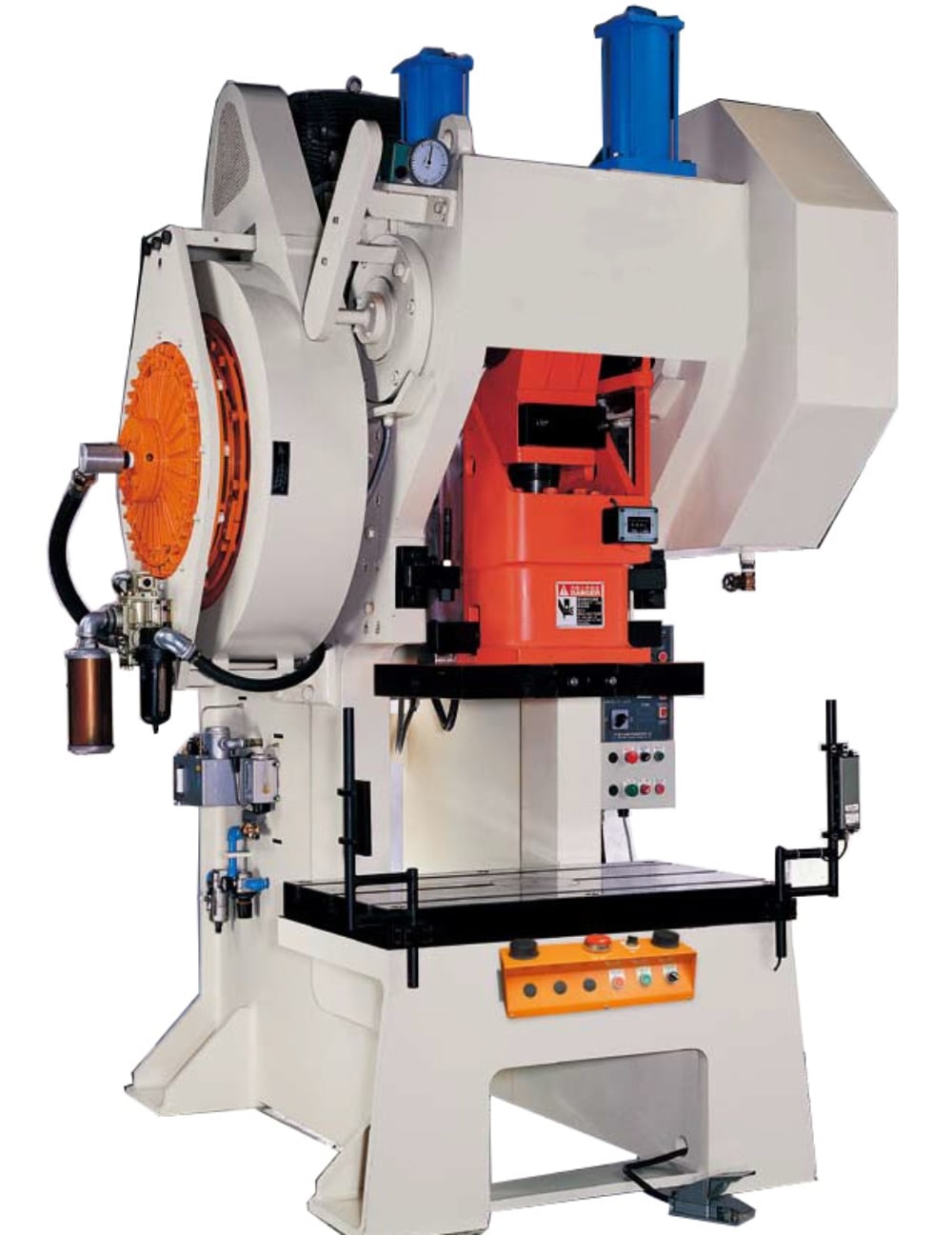
In the contemporary landscape of metal fabrication, energy efficiency has transitioned from a secondary concern to a primary operational pillar. Modern punching machines, particularly those engineered by industry leaders like HARSLE, are designed with sophisticated power management systems that significantly reduce the carbon footprint of a metal workshop. The technical evolution from traditional mechanical flywheels and purely hydraulic systems to advanced servo-electric and hybrid drives has revolutionized how energy is consumed during the punching cycle. Understanding the technical nuances of these systems is the first step toward implementing effective energy saving tips for modern punching machines in metal workshop operations.
Traditional mechanical presses rely on a continuously spinning flywheel, which consumes a substantial amount of energy even when the machine is not actively punching. In contrast, modern servo-electric punching machines utilize high-torque motors that only draw significant current during the actual stroke. This ‘power-on-demand’ architecture is the cornerstone of modern efficiency. Furthermore, the integration of regenerative braking systems allows the machine to capture kinetic energy during the deceleration of the ram and feed it back into the electrical grid or store it in capacitor banks for the next stroke. This cycle of energy recovery is a hallmark of high-end industrial machinery.
Beyond the drive system, the CNC (Computer Numerical Control) unit plays a vital role in energy management. Modern controllers are equipped with ‘Eco-modes’ that automatically power down peripheral components like cooling fans, hydraulic pumps, and interior lighting when the machine detects a period of inactivity. By optimizing the motion control algorithms, these machines also reduce unnecessary travel distances for the sheet metal, thereby saving the energy typically consumed by the X and Y axis motors. The synergy between hardware efficiency and software intelligence defines the modern approach to sustainable metalworking.
Lastly, the thermal management of the machine contributes to its overall energy profile. Older hydraulic systems generate significant heat, requiring large, energy-hungry chillers to maintain oil viscosity. Modern hybrid and electric systems operate much cooler, reducing the secondary energy load required for cooling. By focusing on these technical advancements, workshop managers can select equipment that inherently supports lower operational costs and higher environmental standards.
Core Parameters Influencing Energy Consumption
To effectively implement energy saving tips for modern punching machines in metal workshop operations, one must understand the core parameters that dictate power usage. The most significant parameter is the Drive Type. As mentioned, servo-electric drives are the most efficient, followed by hybrid systems, with traditional hydraulic systems being the most energy-intensive due to constant pump operation. The choice of drive type can result in energy savings of up to 50-70% in specific applications.
Tonnage and Stroke Frequency are also critical. A machine rated for 30 tons will naturally consume more power than a 20-ton machine when operating at full capacity. However, the efficiency lies in the ‘hit rate.’ Modern machines can achieve over 1,000 hits per minute in marking mode. The energy consumed per hit decreases as the speed increases, provided the drive system is optimized for rapid acceleration and deceleration. If a machine is oversized for the task—for example, using a 50-ton press for thin aluminum sheets—the energy wasted in moving the heavy ram assembly is substantial.
Another often overlooked parameter is the Standby Power Consumption. In a typical 8-hour shift, a punching machine might only be actively punching for 4 to 5 hours. The remaining time is spent on setup, loading, and unloading. If the machine’s auxiliary systems remain at full power during these intervals, the cumulative energy waste is enormous. Modern HARSLE machines address this by utilizing variable frequency drives (VFDs) on pumps and fans, allowing them to scale down their energy draw during idle periods.
Finally, Tooling Friction and Material Resistance serve as physical parameters. The force required to shear through metal is a direct function of the material’s shear strength and the sharpness of the tool. Dull tools increase the required tonnage, which in turn increases the electrical load on the motors. Maintaining optimal clearance between the punch and die also ensures that the machine does not work harder than necessary, directly impacting the kilowatt-hours consumed per part produced.
Calculation Method for Energy Efficiency
Quantifying energy savings is essential for calculating Return on Investment (ROI) when upgrading workshop equipment. The basic formula for calculating the energy consumption of a punching machine over a specific period is:
Total Energy (kWh) = (P_active × T_active) + (P_idle × T_idle)
Where P_active is the average power consumption during the punching cycle, T_active is the total time spent punching, P_idle is the power draw when the machine is on but not punching, and T_idle is the standby time. To find the energy cost per part, divide the Total Energy by the number of parts produced. In a modern workshop, the goal is to minimize P_idle and optimize T_active through better nesting and faster loading cycles.
To calculate the potential savings when switching from a hydraulic to a servo-electric machine, one can use the following comparison: Savings = (E_hydraulic – E_servo) × Cost per kWh. Typically, a hydraulic machine might draw 15kW continuously, while a servo machine might average 4kW because it only draws significant power during the stroke. Over a year of 2,000 operational hours, this difference can amount to thousands of dollars in electricity savings alone, not including the reduced maintenance costs associated with hydraulic oil and filters.
Furthermore, workshops should calculate the Specific Energy Consumption (SEC), which is the energy used per ton of force applied. This is calculated as: SEC = Total Energy / (Total Hits × Average Tonnage per Hit). Monitoring this metric over time helps identify when a machine is becoming less efficient due to mechanical wear or when a specific job is being processed inefficiently. By benchmarking these values, operators can fine-tune their processes to align with the best energy saving tips for modern punching machines in metal workshop operations.
Comparison Table: Machine Types and Energy Profiles
| Feature | Mechanical Flywheel | Traditional Hydraulic | Modern Servo-Electric |
|---|---|---|---|
| Idle Power Draw | High (Flywheel must spin) | Medium (Pump runs) | Very Low (Electronic standby) |
| Energy Recovery | None | None | Regenerative Braking |
| Peak Power Efficiency | Low | Moderate | High |
| Cooling Requirements | Low | High (Oil Chiller) | Low (Air Cooled) |
| Average Energy Saving | Baseline | 10-15% vs Mechanical | 40-60% vs Hydraulic |
Common Engineering Mistakes in Punching Operations
One of the most frequent mistakes in metal workshops is Over-Tonnage Selection. Engineers often choose a machine with much higher tonnage than required for their typical workload “just in case.” While this provides flexibility, it leads to significant energy waste. Moving a heavy-duty ram for thin-gauge materials requires more energy to overcome inertia than a right-sized machine would. The best practice is to analyze the 80th percentile of your production needs and select a machine that operates most efficiently within that range.
Another common error is Neglecting Tool Maintenance. As punches and dies wear down, the force required to penetrate the material increases. This not only puts unnecessary strain on the machine’s frame and bearings but also forces the motors to draw more current. A dull tool can increase energy consumption by as much as 20% per hit. Implementing a strict tool-sharpening schedule is one of the simplest yet most effective energy saving tips for modern punching machines in metal workshop operations.
Poor Nesting and Path Optimization also contribute to energy waste. If the CNC program forces the sheet to move back and forth across the table excessively, the X and Y axis motors are working overtime. Modern CAD/CAM software can optimize the punching sequence to minimize travel distance. Furthermore, failing to use ‘common line cutting’ or ‘shared hits’ where possible means the machine performs more strokes than necessary, consuming more energy and wearing out tools faster.
Finally, many workshops ignore Compressed Air Leaks. While not a direct part of the punching drive, many modern machines use pneumatic clamps, tool changers, and sheet lifters. A small leak in the pneumatic system causes the workshop’s air compressor to cycle more frequently. Since air compressors are notoriously energy-inefficient, these leaks can silently inflate the workshop’s energy bill. Regular ultrasonic leak detection and maintenance of seals are crucial for overall operational efficiency.
Selection Checklist for Energy-Efficient Punching Machines
- Drive System: Prioritize servo-electric or high-efficiency hybrid drives over pure hydraulic systems.
- Regenerative Capabilities: Ensure the machine features a system to capture and reuse braking energy.
- Smart Standby Modes: Check if the CNC controller has programmable sleep modes for peripheral components.
- Variable Frequency Drives (VFD): Verify that cooling fans and any auxiliary pumps are controlled by VFDs to match load requirements.
- Auto-Power Off: The machine should have an automatic shutdown feature for long periods of inactivity.
- Software Integration: Look for machines bundled with nesting software that optimizes tool paths for energy efficiency.
- Tonnage Accuracy: Choose a machine with precise pressure control to avoid using excess force on soft materials.
- Thermal Management: Opt for designs that minimize heat generation, reducing the need for external cooling units.
- Manufacturer Reputation: Select brands like HARSLE that provide detailed energy consumption data and support for efficiency optimization.
Frequently Asked Questions (FAQ)
1. Can I retrofit an old punching machine to be more energy-efficient?
While you cannot easily change a mechanical press into a servo-electric one, you can implement several upgrades. Installing VFDs on the main motor, replacing old incandescent lights with LEDs, and upgrading to modern, high-efficiency pneumatic components can yield noticeable savings. However, for significant energy reduction, replacing the unit with a modern HARSLE servo-electric model is usually the most cost-effective long-term solution.
2. How much can I really save by switching to a servo-electric punching machine?
On average, workshops report a 40% to 60% reduction in electricity costs for the punching process itself. When you factor in the reduced need for air conditioning (due to less heat generation) and lower maintenance costs (no hydraulic oil changes), the total operational savings are even higher. The exact amount depends on your local electricity rates and machine duty cycle.
3. Does high-speed punching consume more energy?
Actually, high-speed punching can be more efficient. While the instantaneous power draw is higher, the time taken to complete a job is significantly lower. In a modern servo system, the energy is used very precisely. Completing a job faster allows the machine to enter its low-power standby mode sooner, often resulting in lower total kWh per batch compared to a slower, less efficient machine.
4. Does the thickness of the material affect energy saving strategies?
Yes. For thicker materials, the tonnage required is higher, making tool sharpness and lubrication even more critical for energy saving. For thinner materials, the energy used by the sheet positioning system (X/Y axes) becomes a larger percentage of the total energy. In this case, optimizing the nesting and travel path is the most effective way to save energy.
5. Are there government incentives for buying energy-efficient machinery?
Many regions offer tax credits, grants, or accelerated depreciation for companies that invest in energy-efficient industrial equipment. Modern punching machines often qualify for these programs because they significantly reduce industrial power demand. It is advisable to consult with a local energy auditor or tax professional to explore these opportunities when purchasing HARSLE equipment.