
How to Reduce Punching Machine Breakdown Rates with Simple Maintenance Habits


The Critical Importance of Punching Machine Maintenance
In the high-stakes world of metal fabrication, the punching machine is often the heartbeat of the production line. Whether you are operating a mechanical power press or a high-speed CNC turret punch, the reliability of this equipment directly dictates your facility’s throughput and profitability. To reduce punching machine breakdown rates with simple maintenance habits is not merely a suggestion; it is a financial necessity. When a machine fails, the costs ripple through the organization: lost labor hours, missed delivery deadlines, expensive emergency repair fees, and potential damage to expensive tooling. HARSLE understands that durability is built into the machine, but longevity is maintained by the operator.
A proactive maintenance strategy shifts the focus from reactive “firefighting” to planned optimization. By implementing a structured routine, you can identify minor wear and tear before it escalates into a catastrophic failure. This approach extends the operational lifespan of the machine, ensuring that your investment continues to yield high-precision results for decades. Furthermore, a well-maintained machine operates more efficiently, consuming less energy and producing fewer scrap parts, which contributes to a more sustainable and cost-effective manufacturing process.
Safety is another paramount reason to prioritize maintenance. Punching machines exert massive amounts of force. Any mechanical failure—such as a failing clutch or a loose safety guard—can pose a significant risk to the operator. Regular checks ensure that all safety interlocks, light curtains, and emergency stop buttons are functioning correctly. By fostering a culture of maintenance, you are not just protecting your equipment; you are protecting your most valuable asset: your people.
Finally, maintaining a punching machine preserves its resale value. In the industrial secondary market, machines with documented maintenance logs and clean operational histories command significantly higher prices. Whether you plan to use your HARSLE machine for its entire service life or eventually upgrade to a newer model, consistent care ensures that the machine remains a liquid asset. The following sections will detail the specific habits and technical checks required to keep your punching machine in peak condition.
Daily Inspection: The First Line of Defense
The most effective way to reduce punching machine breakdown rates with simple maintenance habits starts with the daily walk-around. This should be a non-negotiable ritual performed at the start of every shift. The goal is to catch the “obvious” issues that could lead to trouble during the day’s production. Operators should begin by clearing the machine and the surrounding area of any metal chips, scrap, or oil spills. A clean workspace prevents debris from entering sensitive mechanical areas and reduces the risk of slips and falls.
During the daily inspection, the operator should check the air pressure levels. Most modern punching machines rely on pneumatic systems for clutch engagement and balancing. If the air pressure is too low, the clutch may slip, leading to excessive heat and premature wear. Conversely, excessively high pressure can damage seals and hoses. Checking the moisture separator in the air line is also vital; water in the pneumatic system causes internal corrosion and valve sticking, which are common causes of intermittent machine errors.
Next, focus on the tooling and the die set. Ensure that the punches are sharp and properly lubricated. Dull tooling increases the tonnage required to pierce the metal, putting unnecessary strain on the machine’s frame and motor. Inspect the die clearance to ensure it is appropriate for the material thickness being processed. Misaligned or worn tooling is a primary cause of “slug pulling,” which can damage the machine bed and the workpiece. A quick visual check of the bolts securing the die set can prevent a major mechanical shift during operation.
Lastly, test the safety systems. Every day, the operator must verify that the emergency stop buttons are responsive and that the light curtains or physical guards are correctly positioned. If the machine features an automatic lubrication system, check the reservoir level. These five to ten minutes of daily diligence are the most cost-effective insurance policy a fabrication shop can have. By identifying a loose bolt or a low oil level early, you prevent the chain reaction that leads to a mid-shift breakdown.
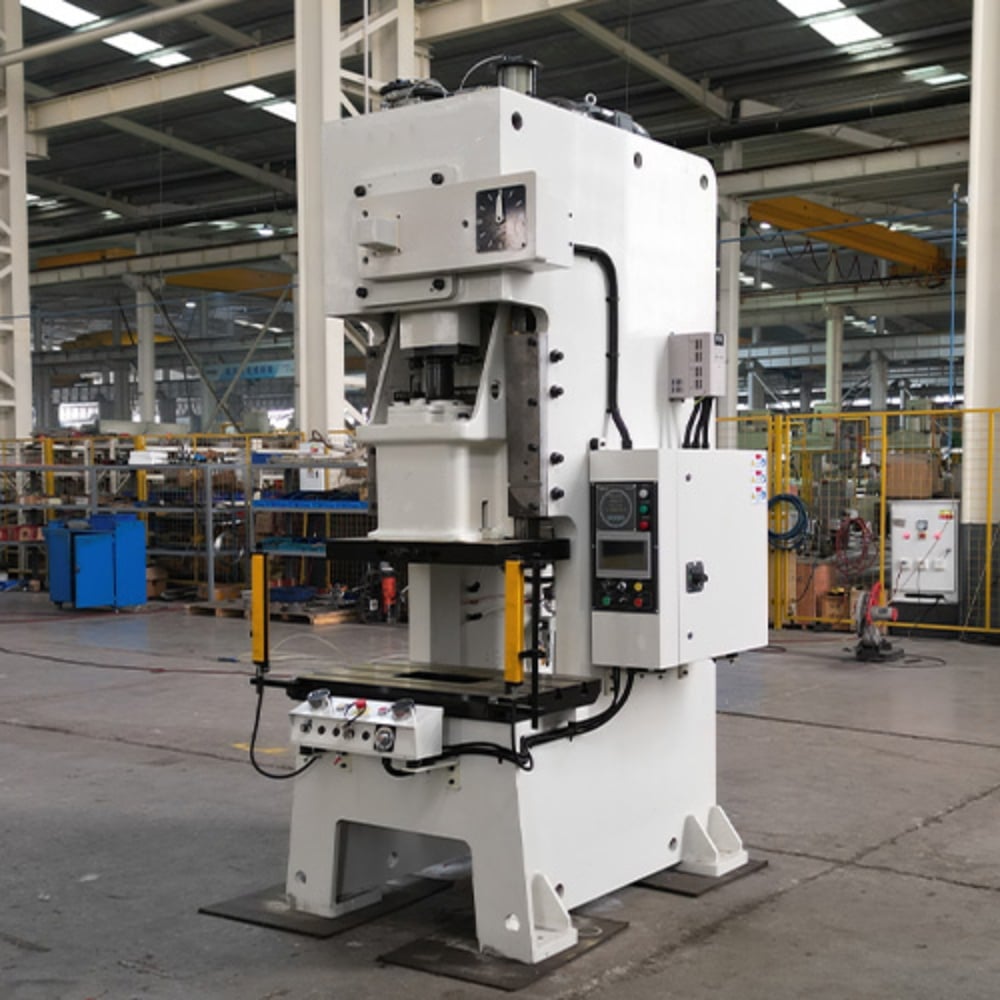
Deep Dive: Hydraulic, Electrical, and Mechanical Checks
Hydraulic System Integrity
For hydraulic punching machines, the oil is the lifeblood of the system. To reduce punching machine breakdown rates with simple maintenance habits, you must monitor the hydraulic fluid’s quality and temperature. Over time, hydraulic oil can become contaminated with microscopic metal particles, dust, and moisture. This contamination acts like sandpaper, eroding the precision-machined surfaces of valves and cylinders. Regularly checking the oil color—looking for cloudiness or darkening—can alert you to the need for a filter change or a full oil flush.
Temperature management is equally critical. If the hydraulic system runs too hot, the oil’s viscosity drops, leading to internal leakage and reduced punching force. Ensure that the cooling fans or heat exchangers are free of dust and debris. Check all hydraulic hoses for signs of bulging, cracking, or weeping at the fittings. A high-pressure hose failure is not just a maintenance issue; it is a major safety hazard and a significant environmental cleanup task.
Electrical System Stability
The electrical cabinet is the brain of the punching machine, and it is often the most neglected area. Dust and metallic particles can settle on circuit boards and contactors, leading to short circuits or overheating. Once a month, the electrical cabinet should be opened (with the power safely locked out) and cleaned using low-pressure compressed air or a specialized vacuum. Check for loose wiring connections caused by machine vibration; a single loose wire can cause phantom errors that are notoriously difficult to diagnose.
In CNC punching machines, the cooling fans for the servo drives and the PLC must be operational. If these components overheat, the machine may shut down unexpectedly or suffer permanent electronic damage. Additionally, check the integrity of the grounding system. Proper grounding protects the sensitive electronics from voltage spikes and electromagnetic interference, ensuring consistent performance and preventing data corruption in the machine’s control software.
Mechanical Component Precision
The mechanical structure of a punching machine—the flywheel, crankshaft, connecting rods, and slide—bears the brunt of the physical force. Regularly inspect the flywheel bearings for any signs of play or unusual noise. In mechanical presses, the clutch and brake unit is a critical wear item. Ensure the gap between the friction plates is within the manufacturer’s specifications. If the brake is worn, the slide may “drift” after a stroke, which is a major safety risk and can lead to tooling damage.
The slide (or ram) must move smoothly within its guides (gibs). Over time, the gibs may require adjustment to maintain the parallelism between the slide and the bolster plate. If the slide is tilted, even by a fraction of a millimeter, it will cause uneven wear on the tooling and the machine’s internal bushings. Use a dial indicator to check for any lateral movement in the slide. Keeping the mechanical linkages tight and aligned ensures that the force is delivered vertically, maximizing the efficiency of every stroke.
The Lubrication Plan: The Key to Friction Reduction
Friction is the enemy of any moving machinery. To effectively reduce punching machine breakdown rates with simple maintenance habits, a rigorous lubrication plan is essential. Most HARSLE punching machines feature centralized lubrication systems, but these systems still require human oversight. You must ensure that the correct type of lubricant is being used. Using a high-viscosity grease where a light oil is required can clog narrow lubrication lines, starving critical bearings of the protection they need.
The lubrication plan should specify the frequency and quantity of lubricant for every pivot point, gear, and guideway. For manual lubrication points, operators should follow a “clean before you grease” policy. Wiping down grease nipples before attaching the grease gun prevents dirt from being pumped into the bearing. It is also important not to over-lubricate; excess grease can attract abrasive dust and, in some cases, cause seals to blow out under pressure.
Automatic systems should be monitored for “dry” lines. Sometimes, a lubrication line can become pinched or disconnected, leaving a specific part of the machine without oil while the rest of the system appears to be functioning. Periodically verify that oil is actually reaching the furthest points of the system. By maintaining a consistent film of lubricant between moving parts, you reduce heat generation, minimize wear, and ensure the smooth, quiet operation of your punching machine.
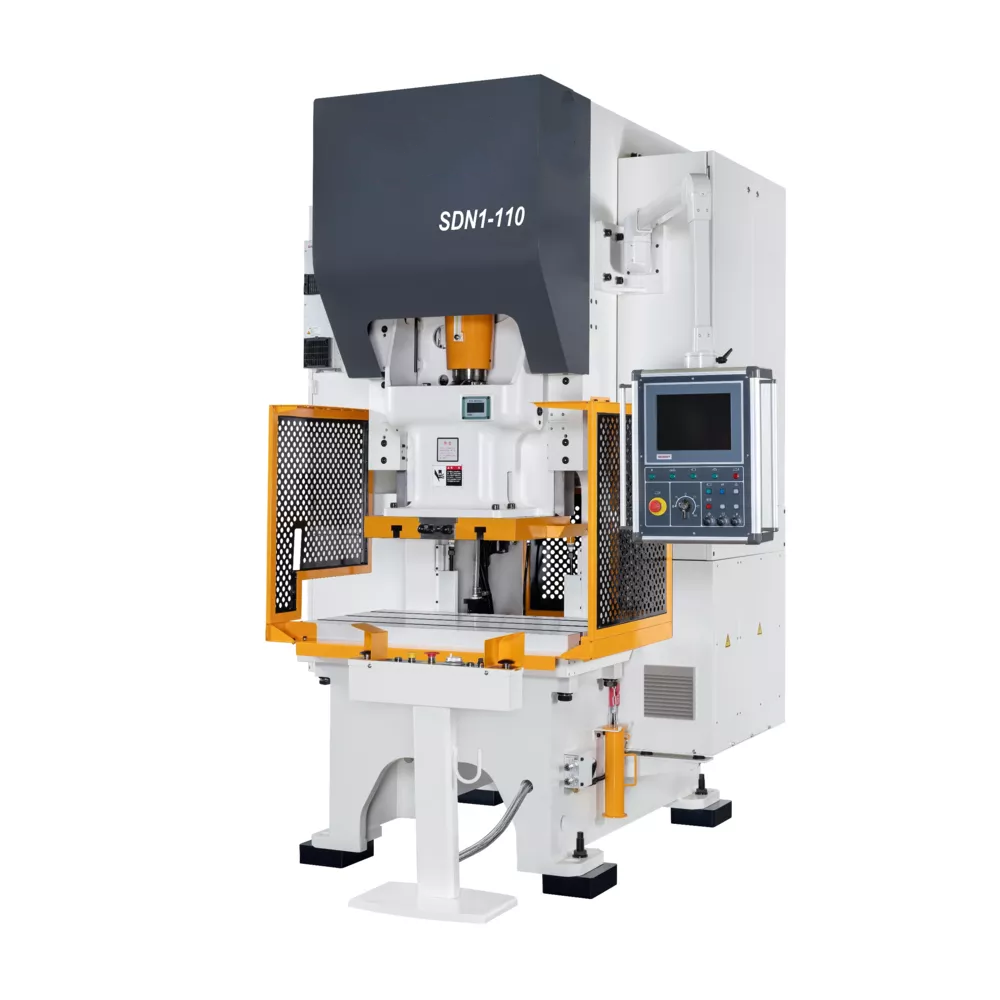
Troubleshooting Signals: Listening to Your Machine
Experienced operators often say they can “hear” a breakdown coming. Developing an ear for the machine’s natural rhythm is a powerful tool to reduce punching machine breakdown rates with simple maintenance habits. Any change in the sound of the machine—a rhythmic knocking, a high-pitched squeal, or an unusual hiss of air—should be investigated immediately. A knocking sound often indicates a loose connection in the drive train or a worn bearing, while a squeal might suggest a slipping belt or a dry bushing.
Vibration is another key indicator of trouble. While punching inherently involves some vibration, an increase in the intensity or a change in the vibration pattern can signal that the machine is no longer level or that internal components are misaligned. Excessive vibration can loosen electrical connections and cause premature fatigue in the machine’s frame. Using a simple vibration meter can help quantify these changes over time, allowing for data-driven maintenance decisions.
Heat is the third major signal. Use an infrared thermometer to check the temperature of motors, bearings, and hydraulic manifolds. If a specific bearing is significantly hotter than others, it is likely failing or under-lubricated. Similarly, if the motor is running hot, it may be overloaded due to dull tooling or mechanical binding. By catching these thermal, acoustic, and kinetic signals early, you can perform a “surgical” repair during a scheduled break rather than dealing with a total system failure during peak production hours.
Comprehensive Maintenance Schedule Table
To help you reduce punching machine breakdown rates with simple maintenance habits, we have compiled a standard maintenance schedule. Note that you should always refer to your specific HARSLE model manual for tailored requirements.
| Frequency | Task Description | Component Focus |
|---|---|---|
| Daily | Clean machine bed and surrounding area; check oil levels. | General / Hydraulic |
| Daily | Test emergency stops and light curtains. | Safety Systems |
| Daily | Inspect tooling for sharpness and proper alignment. | Tooling / Die Set |
| Weekly | Drain water from air compressor filters and separators. | Pneumatic System |
| Weekly | Inspect all hydraulic hoses for leaks or wear. | Hydraulic System |
| Monthly | Clean electrical cabinet and check for loose connections. | Electrical / Control |
| Monthly | Check and adjust gib clearance (slide guides). | Mechanical Structure |
| Quarterly | Check flywheel belt tension and condition. | Drive System |
| Bi-Annually | Replace hydraulic filters and sample oil for analysis. | Hydraulic System |
| Annually | Full machine leveling check and frame inspection. | Structural Integrity |
Frequently Asked Questions (FAQ)
1. How often should I sharpen my punching tools?
The frequency of sharpening depends on the material type, thickness, and the number of hits. As a general rule, you should inspect tools every 10,000 to 50,000 hits. If you notice increased burrs on the workpiece or a louder “bang” during the punch, it is time to sharpen. Keeping tools sharp is one of the easiest ways to reduce punching machine breakdown rates with simple maintenance habits because it reduces the load on the machine.
2. What type of hydraulic oil is best for HARSLE punching machines?
Most HARSLE machines use high-quality anti-wear hydraulic oil, typically ISO VG 32 or 46, depending on your ambient operating temperature. Always consult your specific machine manual. Using the wrong oil can lead to poor performance and may void your warranty. It is also vital to avoid mixing different brands or grades of oil, as the additives may react poorly with each other.
3. Why is my machine losing punching force?
Loss of force is usually attributed to three things: internal hydraulic leakage (worn seals or valves), low air pressure (affecting the clutch/brake), or dull tooling. Start by checking the easiest factors—air pressure and tool sharpness—before dismantling hydraulic cylinders. If the oil temperature is excessively high, this can also cause a temporary loss of pressure due to decreased viscosity.
4. Can I use compressed air to clean the machine?
While compressed air is useful for clearing large debris, you must be careful. Blowing air into bearing housings, electrical components, or precision guides can actually force small metal chips and dust *into* the parts you are trying to clean. It is often better to use a vacuum or a brush for sensitive areas and reserve compressed air for open, non-critical surfaces.
5. How do I know if the clutch is slipping?
Signs of a slipping clutch include a delay between the foot pedal press and the actual stroke, an inconsistent stopping position of the ram (overrun), or a burning smell coming from the drive area. Slipping is often caused by low air pressure or worn friction plates. Addressing this immediately is crucial to prevent a total failure of the drive system.
Conclusion: Building a Culture of Care
To reduce punching machine breakdown rates with simple maintenance habits is a journey, not a destination. It requires a commitment from both management and operators to treat the machinery with respect and diligence. By following the daily, weekly, and monthly steps outlined in this guide, you can transform your production floor from a place of constant mechanical anxiety to a model of industrial efficiency. HARSLE machines are engineered for power and precision, but their true potential is only realized when they are supported by a robust maintenance program. Start today by implementing a simple daily checklist, and you will see the results in your uptime, your product quality, and your bottom line.


