
How to Fix Press Brake Punch and Die Wear Issues That Affect Bending Quality


Introduction to Press Brake Tooling Longevity and Precision
In the world of precision metal fabrication, the press brake is the workhorse of the shop floor. However, even the most advanced HARSLE CNC press brake is only as effective as the tooling it employs. Over time, the constant interaction between the punch, the die, and the workpiece leads to inevitable wear and tear. When you need to fix press brake punch die wear issues that affect bending quality, you are essentially addressing the core of your production’s accuracy. Tooling wear is not just a cosmetic issue; it directly impacts the angular accuracy, the internal radius of the bend, and the surface finish of the final product.
For operators and shop managers, understanding the mechanics of tool wear is the first step toward maintaining high standards. Wear typically manifests as rounding of the punch tip or erosion of the die shoulders. These subtle changes in geometry alter the way force is distributed across the sheet metal, leading to inconsistent results that can derail a high-volume production run. This guide provides a comprehensive deep dive into identifying, preventing, and fixing these issues to ensure your HARSLE machinery continues to deliver world-class performance.
Key Considerations for Identifying Tool Wear
Visual Inspection and Geometric Deviations
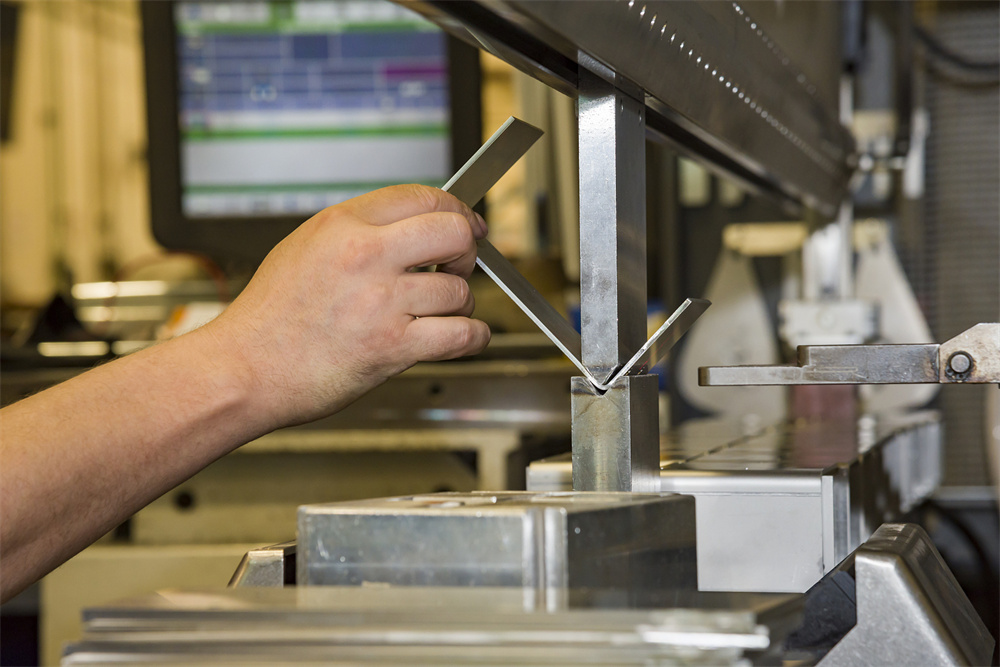
The most immediate way to identify wear is through regular visual inspections. A new punch has a crisp, defined radius at its tip, while a new die features sharp, clean shoulders. As wear progresses, these edges become rounded. You might notice ‘galling’—where small particles of the workpiece material weld themselves to the tool surface due to heat and pressure. This is particularly common when bending stainless steel or galvanized materials. If you see shiny patches or physical pitting on the tool steel, it is a clear sign that the tool’s geometry has been compromised.
Inconsistent Bend Angles
If your CNC program remains unchanged but your bend angles begin to drift, the culprit is often tool wear. As the punch tip wears down, it no longer penetrates the die to the same depth or with the same precision. Similarly, if the die shoulders wear unevenly, the sheet metal will not be supported symmetrically during the stroke. This results in ‘over-bending’ or ‘under-bending’ across the length of the workpiece. In high-precision industries like aerospace or medical equipment manufacturing, even a half-degree deviation can lead to part rejection.
Changes in the Inside Bend Radius
The inside radius of a bend is determined by the punch tip radius and the die opening width. When the punch tip flattens out due to excessive use, the inside radius of the part increases. This change might seem minor, but it affects the ‘bend deduction’ and ‘K-factor’ calculations used in the design phase. If the radius changes, the flat pattern length of the part will no longer be accurate, leading to assembly issues where holes do not line up or flanges are too long or too short.
Technical Details: The Mechanics of Wear
Abrasive vs. Adhesive Wear
To effectively fix press brake punch die wear issues that affect bending quality, one must understand the two primary types of wear. Abrasive wear occurs when the friction between the hard tool and the workpiece scrapes away the tool material. This is accelerated by mill scale on hot-rolled steel, which acts like sandpaper. Adhesive wear, or galling, occurs when the pressure is so high that the workpiece material ‘smears’ onto the tool. This creates a rough surface that then scratches subsequent parts, creating a cycle of declining quality.
The Role of Material Hardness (HRC)
Press brake tools are typically made from high-carbon steel or alloy steels like 42CrMo. These tools are heat-treated to a specific Rockwell hardness (HRC), usually between 45 and 60 HRC. If a tool is too soft, it will deform under the high tonnage required for thick plates. If it is too brittle, it may chip. HARSLE recommends using deep-hardened or laser-hardened tooling for high-production environments. Surface hardening (like nitriding) can provide a hard ‘skin’ that resists wear while maintaining a tough core that can withstand the shock of the bending process.
Tonnage and Stress Concentration
Every tool has a maximum tonnage rating per meter. Exceeding this limit is the fastest way to ruin a punch or die. When you bend a very short piece of thick material with high tonnage, the force is concentrated on a small area of the tool. This can cause ‘sinkage’ or permanent deformation of the punch tip. Always ensure that the tonnage required for the bend (calculated based on material thickness, tensile strength, and die opening) does not exceed the rated capacity of the tooling.
Selection Advice: Choosing the Right Tools to Minimize Wear
Matching Tooling to Material Type
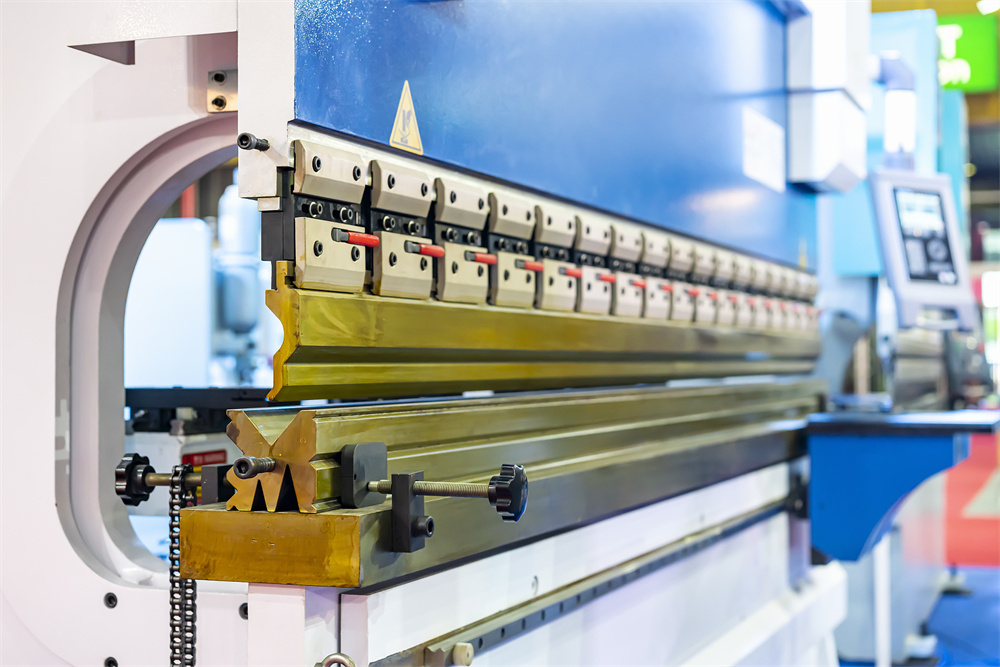
Not all tools are created equal. If you are primarily bending aluminum, you need tools with a high polish to prevent marking. If you are bending high-strength steels (like Hardox or Armox), you need specialized heavy-duty tooling. For general fabrication, 42CrMo steel that has been quenched and tempered is the industry standard. Investing in premium tooling from the start significantly reduces the frequency with which you need to fix press brake punch die wear issues that affect bending quality.
The Importance of Die Opening (V-Width)
A common mistake that accelerates die wear is using a V-opening that is too narrow for the material thickness. The standard rule of thumb is an 8x thickness (8T) opening for materials up to 6mm. Using a smaller V-opening increases the required tonnage exponentially, putting immense stress on the die shoulders. By selecting the correct V-width, you distribute the load more effectively and extend the life of the die shoulders significantly.
Coating and Surface Treatments
Modern tooling often comes with specialized coatings. Nitriding is a popular choice because it increases surface hardness and provides a degree of lubricity, which helps prevent galling. Some high-end tools feature specialized PVD (Physical Vapor Deposition) coatings that are incredibly hard and resistant to heat. While these tools have a higher upfront cost, their lifespan can be 3 to 5 times longer than untreated tools, making them more cost-effective in the long run for HARSLE machine users.
How to Fix and Maintain Worn Tooling
Regrinding Procedures
When a punch or die is worn but not cracked, regrinding is the most common fix. This involves using a precision surface grinder to remove a small amount of material from the worn surfaces to restore the original geometry. However, there are critical caveats:
- Height Consistency: If you regrind one section of a multi-piece tool set, you must regrind all sections to the same height. Otherwise, the tool will not seat evenly in the ram.
- CNC Compensation: After regrinding, the overall height of the tool changes. You must update the tool library in your HARSLE CNC controller to reflect the new dimensions, or the machine will not calculate the correct depth of stroke.
- Hardness Depth: If the tool was only surface-hardened (e.g., nitrided), regrinding may remove the hardened layer, leaving the soft core exposed. In such cases, the tool must be re-hardened after grinding.
Shimming and Alignment
Sometimes, the wear is not on the tool itself but in the tool holder or the bed of the press brake. If you notice a ‘bow’ in your bends (where the center is different from the ends), you may need to use shims or adjust the machine’s crowning system. Shimming involves placing thin strips of metal under the die to compensate for localized wear. While this is a common ‘quick fix’ on older machines, modern HARSLE press brakes utilize automatic hydraulic or mechanical crowning systems to compensate for bed deflection and minor tool inconsistencies.
Cleaning and Lubrication
Prevention is the best fix. Developing a strict cleaning regimen can prevent 80% of wear issues. Before every shift, tools should be wiped down to remove dust, mill scale, and metal shavings. Applying a light film of specialized press brake lubricant can reduce friction during the bend. For materials like stainless steel, using a ‘bending film’ (a thin plastic sheet placed over the die) can prevent metal-to-metal contact, virtually eliminating die shoulder wear and part marking.
Frequently Asked Questions (FAQ)
How often should I inspect my press brake tooling?
For high-volume production, a quick visual inspection should be performed at the start of every shift. A more detailed measurement of the punch tip and die shoulders using a radius gauge should be conducted monthly or whenever a decline in bending quality is noted.
Can I mix different brands of tooling on my HARSLE press brake?
Yes, as long as the tang style (e.g., Amada/Promecam, European, or American) matches your machine’s clamping system. However, avoid mixing tools of different heights or different wear levels in the same setup, as this will cause uneven bending and potential damage to the machine.
When is a tool ‘beyond repair’?
A tool should be replaced if it has visible cracks, if it has been deformed by exceeding tonnage limits (sinkage), or if regrinding would require removing so much material that the tool’s structural integrity or hardening depth is compromised. Safety should always be the priority; a cracked tool can shatter under pressure.
Does the material I bend affect how I fix wear issues?
Absolutely. If you bend a lot of galvanized steel, your ‘fix’ will often involve removing zinc buildup (galling) rather than regrinding steel. If you bend hot-rolled steel with heavy scale, your focus will be on addressing abrasive wear through more frequent regrinding or using harder tool steels.
Conclusion: Maintaining the HARSLE Standard
To fix press brake punch die wear issues that affect bending quality, one must adopt a proactive rather than a reactive mindset. Tooling is an investment, not a consumable. By selecting the right materials, adhering to tonnage limits, and implementing a rigorous maintenance schedule, you can ensure that your HARSLE press brake operates at peak efficiency for years to come.
Remember that precision in the final product starts with the precision of the tools. Whether it is through regrinding worn edges, updating CNC parameters, or investing in high-performance coatings, maintaining your tooling is the most effective way to reduce scrap, minimize downtime, and stay competitive in the demanding field of metal fabrication. HARSLE remains committed to providing the machinery and the knowledge necessary for fabricators to achieve excellence in every bend.


