Punching Machine Applications In Sheet Metal Fabrication: A Practical Guide


Introduction to Punching Machine Applications In Sheet Metal Fabrication: A Practical Perspective
In the modern industrial landscape, the efficiency of metal processing is often defined by the precision and speed of the equipment used. Among the most versatile tools in a fabricator’s arsenal is the punching machine. Understanding Punching Machine Applications In Sheet Metal Fabrication: A Practical guide is essential for businesses looking to optimize their production lines, reduce waste, and achieve high-quality results. HARSLE, a leader in metalworking machinery, has consistently innovated in this space, providing solutions that range from simple mechanical presses to advanced CNC turret punch presses.
Punching is a metal fabrication process that removes a scrap slug from the metal workpiece each time a punch enters the punching die. This process creates a hole in the workpiece, but it can also be used to create complex shapes, louvers, and even threads. The evolution of this technology has transitioned from manual labor-intensive operations to fully automated systems capable of running 24/7 with minimal human intervention. This guide aims to delve deep into the practical applications, technical nuances, and selection criteria for these indispensable machines.
Whether you are a small workshop or a large-scale industrial manufacturer, the ability to accurately punch holes and forms into sheet metal is a cornerstone of production. From the chassis of your computer to the structural components of an aircraft, punching machines play a silent but pivotal role. As we explore the depths of Punching Machine Applications In Sheet Metal Fabrication: A Practical approach, we will see how HARSLE machinery bridges the gap between raw material and finished product with unmatched reliability.
Key Considerations for Punching Machine Applications
Before integrating a punching machine into your workflow, several critical factors must be evaluated to ensure the equipment meets your specific production needs. The first consideration is material compatibility. Not all metals react the same way to the punching process. Ductile materials like aluminum and mild steel are ideal for punching, whereas brittle materials or extremely hard alloys may require specialized tooling or different fabrication methods like laser cutting.
Material thickness is another vital factor. The tonnage of the machine—the amount of force it can exert—must be sufficient to shear through the metal. A common mistake in the industry is underestimating the force required for thicker gauges, which can lead to machine strain and premature tool wear. Conversely, using a high-tonnage machine for very thin materials without proper adjustment can result in deformation or “oil-canning” of the sheet.
The geometry of the holes and forms also dictates the type of machine required. Simple round or square holes can be handled by basic machines, but complex patterns, clusters, or forming operations (like ribs or offsets) necessitate a CNC turret punch press. These machines house multiple tools in a rotating turret, allowing for rapid tool changes and the creation of intricate designs in a single setup. This versatility is a hallmark of Punching Machine Applications In Sheet Metal Fabrication: A Practical implementation in high-mix, low-volume production environments.
Finally, production volume and speed requirements must be balanced against budget. Mechanical punching machines offer high speeds for simple, repetitive tasks, while hydraulic and servo-electric models provide better control over the punch stroke, which is essential for forming operations and noise reduction. HARSLE offers a variety of configurations to match these diverse industrial requirements, ensuring that every fabricator finds a machine that fits their specific throughput goals.
Technical Details of Modern Punching Systems
Mechanical vs. Hydraulic vs. Servo-Electric Drives
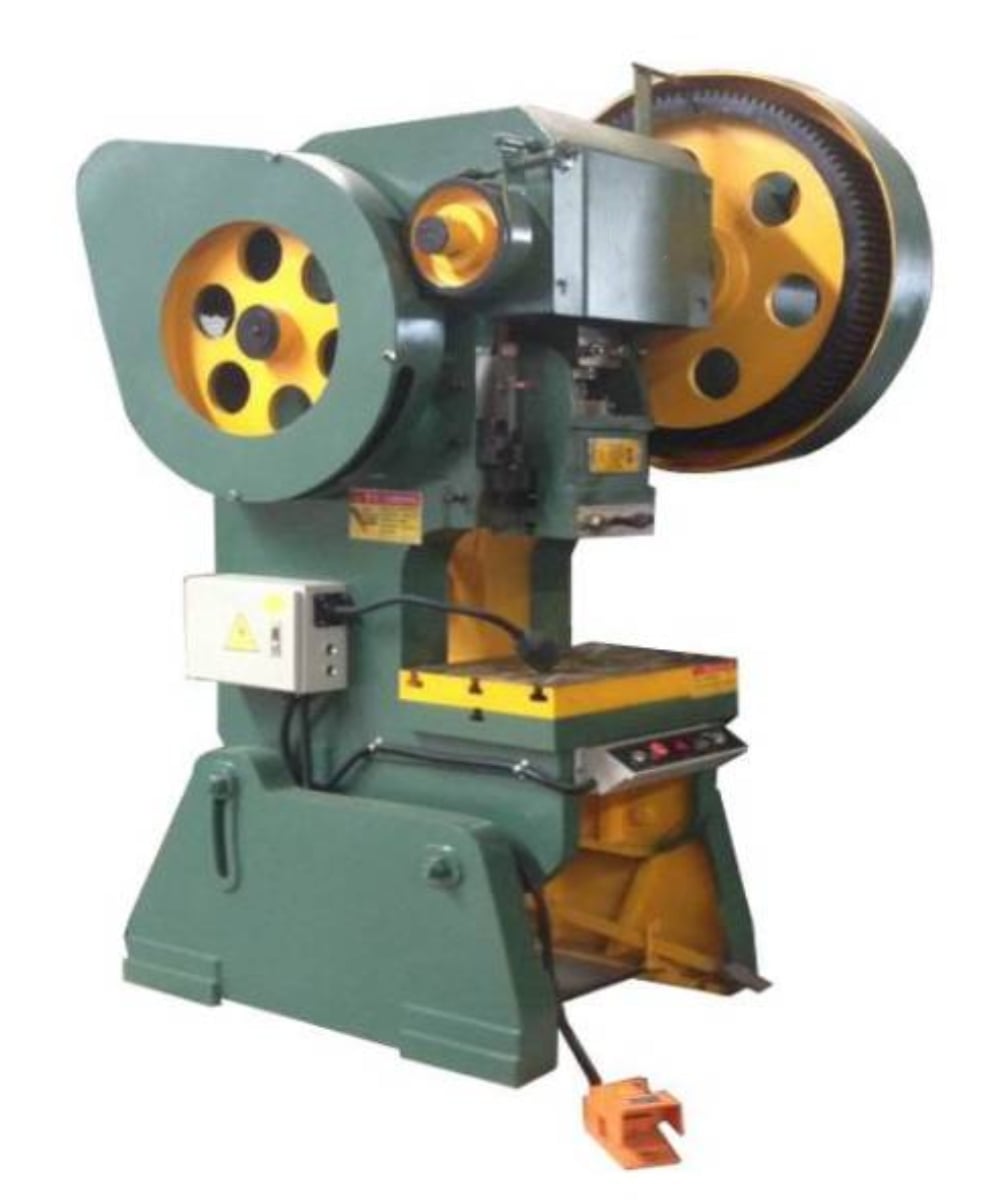
The drive system is the heart of the punching machine. Traditional mechanical presses use a flywheel to store energy, which is then released via a clutch and crankshaft mechanism. These are known for their speed and are excellent for high-volume blanking. However, they lack the flexibility to control the stroke speed at different points of the cycle.
Hydraulic punching machines, on the other hand, use fluid power to drive the ram. This allows for full tonnage at any point in the stroke and provides the ability to dwell at the bottom of the stroke, which is crucial for forming operations like countersinking or embossing. The downside is often a slower cycle speed compared to mechanical systems and the maintenance requirements associated with hydraulic fluids.
The latest advancement is the servo-electric drive. These machines combine the speed of mechanical presses with the control of hydraulic systems. By using a high-torque servo motor to drive the ram, manufacturers can precisely control the position, speed, and force of the punch. This results in significant energy savings, reduced noise, and the ability to perform complex forming tasks with extreme accuracy. HARSLE’s CNC series often utilizes these advanced drive systems to provide users with the best of both worlds.
Tooling and Turret Configuration
The efficiency of a CNC punching machine is largely determined by its turret configuration. A turret is a rotating tool carrier that can hold anywhere from 12 to over 50 different tools. The ability to index tools—rotating them to any angle—further expands the machine’s capability, allowing a single rectangular tool to punch at various orientations, which reduces the total number of tools needed.
Tooling quality is equally important. High-speed steel (HSS) and carbide-tipped tools are standard for ensuring longevity. Proper clearance between the punch and the die is critical; typically, this is 10% to 15% of the material thickness. Incorrect clearance leads to excessive burrs, shortened tool life, and poor edge quality. Modern systems often include “smart tooling” features that track tool usage and alert operators when sharpening is required.
Selection Advice: Choosing the Right Machine for Your Shop
Selecting the right equipment involves more than just looking at the price tag. You must perform a thorough analysis of your current and future production needs. Start by calculating the maximum tonnage you will require. The formula is generally: Tonnage = Perimeter of the cut (inches) x Material Thickness (inches) x Shear Strength (psi) / 2000. Always choose a machine with at least 20% more capacity than your highest calculated requirement to avoid running the machine at its absolute limit.
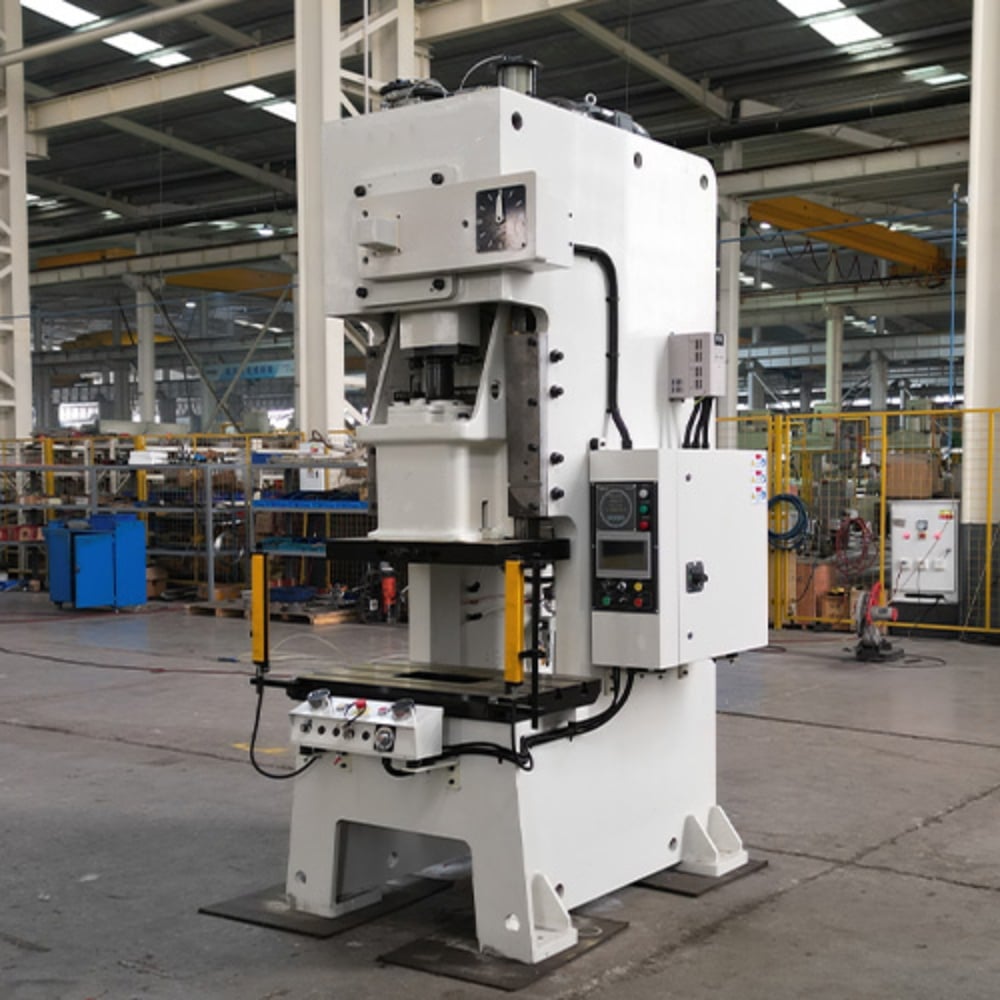
Consider the throat depth and the table size. The throat depth determines the maximum width of the sheet the machine can handle without flipping it. For large panels used in the HVAC or elevator industries, a deep throat is non-negotiable. Additionally, look for machines with high-speed positioning tables. The faster the sheet moves between hits, the higher your overall productivity will be.
Software integration is another vital component. A punching machine is only as good as the code that drives it. HARSLE machines are compatible with leading CAD/CAM software that features automatic nesting. Nesting optimizes the layout of parts on a sheet to minimize scrap metal, which directly impacts your bottom line. Look for software that also provides “common line cutting” capabilities and automatic tool selection to further streamline the fabrication process.
Finally, evaluate the after-sales support and availability of spare parts. Industrial machinery is a long-term investment. Choosing a reputable manufacturer like HARSLE ensures that you have access to technical expertise, training, and parts when you need them. A machine that is down for weeks due to lack of support is a liability, regardless of its initial cost.
Industrial Applications of Punching Machines
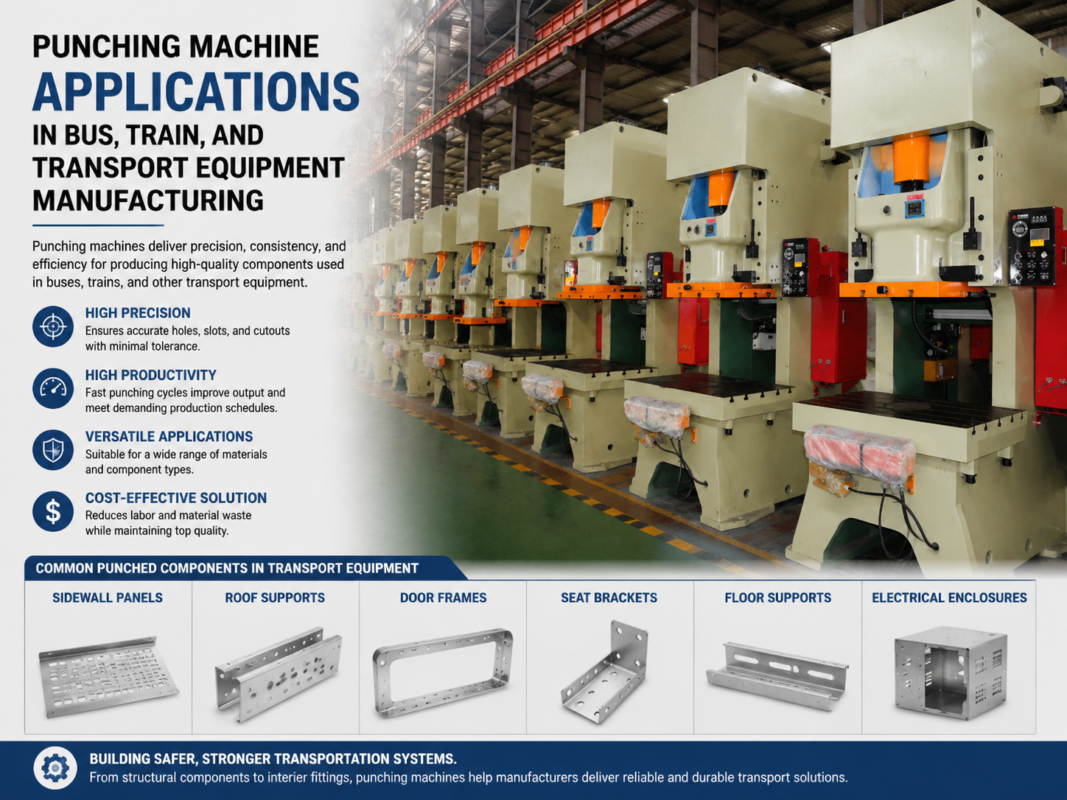
The versatility of Punching Machine Applications In Sheet Metal Fabrication: A Practical guide wouldn’t be complete without looking at specific industry use cases. In the Automotive Industry, punching machines are used to create brackets, heat shields, and structural reinforcements. The high speed of mechanical and servo presses makes them ideal for the millions of parts required annually in car manufacturing.
In the HVAC Sector, these machines are indispensable for creating ventilation grilles, furnace casings, and air conditioning cabinets. The ability to punch large arrays of small holes (perforation) quickly and accurately is a key requirement here. CNC turret presses allow for the integration of louvers and knockouts in the same process, reducing the need for secondary operations.
The Electronics and Telecommunications industry relies on punching for server racks, enclosures, and chassis. These parts often require high precision and the creation of specialized forms like standoffs and grounding tabs. The clean edges and dimensional accuracy provided by modern CNC punching ensure that sensitive electronic components fit perfectly within their housings.
Lastly, in Construction and Architecture, punching machines are used for decorative perforated panels, stair treads, and structural connectors. The ability to work with thick galvanized steel or stainless steel while maintaining tight tolerances is essential for safety and aesthetic appeal in modern building designs.
Maintenance and Safety Protocols
To maintain the longevity of your punching machine, a rigorous maintenance schedule is mandatory. Daily checks should include lubricating moving parts, inspecting the hydraulic fluid levels (if applicable), and ensuring the worktable is free of debris and slugs. Slugs that fail to fall through the die can cause “slug pulling,” where the scrap sticks to the punch and damages the workpiece or the tool on the next hit.
Tool maintenance is equally critical. Dull tools require more force to punch, which increases heat and wear on the machine. Regularly sharpening punches and dies, and ensuring they are properly aligned, will significantly improve part quality. Many modern HARSLE machines feature automated lubrication systems that ensure the turret and ram stay in peak condition with minimal manual effort.
Safety is paramount in any metal fabrication environment. Punching machines exert immense force and move at high speeds. Modern equipment must be fitted with safety light curtains, emergency stop buttons, and interlocked guarding. Operators should be thoroughly trained not only on how to run the machine but also on how to recognize potential mechanical failures before they lead to accidents. A safe shop is a productive shop.
Frequently Asked Questions (FAQ)
| Question | Answer |
|---|---|
| What is the difference between punching and laser cutting? | Punching is generally faster for repetitive holes and can perform forming operations (like louvers), while laser cutting is better for complex, irregular contours and thicker materials without the need for physical tools. |
| Can a punching machine handle stainless steel? | Yes, but it requires higher tonnage and specialized, hardened tooling compared to aluminum or mild steel due to the material’s higher shear strength and work-hardening properties. |
| How often should I sharpen my punching tools? | It depends on the material and thickness, but a general rule is to inspect tools every 10,000 to 50,000 hits. Sharpening early and often extends the total life of the tool. |
| What is “nibbling” in punching? | Nibbling is a process where a series of overlapping holes are punched to create a larger shape or a long slot that is bigger than any single tool in the turret. |
| Is CNC punching cost-effective for small batches? | Yes, because CNC machines allow for rapid setup and tool changes. With modern nesting software, even small batches can be produced with minimal waste and high efficiency. |
Conclusion
Mastering Punching Machine Applications In Sheet Metal Fabrication: A Practical approach is a journey of understanding the synergy between machine capability, tooling precision, and material science. As we have explored, the punching machine is far more than a simple hole-maker; it is a multi-functional fabrication center capable of transforming flat sheets into complex, high-value components across a myriad of industries.
HARSLE continues to lead the way by providing robust, high-technology punching solutions that cater to the evolving needs of the global market. By focusing on drive efficiency, turret versatility, and user-friendly software, HARSLE ensures that fabricators can meet the challenges of modern manufacturing head-on. Whether you are looking to upgrade your current capabilities or starting a new production line, the insights provided in this guide serve as a foundation for making informed, strategic decisions in the world of sheet metal fabrication.
In conclusion, the right punching machine, maintained properly and operated with precision, is one of the most profitable investments a metal fabrication business can make. As technology continues to advance, the boundaries of what can be achieved with a punch and die will only continue to expand, driving innovation and excellence in manufacturing for years to come.