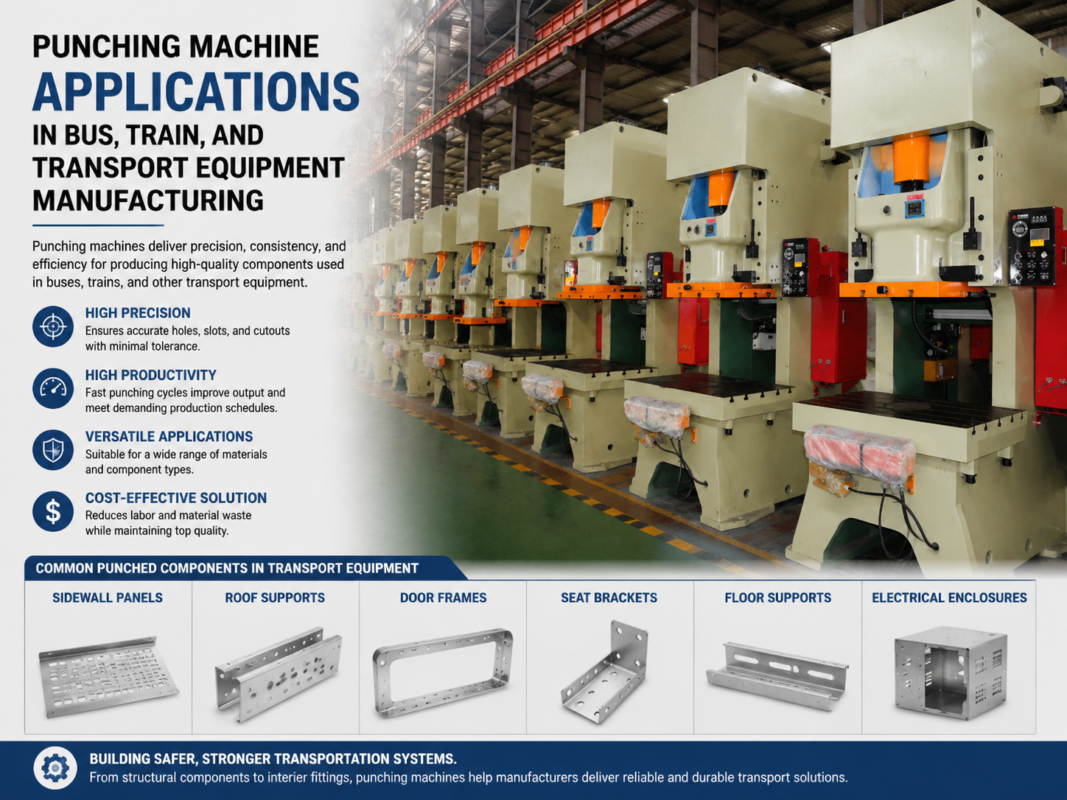
Comprehensive Guide to Punching Machine Applications for Bracket and Mounting Plate Production


Introduction to Punching Machine Applications for Bracket and Mounting Plate Production
In the modern industrial landscape, the demand for precision-engineered components such as brackets and mounting plates has reached an all-time high. These components serve as the backbone for various industries, including automotive, aerospace, construction, and electronics. To meet the rigorous standards of these sectors, manufacturers rely heavily on advanced metal fabrication equipment. Among the most critical tools in this arsenal is the punching machine. Understanding the nuances of punching machine applications for bracket and mounting plate production is essential for any facility looking to optimize its throughput and maintain high-quality standards.
A punching machine, whether mechanical, hydraulic, or CNC-driven, operates by using a punch and die set to create holes, notches, and complex shapes in sheet metal. For brackets and mounting plates, which often require multiple mounting points, weight-reduction cutouts, and specific geometric profiles, the punching machine offers a level of speed and repeatability that other methods, like drilling or laser cutting, may struggle to match in high-volume scenarios. HARSLE, a leader in metalworking machinery, provides cutting-edge solutions designed to handle the specific rigors of bracket manufacturing, ensuring that every stroke delivers precision and durability.
The versatility of these machines allows for the processing of various materials, from mild steel and stainless steel to aluminum and specialized alloys. As we delve deeper into the technicalities of this process, it becomes clear that the integration of modern punching technology is not just an upgrade but a necessity for competitive manufacturing. This guide explores the critical considerations, technical specifications, and selection criteria that define successful bracket and mounting plate production using industrial punching machines.
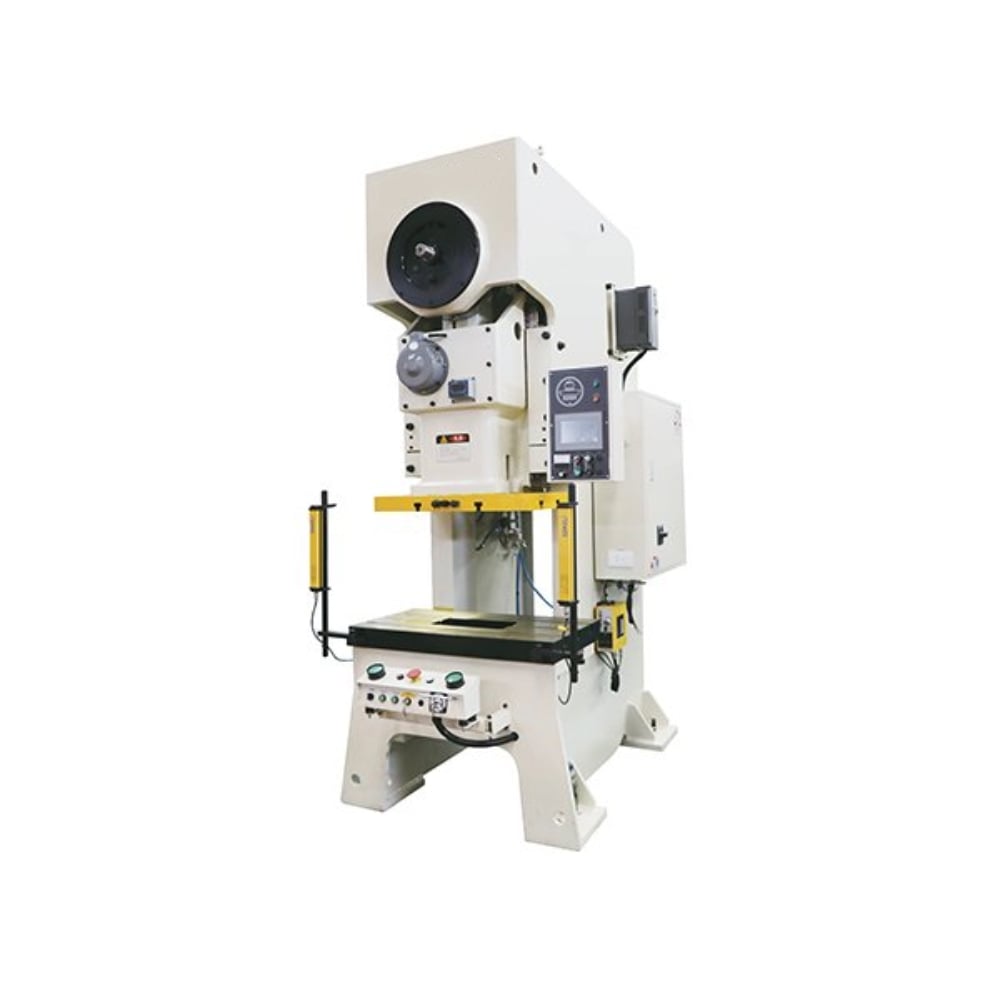
Key Considerations for Bracket and Mounting Plate Production
Material Selection and Thickness
The first step in any punching application is evaluating the material. Brackets used in heavy machinery often require high-strength carbon steel, while mounting plates for electronic enclosures might utilize thin-gauge aluminum or galvanized steel. The thickness of the material directly dictates the tonnage required from the punching machine. For instance, punching a 10mm hole in 5mm thick stainless steel requires significantly more force than the same hole in 2mm aluminum. Manufacturers must ensure their machine’s capacity exceeds the maximum calculated force to prevent frame deflection and tool wear.
Furthermore, the mechanical properties of the material, such as tensile strength and ductility, affect the quality of the punched edge. Harder materials tend to produce more tool wear and require specialized coatings on the punches. Conversely, softer materials like aluminum can lead to “slug pulling” or galling, where the material adheres to the punch. Addressing these material-specific challenges through proper machine settings and tool selection is paramount for maintaining a smooth production line.
Hole Geometry and Precision Requirements
Brackets and mounting plates are rarely simple. They often feature a combination of round holes, square slots, and custom-shaped apertures for cable routing or interlocking parts. The precision of these holes is critical, especially when the bracket is part of a larger assembly where tolerances are tight. A high-quality punching machine must maintain consistent positioning accuracy, often within +/- 0.1mm, to ensure that mounting bolts align perfectly during final assembly.
In addition to hole placement, the quality of the hole itself—specifically the ratio of the shear zone to the break zone—is a key consideration. For mounting plates that will be powder-coated or painted, a clean, burr-free edge is necessary to prevent coating failure. Modern CNC punching machines allow for fine-tuning the stroke and clearance, which helps in achieving the desired edge quality across different geometries.
Production Volume and Cycle Times
When considering punching machine applications for bracket and mounting plate production, volume is a deciding factor in machine choice. For low-volume, highly customized brackets, a single-station hydraulic punch might suffice. However, for mass production, a CNC turret punching machine or a high-speed mechanical press is required. These machines can perform hundreds of hits per minute, drastically reducing the cost per part.
Cycle time isn’t just about the speed of the punch; it also involves the time taken for sheet loading, positioning, and unloading. Automated systems, such as sheet loaders and part sorters, can be integrated with the punching machine to create a near-continuous workflow. This level of automation is particularly beneficial for mounting plates, which are often produced in large batches for the telecommunications and HVAC industries.
Tooling and Die Clearance
The relationship between the punch and the die—specifically the clearance—is the most technical aspect of the punching process. For brackets, the standard clearance is typically 10% to 15% of the material thickness. Incorrect clearance can lead to excessive burrs, shortened tool life, and even damage to the machine’s ram. When producing mounting plates of varying thicknesses, the ability to quickly change tools or adjust clearances is a significant advantage.
HARSLE machines often feature quick-change tooling systems that allow operators to switch between different bracket designs in minutes. This flexibility is crucial in a “just-in-time” manufacturing environment where the ability to pivot between different product lines can define a company’s success. Additionally, using high-quality tool steels like D2 or M2 ensures that the punches remain sharp even after thousands of cycles through tough materials.
Technical Details of Punching Machines
Mechanical vs. Hydraulic Systems
Punching machines generally fall into two categories: mechanical and hydraulic. Mechanical presses use a flywheel and crankshaft mechanism to deliver a high-speed, fixed-stroke punch. These are ideal for high-volume bracket production where the material thickness is consistent. Their primary advantage is speed, allowing for rapid-fire punching of mounting holes.
Hydraulic punching machines, on the other hand, offer more control over the stroke. The operator can adjust the pressure and the speed of the punch throughout the cycle. This is particularly useful for thicker mounting plates or when using forming tools (like louvers or countersinks) on the bracket. Hydraulic systems are also generally quieter and offer built-in overload protection, which can save the machine from damage if a double-sheet is accidentally fed into the die.
CNC Turret Technology
The CNC turret punch press is the gold standard for complex mounting plate production. These machines feature a rotating turret that holds dozens of different tools. The CNC controller moves the sheet metal along the X and Y axes while selecting the appropriate tool from the turret. This allows for the creation of complex patterns and multiple hole sizes in a single setup without manual intervention.
Modern CNC systems also support “nibbling,” a process where a small punch makes a series of overlapping hits to create a large or irregular cutout. This is highly efficient for custom bracket shapes that would otherwise require expensive custom dies. The integration of CAD/CAM software allows designers to send bracket blueprints directly to the machine, ensuring that the physical part is a perfect replica of the digital model.
Stroke Control and Forming Capabilities
One of the advanced punching machine applications for bracket and mounting plate production is the ability to perform forming operations. Beyond just making holes, many punching machines can create ribs for structural stiffness, countersinks for flush-head screws, and even small bends or tabs. This “all-in-one” approach reduces the need for secondary operations on a press brake or a dedicated forming machine.
Precise stroke control is necessary for these forming operations. For example, when creating a countersink on a mounting plate, the punch must descend to a very specific depth to ensure the screw sits perfectly flush. CNC hydraulic machines excel here, as they can be programmed to stop the punch at a precise point within a fraction of a millimeter, ensuring consistency across thousands of parts.
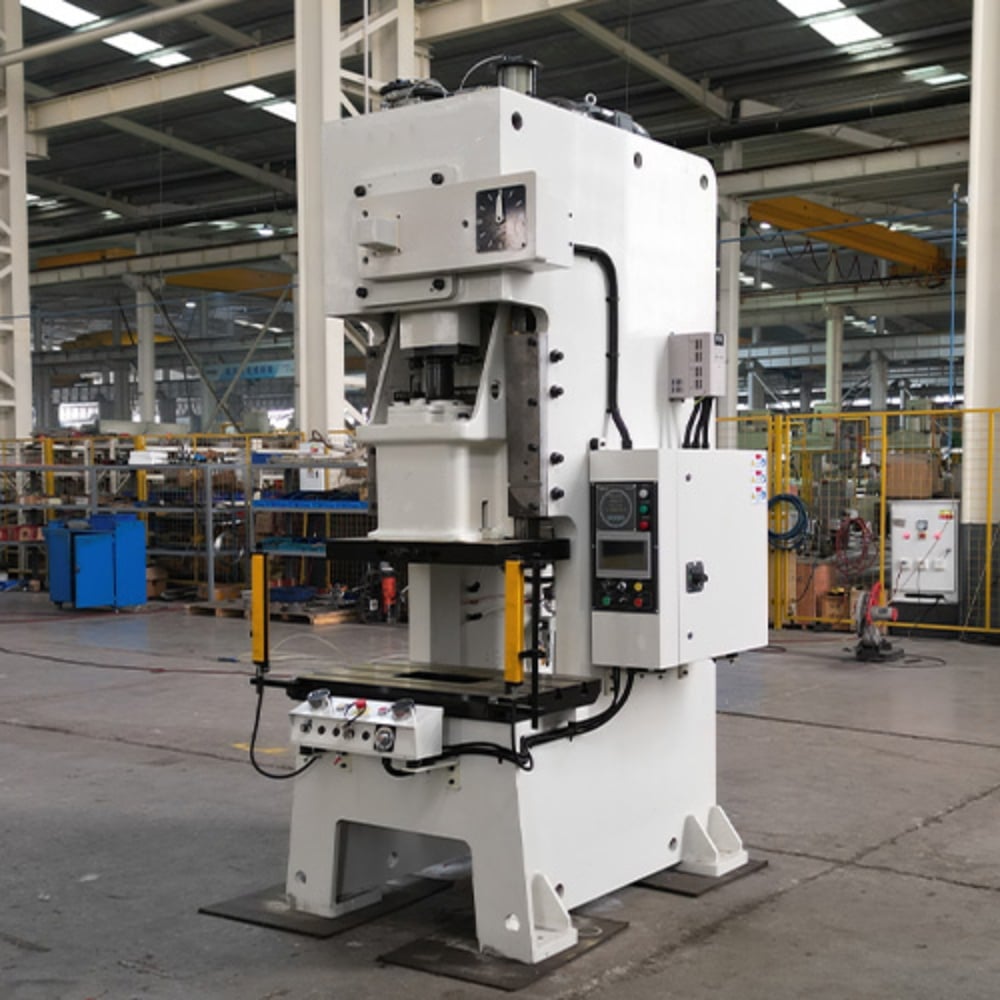
Safety and Monitoring Systems
Industrial punching involves immense forces, making safety a top priority. Modern machines are equipped with light curtains, emergency stop buttons, and interlocked guarding. However, technical safety also extends to the machine’s internal monitoring. Sensors can detect if a slug has failed to drop (slug pulling), which could cause a “double-hit” and shatter the tool. Load monitors can also track the force of each hit; a sudden spike in force might indicate a dull tool or a material inconsistency, allowing the operator to intervene before a failure occurs.
Selection Advice for Industrial Punching Equipment
Calculating Required Tonnage
Before purchasing a machine for bracket production, you must calculate the required tonnage. The formula is: Force (tons) = [Perimeter of the cut (mm) x Material Thickness (mm) x Shear Strength (kg/mm2)] / 1000. For example, a mounting plate requiring a large rectangular cutout in 3mm stainless steel will require significantly more tonnage than a small round hole in the same material. It is always advisable to choose a machine with a capacity 20-30% higher than your maximum calculated requirement to ensure longevity and reduce stress on the frame.
Throat Depth and Sheet Size
The throat depth of the punching machine determines the maximum width of the sheet that can be processed. If you are manufacturing large mounting plates for industrial control panels, you will need a deep-throat machine. Conversely, for small automotive brackets, a compact machine with a smaller footprint might be more efficient. Consider your current product range and potential future projects when deciding on the physical dimensions of the machine.
Automation and Software Integration
In today’s market, the software is as important as the hardware. Look for machines that come with intuitive CNC interfaces and support industry-standard nesting software. Nesting allows you to arrange multiple brackets on a single sheet of metal to minimize waste. For high-volume shops, investing in a machine that can be retrofitted with robotic loading arms or automated sheet feeders can provide a massive return on investment by allowing for “lights-out” manufacturing.
Maintenance and Tooling Compatibility
A punching machine is a long-term investment. Ensure that the machine you select uses standard tooling styles (such as Thick Turret or Trumpf-style) that are easily available from multiple vendors. This prevents you from being locked into a single, expensive supplier. Additionally, consider the ease of maintenance. Are the lubrication points accessible? Is the hydraulic system easy to service? HARSLE machines are designed with the end-user in mind, featuring robust components that are built for easy maintenance and long-term reliability.
Frequently Asked Questions (FAQ)
What is the difference between punching and laser cutting for brackets?
Punching is generally much faster and more cost-effective for high-volume production of parts with standard hole sizes. It also allows for forming operations like countersinking and ribbing, which a laser cannot do. However, laser cutting is better for extremely complex, organic shapes and very thick materials where a punch might struggle.
Can a punching machine handle stainless steel mounting plates?
Yes, but stainless steel is harder and work-hardens quickly. You will need a machine with higher tonnage and tools made from high-grade tool steel with specialized coatings (like TiCN) to resist wear. Proper die clearance is also more critical when working with stainless steel to prevent burrs.
How often should I sharpen my punching tools?
Tool life depends on the material being punched and the machine’s condition. As a rule of thumb, tools should be inspected every 10,000 to 50,000 hits. If you notice increased burr height or a change in the sound of the punch, it is time to sharpen the tools. Regular sharpening extends the total life of the tool and protects the machine.
What is ‘slug pulling’ and how can I prevent it?
Slug pulling occurs when the waste piece (the slug) sticks to the face of the punch and is pulled back up out of the die. This can cause damage on the next hit. It can be prevented by using “slug-hugger” dies, applying proper lubrication, or using punches with urethane ejectors or vacuum systems.
Is CNC necessary for simple bracket production?
For very simple brackets with only one or two holes produced in small batches, a manual or NC machine may be sufficient. However, for any part requiring multiple holes or high repeatability, CNC is highly recommended as it eliminates human error and significantly speeds up the setup process.
Conclusion
The role of punching machine applications for bracket and mounting plate production cannot be overstated in the realm of industrial manufacturing. From the initial selection of material to the final precision-punched part, every step of the process benefits from the speed, accuracy, and versatility of modern punching technology. By understanding the technical requirements—such as tonnage calculation, tool clearance, and the advantages of CNC systems—manufacturers can significantly enhance their production capabilities.
HARSLE continues to lead the way by providing robust, high-performance punching machines that cater to the diverse needs of the metal fabrication industry. Whether you are producing small, intricate brackets for electronics or heavy-duty mounting plates for construction, choosing the right equipment is the foundation of your success. Investing in quality machinery, maintaining rigorous tooling standards, and embracing automation will ensure that your facility remains competitive and capable of meeting the ever-evolving demands of the global market. As technology advances, the punching machine will remain a cornerstone of efficiency, turning raw sheet metal into the essential components that hold our world together.